
From Salt to Health- Iodine Content in Market Available Salts and Its Significance
 , Prerna Singh and Sarita Passey*
 Department of Chemistry, Zakir Husain Delhi College, University of Delhi, Delhi, India
Corresponding Author Email: spassey@zh.du.ac.in
DOI : http://dx.doi.org/10.12944/CRNFSJ.14.Special-Issue-June.12
Download this article as:

Iodine is a vital trace element necessary for the production of thyroid hormones, which play a key role in regulating growth, metabolism and overall development. Since iodine is not produced endogenously, it must be acquired from external sources. Owing to the very low concentration of iodine in natural foods, it needs to be supplemented by other means so as to avoid iodine deficiency which has become a global public health concern. Iodization of table salt becomes a simple and effective program to prevent the iodine deficiency disorderssuch as goitre, hypothyroidism and retarded psychomotor development in infants. The growing popularity of “natural” rock salt and sea salt variants which often lack adequate amount of iodine poses a significant challenge in maintaining the iodine levels in our body. This article explores the iodine concentration in various commercially available salts, thereby highlighting the stark contrast in their iodine levels.The iodine content of a range of commercially available salt samples was quantitatively determined by iodometric titration. Among the fifteen branded samples analysed, only five iodised variants exhibited iodine concentrations approaching the recommended level specified by the World Health Organization (WHO) (≥ 15 ppm at the point of consumption). In contrast, non-iodised salt varieties, including black salt, rock salt, and pink salt, demonstrated negligible to undetectable iodine levels.With these findings the article aims to raise awareness and also address the misconceptions about the health benefits of non-iodized natural salt varieties while emphasizing the need for iodine fortification. The article also delves into the need for proper storage of the iodized salt to minimize the sublimation of iodine from the sample. Through scientific data this research article aims to promote awarenessregarding the essential role of iodine in human nutrition so that consumers are able to make informed choices pertaining to salt storage and consumption.
KEYWORDS:Awareness; Deficiency; Diseases; Iodine; Salts; Storage; Sublimation
Introduction
Iodine constitutes an indispensable micronutrient vitaltohuman health.It contributes significantly to the synthesis of thyroid hormones1 that regulate growth, metabolic processes and neurological development, among other physiological functions.The thyroid gland predominantly produces triiodothyronine (T3) and thyroxine (T4) which play crucial role throughout all stage of life, beginning in the foetal period and continuing into adulthood.A deficiency in iodine disrupts the functions of these hormones thereby affecting the brain, liver, kidney, heart and the muscles resulting in a state of disease called as Iodine Deficiency Disorders(IDD).2 These IDDs impact millions globally and thus represent a significant public health challenge, resulting in complications such as hypothyroidism, goitre and irreversible neurodevelopmental impairment in children.3 Since the human body does not produceiodine, it has to be taken from dietary sources. The soil in large areas around the world is deficient in iodine. According to estimates, a number as large as 29% of world’s population from 130 countries resides in areas having iodine deficiency. This is particularly prevalent in mountainous areas such as the Andes, the Himalayas and the European Alps, where repeated flooding and glacial activity have led to iodine depletion in the soil. Majority of population in these areas consumes locally grown products and rock salt from the mountains and thus become vulnerable to IDD.4 Iodine deficiency is also found in lowland regions which are located far from the coastal areas, like central Africa and Eastern Europe. The populationfrom these areasparticularly requires continuous and sustained iodine supplementation. The preferred methodology for consistent iodine uptake is iodization of salt and is implemented in over 120 countries across the globe.5,6 WHO has givenguidelines to prevent and control iodine deficiency for all the population. These guidelinesstress that all food-grade salt whether used in general household or in the food industry must be fortified with iodine thus making it a safe, sustainable and cost-effective strategy.7
A sizeable number of countries have adopted these guidelines and made considerable progress towards controlling the deficiency of iodine and subsequently the iodine deficiency disorders.However,there is a growing contemporary trend to consume the unrefined salt varieties such as rock salt and certain sea salts since they are naturally occurring and contain minerals like iron, zinc, potassium and calcium among others.8 But these minerals and nutrients are present in very small amounts and a very high intake of the rock salt would be required to match the daily requirement of these nutrients from the saltand this would then result in an excessive intake of sodium leading to harmful health effects.9 Apart from this, these variants are generally not iodized and may contain very little or no iodine leading to a substantial risk for those people for whom iodized salt would meet the primary dietary requirement for this essential micronutrient.10
While substantial global evidence exists on iodine deficiency and the effectiveness of universal salt iodisation (World Health Organisation, UNICEF),5,11 there is comparatively limited context-specific, market-level data examining the iodine content of commercially available salt varieties, particularly with regard to the increasing consumption of non-iodised speciality salts. The present study is therefore undertaken to assess iodine levels in these salt variants and to address their potential implications towards prevention of iodine deficiency. In the Indian context, regulatory standards prescribed by the Food Safety and Standards Authority of India (FSSAI)12 mandateadequate iodisation of edible salt. However, variations in iodine content at the level of consumers requires continuous monitoring.13 Despite notable global advancements, a substantial proportion of households continue to lack access to adequately iodized salt, reflecting ongoing implementation challenges.14 Moreover, the iodine content of salt can vary considerably due to factors such as processing methods, storage conditions, and environmental influences thus raising concerns regarding the reliability of iodized salt at the consumer level.15 The existing literature is further limited by methodological variability and a lack of high-quality evidence, impeding a thorough evaluation of iodization programs.16 Accordingly, there is a critical need for well-designed market surveillance studies to monitor iodine levels and ensure adherence to established fortification standards.17,18
In this context, the present study aims to quantitatively evaluate the iodine content in a range of commercially available salt samples, withparticular emphasis on non-iodized variants such asrock salt, Himalayan pink salt and sea salt.The study seeks to generate evidence to informconsumers, policymakers, and industry stakeholders about the nutritional implications of salt choice. Additionally,it aims to enhance awareness regarding the critical importance of iodine for human health and to highlight the risks associated with iodine deficiency.By highlighting the need for sufficient iodisation across all salt varieties, the study promotes for broader adoption of fortification practices as a simple, safe and effective strategy to prevent iodine deficiency disorders.19,20
Requirement of Iodine for our Body
Iodine is one of the key trace minerals required for healthy brain development, proper functioning of the central nervous system and thyroid gland.21,22 The thyroid gland, a butterfly-shaped endocrine organ positioned at the anterior base of the neck, exerts significant control over metabolic regulation and several key physiological activities of the body.23 Adequate iodine is indispensable for the production of thyroid hormones T3 and T4 that regulate numerous metabolic and developmental processes. Thyroid hormones are integral to the regulation of numerous biochemical pathways, such as protein synthesis and enzyme (Na+/K+ ATPase) function.24,25 They also play a vital role in supporting normal skeletal growth and maturation of the brain and central nervous system during foetal and early infancy stages.5 During pregnancy, a woman’s iodine requirements increase markedly to support the needs of the developing foetus.6 Insufficient iodine intake during this period increases the risk of negative reproductive outcomes like infant and perinatal mortality, as well as intellectual disabilities, with cretinism being the most severe form.26 T3 and T4 also control the body’s metabolic rate thus determining how fast or slow we burn energy, how quickly our heart beats, how efficiently we digest food and even how our body maintains the temperature. Low levels would lead to constant fatigue making even the routine daily tasks seem more difficult. The functioning of thyroid gland is mainly primarily regulated by thyroid-stimulating hormone (TSH) or thyrotropin which is produced by the pituitary gland to modulate the synthesis and release of thyroid hormones, thereby safeguarding the body against state of hypothyroidism as well as hyperthyroidism.27 Thyroid-stimulating hormone facilitates iodine absorption and activates the synthesis and subsequent release of T4 and T3.When iodine levels are inadequate, it leads to persistently elevated TSH levels eventually resulting in thyroid gland hypertrophy, commonly referred to as goitre. This condition appears as a swelling in the anterior neck region and signifies the body’s attempt to compensate for iodine deficiency by enhancing iodine absorption from the bloodstream and to sustain adequate hormone production.In addition to its role in thyroid function, iodine also contributes in immune modulation and has been associated with potential therapeutic effects in disorders such as fibrocystic breast disease and mammary dysplasia.28 Though the symptoms may not be immediately apparent or visible, iodine deficiency may silently impact the quality of life and productivity. It also has the potential to become a major contributor to preventable cognitive and developmental impairments around the world.
To meet the above objectives, the study addresses the following research questions, a) What is the iodine content of different commercially available salt varieties, including iodized and non-iodized salts? b) Do the iodised salt samples that are available in the market meet the recommended iodine levels (≥ 15 ppm at the time of consumption)? c) How does the iodine content of non-iodised salts such as rock salt, pink salt and sea salt compare with iodised variants? and d) What are the potential public health implications of the observed variability in iodine content across these salt types?
Iodine Content in Market Samples
Everyone requires and uses salt. It is easily accessible and cheap and therefore becomes the preferred medium for iodine fortification. Iodine is rarely found in its elemental state and most commonly occurs as a salt, which is why it is more accurately described as iodide rather than iodine. It is added to salt generally in two chemical forms, potassium salts of iodide (KI) and iodate (KIO3).29 Iodate is generally preferred in humid tropical regions since it is less soluble and more stable considering its storage as well as distribution.30 The absorption of iodide occurs quickly and almost completely in the stomach and duodenum while iodate requires prior reduction to iodide within the gastrointestinal tract for absorption. After entering systemic circulation, iodide is selectively absorbed by the thyroid gland for the synthesis of thyroid hormones, with most of the excess excreted out via renal pathways. A healthy adult having sufficient iodine contains about 15–20 mg of iodine, with 70%–80% stored in the thyroid gland.31
Iodine is a microelement and adults require only a minimal amount of iodine, approximately 150 micrograms daily.Most commonly salt is supplemented with 20-50mg (20-50ppm) iodine per kg of salt and is considered adequately iodized with this amount of iodine. Although daily salt intake varies amongst different individuals, but it generally ranges from 5-10g per day. 5g salt iodized at 30ppm provides around 150µg of iodine which would meet the Recommended Dietary Allowance of this essential micronutrient. But the extent to which use of iodized salt is implemented differs greatly leading to deficiency in iodine levels. This deficiency of iodine can impact people throughout all stages of life, leading to a spectrum of medical conditions known as IDD. In 1990, approximately 28.9% of the world’s population were exposed to insufficient iodine levels. Of these, an estimated 11.2 million suffered from overt cretinism, the most severe manifestation of iodine-related mental impairment, while around 43 million experienced varying levels of intellectual disability associated with iodine deficiency.32 These figures highlight iodine deficiency as a major, yet preventable, global cause of cognitive impairment.
Since the major amount of iodine intake of majority of population would be via the iodized salt, thus it is imperative to know the iodine content present in the various salts available in the market. Keeping this in mind the determination of iodine content in different samples of table salt, sea salt, rock salt, pink salt and few other gourmet salts available in the market was carried out with Iodometric titrations. Alongside, assessment of stability of iodine present in salt over time was also ascertained.
This technique is employed to confirm that salt being consumed meets the recommended iodine standards and is safe for human consumption. The iodine concentration was evaluated through an iodometric titration.33,34 Currently, potassium iodate is the most widely used compound for salt iodization. The quantitative determination of potassium iodate content in salt samples is done through a redox titration technique. In this reaction, potassium iodate is reduced to free iodine by a suitable reducing agent, which is subsequently titrated against a standard sodium thiosulphate solution for quantitative determination of iodate in salt samples. The reaction involved in the titration and the procedure used in the experiment are as follows:
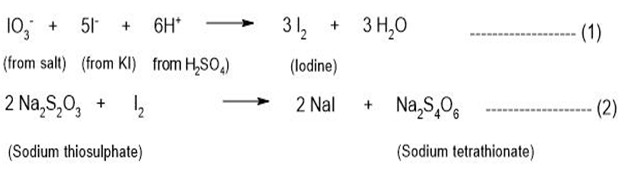
In this iodometric titration, the iodate (IO3–) content in iodised salt is determined by first reacting the iodate and added iodide (I–) (reducing agent) which liberates iodine under acidic conditions (eq 1). The iodine liberated in the reaction is then titrated with standardised sodium thiosulphate in the presence of starch as an indicator to determine the amount of potassium iodate in the salt (eq. 2).
Materials and Methods
All the reagents used were of AR grade and packaged salt samples were procured from the market. All salt samples were stored under identical laboratory conditions at room temperature. The standardisation of sodium thiosulphate was done using standard 0.01 N K2Cr2O7 solution. 10 mL of potassium dichromate solution was pipetted out in a conical flask. To this solution, 10 mL of dil. H2SO4 and 5 mL of 10% KI were added and flask was corked immediately and kept in dark for 5 min. The solution was titrated with sodium thiosulphate until the brown coloured solution changed into light yellow. 4-5 drops of starch were added and again titrated with sodium thiosulphate till blue black colour of the solution disappeared, indicating the end point.
A 10 g salt sample was dissolved in 50 mL of distilled water in a 100 mL conical flask. To this solution, 5 mL of 10 % potassium iodide (KI) and 1 mL of dilute sulphuric acid (H2SO4) were added. The flask was immediately stoppered and kept in dark for approximately 5 minutes to allow the reaction to proceed. The addition of dilute sulphuric acid facilitates the liberation of free iodine from the iodate present in the salt sample. An excess of KI is introduced to enhance the solubility of the liberated iodine, which is only sparingly soluble in pure water under normal conditions. The solution turned yellow/ brown [Fig. 1 (a)] due to iodine liberation which was then titrated with standardised sodium thiosulphate solution till light yellow colour was obtained. Subsequently, 3-4 drops of freshly prepared starch indicator were added, resulting in the formation of blue-black complex [Fig. 1 (b)] with free iodine and titration was continued with sodium thiosulphate solution till bluish-black colour disappeared [Fig. 1 (c)]. According to the Association of Official Analytical Chemists (AQAC), the addition of sodium thiosulphate as a stabilizing agent does not cause interference in the determination of iodine in salt samples.35
The iodine content in salt is determined from the titration volume (burette reading) of sodium thiosulfate, as indicated by the formula below.

Each salt sample was analyzed in triplicate under identical experimental conditions, and the results are reported as mean ± standard deviation (SD) based on three independent determinations (n = 3) (Table 1). Five blank determinations were performed using distilled water and all analytical reagents under the same experimental conditions as the sample analysis. No detectable iodine was observed in any of the blank samples, confirming the absence of iodine contamination or interference from the reagents.
To evaluate the accuracy of the method, known amounts of potassium iodate were spiked into blank samples at different concentration levels. The spiked samples were analysed in triplicate by iodometric titration, and the percentage recovery was calculated by comparing the measured iodine concentration with the amount of iodine added (Table 2).
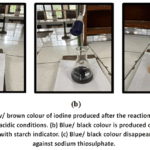 |
Figure 1: (a) Yellow/ brown colour of iodine produced after the reaction of iodate (in salt) and iodide under acidic conditions. (b) Blue/ black colour is produced on reaction of last traces of iodine with starch indicator. (c) Blue/ black colour disappears after titrating against sodium thiosulphate. |
Results
Table. 1: Quantitative analysis of Iodine in different salt samples and comparison with recommended standards.
|
S.No. |
Sample Name | I2 content
(in ppm) (mean ± SD, n = 3) |
I2 content after
15 days (in ppm) (mean ± SD, n = 3) |
Reported Iodine content on packaging (in ppm) |
|
1 |
Tata Iodised Salt | 21.14±2.11 | Not Detected | 20.0 |
| 2 | Tata Lite (low sodium) | 17.62±1.21 | Not Detected |
20.0 |
|
3 |
Independence Iodised Salt | 24.67±1.22 | Not Detected | 25.0 |
| 4 | Tata Pink Salt | 7.75±1.22 | Not Detected |
15.0 |
|
5 |
Organic India Himalayan Pink Salt | Not Detected | Not Detected | 0.24 |
| 6 | Himalayan Pink Pinch Salt | Not Detected | Not Detected |
2.66 |
|
7 |
Catch Pink Rock Salt | 31.01±1.21 | Not Detected | 15.3 |
| 8 | Good Diet Himalayan Pink Salt | 11.98±1.22 | Not Detected |
2.6 |
|
9 |
Mount 84 Rock salt | Not Detected | Not Detected | Not mentioned |
| 10 | Himalayan Rock Salt | Not Detected | Not Detected |
Not mentioned |
|
11 |
Good Life Black Salt | Not Detected | Not Detected | Not mentioned |
| 12 | Manjeet Himalayan Lahori Salt | 16.21±1.22 | 2.81±1.22 |
Not mentioned |
|
13 |
Sri Sri Tattava Rock Salt | 6.34±2.11 | Not Detected | <1.0 |
| 14 | Celtic Sea Salt | 4.23±2.11 | Not Detected |
Not mentioned |
|
15 |
Sampaige Sea Salt` | 7.75±1.22 | Not Detected |
Not mentioned |
Table 2: Recovery of iodine in iodate-spiked blank samples
|
Added Iodine (ppm) |
Measured iodine in ppm
(mean ± SD, n=3) |
Recovery (%) |
|
10 |
9.86 ± 1.21 | 98.6 |
| 20 | 19.73 ± 1.22 |
98.6 |
|
30 |
30.31 ± 1.21 |
101.0 |
Discussion
Fifteen salt samples, including three brands of iodized table salts and twelve gourmet salts (four different brands of pink salt, four brands of rock salt, two brands of sea salt, black salt, and Lahori salt), were procured from local retail markets in packaged form. The samples were chosen to represent a range of commonly available salt types, including different brands and categories (e.g., iodized, non-iodized, refined, and specialty salts), based on their availability in local retail markets. Although efforts were made to include widely consumed and readily accessible brands, the selection may still be subject to a degree of brand selection bias due to regional availability and market constraints. The focus was to include different kinds of natural salts doing rounds in the market and compare their iodine content with the iodized salts. Analysis of these salt samples revealed considerable variation in the iodine content across different brands as well as different salt types (Table. 1).The packaged iodized salt samples tested contained iodine content close to the recommended range. India’s National Iodine Deficiency Disorders Control Program (NIDDCP)36 stipulates that edible salt should contain at least 30ppm of iodine at the production level and a minimum of 15 ppm at the level of consumption. However, several other samples particularly rock salt, sea salt, black salt and other non-iodized gourmet salts showed very little to undetectable iodine.37,38 Some iodized salt brands showed iodine levels lower than mentioned on the packaging which could possibly be due to loss during transportation or due to improper storage as well as prolonged exposure to heat, light and moisture.39,40 These published studies explain the decrease in stability of iodine in salt under these conditions. Some studies even reported a sharp decrease in iodine content when they were kept open for 50 hours.41 Table 1 also revealed the complete disappearance of iodine in most brands when they were tested after keeping open for 15 days. All salt samples were stored under identical laboratory conditions at room temperature, protected from sunlight and exposed to ambient air for a period of 15 days. Despite being stored under identical conditions, only one salt sample retained detectable iodine after 15 days. The observed variation may be related to factors such as the form of iodine fortification, moisture content, packaging characteristics, salt composition, and trace impurities that affect iodine stability. Since these factors were not examined in the present study, the precise reason for the differences could not be established. These findings highlight that the consumers may unknowingly fail to meet the daily iodine requirement despite using salt regularly. These results also emphasize the nutritional risk associated with the increasing consumer preference for the “natural” salts which may lead to dietary iodine deficiency. Overall this study highlights the necessity for continuous surveillance of iodine levels in marketed salt samples. It also emphasizes the need to encourage the consumption of adequately iodized salt along with the proper storage of that salt as a preventive measure against IDDs particularly for the vulnerable population such as the children, pregnant and lactating mothers.
Recovery studies performed using iodate-spiked blank samples yielded recoveries ranging from 98.6% to 101.0% (Table 2), indicating satisfactory accuracy of the iodometric titration method.
In this context it becomes important to know how much the body gets from the natural sources and why it is imperative to fortify salt with iodine.
Natural Sources of Iodine
The essential micronutrient, Iodine, originates from the earth’s crust and is naturally present in soil, rocks, and seawater.42 It is absorbed by plants and animals, because of which it enters our food chain. However, the amount of iodine in foods is highly variable and depends largely on the iodine content of the soil and water in a given region. The natural sources rich in iodine are,
Milk and Dairy Products-Yoghurt, milk and cheese provide dietary iodine, largely due to iodine supplemented animal-feed and iodine containing disinfectants employed in dairy farming practices.Several studies have explained that in many countries where iodized salt is not mandatory or easily accessible, dairy products particularly milk serve as a major source of iodine in the diet.43 In these countries, nearly 38% of total iodine consumption is provided by milk and other dairy products in adults, including pregnant and lactating women.44 Although naturally milk contains iodine in small amounts only and a substantial amount of iodine content results from indirect fortification. Hereto there are many factors which affect the iodine content in milk, such as type of farming practices, livestock management (indoor or outdoor rearing), and even seasonal fluctuations since the iodine concentrations are generally more in winter compared to summer.45 Processing of milk can also affect the concentration of iodine.
Seafood– Marine foods such as tuna, cod, seaweed, shrimp and sardines are rich sources of iodine, as the ocean serves as a natural reservoir of this mineral.The wide range of marine-derived food provide adiversity of food choices with the different extent of iodine contents. White fish, such as haddock and cod have more iodine than oil-rich fish(105 in white fish Vs 48 in oily fish).46 Within the species of fish, the amount of iodine differs and decreases from the skin to the inner parts of fish fillets. In the skin of cod fish, iodine content is twenty times higher.31Marine fish has higher concentration of iodine which is probably 6-fold higher than freshwater fish. The amount of iodine in fish can also be affected by the method of cooking, with losses differing as approximately 20% in fried fish, 23% in grilled fish and around 58% in boiled fish.47 Other variety of sea foods such as prawns, lobster and crabs have a reasonably good amount of iodine(92 ) and are also considered as a rich source. However, fish are generally not consumed regularly so as to cover the daily requirements of iodine. Seaweed is also a rich source of iodine and can particularly suit the vegan and the vegetarian people particularly.48
Eggs- are a good source of iodine and contain upto 24µg on an average in one egg. The yolks are particularly rich in iodine and may contain modest amounts depending on the hen’s diet.49,50 Iodine rich eggs are obtained by fortifying the hens feed with iodine.
Fruits and Vegetables-Plant based foods generally have a low iodine concentration though the produce grown in iodine-rich soil can contribute to intake marginally, and these levels could vary widely.
Bread– Since 2009, it has been mandatory in New Zealand and Australia51,52and later in Denmark53 and few other countries to fortify the commercial bread with iodized salt. In countries, where bread constitutes a dietary staple, packaged bread can serve as a source of iodine for general population.54 However, it may be insufficient to meet the increased requirements during pregnancy and lactation. Furthermore, salt-free, organic and unpackaged bread along with some bread mixes may contain little or no iodine.
The Dietary Gaps
Despite the existence of natural sources listed above, iodine deficiency is prevalent and constitutes an ongoing public health challenge across the globe. A number of reasons could be attributed to this. One of them is the soil depletion in the many inland and mountainous regions where soil has been stripped of iodine due to natural erosion, flooding, and over-farming. As a result, crops grown in such areas have very low iodine content.55 Another is the limited seafood consumption by the people who live far from coastal areas or follow vegetarian/vegan diets and thus may not consume enough iodine-rich seafood. A bigger reason for concern is the changing dietary trends because of a growing shift towards “natural” or unprocessed diets. This often involves avoiding table salt, especially iodized salt and replacing it with trendy alternatives like Himalayan pink salt, rock salt or sea salt, which are usually not iodized leading to low iodine population. Food processing practices also contribute towards this gap since many processed foods do not use iodized salt. So even people who consume high amounts of salty snacks and fast food may still be iodine-deficient. Lack of awareness becomes a major cause of worry because a significant number of people are simply unaware about the dietary concerns related to iodine and also that the body cannot store iodine long-term, making daily intake essential.
Dosage for iodine, like other nutrients are given by the Food and Nutrition Board (Table. 3.) and help in the planning and assessment of nutrient consumption among healthy individuals. These parameters prove beneficial as they set standards to determine the nutritional requirements of individual diet.
Recommended Dietary Allowance (RDA) is defined as the average daily dietary intake level adequate to satisfy the known nutrient requirements of majority (nearly 97-98%) of healthy individuals with respect to their gender and specific stage of life group. This data is based on scientific research evidence.
Adequate Intake (AI): When enough scientific evidence is not there to establish an RDA, then AI is used to set a level which is assumed to provide enough nutrition based on observed intake levels of healthy individuals.
Table 3: Recommended Dietary Allowance (RDA) of Iodine (micrograms or mcg per day)56,57
|
Age |
Male/ Female |
| 0-6 months* |
110 |
|
7-12 months* |
130 |
| 1-3 years |
90 |
|
4-8 years |
90 |
| 9-13 years |
120 |
|
14-18 years |
150 |
| 19+ years |
150 |
|
Pregnant females (all age groups) |
220 |
| Lactating females (all age groups) |
290 |
Global strategy
In majority of countries, salt iodisation continues to be the most effective and affordable approach for combating iodine deficiency and promoting economic and social development.58,59 In situations where salt iodisation is not feasible, iodine supplementation is suggested to vulnerable groups. Each country recommends dietary guidelines for its population depending on the requirements of the people. It is recommended to follow these guidelines to meet the requirements for sufficient iodine in the body. Currently, more than 120 countries have adopted national salt iodisation programmes, showing its global acceptance as a sustainable public health measure. However, ongoing monitoring of iodine levels in salt as well as the population remains critical to ensure sustained impact and prevent deficiency.50 -60 Future strategies must also focus on reaching remote communities and addressing the growing popularity of un-iodised specialty salts, which may undermine the progress achieved so far.
Empowering Choices of the Common Man
With the wide range of salts available in the market, like the iodized table salt, rock salt, sea salt, the Himalayan pink salt, black salt and other gourmet salts, it becomes confusing for the common man to decide which one to consume. Particularly considering the claims of the inherently healthier natural salts which are rich in minerals and micronutrients, it becomes absolutely imperative to make right choices to ensure adequate iodine consumption, since this will directly impact the health of the entire family.
The simplest step in this direction is to always look for iodized on the packaging of the salt and to check the ppm iodine present in the particular brand. This ensures that the salt is fortified with iodine and would take care of the iodine requirement of the body. Given the abundance of a diverse range of table salt samples also in the market, it would be wise to verify the amount of iodine present on the labels rather than assuming that all table salts are fortified with sufficient amount of iodine. Itis also important for the common man to be aware of the various popular alternatives available in the market, which claimhealth benefits owing to their natural origin and the presence of certain minerals and nutrients in them. However, these gourmet and speciality natural salts are not recommended by health professionals for consumption due to lack of clinical evidence for any sizeable benefits,60 whereas the regular table salt provides a reliable source of iodine as per the dietary guidelines and recommendations of WHO.5As per these guidelines all food grade salt needs to be fortified with iodine to maintain the iodine levels in the body leading to prevention of iodine deficiency disorders and most of these popular and trending salts are not iodized. Consumers must learn to prioritize their nutritional needs on evidencebased facts rather than on trends, fads or hearsay. If on a low salt diet,iodine supplements on the advice of a doctor should be taken. All the stakeholders also need to be aware of the proper storage conditions of the iodized salt. Considering the sublimation of iodine on exposure to heat, light, moisture and air, the salt after iodization should be packaged and sealed properly by the manufactures and should be stored in air tight containers for consumption so as to maintain the iodine levels in the iodized salt. It would also prove beneficial if the salt is added towards the end during cooking to reduce the sublimation. The consumers must also be sensitized to balance their intake and take iodized salt as a foundation for iodine and not as the sole source. While iodized salt becomes a remarkably simple, convenient, cost-effective and sustainable way to meet our daily iodine requirements, a holistic approach to nutrition should be strived. One should try to include naturally iodine-rich foodslike seaweed, fish(cod, tuna, perch etc.)oysters, shrimp, dairy products(milk, yogurt, cheese) and eggs into the daily routine. This kind of balanced diet would provide other essential nutrients apart from adding iodine in the diet. However, there may still be concerns regarding iodine intake, thyroid health or suspected iodine deficiency symptoms. A healthcare professional or a certified dietician must be consulted to assess the needs of the individual so that they can make appropriate adjustments in the diet.
Conclusion
This study quantitatively evaluated the iodine content of commercially available salt samples, laying particular emphasis on non-iodised variants. The findings show considerable variability in iodine levels across the samples analysed. Only 5 samples (one third of the samples)exhibited iodine levels close to the recommended value ((≥ 15 ppm at the time of consumption), while an equal number showed inadequate levels and the remaining non-iodised varieties contained negligible or undetectable iodine. These results indicate that a significant proportion of salt available to consumers may not adequately meet dietary iodine requirements.
The study also demonstrates a perceptible decline in iodine content over a 15 days period suggesting potential losses during transportation and storage.These findings thus reinforce the importance of appropriatehandling and storage conditions for iodised salt.
In alignment with the study’s aim, these findings highlight the nutritional limitations of non-iodised specialty salts, such as rock salt, Himalayan pink salt, and sea salt, despite their increasing consumer preference. The results underscore the need for continued monitoring of iodine levels in commercially available salts and for strengthening quality control measures to ensure compliance with recommended standards. The article also tries to generate public awareness regarding the nutritional significance of iodised salt.From a policy perspective, ensuring adequate iodisation across all edible salt varieties and promoting its consistent use in households and the food industry may serve as a simple, cost-effective strategy for the prevention of iodine deficiency disorders.
Overall, the study emphasizes that both the selection of adequately iodised salt and the maintenance of its iodine stability are critical for effective iodine intake. These findings have important implications for public health strategies aimed at sustaining iodine sufficiency.
Future research should focus on detailed compositional analysis of non-iodised salt variants and their actual contribution to micronutrient intake, as well as long-term assessment of iodine stability under varying storage conditions.
Acknowledgement
We would like to thank Zakir Husain Delhi College, University of Delhi for the support.
Funding Sources
The authors received no financial support for research, authorship and publication of this article.
Conflict of Interest
The author(s) do not have any conflict of interest.
Data Availability Statement
The manuscript incorporates all datasets produced throughout this research study
Ethics Statement
This research did not involve human participants, animal subjects, or any material that requires ethical approval.
Informed Consent Statement
This study did not involve human participants, and therefore, informed consent was not required.
Clinical Trial Registration
This research does not involve any clinical trials.
Permission to Reproduce Material from Other Sources
Not Applicable
Author Contributions
- Jyotsna Ratan: Conceptualization, Experimental Work,Literature Review,Writing – Original Draft
- Prerna Singh: Experimental Work,Writing – Original Draft and review, Formatting of References
- Sarita Passey:Conceptualization, Methodology, Supervision, Literature Review, Writing – Original Draft and Review
References
- Shahid MA, Ashraf MA, Sharma S. Physiology, thyroid hormone. In: StatPearls. StatPearls Publishing; 2025. Updated June 5, 2023. Accessed May 5, 2026. https://www.ncbi.nlm.nih.gov/books/NBK500006/
- Kapil U. Health consequences of iodine deficiency. Sultan Qaboos Univ Med J. 2007;7(3):267-272.
CrossRef - Ma ZF, Brough L. Effect of iodine nutrition during pregnancy and lactation on child cognitive outcomes: a review. Nutrients. 2025;17(12):2016. doi:10.3390/nu17122016
CrossRef - Iodine Global Network. Global scorecard of iodine nutrition. Accessed May 5, 2026. https://ign.org/scorecard/
- World Health Organization. Guideline: Fortification of Food-Grade Salt with Iodine for the Prevention and Control of Iodine Deficiency Disorders. World Health Organization; 2014.Accessed May 5, 2026.https://www.who.int/publications/i/item/ 9789241507929.
- Aburto N, Abudou M, Candeias V, et al. Effect and safety of salt iodization to prevent iodine deficiency disorders: asystematic review with meta-analyses; 2014. World Health Organization. Accessed May 5, 2026. https://iris.who.int/handle/10665/148175
- Andersson M, Karumbunathan V, Zimmermann MB. Global iodine status in 2011 and trends over the past decade. J Nutr. 2012;142(4):744-750. doi:10.3945/jn.111.149393
CrossRef - Pandav CS, Bajaj S, Yadav K,et al. Indian Thyroid Society expert consensus on salt iodisation. Thyroid Res Pract. 2024;20(2):59–63.doi:10.4103/trp.trp_27_23
CrossRef - Fayet-Moore F, Wibisono C, Carr P, et al. An analysis of the mineral composition of pink salt available in Australia. Foods. 2020;9(10):1490.doi:10.3390/foods9101490
CrossRef - Charlton KE, Skeaff SA. Iodine fortification: why, when, what, how, and who? Curr Opin Clin Nutr Metab Care. 2011;14(6):618-624. doi:10.1097/MCO.0b013e32834ad4ba
CrossRef - United Nations Children’s Fund. Sustainable elimination of iodine deficiency. United Nations Children’s Fund;2008. Accessed May5, 2026. https://data.unicef.org/resources/sustainable-elimination-of-iodine-deficiency/
- Food Safety and Standards Authority of India. Food Safety and Standards (Fortification of Foods) Regulations.Food Safety and Standards Authority of India; 2018.
- Sáez-Ramírez DM, Chacon-Torrico H, Hernández-Vásquez A. Household consumption of adequately iodized salt: a multi-country analysis of socioeconomic disparities. Nutrients. 2024;16(21):3787. doi:10.3390/nu16213787
CrossRef - Andersson M, de Benoist B, Rogers L. Epidemiology of iodine deficiency: salt iodisation and iodine status. Best Pract Res Clin Endocrinol Metab. 2010;24(1):1-11. doi:10.1016/j.beem.2009.08.005
CrossRef - Ewunie TM, Kabthymer RH, Hailu S, et al. Iodine concentration level of iodized dietary salt and its associated factors: a systematic review and meta-analysis. Eur Thyroid J. 2022;11(4):e220066. doi:10.1530/ETJ-22-0066
CrossRef - Rika UF, Habib MA, Sen P, et al. Universal salt iodization remains insufficient to prevent iodine deficiency without maternal education and improved household salt practices: insights from structural equation modelling in Noakhali. Hum Nutr Metab. 2026;43:200359. doi:10.1016/j.hnm.2025.200359
CrossRef - Kusrini I, Farebrother J, Mulyantoro DK. Adequately iodized salt is an important strategy to prevent iodine insufficiency in pregnant women living in Central Java, Indonesia. PLoS One. 2020;15(11):e0242575. doi:10.1371/journal.pone.0242575
CrossRef - World Health Organization. Iodized salt for the prevention of iodine deficiency disorders: systematic review summary. World Health Organization; 2014. Accessed May 5, 2026.https://www.who.int/publications/i/item/9789241508285
- Chen C, Chen Y, Zhai H, et al. Iodine nutrition status and its association with microvascular complications in urban dwellers with type 2 diabetes. Nutr Metab. 2020;17:70. doi:10.1186/s12986-020-00493-5
CrossRef - Chen Z, Xu W, Huang Y, et al. Associations of noniodized salt and thyroid nodule among the Chinese population: a large cross-sectional study. Am J Clin Nutr. 2013;98(3):684-692. doi:10.3945/ajcn.112.054353
CrossRef - Pearce EN. Iodine Deficiency Disorders and Their Elimination. Springer; 2017. doi:10.1007/978-3-319-49505-7
CrossRef - Delange F. The disorders induced by iodine deficiency. Thyroid. 1994;4(1):107-128. doi:10.1089/thy.1994.4.107
CrossRef - Zimmermann MB. Iodine deficiency. Endocr Rev. 2009;30(4):376-408. doi:10.1210/er.2009-0011
CrossRef - National Research Council. Health Implications of Perchlorate Ingestion. National Academies Press; 2005. Accessed May5, 2026. https://nap.nationalacademies.org/catalog/11202/health-implications-of-perchlorate-ingestion.
- World Health Organization. Iodine supplementation in pregnant and lactating women.World Health Organization; 2016. Accessed May5, 2026. https://www.who.int/tools/elena/interventions/iodine-pregnancy
- Zimmermann MB. The effects of iodine deficiency in pregnancy and infancy. Paediatr Perinat Epidemiol. 2012;26(suppl 1):108-117. doi:10.1111/j.1365-3016.2012.01275.x
CrossRef - Pearce EN, Zimmermann MB. The prevention of iodine deficiency: A history.Thyroid. 2023;33(2):143-149.doi:10.1089/thy.2022.0454
CrossRef - Institute of Medicine, Food and Nutrition Board. Dietary Reference Intakes for Vitamin A, Vitamin K, Arsenic, Boron, Chromium, Copper, Iodine, Iron, Manganese, Molybdenum, Nickel, Silicon, Vanadium, and Zinc. National Academy Press; 2001.Accessed May 5, 2026. https://nap.nationalacademies.org/catalog/10026/dietary-reference-intakes-for-vitamin-a-vitamin-k-arsenic-boron-chromium-copper-iodine-iron-manganese-molybdenum-nickel-silicon-vanadium-and-zinc.
- Patrick L. Iodine: deficiency and therapeutic considerations. Altern Med Rev. 2008 ;13(2):116-127.
- Medeiros-Neto G, Rubio IGS. Iodine-deficiency disorders. In: Jameson JL, De Groot LJ, de Kretser DM, Giudice LC, Grossman AB, Melmed S, et al, eds. Endocrinology: Adult and Pediatric. 7th ed. Elsevier Inc.; 2015:1584-1600.e3.
CrossRef - Zimmermann MB, Jooste PL, Pandav CS. Iodine-deficiency disorders. Lancet. 2008;372(9645):1251-1262.doi:10.1016/S0140-6736(08)61005-3
CrossRef - World Health Organization, United Nations Children’s Fund, International Council for Control of Iodine Deficiency Disorders. Indicators for Assessing Iodine Deficiency Disorders and Their Control through Salt Iodization; 1994. World Health Organization.Accessed May 5, 2026. https://iris.who.int/handle/10665/70715
- Nepal AK, Shakya PR, Gelal B, et al. Household salt iodine content estimation with the use of rapid test kits and iodometric titration methods. J ClinDiagn Res.2013;7(5):892-895. doi:10.7860/JCDR/2013/5477.2969
CrossRef - Anteneh ZA, Engidayehu M, Abeje G. Iodine content of dietary salt at household level and associated factors using Iodometric titration methods in Dera District, Northwest Ethiopia. BMC Nutr. 2017;3:83.doi:10.1186/s40795-017-0203-x
CrossRef - Kleks AI, Davidson AW. Iodine in iodised salt. J Assoc Off Anal Chem.1966;49:703-706.
CrossRef - Directorate General of Health Services, Ministry of Health and Family Welfare, Government of India. National Iodine Deficiency Disorders Control Programme (NIDDCP). Accessed May 5, 2026. https://dghs.mohfw.gov.in/niddcp.php
- Yadav M, Sharma A, Meenu M, et al. Exploration of price variation, elemental profile, and fortification of commercial Indian edible salts with iodine, potassium, iron, magnesium, and calcium. Food Chem Adv.2023;3:100363. doi:10.1016/j.focha.2023.100363
CrossRef - Kapil U, Bhasin S, Goindi G, et al. Iodine content of salt in National Capital Territory of Delhi. Asia Pac J Clin Nutr. 1995;4(2):257-258.
- Deresa EM, Befkadu DM, Hamda MG. Investigation of the effects of heat and light on iodine content of packaged and open salt brands collected from Jimma town. Heliyon. 2023 ;9(10):e20412. doi:10.1016/j.heliyon.2023.e20412
CrossRef - Diosady LL, Alberti JO, Mannar MGV, et al. Stability of Iodine in Iodized Salt Used for Correction of Iodine-Deficiency Disorders. II. Food Nutr Bull. 1998;19(3):240-250. doi:10.1177/156482659801900306
CrossRef - Habib MA, Chowdhury AI, Alam MR, et al. Commercially available iodized salts in Noakhali, Bangladesh: Estimation of iodine content, stability, and consumer satisfaction level, Food Chem Adv. 2023;2:100294. doi:10.1016/j.focha.2023.100294
CrossRef - Kunachowicz H, Stos K, Stibilj V, et al. Studies on iodine content in daily diets, particularly elderly people’s diets. J Nutr Health Aging. 2002;6(2):127-129.
- Witard OC, Bath SC, Dineva M, et al. Dairy as a source of iodine and protein in the UK: implications for human health across the life course, and future policy and research. Front Nutr. 2022;9:800559. doi:10.3389/fnut.2022.800559
CrossRef - Bouga M, Layman S, Mullaly S, et al. Iodine intake and excretion are low in British breastfeeding mothers. ProcNutrSoc. 2015;74(OCE1):E25.doi:10.1017/S0029665115000403
CrossRef - O’Kane SM, Pourshahidi LK, Mulhern MS, et al. The effect of processing and seasonality on the iodine and selenium concentration of cow’s milk produced in Northern Ireland (NI): implications for population dietary intake. Nutrients. 2018;10(3):287. doi:10.3390/nu10030287
CrossRef - Karl H, Münkner W, Krause S, et al. Determination, spatial variation and distribution of iodine in fish. Dt Lebensm Rundsch. 2001;97(3):89-96.
- Harrison MT, McFarlane S, Harden RM, et al. Nature and availability of iodine in fish. Am J Clin Nutr. 1965;17(2):73-77. doi:10.1093/ajcn/17.2.73
CrossRef - Bouga M, Lean MEJ, Combet E. Contemporary challenges to iodine status and nutrition: the role of foods, dietary recommendations, fortification and supplementation. Proc. Nutr. Soc. 2018;77(3):302-313. doi:10.1017/S0029665118000137
CrossRef - Travnicek J, Kroupova V, Herzig I, et al. Iodine content in consumer hen eggs. Vet Med-Czech. 2006;51(3):93-100. doi:10.17221/5526-VETMED
CrossRef - Sumaiya S, Nayak S, Baghel RPS, et al. Effect of dietary iodine on production of iodine enriched eggs. Vet World. 2016;9(6):554-558. doi:10.14202/vetworld.2016.554-558
CrossRef - Thoma C, Seal J, Mackerras D, et al. Iodine fortification of bread: experiences from Australia and New Zealand. In: Flour and Breads and their Fortification in Health and Disease Prevention. Academic Press; 2011:281-291. doi:10.1016/B978-0-12-380886-8.10026-1
CrossRef - Australian Institute of Health and Welfare. Folic acid and iodine fortification; 2016. Accessed May 5, 2026. https://www.aihw.gov.au/reports/food-nutrition/folic-acid-iodine-fortification/contents/summary
- Rasmussen LB, Jørgensen T, Perrild H, et al. Mandatory iodine fortification of bread and salt increases iodine excretion in adults in Denmark: an 11-year follow-up study. Clin Nutr. 2014;33(6):1033-1040. doi:10.1016/j.clnu.2013.10.024
CrossRef - Jones E, McLean R, Davies B, et al. Adequate iodine status in New Zealand school children post-fortification of bread with iodised salt. Nutrients. 2016;8(5):298. doi:10.3390/nu8050298
CrossRef - Dunn JT. Seven deadly sins in confronting iodine deficiency and how to avoid them. J Clin Endocrinol Metab. 1996;81:1332-1335.doi:10.1210/jcem.81.4.8636328
CrossRef - National Institutes of Health Office of Dietary Supplements. Iodine: Fact Sheet for Consumers. Updated March 24, 2022. Accessed May 5, 2026. https://ods.od.nih.gov/factsheets/Iodine-Consumer/
- Untoro J, Mangasaryan N, De Benoist B, et al. Reaching optimal iodine nutrition in pregnant and lactating women and young children: programmatic recommendations. Public Health Nutr. 2007;10(12A):1527-1529. doi:10.1017/s1368980007705360
CrossRef - World Health Organization. Assessment of Iodine Deficiency Disorders and Monitoring Their Elimination: AGuide for Programme Managers. 3rd ed. World Health Organization; 2007.Accessed May5, 2026. https://www.who.int/publications/i/item/97892415 95827.
- Sullivan KM, Houston R, Gorstein J, et al. Monitoring Universal Salt Iodization Programmes. UNICEF/WHO/ICCIDD; 1995.
- Loyola IP, Sousa MF, Jardim TV, et al. Comparison between the effects of Himalayan salt and common salt intake on urinary sodium and blood pressure in hypertensive individuals. Arq Bras Cardiol. 2022;118(5):875-882. doi:10.36660/abc.20210069
CrossRef
 PlumX:
 Views: 3975
  PDF Downloads:
773
PDF Downloads:
773 
Accepted on: 01 Jun 2026
Second Review by: Sunanda Biswas
Final Approval by: Dr. Jiangfeng Song





Web of Science Coverage
Emerging Sources Citation Index (ESCI)
2024 Journal Impact Factor: 1.1
Scopus Journal Metrics
CiteScore 2025: 2.6
CiteScore Details
Sustainable Nutrition: Food Systems, Nutrient Retention, and Public Health Impact

This journal is a member of, and subscribes to the principles of, the Committee on Publication Ethics (COPE)