
Process Optimization of Ultrasound-Driven Extraction of Phytochemicals from Litchi (Litchi chinensis) Peel through Response Surface Analysis
 , Chaman Kumar1, Pavuluri Srinivasa Rao2, Sunil Kumar1, Bhagya Vijayan1, Abhay Kumar1, Ipsita Samal1and Killi Prasad3
 1ICAR-National Research Centre on Litchi, Muzaffarpur, India
2Indian Institute of Technology Kharagpur, Kharagpur, India
3Rajendra Prasad Central Agricultural University, Pusa, India
Corresponding Author E-mail: ankitkumaricar@gmail.com
DOI : http://dx.doi.org/10.12944/CRNFSJ.14.2.25
Download this article as:

This research focuses on a pulsed-mode ultrasound-assisted extraction (PUAE) technique aimed at increasing the extraction of phenolic compounds from litchi (Litchi chinensisSonncv. Shahi) peel. Initially, one factor at a time (OFAT) experiments were performed to determine the optimum particle size and solvent concentration, resulting<250 µm particle size and 50% ethanol solution as the greatest extraction potential. The optimization of three key process parameters ultrasound power, stirring speed, and sonication duration was performed using response surface-based experiments (RSM) integrated with an experimentaldesign named Box–Behnken (BBD). The effects of these variables were evaluated based on five responses:total phenolic content (TPC), total flavonoid content (TFC), DPPH radical scavenging activity (AOX), total condensed tannin (TCT) and ferric reducing antioxidant power (FRAP). The developed regression models had high R² values (over 0.87) alongside non-significant lack-of-fit, ensuring reliability. Most responses were dominated by significant linear effects of ultrasound power and sonication time, while stirring rpm was largely inconsequential. The conditions reached were set at ultrasound power of 599.99 W, stirring of 654.99 rpm, and 15.00 min sonication time which produced values of 97.25 ± 0.96 mg GAE/g TPC, 90.03 ± 1.59 mg QE/g TFC, 85.78 ± 0.06% AOX, 24.69 mg TE/g FRAP, and 64.00 ± 1.02 mg CE/g TCT with an overall desirability of 0.94.High pressure liquid chromatography(HPLC) of the extract was analysed to established the presence of several major phenolic constituents.The study affirms PUAE as a green, efficient,and novel method for valorisingshahilitchi peel for nutraceutical and functional food applications.
KEYWORDS:Antioxidant Activity; Nutraceutical Properties; Shahi litchi Peel;Polyphenol Content;Pulsed Mode Sonication
Introduction
Litchi (Litchi chinensis), a non-climacteric, subtropical,arillate fruit of high commercial importance,fromSapindaceae family, is indigenous to Southern China.The fruit is valued for its sweet taste, translucent pulpy aril and characteristic bright-reddish pericarp. Globally, China is the highest producer of litchi, followed by India, with both countries contributing approximately 91% of the total world production.1The “Shahi” variety of litchi, predominantly cultivated in the Bihar region of India, is distinguished by its characteristic aroma and exceptional taste. It is regarded as one of the most flavourfuland premium litchi cultivars due to its superior sensory attributes.In “Shahi” litchi, the seed has a weight proportion of around 10-20%, while the peel (pericarp) constitutes around 15%. The edible portion, or aril, accounts for approximately 65–75% of the fruit’s weight.2 Litchi aril and juice is rich in vitamin C and antioxidants and recent research had shown that the litchi seed contains starch, protein, fiber, and minerals, with potential benefits including antioxidant, anti-inflammatory, and hypoglycemic effects.3 Litchi peel is often regarded as a by-product; however, recent researches have highlighted its rich composition including polyphenols, flavonoids, terpenoids, etc.These compounds have significant bioactivity potential, and other health-beneficial properties.2
Litchi peel contains abundant polyphenolic compounds, with total phenolic content ranging from 9.37 to 30.06 mg of GAE/g. The total flavonoid content varies between 7.12 and 23.46 mg CE/g. The total anthocyanin content lies between 1.77 and 20.94 mg in terms of cyanidin-3-glucoside equivalents, while the total proanthocyanidin content ranges from 1.71 to 7.46 mg of epicatechin.It is good in treatingmany ailments including cough, hypertension, heart damage, oxidative damages etc.4Given these attributes, the selective and efficient recovery of bioactive constituents from litchi peel holds significant importance.4,5
Response Surface Methodology (RSM)is a well utilized statistical tool for modelling and optimizing processes by establishing relationships between independent variables and response variables.6 The Box Behnken Design (BBD) is a commonly employed experimental design within RSM, which facilitates the effective estimation of coefficients in an empirical model.7 This design strategically selects experimental points from a three-level factorial framework, thereby reducing the number of required experiments compared to full factorial or central composite designs. Due to its cost-effectiveness and improved efficiency, BBD is preferred for many optimization studies.8 Additionally, center points are incorporated to assess model curvature, process performance, and experimental variability.
Pulsed-mode sonication (PUAE) is an advanced modification of conventional ultrasound-assisted extraction (UAE), wherein ultrasonic energy is applied intermittently in an on-off cycle rather than continuously.9 This pulsed approach offers several advantages over the continuous mode, including enhanced equipment longevity, reduced thermal degradation of polyphenols, lower energy consumption, and improved extraction efficiency due to the dynamic, non-equilibrium conditions it creates.10 The periodic interruption of ultrasound waves minimizes excessive cavitation damage while promoting superior mass transfer, making PUAE as a better extraction technique for thermolabile and sensitive bioactive compounds.There are scanty literatures on PUAE of litchi peel, hence the study finds a novelty for PUAE in litchi peel bioactive compounds extraction. Beyond the extraction technique itself, the efficiency of bioactive compound recovery is significantly influenced by solvent concentration and the particle size of peel powder. Solvent extraction efficiency is primarily influenced by the solvent’s solubility and diffusion properties, which govern mass transfer dynamics and overall yield. Additionally, particle size plays a crucial role, as finer particles provide a larger exposed surface area, facilitating improved solvent penetration and enhanced extraction efficiency.11Optimizing these parameters is crucial for maximizing bioactive compound extraction while maintaining process efficiency and selectivity.The influence of ultrasound power, extraction time, and rotor speed on PUAE of litchi peel remains insufficiently explored. This study investigates the effects of extraction conditions on total phenol content (TPC), total condensed tannin (TCT), total flavonoid content (TFC),DPPH radical scavenging activity (AOX)and ferric reducing antioxidant power (FRAP). Furthermore, optimization of process parameters is done using RSM.
Materials and Methods
Litchi (Litchi chinensis) fruits were obtained from the orchards of ICAR-NRC on Litchi, Muzaffarpur, Bihar, India. The peels were separated, washed and sundried (<10% moisture content), followed by grinding and separation into three different size fractions viz. >355 µm, 250-355 µm and <250 µm using different sieves. The dried and powdered litchi pericarps were employed for subsequent extraction experiments. To assess the effect of size fraction on extractability, pericarp powders of varying size fractions were subjected to ultrasonic extraction using a probe-type sonicator(NuwavPromaster; NuTech) operated at 600 W for 5 minutes with 50% ethanol, maintaining a feed-solvent ratio of 1:40. The resulting extracts were centrifuged and filtered prior to biochemical analyses. Furthermore, different solvents and their concentration were examined by extracting 1 g of dried pericarp (<250 µm) in 40 mL of each solvent and their aqueous mixtures. The solvents tested included water, methanol, ethanol, and their 50% aqueous solutions.
Extraction of bioactive compounds
PUAE of dried pericarp powder was carried out in a probe type ultrasound system (NuwavPromaster; NuTech) at a frequency of 40 kHz, using a probe having a diameter of 6 mm, inserted to a total depth of 2 mm, inside the sample. The solvent-to-feed proportion was maintained at 40:1, using 50% aqueous ethanol as an extraction solvent in all the experiments. Ultrasonic power was adjusted between 200 and 600 W, with sonication durations ranging from 5 to 15 minutes. The extraction setup was equipped with a magnetic stirring mechanism, and the rotor speed was varied from 400 to 800 RPM during the process. The ranges of independent variables (Appendix-A) were fixed using findings from prior experimentations and researches.
Determination of response variables
Total Polyphenol Content Determination
The polyphenol present in extract was measured using the protocol suggested by Singleton and Rossi 12with minor changes.Folin-Ciocalteu reagent in a basic media using sodium carbonate (Na2CO3) was used for the analysis. TPC was represented in terms of the gallic acid equivalence (mg GAE/g).
Total Flavonoid Content Determination
The complete flavonoid content of extract was measured as per the modified procedure of Vuong et al.13The absorbance measured at 510 nm aftera time of 15 min was used for the evaluation of TFC in quercetin equivalence (mg QE/g).
DPPH based Antioxidant activity (AOX)
The AOX was evaluated using a method adapted from Barros et al.14The decrease in DPPH radical concentration was quantified at an absorbance of 517 nm. Calculation for the AOX was done using the Eq. 1.

Here, A₀ denotes the absorbance measured for the DPPH solution, while A₁ shows sample’s absorbance.
FRAP determination
The assay prepared using FRAP reagent was employed to evaluate the antioxidant activity using Benzie and Strain15 protocol. FRAP reagent along with TPTZ was used for the analysis. The antioxidant activity was evaluated at an absorbance of 593 nm in terms of Trolox equivalence (TE) per gram of sample.
Total condensed tannin
The condensed tannin in peel extracts was evaluatedby the method of Broadhurst and Jones16 which is also known as vanillin-HCL method. In this method, the spectral reading was recorded at 500 nm and expressed in terms of catechin equivalents (mg CE) per gram of dry sample weight.
Experimental design
BBD having 3 levels and five centre points was applied for finding optimumsonication parameters to maximize the bioactive compound’s recovery with high antioxidant potential. The independent factors considered were ultrasound power (X₁), stirring speed (X₂), and sonication time (X₃), as designed using a software named Design Expert with a version of 11.1.2.0. Each variable was studied at three levels, both in coded and actual forms (Appendix-A). A second order polynomial fit of the generated experimental data was conducted with the generalized quadratic equation for the response prediction as given below:

Here, Yi represents the output variable, β0represents the intercept or the constant parameter, β1, β2 and β3 represents linear regression coefficients, β11, β12 andβ13represents quadratic regression coefficients while, β12, β13,and β23 are coefficients of interaction effects,and coded input are X1, X2, and X3.
High pressure liquid chromatography (HPLC) analysis of Extract
Chromatographic analysis was performed using a binary HPLC system (Shimadzu, Kyoto, Japan). The system was equipped with LC-20AD pumps, a manual injector (Rheodyne 7725i), and a Prominence photodiode array detector (SPD-M20A). A reverse phase chromatography with C18 type column having dimension of 250 × 4.6 mm,with the packed material particle size of 5 μm was utilized in the study. The analytical procedure was based on a previously reported method by Mradu et al.1710 mg of each reference compound were dissolved in methanol to create standard solutions, which were then diluted to 50–200 mg/L.Prior to injection, 0.22 μm membranes were used to filter both standards and samples. The mobile phase consisted of first solvent as deionized water (Solvent A) and second one as acetonitrile having 0.02% TFA (Solvent B), operated at 1.0 mL min⁻¹ under a gradient program. Phenolic acids and flavonoids were detected at 280 nm using a photodiode array detector, with system pressure maintained below 400 kgf cm⁻².
Statistical analysis
The statistical evaluation was conducted using a Design expert software of version 11.1.2.0. The coefficient of determination (R²), projected R², adjusted R², p-value of the representative model, and lack of fit p value were among the statistical metrics used to assess the model’s adequacy. To guarantee dependability, every experiment was carried out in triplicate. Using Origin Pro 8.5.0, ANOVA and post hoc test were conducted to establish statistical significance.
Results
Variation in extractability with solvent concentration and particle size
Effects of solvent concentration, as well as particle size on TPC, TFC and AOX were examinedinitially followed by RSM (Table 1, 2). Solvent concentration significantly (p<0.05) affected extractability of bioactive polyphenols and flavonoids with high antioxidant properties. Aqueous ethanol (50%) and aqueous methanol (50%) yielded the highest TPC, TFC, and AOX, indicating their superior extraction capability. Water showed moderate extraction efficiency, while pure ethanol exhibited the lowest values across all parameters. Methanol performed better than ethanol but was less effective than its aqueous counterpart.The enhanced extraction with aqueous ethanol and methanol (50%) suggests their ability to dissolve both polar and semi-polar compounds, optimizing phenolic and flavonoid recovery.18
Table 1: Influence of Solvent Concentration on extractability of Litchi peel bioactive
|
Solvent Concentration |
TPC (mg GAE/g) | TFC (mg QE/g) |
AOX (%) |
|
Water |
76.02±1.11 b | 40.41±0.53 c | 61.19±1.82 b |
| Ethanol | 39.67±0.82d | 20.40±0.44c |
42.19±1.08 d |
|
Methanol |
69.17±1.19 c | 31.35±0.77 d | 54.46±1.18 c |
| Aq. Ethanol (50%) | 84.32±2.25 a | 92.40±5.22 a |
89.02±0.87 a |
|
Aq. Methanol (50%) |
84.84±0.96a | 75.30±5.13 b |
89.15±0.67 a |
The extractability of bioactive compounds from Litchi peel powder was significantly influenced by particle size (Table2). The smallest particle size (<250 µm) yielded the highest TPC, TFC, AOX, FRAP and TCT. The medium-sized particles (250–355 µm) showed moderate extraction efficiency, while the largest particles (>355 µm) had the lowest bioactive compound recovery.
Table 2: Effect of particle size on extractability of litchi peel bioactive compounds
|
Particle Size |
TPC (mg GAE/g) | TFC (mg QE/g) | AOX (%) | FRAP (mg TE/g) |
TCT (mg CE/g) |
|
>355 µm |
56.73±2.25 c | 42.86±0.73 c | 78.77± 1.47b | 16.04±0.10 c | 47.24±0.03 b |
| 250-355 µm | 73.29±0.63b | 49.01±0.35 b | 85.97±0.80 a | 20.58±0.06 b |
75.64±0.06 a |
|
<250 µm |
78.84±1.22a | 54.83±1.12 a | 88.30±0.06 a | 23.19±0.00 a |
86.46±0.10 a |
Effects of extraction parameters on TPC
The effect of ultrasound power on the total phenolic content (TPC) of litchi peel is summarized in Appendix-B, with values ranging from 76.24 to 97.77 mg GAE/g dry weight. Regression analysis (Table 3) shows that the linear terms of ultrasound power and sonication time had a statistically significant effect on TPC (p < 0.05), with ultrasound power exhibiting a highly significant and positive influence (p < 0.01). Quadratic terms and interaction effects were found to be non-significant (p > 0.05).With an R2 of 0.90, a second-order polynomial equation (Eq. 3) provided a good match to the experimental data. Because the divergence between the adjusted and predicted R2 was less than 0.25, the model equation was shown to be reasonably predictable. A negligible lack of fit indicated the model’s dependability. According to the regression analysis, response surface plots can be visually analysed (Fig. 1(a)). Overall, the results demonstrated that greater phenolic extract was obtained with higher ultrasonic power and sonication time.

Effect of extraction parameter on TFC
The influence of independent factors on the total flavonoid content (TFC) of Shahi litchi peel is presented in Appendix-B, with values ranging from 72.23 to 94.30 mg QE/g dry weight. Regression analysis (Table 2) demonstrated that the linear impact of ultrasound power and sonication time significantly influenced TFC (p < 0.05), with sonication time exhibiting a particularly strong and positive effect (p < 0.01). In contrast, quadratic and interaction terms were not statistically significant (p > 0.05), shows that the relationship between the independent variables and TFC was primarily linear within the studied range.The same effect can bevisualized through the response surface curves (Fig. 1(b)).Based on the statistical significance of the regression coefficients, the influence of process variables on TFC is described by Equation (4).

Both the projected R2 and the low corrected R2 for flavonoids indicated a greater block effect. Excellent model precision and experimental consistency are indicated by a CV of 3.76%.
CV= coefficient of variation
Table 3: Regression coefficients of the fitted second-order model for the responses of litchi peel extract and the corresponding ANOVA results of the obtained data.
|
Terms |
Regression coefficients | ||||
| TPC (mg GAE/g) | TFC (mg QE/g) | AOX (%) | FRAP (mg TE/g) |
TCT (mg CE/g) |
|
|
Intercept |
|||||
|
β0 |
+89.11 | +86.87 | +82.64 | +23.24 |
+54.52 |
|
Linear |
|||||
|
β 1 |
+5.52 | -4.44 | +1.46 | +0.70 | +2.22 |
| β 2 | -2.00 | +0.26 | +0.179 | +0.12 |
+0.85 |
|
β 3 |
+4.33 | +5.86 | +2.98 | +1.51 |
+7.10 |
| Quadratic | |||||
|
β 11 |
+0.79 | +2.90 | -0.22 | -0.089 | +0.27 |
| β 22 | +0.41 | -2.27 | +0.018 | -0.12 |
+0.71 |
|
β 33 |
-1.05 | -3.59 | -0.81 | -0.81 |
+2.14 |
| Interaction | |||||
|
β 12 |
+0.98 | -1.98 | -0.51 | -0.040 | +2.33 |
| β 13 | -1.85 | +2.83 | -0.096 | +0.087 |
+0.73 |
|
β 23 |
+2.33 | +0.91 | -0.28 | +0.18 | +0.40 |
| R2 | 0.9045 | 0.8913 | 0.8779 | 0.9260 |
0.9146 |
|
R2 (adjusted) |
0.7817 | 0.7516 | 0.7210 | 0.8309 | 0.8048 |
| R2 (Predicted) | 0.6800 | 0.2638 | 0.7274 | 0.6743 |
0.6657 |
|
CV (%) |
2.99 | 3.76 | 1.65 | 2.36 | 4.59 |
| P- value (Regression) | 0.0077 | 0.0116 | 0.0167 | 0.0033 |
0.0053 |
|
P- value (lack of fit) |
0.8991 | 0.57 | 0.9757 | 0.8076 |
0.8516 |
Effects of extraction parameters on AOX
The impact of process variables on the AOX of Shahi litchi peel is summarized in Appendix-B, with values ranging from 76.96% to 86.05%. Regression analysis (Table 3) revealed that linear term of ultrasound power and sonication time was significant (p < 0.05), with sonication time exerting a particularly strong positive influence (p < 0.01). The non-significance of quadratic and interaction terms indicated a predominantly linear relationship within the studied range. The model showed a very good fitting of data with R² of 0.87 and a minimal difference (< 0.2) between adjusted and predicted R², confirming model reliability.

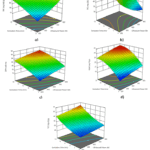 |
Figure 1: Surface plots representing the effect of sonication power and time on TPC (a), TFC (b), AOX (c), FRAP (d), and TCT (e) of litchi peel extract. |
Effects of sonication on FRAP
The effect of process variables on the FRAP of litchi peel is given in Appendix-B, which showed a range of values from 20.44 to 24.40 mg TE/g sample for FRAP. Regression analysis (Table 3) represented that sonication power and time had significant linear impact (p < 0.05).Sonication time exerted a strong positive linear (p < 0.01) and quadratic influence (p > 0.05).There was mostly a linear association within the examined range, while all other quadratic and interaction terms were not significant (p > 0.05). The model demonstrated good fit with an R² of 0.92 and a difference (< 0.2) between adjusted and predicted R², confirming models’ reasonable reliability. The modelequation for FRAP is following:

From the response surface plot (Fig. 1(d)), it is evident that sonication time exerts a more pronounced influence on FRAP values compared to the other variables, indicating its critical role in enhancing the ferric reducing antioxidant potential of Shahi litchi peel extract.
Impact of sonication on Condensed tannins
Condensed tannins, a predominant class of polyphenolic compounds in litchi peel, are recognized as major contributors to its antioxidant activity. Structurally, they are polymers of flavan-3-ol units, primarily catechin/epicatechin, and are abundantly distributed in plant-derived tissues such as peels, seeds, and barks.19Owing to their potent antioxidant activity, the efficient extraction of TCT is considered highly desirable for maximizing the functional value of plant-derived extracts.20
The observed values for TCT ranged from 47.29 to 68.00 mg catechin equivalents (CE)/g sample (Appendix B). Regression analysis (Table 3) indicated that the linear effects of sonication time and power were statistically significant (p < 0.05), with sonication time exhibiting a particularly strong and positive effect (p < 0.01). Quadratic terms as well as interaction terms were insignificant (p > 0.05), suggesting that the relationship between the variables and TCT content was primarily linear within the experimental range. The fitted model exhibited a high coefficient of determination (R² = 0.91), with a minimal difference (< 0.2) between predicted and adjusted R² values, confirming the model’s robustness and predictive adequacy. The reduced quadratic (Eq.5) for TCT, incorporating only significant terms, is expressed as follows.

Optimization of pulsed mode ultrasound-based extraction parameters
RSM was used to optimize the bioactive compound’s recovery as well as their antioxidative potential from Litchi peel. The experimental values obtained under different ultrasound parameters are presented in (Appendix-B). Table 3 summarises the regression coefficients (in coded form) obtained from ANOVA as well as important statistical markers including model F-values, R2 adjusted R2 CV, and lack-of-fit p-values.
Appendix-C presents the predicted and experimental values of the independent variables and corresponding responses. In all cases, the relative error remained below 10%, indicating the adequacy and predictive reliability of the developed models. Elevated ultrasound power and extended sonication time contributed significantly to enhanced extraction efficiency, whereas stirring speed exhibited no substantial influence on the responses. This might be due to dominant cavitation effect which subdues the effect of stirrer rotation for extraction. The optimal values of bioactive compounds are comparable with those mentioned in the literature by Cano-Gómez et al.4This optimized condition, in conjunction with previously determined solvent parameters, yielded maximal recovery of bio-actives from Litchi peel. The optimal conditions were ultrasound power of 599.99 W, stirring speed of 654.99 rpm, and sonication time of 15.00 min, resulting in TPC, TFC, AOX, FRAP, and TCT values of 97.25 ± 0.96 mg GAE/g, 90.03 ± 1.59 mg QE/g, 85.78 ± 0.06 AOX (%), 24.69 mg TE/g, and 64.00 ± 1.02 mg CE/g, respectively. The overall desirability of the optimized extraction condition was 0.94.
HPLC analysis of Litchi peel extract
Calibration curves were constructed for the following standards: Gallic acid (y = 56715x, R² = 0.9998), Catechin (y = 11600x, R² = 0.99), Caffeic acid (y = 95201x, R² = 0.99), Ferulic acid (y = 88715x, R² = 0.99), and Quercetin (y = 32909x, R² = 0.99). Peel extract showed the presence of all targeted phenolic compounds, including gallic acid (53.74±2.55 mg/L), catechin (45.98±1.81 mg/L), caffeic acid (16.16±0.59 mg/L), ferulic acid (21.73±1.48 mg/L), and quercetin (9.48±0.74 mg/L) (Fig. 2).
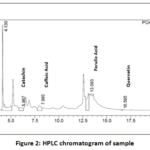 |
Figure 2: HPLC chromatogram of sample |
Discussion
Water effectively extracted phenolic compounds but demonstrated limited efficiency for flavonoids due to their preferential solubility in alcoholic solvents.21 The differential extraction efficiency correlates with flavonoid polarity characteristics. Polar flavonoids exhibit higher solubility in aqueous and pure alcoholic media, whereas nonpolar variants (iso-flavones, flavanones, flavones, flavonols) demonstrate enhanced affinity for lower-polarity solvents (chloroform, dichloromethane, diethyl ether, ethyl acetate).22 The observed moderate flavonoid extraction efficiency with water can be attributed to its high polarity, which constrains solubilisation of nonpolar and weakly polar flavonoid constituents. Conversely, the presence of ethanol or methanol in aqueous mixtures enhances solubility by balancing polarity, thereby improving extraction efficiency. Ethanol alone, due to its lower polarity, was less effective at extracting hydrophilic phenolic and antioxidants,23 while methanol, being more polar, performed better but remained inferior to its aqueous mixture.24 Similar studies were reported by25’26 for Limnophila aromatic and Polygonatumsibiricum respectively.
The improved extraction with smaller particle sizes can be attributed to the increased surface area and reduced diffusion resistance, which enhanced the penetration of solvents and enhanced bioactive compounds release.27 Smaller particles allow better interaction between the solvent and plant matrix, leading to higher phenolic and flavonoid recovery.28 Additionally, reduced particle size decreases mass transfer limitations, promoting efficient diffusion of antioxidants such as tannins.29 Similar findings were reported by30,31 for groundnut and grape respectively.
The observed effect of sonication time and power on TPC can be explained by the mechanism of acoustic cavitation. Higher ultrasound power increases the frequency and strength of cavitation bubbles, generating intense micro-jets and shockwaves that effectively rupture plant cell walls and promote the release of phenolic compounds.32 This mechanical disruption increased the release of intracellular phenolic compounds into the solvent, thereby increasing extraction yield.33 Similarly, Prolonged sonication enhances cavitation intensity, leading to the formation of numerous microbubbles that exert greater mechanical stress on cell structures, thereby facilitating increased rupture and release of bioactive polyphenols.34 Conversely, the stirring speed applied through an internal stirrer within the ultrasonic bath to facilitate uniform distribution of acoustic energy did not exert a statistically significant effect on TPC. This outcome can be ascribed to the predominant influence of acoustic cavitation in ultrasound-assisted extraction (UAE), wherein mechanical agitation serves a supplementary rather than a principal function in enhancing mass transfer.35 Similar findings were reported by36 for soy protein extraction by ultrasound.
In case of flavonoid extraction, increasing ultrasound power enhanced solvent penetration and expanded the effective surface area for extraction, leading to improved release of soluble flavonoids from the litchi peel matrix9.The rise in TFC with longer sonication time may be due to effective cell disruption and mass transfer, without inducing thermal or oxidative degradation of flavonoids.37 The non-significant interaction effects are likely due to major flavonoids compound present in litchi peel are quercetin, rutin, and kaempferol. These compounds have structural stability and moderate polarity,38 which favour linear responses to ultrasound power and sonication time. The A study by Kumar & Rao, (2020b)9 reported better flavonoids recovery with enhancement in sonication time. A research byVo et al39 found that increase in ultrasound power enhances the total flavonoids recovery in Passion Fruit Peels.
In case of antioxidant activity (AOX), a positive linear effect of ultrasound power represented that higher ultrasound power intensifies cavitation effects, promoting significant disruption of cell walls and facilitating the diffusion of radical-scavenging into the solvent phase.35 DPPH antioxidant activity increased with longer sonication times until it reached an optimal point, at which point it declined, possibly as a result of the damaging effects of high power sonication.34 Similar findings were reported for higher DPPH radical scavenging activity capacity with increase in ultrasound power and sonication time for araticum peel and defatted hemp by Arruda et al.40 and Teh and Birch.41 The increase in FRAP value with the rise in ultrasound power may be attribute to the intensification of energy input improves solvent penetration and mass transfer, thereby increasing the extraction of compounds capable of donating electrons in the FRAP.42 Similar findings were reported by Rout et al.43 for oregano leaf and Kobus et al.44 for Sorbus intermedia.
The enhanced recovery of TCT with increasing ultrasound power and sonication time may be attributed to the structural characteristics of flavan-3-ols, such as catechin/ epicatechin, which comprise the core units of proanthocyanidins. These compounds are often localized within the vacuoles or bound to the cell wall matrix via hydrogen bonding and hydrophobic interactions.45 Acoustic cavitation generated by ultrasonication disrupts these cellular structures and weakens non-covalent interactions, promoting the release of both monomeric and oligomeric tannins.46Longer sonication time further increases the exposure of these macromolecules to solvent interaction, allowing for more complete solubilization of proanthocyanidins without inducing degradation.47 The absence of a significant effect from stirring speed supports the notion that diffusion-limited, matrix-bound phenolics such as condensed tannins are not easily mobilized by bulk fluid motion alone,48 but require the localized, high-energy micro-environment provided by cavitation collapse. Similar findings were reported by Sivakumar et al.49 Rifna and Dwivedi50 for Avaram bark and pomegranate peel respectively.
The created models were shown to be statistically significant (p < 0.05) by the F-values for all responses (Table 3). Elevated R² values indicated strong model accuracy and reliability. The proximity between R² and adjusted R² values further affirmed the robustness of the models and the consistency between predicted and observed data. Additionally, coefficients of variation (CV) remained below 5% across all responses, indicating high experimental precision and reproducibility. The lack-of-fit p-values were non-significant (p > 0.05), confirming that the variability in the response data was primarily due to pure error rather than inadequacies in the model structure, thus validating the RSM approach.The HPLC analysis of the extract showed the presence of major phenolic acids and flavonoids in litchi peel which are highly antioxidative in nature, thus contributed to their bioactivity. Litchi peel showed the highest concentration of gallic acid, followed by catechin.
Conclusion
Based on the results of this study, pulsed mode sonication proved effective in enhancing the bioactive compounds recovery from Shahi litchi peel. The extraction process was optimized using BBD under RSM, which efficiently identified the best conditions for maximizing TPC, TFC, AOX, FRAP, and TCT. The optimum conditions were found to be: ultrasound power of 599.99 W, sonication time of15.00min, and stirring speed of654.99 rpm. The developed regression models showed high reliability with R² values ranging from 0.87 to 0.92 and relative errors less than 10 %, which represents better alignment between the predicted and experimental values. Linear effects of sonication time and power were significant (p < 0.05), while stirring speed had no significant influence. The superiority of PUAE was attributed to efficient acoustic cavitation, which enhanced mass transfer and compound release without excessive thermal degradation. The use of aqueous alcoholic solvents and reduced particle size further improved extractability. The extracted compounds possess potential applicability in the development of phytopharmaceutical or herbal therapeutic formulations for industry, thereby offering scope for value addition, entrepreneurship development, and future research advancements. This green extraction protocol offers a sustainable and efficient approach for valorising litchi peel waste and holds potential for broader application in the recovery of bioactive compounds from plant-based food processing residues.
Acknowledgement
The authors sincerely acknowledge the Indian Council of agricultural Research (ICAR), New Delhi, for providing the necessary facilities, laboratory support, and research environment to conduct this study. The authors also extend their heartfelt gratitude to the Indian Institute of Technology Kharagpur (IIT KGP) for their valuable technical guidance, analytical support, and scientific collaboration that greatly contributed to the successful completion of this research.
Funding Sources
The author(s) received no financial support for the research, authorship, and/or publication of this article
Conflict of Interest
The authors do not have any conflict of interest
Data Availability Statement
The manuscript incorporates all the data produced or examined throughout this research study
Ethics Statement
This research did not involve human participants, animal subjects, or any material that requires ethical approval.
Information Consent Statement
This study did not involve human participants, and therefore, informed consent was not required.
Clinical Trial Registration
This research does not involve any clinical trials.
Permission to Reproduce Material from Other Sources
Not Applicable
Author Contributions
- Ankit kumar: Conceptualization, methodology design, experimental execution manuscript writing.
- Chaman Kumar: Conducted optimization trials using Design Expert software, statistical analysis of results, and preparation of graphical outputs and tables.
- Pavuluri Srinivasa Rao: Supervision, technical guidance on ultrasound extraction optimization and statistical modelling.
- Sunil Kumar: Assisted in sample preparation, and laboratory coordination.
- Bhagya Vijayan: Assisted in manuscript writing and formatting.
- Abhay Kumar: Technical guidance on evaluation of bioactivity
- Ipsita Samal: Contributed in final document preparation.
- Killi Prasad: Contributed to literature review, manuscript formatting.
References
- Sharma S, Oulkar D, Pongener A, et al. Determination of α-methylenecyclopropylglycine in Shahi and China litchi cultivars at three different maturity stages: a quantitative study using liquid chromatography tandem mass spectrometry. Food Chem. 2024;462:140971. doi:10.1016/j.foodchem.2024.140971
CrossRef - Chukwuma CI, Izu GO, Chukwuma MS, Samson MS, Makhafola TJ, Erukainure OL. A review on the medicinal potential, toxicology, and phytochemistry of litchi fruit peel and seed. J Food Biochem. 2021;45(12):e13997. doi:10.1111/jfbc.13997
CrossRef - Punia S, Kumar M. Litchi (Litchi chinensis) seed: nutritional profile, bioactivities, and its industrial applications. Trends Food Sci Technol. 2021;108:58-70. doi:10.1016/j.tifs.2020.12.005
CrossRef - Cano-Gómez CI, Alonso-Castro AJ, Carranza-Alvarez C, Wong-Paz JE. Advancements in Litchi chinensis peel processing: a scientific review of drying, extraction, and isolation of its bioactive compounds. Foods. 2024;13(10):1461. doi:10.3390/foods13101461
CrossRef - Tan MJ, Li Y, Zhao SQ, et al. Synergistic ultrasound pulsed electric field extraction of litchi peel polyphenols and determination of their properties. Int J Biol Macromol. 2024;260:129613. doi:10.1016/j.ijbiomac.2024.129613
CrossRef - Kumar A, Srinivasa Rao P. Optimization of pulsed-mode ultrasound assisted extraction of bioactive compounds from pomegranate peel using response surface methodology. J Food Meas Charact. 2020;14(6):3493-3507. doi:10.1007/s11694-020-00597-9
CrossRef - Sharma R, Nath PC, Seth D. Optimization of spray-drying conditions using response surface methodology, physico-chemical characterization and shelf-life estimation of pineapple powder. Sustain Food Technol. 2023;1(5):750-761. doi:10.1039/d3fb00008g
CrossRef - Narukulla S, Bogadi S, Tallapaneni V, et al. Comparative study between the full factorial, Box-Behnken, and central composite designs in the optimization of metronidazole immediate release tablet. Microchem J. 2024;207:111875. doi:10.1016/j.microc.2024.111875
CrossRef - Rout RK, Kumar A, Rao PR. A multivariate optimization of bioactive compounds extracted from oregano (Origanum vulgare) leaves using pulsed mode sonication. J Food Meas Charact. 2021;15(4):3111-3122. doi:10.1007/s11694-021-00902-0
CrossRef - Kobus Z, Buczaj A, Pecyna A, Kapica J, Findura P, Kocira S. Application of response surface method in pulsed ultrasound-assisted extraction of complex plant materials—A case study on Cannabis sativa L. Appl Sci (Basel). 2023;13(2):760. doi:10.3390/app13020760
CrossRef - Putra NR, Rizkiyah DN, Aziz AHA, et al. Influence of particle size in supercritical carbon dioxide extraction of roselle (Hibiscus sabdariffa) on bioactive compound recovery, extraction rate, diffusivity, and solubility. Sci Rep. 2023;13(1):32181. doi:10.1038/s41598-023-32181-8
CrossRef - Singleton VL, Rossi JA. Colorimetry of total phenolics with phosphomolybdic-phosphotungstic acid reagents. Am J Enol Vitic. 1965;16(3):144-158. doi:10.5344/ajev.1965.16.3.144
CrossRef - Vuong QV, Hirun S, Roach PD, Bowyer MC, Phillips PA, Scarlett CJ. Effect of extraction conditions on total phenolic compounds and antioxidant activities of Carica papaya leaf aqueous extracts. J Herb Med. 2013;3(3):104-111. doi:10.1016/j.hermed.2013.04.004
CrossRef - Barros L, Ferreira MJ, Queirós B, Ferreira ICFR, Baptista P. Total phenols, ascorbic acid, β-carotene and lycopene in Portuguese wild edible mushrooms and their antioxidant activities. Food Chem. 2007;103(2):413-419. doi:10.1016/j.foodchem.2006.07.038
CrossRef - Benzie IFF, Strain JJ. The ferric reducing ability of plasma (FRAP) as a measure of “antioxidant power”: the FRAP assay. Anal Biochem. 1996;239(1):70-76. doi:10.1006/abio.1996.0292
CrossRef - Broadhurst RB, Jones WT. Analysis of condensed tannins using acidified vanillin. J Sci Food Agric. 1978;29(9):788-794. doi:10.1002/jsfa.2740290908
CrossRef - Mradu G, Saumyakanti S, Sohini M, Arup M. HPLC profiles of standard phenolic compounds present in medicinal plants. Int J Pharmacogn Phytochem Res. 2012;4(3):162-167.
- Jdaini K, Alla F, Mansouri F, Parmar A, Elhoumaizi MA. Optimizing the extraction of phenolic antioxidants from date palm fruit by simplex-centroid solvent mixture design. Heliyon. 2023;9(1):e12738. doi:10.1016/j.heliyon.2022.e12738
CrossRef - Smeriglio A, Barreca D, Bellocco E, Trombetta D. Proanthocyanidins and hydrolysable tannins: occurrence, dietary intake and pharmacological effects. Br J Pharmacol. 2017;174(11):1244-1262. doi:10.1111/bph.13630
CrossRef - Laaraj S, Tikent A, Chebaibi M, et al. A study of the bioactive compounds, antioxidant capabilities, antibacterial effectiveness, and cytotoxic effects on breast cancer cell lines using an ethanolic extract from the aerial parts of the indigenous plant Anabasis aretioïdes Coss. & Moq. Curr Issues Mol Biol. 2024;46(11):12375-12396. doi:10.3390/cimb46110735
CrossRef - Sillero L, Prado R, Welton T, Labidi J. Energy and environmental analysis of flavonoids extraction from bark using alternative solvents. J Clean Prod. 2021;308:127286. doi:10.1016/j.jclepro.2021.127286
CrossRef - Rodríguez De Luna SL, Ramírez-Garza RE, Serna Saldívar SO. Environmentally friendly methods for flavonoid extraction from plant material: impact of their operating conditions on yield and antioxidant properties. Sci World J. 2020;2020:6792069. doi:10.1155/2020/6792069
CrossRef - Xia P, Ahmmed MK, Rashidinejad A. Exploring efficient extraction methods: bioactive compounds and antioxidant properties from New Zealand damson plums. Food Biosci. 2023;55:103057. doi:10.1016/j.fbio.2023.103057
CrossRef - Tourabi M, Metouekel A, Ghouizi AEL, et al. Efficacy of various extracting solvents on phytochemical composition and biological properties of Mentha longifolia L. leaf extracts. Sci Rep. 2023;13(1):18028. doi:10.1038/s41598-023-45030-5
CrossRef - Do QD, Angkawijaya AE, Tran-Nguyen PL, et al. Effect of extraction solvent on total phenol content, total flavonoid content, and antioxidant activity of Limnophila aromatica. J Food Drug Anal. 2014;22(3):296-302. doi:10.1016/j.jfda.2013.11.001
CrossRef - Zhang H, Hao F, Yao Z, Zhu J, Jing X, Wang X. Efficient extraction of flavonoids from Polygonatum sibiricum using a deep eutectic solvent as a green extraction solvent. Microchem J. 2022;175:107168. doi:10.1016/j.microc.2021.107168
CrossRef - Shen L, Pang S, Zhong M, et al. A comprehensive review of ultrasonic assisted extraction (UAE) for bioactive components: principles, advantages, equipment, and combined technologies. Ultrason Sonochem. 2023;101:106646. doi:10.1016/j.ultsonch.2023.106646
CrossRef - Gil-Martín E, Forbes-Hernández TY, Romero A, Cianciosi D, Giampieri F, Battino M. Influence of the extraction method on the recovery of bioactive phenolic compounds from food industry by-products. Food Chem. 2022;378:131918. doi:10.1016/j.foodchem.2021.131918
CrossRef - Li Z, Jiang H, Xu C, Gu L. A review: using nanoparticles to enhance absorption and bioavailability of phenolic phytochemicals. Food Hydrocoll. 2015;43:153-164. doi:10.1016/j.foodhyd.2014.05.010
CrossRef - Manyele SV, Kahemel IF. Investigation of the effect of particle size on groundnut-oil solvent extraction. Tanzan J Eng Technol. 2008;31(2):1-13. doi:10.52339/tjet.v31i2.425
CrossRef - Rajha HN, Darra N El, Hobaika Z, et al. Extraction of total phenolic compounds, flavonoids, anthocyanins and tannins from grape byproducts by response surface methodology: influence of solid-liquid ratio, particle size, time, temperature and solvent mixtures on the optimization process. Food Nutr Sci. 2014;5(4):397-409. doi:10.4236/fns.2014.54048
CrossRef - Yang C, Liu W, Zhu X, et al. Ultrasound-assisted enzymatic digestion for efficient extraction of proteins from quinoa. 2024;194:115784. doi:10.1016/j.lwt.2024.115784
CrossRef - Kumar K, Srivastav S, Sharanagat VS. Ultrasound assisted extraction (UAE) of bioactive compounds from fruit and vegetable processing by-products: a review. Ultrason Sonochem. 2021;70:105325. doi:10.1016/j.ultsonch.2020.105325
CrossRef - Kumar A, Rout RK, Rao PS, Prabhakar P. Optimization of pulsed mode sonication and in silico molecular docking study for antioxidant properties of mandarin (Citrus reticulata Blanco) peels. J Food Process Eng. 2023;46(6):e14111. doi:10.1111/jfpe.14111
CrossRef - Gogate PR. Cavitational reactors for process intensification of chemical processing applications: a critical review. Chem Eng Process. 2008;47(4):515-527. doi:10.1016/j.cep.2007.09.014
CrossRef - Preece KE, Hooshyar N, Krijgsman A, Fryer PJ, Zuidam NJ. Intensified soy protein extraction by ultrasound. Chem Eng Process. 2017;113:94-101. doi:10.1016/j.cep.2016.09.003
CrossRef - Chen J, Jiang C, Liu Z, Wang P, Ma Q, Zhou N. Study on optimization of extraction and purification processes for total flavonoids from Lycopi herba roots and their anti-proliferative effects on fibrous synoviocytes in human rheumatoid arthritis. Ultrason Sonochem. 2025;112:107164. doi:10.1016/j.ultsonch.2024.107164
CrossRef - Liu Y, Nie X, Wang J, Zhao Z, Wang Z, Ju F. Visualizing the distribution of flavonoids in litchi (Litchi chinensis) seeds through matrix-assisted laser desorption/ionization mass spectrometry imaging. Front Plant Sci. 2023;14:1144449. doi:10.3389/fpls.2023.1144449
CrossRef - Vo PT, Chieng HMN, Nguyen QD. Ultrasonic-assisted processes to recover phenolics and flavonoids from passion fruit peels. Chem Eng Trans. 2024;108:13-18. doi:10.3303/CET24108003
- Arruda HS, Silva EK, Pereira GA, et al. Effects of high-intensity ultrasound process parameters on the phenolic compounds recovery from araticum peel. Ultrason Sonochem. 2019;50:82-95. doi:10.1016/j.ultsonch.2018.09.002
CrossRef - Teh SS, Birch EJ. Effect of ultrasonic treatment on the polyphenol content and antioxidant capacity of extract from defatted hemp, flax and canola seed cakes. Ultrason Sonochem. 2014;21(1):346-353. doi:10.1016/j.ultsonch.2013.08.002
CrossRef - Nayak N, Bhujle RR, Nanje-Gowda NA, et al. Advances in the novel and green-assisted techniques for extraction of bioactive compounds from millets: a comprehensive review. Heliyon. 2024;10(10):e30921. doi:10.1016/j.heliyon.2024.e30921
CrossRef - Rout RK, Kumar A, Rao PS. A multivariate optimization of bioactive compounds extracted from oregano (Origanum vulgare) leaves using pulsed mode sonication. J Food Meas Charact. 2021;15(4):3111-3122. doi:10.1007/s11694-021-00902-0
CrossRef - Kobus Z, Krzywicka M, Starek-Wójcicka A, Sagan A. Effect of the duty cycle of the ultrasonic processor on the efficiency of extraction of phenolic compounds from Sorbus intermedia. Sci Rep. 2022;12(1):12244. doi:10.1038/s41598-022-12244-y
CrossRef - Shahidi F, Hossain A. Importance of insoluble-bound phenolics to the antioxidant potential is dictated by source material. Antioxidants (Basel). 2023;12(1):203. doi:10.3390/antiox12010203
CrossRef - Zhu X, Das RS, Bhavya ML, Garcia-Vaquero M, Tiwari BK. Acoustic cavitation for agri-food applications: mechanism of action, design of new systems, challenges and strategies for scale-up. Ultrason Sonochem. 2024;105:106850. doi:10.1016/j.ultsonch.2024.106850
CrossRef - Bin Mokaizh AA, Nour AH, Kerboua K. Ultrasonic-assisted extraction to enhance the recovery of bioactive phenolic compounds from Commiphora gileadensis leaves. Ultrason Sonochem. 2024;105:106852. doi:10.1016/j.ultsonch.2024.106852
CrossRef - Das AK, Islam MN, Faruk MO, Ashaduzzaman M, Dungani R. Review on tannins: extraction processes, applications and possibilities. S Afr J Bot. 2020;135:58-70. doi:10.1016/j.sajb.2020.08.008
CrossRef - Sivakumar V, Ilanhtiraiyan S, Ilayaraja K, Ashly A, Hariharan S. Influence of ultrasound on Avaram bark (Cassia auriculata) tannin extraction and tanning. Chem Eng Res Des. 2014;92(10):1827-1833. doi:10.1016/j.cherd.2014.04.007
CrossRef - Rifna EJ, Dwivedi M. Effect of pulsed ultrasound assisted extraction and aqueous acetone mixture on total hydrolysable tannins from pomegranate peel. Food Biosci. 2022;45:101496. doi:10.1016/j.fbio.2021.101496
CrossRef
Appendix –A
Independent variables along-with the factor levels in Box-Behnken Design
|
Independent variable |
Factor level | ||
| -1 | 0 |
1 |
|
|
Ultrasound Power (W) |
200 | 400 | 600 |
| Stirring Speed (rpm) | 400 | 600 |
800 |
|
Sonication time (min) |
5 | 10 |
15 |
Appendix-B
Litchi peel’s response variables as derived from a Box-Behnken design of experimental variables
|
Run Order |
Run | Ultrasound Power(X1) | Stirring Speed(X2) | Sonication Time(X3) | TPC | TFC | DPPH AOX | FRAP |
TCT |
|
|
W | RPM | min | mg GAE/g | mg QE/g | % | mg TE/g | mg CE/g | |
| 14 | 1 | 400 | 600 | 10 | 94.29 | 86.37 | 84.97 | 23.99 |
57.37 |
|
9 |
2 | 400 | 400 | 5 | 88.78 | 75.32 | 78.58 | 20.92 | 49.72 |
| 6 | 3 | 600 | 600 | 5 | 92.66 | 73.65 | 79.81 | 21.27 |
52.18 |
|
4 |
4 | 600 | 800 | 10 | 94.20 | 83.00 | 83.62 | 24.10 | 59.76 |
| 15 | 5 | 400 | 600 | 10 | 85.39 | 82.20 | 83.44 | 23.34 |
52.18 |
|
12 |
6 | 400 | 800 | 15 | 92.80 | 88.50 | 84.55 | 24.04 | 65.78 |
| 16 | 7 | 400 | 600 | 10 | 87.72 | 85.46 | 80.73 | 23.50 |
53.83 |
|
11 |
8 | 400 | 400 | 15 | 92.64 | 87.95 | 84.63 | 23.64 | 62.94 |
| 17 | 9 | 400 | 600 | 10 | 88.29 | 89.62 | 82.98 | 22.26 |
51.08 |
|
5 |
10 | 200 | 600 | 5 | 76.24 | 89.72 | 76.96 | 20.44 | 47.29 |
| 2 | 11 | 600 | 400 | 10 | 95.76 | 84.64 | 84.41 | 23.77 |
53.75 |
|
13 |
12 | 400 | 600 | 10 | 89.82 | 90.67 | 81.07 | 23.09 | 58.09 |
| 7 | 13 | 200 | 600 | 15 | 88.73 | 93.05 | 83.58 | 23.22 |
60.20 |
|
3 |
14 | 200 | 800 | 10 | 82.88 | 94.30 | 81.48 | 22.38 | 52.56 |
| 8 | 15 | 600 | 600 | 15 | 97.77 | 88.29 | 86.05 | 24.40 |
68.00 |
|
1 |
16 | 200 | 400 | 10 | 88.37 | 88.04 | 80.22 | 21.88 | 55.87 |
| 10 | 17 | 400 | 800 | 5 | 79.63 | 72.23 | 79.61 | 20.62 |
50.97 |
Appendix-C
Optimization of extraction conditions for maximum bioactive recovery from oregano leaves Factors
|
Factors |
Units | Predicted value | Input value | Relative error (%) |
| Ultrasound power | W | 599.99 | 600 |
0 |
|
Stirring speed |
rpm | 654.99 | 650 | 0.76 |
| Sonication time | min | 15 | 15 |
0 |
|
Responses |
Units | Predicted value | Experimental value | Relative error (%) |
| TPC | mg GAE/g | 97.25 | 93.82 |
3.53 |
|
TFC |
mg QE/g | 90.03 | 87.49 | 2.82 |
| DPPH | AOX (%) | 85.78 | 82.77 |
3.51 |
|
FRAP |
mg TE/g | 24.69 | 23.51 | 4.79 |
| TCT | mg CE/g | 64.00 | 66.59 |
4.04 |
 PlumX:
 Views: 3938
  PDF Downloads:
328
PDF Downloads:
328 
Accepted on: 22 Jan 2026
Second Review by: Tashooq Ahmad Bhat
Final Approval by: Dr. Jiwan Sidhu





Web of Science Coverage
Emerging Sources Citation Index (ESCI)
2024 Journal Impact Factor: 1.1
Scopus Journal Metrics
CiteScore 2025: 2.6
CiteScore Details
Sustainable Nutrition: Food Systems, Nutrient Retention, and Public Health Impact

This journal is a member of, and subscribes to the principles of, the Committee on Publication Ethics (COPE)