
Physicochemical, Antioxidant, and Sensory Quality of Pumpkin-Flavored Milk Incorporated with Pumpkin (Cucurbita moschata) Pulp
 , Lim Yong Qi1, Fithri Choirun Nisa2, Ahmad Riduan Bahauddin3and Nurul Huda4*
 1Faculty of Food Science and Nutrition, Universiti Malaysia Sabah, Kota Kinabalu, Malaysia
2Department of Food Science and Biotechnology, Universitas Brawijaya, Malang, Indonesia
3Faculty of Science and Technology, Universiti Sains Islam Malaysia, Nilai, Malaysia
4Postgraduate School, Universitas Brawijaya, Malang, Indonesia
Corresponding Author Email: drnurulhuda@ub.ac.id
Download this article as:
ABSTRACT:This study aimed to evaluate the physicochemical, antioxidant, sensory,proximate, and microbiological properties of pasteurized milk incorporated with Pumpkin (Cucurbita moschata) pulp. The milk and pumpkin were mixed in the ratio of 90:0 (PFM0), 80:10 (PFM1), 75:15 (PFM2), 70:20 (PFM3), 65:25 (PFM4) and 60:30 (PFM5). Increasing Pumpkin pulp content significantly affected color (L*, a*, and b* values), viscosity, pH, and carotenoid concentration. Antioxidant activity demonstrated that higher Pumpkin concentrations enhanced radical-scavenging capacity. Sensory evaluation revealed that PFM2 (15% Pumpkin pulp) was the most preferred formulation, scoring highest for taste, texture, and appearance. Proximate analysis of PFM2 indicated moisture (87.37%), ash (0.38%), crude fat (0.93%), crude protein (3.33%), and total carbohydrates (7.98%). Microbiological analysis confirmed the absence of coliforms, Escherichia coli, and Salmonella spp.; however, elevated Total Plate Counts (TPC) were observed in samples PFM1 and PFM5, indicating potential concerns regarding overallmicrobial load. Pumpkin-flavored milk significantly improves total carotenoid content and antioxidant activity compared to plain pasteurized milk, suggesting its potential as a functional food.
KEYWORDS:Antioxidant Activity; Cucurbita Moschata Pulp; Pasteurised Milk; Physicochemical; Sensory Properties
Introduction
Flavored milk, of ten known as sweetened milk, is a nutrient-dense beverage that has the same nutritious prof ile as plain milk but contains various levels of added sugars and other ingredients (such as processing aids), depending on whether it is produced or ready-to-drink. Due to the positive consumer reception of Flavored milk as a nutritious and revitalising milk beverage, Flavored milk is fast becoming a mainstay of the market milk sector. The market share of flavour-infused milk in the overall fluid milk market has significantly increased in the last few years as the production of Flavored milk provides a number of nutritional advantages.1
There are two types of Flavored milk, namely artificially Flavored and fruit Flavored milk.2 For fruit-Flavored milk, fruits which possess various nutrients are added into the plain milk and fruit-Flavored milk with extra health benefits are produced. Fruit-Flavored milk can retain some of the nutritional qualities of fruit and milk. Scholars assert that fruit and Flavored milks are more nutritious than regular milk and unflavored fruit juices.3,4 They reported that, as compared to regular fruit juice or milk, adding fruits, particularly high-fat ones, to milk significantly improved the bioavailability of zinc and iron, carotenoids, and other phytochemicals, as well as their transportation and uptake in vitro. Flavored milk beverages can also help with poor consumption of regular milk, particularly in kids.5-7 For people such as kids, who prefer flavour over plain, fruit-Flavored milk offers a more acceptable substitute while still providing the known health advantages of dairy products and milk. Beyond that, individuals of all ages, from infants to adolescents, find the modified form of milk which is also known as Flavored milk to be more acceptable since flavourings like color, flavour, and sugar are added. The allure of plain milk may be increased by adding sugar to the mixture. Hence, this can help to overcome the problem of individuals do not like to take plain milk, which will then further lead to the occurrence of malnutrition.
Pumpkin (Cucurbita moschata) is widely recognized for its rich nutritional and functional profile. It is abundant in dietary fibre, carotenoids, vitamins, minerals, and pectin, along with a wide range of bioactive compounds such as phenolics, terpenoids, tocopherols, and polysaccharides.8,9Pumpkin pulp is particularly notable for its carotenoid content—including β-carotene, lutein, and zeaxanthin—which not only give Pumpkin its deep orange color but also contribute significantly to its antioxidant potential.9Pumpkin pulp typically contains 3–6 mg β-carotene/100g.10In addition, Pumpkin provides phenolic compounds (flavonoids and phenolic acids), phytosterols, selenium, linoleic acid, and ascorbic acid, all of which are linked to free radical scavenging and other health-promoting effects.11 Its sulphated and phosphorylated polysaccharides further enhance its antioxidant properties.
Traditionally, Pumpkin has been used in many parts of the world for its medicinal value, with reported antioxidant, antidiabetic, antiviral, anti-ulcerative, and anti-inflammatory properties.12 Beyond its health benefits, Pumpkin also contains terpenoids and volatile aroma precursors that may contribute to its distinctive flavour, although their concentration and role in dairy systems are less well understood. These nutritional and functional qualities make Pumpkin pulp a promising ingredient for both enhancing flavour and improving the health value of food products.
Child malnutrition remains a persistent challenge in South-East Asia, where undernutrition in children contributes to impaired growth, weakened immunity, and increased mortality. Among the most critical deficiencies is vitamin A deficiency, which continues to affect millions of preschool-aged children and pregnant women in the region, leading to high rates of preventable night blindness and other vision-related disorders.13 Beyond eye health, inadequate vitamin A intake is also linked to higher susceptibility to infections and long-term risks of chronic diseases. Milk is a widely accepted nutrient-dense food, and Flavored milk further increases consumption, especially among children. However, most available Flavored milks are sugar-sweetened, adding to the global rise of childhood obesity and metabolic disorders. Pumpkin (Cucurbita moschata), an underutilized but carotenoid-rich crop, offers an opportunity to address both malnutrition and vitamin A deficiency. Although research on functional dairy and plant-based beverages enriched with nutrient-rich fruits and vegetables has expanded in recent years, the use of Pumpkin as a functional ingredient in milk beverages remains surprisingly limited. Only a few studies have explored Pumpkin-Flavored buffalo milk, highlighting its carotene content and sensory attributes. Compared with the extensive research on other functional dairy beverages, these efforts remain scarce. Moreover, much of the current research in functional dairy products emphasizes by-product valorization or plant-based milk alternatives, rather than incorporating carotenoid-rich crops like Pumpkin into traditional dairy formulations. This limited application stands in contrast to the substantial body of literature documenting Pumpkin’s phytochemical properties and health-promoting bioactive compounds. While comprehensive reviews have highlighted Pumpkin’s nutritional and antioxidant potential, these findings have not been widely translated into mainstream dairy product development. Consequently, Pumpkin-Flavored milk remains underexplored, particularly as a strategy for developing nutrient-enhanced, consumer-acceptable dairy beverages that could help address micronutrient deficiencies while supporting better dietary quality in children. To bridge this gap, the present study focuses on the formulation and evaluation of Pumpkin-Flavored milk, assessing its nutritional composition, sensory acceptability, antioxidant capacity, and microbiological quality.
Against this background, this study is important to determine the extra health benefits, especially the antioxidant properties as well as the sensory and physicochemical properties of the Pumpkin-Flavored milk when Pumpkin is infused into the fresh milk. This study also investigated the addition Pumpkin pulp into Pumpkin-Flavored milk through sensory and physicochemical analysis, as well as to evaluate the antioxidant activity and overall quality of the formulated Pumpkin-Flavored milk. Additionally, the study aims to determine the best formulation of Pumpkin-Flavored milk enriched with Pumpkin pulp through sensory evaluation and physicochemical analysis. Lastly, the study seeks to assess the microbiological quality and safety of the Pumpkin-Flavored milk enriched with Pumpkin pulp.
Materials and Methods
Materials
Pumpkin-Flavored milk was formulated using Pumpkin pulp puree, pasteurised milk, and ground sugar (10% w/w of the formulation). Pasteurised milk was sourced from Sabah, Malaysia. Mature orange-fleshed Pumpkin (Cucurbita moschata) fruits were obtained from local supermarkets in Kota Kinabalu (Sabah, Malaysia). All other chemicals were analytical standard purchases from the local supplier with brand Sigma Aldrich (St. Louis, MO, USA). The other reagents utilized were analytical grade.
Sample Preparation
The Pumpkin-Flavored milk was prepared with Pumpkin pulp and pasteurized milk according to the methoddescribed previously,8with slight modification. First and foremost, the Pumpkin’s mesocarp was steam-cooked for five minutes in the cooker using the technique outlined byde Carvalho et al14 A mincer was then used to mince the cooked Pumpkin. At 35°C to 40°C, the pasteurized milk was mixed with ground sugar and the minced Pumpkin pulp at different concentrations, resulting in different formulations of Pumpkin-Flavored milk (PFM). The Pumpkin puree was then completely mixed with the milk by slow stirring and heating continuously during the process of mixing. After the standardization of concentrations, the PFM was placed into 250 ml clean, sterile, glass bottles, to undergo “in bottle heat treatment” for 25 minutes at 110 ± 2°C.15“In-bottle heat treatment” was used consistently for all formulations. The sterilized PFM was then refrigerated at 4 ± 1 °C for storage.
Although all formulations were sterilized under the same in-bottle conditions (110 ± 2 °C for 25 minutes), increasing the concentration of Pumpkin pulp may influence heat penetration due to the higher viscosity and solid contentof the formulations. Products with greater total solids generally exhibit slower heat transfer, which may affect the efficiency and uniformity of microbial inactivation during thermal processing. Therefore, microbiological analyses were performed to determine the presence of coliforms, Escherichia coli, Salmonella spp., and Total Plate Counts (TPC) in the formulated milk samples. However, the thermal lethality (F₀ value) of the sterilization process was not instrumentally measured in this study. Further investigation of heat penetration characteristics and F₀ values, particularly in formulations containing higher levels of Pumpkin pulp (≥25%), is recommended to better understand the impact of formulation viscosity on sterilization efficiency.
Pumpkin-Flavored Milk Formulation
The formulation of Flavored-Pumpkin milk was developed based on the formulation showed byPatel et al.,8with slight modification. Milk and Pumpkin puree were mixed at ratios of 90:0 (Control, PFM0), 80:10 (PFM1), 75:15 (PFM2), 70:20 (PFM3), 65:25 (PFM4), and 60:30 (PFM5) on a weight basis. Ground sugar (10% w/w) was added uniformly across all formulations, including the control, and the total weight of each formulation was adjusted to 100 g. Total weight adjusted to 100 g. Table 1 shown the formulations of the Pumpkin-Flavored milk.
Table 1: Pumpkin-Flavored Milk Formulations
|
Ingredients |
Formulation (g) | |||||
| PFM 0 (Control) | PFM1 (10%) | PFM2 (15%) | PFM3 (20%) | PFM4 (25%) |
PFM5 (30%) |
|
|
Pumpkin Puree (g) |
0 | 10 | 15 | 20 | 25 | 30 |
|
Pasteurized Milk (g) |
90 | 80 | 75 | 70 | 65 | 60 |
| Ground Sugar (g) | 10 | 10 | 10 | 10 | 10 |
10 |
| Total Volume of Pumpkin-Flavored Milk (g) | 100 | 100 | 100 | 100 | 100 |
100 |
*Milk volume was converted to weight assuming density ≈1 g/mL.
Determination of Color
A colorimeter (Hunterlab Colorflex) was used to measure the colorof Pumpkin-Flavored milk samples. The measures of L, a, and b colors was established. L* values measure black to white (0-100), a* values measure redness when positive, and b* values measure yellowness when positive.16 Prior to taking the measurements, the device was calibrated with its white reference tile.17 A sample cup was filled with 25 mL of milk samples, and the colorof the milk sample was then measured. Each measurementwas done in triplicate.
Determination of Viscosity
Apparent viscosity of each formulation of Pumpkin-Flavored milk was determined by using The Brookfield Programmable Rheometer, Model RVDV-II. According toBarakat and Hassan18 every sample was tempered at 24˚C ± 1˚C for 10 minutes. The apparent viscosity was measured using the RV spindle number three at 100 rpm for one minute.
Determination of pH Value
A digital pH meter (OHAUS, Starter 3100) was used to measure the pH of PFM at room temperature (25°C) according to AOAC method.19 The pH meter need to be calibrated with pH 4.0 and pH 7.0 buffers solution before measuring the pH value of PFM.20A 15mL of PFM was placed in a beaker, and the pH was recorded to the nearest of 0.01 unit. The glass electrode was rinsed with distilled water and neutralized to pH 7.0 before immersion in the sample.
Determination of Total Carotenoid Content
In order to determine the total carotenoid content in the Pumpkin-Flavored milk (PFM), UV-Vis spectrophotometer was utilised. 5 mLof extracting distilled acetone was used to homogenise the 2.5 mL PFM samples, and the samples were then centrifuged for 5 minutes at 6,500 rpm and 5°C. After recovering the acetone that contained the top layer, the mixture was homogenised using a Pasteur pipette and placed into glass tubes that were kept out of the light. Subsequently, 1 mL of the supernatant was moved into a 25 mL volumetric flask, and the remaining volume was filled up by acetone. An UV-Vis spectrophotometer was used to measure the absorbance at 450 nm to determine the total carotenoid content of an aliquot of the acetone extract.8 The amount of total carotenoid in each sample were then calculated by using Equation 1.21

Where,
A= absorbance at 450nm
V= Total extract volume (mL)
W= Weight of the sample (g)
Extraction coefficient of beta-carotene= 2595
Results were expressed as µg β-carotene equivalents per g sample.
DPPHof Pumpkin-Flavored Milk
The antioxidant properties of the Pumpkin-Flavored milk was measured by using the DPPH (2,2-diphenyl-1-picrylhydrazyl) assay method as described by Kim et al.,22with slight modifications. The different concentrations of Pumpkin-Flavored milk were added with 2mL of DPPH reagent in each of the sample. The absorbance at 517nm was then be detected by UV-Vis spectrophotometer (PerkinElmer Lambda 35 UV/Vis Spectrophotometer). The absorbance of ethanol without DPPH reagent was determined by using the same procedure. Equation 2 was used to determine the DPPH scavenging percentage of the Pumpkin-Flavored milk.

Where,
A1 = Absorbance of sample mixed with DPPH
A2 = Absorbance of ethanol without DPPH
A0 = Absorbance of the DPPH solution (without sample)
Sensory Analysis of Pumpkin-Flavored Milk
A sensory assessment was conducted to figure out whether the Pumpkin-Flavored milk would be accepted by panellists. 50 semi-trained students (students who had prior sensory evaluation training and completed sensory evaluation course) from Faculty of Food Science and Nutrition (FSMP) were served as panellists for the sensory evaluation. Although this selection may introduce some bias due to the panel’s demographic homogeneity, it is considered acceptable given the exploratory nature of the study. The milk samples were evaluated using a 9-point hedonic scale.8,23 The hedonic ratings on the sensory score card were in the following order: dislike (1), dislike very much (2), dislike moderately (3), dislike slightly (4), neither like nor dislike (5), like slightly (6), like moderately (7), like very much (8), and like extremely (9). The four characteristics that was assessed by the panelists were acceptability overall, texture, taste, as well as color and appearance. In order to prevent biased results, each panelist received six samples, each of which contains a three-digit code. Additionally, the samples were served in chilled form (10°C) in transparent glasses. Panelists refreshed their palate with drinking water before and after each sample assessment. The drinking water provided act as a palate cleanser to avoid carry-over effects and adaptation to sensory stimuli. Moreover, the sequence of samples should be changed for every panelist in order to mitigate any possible effects of the sample presentation order. This maintains equity and prevent biased interpretations. Written informed consent was obtained from all panellists prior to the sensory session. Ethical approval was not applied for in this study, as the sensory evaluation involved internal students who had prior knowledge and training in food science and sensory evaluation. Their participation was considered low-risk, and written informed consent was obtained from all participants before the session.
Proximate Analysis of Pumpkin-Flavored Milk
The percentage of moisture, crude protein, crude fat and ash content were conducted according to the AOAC method.24Moisture content was determined using the oven method, crude protein content was determined using the Kjedahl method. Fat content was measured with the Soxhlet extraction method and ash content was determined using the dry ashing method. Carbohydrate content was calculated by difference.
Microbiology Analysis of Pumpkin-Flavored Milk
The microbiology analysis of the formulated Pumpkin-Flavored milk were carried out at the Veterinar lab, Sabah. Total plate count (TPC) was conducted for the selected Pumpkin-Flavored milk sample. Total plate count method was commonly utilized to analyze the shelf-life of milk. Shelf-life study of the Pumpkin-Flavored milk was determined according to the method stated by Patange et al.,25 with slight modification. The Pumpkin-Flavored milk were stored and its microbial condition will be observed for 24 days. The TPC of the Pumpkin-Flavored milk was carried out on day 0, 4, 8, 12, 16, 20 and 24. Colony that less than 20,000 colony-forming units (CFU)/ millilitres (ml) was the legal maximum tolerance for pasteurised milk.26All the steps taken in the shelf-life study will follow the aseptic techniques.
For sample preparation, 1 g of pumpkin-flavored milk was aseptically added to 9 mL of sterile 0.1% peptone water and mixed until uniform. A series of tenfold dilutions was subsequently prepared using the same diluent. Each dilution was tested on 3M Petrifilm RYM Count Plates positioned on a flat surface. A 1 mL portion of the diluted sample was placed onto the center of the plate’s bottom film, after which the top layer was carefully lowered to cover it. The inoculum was uniformly distributed across the plate using a 3M Petrifilm Flat Spreader, applying gentle, consistent pressure at the center before the gel began to form. The spreading device was withdrawn, and the plates were allowed to rest for a minimum of 1 minute to enable gel solidification. The plates were then incubated in stacks not exceeding 40, with the transparent side facing upward, at 25–28 °C for 48 hours. When colony visibility was poor, incubation was prolonged for an additional 12 hours. Enumeration was carried out using a standard colony counter, supported by backlighting or an illuminated magnifier.²⁷
Statistical Analysis
IBM Statistical Package for the Social Science (SPSS) version 29.0 was used to analyze the data obtained from the analysis. To ascertain every difference between the samples, a One-Way ANOVA will be employed, and the Tukey’s HSD test will then be performed. One-Way ANOVA and Tukey’s HSD test are used to assess the data from the physicochemical analysis, antioxidant activity and sensory analysis. All analysis was carried out in triplicate.
Results
Color Measurement
Color differences among the samples were determined using the L*, a*, and b* color system, as presented in Table 2. The L* value represents lightness, with values above 50 indicating light-colored samples. All formulations recorded L* values greater than 50, confirming their light appearance. The control sample (PFM 0), consisting of plain pasteurized milk, showed the highest L* value (94.22 ± 0.01), consistent with the natural whiteness of milk.
Table 2: Color measurement (L, a*, b*) for Pumpkin-Flavored milk
|
Samples |
L | a |
b |
|
PFM 0 (Control) |
94.22 ± 0.01a | -1.69 ± 0.02f | 9.72 ± 0.01f |
| PFM 1 (10% Pumpkin) | 88.51 ± 0.01b | 3.93 ± 0.02e |
27.29 ± 0.06e |
|
PFM 2 (15% Pumpkin) |
87.63 ± 0.01c | 4.67 ± 0.07d | 28.64 ± 0.06d |
| PFM 3 (20% Pumpkin) | 85.58 ± 0.01d | 6.49 ± 0.00c |
35.59 ± 0.04c |
|
PFM 4 (25% Pumpkin) |
84.32 ± 0.03e | 7.08 ± 0.06b | 36.86± 0.09b |
| PFM 5 (30% Pumpkin) | 82.29 ± 0.01f | 8.31 ± 0.01a |
42.00 ± 0.05a |
Mean value in the same column with different superscripts are significantly different with p<0.05.
Viscosity Measurement
Viscosity refers to the internal resistance of a fluid to flow due to frictional forces within the system. The overall viscosity profiles of Pumpkin-Flavored milk are presented in Figure 1, while viscosity values measured at a fixed shear rate are shown in Table 3 for clearer comparison.
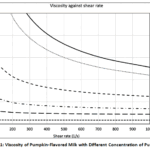 |
Figure 1: Viscosity of Pumpkin-Flavored Milk with Different Concentration of Pumpkin. |
Table 3: Viscosity Measurement forPumpkin-Flavored Milk
|
Samples |
Viscosity |
|
PFM 0 (Control) |
2.21 ± 0.30a |
| PFM 1 (10% Pumpkin) |
6.98 ± 0.06ab |
|
PFM 2 (15% Pumpkin) |
15.50 ± 0.42b |
| PFM 3 (20% Pumpkin) |
37.75 ± 4.78c |
|
PFM 4 (25% Pumpkin) |
107.14 ± 3.32d |
| PFM 5 (30% Pumpkin) |
142.78 ± 6.16e |
Mean value with different superscripts are significantly different with p<0.05.
pH of Pumpkin-Flavored Milk
The pH value of the formulated Pumpkin-Flavored milk might show some difference between each formulation due to the slight difference of compositions of the sample. Table 4 depicted the pH values in mean ± standard deviation for all the formulations of Pumpkin-Flavored milk. According to Table 4, the pH values of Pumpkin-Flavored milk samples ranged from 6.69 ± 0.01 to 6.75 ± 0.01. The lowest pH was observed in PFM 1 (10% Pumpkin), while the highest was recorded in PFM 5 (30% Pumpkin).
Table 4: pH Value of Pumpkin-Flavored Milk
|
Samples |
pH |
|
PFM 0 (Control) |
6.73 ± 0.01b |
| PFM 1 (10% Pumpkin) |
6.69 ± 0.01a |
|
PFM 2 (15% Pumpkin) |
6.71 ± 0.01ab |
| PFM 3 (20% Pumpkin) |
6.73 ± 0.01b |
|
PFM 4 (25% Pumpkin) |
6.72 ± 0.01b |
| PFM 5 (30% Pumpkin) |
6.75 ± 0.01c |
Mean value with different superscripts are significantly different with p<0.05.
Total Carotenoid Content of Pumpkin-Flavored Milk
Total carotenoid content measurement was a vital part in this research as it will affect the antioxidant activity of the Pumpkin-Flavored milk. The total carotenoid content of Pumpkin-Flavored milk was shown in Table 5. As shown in Table 5, the total carotenoid content in Pumpkin-Flavored milk increased consistently with higher concentrations of Pumpkin. Each formulation displayed significant differences (p < 0.05) in carotenoid content.
Table 5: Total Carotenoid Content of Pumpkin-Flavored Milk
|
Samples |
Total Carotenoid Content (mg/g) |
|
PFM 0 (Control) |
1.57 ± 0.06a |
| PFM 1 (10% Pumpkin) |
2.44 ± 0.08b |
|
PFM 2 (15% Pumpkin) |
4.99 ± 0.14c |
| PFM 3 (20% Pumpkin) |
8.76 ± 0.18d |
|
PFM 4 (25% Pumpkin) |
18.42 ± 0.33e |
| PFM 5 (30% Pumpkin) |
40.75 ± 0.21f |
Mean with different superscripts are significantly different with p<0.05.
DPPH of Pumpkin-Flavored Milk
Antioxidant Activity can be depicted by DPPH Scavenging Capacity. Antioxidant activityof each formulated Pumpkin-Flavored milk were determined using DPPH assay and the results were shown in Table 6. As shown in Table 6, a significant increase (p < 0.05) in DPPH scavenging activity was observed in the Pumpkin-Flavored milk formulations with increasing Pumpkin concentration. The control sample (PFM 0) exhibited the lowest scavenging capacity (5.47 ± 0.91%), while PFM 5 (30% Pumpkin) showed the highest value (54.39 ± 2.05%).
Table 6: DPPH Scavenging Capacity of Pumpkin-Flavored Milk
|
Samples |
DPPH Scavenging Capacity (%) |
|
PFM 0 (Control) |
5.47 ± 0.91e |
| PFM 1 (10% Pumpkin) |
21.65 ± 1.23d |
|
PFM 2 (15% Pumpkin) |
30.35 ± 1.02c |
| PFM 3 (20% Pumpkin) |
40.56 ± 2.18b |
|
PFM 4 (25% Pumpkin) |
40.62 ± 1.73b |
| PFM 5 (30% Pumpkin) |
54.39 ± 2.05a |
Mean value with different superscripts are significantly different with p<0.05.
Sensory Analysis of Pumpkin-Flavored Milk
The Pumpkin-Flavored milk which were incorporated with different concentration of Pumpkin puree were analyzed for their sensory properties based on four different attributes. The four attributes were appearance, texture, taste and overall acceptance. The means scores obtained from the sensory evaluation were shown in Table 7. Based on the results obtained, PFM 2 with 15% of Pumpkin was the best formulation for Pumpkin-Flavored milk as it had the highest mean score for texture (6.90 ± 1.61), taste (7.24 ± 1.66) and overall acceptance (7.18 ± 1.52) among all the formulation.
Table 7: Sensory Score of Pumpkin-Flavored Milk
|
Sample |
Attributes | |||
| Appearance | Texture | Taste |
Overall |
|
|
PFM 0 (Control) |
5.32 ± 2.19c | 6.76 ± 1.73a | 6.14 ± 2.17b | 6.14 ± 1.97b |
| PFM 1 (10% Pumpkin) | 6.60 ± 1.77b | 6.86 ± 1.49a | 6.66 ± 1.79ab |
6.74 ± 1.56ab |
|
PFM 2 (15% Pumpkin) |
7.20 ± 1.40ab | 6.90 ± 1.61a | 7.24 ± 1.66a | 7.18 ± 1.52a |
| PFM 3 (20% Pumpkin) | 6.96 ± 1.38ab | 6.72 ± 1.42a | 7.14 ± 1.47a |
7.06 ± 1.32a |
|
PFM 4 (25% Pumpkin) |
7.56 ± 1.18a | 6.84 ± 1.52a | 7.18 ± 1.48a | 7.12 ± 1.34a |
| PFM 5 (30% Pumpkin) | 7.54 ± 1.25a | 6.62 ± 1.92a | 7.20 ± 1.55a |
7.14 ± 1.49a |
Mean value in the same column with different superscripts are significantly different with p<0.05.
Proximate Compositions of Pumpkin-Flavored Milk
Proximate analyses were conducted on the Pumpkin-Flavored milk (PFM 2, 15% Pumpkin) and Pumpkin pulp. PFM 2 was chosen for the proximate analysis to compare the nutritional composition between the Pumpkin pulp and pasteurized milk, as this formulation showed the best sensory acceptance and balanced physicochemical characteristics. It was therefore selected to represent the product in the nutritional evaluation. However, assessing all formulations would offer a more complete comparison of their nutritional profiles. Future studies should extend proximate analysis to all pulp levels to better understand how nutritional values change with increasing Pumpkin content. Thenutritional composition tested in the proximate analysis for Pumpkin-Flavored milk and Pumpkin pulp include ash content, moisture content, crude fat content, crude protein content and total carbohydrate content. While for the pasteurized milk, the crude fat content, crude protein content and total carbohydrate content were determined from the commercial packaging from the brand itself, future studies will analyse the same batch directly. The comparison on the nutritional composition among the best formulated Pumpkin-Flavored milk (PFM 2), Pumpkin pulp and pasteurized milk was shown in Table 8.
Table 8: Proximate Compositions of Pumpkin-Flavored Milk
|
Proximate Composition (%) |
(PFM 2, 15% Pumpkin) | Pumpkin Pulp |
Pasteurized Milk |
|
Moisture |
87.37 ± 0.09 | 93.83 ± 0.97 | – |
| Crude Fat | 0.93 ± 0.05 | 0.50 ± 0.01 |
3.60 |
|
Crude Protein |
3.33 ± 0.87 | 1.30 ± 0.01 | 3.30 |
| Ash | 0.38 ± 0.04 | 0.50 ± 0.00 |
– |
|
Carbohydrate |
7.98 ± 0.13 | 2.86 ± 0.07 |
5.40 |
Data for Pumpkin-Flavored milk and Pumpkin pulp expressed as mean standard deviation, (n=3).
Microbiology Analysis of Pumpkin-Flavored Milk
Microbial analysis had been conducted to determine the shelf-life of Pumpkin-Flavored milk. The results were shown in Table 9. It depicts the total plate count (TPC), coliform count, Escherichia coli count, Salmonella spp. and Staphylococcus aureus that present in each sample. Based on Table 9, PFM1 showed the highest total plate count (4.4 × 10⁶ cfu/g), followed by PFM5 (2.5 × 10⁶ cfu/g), indicating greater microbial growth in these samples.
Table 9: Microbiology Analysis of Pumpkin-Flavored Milk
|
Samples |
Total Plate (cfu/g) | Coliform(cfu /g) | Escherichiacoli(cfu/g) | Salmonellaspp. |
Staphylococus (cfu/g) |
|
PFM 0 (Control) |
0 | 0 | 0
|
Negative | 0 |
| PFM 1 (10% Pumpkin) | 4400000 | 0 | 0 | Negative |
10 |
|
PFM 2 (15% Pumpkin) |
1000 | 0 | 0 | Negative | 0 |
| PFM 3 (20% Pumpkin) | 2000 | 0 | 0 | Negative |
0 |
|
PFM 4 (25% Pumpkin) |
0 | 0 | 0 | Negative | 0 |
| PFM 5 (30% Pumpkin) | 2500000 | 0 | 0 | Negative |
0 |
Discussion
Color Measurement
As Pumpkin concentration increased from PFM 0 to PFM 5, L* values progressively decreased, indicating gradual darkening. This reduction in lightness is attributed to the incorporation of Pumpkin pulp, which contains intense orange pigments, primarily β-carotene. Similar reductions in L* values have been reported in carrot-fortified dairy beverages⁸and mango-based milk drinks²⁸ due to the addition of pigmented plant materials. These findings confirm that Pumpkin concentration directly influences the visual attributes of the milk.
For the a* value, the control sample (−1.69 ± 0.02) exhibited a slight greenish tone typical of milk. In contrast, all Pumpkin-containing samples showed positive a* values, indicating a shift toward red that became more pronounced with increasing Pumpkin concentration. This trend reflects the reddish-orange pigmentation contributed by Pumpkin pulp, and the significant differences (p < 0.05) among formulations further confirm its impact on the red–green chromatic component.
All samples displayed positive b* values, indicating yellow to orange hues. The control had the lowest b* value (9.72 ± 0.01), while PFM 5 recorded the highest (42.00 ± 0.05). The consistent increase in b* values with higher Pumpkin levels corresponds to intensified yellow–orange coloration, largely associated with the natural β-carotene content of Pumpkin.29The significant differences (p < 0.05) observed among samples reinforce the effect of Pumpkin concentration on overall color characteristics.
Viscosity Measurement
Liquid dairy products are typically consumed at shear rates between 10 and 100 s⁻¹. The National Dysphagia Diet (NDD) recommends viscosity measurement at 50 s⁻¹, as it closely reflects swallowing conditions.30,31In this study, viscosity was assessed at 57.3 s⁻¹ to provide a realistic evaluation of mouthfeel and texture. This selection is supported by Bienvenue et al.,32who reported that milk viscosity decreases rapidly up to approximately 50 s⁻¹ before stabilizing at higher shear rates, making 57.3 s⁻¹ appropriate for comparing formulations.
As shown in Table 3, viscosity increased significantly (p < 0.05) with increasing Pumpkin concentration. The control sample (PFM 0) exhibited the lowest viscosity (2.21 ± 0.30 mPa·s), while PFM 5 showed the highest (142.78 ± 6.16 mPa·s). This positive correlation between Pumpkin addition and viscosity is consistent with previous findings.33The increase can be attributed to Pumpkin’s fibre, pectin, and polysaccharide content, which enhance water-holding capacity and promote structural network formation within the milk matrix.34,35Similar effects have been reported in Pumpkin-enriched yoghurt and ice cream, where soluble and insoluble components contributed to greater thickness and structural integrity.17,36Comparable trends are also observed in fruit-fortified dairy products, where plant fibres function as natural thickening agents and improve mouthfeel.37
The viscosity curves further indicated that all samples exhibited shear-thinning (pseudoplastic) behaviour, characterized by decreasing viscosity with increasing shear rate. This behaviour is typical of protein–polysaccharide systems and results from structural alignment or partial breakdown under shear.30Pumpkin fibres likely contribute to this structured network at rest, which flows more readily when shear is applied.
While increased viscosity may enhance physical stability by reducing serum separation, excessively high viscosity, as observed in PFM 5, could negatively affect sensory acceptance. Moderate viscosity levels may improve consumer preference and satiety, supporting the favorable evaluation of PFM 2 in this study.
pH of Pumpkin-Flavored Milk
Statistical analysis showed that the control sample’s pH did not significantly differ from PFM 2, 3, and 4 (p > 0.05), but PFM 1 and PFM 5 were significantly different (p < 0.05). These findings suggest that the addition of Pumpkin had a minor yet measurable impact on the pH of the milk. At higher Pumpkin concentrations, a slight increase in pH was observed, which may be attributed to the mineral content of Pumpkin—particularly potassium and calcium—that are known for their alkalizing effects.38This buffering capacity may explain the higher pH observed in PFM5. Conversely, the lower pH in PFM1 may be linked to the organic acids naturally present in Pumpkin. As reported byZhou et al.,39malic acids are one of the main organic acids in Cucurbita moschata, and its presence may contribute to a slight drop in pH at lower levels of Pumpkin incorporation. In general, the pH values decreased with increasing Pumpkin content, which can be explained by the combined effects of these organic acids (such as malic and citric acids) and the buffering role of Pumpkin minerals. This observation is consistent with studies on Fruit-Flavored milks, where acidic plant ingredients were shown to slightly reduce pH.8Although these shifts are relatively small, pH plays an important role in the stability of casein micelles, and further optimisation of formulations should consider potential effects on protein aggregation during storage.
Overall, the pH values remained within a near-neutral range (6.69–6.75), which is favorable for milk protein stability and minimizes the risk of acid-induced coagulation. This aligns with findings byMahomud et al.,40who reported that milk demonstrates greater heat stability at pH 6.7, as protein interactions with casein micelles are optimal at this level. Therefore, the observed pH range supports both the sensory and functional stability of Pumpkin-Flavored milk.
Total Carotenoid Content of Pumpkin-Flavored Milk
Pumpkins get their orange hue from organic pigments called carotenoids. The major carotenoids that will be identified in Pumpkin and include in the total carotenoid content measurement were b-carotene, a-carotene, leutein and zeaxanthin.29
The control sample (PFM0) contained the lowest carotenoid content (1.57 ± 0.06 µg/g), while PFM5, which had the highest Pumpkin concentration, exhibited the highest content (40.75 ± 0.21 µg/g). This trend was expected, as Pumpkins are naturally rich in carotenoids, particularly β-carotene, which is responsible for their characteristic orange pigmentation. Previous studies support these findings, Pumpkin pulp contains the highest levels of total carotenoids and β-carotene compared to its peel and seeds, with concentrations reaching 35.3 g/100 g and 6.18 mg/100 g powder, respectively.41Meanwhile the total carotenoid content in raw Pumpkin pulp (Cucurbita moschata) ranged from 234.21 to 404.98 µg/g, confirming that the Pumpkin component in the formulations was a substantial source of carotenoids.14Comparable enrichment effects have also been reported in Pumpkin-fortified bakery and dairy products.9
The observed increase in carotenoid content across the samples indicates a direct relationship between Pumpkin concentration and the nutritional enhancement of milk. This enrichment is particularly important in terms of provitamin A (β-carotene) intake. Carotenoids play a crucial role in addressing vitamin A deficiency, especially in vulnerable populations.13The Food and Agriculture Organization42recommends a daily intake of 600 µg retinol equivalents (RE) for adults and 400–500 µg RE for children. Consumption of 200 mL of PFM2, for example, could contribute meaningfully towards these daily vitamins A requirement. Therefore, incorporating Pumpkin into milk not only improves its visual appeal but also enhances its functional value, strengthening its potential as a nutritional beverage.
DPPH of Pumpkin-Flavored Milk
Antioxidants play a vital role in preventing oxidative degradation in foods and contribute to various health benefits in functional foods, nutraceuticals, and dietary supplements. One commonly used method to evaluate antioxidant activity is the DPPH (2,2-diphenyl-1-picrylhydrazyl) free radical scavenging assay, which assesses the ability of bioactive compounds to neutralize free radicals. The antioxidant activity measured by DPPH scavenging was positively correlated with the level of Pumpkin pulp incorporation.
This trend can be attributed to the carotenoids and phenolic compounds present in Pumpkin, both of which are effective free radical scavengers through hydrogen atom transfer and electron donation mechanisms. Previous studies support these observations: Pumpkin-enriched biscuits showed enhanced antioxidant activity due to higher carotenoid and phenolic content,41while similar improvements in Pumpkin-fortified yoghurt.10Likewise, Pumpkin-fortified stirred yoghurt exhibited significantly higher DPPH scavenging activity (46.73–48.24%) compared to the control (17.85%).18Increasing levels of Pumpkin flour in biscuits enhanced their antioxidant potential,43and improved antioxidant capacities in sponge cakes and pancakes fortified with Pumpkin flour, where DPPH activity increased from 69.24% to 81.59% as Pumpkin substitution rose from 5% to 20%.44
The findings of this study align with previous research, confirming that Pumpkin enrichment significantly improves the antioxidant potential of milk.41Since total phenolic content is positively correlated with DPPH radical scavenging activity, the enrichment of milk with Pumpkin pulp not only contributed significantly to the antioxidant potential but also highlights the promise of Pumpkin-Flavored milk as a functional beverage capable of delivering bioactive compounds with health-promoting properties. In practical terms, this antioxidant enhancement is especially important given the growing evidence that diets rich in antioxidants help reduce oxidative stress, which is linked to chronic diseases such as cardiovascular disorders, diabetes, cancer, and age-related eye conditions.
Sensory Analysis of Pumpkin-Flavored Milk
Appearance is one of the most influential sensory attributes that consumers assess when determining the quality and freshness of food products. In this study, the visual appeal of the Pumpkin-Flavored milk, particularly its color, played a key role in consumer perception. As shown in Table 5, the mean appearance score increased with the rising concentration of Pumpkin in the formulations. The control sample (PFM 0) recorded the lowest mean score (5.32 ± 2.19), while PFM 5, containing the highest Pumpkin concentration (30%), achieved the highest score (7.54 ± 1.25). Significant differences (p < 0.05) were observed between PFM 0 and PFM 1 compared to PFM 4 and PFM 5. This improvement in appearance is likely due to the intensifying yellow-orange color from increasing beta-carotene levels in Pumpkin pulp, a carotenoid pigment responsible for vibrant hues.8,45Carotenoids, including beta-carotene, are natural plant pigments ranging from yellow to red and become more orange with increasing molecular chain length.46These results are consistent with similar trends reported in mango pulp-based milk beverages.47
Texture refers to the structural and mechanical characteristics of food perceived through touch and vision. According to Table 5, texture scores for the Pumpkin-Flavored milk samples did not show significant differences (p > 0.05) among the formulations. PFM 2 received the highest mean score (6.90 ± 1.61), followed closely by PFM 1 (6.86 ± 1.49), PFM 4 (6.84 ± 1.52), PFM 0 (6.76 ± 1.73), PFM 3 (6.72 ± 1.42), and PFM 5 (6.62 ± 1.92). Although the differences were not statistically significant, formulations with higher Pumpkin concentrations (PFM 3–PFM 5) were slightly less preferred. This may be attributed to increased thickness from higher Pumpkin content, which contains insoluble fibre and pectin that contribute to viscosity.48Pectin, a water-soluble dietary fibre found in Pumpkin cell walls, forms a viscous network when dissolved in water, especially in the presence of sugar and heat, by trapping water molecules and increasing the food’s thickness.49
Taste is a complex sensory attribute classified into five basic categories: sweet, sour, salty, bitter, and umami. As presented in Table 5, PFM 2 achieved the highest mean score for taste (7.24 ± 1.66), while the control sample, PFM 0, had the lowest (6.14 ± 2.17). These findings suggest that the addition of Pumpkin pulp enhanced the taste prof ile, making the milk more appealing to panelists. The variation in Pumpkin pulp levels resulted in a significant difference (p < 0.05) in taste scores across the samples. Similar trends were observed byGüven and Karaca,50who found that increased fruit and sugar content enhanced the taste of frozen yoghurt. Meanwhile,Changade et al.,51also reported improved taste in kheer formulations with higher Pumpkin pulp concentrations.
Overall acceptance represents the panelists’ general preference for the Pumpkin-Flavored milk samples. As shown in Table 5, PFM 2 received the highest overall acceptance score (7.18 ± 1.52), followed by PFM 5 (7.14 ± 1.49), PFM 4 (7.12 ± 1.34), PFM 3 (7.06 ± 1.32), PFM 1 (6.74 ± 1.56), and PFM 0 (6.14 ± 1.97). The control sample (PFM 0) was significantly different (p < 0.05) from PFM 2, PFM 3, PFM 4, and PFM 5, though not from PFM 1. PFM 1 also did not significantly differ from the other samples (p > 0.05). These results indicate that Pumpkin incorporation enhanced the sensory appeal of the milk, with PFM 2 (15% Pumpkin) being the most preferred formulation overall. From the results obtained, it can be concluded that Flavored milk incorporated with Pumpkin was more preferred by the panelists. This outcome suggests that moderate addition of Pumpkin pulp provided a balance between desirable flavour and acceptable viscosity, without introducing the overly earthy taste or thick texture noted in higher concentrations such as PFM5. These results are consistent with consumer trends showing preference for Flavored dairy products that maintain familiarity while offering subtle novel attributes. The attractive orange color, smooth mouthfeel, and balanced sweetness of PFM2 likely contributed to its favorable evaluation.
Proximate Compositions of Pumpkin-Flavored Milk
Moisture content is a critical parameter in food quality assessment, as it influences shelf life, microbial stability, and storage conditions.52Based on Table 8, PFM 2 had a moisture content of 87.37 ± 0.09%, which was lower than the Pumpkin pulp’s moisture content of 93.83 ± 0.97%. This reduction reflects the dilution effect when Pumpkin is incorporated into milk and is consistent with typical moisture ranges of Pumpkin pulp reported in literature, which varies from 77.22% to 92.35%, depending on cultivar and environmental conditions.53The observed moisture content of the Pumpkin pulp falls within the expected range, validating the accuracy of the results. Moreover, the lower moisture content in PFM 2 is favorable for product stability, as reduced water activity can minimize microbial growth and extend shelf life.37Thus, although Pumpkin pulp has high inherent moisture, the final product benefits from a balanced moisture level conducive to better storage and microbial safety. However, water activity (aw) was not measured and future studies will measure aw to confirm.
Fat, composed of triacylglycerols and fatty acid chains, is one of the key macronutrients in food, contributing to both structure and energy.54As presented in Table 8, the fat content of Pumpkin-Flavored milk (PFM 2) was 0.93 ± 0.05%, which is considerably lower than that of pasteurized milk (3.60%). This reduction is attributed to the low-fat content of Pumpkin pulp (0.50 ± 0.01%), which, when incorporated into the milk, reduces the overall proportion of high-fat pasteurized milk in the final formulation. These findings are consistent with lower fat content observed in Pumpkin-Flavored buffalo milk.8The inclusion of Pumpkin pulp, which is inherently low in fat, supports the development of a reduced-fat dairy product. This is particularly beneficial for individuals managing dietary fat intake due to health concerns.37Therefore, the formulation of Pumpkin-Flavored milk not only lowers the total fat content but also aligns with nutritional strategies targeting low-fat diets.
Proteins are vital macromolecules necessary for cellular structure and function, consisting of elements such as carbon, hydrogen, nitrogen, and sulfur.55According to Table 8, the crude protein content of PFM 2 was 3.33 ± 0.87%, closely matching the protein content of pasteurized milk (3.30%). In contrast, the Pumpkin pulp had a much lower protein content of 1.30 ± 0.01%, which is significantly less than the 3.07 ± 0.10% reported byAdebayo et al.37This variation may result from differences in Pumpkin varieties and cultivation environments.22Given the low protein content in Pumpkin pulp, it can be inferred that pasteurized milk remained the primary contributor to the protein level in the final formulation. This indicates that the nutritional value of the Pumpkin-Flavored milk in terms of protein is largely maintained through the dairy base, ensuring adequate protein content despite the addition of a low-protein ingredient.
Ash content represents the total mineral residue left after the complete combustion of organic matter in food, providing an estimate of the overall mineral content. As shown in Table 8, the ash content of Pumpkin pulp was 0.50 ± 0.00%, whereas the formulated Pumpkin-Flavored milk (PFM 2) had a lower ash content of 0.38 ± 0.04%. This reduction is likely due to the dilution effect, as PFM 2 contained only 15% Pumpkin pulp, resulting in a lower concentration of minerals compared to the pure pulp. This observation aligns with the findings of Adebayo et al.,37who reported that the ash content of Pumpkin pulp can range from 0.75% to 15.98% (dry weight basis). However, the result slightly contradicts the findings of Patel et al.,8who reported higher ash content (0.60 ± 0.02%) in Pumpkin-Flavored buffalo milk compared to Pumpkin pulp (0.50 ± 0.04%). This discrepancy may be attributed to the type of milk used. According toKhan et al.,16buffalo milk contains more ash (0.82%) than cow milk (0.72%). Since PFM 2 was prepared using pasteurized cow milk, its overall ash content was expectedly lower than that of buffalo milk-based formulations and pure Pumpkin pulp.
Carbohydrates are the main source of energy in the human diet. According to the US FDA’s nutritional labeling method, total carbohydrates are calculated by subtracting the percentages of crude protein, total fat, moisture, and ash from 100%.56Table 8 indicates that the total carbohydrate content of PFM 2 was 7.98 ± 0.13%, which is higher than that of both Pumpkin pulp (2.86 ± 0.07%) and pasteurized milk (5.40%). This increase may be due to the added sugar during product formulation, contributing to the elevated carbohydrate levels in PFM 2. Similar results have been reported in other fruit-based dairy products such as apple and papaya pulp-infused Shrikhand.57,58Additionally, similar trend was reported in Pumpkin-Flavored dairy beverages, suggesting that sugar addition plays a significant role in carbohydrate elevation.8Thus, while the Pumpkin pulp contributes natural carbohydrates, the enhanced level in the final product reflects the impact of formulation choices, particularly sweetener inclusion.
Microbiology Analysis of Pumpkin-Flavored Milk
PFM1 showed the highest total plate count (4.4 × 10⁶ cfu/g), followed by PFM5 (2.5 × 10⁶ cfu/g), indicating greater microbial growth in these samples. These values exceed the typical microbiological limits for pasteurised milk (≤10⁵–10⁶ cfu/g, depending on regulations), suggesting potential limitations in processing or post-processing control.59The elevated count in PFM1 is unlikely to be solely due to the 10% Pumpkin concentration, as this level would notsubstantially affect heat transfer. Instead, processing variability, such as uneven heat distribution, localized contamination during pulp addition, or handling inconsistencies may have contributed. Plant-based ingredients can also introduce higher initial microbial loads, particularly if washing or pre-treatment steps are inadequate.
In PFM5, the higher pulp content (30%) may have increased viscosity, potentially reducing heat penetration during in-bottle sterilization. Greater total solids can impair heat transfer efficiency in viscous systems, lowering microbial lethality if thermal parameters are not properly validated. The presence of heat-resistant spores in Pumpkin pulp may have further contributed, especially in the absence of F₀ validation. Post-processing contamination and storage conditions may also have played a role; as improper hygiene or temperature fluctuations above ≤ 4 °C can promote bacterial growth. The lower counts observed in PFM2–PFM4 suggest that microbial levels were influenced by a combination of ingredient load, heat transfer dynamics, and hygienic practices rather than Pumpkin concentration alone. Future studies should therefore include heat penetration validation, raw material microbial assessment, and stricter environmental and storage control to minimize variability. By contrast, PFM4 and PFM0 recorded no detectable bacterial growth (0 cfu/g), suggesting that with optimal processing and storage conditions, Pumpkin-Flavored milk can remain safe for consumption. These findings are in line with no microbial growth observed in sterilized mango-based dairy beverages during a 75-day storage period.28
Beyond that, coliforms, Escherichia coli and Salmonella spp. we’re not detected in all of the samples, indicating that the samples were free from fecal contamination and hygienic conditions were maintained during the processing of product. This result was in accordance with the findings from59 which mentioned that well-pasteurized milk should be free of coliform bacteria, as they cannot withstand the high heat during pasteurization process. Lastly, there was a detection of 10 cfu/g on Staphylococcus count in PFM 1. Since it was only 10 cfu/g which still consider as low count, this indicated that minor contamination could had occurred during the handling and processing. Hence, proper storage conditions of raw materials and final products as well as hygienic handling process were equally important to maintain the shelf life of final product and ensure the safety of product to be consumed.
Conclusion
This study demonstrated the feasibility of incorporating Pumpkin (Cucurbita moschata) pulp into pasteurized milk to create a nutritionally enhanced Pumpkin-flavored milk. Increasing Pumpkin pulp concentrations improved the milk’s physicochemical properties, such as color, viscosity, pH, and carotenoid content, while also boosting antioxidant activity. The formulated Pumpkin milk had lower fat, higher carbohydrates, and similar protein content compared to plain milk, offering comparable nutritional benefits. Sensory evaluation favored the 15% Pumpkin concentration (PFM 2) for taste, texture, and overall acceptance. Microbiological analysis indicated the absence of coliforms, Escherichia coli, and Salmonella spp. in all formulations; however, higher Total Plate Counts (TPC) were observed in some samples, suggesting that formulation composition and processing conditions may influence microbial load. Based on these findings, Pumpkin-flavored milk could serve as a functional, antioxidant-rich alternative to regular flavored milk. However, this study faced certain limitations, particularly in maintaining the freshness of Pumpkin-Flavored milk during time-consuming experiments. The product could not remain at optimal freshness throughout the research period, which may have influenced some of the results. Consequently, multiple fresh batches of Pumpkin-Flavored milk had to be prepared to complete all analyses, highlighting the need for improved preservation and storage techniques in future studies.Moreover, Water activity (aw) was not measured, although milk-based beverages typically have high aw values (>0.97), meaning that product stability relied primarily on thermal sterilization and refrigerated storage rather than moisture reduction. While the addition of Pumpkin pulp may have slightly influenced total solids and aw, this was not evaluated and should be included in future research to better assess shelf stability and microbial risk. Beyond that, another limitation of this study is that the proximate composition of the pasteurised milk used in the formulations was obtained from the manufacturer’s label rather than being analysed directly on the same batch. Henceforth, future work should include laboratory analysis of the actual milk used to ensure fully comparable data as well as also focus on optimizing processing methods, exploring additional bioactive compounds, and evaluating long-term storage stability, while also considering sensory preferences and market acceptance for broader commercial potential.
Acknowledgement
Special thanks to Universiti Malaysia Sabah, Malaysia, Universitas Brawijaya, Indonesiaand Yun Fook Resources Sdn. Bhd. for their funding and academic support.
Funding Sources
The author(s) received financial support for the research, authorship, and/or publication of this article from Universiti Malaysia Sabah, Malaysia, Universitas Brawijaya, Indonesiaand the industry grant code LKS2407 titled “Effects of Fresh Milk Supplementation on Growth Indicators Among Primary School Pupils in Kota Kinabalu, Sabah.”
Conflict of Interest
The authors do not have any conflict of interest.
Data Availability Statement
The datasets analyzed during the current study are available from the corresponding author on reasonable request.
Ethics Statement
This research did not involve human participants, animal subjects, or any material that requires ethical approval.
Informed Consent Statement
This study did not involve human participants, and therefore, informed consent was not required.
Clinical Trial Registration
This research does not involve any clinical trials.
Permission to Reproduce Material from Other Sources
Not Applicable
Author Contributions
- Norliza Julmohammad–Conceptualization, Writing-original draft preparation, Writing-reviewing and Editing, Methodology, Supervision, Visualization, Investigation, Methodology, Resources, Project Administration, Funding Acquisition.
- Lim YongQi–Data collection, Writing-original draft preparation, Writing-reviewing and Editing, Analysis, Software, Validation.
- Fithri Choirun Nisa – Writing-reviewing and Editing.
- Ahmad Riduan Bahauddin – Writing-reviewing and Editing.
- NurulHuda–Conceptualization, Resources, Supervision, Writing-reviewing and Editing.
References
- Singh C, Grewal KS, Sharma HK. Preparation and properties of carrot Flavored milk beverage. Asian J Dairy Food Res.2005;24(3/4):184-189.
- Tiwari PK, Asgar S. Diversification in Flavored milk: A review. Int J Clin and Biomed Res.2017;3(2):15-20.
- Laparra JM, Alegría A, Barberá R, et al. Antioxidant effect of casein phosphopeptides compared with fruit beverages supplemented with skimmed milk against H2O2-induced oxidative stress in Caco-2 cells. Food Res Int.2008;41(7):773-779. https://doi.org/10.1016/j.foodres.2008.06.002
CrossRef - Mann B, Kumari A, Kumar R, et al. Antioxidant activity of whey protein hydrolysates in milk beverage system. JFood Sci Technol. 2015;52:3235-3241. https://doi.org/10.1007/s13197-014-1361-3
CrossRef - JoukiM, Jafari S, Jouki A,et al. Characterization of functional sweetened condensed milk formulated with flavoring and sugar substitute. Food SciNutr.2021;9(9):5119-5130. https://doi.org/10.1002/fsn3.2477
CrossRef - Mahato DK, Oliver P, Keast R, et al. Identifying ideal product composition of chocolate‐flavored milk using preference mapping. JFood Sci.2021;86(7):3205-3218. https://doi.org/10.1111/1750-3841.15817
CrossRef - Oduro AF, Saalia FK, Adjei MYB. Using Relative Preference Mapping (RPM) to identify innovative flavours for 3-blend plant-based milk alternatives in different test locations. Food QualPrefer. 2021;93:104271. https://doi.org/10.1016/j.foodqual.2021.104271
CrossRef - Patel AS, Bariya AR, Ghodasara SN, et al. Total carotene content and quality characteristics of PumpkinFlavored buffalo milk. 020;6(7):e04509. https://doi.org/10.1016/j.heliyon.2020.e04509
CrossRef - Grassino AN, Brnčić SR, Sabolović BM, et al. Carotenoid content and profiles of Pumpkin products and by-products. 2023;28(2):858. https://doi.org/10.3390/molecules28020858
CrossRef - Kulkarni AS, Joshi DC. Influence of storage temperature on chemical and microbial quality of carotene rich Pumpkin powder. Int J Agric Environ Biotechnol.2014;7:421-426.
- Aziz A, Noreen S, Khalid W, et al. Pumpkin and Pumpkin byproducts: phytochemical constitutes, food application and health benefits. ACS Omega.2023;8(26):23346-23357.https://doi.org/10.1021/acsomega.3c02176
CrossRef - Batool M, Ranjha MMAN, Roobab U, et al.Nutritional value, phytochemical potential, and therapeutic benefits of Pumpkin (Cucurbita sp.). Plants (Basel). 2022;11(11):1394. https://doi.org/10.3390/plants11111394.
CrossRef - World Health Organization. Global prevalence of vitamin A deficiency in populations at risk 1995-2005: WHO global database on vitamin A deficiency. World Health Organization. Geneva;2009.
- de Carvalho LMJ, Gomes PB, de Oliveira GRL, et al. Total carotenoid content, α-carotene and β-carotene, of landrace Pumpkins (Cucurbita moschata Duch): A preliminary study. Food Res Int.2012;47(2):337-340. https://doi.org/10.1016/j.foodres.2011.07.040
CrossRef - De S. Outlines of dairy technology.Oxford University Press; 2001.
- Khan IT, Nadeem M, Imran M, et al.Antioxidant capacity and fatty acids characterization of heat treated cow and buffalo milk. Lipids Health Dis. 2017;16(1):163. https://doi.org/10.1186/s12944-017-0553-z.
CrossRef - Milovanovic B, Tomovic V, DjekicI, et al.Color assessment of milk and milk products using computer vision system and colorimeter. Int Dairy J.2012;120:105084. https://doi.org/10.1016/j.idairyj.2021.105084
CrossRef - Barakat H, Hassan MF. Chemical, nutritional, rheological, and organoleptical characterizations of stirred Pumpkin-yoghurt. Food Nutr Sci.2017;8(7):746-759. https://doi.org/10.4236/fns.2017.87053
CrossRef - Karam-Allah AAK. Physico-chemical, antioxidant, microbial and sensory properties of probiotic dairy beverage and fruit juice with L. casei. New Val J Agric Sci. 2023;3(9):1005-1015.https://doi.org/10.21608/nvjas.2023.221585.1225
CrossRef - Eid MI, Fayed AES, Khallaf MF, et al. Utilization of ultrafiltered milk permeate as water substitute in mango drink fortified with Pumpkin cubes en route to innovate a functional drink. Arab Univ J Agric Sci.2019;27(5):2583-2592. https://doi.org/10.21608/ajs.2019.20519.1133
CrossRef - Halim MA, Wazed MA, Al Obaid S, et al. Effect of storage on physicochemical properties, bioactive compounds and sensory attributes of drinks powder enriched with Pumpkin (Cucurbita moschata L.). JAgricFood Res.2024;18:101337. https://doi.org/10.1016/j.jafr.2024.101337
CrossRef - Kim MY, Kim EJ, Kim YN, et al. Comparison of the chemical compositions and nutritive values of various Pumpkin (Cucurbitaceae) species and parts. Nutr Res Pract. 2012;6(1):21-27. https://doi.org/10.4162/nrp.2012.6.1.21
CrossRef - Lawless HT, HeymannH. Sensory evaluation of food: Principles and practices. New York: Springer; 2010.
CrossRef - Official Methods of Analysis of AOAC International. 17th ed. Volume II. In Horwitz, W. (ed). USA: Association of Official and Analytical Chemists; 2000.
- Patange DD, Gore RB, Patil YN, et al. Studies on suitability to incorporate Piper betel leave extract in flavored milk. Indian J Dairy Sci.2024;77(1):40-48. https://doi.org/10.33785/IJDS.2024.v77i01.006
CrossRef - DouglasSA, Gray MJ, Crandall AD, et al. Characterization of chocolate milk spoilage patterns. JFood Protec.2000;63(4):516-521. https://doi.org/10.4315/0362-028x-63.4.516
CrossRef - Official Methods of Analysis of AOAC International. 19th ed. Horwitz, W. (ed). USA Association of Official and Analytical Chemists; 2014.
- Shukla P, Bajwa U, Bhise S. Effect of storage on quality characteristics of sterilized mango based dairy beverage. Int J Curr Microb Appl Sci. 2018;7(4):1173-1182. https://doi.org/10.20546/ijcmas.2018.704.130
CrossRef - Drosou C, Krokida M. Enrichment of white chocolate with microencapsulated β-carotene: Impact on quality characteristics and β-carotene stability during storage. 2024;13(17):2699. https://doi.org/10.3390/foods13172699
CrossRef - Martínez-Padilla LP. Rheology of liquid foods under shear flow conditions: Recently used models. J Texture Stud. 2023;55(1):e12802. https://doi.org/10.1111/jtxs.12802
CrossRef - Lim W, Jeong Y, Yoo B. Rheological information of pudding-thick liquids prepared using commercial food thickeners marketed in Korea for dysphagic patients according to the manufacturers’ guidelines. Clin Nutr Res. 2022;11(1):1-8. https://doi.org/10.7762/cnr.2022.11.1.1
CrossRef - Bienvenue A, Jiménez-Flores R, Singh H. Rheological properties of concentrated skim milk: importance of soluble minerals in the changes in viscosity during storage. J Dairy Sci.2003;86(12):3813-3821. https://doi.org/10.3168/jds.S0022-0302(03)73988-5
CrossRef - El-Kholy A, Abbas F. Using of Pumpkin (Cucurbita moschata) in making healthy functional ice milk. Ismailia JDairy SciTechnol.2015;2(1):1-6. https://doi.org/10.21608/ijds.2015.8074
CrossRef - Çavuş M, Şimşek A, Turan E. Some physicochemical, nutritional and sensory properties of functional Pumpkin dough chips produced using hazelnut and cereal flour by different frying methods.Int JFood Eng. 2023;20(2):101-114.https://doi.org/10.1515/ijfe-2023-0195
CrossRef - Aleman RS, Cedillos R, Page R, et al. Physico-chemical, microbiological, and sensory characteristics of yogurt as affected by various ingredients. J Dairy Sci.2023;106(6):3868-3883. https://doi.org/10.3168/jds.2022-22622
CrossRef - Mehditabar H, Razavi SM, Javidi F. Influence of Pumpkin puree and guar gum on the bioactive, rheological, thermal and sensory properties of ice cream. Int J Dairy Technol.2020;73(2):447-458. https://doi.org/10.1111/1471-0307.12658
CrossRef - Adebayo OR, Farombi AG, Oyekanmi AM. Proximate, mineral and anti-nutrient evaluation of Pumpkin pulp (Cucurbita pepo). IOSR J Appl Chem.2013;4(4):25-28.
CrossRef - Shu L, Lu X, Jegatheesan V, et al. Investigating pH and other electrical properties of potassium salt solutions. Food Chem Adv.2023;2:100210. https://doi.org/10.1016/j.focha.2023.100210
CrossRef - Zhou CL, Mi L, Hu XY, et al. Evaluation of three Pumpkin species: Correlation with physicochemical, antioxidant properties and classification using SPME-GC–MS and E-nose methods. J Food Sci Technol.2017;54:3118-3131. https://doi.org/10.1007/s13197-017-2748-8
CrossRef - Mahomud MS, Haque MA, Akhter N, et al. Effect of milk pH at heating on protein complex formation and ultimate gel properties of free-fat yoghurt. J Food Sci Technol. 2021;58:1969-1978. https://doi.org/10.1007/s13197-020-04708-8
CrossRef - Hussain A, Kausar T, Sehar S, et al. Determination of total phenolics, flavonoids, carotenoids, β-carotene and DPPH free radical scavenging activity of biscuits developed with different replacement levels of Pumpkin (Cucurbita maxima) peel, flesh and seeds powders. Turkish JAgricFood Sci Technol.2022;10(8):1506-1514. https://doi.org/10.24925/turjaf.v10i8.1506-1514.5129
CrossRef - Gateway to dairy production and products. Milk and Milk Products. https://www.fao.org/dairy-production-products/products/en. Retrieved December 12, 2024.
- Mojarad LS, Mahdikhani S. The study effect of using Pumpkin flour on the preparation of diet biscuits and its sensory and physicochemical properties. JFood SciTechnol (Iran).2020;17(105):31-46. https://doi.org/10.52547/fsct.17.105.31
CrossRef - Algarni EHA. Nutritive value of sponge cake and pancakes fortified with bioactive compounds and antioxidant of Pumpkin flour. JBiochem Technol.2020;11(2-2020):24-30.
- Perveen S, Zafar S, Iqbal N, Riaz M. Provitamin A carotenoids. In: Zia-Ul-Haq M, Dewanjee S, Riaz M. (Eds.). Carotenoids: Structure and Function in the Human Body. Switzerland AG: Springer Nature;2021:775-797.
CrossRef - Riaz M, Zia-Ul-Haq M, Dou D. Chemistry of carotenoids. In: Zia-Ul-Haq, M., Dewanjee, S., Riaz, M. (Eds.). Carotenoids: Structure and Function in the Human Body. Switzerland AG: Springer Nature;2021:43-76.
CrossRef - Bajwa U, Mittal S. Quality characteristics of no added sugar ready to drink milk supplemented with mango pulp. J Food Sci Technol.2015;52:2112-2120. https://doi.org/10.1007/s13197-013-1184-7
CrossRef - Kangogo CK, Muliro PS, Anyango JO. Effect of Butternut Squash (Cucurbita moschata) seed powder on the chemical and rheological properties of stirred cultured camel milk and yoghurt. Food Nutr Sci.2024;15(7):576-593. https://doi.org/10.4236/fns.2024.157038
CrossRef - Said NS, Olawuyi IF, Lee WY. Pectin hydrogels: Gel-forming behaviors, mechanisms, and food applications. 2023;9(9):732. https://doi.org/10.3390/gels9090732
CrossRef - Güven M, Karaca OB. The effects of varying sugar content and fruit concentration on the physical properties of vanilla and fruit ice‐cream‐type frozen yogurts. Int J Dairy Technol. 2002;55(1):27-31. https://doi.org/10.1046/j.1471-0307.2002.00034.x
CrossRef - Changade SP, Wasnik PG, Waseem M, et al. Process upgradation of bottle gourd and Pumpkin kheer. J Dairy Foods Home Sci.2012;31(1):28-33.
- Subramaniam P, Wareing P. The stability and shelf life of food. Woodhead Publishing. Cambridge, United Kingdom; 2016.
CrossRef - Nakazibwe I, Olet EA, Rugunda GK. Nutritional physico-chemical composition of Pumpkin pulp for value addition: Case of selected cultivars grown in Uganda. African JFood Sci.2020;14(8):233-243. https://doi.org/10.5897/AJFS2020.1980
CrossRef - Turgeon SL, Rioux LE. Food matrix impact on macronutrients nutritional properties. Food Hydrocoll.2011;25(8):1915-1924. https://doi.org/10.1016/j.foodhyd.2011.02.026
CrossRef - Damodaran S, Parkin KL. Amino acids, peptides, and proteins. In Fennema O. C. (Ed.). Food Chemistry. CRC Press. 2017;235-356.
- Hait M, Kashyap NK, Chandel SS, Vaishnav MM. Proximate analysis of herbal drugs: methods, relevance, and quality control aspects. In Herbal Medicine Phytochemistry: Applications and Trends.Switzerland AG: Cham: Springer International Publishing;2023:1-30. https://doi.org/10.1007/978-3-031-21973-3_42-1
CrossRef - Kumar S, Bhat ZF, Kumar P. Effect of apple pulp and Celosia argentea on the quality characteristics of Shrikhand. American JFood Technol.2011;6:817-826.https://doi.org/10.3923/ajft.2011.817.826
CrossRef - Singh SB, Kumar P. Study of wood apple blended Shrikhand. Pharma Innov.2017;6(3):77-79.
- Jamal JB, Akter S, Uddin MA. Microbiological quality determination of pasteurized, UHT and Flavored milk sold in Dhaka, Bangladesh. Stamford J Microbiol.2018;8(1):1-6. https://doi.org/10.3329/sjm.v8i1.42429
CrossRef

Accepted on: 27 Mar 2026
Second Review by: Patrik Florent Fossouo Towa
Final Approval by: Dr. Jiangfeng Song





Web of Science Coverage
Emerging Sources Citation Index (ESCI)
2024 Journal Impact Factor: 1.1
Scopus Journal Metrics
CiteScore 2025: 2.6
CiteScore Details
Sustainable Nutrition: Food Systems, Nutrient Retention, and Public Health Impact
This journal is a member of, and subscribes to the principles of, the Committee on Publication Ethics (COPE)