
Nopal Cladode (Opuntia ficus-indica) Fiber Supplementation and Lipid Profile in Dyslipidemic Adults: A Randomized Controlled Trial
 , María de los Angeles Aguilera-Barreiro1, Margarita Contreras-Padilla2, Óscar Martínez-González1, Grissel Garrido-Guerrero3, Mario Enrique Rodríguez-García4, Héctor Enrique Fabela-Illescas5and Jorge Luis Chávez-Servín1*
 1Faculty of Natural Sciences, Universidad Autónoma de Querétaro, Querétaro, Mexico
2Faculty of Engineering, Universidad Autónoma de Querétaro, Santiago de Querétaro, Mexico
3Health Services of Hidalgo, Tepeji del Río, Mexico
4Departamento de Nanotecnología, Universidad Nacional Autónoma de México, Querétaro, Mexico
5Hospital General de Tulancingo, IMSS-Bienestar, Tulancingo, Mexico
Corresponding Author Email: jorge.chavez@uaq.mx
DOI : http://dx.doi.org/10.12944/CRNFSJ.14.1.29
Download this article as:

Opuntia ficus-indica is a traditionally consumed cactus rich in dietary fiber and has been associated with potential hypolipidemic effects. Nevertheless, there are still few clinical investigations assessing powder made from highly mature cladodes. The effects of insoluble fiber–rich powder obtained from highly mature Opuntia ficus-indica cladodes (>1000 g) on lipid parameters in overweight or obese adults with dyslipidemia were assessed in this randomized controlled study. Thirty-five participants were randomly assigned to receive 5 g/day (G1) or 15 g/day (G2) of nopal powder combined with dietary counseling, or dietary counseling alone (control group), for 12 weeks. Dietary guidance aimed to achieve an approximate total fiber intake of 30 g/day. The nopal powder contained 49.5% total dietary fiber, predominantly insoluble. Within-group analyses showed significant reductions in total cholesterol (TC) and low-density lipoprotein cholesterol (LDL) in both supplemented groups, while high-density lipoprotein cholesterol (HDL) increased in all groups. Triglycerides (TG) levels decreased significantly in the higher-dose group and in the control group (CG). However, no statistically significant differences were observed between groups at the end of the intervention (p > 0.05). Adherence to the intervention exceeded 80%, and reported gastrointestinal effects were mild and transient. Increased dietary fiber intake during the intervention period was associated with improvements in lipid parameters. However, supplementation with nopal powder did not confer additional statistically significant benefits compared with dietary counseling alone. Nevertheless, powder derived from highly mature Opuntia ficus-indica cladodes represents a concentrated source of dietary fiber that may contribute to increasing fiber intake in populations with low habitual consumption. Further investigations involving larger sample sizes are required to clarify potential dose-dependent effects.
KEYWORDS:Diet; Dyslipidemia; Obesity; Opuntia Ficus-Indica; Overweight
Introduction
Obesity and dyslipidemia represent major global health concerns, affecting more than 500 million individuals worldwide.1,2 These conditions are closely associated with dietary patterns characterized by low intake of dietary fiber and high consumption of energy-dense foods. Consequently, nutritional strategies aimed at increasing fiber intake have received considerable attention as potential approaches for improving lipid metabolism and reducing cardiometabolic risk.
Opuntia ficus-indica is a fast-growing, drought-resistant plant widely distributed in Mexico and of high economic relevance. Its stem consists of modified branches known as cladodes, which contain water, dietary fiber, polysaccharides, proteins, fatty acids, vitamins, minerals, and bioactive compounds.3–7 The nutritional composition of nopal varies according to variety, cultivation conditions, physiological stage, and degree of maturity. As cladodes mature, calcium and insoluble fiber content increase, whereas soluble fiber decreases.8–13
Young cladodes are commonly consumed fresh due to their soft texture; however, highly mature cladodes (>1000 g) are fibrous, difficult to chew, and rarely harvested for direct consumption. Their large size and rigidity limit handling and commercialization. When dehydrated and milled, however, mature cladodes become a manageable raw material with potential for food and nutraceutical applications. Nopal powder has been incorporated into products such as juices, tortillas, and dietary supplements.4,14,15
Previous studies have reported beneficial effects of nopal consumption on glucose homeostasis, oxidative stress, and lipid metabolism, including reductions in total cholesterol (TC) and low-density lipoprotein (LDL) and increases in high-density lipoprotein (HDL).16,17 These effects have been attributed mainly to dietary fiber and fiber-associated bioactive compounds. Dietary fiber is recognized as an effective nutritional strategy for dyslipidemia prevention and management, acting through increased intestinal viscosity, reduced cholesterol absorption, synthesis of short-chain fatty acids (SCFAs) and modulation of gut microbiota.18–20
In Mexico, average daily fiber intake remains low (16–18 g/day), well below the 25 g/day recommended by FAO/WHO;21 therefore, diets were designed to reach 30 g/day as a practical clinical target.
Although the potential metabolic effects of Opuntia ficus-indica have been investigated in several studies, most clinical research has focused on fresh cladodes, juices, or processed extracts without considering the maturity stage of the plant material. The physicochemical composition of cladodes changes substantially during maturation, particularly with a rise in insoluble dietary fiber content and a decrease in soluble fiber content.8–13 However, clinical trials specifically evaluating dehydrated powder derived from highly mature cladodes remain scarce. Therefore, the aim of this randomized controlled trial was to evaluate the effect of dehydrated nopal powder obtained from highly mature Opuntia ficus-indica cladodes (>1000 g) on lipid profile in overweight or obese adults with dyslipidemia.
Materials and Methods
Study Design
A prospective, randomized, controlled, parallel-group clinical trial was conducted in adult participants from Hidalgo, Mexico. The intervention period lasted 12 weeks. The Consolidated Standards of Reporting Trials (CONSORT) principles were followed in the study’s design and reporting.22,23 The study protocol was reviewed and approved by the institutional ethics committee of the Faculty of Natural Sciences, Universidad Autónoma de Querétaro (Protocol ID: FCN-10310; March 21, 2019), prior to participant enrollment. Primary and secondary outcomes were predefined before recruitment of the first participant. The trial was subsequently registered at ClinicalTrials.gov (Identifier: NCT07018908; April 6, 2025). The retrospective registration was attributable to administrative procedures and did not involve modifications to the predefined study design, eligibility criteria, intervention protocols, or outcome measures.
Study Sample
Sample size was calculated based on expected changes in lipid profile parameters (TC, LDL, HDL, and triglycerides) using a two-sided comparison of independent means. An alpha level of 0.05 and statistical power of 80% were assumed. The largest calculated sample corresponded to LDL as the primary variable, yielding a minimum of 18 participants per group. Considering an anticipated 20% attrition rate, a target enrollment of 20 participants per group was planned.
A total of 35 adults (20–50 years old) were ultimately enrolled. All participants provided written informed consent prior to inclusion. Inclusion criteria comprised: (1) confirmed dyslipidemia based on biochemical lipid profile; (2) overweight or obesity according to WHO classification; and (3) presence of abdominal adiposity as a cardiovascular risk factor. Exclusion criteria included primary (genetic) dyslipidemia, diabetes mellitus, hypertension, thyroid disorders, severe hepatic, renal, or cardiovascular disease, pregnancy or lactation, use of lipid-lowering or hormonal medications, and gastrointestinal disorders that could interfere with fiber tolerance or nutrient absorption. Participants were withdrawn if they developed exclusionary medical conditions during the study or experienced persistent and clinically significant adverse gastrointestinal symptoms attributable to supplementation.
Randomization
Participants were randomly allocated to three parallel study groups using a computer-generated randomization sequence (simple randomization; allocation ratio 1:1:1). An independent researcher who was not involved in participant recruitment or outcome evaluation developed the allocation sequence. Sequentially numbered opaque envelopes were used to hide group assignments; these envelopes were opened following participant enrollment. Intervention Group 1 (G1) received a dose of 5 g/day of dehydrated powder from highly mature Opuntia ficus-indica cladodes (n = 16), and Intervention Group 2 (G2) received a dose of 15 g/day (n = 9), and the control group (CG) received dietary counseling without supplementation (n = 10). Due to the nature of the dietary intervention, participant and investigator blinding was not possible.
Plant Material
Highly mature cladodes of Opuntia ficus-indica var. Redonda (individual fresh weight >1000 g) were used in this study. Cladodes were harvested from an experimental cultivation field of the National Autonomous University of Mexico (UNAM), located in Silao, Guanajuato, Mexico (20°53′45″ N, 101°20′23″ W; 1,812 m above sea level). Plant material originated from certified seedlings of O. ficus-indica var. Redonda, supplied by a commercial producer (Grupo Nopalero del Bajío, Silao, Guanajuato, Mexico), ensuring botanical consistency and traceability. Cladodes were harvested during the late dry season (March–April), when mature pads reached fresh weights above 1000 g. According to climatological records from the CLICOM meteorological database of the Mexican National Meteorological Service (SMN–CONAGUA) for the Bajío region. The region has a semi-arid to semi-warm climate, with an average yearly temperature of approximately 18–20 °C and annual precipitation ranging from 600 to 700 mm, concentrated mainly during the summer months (June–September). During the harvest period, environmental conditions are typically dry, with mean daytime temperatures around 25–28 °C and monthly precipitation below 15 mm. All samples were collected from the same cultivation batch to ensure homogeneity in maturity stage and physicochemical composition.
Nopal Powder Preparation
Highly mature cladodes of Opuntia ficus-indica var. Redonda were processed according to the method described by Contreras-Padilla et al.7 Cladodes were cultivated for approximately one year prior to harvest. After collection, samples were washed with distilled water and disinfected using a 10% sodium hypochlorite solution to reduce surface microbial load. Spines were manually removed. Cladodes were cut into approximately 2 × 2 cm sections and trimmed to half their original thickness to facilitate uniform dehydration. Drying was performed in a forced-air convection oven (BG Model E102, USA) at 50°C with an airflow rate of 1.4 m/s until constant weight was reached, as determined by gravimetric stabilization. Dried material was milled using a hammer mill (Pulvex 200, Mexico) equipped with a 0.5 mm mesh sieve, resulting in a powder with particle size ≤ 0.5 mm. The powder was stored in sealed polyethylene containers under dry, protected conditions until use. Individual doses of 5 g and 15 g were pre-weighed and packaged in sealed sachets one week prior to distribution to participants.
Nopal Cladodes Fiber Content
The amounts of total, soluble, and insoluble dietary fiber were calculated according to AOAC Official Methods 991.42 and 993.19.24 Briefly, heat-stable α-amylase, amyloglucosidase, and protease were used in a stepwise enzymatic digestion process to eliminate the protein and starch fractions from the nopal powder samples. Insoluble dietary fiber was recovered by filtration, dried, and gravimetrically measured after enzymatic hydrolysis. 95% ethanol was used to precipitate the soluble dietary fiber from the filtrate, which was then filtered, dried, and weighed. The combined value of the soluble and insoluble fractions was used to determine total dietary fiber. The dehydrated powder from highly mature cladodes contained 49.51% total dietary fiber (dry matter basis), of which 36.23% corresponded to insoluble fiber and 13.28% to soluble fiber. In addition to dietary fiber, Opuntia ficus-indica naturally contains bioactive compounds such as polyphenols, flavonoids, saponins, and mineral elements (calcium, magnesium, phosphorus, potassium, sodium, and zinc).25,26 Although the study design focused on standardizing total fiber intake, the potential contribution of these concomitant constituents to metabolic outcomes cannot be excluded. All fiber analyses were performed in triplicate at the Academic Center for Innovation and Product Development (CAIDEP), Faculty of Engineering, Universidad Autónoma de Querétaro (Querétaro, Mexico), following AOAC quality control procedures. Results are expressed as mean ± standard deviation (SD), and the analytical coefficient of variation for dietary fiber determination was below 5%, indicating good analytical precision. The overall chemical composition of the powder is presented in Table 1.
Table 1: Chemical Composition of Dehydrated Nopal Powder from Highly Mature Cladodes (Opuntia ficus-indica).
|
Component |
Content |
|
Moisture (g/100 g) |
4.3 |
| Ash (g/100 g) |
23.8 |
|
Fat (g/100 g) |
1.9 |
| Protein (g/100g) |
7.3 |
|
Soluble fiber (g/100 g) |
13.3 |
| Insoluble fiber (g/100 g) |
36.2 |
|
Total fiber (g/100 g) |
49.5 |
| Calcium (mg/g) |
35.2 |
|
Calcium oxalate (mg/g) |
3.5 |
| Magnesium (mg/g) |
10 |
|
Phosphorus (mg/g) |
0.4 |
| Potassium (mg/g) |
65.1 |
|
Sodium (mg/g) |
0.3 |
| Zinc (mg/g) |
0.1 |
Intervention Protocol
Participants were recruited from primary healthcare centers within the XIV Tepeji del Río Health Jurisdiction (Hidalgo, Mexico). All enrolled individuals underwent baseline clinical and nutritional assessment and were followed monthly throughout the 12-week intervention. All participants received individualized dietary counseling and were prescribed a normocaloric diet with a macronutrient distribution of 55% carbohydrates, 25% fats, and 20% proteins. Dietary plans were structured to approximate a target fiber intake of 30 g/day, consistent with international recommendations. Recommended dietary fiber values were individualized according to energy requirements and dietary planning, which explains minor variation among groups. In the intervention groups, this target was partially achieved through supplementation with dehydrated Opuntia ficus-indica powder (5 g/day or 15 g/day), whereas the control group met fiber recommendations exclusively through dietary sources. Participants in the intervention groups received pre-weighed daily sachets of nopal powder and standardized instructions for preparation and consumption. Adherence was monitored using daily intake logs, which were reviewed at monthly follow-up visits. Dietary intake was assessed monthly using three 24-hour dietary recalls (two weekdays and one weekend day) and a food frequency questionnaire to evaluate macronutrient distribution, fiber intake, and compliance with prescribed dietary recommendations. Dietary adjustments were implemented progressively to minimize gastrointestinal discomfort associated with increased fiber intake. Ongoing nutritional counseling was provided to support adherence throughout the study period.
Anthropometric Measurements
Anthropometric assessments were performed at baseline and at the end of the 12-week intervention by trained personnel following standardized procedures. Height was measured to the nearest 0.1 cm using a portable stadiometer (SECA 217, Germany). Body weight was measured to the nearest 0.1 kg using a calibrated digital scale (SECA 869, Germany). Body mass index (BMI) was calculated as weight (kg) divided by height squared (m²), and overweight and obesity were classified according to World Health Organization (WHO) criteria. Waist circumference (WC) was measured at the midpoint between the lower margin of the last palpable rib and the iliac crest at the end of normal expiration. Hip circumference (HC) was measured at the level of the maximum gluteal protrusion. Waist-to-height ratio (WHtR) was calculated as WC (cm)/height (cm), and waist-to-hip ratio (WHR) as WC (cm)/HC (cm). All measurements were obtained in duplicate, and the average value was used for analysis. Body composition (percentage of body fat and muscle mass) was assessed at baseline and study completion using bioelectrical impedance analysis (BIA) (OMRON HB-516B, Japan). Measurements were performed under standardized conditions, including morning assessment after an overnight fast, adequate hydration, and avoidance of intense physical activity within 24 hours prior to evaluation.
Lipid Profile Determination
Fasting venous blood samples (3 mL) were collected after a 12-hour overnight fast at baseline and at the end of the intervention. Samples were obtained using standard vacuum collection tubes and centrifuged at 3,000 rpm for 10 minutes to separate serum. Serum concentrations of total cholesterol (TC), low-density lipoprotein cholesterol (LDL-C), high-density lipoprotein cholesterol (HDL-C), and triglycerides (TG) were determined using enzymatic colorimetric assays with an automated clinical chemistry analyzer (Cobas C111, Roche Diagnostics, Switzerland), according to the manufacturer’s instructions. All analyses were performed in duplicate to ensure analytical precision.
Study Flow
Figure 1 shows the flow of participants during the study, in accordance with CONSORT guidelines.22,23 The diagram details the number of individuals assessed for eligibility, excluded prior to randomization, allocated to each intervention group, lost to follow-up, and included in the final analysis.
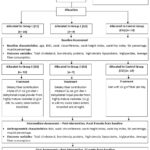 |
Figure 1: Flowchart of The Study Design and Participant Progression. |
Dietary Assessment
Dietary intake was evaluated at baseline and monthly during the 12-week intervention using structured 24-hour dietary recalls. Additional assessments were conducted at study completion to evaluate changes in macronutrient distribution and fiber intake. These evaluations were used to monitor adherence to prescribed dietary recommendations and to quantify total daily fiber consumption.
Statistical Analysis
Statistical analyses were performed using SPSS software (version 25.0; IBM Corp., Armonk, NY, USA). Continuous variables were expressed as mean ± SD for normally distributed data or as median and interquartile range (IQR) for non-normally distributed variables. Normality of data distribution was assessed using the Shapiro–Wilk test and visual inspection of Q–Q plots. Baseline characteristics among groups were compared using one-way analysis of variance (ANOVA) for normally distributed variables or the Kruskal–Wallis test for non-parametric data. Within-group changes from baseline to 12 weeks were analyzed using paired Student’s t-tests for normally distributed variables or the Wilcoxon signed-rank test for non-normally distributed variables. Between-group differences over time were evaluated using repeated-measures ANOVA for variables meeting parametric assumptions. For variables not meeting these assumptions, changes (Δ = final – baseline) were compared among groups using one-way ANOVA or the Kruskal–Wallis test, as appropriate. To improve the interpretation of the results, 95% confidence intervals (CI) for mean changes were calculated for lipid parameters. Effect sizes were estimated using partial eta-squared (ηp²) for parametric analyses and epsilon-squared (ε²) for non-parametric tests. Given the relatively small sample size, the statistical analysis was considered exploratory, and results were interpreted with caution. All statistical tests were two-tailed, and a p-value < 0.05 was considered statistically significant.
Ethical Considerations of the Study
All participants provided written informed consent prior to enrollment. The study was conducted in accordance with the ethical principles outlined in the Declaration of Helsinki,27 and applicable national regulations for clinical research. The study protocol was reviewed and approved by the Bioethics Committee of the Faculty of Natural Sciences, Universidad Autónoma de Querétaro (Approval No. 113FCN2017; March 5, 2018), and by the Research Ethics Committee of the Health Services of the State of Hidalgo, Mexico (Approval No. FSSA2018073; May 23, 2018). The trial was registered at ClinicalTrials.gov (Identifier: NCT07018908).
Results
Fiber Content of Dehydrated Powder from Highly Mature Cladodes
The dehydrated powder from highly mature Opuntia ficus-indica cladodes contained 36.23 ± 0.88 g/100 g of insoluble dietary fiber, 13.28 ± 1.77 g/100 g of soluble dietary fiber, and 49.51 ± 2.65 g/100 g of total dietary fiber (dry matter basis). These values are consistent with the overall chemical composition of the dehydrated powder presented in Table 1.
Baseline Characteristics of Participants
The primary outcome of this study was the change in low-density lipoprotein cholesterol (LDL-C) after the 12-week intervention. A total of 35 participants were included in the study. At baseline, the mean BMI was within the overweight/obese range for both men and women. The prevalence of obesity was 72.7% among men and 70.8% among women. Abdominal obesity, based on waist circumference criteria, was present in all participants.
Baseline lipid concentrations were not significantly different among groups (p > 0.05). Although waist-to-hip ratio showed statistical variation, no clinically meaningful differences in overall anthropometric risk profile were observed. Detailed anthropometric and biochemical characteristics at baseline are presented in Table 2.
Table 2: General Anthropometric and Biochemical Characteristics of the Study Groups
|
Variable |
Total
(n=35) |
G1
(n=16) |
G2
(n=9) |
GC
(n=10) |
p |
| Age (years) | 38.0 (9.0) | 40.5 (6.8) | 38.0 (7.0) | 36.00 (13.5) |
0.59¥ |
|
BMI (kg/m2) |
32.1 (5.6) | 33.0 (6.9) | 32.6 (8.0) | 31.60 (3.2) | 0.43¥ |
| TC (mg/dL) | 195.2 ± 36.8 | 190.2 ± 36.9 | 192.8 ± 39.4 | 205.4 ± 36.23 |
0.31 |
|
LDL (mg/dL) |
104.3 (40.5) | 102.7 (25.0) | 98.0 (50.2) | 128.25 (51.5) | 0.20¥ |
| HDL (mg/dL) | 38.0 ± 6.9 | 38.0 ± 9.1 | 38.4 ± 5.7 | 37.8 ± 3.8 |
0.97 |
|
TG (mg/dL) |
192.2 ± 46.2 | 182.1 ± 12.2 | 188.6 ± 33.2 | 211.4 ± 49.8 | 0.06 |
| Waist circumference (cm) | 102.6 ± 12.6 | 107.1 ± 3.6 | 101.2 ± 11.7 | 96.60 ± 7.27 |
0.21 |
|
Waist-height index |
0.63 (0.1) | 0.65 (0.1) | 0.6 (0.1) | 0.60 (0.1) | 0.14¥ |
| Waist-hip index | 0.93 ± 0.07 | 0.96 ± 0.06a | 0.89 ± 0.07b | 0.90 ± 0.06ab |
0.02 |
|
Fat percentage (%) |
44.98 (11.7) | 44.1 (12.3) | 46.0 (13.4) | 45.00 (16.8) | 0.71¥ |
| Muscle percentage (%) | 23.90 (6.3) | 25.2 (7.0) | 23.9 (6.9) | 23.75 (10.7) |
0.57¥ |
G1, Intervention group 1 with a dose of 5 g/day of dehydrated nopal powder from highly mature cladodes; G2, Intervention group 2 with a 15 g/day of dehydrated nopal powder from highly mature cladodes; CG, Control group; BMI, Body Mass Index; TC, Total cholesterol; LDL, Low-density lipoproteins; HDL, High-density lipoproteins; TG, Triglycerides. Data are expressed as mean ± standard deviation for normally distributed variables, whereas non-normally distributed variables are presented as median (interquartile range, IQR). Statistical comparisons between groups were performed using One-way ANOVA for normal data and the ¥Kruskal-Wallis test for non-parametric data. ab Different superscript letters in the same row indicate significant differences between groups according to Tukey’s post hoc test (p < 0.05).
Changes in Anthropometric Parameters
Changes in anthropometric variables were evaluated after the 12-week intervention. Body weight decreased in all three groups, with the largest mean reduction observed in G1 (5 g/day). However, none of the within-group or between-group changes reached statistical significance (p > 0.05).
No significant differences were observed among groups in BMI, waist circumference, waist-to-height ratio, waist-to-hip ratio, or body composition parameters at the end of the intervention.
Changes in Lipid Profile
After 12 weeks of intervention, no statistically significant differences were observed between groups in lipid profile parameters (p > 0.05), indicating that the magnitude of change was comparable across all study groups. Within-group analyses showed significant reductions in total cholesterol (TC) and low-density lipoprotein cholesterol (LDL-C) in both intervention groups (G1 and G2) (p < 0.05), as shown in Table 3. High-density lipoprotein cholesterol (HDL-C) increased significantly in all groups, including the control group (p < 0.05). Triglyceride levels decreased significantly in G2 and in the control group (p < 0.05), whereas the reduction observed in G1 did not reach statistical significance. The comparison of changes between groups (Table 4) confirmed the absence of a significant treatment effect. Mean reductions in TC were −39.8 mg/dL (95% CI: −60.6 to −19.1) in G1, −36.7 mg/dL (95% CI: −62.4 to −11.1) in G2, and −35.3 mg/dL (95% CI: −60.2 to −10.4) in the control group (p = 0.949). Similarly, LDL-C decreased by −38.6 mg/dL (95% CI: −53.6 to −23.5) in G1, −25.1 mg/dL (95% CI: −46.2 to −3.9) in G2, and −35.8 mg/dL (95% CI: −54.0 to −17.5) in the control group (p = 0.492). Increases in HDL-C were also comparable among groups, with mean changes of 12.9 mg/dL (95% CI: 7.0 to 18.7), 10.4 mg/dL (95% CI: 6.9 to 14.0), and 12.4 mg/dL (95% CI: 6.2 to 18.6) for G1, G2, and control, respectively (p = 0.810). Triglyceride reductions showed similar variability across groups, with no statistically significant differences (p = 0.245). These findings indicate that although clinically relevant improvements in lipid parameters were observed within groups, the intervention with nopal powder did not result in additional benefits beyond those achieved through dietary counseling.
Table 3: Within- And Between-Group Comparisons of Lipid Profile Parameters at Baseline and After 12 Weeks
|
Variable |
G1
(n=16) |
G2
(n=9) |
CG
(n=10) |
Time x Group |
Effect size |
||||||
|
Initial |
Final |
p | Initial | Final | p | Initial | Final | p | p |
ηp2/ ε² |
|
|
TC (mg/dL) |
190±36.9 | 150 ± 17.5 | a 0.001 | 192.8 ± 39.4 | 156 ±25.8 | a 0.011 | 205 ± 36.2 | 170 ± 29.5 | a 0.011 | c 0.949 | 0.003 |
| LDL (mg/dL) | 104 (40.5) | 69 ± 16.5 | b 0.001 | b 98 (50.2) | 77 ± 14.8 | b 0.021 | b 128 (51.5) | 89 ± 22.9 | b 0.007 | d 0.460 |
0.046 |
|
HDL (mg/dL) |
38±9.1 | 49 (6.6) | b 0.001 | 38 ± 5.7 | 49 ± 5.0 | a 0.000 | 37 ± 3.8 | 50 ± 5.7 | a 0.001 | d 0.693 | 0.022 |
| TG (mg/dL) | 182±12.2 | 150 (44.4) | b 0.056 | 188 ± 33.2 | 164 ± 53.2 | a 0.032 | 211 ± 49.8 | b 145 (58.2) | b 0.013 | d 0.328 | 0.066 |
Data are expressed as mean ± SD for normally distributed variables and as median (interquartile range, IQR) for non-normally distributed variables. Within-group differences between baseline and final values were assessed using apaired Student’s t-test for normally distributed variables or b the Wilcoxon signed-rank test for non-parametric data. Between-group differences over time were evaluated using repeated-measures c ANOVA for normally distributed variables. For non-normally distributed variables, differences were assessed by comparing absolute changes between groups using the dKruskal–Wallis test. For variables analyzed with ANOVA, the reported p-value represents the time-by-treatment interaction, and the effect size is reported as partial eta-squared (ηp2). For non-normally distributed variables, this interaction was evaluated by comparing the absolute change over time between groups using the Kruskal-Wallis test, with the effect size reported as epsilon-squared (ε²). A p-value < 0.05 was considered statistically significant.
Table 4: Changes in Lipid Profile Parameters (Δ) With 95% Confidence Intervals Across Study Groups After 12 Weeks of Intervention
|
Variable |
G1 Δ (95% CI) | G2 Δ (95% CI) | CG Δ (95% CI) |
p |
|
TC (mg/dL) |
-39.8 (-60.6, -19.1) | -36.7 (-62.4, -11.1) | -35.3 (-60.2, -10.4) | 0.949 |
| LDL (mg/dL) | -38.6 (-53.6, -23.5) | -25.1 (-46.2, -3.9) | -35.8 (-54.0, -17.5) |
0.492 |
|
HDL (mg/dL) |
12.9 (7.0, 18.7) | 10.4 (6.9, 14.0) | 12.4 (6.2, 18.6) | 0.810 |
| TG (mg/dL) | -22.6 (-48.3, 3.1) | -24.1 (-45.7, -2.6) | -50.2 (-80.5, -19.9) |
0.245 |
Δ represents the change from baseline to 12 weeks (final − baseline). Values are expressed as mean change with 95% confidence intervals (CI). Between-group differences in mean changes were evaluated using one-way analysis of variance (ANOVA) or the Kruskal–Wallis test, as appropriate according to data distribution. A p-value < 0.05 was considered statistically significant.
Changes in Dietary Fiber Intake
Mean daily fiber intake increased from 12.61 ± 5.3 g at baseline to 18.33 ± 7.3 g at the end of the intervention across the study population; however, this overall change did not reach statistical significance (p = 0.086). Group-specific analyses (Table 5) showed that in G2 (15 g/day), fiber intake increased, although the difference between baseline and final values was not statistically significant (p = 0.314). In G1 (5 g/day), fiber intake increased significantly from baseline to the end of the study (p = 0.039). In the control group, fiber intake also increased significantly (p = 0.004), reaching 22.63 g/day at the final assessment. Group-specific analyses (Table 5) and between-group comparisons (Table 6) showed that no statistically significant differences were observed in the magnitude of fiber intake change among groups (p > 0.05).
Table 5: Comparison Between Recommended Dietary Fiber Intake and Actual Intake Assessed by 24-H Recall.
|
Group |
Recommended fiber in the diet (g per day) | Average fiber consumption | p | |
| Initial (g per day) |
Final (g per day) |
|||
|
G1 |
27.19 | 12.28 ± 5.11 | 16.79 ± 6.00 | 0.039 |
| G2 | 21.55 | 13.05 ± 6.10 | 16.28 ± 6.32 |
0.314 |
|
CG |
30.00 | 12.76 ± 5.24 | 22.63 ± 8.74 |
0.004 |
G1, Intervention group 1 with a dose of 5 g/day of dehydrated nopal powder from highly mature cladodes; G2, Intervention group 2 with a dose of 15 g/day of dehydrated nopal powder from highly mature cladodes; CG, Control group. Data expressed as mean ± SD; significant difference in paired T test (p <0.05).
Table 6: Comparison of Changes in Dietary Fiber Consumption
|
Variable |
General
(n= 35) |
G1
(n= 16) |
G2
(n= 9) |
CG
(n= 10) |
p |
|
Initial Fiber (g) |
12.6 ± 5.3 | 12.3 ± 5.1 | 13.1 ± 6.1 | 12.8 ± 5.2 | 0.939 |
| Final Fiber (g) | 18.3 ± 7.3 | 16.8 ± 6.0 | 16.3 ± 6.3 | 22.6 ± 8.7 |
0.086 |
|
Change (g) |
6.0 ± 8.2 | 4.5 ± 8.0 | 4.4 ± 8.1 | 9.9 ± 8.3 |
0.220 |
Data expressed as mean ± SD; No significant differences were observed by ANOVA (p > 0.05)
Dietary Characteristics, Adverse Events, and Adherence
Although the control group did not receive supplementation, a significant increase in dietary fiber intake was observed during the intervention period (p < 0.05). No statistically significant differences were detected in overall macronutrient distribution among groups. A non-significant trend toward reduced caloric intake was observed (p = 0.078). Reported adverse events associated with nopal powder consumption included bloating (11/35; 31.4%), diarrhea (8/35; 22.8%), and flatulence (7/35; 20%). These symptoms were predominantly mild and occurred during the initial phase of supplementation. Adherence was evaluated by calculating the proportion of days participants complied with supplementation (G1 and G2) or dietary recommendations (control group). The adherence index ranged from 0 to 1.00, with higher values indicating greater compliance. G1 (5 g/day) showed the highest adherence, whereas the control group demonstrated the lowest adherence (Table 7). In all groups, adherence exceeded 80% of the total intervention period.
Table 7: Characteristics of Adherence to The Diet by Study Groups.
|
Variable |
Days |
Calculated adherence degree measure* |
|
G1 (n=16) |
80.8 ± 2.9 | 0.89 ± 0.02 |
| G2 (n= 9) | 77.9 ± 2.7 |
0.86 ± 0.03 |
|
CG (n=10) |
75.1 ± 6.5 | 0.83 ± 0.07 |
| Total | 78.4 ± 4.8 |
0.87 ± 0.05 |
G1: Intervention Group 1 supplemented with a dose of 5 g dehydrated nopal powder from highly mature cladodes; G2: Intervention Group 2 supplemented with a dose of 15 g; CG: control group without supplementation. Data expressed as mean ± SD. * Days of adherence to indications or supplement intake / total days from start to the end of intervention.
Discussion
The present randomized controlled trial evaluated the effects of an insoluble fiber–rich powder derived from highly mature Opuntia ficus-indica cladodes on lipid profile in dyslipidemic overweight adults. Improvements in lipid parameters were observed within all study groups; however, there were no statistically significant differences seen between the control and intervention groups. This pattern suggests that the observed metabolic improvements were primarily driven by the overall increase in dietary fiber intake rather than by the specific source of supplementation. Notably, structured dietary counseling promoted improvements in fiber consumption across all groups, which may have attenuated potential differences attributable exclusively to nopal supplementation. The dehydrated powder exhibited a high total dietary fiber content (49.5%), predominantly insoluble (36.2%), consistent with previous reports indicating that cladode maturation is associated with increased insoluble fiber and reduced soluble fiber content.11,12 This compositional profile supports its potential role as a concentrated dietary fiber source; however, the present findings indicate that its effects may not be distinguishable from those achieved through broader dietary fiber optimization. Earlier studies have shown that young cladodes contain proportionally higher soluble fiber, whereas increasing maturity is associated with a progressive accumulation of insoluble fiber.11 In this context, the use of highly mature cladodes (>1000 g) represents a distinctive approach, as most prior investigations have not differentiated maturity stages when assessing metabolic outcomes. This distinction is particularly relevant, given that the predominance of insoluble fiber in mature cladodes may influence physiological effects through mechanisms different from those attributed to soluble, gel-forming fiber fractions.
Particle size also plays a critical role in determining the physicochemical behavior and physiological functionality of dietary fiber. Smaller particles provide greater surface area, enhanced hydration capacity, and increased interaction with gastrointestinal contents, whereas larger particles (>500 µm) exhibit reduced water-holding capacity and dispersion, potentially affecting biological activity.28,29 In the present study, milling through a 0.5 mm sieve produced particles ≤500 µm, representing an intermediate size that likely allowed adequate hydration and dispersion while preserving the structural integrity of insoluble fiber. These characteristics may facilitate interactions with bile acids and modulate intestinal transit, thereby contributing to lipid metabolism regulation.
Changes in anthropometric indicators were evaluated to determine whether the observed lipid modifications could be attributed to weight reduction. Although modest decreases in body weight were observed across all groups, these changes did not reach statistical significance, suggesting that the improvements in lipid parameters were unlikely to be mediated by weight loss alone. While substantial weight reduction has been associated with favorable changes in triglycerides and serum lipoproteins,30 waist circumference, waist-to-height ratio, waist-to-hip ratio, and body fat percentage—key indicators of cardiovascular risk associated with abdominal obesity—31 remained relatively stable throughout the intervention. These findings support the contribution of alternative metabolic mechanisms. Dietary fiber may influence lipid metabolism through pathways independent of weight reduction. Soluble fiber has been associated with modulation of hepatic lipid metabolism and satiety-related hormones.32,33 In contrast, insoluble fiber, which predominated in the present intervention, has been reported to limit weight gain more effectively and to improve insulin sensitivity. 34,35 Its prolonged interaction with the intestinal environment may enhance bile acid binding and fecal excretion, thereby contributing to lipid modulation independently of changes in body weight.18–19
Abdominal obesity is strongly associated with hypertriglyceridemia and reduced HDL levels, contributing to a proatherogenic metabolic profile.36 In this context, the absence of significant changes in adiposity indicators in the present study, together with the observed improvements in lipid parameters, further supports the role of dietary fiber as a modulator of lipid metabolism independent of body fat reduction.
The hypolipidemic potential of Opuntia ficus-indica fiber has been reported previously. Uebelhack et al.37 observed reductions in body weight and increased fecal fat excretion following supplementation with standardized cactus fiber tablets, supporting a fat-binding effect of the fiber matrix. Although the daily fiber dose in that study was lower than that used in the present intervention, these findings are consistent with the proposed mechanisms of lipid modulation. However, most prior investigations have relied on processed extracts or tablet formulations without considering cladode maturity. In contrast, the present study evaluated powder derived specifically from highly mature cladodes, characterized by a predominance of insoluble fiber. This distinction provides additional evidence on the relevance of plant maturity as a determinant of the functional and metabolic properties of cactus-derived fiber.
The current study’s improvements in the lipid profile are mostly in line with earlier clinical data on Opuntia ficus-indica. Linarès et al.38 reported increases in HDL accompanied by reductions in LDL, while Khouloud et al.17 observed decreases in total cholesterol and triglycerides following short-term juice supplementation. Similarly, Wolfram et al.39 demonstrated reductions in total cholesterol, LDL, apolipoprotein B, and triglycerides after eight weeks of supplementation. Although these studies differ in formulation, dosage, and intervention duration, they collectively support the lipid-modulating potential of nopal-derived components.
Proposed mechanisms include reduced intestinal lipid absorption, enhanced bile acid excretion, and modulation of hepatic cholesterol metabolism. In particular, the viscosity of gel-forming fiber fractions, such as mucilage from Opuntia ficus-indica, has been identified as a key determinant of cholesterol-lowering efficacy.40,41 However, most previous studies have focused on soluble fiber fractions or processed extracts, which differ substantially from the composition evaluated in the present study. In contrast, the powder derived from highly mature cladodes used in this intervention is characterized by a predominance of insoluble fiber, suggesting that alternative or complementary mechanisms—such as increased fecal bulk, reduced intestinal transit time, and interactions with bile acids—may contribute to the observed lipid changes.
In contrast to some reports, other studies have not consistently observed increases in HDL levels,42 highlighting variability related to formulation, population characteristics, and study design. In this context, the present findings contribute to the existing body of evidence by showing improvements in lipid parameters following supplementation with insoluble fiber–rich powder derived from highly mature cladodes over a 12-week period, although without significant differences between groups.
Experimental evidence also supports a hypocholesterolemic role of insoluble fiber fractions. Raza et al.32 demonstrated that lignin-rich insoluble residues reduced plasma total cholesterol and LDL concentrations in mice fed a high-fat diet, suggesting that insoluble fiber may contribute to lipid modulation independently of soluble gel-forming fractions. Given that cladode maturation is associated with increased insoluble fiber content, these findings provide mechanistic support for the evaluation of highly mature Opuntia ficus-indica as a functional dietary source.
An important observation of the present study is that improvements in lipid parameters were also observed in the control group, which received structured dietary counseling but no supplementation. Dietary assessment during the intervention revealed increases in total fiber intake across all groups, including the control group, although between-group differences were not statistically significant. In the control group, mean final intake reached 22.63 ± 8.74 g/day, approaching recommended levels,43 while supplemented groups achieved fiber intakes within or closer to these targets. This pattern suggests that the metabolic improvements observed across groups may be largely explained by increased dietary fiber intake itself, rather than by the specific source of supplementation.
Overall, the findings of this study indicate that improvements in lipid profile are primarily driven by total dietary fiber intake than with the specific form in which it is consumed. Although powder derived from highly mature Opuntia ficus-indica cladodes represents a concentrated and practical source of dietary fiber, its effects were not significantly different from those achieved through structured dietary counseling alone. These results underscore the importance of optimizing overall dietary fiber intake as a key nutritional strategy for dyslipidemia management. Future studies with larger sample sizes, longer follow-up periods, and inclusion of mechanistic biomarkers are warranted to further elucidate potential dose-dependent effects and to clarify the specific contribution of fiber fractions derived from different cladode maturity stages, thereby enhancing the translational relevance of the findings for real-world dietary interventions.
Study Limitations and Strengths
This study has some limitations that should be acknowledged. First, the final sample size was lower than initially planned, which may have reduced the statistical power to detect between-group differences. Although within-group improvements were observed, the limited number of participants may have constrained the ability to identify subtle dose-dependent effects. Second, dietary fiber intake increased in all groups, including the control group, likely due to structured nutritional counseling. While this reflects real-world applicability of dietary interventions, it may have attenuated potential differences attributable exclusively to supplementation. Third, the trial was retrospectively registered, although primary and secondary outcomes were predefined prior to participant enrollment and no modifications to the study design were made. Fourth, mechanistic biomarkers—such as bile acid excretion, gut microbiota composition, short-chain fatty acid production, or markers of oxidative stress—were not evaluated. Therefore, the biological pathways underlying the observed lipid changes remain inferential. Finally, the intervention period, although sufficient to detect lipid modifications, does not allow conclusions regarding long-term sustainability of effects. Despite these limitations, the study provides novel clinical data on the metabolic impact of powder derived from highly mature Opuntia ficus-indica cladodes, a stage of plant maturity that has been scarcely investigated in controlled clinical settings.
This study has several noteworthy strengths. First, it is one of the few randomized controlled trials specifically evaluating powder derived from highly mature Opuntia ficus-indica cladodes, thereby addressing the influence of plant maturity on fiber composition and metabolic outcomes. Second, the intervention was carefully standardized, with defined fiber targets and structured dietary monitoring, enhancing internal validity. Third, allocation concealment was implemented using sealed opaque envelopes and independent sequence generation, reducing selection bias. Finally, anthropometric, dietary, and biochemical assessments were performed under controlled and standardized conditions, supporting the reliability of the reported findings.
Conclusion
In this randomized controlled trial, increased dietary fiber intake during the intervention period was associated with improvements in lipid parameters in dyslipidemic overweight adults over a 12-week period. Although no significant between-group differences were observed, increases in dietary fiber intake—achieved through supplementation and structured dietary counseling—were accompanied by reductions in total cholesterol and LDL levels and increases in HDL concentrations. These findings highlight the potential relevance of optimizing dietary fiber intake in populations with low habitual fiber consumption. Highly mature cladodes, which are typically underutilized, represent a fiber-dense botanical source that may serve as a practical strategy to enhance total fiber intake. Further research with larger sample sizes and mechanistic biomarkers is warranted to clarify dose-dependent effects and to better understand the metabolic pathways through which fiber fractions from different maturity stages influence lipid metabolism.
Acknowledgement
The authors would like to thank “Laboratorio Nacional de Caracterización de Materiales”, CFATA-UNAM, Mexico and laboratory of the Tlaxcoapan Health Center where blood samples were processed.
Funding Sources
The author(s) received no financial support for the research, authorship, and/or publication of this article.
Conflict of Interest
The authors do not have any conflict of interest.
Data Availability Statement
Data sets produced during the study are included in the manuscript.
Ethics Statement
This study was approved by the Bioethics Committee of the Faculty of Natural Sciences of the Universidad Autónoma de Querétaro (113FCN2017, approval date: March 5, 2018) and the Research Ethics Com-mittee of the Health Service of the State of Hidalgo, Mexico (FSSA2018073, approval date: May 23, 2018). The study was registered at the Faculty of Natural Sciences of the Autonomous University of Querétaro on March 21, 2019 (unique protocol ID: FCN-10310).
Informed Consent Statement
Informed consent was obtained from all participants prior to their involvement in the study. The consent process adhered to the ethical standards and regulations applicable in Mexico, included privacy rights and confidentiality.
Clinical Trial Registration
A retrospective registration was conducted on ClinicalTrials.gov: NCT07018908.
Permission to Reproduce Material from Other Sources
Not Applicable
Author Contributions
- Karla Ivette Gómez-Becerra: Conceptualization, Formal Analysis, Investigation, Methodology, Resources, Writing – Original Draft, Writing – Review and Editing.
- María De Los A. Aguilera-Barreiro: Conceptualization, Formal Analysis, Funding Acquisition, Methodology, Writing – Review and Editing.
- Margarita Contreras-Padilla: Formal Analysis, Methodology, Writing – Review and Editing.
- Óscar Martínez-González: Writing – Review and Editing.
- Grissel Garrido-Guerrero: Investigation, Resources.
- Mario Enrique Rodríguez-García: Writing – Review and Editing.
- Héctor Enrique Fabela-Illescas: Writing – Review and Editing.
- Jorge Luis Chávez-Servín: Formal Analysis, Methodology, Writing – Review and Editing.
References
- Ipsen D.H., Tveden-Nyborg P., Lykkesfeldt J. Dyslipidemia: obese or not obese—that is not the question. Curr Obes Rep. 2016;5(4):405-412.
CrossRef - Rivas-Gómez B., Almeda-Valdés P., Tusié-Luna M.T., et al. Dyslipidemia in Mexico, a call for action. Rev Invest Clin. 2018;70(5):211-216.
CrossRef - de Albuquerque J.G., de Souza Aquino J., de Farias T.G.S., et al. Consumer perception and use of nopal (Opuntia ficus-indica): a cross-cultural study between Mexico and Brazil. Food Res Int. 2019;124:101-108.
CrossRef - Ha Q.T.T., Nguyen K.K., Le A.N., et al. Opuntia ficus-indica (L.): an overview of the recent application and opportunities in food. Trop J Nat Prod Res. 2024;8(1):5734-5745.
CrossRef - Perucini-Avendaño M., Nicolás-García M., Jiménez-Martínez C., et al. Cladodes: chemical and structural properties, biological activity, and polyphenols profile. Food Sci Nutr. 2021;9(7):4007-4017.
CrossRef - Sinicropi M.S., Baldino N., Ceramella J., et al. Opuntia ficus indica (L.) Mill: an ancient plant source of nutraceuticals. Curr Top Med Chem. 2022;22(21):1736-1749.
CrossRef - Mellai M., Allesina M., Edoardo B., et al. A randomized, double-blind, placebo-controlled trial: efficacy of Opuntia ficus-indica prebiotic supplementation in subjects with gut dysbiosis. 2024;16(5):586.
CrossRef - Aruwa C.E., Amoo S.O., Kudanga T. Opuntia (Cactaceae) plant compounds, biological activities and prospects: a comprehensive review. Food Res Int. 2018;112:328-344.
CrossRef - Contreras-Padilla M., Gutiérrez-Cortez E., Valderrama-Bravo M.C., et al. Effects of drying process on the physicochemical properties of nopal cladodes at different maturity stages. Plant Foods Hum Nutr. 2012;67(1):44-49.
CrossRef - Hernández-Becerra E., Gutiérrez-Cortez E., Del Real A., et al. Bone mineral density, mechanical, microstructural properties and mineral content of the femur in growing rats fed with cactus Opuntia ficus indica cladodes as calcium source in diet. 2017;9(2):108.
CrossRef - Hernández-Urbiola M.I., Contreras-Padilla M., Pérez-Torrero E., et al. Study of nutritional composition of nopal (Opuntia ficus indica cv. Redonda) at different maturity stages. Open Nutr J. 2015;4(1):11-16.
CrossRef - Rodríguez-García M.E., De Lira C., Hernández-Becerra E., et al. Physicochemical characterization of nopal pads (Opuntia ficus indica) and dry vacuum nopal powders as a function of the maturation. Plant Foods Hum Nutr. 2007;62(3):107-112.
CrossRef - Rykaczewski K., Jordan J.S., Linder R., et al. Microscale mechanism of age dependent wetting properties of prickly pear cacti (Opuntia). 2016;32(36):9335-9341.
CrossRef - Del Socorro Santos Díaz M., Barba de la Rosa A.P., Héliès-Toussaint C., et al. Opuntia spp.: characterization and benefits in chronic diseases. Oxid Med Cell Longev. 2017;2017:8634249.
CrossRef - Fabela-Illescas H.E., Castro-Mendoza M.P., Montalvo-González E., et al. Bioactive compounds identification and physicochemical characterization from Nopalea cochenillifera cladodes flour. 2022;24(1):46-54.
CrossRef - Fernandes A., Mateus N., de Freitas V. Polyphenol-dietary fiber conjugates from fruits and vegetables: nature and biological fate in a food and nutrition perspective. 2023;12(5):1052.
CrossRef - Khouloud A., Abedelmalek S., Chtourou H., et al. The effect of Opuntia ficus-indica juice supplementation on oxidative stress, cardiovascular parameters, and biochemical markers following yo-yo intermittent recovery test. Food Sci Nutr. 2018;6(2):259-268.
CrossRef - Davison K.M., Temple N.J. Cereal fiber, fruit fiber, and type 2 diabetes: explaining the paradox. J Diabetes Complications. 2018;32(2):240-245.
CrossRef - Holscher H.D. Dietary fiber and prebiotics and the gastrointestinal microbiota. Gut Microbes. 2017 Mar 4;8(2):172-184.
CrossRef - Sato R. Recent advances in regulating cholesterol and bile acid metabolism. Biosci Biotechnol Biochem. 2020;84(11):2185-2192.
CrossRef - FAO/WHO. Report of the 29th session of the Codex Committee on Nutrition and Foods for Special Dietary Uses. 2007:88.
- Barbour V., Bhui K., Chescheir N., et al. CONSORT statement for randomized trials of nonpharmacologic treatments: a 2017 update and a CONSORT extension for nonpharmacologic trial abstracts. Ann Intern Med. 2017;167(1):40-47.
CrossRef - Hopewell S., Boutron I., Chan A.W., et al. An update to SPIRIT and CONSORT reporting guidelines to enhance transparency in randomized trials. Nat Med. 2022;28(9):1740-1743.
CrossRef - Association of Official Analytical Chemists. Official methods of analysis of AOAC International. 20th ed. Latimer GW, ed. AOAC International; 2016.
- Aguilera-Barreiro M.A., Rivera-Márquez J.A., Trujillo-Arriaga H.M., et al. Intake of dehydrated nopal (Opuntia ficus indica) improves bone mineral density and calciuria in adult Mexican women. Food Nutr Res. 2013;57:19106.
CrossRef - Shoukat R., Cappai M., Pia G., et al. An updated review: Opuntia ficus indica chemistry and its diverse applications. Appl Sci (Basel). 2023;13(13):7724.
CrossRef - World Medical Association. World Medical Association declaration of Helsinki: ethical principles for medical research involving human subjects. J Am Coll Dent. 2014;81:14-18.
CrossRef - Nabil B., Ouaabou R., Ouhammou M., et al. Impact of particle size on functional, physicochemical properties and antioxidant activity of cladode powder (Opuntia ficus-indica). J Food Sci Technol. 2020;57(3):943-954.
CrossRef - León-Martínez F.M., Méndez-Lagunas L.L., Rodríguez-Ramírez J. Spray drying of nopal mucilage (Opuntia ficus-indica): effects on powder properties and characterization. Carbohydr Polym. 2010;81(4):864-870.
CrossRef - Zinn C., McPhee J., Harris N., et al. A 12-week low-carbohydrate, high-fat diet improves metabolic health outcomes over a control diet in a randomized controlled trial with overweight defence force personnel. Appl Physiol Nutr Metab. 2017;42(11):1158-1164.
CrossRef - Sangrós F.J., Torrecilla J., Giráldez-García C., et al. Association of general and abdominal obesity with hypertension, dyslipidemia and prediabetes in the PREDAPS study. Rev Esp Cardiol (Engl Ed). 2018;71(3):170-177.
CrossRef - Raza G.S., Maukonen J., Mäkinen M., et al. Hypocholesterolemic effect of the lignin-rich insoluble residue of brewer’s spent grain in mice fed a high-fat diet. J Agric Food Chem. 2019;67(4):1104-1114.
CrossRef - Barakat G.M., Ramadan W., Assi G., et al. Satiety: a gut-brain relationship. J Physiol Sci. 2024;74(1):11.
CrossRef - Perry J.R., Ying W. A review of physiological effects of soluble and insoluble dietary fibers. J Nutr Food Sci. 2016;6(2):476.
- Ren H., Dong S., Li L., et al. Effects of soluble and insoluble fibre on glycolipid metabolism and gut microbiota in high-fat-diet-induced obese mice. 2024;16(22):3822.
CrossRef - Tenenbaum A., Klempfner R., Fisman E.Z. Hypertriglyceridemia: a too long unfairly neglected major cardiovascular risk factor. Cardiovasc Diabetol. 2014;13(1):159.
CrossRef - Uebelhack R., Busch R., Alt F., et al. Effects of cactus fiber on the excretion of dietary fat in healthy subjects: a double-blind, randomized, placebo-controlled, crossover clinical investigation. Curr Ther Res Clin Exp. 2014;76:39-44.
CrossRef - Linarès E., Thimonier C., Degre M. The effect of NeOpuntia® on blood lipid parameters: risk factors for the metabolic syndrome (syndrome X). Adv Ther. 2007;24(5):1115-1125.
CrossRef - Wolfram R.M., Kritz H., Efthimiou Y., et al. Effect of nopal cladodes (Opuntia robusta) on glucose and lipid metabolism in non-diabetics with hyperlipidemia: a pilot study. Wien Klin Wochenschr. 2002;114(19-20):840-846.
- Chutkan R., Fahey G., Wright W.L., et al. Viscous versus nonviscous soluble fiber supplements: mechanisms and evidence for fiber-specific health benefits. J Am Assoc Nurse Pract. 2012;24(8):476-487.
CrossRef - McRorie J.W., McKeown N.M. Understanding the physics of functional fibers in the gastrointestinal tract: an evidence-based approach to resolving enduring misconceptions about insoluble and soluble fiber. J Acad Nutr Diet. 2017;117(2):251-264.
CrossRef - Guevara-Cruz M., Tovar A.R., Aguilar-Salinas C.A., et al. A dietary pattern including nopal, chia seed, soy protein, and oat reduces serum triglycerides and glucose intolerance in patients with metabolic syndrome. J Nutr. 2012;142(1):64-69.
CrossRef - Dahl W.J., Stewart M.L. Position of the Academy of Nutrition and Dietetics: health implications of dietary fiber. J Acad Nutr Diet. 2015;115(11):1861-1870.
CrossRef
Abbreviations List
BMI – Body Mass Index
CG – Control Group Receiving Dietary Counseling Only
G1 – Intervention Group Receiving Dehydrated Opuntia Ficus-Indica Powder from Highly Mature Cladodes at a Dose of 5 g/Day
G2 – Intervention Group Receiving a Dose of 15 g/Day
HDL – High-Density Lipoprotein Cholesterol
LDL – Low-Density Lipoprotein Cholesterol
TC – Total Cholesterol
TG – Triglycerides
 PlumX:
 Views: 6048
  PDF Downloads:
795
PDF Downloads:
795 
Accepted on: 31 Mar 2026
Second Review by: Preeti Mishra
Final Approval by: Dr. Krishan Kumar





Web of Science Coverage
Emerging Sources Citation Index (ESCI)
2024 Journal Impact Factor: 1.1
Scopus Journal Metrics
CiteScore 2025: 2.6
CiteScore Details
Sustainable Nutrition: Food Systems, Nutrient Retention, and Public Health Impact

This journal is a member of, and subscribes to the principles of, the Committee on Publication Ethics (COPE)