
From Culinary Tradition to Nutraceutical Potential: Evidence-based Pharmacological Appraisal of Traditional South Indian Soup – Rasam
 , Aswin Mohan1, Harshit Sajal1, Jitha Kunhikrishnan2 and Rajesh Raju1
1Centre for Integrative Omics Data Science, Yenepoya (Deemed to be University), Mangalore, India
2Department of Chemistry, Sree Narayana College, Kannur, India
Corresponding Author E-mail:anuroopagnadh@yenepoya.edu.in
Download this article as:
ABSTRACT:Diet and the nature of food are among the major determinants of health, as they directly influence immunity, metabolism, and physiological and psychological well-being. Rasam, a traditional South Indian soup, exemplifies this concept through its diverse array of ingredients, each with documented nutritional and pharmacological properties. The synergistic action of its ingredients may enhance metabolism, support gastrointestinal function, and help maintain metabolic homeostasis, underscoring how traditional foods can make meaningful contributions to health beyond basic caloric provision. This review critically examines the nutritional components, phytochemicals, and experimentally reported pharmacological activities of major Rasam ingredients, highlighting their potential contributions to preventive health and integrative nutrition. An extensive narrative literature review was conducted using PubMed, Scopus, and Web of Science to identify relevant English-language publications from database inception through January 2026. The reviewed evidence documents diverse biological activities, including antioxidant, anti-inflammatory, antimicrobial, immunomodulatory, digestive, and metabolic-regulating properties. Mechanistic evidence highlights the involvement of Nrf2-mediated antioxidant defence and NF-κB-dependent inflammatory signalling, while piperine-mediated inhibition of curcumin metabolism suggests a potential interaction that influences phytochemical bioavailability. The integrated mapping of Rasam ingredients and their reported pharmacological activities reveal convergence across interconnected biological pathways, providing a systems-level perspective on their potential complementary effects. This framework also offers a basis for future computational network pharmacology investigations to characterize compound–target–pathway relationships. Nevertheless, the available evidence is predominantly derived from studies of individual ingredients and isolated phytochemicals rather than composite Rasam preparations. Therefore, standardized compositional characterization, experimental validation, and well-designed clinical trials are necessary to establish the health benefits of Rasam as a composite dietary formulation.
KEYWORDS:Gastroprotective; Inflammation; Multi-target; Rasam; Synergy
Introduction
Wholesome, fresh, and properly prepared foods support metabolic efficiency and homeostasis, whereas poor dietary choices, such as excessive or deficient foods, can lead to metabolic dysregulation, inflammation, and chronic illness. South Indian cuisine is renowned for its diverse use of spices and herbs, many of which possess medicinal properties. Rasam, a staple in South Indian households, is a thin, tangy soup consumed both as a comfort food and a traditional remedy for various ailments.1 Typically made from tamarind pulp, tomatoes, and an array of spices such as black pepper, fenugreek, cumin, turmeric, garlic, asafoetida, and curry leaves, Rasam is not only palatable but also nutritionally and pharmacologically significant. Although ingredient proportions vary regionally, the fundamental composition remains consistent across South Indian households. Its consumption is traditionally associated with aiding digestion, relieving cold and cough, and promoting overall wellness.
Each component of Rasam is individually recognized for its therapeutic potential, including digestive, antioxidant, immunomodulatory, antimicrobial, and anti-inflammatory properties.2 More importantly, the culinary processing and co-consumption of these ingredients may promote synergistic interactions that could enhance bioavailability, stimulate digestive enzymes, support gastrointestinal function, and help maintain metabolic balance. Such synergy reflects principles long emphasized in traditional medical systems, including Ayurveda, where food is considered a foundational pillar of health and disease prevention.3
Despite its widespread consumption and cultural significance, Rasam has received limited systematic attention in scientific literature as a functional or therapeutic food. A comprehensive evaluation of its nutritional profile, phytochemical constituents, and evidence-based health benefits is therefore needed. This review aims to summarize the therapeutic benefits of Rasam’s ingredients and their reported pharmacological properties, and to highlight the potential role of Rasam as a dietary adjunct in preventive health and integrative medicine.
Materials and Methods
Literature Search Strategy
Relevant studies were identified through an extensive review of the literature reporting the therapeutic benefits of Rasam and its constituent ingredients. A comprehensive literature search was conducted using three major scientific databases: Web of Science, PubMed, and Scopus, covering publications from database inception through January 2026. The search strategy employed a combination of free-text keywords and Medical Subject Headings (MeSH), where applicable, using Boolean operators to identify relevant publications. The primary search string included: “Rasam” AND (“therapeutic potential” OR “secondary metabolites” OR “therapeutic pathways” OR “inflammation” OR “oxidative stress” OR “disorders”), along with the scientific names of individual plant ingredients. Additional searches combined the scientific names of each ingredient with terms such as “disease,” “anticancer,” “anti-inflammatory,” “antioxidant,” “antimicrobial,” “gastroprotective,” “health benefits,” and “medicinal value.”
Study Selection Criteria
The search was restricted to English-language, peer-reviewed publications, including original research articles, clinical trials, and review articles. Studies were excluded if they were conference abstracts, non-English publications, or lacked primary data or sufficient methodological information. The retrieved literature was examined for its relevance to the nutritional composition, phytochemical constituents, pharmacological activities, and potential health benefits of Rasam and its individual ingredients. The findings from the selected literature were synthesized descriptively and qualitatively to summarize the reported phytochemical constituents and pharmacological activities of Rasam ingredients. No statistical analyses or quantitative pooling of data were performed, as the present work was designed as a narrative review.
Composition and preparation
Rasam is prepared using a standardized yet adaptable method that has been preserved through generations of culinary practice. Although regional and household variations exist, the core ingredients and method of preparation remain largely consistent, ensuring functional uniformity. The preparation of Rasam typically begins with sautéing a characteristic spice blend of black pepper, cumin, garlic, dried red chilli, turmeric, fenugreek, and asafoetida in vegetable oil, most commonly coconut oil. These spices are either coarsely crushed or powdered to facilitate the release of bioactive constituents. Subsequently, an aqueous extract derived from tamarind pulp and/or tomato is added, and the mixture is allowed to boil gently. The final stage involves tempering, wherein mustard seeds, curry leaves, and occasionally dried red chillies are briefly sautéed in oil and incorporated into the prepared soup. Rasam is typically consumed warm, either as a soup or mixed with rice, thereby stimulating digestion and facilitating efficient nutrient assimilation.
Medicinal and therapeutic properties
As indicated, Rasam comprises a defined combination of spices and herbs, each contributing distinct bioactive compounds and medicinal properties. The health-promoting potential of Rasam may arise from the individual effects and/or from their synergistic interactions during preparation and consumption. The known therapeutic potential of individual components of Rasam is summarised below.
Tamarind
A member of the family Leguminosae (Fabaceae), Tamarindus indica L. (T. indica), commonly known as the tamarind, is a cultivated fruit species recognized for its long history of medicinal use. In Rasam, tamarind pulp serves as the primary acid component, contributing to both flavor and functional properties. The medicinal value of T. indica has been extensively investigated and is largely attributed to its rich content of organic acids (particularly tartaric acid), polyphenols, flavonoids, and essential minerals.4
A broad spectrum of pharmacological activities has been reported for T. indica, including antidiabetic, antivenom, antimalarial, cardioprotective, hepatoprotective, antiasthmatic, laxative, and antihyperlipidemic effects.5,6 These diverse bioactivities highlight the plant’s therapeutic versatility and relevance in metabolic and inflammatory disorders.
Experimental and clinical studies have demonstrated significant antioxidant activity in tamarind, primarily mediated by free radical scavenging and by enhancement of endogenous antioxidant defense systems. Polyphenolic constituents of tamarind have been shown to modulate oxidative stress by activating redox-sensitive signaling pathways, including the nuclear factor erythroid 2–related factor 2 (Nrf2) pathway, thereby leading to upregulation of cytoprotective antioxidant enzymes.7,8 Furthermore, in vitro and in vivo experiments show that tamarind extracts exert anti-inflammatory effects by suppressing pro-inflammatory pathways.9,10
Beyond its anti-inflammatory and antioxidant properties, tamarind has demonstrated antimicrobial activity against a wide range of fungal and bacterial pathogens, supporting its traditional use in gastrointestinal and infectious conditions.11,12 The organic acid composition of tamarind plays a critical functional role in digestion by stimulating gastric secretion and enhancing intestinal motility, thereby improving nutrient assimilation. Animal studies have further reported hypolipidemic and hepatoprotective effects, suggesting a role in metabolic regulation.5 Emerging evidence also indicates that tamarind-derived polysaccharides and polyphenols may exert prebiotic-like effects, contributing to gut microbial balance and intestinal health.13
Tomato (Solanum lycopersicum)
Solanum lycopersicum L., commonly known as tomato, is a dietary component in traditional and modern cuisines. In Rasam, tomato is frequently used either alone or in combination with tamarind as an acidic base, contributing to flavor, nutritional value, and functional properties. Tomatoes are rich sources of vitamins, minerals, carotenoids, and polyphenolic compounds, among which lycopene is the most abundant and biologically significant.14
Extensive experimental, epidemiological, and clinical studies have observed the anti-inflammatory and antioxidant properties of tomato and its bioactive constituents. Lycopene, a potent lipophilic carotenoid, exhibits strong free radical- scavenging activity. The compound was reported to lower oxidative stress levels by modulating redox-sensitive signaling pathways.15 Tomato-derived phytochemicals have been reported to activate Nrf2 pathway, leading to enhanced expression of endogenous antioxidant enzymes, thereby contributing to cellular protection against oxidative damage.16
Tomato consumption has also been associated with the inhibition of inflammatory signaling cascades, primarily by downregulating NF-κB activation, thereby reducing pro-inflammatory cytokine production.17 These effects underpin the reported cardioprotective, anti-atherosclerotic, and metabolic health benefits of tomatoes.18 Additionally, tomatoes have demonstrated antimicrobial activity against selected pathogenic microorganisms, supporting their role in gastrointestinal health.19
In the context of Rasam, the presence of tomato complements the bioactivity of spices and herbs by providing organic acids that enhance mineral bioavailability and digestive enzyme activity. The thermal processing involved in Rasam preparation further increases lycopene bioavailability, reinforcing the functional significance of tomato as a key ingredient in this traditional dietary formulation.
Black Pepper (Piper nigrum)
Piper nigrum L., also known as black pepper, is a widely used spice with a long history in both culinary and traditional medicinal systems. The principal bioactive alkaloid in black pepper is piperine, which contributes to the characteristic pungency of the spice. In addition, the compound also exerts a range of biological activities in black pepper. Piperine exhibits antimicrobial, anti-inflammatory, antioxidant, and digestive-stimulant effects mediated by multiple molecular pathways, including inhibition of pro-inflammatory signaling and activation of cytoprotective antioxidant mechanisms, such as Nrf2-dependent gene expression. Piperine and related alkaloids have been shown to quench free radicals, thereby reducing oxidative damage in cellular systems, in part by upregulating antioxidant enzyme expression and attenuating pro-oxidative stressors.20
In addition to its inherent pharmacological effects, Piperine is well known for enhancing the bioavailability of other phytochemicals, particularly curcumin from turmeric. Curcumin has poor systemic absorption when consumed alone due to rapid metabolism in the intestine and liver. In contrast, administering curcumin with piperine has been shown to significantly increase plasma curcumin levels by inhibiting glucuronidation and slowing its metabolic clearance.21 This piperine- curcumin synergy has been confirmed across experimental models and clinical contexts, where combined administration more effectively enhances antioxidant status, reduces oxidative stress, and modulates inflammatory pathways than either compound alone. For example, curcumin combined with piperine reduced markers of oxidative stress and inflammation in human patients more effectively than curcumin alone, likely due to improved pharmacokinetics.22
Mechanistically, piperine can modulate multiple signaling cascades relevant to oxidative stress and inflammation. It has been shown to suppress inflammatory and pro-inflammatory mediators and to influence kinases and transcription factors associated with inflammatory gene expression. Piperine has also been observed to promote antioxidant enzyme activity and cytoprotection in oxidative environments.23 These molecular actions, combined with enhanced curcumin bioavailability, provide a strong mechanistic rationale for including black pepper in preparations such as Rasam, where it may potentiate the systemic and local effects of turmeric and other phytochemical components.
Turmeric (Curcuma longa)
Curcuma longa L., a perennial herb in the family Zingiberaceae, is widely used as both a traditional medicinal plant and a culinary spice. In Rasam, turmeric is incorporated in small quantities during spice sautéing, where it contributes color, flavor, and significant functional value. The primary bioactive constituent of turmeric is curcumin, a polyphenolic diarylheptanoid responsible for many of its pharmacological effects.
Curcumin is widely investigated for its antioxidant, anti-inflammatory, antimicrobial, immunomodulatory, and anticancer properties. One of its best-characterized mechanisms of action involves suppressing inflammatory signaling pathways, particularly by inhibiting NF-κB activation. Studies indicate that curcumin attenuates inflammation by suppressing NF-κB–dependent transcription of pro-inflammatory mediators, including cytokines, chemokines, COX-2, and iNOS.24,25
Despite its broad therapeutic potential, curcumin is characterized by poor oral bioavailability, largely due to limited intestinal absorption, systemic elimination, and rapid metabolism. As indicated, administration of piperine markedly enhances curcumin bioavailability by improving intestinal permeability. Emerging evidence also suggests that curcumin may influence gut microbiota composition and function, acting bidirectionally as both a modulator and a substrate for microbial metabolism.26 These interactions may contribute to improved intestinal barrier integrity, immune regulation, and systemic metabolic balance.27
Cumin (Cuminum cyminum)
Cuminum cyminum L., (common name – cumin), an aromatic spice from the family Apiaceae is widely used in culinary practices. In Rasam, cumin seeds are a key component of the spice blend, contributing characteristic flavor as well as functional and therapeutic value. Cumin seeds are rich in essential oils, flavonoids, phenolic acids, and terpenoids, with cuminaldehyde identified as the principal bioactive compound.28
Numerous clinical and experimental studies demonstrated the antioxidant, digestive, anti-inflammatory, antidiabetic, and hypolipidemic properties of cumin. The essential oil and phenolic fractions of cumin exhibit lipid peroxidation inhibition and, strong free radical- scavenging activity contributing to cellular protection against oxidative stress. These antioxidant effects are partly mediated through modulation of redox-sensitive signaling pathways, including activation of endogenous antioxidant enzymes.29,30
From a metabolic perspective, cumin supplementation has been associated with improved glycemic control and lipid metabolism. Clinical studies have reported reductions in serum triglycerides, fasting blood glucose, and low-density lipoprotein cholesterol following cumin intake, suggesting its potential role in managing metabolic syndrome.31 Cumin also acts as a carminative and digestive stimulant, enhancing pancreatic enzyme secretion and gastrointestinal motility, thereby alleviating bloating and dyspepsia.32 Its combined antioxidant, anti-inflammatory, and digestive properties reinforce cumin’s functional relevance in rasam as a traditional dietary preparation with evidence-based health benefits.
Garlic (Allium sativum)
Allium sativum L. (family Amaryllidaceae) is a widely used culinary spice and medicinal plant. In Rasam, garlic contributes both flavor and functional health benefits. These biological effects are largely due to organosulfur compounds such as allicin, diallyl sulfides, and ajoene, released when the plant is crushed. Garlic has been widely investigated for a range of biological effects, including antioxidant, antimicrobial, anti-inflammatory, immunomodulatory, and cardioprotective activities. Numerous in vivo and in vitro studies indicate that garlic and its sulfur-containing constituents exert broad-spectrum antimicrobial activity against viruses, fungi, and bacteria, supporting its traditional use in preventing and managing gastrointestinal and respiratory infections.33
Garlic consumption has also been associated with significant cardioprotective and metabolic benefits, including reductions in serum cholesterol, triglycerides, and blood pressure, as well as improvement in endothelial function. These effects are mediated through modulation of lipid metabolism, inhibition of LDL oxidation, and improvement of nitric oxide bioavailability.34
Fenugreek (Trigonella foenum-graecum)
Trigonella foenum-graecum L. (Common name – fenugreek) is a leguminous plant included in the family Fabaceae and is employed as both a culinary spice and a medicinal herb. In Rasam, fenugreek seeds are included in small quantities, contributing bitterness that balances flavor while imparting functional health benefits. Fenugreek seeds are rich in saponins, alkaloids, flavonoids, polyphenols, and soluble dietary fibre.35
Many research studies report its antidiabetic, hypolipidemic, antioxidant, and anti-inflammatory properties. Experimental and clinical studies have demonstrated that fenugreek improves glucose homeostasis by enhancing insulin sensitivity, delaying carbohydrate absorption, and modulating key enzymes involved in glucose metabolism.36 These effects support its traditional use in metabolic disorders. Fenugreek saponins have also been implicated in cholesterol-lowering effects through reduced intestinal lipid absorption and improved lipid metabolism.37 In addition, fenugreek seeds were found to exert prebiotic-like effects, supporting beneficial gut microbial populations and contributing to gastrointestinal health.38 Within Rasam, fenugreek acts synergistically with other spices to enhance digestion, regulate metabolism, and support inflammatory balance, reinforcing its role as a functional ingredient in this traditional dietary formulation.
Asafoetida (Ferula spp.)
Asafoetida, commonly known as hing, is an oleo-gum-resin derived from plant rhizhomes and roots of Ferula species (family Apiaceae). It is traditionally used as a spice and digestive aid in Indian cuisine and is a characteristic ingredient in Rasam, where it is added in trace amounts during tempering. Asafoetida is rich in organosulfur compounds, sesquiterpene coumarins, phenolics, and volatile oils, which contribute to its distinctive aroma and bioactivity.39,40
Scientific studies have demonstrated that asafoetida possesses carminative, antispasmodic, antimicrobial, anti-inflammatory, and antioxidant properties. Its digestive benefits are primarily attributed to smooth muscle relaxation and stimulation of digestive secretions, supporting its traditional use in alleviating flatulence, bloating, and intestinal discomfort. Experimental studies have also reported antimicrobial activity against gastrointestinal pathogens, contributing to gut health maintenance.41,42
Results
Experimental Pharmacological Evidence of Rasam ingredients and their bioactive phytoconstituents
While traditional use attributes broad therapeutic benefits, particularly in managing inflammation, metabolic imbalances, and infectious conditions, systematic documentation of ingredient-level pharmacological evidence remains essential to substantiate these claims. To bridge culinary ethnomedicine with molecular pharmacology, it is therefore critical to consolidate experimentally validated data on major phytochemicals, their molecular targets, and corresponding therapeutic outcomes. Tables 1–8 collectively summarize the major ingredients of Rasam, reported bioactivities of their extracts and key phytochemicals, experimental validation models (in vitro/in vivo), identified molecular targets, and documented therapeutic benefits. This evidence-based mapping enables a direct link between traditional use and molecular-level mechanisms, providing a structured framework for interpreting the biological plausibility of Rasam’s medicinal properties. Standardized annotations of molecular targets corresponding to the gene symbols reported in Table 1 are provided in Supplementary Table S1.
Table 1: Experimentally validated pharmacological activities and molecular targets of Curcuma longa L.
|
Major phytochemicals/ extract with proven therapeutic effects |
Experimental
methods |
Molecular
target |
Therapeutic benefits |
|
Not Reported |
In vitro | Not reported | Prevention of cervical cancer 43 |
| Not Reported | In vitro | Not reported |
Wound healing 44 |
|
Not Reported |
In vitro | Not reported | Antiviral 44 |
| Not Reported | In vitro | Not reported |
Anthelmintic 45 |
|
Curcuminoid, curcumin, demethoxycurcumin, bisdemethoxycurcumin |
In vitro
In vivo |
SOD1, GPX1,
CAT, GSTA1 |
Antioxidant, Hepatoprotective 46 |
|
ar-turmerone, curlone, ar-curcumene |
In vitro
In vivo |
Not reported | Antioxidant, anti-inflammatory, and antinociceptive 47 |
| Not Reported | In vitro
In vivo |
Not reported |
Anti-giardial 48 |
|
Curcuminoids (Curcumin, Desmethoxycurcumin, and Bis-Desmethoxycurcumin) |
In vivo | Not Reported | Wound healing 49 |
| Not Reported | In vitro | ACHE, BCHE |
Antibacterial, Iron-chelating, Neuroprotective 46 |
|
Curcumin III, curcumin, ferulic acid, vanillin |
In vitro | Not Reported |
Antimicrobial, Anti-Inflammatory Antioxidant 50 |
Note: “Not Reported” indicates that the cited study evaluated pharmacological or physiological outcomes without identifying or experimentally validating specific molecular targets. This designation does not imply the absence of underlying molecular mechanisms.
Table 2: Experimentally validated pharmacological activities and molecular targets of Piper nigrum L.
|
Major phytochemicals/extract with proven therapeutic effects |
Experimental
methods |
Molecular
target |
Therapeutic benefits |
| Paprazine, pellitorine,
piperine, sylvamide, cepharadione A, piperolactam D, 10-tricosanone |
In vivo
In silico |
SLC6A4, KCNC1, PTGES, PLAT |
Antidepressant, anxiolytic, antipyretic, and thrombolytic 51 |
|
Not Reported |
In vitro | Not Reported | Antimicrobial 52 |
| Piperine-free Piper nigrum
extract (PFPE), alkaloids |
In vitro | TP53, ESR1, CDH1, MMP9, MMP2, MYC, VEGFA |
Anti-cancer 53 |
|
Not Reported |
In vitro | Not Reported | Wound Healing Potential 54 |
| Not Reported | In vitro
In vivo |
CAT, SOD1, GPX1, GSTA1, GSR |
Antioxidant, Anti-inflammatory, Antinociceptive 55 |
|
Piperine |
In Vitro | CCNB1, Cyclin D1, BIRC5, FOXM1 | Protective effect on Pancreatic
Cancer 56 |
| Piperine, limonene,
beta-caryophyllene |
In Vitro | Not Reported |
Antioxidant activity 57 |
|
Piperine, capsaicin, dihydrocapsaicin |
In Vitro | MT-CO1,
MT-CO2, NFKB1 |
Antitumor 58
|
| Not Reported | In Vitro | Not Reported |
Anthelmintics 59
|
Note: “Not Reported” indicates that the cited study evaluated pharmacological or physiological outcomes without identifying or experimentally validating specific molecular targets. This designation does not imply the absence of underlying molecular mechanisms.
Table 3: Experimentally validated pharmacological activities and molecular targets of Solanum lycopersicum L.
|
Major phytochemicals/extract with proven therapeutic effects |
Experimental
methods |
Molecular
target |
Therapeutic benefits |
|
Not Reported |
In Vitro
In Vivo
|
CAMP, CD40LG | Antithrombosis 60 |
| Not Reported | In Vitro | Not Reported |
Antibacterial 61 |
|
Chitin-binding lectins, TCLs |
In Vitro | TP53, FAS, FADD, BAK1, CASP3, CASP8, MAPK1, NFKB1, TNF, MTOR, ESR1, NOTCH1, STAT1 |
Antibacterial, Antifungal Anticancer 62 |
|
Not Reported |
In Vitro
In Vivo |
GPX1, SOD1 | Anti-inflammatory,
Antioxidant 63 |
| Not Reported | In Vitro
In Vivo |
Not Reported |
Anti-fungal 64 |
|
Aureonitol (1), 2′,4,4′,6′-tetrahydroxychalcone (2), 2′,4,4′,7-tetrahydroxyisoflavan 4′-methyl ether (3), 10,16-dihydroxyhexadecanoic acid (4), chromomoric acid C (5), 13-oxo-9,11-octadecadienoic acid (6), syringolide 2 (7), cernumidine (8), N-(4-hydroxy-3-methoxy-E-cinnamoyl octopamine) (9), 9,10,11-trihydroxy-12-octadecenoic acid (10) |
In Vitro
In Vivo |
ACHE, APP, PSEN2,
BDNF, IL6 |
Neuroprotective 65 |
Note: “Not Reported” indicates that the cited study evaluated pharmacological or physiological outcomes without identifying or experimentally validating specific molecular targets. This designation does not imply the absence of underlying molecular mechanisms
Table 4: Experimentally validated pharmacological activities and molecular targets of Tamarindus indica L.
|
Major phytochemicals/extract with proven therapeutic effects |
Experimental
methods |
Molecular
target |
Therapeutic benefits |
|
Not Reported |
In Vitro
In Vivo |
Not Reported | Anti-protozoan 66 |
| T. indica pulp polysaccharide
(TpPs) |
In Vitro | IL1A, IL6 |
Anti-inflammatory 67 |
|
Not Reported |
In Vitro | Not Reported | Protective activity against
liver tumor Antioxidant 68 |
| Not Reported | In Vitro | Not Reported |
Antioxidant, Antibacterial69 |
|
Catechin |
In Vitro
In Vivo |
APOA1, ABCG5, ABCG8, HMG, LDLR, MTTP, CYP1A1, GSTM1 |
Antioxidant Anticholesterolemic 70 |
|
Not Reported |
In Vitro
In Vivo |
C2, CFB | Anticholesterolemic 71 |
| Not Reported | In Vitro
In Vivo |
Not Reported |
Antioxidant 72 |
|
Not Reported |
In Vitro | ELANE, NOX1 | Antioxidant 73 |
| Not Reported | In Vitro | Not Reported |
Antibacterial 74 |
|
Not Reported |
In Vitro
In Vivo |
Not Reported |
Improve metabolism 75 |
Note: “Not Reported” indicates that the cited study evaluated pharmacological or physiological outcomes without identifying or experimentally validating specific molecular targets. This designation does not imply the absence of underlying molecular mechanisms
Table 5: Experimentally validated pharmacological activities and molecular targets of Cuminum cyminum
|
Major phytochemicals/extract with proven therapeutic effects |
Experimental
methods |
Molecular
target |
Therapeutic benefits |
|
4-Isopropylbenzoic acid |
In vitro | Not Reported | Antioxidant 76 |
| 4-Isopropylbenzoic acid | In vitro | AMY1A, GANC |
Antidiabetic 76 |
|
4-Isopropylbenzaldehyde |
In vitro | Not Reported | Antimicrobial 77,78 |
| 4-Isopropylbenzaldehyde | In vitro | AKR1B1, GANC |
Antidiabetic 79 |
|
4-Isopropylbenzaldehyde |
In vitro | Not Reported | Anticancer 78 |
| 4-Isopropylbenzaldehyde | In vivo
In vitro |
COX-2 |
Immunomodulatory 80 |
|
γ-Terpinene |
In vitro | Not Reported | Antioxidant 81,82 |
| γ-Terpinene | In vitro | Not Reported |
Antimicrobial 83 |
|
γ-Terpinene |
In vitro
In vivo |
Not Reported |
Antioxidant, Anti-inflammatory, Antimicrobial, Anticancer, Analgesic, Immunomodulatory 84 |
|
β-Pinene |
In vitro | Not Reported | Antimicrobial, Antioxidant 82 |
| Limonene | In vitro | Not Reported |
Antioxidant 82 |
|
luteolin- 7- O-glucoside |
In vivo | Not Reported | Anticancer 85 |
| Apigenin-7-O-glucoside | In vivo
In vitro |
Not Reported |
Anticancer 85 |
|
Rutin |
In vivo
In vitro |
Not Reported | Antioxidant 86 |
| Rutin | In vivo
In vitro |
Not Reported |
Anti-inflammatory 87 |
|
Ellagic acid |
In vitro | Not Reported | Antioxidant 88 |
| Ellagic acid | In vivo | Not Reported |
Anticancer/Cytotoxic 89 |
|
p-cymene |
In vitro | Not Reported |
Antioxidant 90 |
Note: “Not Reported” indicates that the cited study evaluated pharmacological or physiological outcomes without identifying or experimentally validating specific molecular targets. This designation does not imply the absence of underlying molecular mechanisms
Table 6: Experimentally validated pharmacological activities and molecular targets of Allium sativum
|
Major phytochemicals/extract with proven therapeutic effects |
Experimental
methods |
Molecular
target |
Therapeutic benefits |
| Allicin | In vitro | SDHAF3, HK1,
GAPDH, ADH6 |
Antimicrobial 91 |
|
Allicin |
In vitro | Not Reported | Antibacterial 92 |
| Allicin | In vivo | Not Reported |
Anticancer/Cytotoxic 93 |
|
S-allyl-L-cysteine Sulphoxide |
In vivo | Not Reported | Antidiabetic 94 |
| S-allyl-L-cysteine | In vivo | Not Reported |
Antidiabetic 95
|
Note: “Not Reported” indicates that the cited study evaluated pharmacological or physiological outcomes without identifying or experimentally validating specific molecular targets. This designation does not imply the absence of underlying molecular mechanisms
Table 7: Experimentally validated pharmacological activities and molecular targets of Trigonella foenum graecum
| Major phytochemicals/extract
with proven therapeutic effects |
Experimental methods | Molecular
target |
Therapeutic benefits |
| 4-Hydroxyisoleucine | In vivo | Not Reported |
Antidiabetic 96
|
|
Diosgenin |
In vivo
In vitro |
BCL2, CASP3 | Anticancer 97 |
| Trigonelline | In vivo | Not Reported |
Antidiabetic, Antidiabetic 98 |
|
Trigonelline |
In vitro | Not Reported | Antioxidant 98 |
| Rhaponticin | In vitro | Not Reported |
Antidiabetic, Anti-adipogenic, Antioxidant, Cytoprotective 99 |
|
Desoxyrhaponticin |
In vitro | Not Reported | Antidiabetic, Anti-adipogenic,
Antioxidant, Cytoprotective 99 |
| Rhapontigenin | In vitro | Not Reported |
Antidiabetic, Anti-adipogenic, Antioxidant, Cytoprotective 99 |
|
Isoorientin |
In vitro | Not Reported | Antioxidant, Antidiabetic,
Anti-lipogenic 100 |
| Orientin | In vitro | Not Reported |
Antioxidant, Antidiabetic, Anti-lipogenic 100 |
|
Vitexin |
In vitro | Not Reported | Antioxidant, Antidiabetic,
Anti-lipogenic 100 |
| Isovitexin | In vitro | Not Reported |
Antioxidant, Antidiabetic, Anti-lipogenic 100 |
Note: “Not Reported” indicates that the cited study evaluated pharmacological or physiological outcomes without identifying or experimentally validating specific molecular targets. This designation does not imply the absence of underlying molecular mechanisms
Table 8. Experimentally validated pharmacological activities and molecular targets of Ferula spp.
|
Major phytochemicals/extract with proven therapeutic effects |
Experimental
methods |
Molecular
target |
Therapeutic benefits |
| Karatavicinol | In vivo
In vitro |
MAOA |
Neuroprotective 101 |
|
Farnesiferol C |
In vivo
In vitro |
MAOA |
Neuroprotective 101 |
|
Gummosin |
In vitro | Not Reported | Anticancer/Cytotoxic 39 |
| Kamolonol | In vivo | Not Reported |
Anti-inflammatory 102 |
|
Auraptene |
In vivo
In vitro |
Not Reported |
Anti-inflammatory 102 |
|
Umbelliprenin |
In vivo
In vitro |
Not Reported |
Anti-inflammatory 102 |
|
kellerin |
In vitro | Not Reported | Anti-viral 103 |
| Dithiolane | In vitro | Not Reported |
Antiproliferative, Pro-apoptotic 104 |
|
Carvacrol |
In vitro | Not Reported | Antimicrobial, Antioxidant 105 |
| α-Bisabolol | In vitro | Not Reported |
Antimicrobial, Antioxidant 105 |
|
Umbelliprenin |
In vitro | Not Reported | Antimicrobial, Antioxidant 105 |
| Ferulic acid | In vitro | Not Reported |
Antimicrobial, Antioxidant 105 |
|
(Z)-β-Ocimene |
In vitro | Not Reported | Antimicrobial, Antioxidant 105 |
| (E)-1-Propenyl-sec-
butyl-disulfide (17.62%) |
In vitro | Not Reported |
Antimicrobial, Antioxidant 105 |
Note: “Not Reported” indicates that the cited study evaluated pharmacological or physiological outcomes without identifying or experimentally validating specific molecular targets. This designation does not imply the absence of underlying molecular mechanisms
As summarized in Table 1, the ingredients of Rasam collectively exhibit a broad, mechanistically diverse pharmacological profile. Key constituents such as Curcuma longa and Piper nigrum exhibit experimentally validated antioxidant, anti-inflammatory, antimicrobial, and anticancer activities mediated through modulation of oxidative stress regulators (SOD1, GPX1, CAT), inflammatory mediators (IL6, NFKB1, PTGES), apoptotic markers (BCL2, CASP3, TP53), and proliferative pathways (MYC, VEGFA). Similarly, Solanum lycopersicum and Tamarindus indica show evidence of immunomodulatory, antithrombotic, and metabolic regulatory effects targeting complement proteins, cytokines, and lipid metabolism-associated genes. Spices such as Cuminum cyminum, Allium sativum, and Trigonella foenum-graecum confer additional antioxidant, antidiabetic, and cytoprotective effects by modulating carbohydrate-metabolizing enzymes, inflammatory mediators, and apoptosis-related proteins. Notably, several molecular targets converge on oxidative stress, inflammatory signaling, and metabolic regulation pathways, indicating a systems-level, multi-target therapeutic architecture. Collectively, the data presented in Table 1 provide molecular validation for the traditional claims of Rasam and support its functional relevance as a bioactive dietary formulation. The integrated network representation of Rasam ingredients and their experimentally validated pharmacological effects, leading to convergent therapeutic outcomes, is depicted in Figure 1.
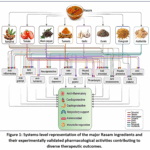 |
Figure 1: Systems-level representation of the major Rasam ingredients and their experimentally validated pharmacological activities contributing to diverse therapeutic outcomes. |
Synergistic activities of Rasam bioactive compounds
As indicated, Rasam represents a multi-component functional food in which diverse bioactive compounds could act synergistically to enhance digestive efficiency, modulate inflammation, strengthen antioxidant defenses, and support respiratory and metabolic health. Unlike single-compound interventions, the therapeutic relevance of Rasam may arise from the deliberate combination and sequential processing of ingredients targeting complementary biological pathways.
Synergy in bioavailability and absorption
As discussed in the earlier section, one of the most well-characterized synergistic interactions in Rasam is observed between piperine from Piper nigrum and the main constituent from Curcuma longa – Curcumin. Piperine increases curcumin’s systemic availability by suppressing intestinal and hepatic glucuronidation and promoting epithelial absorption, resulting in greater biological efficacy.106 This interaction is further strengthened by lipid-based cooking during spice sautéing and tempering, which promotes solubilization and absorption of lipophilic compounds such as curcumin, piperine, and carotenoids from tomato.107
However, the influence of culinary processing on phytochemical availability is not uniformly beneficial. Although heating can enhance the extractability and bioaccessibility of certain compounds, prolonged exposure to elevated temperatures may cause thermal degradation or volatilization of heat-sensitive constituents. For instance, vitamin C is susceptible to thermal degradation, while volatile sulfur-containing compounds and other organosulfur constituents derived from garlic and asafoetida may undergo compositional changes or losses during prolonged heating. Consequently, the extent of phytochemical retention depends on factors such as temperature, processing duration, ingredient composition, and the stage at which individual ingredients are incorporated during preparation. Thus, the balance between enhanced phytochemical release and thermal degradation is an important consideration in understanding the functional properties of Rasam. Appropriate cooking conditions may help preserve the bioactive potential of its diverse constituents while facilitating the availability of selected phytochemicals.
Synergistic modulation of inflammatory and antioxidant pathways
Multiple Rasam phytochemicals converge on inflammatory and oxidative stress pathways, particularly NF-κB and Nrf2 signaling. The combined effects of curcumin, piperine, garlic-derived organosulfur compounds, cumin terpenoids, and tamarind polyphenols suppress NF-κB activation, thereby reducing the expression of pro-inflammatory cytokines and mediators. Simultaneously, polyphenols from tamarind, tomato, curry leaves, and turmeric activate Nrf2-dependent antioxidant responses, thereby enhancing endogenous defense systems, including glutathione metabolism and antioxidant enzyme expression. The concurrent inhibition of inflammatory signaling and activation of antioxidant pathways amplifies cellular protection beyond the effects of individual compounds.
Synergy in digestive function and gut homeostasis
Rasam ingredients exhibit complementary digestive actions that together enhance gastrointestinal function. Organic acids from tamarind and tomato stimulate gastric secretion and digestive enzyme activity, while spices such as cumin, black pepper, garlic, fenugreek, and asafoetida exert carminative, antispasmodic, and antimicrobial effects. Sulfur-containing compounds from garlic and asafoetida, along with cumin and black pepper, help regulate gut motility and reduce intestinal gas. In parallel, dietary fibres and polyphenols from fenugreek, tamarind, and tomato may exert prebiotic-like effects, supporting beneficial gut microbiota and intestinal barrier integrity.
Synergy in respiratory and immune support
Several Rasam components contribute collectively to respiratory health through anti-inflammatory, antimicrobial, and bronchodilatory actions. Curcumin, piperine, garlic organosulfur compounds, and asafoetida sulfur volatiles suppress inflammatory mediators implicated in airway inflammation and exhibit antimicrobial activity against respiratory pathogens.108 These combined effects support the traditional use of Rasam to alleviate respiratory discomfort, particularly during infections and seasonal illnesses.
Systems-level integration of traditional knowledge
The synergistic interactions among Rasam ingredients exemplify a systems-level dietary strategy in which multiple low-dose bioactives target interconnected physiological pathways. Additionally, Rasam is a simple, easy-to-prepare dish that is low in calories and fat while rich in essential vitamins, minerals, and bioactive phytochemicals. It is hydrating, easily digestible, and suitable for individuals of all ages. Its nutrient-rich composition makes it a functional food that provides both nourishment and medicinal benefits. Traditional preparation methods, including crushing, sautéing, boiling, and tempering, may influence the release, stability, and bioaccessibility of phytochemicals from individual ingredients. However, whether these processing steps enhance the overall availability of bioactive compounds in the final Rasam preparation remains to be established through direct compositional and bioavailability studies. Despite its documented nutritional and pharmacological relevance, certain limitations must be acknowledged. The therapeutic potential of Rasam may depend on the quality, freshness, and proportion of its constituent ingredients, which can significantly influence the integrity of phytochemicals and their bioactivity. Excessive consumption of tamarind, particularly in sensitive individuals, may predispose to gastric irritation due to its acidity. Furthermore, although several individual ingredients possess experimentally validated biological activities, there remains a paucity of well-designed clinical studies that directly substantiate the formulation’s composite health claims. The absence of standardized preparation protocols further contributes to inter-batch variability in bioactive compound concentration, thereby limiting reproducibility and translational applicability. An additional consideration is the phytochemical heterogeneity arising from household- and region-specific variations in Rasam preparation. Although the principal ingredients remain broadly similar, differences in their relative proportions, ingredient quality, geographical origin, and processing conditions may alter the concentrations and relative abundance of individual bioactive compounds in the final preparation. Consequently, the phytochemical composition and stoichiometric relationships among constituents may vary considerably between preparations, potentially influencing their combined biological effects. This variability presents an important challenge when extrapolating findings from individual ingredients or laboratory-prepared extracts to conventionally prepared Rasam. Therefore, standardized compositional profiling of representative Rasam preparations is essential for characterizing their phytochemical variability and establishing reproducible reference formulations. Quantitative assessment of selected marker compounds, supported by chromatographic and metabolomic approaches, could help define compositional benchmarks. Furthermore, standardized extract formulations with clearly documented ingredient ratios and phytochemical profiles would facilitate reproducible preclinical investigations and provide a more consistent basis for subsequent clinical evaluation.
Discussion
The evidence presented in this review supports the scientific viability of Rasam as a traditional food with functional and nutraceutical potential. While the pharmacological activity of each ingredient has been extensively studied, combining ingredients in a single culinary formulation offers a unique perspective on how dietary practices can affect multiple physiological processes simultaneously. Rasam works through a variety of phytochemicals with synergistic biological effects, rather than by a single bioactive compound or molecular target. This is consistent with the increasingly accepted notion that foods that promote health often work by coordinated modulation of complex biological networks. One of the main conclusions drawn from the existing evidence is the convergence of pharmacological activities among chemically diverse ingredients. The phytochemical composition of the various extracts varies. Still, several components are known to influence common biological processes, including the regulation of oxidative stress, inflammatory signalling, metabolic homeostasis, antimicrobial defence, and gastrointestinal function. However, most experimental studies focused on pure compounds or individual plant extracts. Interactions during ingredient combination, heating, tempering, and digestion are likely to affect phytochemical stability, release, and biological activity. Therefore, studies on individual ingredients may not predict the emerging properties of the entire formulation that underlie the health benefits of Rasam. From a translational perspective, recipe standardization should not necessarily imply restricting Rasam to a single traditional preparation. Rather, representative regional formulations could be compositionally characterized to establish reference profiles that account for naturally occurring variations. For experimental and clinical investigations, clearly defined formulations with documented ingredient proportions, preparation conditions, and quantified phytochemical markers would improve batch-to-batch consistency and facilitate meaningful comparisons across studies. Such an approach would help distinguish the effects of individual constituents from those arising from their combined presence in the formulation.
This convergence or holistic therapeutic effects of Rasam may explain why traditional dietary formulations often have wider physiological effects than one would predict from the individual ingredients. The systems-level organisation is also in line with the principles of network pharmacology, proposing that the concomitant modulation of several interconnected pathways is advantageous for the management of complex chronic disorders. Building on the functional pathways depicted in Figure 1, computational network pharmacology offers a promising approach to systematically investigating the multi-target interactions of Rasam constituents. Future studies could construct integrated target–compound–pathway networks by mapping the experimentally supported molecular targets of individual phytochemicals to their associated biological pathways. Network topological analysis, particularly degree, betweenness, and closeness centralities, could help identify highly connected compounds, influential molecular targets, and key regulatory nodes within these networks. Furthermore, pathway enrichment and network-based analyses could provide insights into the potential convergence of multiple Rasam constituents on shared or complementary biological pathways. Such an approach would offer a quantitative framework for prioritizing bioactive compounds and investigating potential multi-target interactions, thereby extending the systems-level interpretation of Rasam’s pharmacological properties. From a translational perspective, Rasam is a promising model for developing evidence-based functional foods. Cheap, easily prepared, culturally acceptable, and regularly ingested as part of a daily diet, unlike concentrated nutraceutical supplements. These characteristics make it a good choice for dietary approaches that support immune function, metabolic health, and healthy aging. Since most pharmacological data are derived from studies of individual ingredients rather than standardized Rasam formulations, the evidence remains largely indirect. Therefore, future research should focus on the overall dietary preparation rather than on individual ingredients. The overall therapeutic value of Rasam will have to be evaluated through standardized compositional profiling, metabolomic characterization, phytochemical interaction studies after cooking, gut microbiome studies, and controlled clinical trials. Such studies would provide stronger evidence to translate this traditional South Indian cooking practice into modern, evidence-based dietary recommendations.
Conclusion
Rasam represents a compelling example of how traditional culinary practices may offer mechanistically plausible health benefits. The combination of bioactive phytochemicals from its constituent ingredients supports the view of Rasam as a multi-component dietary formulation with potential effects on interconnected physiological pathways. Experimental evidence indicates that individual ingredients modulate molecular regulators associated with oxidative stress, inflammation, metabolic homeostasis, and microbial balance. Unlike single-compound nutraceutical approaches, Rasam offers a compelling food-based model for investigating multi-target interactions within the frameworks of network pharmacology and integrative nutrition. Traditional preparation methods, including crushing, sautéing, boiling, and tempering, may influence the release, stability, and bioaccessibility of phytochemicals; however, their overall effects on the phytochemical composition and bioavailability of the prepared dish remain to be experimentally established. Although substantial experimental evidence supports the pharmacological properties of individual ingredients, direct clinical investigations evaluating Rasam as a composite dietary intervention remain limited. Future research should therefore prioritise standardized preparation protocols, compositional and metabolomic profiling of the cooked formulation, assessment of phytochemical interactions and bioavailability, gut microbiome investigations, and controlled clinical studies evaluating relevant metabolic, inflammatory, and immune endpoints. Such investigations would help establish the nutritional and functional properties of Rasam and provide a stronger scientific basis for translating traditional dietary practices into evidence-based nutritional strategies.
Acknowledgement
The authors gratefully acknowledge the research support provided by Yenepoya (Deemed to be University).
Funding Sources
The author(s) received no financial support for the research, authorship, and/or publication of this article.
Conflicts of Interest
The author(s) do not have any conflict of interest.
Data Availability Statement
Data described in the manuscript will be made available upon request.
Ethics Statement
This research did not involve human participants, animal subjects, or any material that requires ethical approval.
Informed Consent Statement
This study did not involve human participants, and therefore, informed consent was not required.
Clinical Trial Registration
This research does not involve any clinical trials.
Permission to Reproduce Material from Other Sources
Not Applicable
Author contributions
- Anuroopa Gopinadh: Conceptualization, Research Design, Data Analysis, Writing – Original Draft, Final Content Responsibility.
- Aswin Mohan: Data Analysis, Writing – Review & Editing.
- Harshit Sajal: Data Analysis, Writing – Review & Editing.
- Jitha Kunhikrishnan: Data Analysis, Writing – Review & Editing.
- Rajesh Raju: Supervision, Project Oversight, Writing – Review & Editing.
References
- Devarajan A, Mohanmarugaraja M. A comprehensive review on Rasam: A South Indian traditional functional food. Pharmacogn Rev. 2017;11(22):73. doi:10.4103/phrev.phrev_13_17
CrossRef - Kalimuthu AK, Panneerselvam T, Pavadai P, et al. Pharmacoinformatics-based investigation of bioactive compounds of Rasam (South Indian recipe) against human cancer. Sci Rep. 2021;11(1):21488. doi:10.1038/s41598-021-01008-9
CrossRef - Sarkar P, Lohith Kumar DH, Dhumal C, et al. Traditional and Ayurvedic foods of Indian origin. Journal of Ethnic Foods. 2015;2(3):97-109. doi:10.1016/j.jef.2015.08.003
CrossRef - Swathi R, Sushama PR, Vijjulatha M. Phytochemical profiling of fruit pulp from Tamarindus indica L. (red tamarind). Plant Science Archives. 2024;10(1):6-12. doi:10.51470/PSA.2025.10.1.06
CrossRef - Kuru P. Tamarindus indica and its health related effects. Asian Pac J Trop Biomed. 2014;4(9):676-681. doi:10.12980/APJTB.4.2014APJTB-2014-0173
CrossRef - Havinga RM, Hartl A, Putscher J, et al. Tamarindus indica L. (Fabaceae): Patterns of use in traditional African medicine. J Ethnopharmacol. 2010;127(3):573-588. doi:10.1016/j.jep.2009.11.028
CrossRef - Li W, Huang R, Han S, et al. Potential of Tamarind Shell Extract against Oxidative Stress In Vivo and In Vitro. Molecules. 2023;28(4):1885. doi:10.3390/molecules28041885
CrossRef - Han SC, Huang RP, Zhang QY, et al. Antialcohol and Hepatoprotective Effects of Tamarind Shell Extract on Ethanol-Induced Damage to HepG2 Cells and Animal Models. Foods. 2023;12(5):1078. doi:10.3390/foods12051078
CrossRef - Leya MM, Anitha R. Anti-inflammatory Effect of the Aqueous Fruit Pulp Extract of Tamarindus indica Linn in Lipopolysaccharide-Stimulated Macrophages. Pharmacognosy Journal. 2019;11(4):669-673. doi:10.5530/pj.2019.11.105
CrossRef - Minaiyan M, Abolhasani S, Sima S, et al. Effect of Tamarindus indica L. fruit pulp and seed extracts on experimental ulcerative colitis in rats. Res Pharm Sci. 2024;19(3):276-286. doi:10.4103/RPS.RPS_131_23
CrossRef - Ren L, Yang Y, Bian X, et al. Physicochemical, Rheological, Structural, Antioxidant, and Antimicrobial Properties of Polysaccharides Extracted from Tamarind Seeds. J Food Qual. 2022;2022:1-14. doi:10.1155/2022/9788248
CrossRef - Tril U, Fernández-López J, Álvarez JÁP, et al. Chemical, physicochemical, technological, antibacterial and antioxidant properties of rich-fibre powder extract obtained from tamarind (Tamarindus indica L.). Ind Crops Prod. 2014;55:155-162. doi:10.1016/j.indcrop.2014.01.047
CrossRef - Sivakumar N, Karuppaiyan K. Extraction and characterization of water‐soluble polysaccharides from Tamarindus indica and Pithecellobium dulce seeds. J Food Process Eng. 2020;43(3). doi:10.1111/jfpe.13251
CrossRef - Perveen R, Suleria HAR, Anjum FM, et al. Tomato ( Solanum lycopersicum ) Carotenoids and Lycopenes Chemistry; Metabolism, Absorption, Nutrition, and Allied Health Claims—A Comprehensive Review. Crit Rev Food Sci Nutr. 2015;55(7):919-929. doi:10.1080/10408398.2012.657809
CrossRef - Palozza P, Catalano A, Simone R, et al. Lycopene as a guardian of redox signalling. Acta Biochim Pol. 2012;59(1):21-25.
CrossRef - Lian F, Wang X. Enzymatic metabolites of lycopene induce Nrf2‐mediated expression of phase II detoxifying/antioxidant enzymes in human bronchial epithelial cells. Int J Cancer. 2008;123(6):1262-1268. doi:10.1002/ijc.23696
CrossRef - Chen CW, Hsieh CC, Hsieh YT, et al. Anti-inflammatory activity of α-tomatine via inhibition of the MAPK and NF-κB signaling pathway in vitro and ex vivo. Int J Med Sci. 2026;23(1):194-203. doi:10.7150/ijms.118250
CrossRef - Ravi Kant Upadhyay. Antihyperlipidemic and cardioprotective effects of plant natural products: A review. International Journal of Green Pharmacy. 2021;15(1).
- Kim DS, Kwack Y, Lee JH, et al. Antimicrobial Activity of Various Parts of Tomato Plants Varied with Different Solvent Extracts. Plant Pathol J. 2019;35(2):149-155. doi:10.5423/PPJ.OA.07.2018.0132
CrossRef - Tripathi AK, Ray AK, Mishra SK. Molecular and pharmacological aspects of piperine as a potential molecule for disease prevention and management: evidence from clinical trials. Beni Suef Univ J Basic Appl Sci. 2022;11(1):16. doi:10.1186/s43088-022-00196-1
CrossRef - Prasad S, Tyagi AK, Aggarwal BB. Recent Developments in Delivery, Bioavailability, Absorption and Metabolism of Curcumin: the Golden Pigment from Golden Spice. Cancer Res Treat. 2014;46(1):2-18. doi:10.4143/crt.2014.46.1.2
CrossRef - Freitas e Silva-Santana NC, Rodrigues HCN, Pereira Martins TF, et al. Turmeric supplementation with piperine is more effective than turmeric alone in attenuating oxidative stress and inflammation in hemodialysis patients: A randomized, double-blind clinical trial. Free Radic Biol Med. 2022;193:648-655. doi:10.1016/j.freeradbiomed.2022.11.008
CrossRef - Ngo QT, Tran PT, Tran MH, et al. Alkaloids from Piper nigrum Exhibit Antiinflammatory Activity via Activating the Nrf2/HO1 Pathway. Phytotherapy Research. 2017;31(4):663-670. doi:10.1002/ptr.5780
CrossRef - Chou AH, Lee HC, Liao CC, et al. ERK/NF-kB/COX-2 Signaling Pathway Plays a Key Role in Curcumin Protection against Acetaminophen-Induced Liver Injury. 2023;13(11):2150. doi:10.3390/life13112150
CrossRef - Li W, Suwanwela NC, Patumraj S. Curcumin by down-regulating NF-kB and elevating Nrf2, reduces brain edema and neurological dysfunction after cerebral I/R. Microvasc Res. 2016;106:117-127. doi:10.1016/j.mvr.2015.12.008
CrossRef - Nejabat M, Hadizadeh F, Karav S, et al. Recent advances in copolymeric systems for Curcumin delivery: enhancing solubility and bioavailability. Polymer Bulletin. 2026;83(3):151. doi:10.1007/s00289-025-06239-8
CrossRef - Peterson CT, Vaughn AR, Sharma V, et al. Effects of Turmeric and Curcumin Dietary Supplementation on Human Gut Microbiota: A Double-Blind, Randomized, Placebo-Controlled Pilot Study. J Evid Based Integr Med. 2018;23. doi:10.1177/2515690X18790725
CrossRef - Kumar S, Saxena SN, Sakure AA, et al. Biotechnological Advances in Cumin (Cuminum cyminum). Genetics, Genomics and Breeding of Seed Spices. 2024:69-96. doi:10.1007/978-981-97-9630-4_5
CrossRef - Allaq AA, Sidik NJ, Abdul-Aziz A, et al. Cumin (Cuminum cyminum L.): A review of its ethnopharmacology, phytochemistry. Biomedical Research and Therapy. 2020;7(9):4016-4021. doi:10.15419/bmrat.v7i9.634
CrossRef - Thippeswamy NB, Naidu KA. Antioxidant potency of cumin varieties—cumin, black cumin and bitter cumin—on antioxidant systems. European Food Research and Technology. 2005;220(5-6):472-476. doi:10.1007/s00217-004-1087-y
CrossRef - Morovati A, Pourghassem Gargari B, Sarbakhsh P, et al. The effect of cumin supplementation on metabolic profiles in patients with metabolic syndrome: A randomized, triple blind, placebo‐controlled clinical trial. Phytotherapy Research. 2019;33(4):1182-1190. doi:10.1002/ptr.6313
CrossRef - Milan KSM, Dholakia H, Tiku PK, et al. Enhancement of digestive enzymatic activity by cumin (Cuminum cyminum L.) and role of spent cumin as a bionutrient. Food Chem. 2008;110(3):678-683. doi:10.1016/j.foodchem.2008.02.062
CrossRef - Bayan L, Koulivand PH, Gorji A. Garlic: a review of potential therapeutic effects. Avicenna J Phytomed. 2014;4(1):1-14.
- Khatua TN, Adela R, Banerjee SK. Garlic and cardioprotection: insights into the molecular mechanisms. Can J Physiol Pharmacol. 2013;91(6):448-458. doi:10.1139/cjpp-2012-0315
CrossRef - Salam SGA, Rashed MM, Ibrahim NA, et al. Phytochemical screening and in-vitro biological properties of unprocessed and household processed fenugreek (Trigonella foenum-graecum Linn.) seeds and leaves. Sci Rep. 2023;13(1):7032. doi:10.1038/s41598-023-31888-y
CrossRef - Neelakantan N, Narayanan M, de Souza RJ, et al. Effect of fenugreek (Trigonella foenum-graecumL.) intake on glycemia: a meta-analysis of clinical trials. Nutr J. 2014;13(1):7. doi:10.1186/1475-2891-13-7
CrossRef - Reddy RLR, Srinivasan K. Fenugreek seeds reduce atherogenic diet-induced cholesterol gallstone formation in experimental mice. Can J Physiol Pharmacol. 2009;87(11):933-943. doi:10.1139/Y09-084
CrossRef - Paneru D, Tellez-Isaias G, Bottje WG, et al. Modulation of Immune Response and Cecal Microbiota by Dietary Fenugreek Seeds in Broilers. Vet Sci. 2024;11(2):57. doi:10.3390/vetsci11020057
CrossRef - Iranshahy M, Iranshahi M. Traditional uses, phytochemistry and pharmacology of asafoetida (Ferula assa-foetida oleo-gum-resin)—A review. J Ethnopharmacol. 2011;134(1):1-10. doi:10.1016/j.jep.2010.11.067
CrossRef - Amalraj A, Gopi S. Biological activities and medicinal properties of Asafoetida: A review. J Tradit Complement Med. 2017;7(3):347-359. doi:10.1016/j.jtcme.2016.11.004
CrossRef - Esmaeili H, Sharifi M, Esmailidehaj M, et al. Vasodilatory effect of asafoetida essential oil on rat aorta rings: The role of nitric oxide, prostacyclin, and calcium channels. Phytomedicine. 2017;36:88-94. doi:10.1016/j.phymed.2017.10.002
CrossRef - Mahendra P, Bisht S. Ferula asafoetida : Traditional uses and pharmacological activity. Pharmacogn Rev. 2012;6(12):141. doi:10.4103/0973-7847.99948
CrossRef - Paradkar PH, Juvekar AS, Barkume MS, et al. In vitro and in vivo evaluation of a standardized Curcuma longa Linn formulation in cervical cancer. J Ayurveda Integr Med. 2021;12(4):616-622. doi:10.1016/j.jaim.2021.06.002
CrossRef - Dua K, Gupta G, Kumar D, et al. Formulation, characterization, in vitro, in vivo, and histopathological evaluation of transdermal drug delivery containing norfloxacin and Curcuma longa. Int J Pharm Investig. 2013;3(4):183. doi:10.4103/2230-973X.121287
CrossRef - Pandey J, Mishra S, Jaiswal K. IN VITRO EVALUATION OF THE ANTHELMINTIC ACTIVITY OF RHIZOME EXTRACTS OF CURCUMA LONGA (LINN.). Asian Journal of Pharmaceutical and Clinical Research. 2018;11(12):425. doi:10.22159/ajpcr.2018.v11i12.28313
CrossRef - Oliveira G, Marques C, de Oliveira A, et al. Extraction of bioactive compounds from Curcuma longa L. using deep eutectic solvents: In vitro and in vivo biological activities. Innovative Food Science & Emerging Technologies. 2021;70:102697. doi:10.1016/j.ifset.2021.102697
CrossRef - Liju V, Jeena K, Kuttan R. An evaluation of antioxidant, anti-inflammatory, and antinociceptive activities of essential oil from Curcuma longa. L. Indian J Pharmacol. 2011;43(5):526. doi:10.4103/0253-7613.84961
CrossRef - Dyab AK, Yones DA, Ibraheim ZZ, et al. Anti-giardial therapeutic potential of dichloromethane extracts of Zingiber officinale and Curcuma longa in vitro and in vivo. Parasitol Res. 2016;115(7):2637-2645. doi:10.1007/s00436-016-5010-9
CrossRef - Kumar S, Kumar A, Kumar N, et al. In vivo therapeutic efficacy of Curcuma longa extract loaded ethosomes on wound healing. Vet Res Commun. 2022;46(4):1033-1049. doi:10.1007/s11259-022-09952-1
CrossRef - Vamanu E, Gatea F, Sârbu I, et al. An In Vitro Study of the Influence of Curcuma longa Extracts on the Microbiota Modulation Process, In Patients with Hypertension. Pharmaceutics. 2019;11(4):191. doi:10.3390/pharmaceutics11040191
CrossRef - Emon NU, Alam S, Rudra S, et al. Antidepressant, anxiolytic, antipyretic, and thrombolytic profiling of methanol extract of the aerial part of Piper nigrum : In vivo, in vitro, and in silico approaches. Food Sci Nutr. 2021;9(2):833-846. doi:10.1002/fsn3.2047
CrossRef - Ahmad N, Abbasi BH, Fazal H. Effect of different in vitro culture extracts of black pepper ( Piper nigrum L.) on toxic metabolites-producing strains. Toxicol Ind Health. 2016;32(3):500-506. doi:10.1177/0748233713505126
CrossRef - Deng Y, Sriwiriyajan S, Tedasen A, et al. Anti-cancer effects of Piper nigrum via inducing multiple molecular signaling in vivo and in vitro. J Ethnopharmacol. 2016;188:87-95. doi:10.1016/j.jep.2016.04.047
CrossRef - Chin Mee Wong, Jing Jing Ling. In Vitro Study of Wound Healing Potential in Black Pepper (Piper nigrum L.). Pharmaceutical and Biosciences Journal. Published online August 3, 2014:05-09. doi:10.20510/ukjpb/2/i4/91104
CrossRef - Jeena K, Liju VB, Umadevi NP, et al. Antioxidant, Anti-inflammatory and Antinociceptive Properties of Black Pepper Essential Oil ( Piper nigrum Linn). Journal of Essential Oil Bearing Plants. 2014;17(1):1-12. doi:10.1080/0972060X.2013.831562
CrossRef - Jeong JH, Ryu JH, Lee HJ. In Vitro Inhibition of Piper nigrum and Piperine on Growth, Migration, and Invasion of PANC-1 Human Pancreatic Cancer Cells. Nat Prod Commun. 2021;16(11). doi:10.1177/1934578X211057694
CrossRef - Kapoor IPS, Singh B, Singh G, et al. Chemistry and in Vitro Antioxidant Activity of Volatile Oil and Oleoresins of Black Pepper (Piper nigrum). J Agric Food Chem. 2009;57(12):5358-5364. doi:10.1021/jf900642x
CrossRef - Liu Y, Yadev VR, Aggarwal BB, et al. Inhibitory effects of black pepper (Piper nigrum) extracts and compounds on human tumor cell proliferation, cyclooxygenase enzymes, lipid peroxidation and nuclear transcription factor-kappa-B. Nat Prod Commun. 2010;5(8):1253-1257.
CrossRef - Nile SH, Nile AS, Keum YS, et al. In vitro and in planta nematicidal activity of black pepper ( Piper nigrum L.) leaf extracts. Crop Protection. 2017;100:1-7. doi:10.1016/j.cropro.2017.05.027
CrossRef - Fuentes E, Pereira J, Alarcón M, et al. Protective Mechanisms of S. lycopersicum Aqueous Fraction (Nucleosides and Flavonoids) on Platelet Activation and Thrombus Formation: In Vitro , Ex Vivo and In Vivo Studies. Evidence-Based Complementary and Alternative Medicine. 2013;2013:1-13. doi:10.1155/2013/609714
CrossRef - Mohamed sajet AL-Oqaili R, Basim MohammedIstabreq Muhammed Ali Salman B, Abed Al-Satar asaad D. In Vitro Antibacterial Activity of Solanum Lycopersicum Extract against some Pathogenic Bacteria. Food Science and Quality Management. 2014;27.
- Arfin N, Podder MK, Kabir SR, et al. Antibacterial, antifungal and in vivo anticancer activities of chitin-binding lectins from Tomato (Solanum lycopersicum) fruits. Arabian Journal of Chemistry. 2022;15(8):104001. doi:10.1016/j.arabjc.2022.104001
CrossRef - Li H, Deng Z, Liu R, et al. Bioaccessibility, in vitro antioxidant activities and in vivo anti-inflammatory activities of a purple tomato (Solanum lycopersicum L.). Food Chem. 2014;159:353-360. doi:10.1016/j.foodchem.2014.03.023
CrossRef - Rubio-Tinajero S, Osorio-Hernández E, Estrada-Drouaillet B, et al. In vitro biocontrol of Fusarium oxysporum with antagonistic microorganisms and In vivo effect on Solanum lycopersicum L. Journal of Environmental Science and Health, Part B. 2022;57(8):625-635. doi:10.1080/03601234.2022.2093590
CrossRef - Bakhsh HT, Abdelhafez OH, Elmaidomy AH, et al. Anti-Alzheimer potential of Solanum lycopersicum seeds: in vitro, in vivo, metabolomic, and computational investigations. Beni Suef Univ J Basic Appl Sci. 2024;13(1):1. doi:10.1186/s43088-023-00453-x
CrossRef - Abdulnabi Mehdi MH, Mohammed Omar GN, Farooqui M, et al. THERAPEUTIC EFFECT OF TAMARINDUS INDICA EXTRACTS ON THE PATHOGENESIS OF ENTAMOEBA HISTOLYTICA IN-VIVO. Int J Pharm Sci Res. 2019;10(7):3250. doi:10.13040/IJPSR.0975-8232.10(7).3250-56
CrossRef - Izquierdo T, García-Tamayo F, Soto C, et al. A Tamarindus indica . Linn Pulp Polysaccharide Inhibits Fever In Vivo . and IL-1β Release by Murine Peritoneal Exudate Cells. Pharm Biol. 2007;45(1):22-30. doi:10.1080/13880200601026309
CrossRef - Bressiani PA, De Lima GRF, Düsman E, et al. Cytotoxic and antioxidant activities of Tamarindus indica pulp extract from Brazil. Journal of Food Measurement and Characterization. 2021;15(3):2743-2749. doi:10.1007/s11694-021-00855-4
CrossRef - Songkro S, Isnaini N, Sungkharak S, et al. Characterization, Antioxidant and Antibacterial Potentials of Tamarindus indica L. Fruit Pulp Extract Loaded O/W Nanoemulsions. Brazilian Journal of Pharmaceutical Sciences. 2022;58. doi:10.1590/s2175-97902022e19373
CrossRef - Lim CY, Mat Junit S, Abdulla MA, et al. In Vivo Biochemical and Gene Expression Analyses of the Antioxidant Activities and Hypocholesterolaemic Properties of Tamarindus indica Fruit Pulp Extract. PLoS One. 2013;8(7):e70058. doi:10.1371/journal.pone.0070058
CrossRef - Landi Librandi AP, Chrysóstomo TN, Azzolini AECS, et al. Effect of the extract of the tamarind (Tamarindus indica) fruit on the complement system: Studies in vitro and in hamsters submitted to a cholesterol-enriched diet. Food and Chemical Toxicology. 2007;45(8):1487-1495. doi:10.1016/j.fct.2007.02.008
CrossRef - Martinello F, Soares SM, Franco JJ, et al. Hypolipemic and antioxidant activities from Tamarindus indica L. pulp fruit extract in hypercholesterolemic hamsters. Food and Chemical Toxicology. 2006;44(6):810-818. doi:10.1016/j.fct.2005.10.011
CrossRef - Paula FS, Kabeya LM, Kanashiro A, et al. Modulation of human neutrophil oxidative metabolism and degranulation by extract of Tamarindus indica L. fruit pulp. Food and Chemical Toxicology. 2009;47(1):163-170. doi:10.1016/j.fct.2008.10.023
CrossRef - Goanar G, Tafesse G, Fereja WM. In vitro antibacterial activity of fruit pulp extracts of Tamarindus indica against Staphylococcus aureus and Klebsiella pneumoniae. BMC Complement Med Ther. 2024;24(1):127. doi:10.1186/s12906-024-04404-6
CrossRef - Uchenna UE, Shori AB, Baba AS. Tamarindus indica seeds improve carbohydrate and lipid metabolism: An in vivo study. J Ayurveda Integr Med. 2018;9(4):258-265. doi:10.1016/j.jaim.2017.06.004
CrossRef - Chinthirla PS, Rajasekhar A, Vedasree N, et al. IN-VITRO ANTIOXIDANT AND ANTIDIABETIC ACTIVITY OF CUMINIC ACID. Int J Pharm Sci Res. 2022;13(7):2907. doi:10.13040/IJPSR.0975-8232.13(7).2907-13
- Wanner J, Bail S, Jirovetz L, et al. Chemical Composition and Antimicrobial Activity of Cumin Oil ( Cuminum Cyminum , Apiaceae). Nat Prod Commun. 2010;5(9). doi:10.1177/1934578X1000500904
CrossRef - Amir M, Ansari MA, Wahab S, et al. In vitro, molecular docking and in silico/ADMET study of cuminaldehyde against Candida, MDR bacteria and human colorectal and cervical carcinoma. South African Journal of Botany. 2023;163:497-510. doi:10.1016/j.sajb.2023.11.011
CrossRef - Lee HS. Cuminaldehyde: Aldose Reductase and α-Glucosidase Inhibitor Derived from Cuminum cyminum L. Seeds. J Agric Food Chem. 2005;53(7):2446-2450. doi:10.1021/jf048451g
CrossRef - Morais SV de, Mendonça PG, Vasconcelos CC, et al. Cuminaldehyde Effects in a MIA-Induced Experimental Model Osteoarthritis in Rat Knees. Metabolites. 2023;13(3):397. doi:10.3390/metabo13030397
CrossRef - Ghasemi G, Fattahi M, Alirezalu A, et al. Antioxidant and antifungal activities of a new chemovar of cumin (Cuminum cyminum L.). Food Sci Biotechnol. 2019;28(3):669-677. doi:10.1007/s10068-018-0506-y
CrossRef - Abbdellaoui M, Bouhlali E dine T, Rhaffari L El. Chemical Composition and Antioxidant Activities of the Essential Oils of Cumin ( Cuminum cyminum ) Conducted Under Organic Production Conditions. Journal of Essential Oil Bearing Plants. 2019;22(6):1500-1508. doi:10.1080/0972060X.2019.1699866
CrossRef - Abbaszadegan A, Gholami A, Ghahramani Y, et al. Antimicrobial and Cytotoxic Activity of Cuminum Cyminum as an Intracanal Medicament Compared to Chlorhexidine Gel. Iran Endod J. 2016;11(1):44-50. doi:10.7508/iej.2016.01.009
CrossRef - Pyo Y, Jung YJ. Microbial Fermentation and Therapeutic Potential of p-Cymene: Insights into Biosynthesis and Antimicrobial Bioactivity. Fermentation. 2024;10(9):488. doi:10.3390/fermentation10090488
CrossRef - Goodarzi S, Tabatabaei MJ, Mohammad Jafari R, et al. Cuminum cyminum fruits as source of luteolin- 7- O -glucoside, potent cytotoxic flavonoid against breast cancer cell lines. Nat Prod Res. 2020;34(11):1602-1606. doi:10.1080/14786419.2018.1519824
CrossRef - Yang J, Guo J, Yuan J. In vitro antioxidant properties of rutin. LWT – Food Science and Technology. 2008;41(6):1060-1066. doi:10.1016/j.lwt.2007.06.010
CrossRef - Zapata-Morales JR, Alonso-Castro AJ, Muñoz-Martínez GS, et al. In vitro and In vivo Synergistic Interactions of the Flavonoid Rutin with Paracetamol and with Non-Steroidal Anti-Inflammatory Drugs. Arch Med Res. 2021;52(6):611-619. doi:10.1016/j.arcmed.2021.03.007
CrossRef - Evtyugin DD, Evtuguin D V. A comprehensive DPPH study on the antioxidant activity of ellagic acid from Eucalyptus sulphite pulping liquor for food applications. Food and Bioproducts Processing. 2025;154:350-358. doi:10.1016/j.fbp.2025.10.005
CrossRef - Wang D, Chen Q, Tan Y, et al. Ellagic acid inhibits human glioblastoma growth in vitro and in vivo. Oncol Rep. 2017;37(2):1084-1092. doi:10.3892/or.2016.5331
CrossRef - Chen Q, Gan Z, Zhao J, et al. In vitro comparison of antioxidant capacity of cumin (Cuminum cyminum L.) oils and their main components. LWT – Food Science and Technology. 2014;55(2):632-637. doi:10.1016/j.lwt.2013.09.017
CrossRef - Borlinghaus J, Albrecht F, Gruhlke M, et al. Allicin: Chemistry and Biological Properties. Molecules. 2014;19(8):12591-12618. doi:10.3390/molecules190812591
CrossRef - Bharkavi SKI, Mohideen K, Sivapathasundharam B, et al. Antibacterial Assessment of Allium sativum against Oral Pathogens – An in vitro Study. Ann Afr Med. Published online November 27, 2025. doi:10.4103/aam.aam_549_25
CrossRef - Ravindra J, UG Y, Pandyanda Nanjappa D, et al. Allicin extracted from Allium sativum shows potent anti-cancer and antioxidant properties in zebrafish. Biomedicine & Pharmacotherapy. 2023;169:115854. doi:10.1016/j.biopha.2023.115854
CrossRef - Sheela CG, Augusti KT. Antidiabetic effects of S-allyl cysteine sulphoxide isolated from garlic Allium sativum Linn. Indian J Exp Biol. 1992;30(6):523-526.
- Saravanan G, Ponmurugan P. S-allylcysteine Improves Streptozotocin-Induced Alterations of Blood Glucose, Liver Cytochrome P450 2E1, Plasma Antioxidant System, and Adipocytes Hormones in Diabetic Rats. Int J Endocrinol Metab. 2013;11(4). doi:10.5812/ijem.10927
CrossRef - Haeri MR, Limaki HK, White CJB, et al. Non-insulin dependent anti-diabetic activity of (2S, 3R, 4S) 4-hydroxyisoleucine of fenugreek (Trigonella foenum graecum) in streptozotocin-induced type I diabetic rats. Phytomedicine. 2012;19(7):571-574. doi:10.1016/j.phymed.2012.01.004
CrossRef - Raju J, Patlolla JMR, Swamy M V, et al. Diosgenin, a steroid saponin of Trigonella foenum graecum (Fenugreek), inhibits azoxymethane-induced aberrant crypt foci formation in F344 rats and induces apoptosis in HT-29 human colon cancer cells. Cancer Epidemiol Biomarkers Prev. 2004;13(8):1392-1398.
CrossRef - Zhou J, Zhou S, Zeng S. Experimental diabetes treated with trigonelline: effect on β cell and pancreatic oxidative parameters. Fundam Clin Pharmacol. 2013;27(3):279-287. doi:10.1111/j.1472-8206.2011.01022.x
CrossRef - Li G, Luan G, He Y, et al. Polyphenol Stilbenes from Fenugreek ( Trigonella foenum-graecum L.) Seeds Improve Insulin Sensitivity and Mitochondrial Function in 3T3‐L1 Adipocytes. Oxid Med Cell Longev. 2018;2018(1). doi:10.1155/2018/7634362
CrossRef - Luan G, Wang Y, Wang Z, et al. Flavonoid Glycosides from Fenugreek Seeds Regulate Glycolipid Metabolism by Improving Mitochondrial Function in 3T3-L1 Adipocytes in Vitro. J Agric Food Chem. 2018;66(12):3169-3178. doi:10.1021/acs.jafc.8b00179
CrossRef - Banerjee C, Yatham P, Mukherjee S, et al. Activity-guided isolation of sesquiterpene coumarins from Ferula assa-foetida as monoamine oxidase inhibitors: Investigation on their therapeutic implications in a mice model of Parkinson’s disease. J Ethnopharmacol. 2026;355:120608. doi:10.1016/j.jep.2025.120608
CrossRef - Alamri MA, Soliman GA, Alamri MA, et al. Decoding the anti-inflammatory properties of sesquiterpene coumarins from the active fractions of Ferula assa-foetida through integrated experimental and in silico analyses. Sci Rep. 2025;15(1):42145. doi:10.1038/s41598-025-26010-3
CrossRef - Ghannadi A, Fattahian K, Shokoohinia Y, et al. Anti-Viral Evaluation of Sesquiterpene Coumarins from Ferula assa-foetida against HSV-1. Iran J Pharm Res. 2014;13(2):523-530.
- Verma S, Khambhala P, Joshi S, et al. Evaluating the role of dithiolane rich fraction of Ferula asafoetida (apiaceae) for its antiproliferative and apoptotic properties: in vitro studies. Exp Oncol. 2023;41(2):90-94. doi:10.32471/exp-oncology.2312-8852.vol-41-no-2.12989
CrossRef - Niazmand R, Razavizadeh BM. Ferula asafoetida: chemical composition, thermal behavior, antioxidant and antimicrobial activities of leaf and gum hydroalcoholic extracts. J Food Sci Technol. 2021;58(6):2148-2159. doi:10.1007/s13197-020-04724-8
CrossRef - Bhatia A, Mehta J, Hashmi AR, et al. From Ancient Spice to Advanced Science: Therapeutic, Nutraceutical and Nanotechnological Insights into the Fruits of Piper Longum Linn for Modern Drug Development. Drug Des Devel Ther. 2026;Volume 20:1-24. doi:10.2147/DDDT.S556602
CrossRef - Shilpa S, Shwetha HJ, Perumal MK, et al. Turmeric, red pepper, and black pepper affect carotenoids solubilized micelles properties and bioaccessibility: Capsaicin/piperine improves and curcumin inhibits carotenoids uptake and transport in Caco‐2 cells. J Food Sci. 2021;86(11):4877-4891. doi:10.1111/1750-3841.15926
CrossRef - Panahi Y, Ghanei M, Hajhashemi A, et al. Effects of Curcuminoids-Piperine Combination on Systemic Oxidative Stress, Clinical Symptoms and Quality of Life in Subjects with Chronic Pulmonary Complications Due to Sulfur Mustard: A Randomized Controlled Trial. J Diet Suppl. 2016;13(1):93-105. doi:10.3109/19390211.2014.952865
CrossRef

Accepted on: 11 Dec 2026
Second Review by: Dhanya S
Final Approval by: Dr. Jiwan S. Sidhu





Web of Science Coverage
Emerging Sources Citation Index (ESCI)
2024 Journal Impact Factor: 1.1
Scopus Journal Metrics
CiteScore 2025: 2.6
CiteScore Details
Sustainable Nutrition: Food Systems, Nutrient Retention, and Public Health Impact

This journal is a member of, and subscribes to the principles of, the Committee on Publication Ethics (COPE)