
Nutrition Claims, Fortification Practices, and Nutrient Profiles of Packaged Bread in Singapore: A Cross-Sectional Analysis
 and Sheok Kheng Ng1
 School of Applied Science, Nanyang Polytechnic, Singapore, Singapore
Innovprof Singapore, Singapore, Singapore
Corresponding Author Email: wai.mun.loke@innovprof.com
DOI : http://dx.doi.org/10.12944/CRNFSJ.14.2.5
Download this article as:

Bread is a dietary staple and a strategic vehicle for nutrient fortification in Singapore. However, systematic evaluations of nutrition claims and regulatory compliance among packaged bread products remain limited. This study aimed to characterize the prevalence, accuracy, and fortification practices associated with nutrition claims on packaged bread sold in Singapore. A cross-sectional analysis was conducted on 88 packaged bread products collected from major supermarket chains between April and June 2025. Product data, including nutrient composition, ingredient lists, and on-pack nutrition claims, were extracted and evaluated against the Singapore Food Agency and Health Promotion Board regulatory standards. Overall, 43.2% and 38.6% of bread products displayed at least one and two nutrition claims, respectively. Fifteen distinct claims were identified, most commonly ‘source of dietary fibre’ (28.4%), ‘naturally no trans-fat’ (18.2%), ‘high in iron’ (17.0%), ‘no cholesterol’ (14.8%), and ‘high in wholegrains’ (13.6%). While most claims met regulatory thresholds, inconsistencies were observed between fat-related claims and actual compositions. Fortification with calcium, iron, and B vitamins was prevalent, substantially contributing to daily nutrient requirements. These findings demonstrated the pervasive use of nutrition claims and micronutrient fortification in Singapore’s retail bread sector. While fortification practices aligned with national health strategies, the identified inconsistencies in fat-related labeling highlighted the need for more stringent regulatory oversight and standardized verification protocols. Strengthening the alignment between voluntary nutrition claims and the Singapore Food Agency’s regulatory frameworks is essential to ensure labeling accuracy, mitigate consumer deception, and enhance the efficacy of bread as a vehicle for public health nutrition.
KEYWORDS:Fortification; Nutrition Claims; Nutrient Composition; Packaged Bread; Public Health Nutrition; Singapore
Introduction
Bread has long been a core dietary staple across cultures due to its affordability and nutritional value.1 Its capacity to provide sustained metabolic energy, primarily through carbohydrate provision, makes it a critical component for human sustenance and development.1 Furthermore, wholegrain variants contribute substantially to dietary fiber, which is essential for optimal gastrointestinal function.1 The protein and micronutrient contents of bread vary significantly, depending on the flour composition employed in its production.2 This inherent versatility allows for broad culinary applications, ranging from composite sandwiches and toasted preparations to their integration as a complementary component within liquid-based meals.1 The relative cost-effectiveness of bread as a caloric source has facilitated its widespread adoption.2 In addition to its nutritional attributes, bread has significant cultural and religious implications.1 Given its extensive consumption across diverse demographic segments, bread serves as a strategic vehicle for food fortification initiatives, enabling widespread nutritional enhancement, particularly among individuals with limited access to diverse food sources.2 The addition of essential micronutrients such as iron, folic acid, and B vitamins to flour matrices represents an effective strategy to mitigate micronutrient deficiencies, thereby potentially improving public health outcomes, especially within vulnerable subpopulations.2 The fortification of bread offers a comparatively cost-efficient method for augmenting the nutritional value of staple foods, rendering it a pragmatic strategy for addressing micronutrient deficiencies on a population scale.2 The successful implementation of bread fortification programs in many nations underscores their feasibility and impact on public health.2 Consequently, bread occupies a substantive position in global human dietary patterns, functioning as a staple food and a potent medium for food fortification, thereby enhancing public health and nutritional status at the population level.2
Nutrition claims, on the nutrient content of food products, provide descriptive information regarding the levels of specific nutrients present, exemplified by descriptors such as ‘low in fat’, ‘high in fiber’, or ‘source of calcium’.3 In Singapore, regulatory frameworks by the Singapore Food Agency (SFA) and Health Promotion Board (HPB) define strict criteria for such nutrition claims.3 These claims are predicated on the quantifiable concentrations of specific nutrients within the food matrix. The rationale underlying the adoption of nutrition claims in Singapore is intrinsically linked to the national public health objective of addressing prevalent nutritional deficiencies and suboptimal dietary habits within the population.4Maintaining population health supports both economic productivity and reduces public health costs. The Singapore National Nutrition Survey 2022 and National Population Health Survey 2023 have elucidated specific nutritional inadequacies, including insufficient consumption of wholegrains, dietary fiber, and calcium, along with potential deficits in protein and certain micronutrients within vulnerable population segments, such as older adults.5,6Concurrently, concerns regarding excessive sodium and sugar intakes have been raised. The regulatory framework governing nutritional claims was designed to promote the consumption of food products to rectify these deficiencies.5For instance, stringent criteria established for claims such as ‘high in wholegrains’ or ‘source of calcium’ aim to guide consumer selection towards nutrient-dense options. Conversely, regulations on ‘low in sodium’ claims and mandatory sugar labelling initiatives, such as the Nutri-Grade system, are intended to discourage the excessive consumption of these nutrients. The regulatory framework for nutrition claims facilitates communication of the benefits associated with fortified foods, thereby aiding in addressing nutrient deficiencies at the population level. Furthermore, nutritional claims serve as a mechanism to encourage the adoption of healthier dietary patterns. Claims highlighting positive nutritional attributes (e.g., ‘high in fibre’, ‘source of vitamins’) and those indicating reduced levels of less desirable components (e.g., ‘low in saturated fat’, ‘no added sugar’) enable consumers to differentiate between food choices and align their selections with established healthy eating guidelines. By regulating the application of these claims, SFA and HPB aim to cultivate a food environment that supports and promotes healthier dietary choices, ultimately contributing to improved public health in Singapore.
Current data from European jurisdictions indicate that heterogeneous definitions and labeling standards for “wholegrain” products impede consumer comprehension and potentially attenuate the efficacy of public health initiatives. Consequently, there is a documented requirement for the development of harmonized regulatory frameworks and standardized labeling definitions across international jurisdictions.7Empirical analyses of commercial bread products reveal significant variance in dietary fiber concentrations within the “wholegrain” and “multi-grain” marketing categories. These data demonstrate a misalignment between objective nutritional composition and qualitative consumer-facing descriptors.8Experimental evaluations of consumer behavior regarding bread labeling indicate that nutrient content claims (e.g., “source of fiber” or “low sodium”) do not consistently correlate with the selection of nutritionally superior products. Data suggest these claims elicit heterogeneous or paradoxical consumer responses, indicating that isolated, claims-based communication strategies are insufficient for directing dietary choices.9At the population level, bread products represent a primary vehicle for dietary intervention due to their high contribution to daily fiber intake and their technical suitability for reformulation and fortification.10These characteristics facilitate targeted strategies for the optimization of public health outcomes. Within this global context of variable labelling practices and evolving policy approaches to bread products, evaluating the alignment between nutrition claims, nutrient composition, and fortification practices in specific national markets remains essential for informing regulatory frameworks and consumer protection strategies.
The prevalence of nutrition claims on packaged bread products currently available in Singapore retail remains largely unquantified in the scientific literature. Furthermore, the extent to which these claims align with and effectively address the identified nutritional challenges of the Singaporean resident population has not yet been systematically evaluated. A cross-sectional analysis of packaged bread products retailed within Singapore supermarkets revealed the prevalence of nutrient fortification and reformulation strategies, along with the frequency and typology of the associated nutrition claims. This study sought to quantify the adoption rates of fortification, identifying the most commonly added nutrients, and the extent of reformulation efforts targeting sodium, sugar, saturated fat, and fiber content. Furthermore, this study examined the correlative relationships between these food industry practices and the presence of nutrition claims on product packaging, aiming to elucidate the extent to which fortification and reformulation are communicated to consumers through on-pack labeling within the Singaporean food ecosystem. Against the global background, the current study evaluates nutrition claims and fortification practices within Singapore’s retail bread sector. This research provides region-specific empirical data to the discourse on labeling integrity, consumer transparency, and public health nutrition policy.
Materials and Methods
Data collection
This study analyzed all packaged bread products procured from the bakery sections of three most popular local supermarket chains (Fairprice, Cold Storage, and Sheng Siong) over a three-month period from April to June 2025. Brand identity was treated as a non-variant factor in this study. The sampling protocol prioritized comprehensive market representation over specific manufacturer analysis, ensuring that the dataset encompassed the full breadth of available inventory within the study’s geographic and temporal constraints. By including all packaged bread products without brand-based exclusion, the methodology minimized selection bias and captured the total atmospheric or nutritional variability present in the retail environment.
A trained research technician extracted demographic data, including product names, nutrition claims, ingredient lists, and nutrient compositions (nutrition information panel), from the product labels. According to the Singapore Food Regulations, bread products must be labeled with a nutrition information panel and a comprehensive list of ingredients, including food additives.11 This regulatory mandate empowers consumers to make informed dietary choices. Ingredients potentially fortifying bread products were identified by a qualified researcher. An independent verification of the collected dataset was performed by a second qualified researcher to ensure data integrity and accuracy.
Data analysis
Statistical analysis was performed using Microsoft Excel 2025 (version 2509). Scalar data are presented as mean ± standard deviation (SD). Statistical comparisons of group mean against predefined reference values were performed using one-sample t-tests. Statistical significance was set at a threshold of p < 0.05, applied solely as a conventional benchmark for the comparative statistical tests conducted to identify differences in mean values between the packaged bread samples and the relevant regulatory threshold values.
Results
Product demography and nutrition claim prevalence
Eighty-eight bread products were included in this study. The mean serving size of the studied bread products was 56.1±1.7 g. Among the bread products, 43.2% and 38.6% declared at least one and two nutritional claims, respectively (Figure 1). Fifteen nutrition claims were used for the surveyed bread labels (Table 1). The top five more prevalent nutrition claims were ‘source of dietary fibre’ (stated on 28.4% of the studied packaged bread products), ‘naturally no trans-fat’ (18.2%), ‘high in iron’ (17.0%), ‘no cholesterol’ (14.8%), and ‘high in wholegrains’ (13.6%) (Table 1). The fifteen nutrition claims were grouped into eight nutrient categories (Table 1). After grouping into the nutrient categories, nutrition claims relating to dietary fibres (28.4%), fat (26.1%), and iron (17.1%) were the more prevalent categories (Table 1).
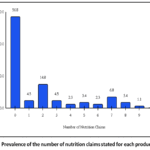 |
Figure 1: Prevalence of the number of nutrition claims stated for each product (n=88). |
Table 1: Prevalence of nutrition claims
|
Nutrient Category |
Nutrition Claim | Claim Prevalence (%) * | Categorical Claim
Prevalence (%) ** |
| Calcium | High in or enriched with calcium | 10.2 |
13.6 |
|
Source of calcium |
3.4 |
||
|
Dietary fibre |
Source of dietary fibre | 28.4 |
28.4 |
|
Iron |
High in iron | 17.0 |
17.0 |
|
Fat |
Low in fat | 4.5 | 26.1 |
| Low in saturated fat |
1.1 |
||
|
Naturally no trans-fat |
18.2 | ||
| No Cholesterol |
14.8 |
||
|
Protein |
Source of protein | 9.1 |
9.1 |
|
Sugar |
Low in sugar | 11.4 | 13.6 |
| No added sugar |
2.3 |
||
|
Vitamins B |
High in or enriched with vitamin B1 |
12.5 | 13.6 |
| High in or enriched with vitamin B2 |
11.4 |
||
|
High in or enriched with vitamin B3 |
12.5 | ||
| Wholegrains | High in wholegrains | 13.6 |
13.6 |
* Claim prevalence was calculated as the number of products with the claim relative to the total number of bread products evaluated (n=88).
** Categorical claim prevalence was calculated as the number of products with at least one of the categorical claims relative to the total number of bread products evaluated (n=88).
Protein claim
The nutrition claim ‘source of protein’ was the sole protein-related claim identified in the analyzed bread products. To qualify for this designation, food regulations mandate a minimum protein content equivalent to a daily intake of 10 g.3 Of the packaged bread products studied, 9.1% carried the ‘source of protein’ claims (Table 1). Bread is classified within the ‘rice and alternatives’ food group, for which general adult consumption recommendations range from five to seven servings per day.3 An analysis of five servings of the identified ‘source of protein’ breads revealed a mean protein content of 26.6 ± 10.1 grams, a value statistically greater than the regulatory threshold of 10 g (p< 0.05, one-sample t-test). Protein constituents identified in the evaluated ‘source of protein’ breads were derived from the following ingredients, presented as a percentage of the ‘source of protein’ breads: wholemeal flour (100%), wheat protein isolate (25.0%), wheat gluten (37.5%), soy protein isolate (12.5%), quinoa (12.5%), and black chia seeds (12.5%).
Fat claims
Four distinct nutrition claims were categorized under ‘fat’ in the studied bread products. The designation ‘naturally no trans-fat’ for bread products necessitates a trans-fatty acid content below 0.5%;3this claim was the most prevalent lipid-related claim, appearing in 18.2% of the studied products (Table 1). Bread products bearing the ‘naturally no trans-fat’ claim exhibited a significantly lower mean trans-fat content (0.0 ± 0.0% w/w) compared to the regulatory upper limit for this claim (0.5% w/w, p< 0.05, one-sample t-test, Table 2). Conversely, these ‘naturally no trans-fat’ bread products demonstrated a significantly higher mean total fat content (4.48 ± 3.37%) than the regulatory limit for the ‘low fat’ claim (3% w/w, p< 0.05, one-sample t-test) (Table 2).3Furthermore, the ‘naturally no trans-fat’ bread products contained a mean saturated fat content (2.52 ± 2.47% w/w) exceeding the ‘low in saturated fat’ claim limit of 1.5%, although this difference did not reach statistical significance (p> 0.05, one-sample t-test) (Table 2).3A substantial proportion (68.8%) of these ‘naturally no trans-fat’ bread products surpassed the regulatory limits for both ‘low fat’ (3% w/w) and ‘low in saturated fat’ (1.5% w/w) claims.3
Table 2: Comparison of fat compositions (mean±SD) among the bread products with ‘fat’ claims
| Claims | n | Total Fat (%) | Sat Fat (%) | Trans-fat (%) | Cholesterol (mg/ 100g) |
| Naturally No Trans-fat | 16 | 4.48±3.37* | 2.52±2.47 | 0±0*** | 0±0 |
| No Cholesterol | 13 | 4.40±3.41* | 2.48±2.48** | 0±0*** | 0±0 |
| Low in Fat | 4 | 2.30±0.05* | 1.03±0.03** | 0±0*** | 0±0 |
* p< 0.05 vs. 3.0% using one-sample t-tests.
** p< 0.05 vs. 1.5% using one-sample t-tests.
*** p< 0.05 vs. 0.5% using one-sample t-tests.
The claim ‘cholesterol-free’ was the second most prevalent fat-related claim observed among the evaluated bread products (14.8%); as indicated by the nomenclature, these products are required to contain no cholesterol (Table 1).3The mean total fat content (4.40 ± 3.41%) and mean saturated fat content (2.48 ± 2.48%) of these ‘cholesterol-free’ bread products were significantly higher than the regulatory limits for the ‘low in fat’ (3% w/w) and ‘low in saturated fat’ (1.5% w/w) claims (Table 2).3Substantial proportions of these bread products exhibited total fat content (61.5%) and saturated fat content (53.9%) exceeding the respective regulatory limits for the ‘low in fat’ and ‘low in saturated fat’ claims.3
The nutrition claim ‘low in fat’ was the third most frequently observed fat-related claim among the studied bread products, albeit with a relatively low prevalence (4.5%, Table 1). The regulatory criteria for this claim stipulate that the total fat content of a product must not exceed 3% by weight.3The mean total fat content (2.30 ± 0.05%) and mean saturated fat content (1.03 ± 0.03%) in these ‘low in fat’ bread products were significantly lower than the respective regulatory limits for the ‘low in fat’ (3% w/w) and ‘low in saturated fat’ (1.5% w/w) claims (Table 2).3Based on the reported total fat levels, 14.8% of the evaluated bread products met the criteria to be labeled as ‘low in fat’; however, only 4.5% of the products carried this claim. Notably, all bread products bearing the ‘low in fat’ claim exhibited saturated fat levels below the ‘low in saturated fat’ claim limit of 1.5%, yet none of these products utilized the latter claim.3
Based on the reported saturated fat levels,3 19.3% of the studied bread products met the criteria for the ‘low in saturated fat’ claim. However, this claim was made in only 1.1% (n=1) of the evaluated bread products (Table 1). Furthermore, a notable proportion (11.4%) of the studied bread products did not provide information regarding their saturated fat content.
Sugar claims
Two distinct sugar-related claims were identified in 13.6% of the bread products studied. Specifically, 11.4% of the products claimed to be ‘low in sugar’, while the remaining products were labeled as ‘no added sugar’. The mean sugar content of all bread products bearing sugar-related claims (4.06 ± 0.98% w/w) was significantly lower than the regulated limit of 5% (p< 0.05, one-sample t-test).3In accordance with the definition of ‘no added sugar’, the labeled bread products contained no added sugars or ingredients containing free sugars (whether naturally occurring or added), including honey, malt, and malt extract, with the exception of sugar alcohols and permitted sweetening substances added during processing.3The claimed ‘no added sugar’ breads complied with this regulatory requirement. Conversely, the proportions of bread products with ‘low in sugar’ claim containing the respective added free sugar-containing ingredients were: sucrose (80.0%), dextrose (20.0%), malt (20.0%), and honey (10.0%).
Dietary fibers and wholegrains claims
Bread products are classified as a dietary fiber source when they meet or exceed a minimum dietary fiber content of 3% by mass.3In the present study, 28.4% of the analyzed bread products were labeled as a source of dietary fiber (Table 1). These products demonstrated a significantly higher mean dietary fiber content (5.87 ± 3.50% w/w) than the regulatory minimum of 3% w/w (p< 0.05, one-sample t-test).3All bread products labeled as dietary fiber sources contained wholemeal or wholegrain wheat flour. The most frequently identified non-wholemeal wheat flour fiber sources were oat fiber and bran, each present in 12.0% of the analyzed products. Other ingredients with potential fiber contributions included wheat fiber (8.0%), polydextrose (4.0%), barley flour (4.0%), rolled oats (4.0%), inulin (4.0%), and yellow pea flour (4.0%).
Of the studied bread products, 21.6% contained wholegrains as a constituent ingredient. Among those containing wholegrains, 13.6% carried the ‘high in wholegrains’ nutrition claim.
Calcium and iron claims
Calcium-related claims were identified in 13.6% of the analyzed bread products and were categorized as either ‘high in/enriched with calcium’ (10.2%) or ‘source of calcium’ (3.4%) (Table 1). Bread products bearing calcium-related claims exhibited significantly elevated calcium content per reference quantity (598.2 ± 272.4 mg calcium/240 g bread) compared to both one-sixth (133.3 mg) and one-half (400 mg) of the 800 mg daily calcium allowance (p< 0.05, one-sample t-test).3Similarly, bread products labeled ‘high in/enriched with calcium’ showed significantly higher calcium content (683.8 ± 260.4 mg calcium/240 g bread) relative to both one-sixth and one-half of the daily allowance (p< 0.05, one-sample t-test).3 For ‘source of calcium’ labeled products, a significant difference was observed only when compared to one-sixth of the daily allowance (341.2 ± 70.3 mg calcium/240 g bread vs. 133.3 mg, p< 0.05, one-sample t-test).3The calcium content of these bread products was attributed to various ingredients, including wholemeal flour, milk, calcium sulfate, calcium carbonate, and calcium propionate. Calcium propionate was universally present in all bread products bearing calcium-related claims. Calcium sulfate was utilized in 83.3% of ‘calcium’ breads, 77.8% of ‘high in calcium’ breads, and 100% of ‘source of calcium’ breads. Calcium carbonate was exclusively found in ‘high in calcium’ breads. Wholemeal flour was incorporated into 41.7% of ‘calcium’ breads, 44.4% of ‘high in calcium’ breads, and 33.3% of ‘source of calcium’ breads. Milk was present in 83.3% of ‘calcium’ breads, 77.8% of ‘high in calcium’ breads, and 100% of ‘source of calcium’ breads.
The packaged bread products were labeled with a single iron-related nutritional claim, stating that they are ‘high in iron’ (Table 1). The iron content of bread products labeled ‘high in iron’ (12.0 ± 3.0 mg iron/240 g bread) was significantly greater than the regulatory threshold of 5 mg, representing half the recommended daily allowance (RDA) of 10 mg (p< 0.05, one-sample t-test).3The iron content of these products was attributed to both naturally occurring and artificially added ingredients. These contributing ingredients, in descending order of frequency, were yeast (100%), wheat gluten (73.3%), hydrogen-reduced iron (60.0%), wholemeal flour (53.3%), ferric phosphate (26.7%), and malt (20.0%).
Vitamin Bs claims
Vitamin B-related claims were present in 13.6% of bread products surveyed (Table 1). These claims encompass ‘high in vitamin B1’ (12.5%), ‘high in vitamin B2’ (11.4%), and ‘high in vitamin B3’ (12.5%) (Table 1). Bread products bearing these claims exhibited significantly elevated levels of vitamin B1 (1.48 ± 0.39 mg/reference quantity), vitamin B2 (0.94 ± 0.29 mg/reference quantity), and vitamin B3 (12.34 ± 5.01 mg/reference quantity) compared to their respective regulatory claim limits of 0.5 mg, 0.75 mg, and 8.0 mg/reference quantity (Table 3, p< 0.05, one-sample t-tests).3The primary source of vitamin B fortification in these products was the simultaneous addition of vitamins B1, B2, and B3 (91.7%). However, only 90.9% of the bread products fortified with these three vitamins made claims for all three. Flaxseed and sunflower seeds were identified as less frequent sources of vitamin B (9.1%). Baker’s yeast, while containing vitamin B, was not considered a significant contributor due to its near-universal inclusion in the studied bread products.
Table 3: Vitamin B compositions (mean±SD) among bread products with ‘vitamin B’ claims
| Claim | Vitamin B1 (mg/ reference quantity) | Vitamin B2 (mg/ reference quantity) | Vitamin B3 (mg/ reference quantity) |
| High in vitamin B1 | 1.50±0.40* | 0.94±0.31** | 12.24±5.24*** |
| High in vitamin B2 | 1.53±0.41* | 1.00±0.26** | 13.10±4.62*** |
| High in Vitamin B3 | 1.51±0.40* | 0.98±0.25** | 13.14±4.38*** |
* p< 0.05 vs. 0.5 mg/ reference quantity using one-sample t-test.
** p< 0.05 vs 0.75 mg/ reference quantity using one-sample t-test.
*** p< 0.05 vs. 8.0 mg/ reference quantity using one-sample t-test.
Discussion
The present cross-sectional analysis encompassed 88 packaged bread products available for retail in Singapore. A substantial proportion of the surveyed bread products declared at least one or two nutritional claims, indicating a considerable emphasis on communicating nutritional attributes to consumers. Fifteen distinct nutrition claims were identified across the product labels, highlighting the diverse range of nutritional aspects being marketed. The five most prevalent individual nutrition claims were ‘source of dietary fibre’, ‘naturally no trans-fat’, ‘high in iron’, ‘no cholesterol’, and ‘high in wholegrains’, suggesting a consumer focus and/or marketing strategy centered on these specific nutritional attributes. Claims pertaining to dietary fiber, fat, and iron were the most prevalent, indicating a strong marketing strategy centered on these attributes.
The identification of ‘source of protein’ as the sole protein-related claim among analyzed bread products in Singapore suggests limited marketing emphasis on protein in this category. Although bread is not traditionally recognized as a primary protein source, the 9.1% prevalence of this claim indicates a product differentiation strategy targeting a niche market that seeks enhanced protein content. The statistically significant finding that five servings of these ‘source of protein’ breads provide a mean protein content of 26.6 ± 10.1 grams, exceeding the 10 g regulatory threshold,3 suggests that typical consumption can contribute meaningfully to daily protein requirements, particularly for individuals seeking convenient protein augmentation or with specific dietary needs. The diverse protein sources identified in these breads—wholemeal flour, wheat protein isolate, wheat gluten, soy protein isolate, quinoa, and black chia seeds—indicate a deliberate formulation strategy to enhance protein profiles. Concentrated protein sources, such as wheat protein isolates and gluten, likely drive the elevated protein content.12The inclusion of soy protein isolates and quinoa, both complete proteins, may complement the lysine-limited amino acid profile of wheat proteins.13,14Wholemeal flour and black chia seeds also contribute additional nutrients such as fiber and omega-3 fatty acids.15,16 While these protein-enriched breads offer a convenient means of increasing protein intake, reliance on them as a primary source may lead to imbalanced macronutrient intake and reduced dietary diversity. Protein quality, including amino acid profile and digestibility, remains an important consideration.17The study suggests that manufacturers are responding to demand for higher-protein bread options while meeting regulatory standards. The Singapore National Nutrition Survey (NNS) 2022 reported adequate protein intake among adults aged 18–69 years, with over 75% meeting daily recommendations.5 However, approximately half of older adults did not meet recommended protein intake due to lower consumption and higher requirements (1.2 g/kg/day for ≥50 years vs. 0.8 g/kg/day for <50 years).5 Insufficient protein intake in older adults can lead to sarcopenia, reduced physical function, and impaired recovery.18 Bread, a widely accepted staple among older adults, provides a practical vehicle for protein enrichment. Its minimal preparation and soft texture help address barriers such as reduced energy, mobility, and mastication difficulties.19 Thus, protein-enriched bread may support older adults in meeting protein needs. However, it is not a standalone solution. National data indicate that the complex dietary patterns and nutritional needs of older adults require a comprehensive approach. Low or infrequent bread consumption among at-risk individuals limits its impact, and protein deficiency in older adults is often multifactorial, involving reduced appetite, dysphagia, social isolation, and underlying medical conditions.20A holistic strategy including dietary counseling, management of health conditions, and social support is required. Protein-enriched bread can serve as a useful supplementary tool within this broader, multipronged approach.19
This study investigated the prevalence and accuracy of fat-related nutrition claims for packaged bread products in Singaporean supermarkets, revealing a significant disparity between labeling practices and actual lipid profiles. The most common claim, ‘naturally no trans-fat’, although compliant with trans-fat limits, was associated with significantly elevated total fat content exceeding ‘low fat’ thresholds. Likewise, ‘cholesterol-free’ products, despite inherent compliance, demonstrated significantly higher total and saturated fat levels than regulatory limits for ‘low fat’ and ‘low in saturated fat’ claims. In contrast, the ‘low fat’ claim was underutilized despite many products meeting criteria. Notably, all products bearing the ‘low fat’ claim also met the ‘low in saturated fat’ criterion, yet this latter claim was not utilized. The ‘low in saturated fat’ claim was least prevalent, with many products not disclosing saturated fat content. These findings indicate a systemic issue in which technically accurate claims, such as ‘naturally no trans-fat’ and ‘cholesterol-free’, may mislead consumers into perceiving products as low in overall fat. This is compounded by discordance with ‘low fat’ and ‘low in saturated fat’ thresholds, raising concerns about consumer misinterpretation and labeling effectiveness. The underutilization of accurate ‘low fat’ and ‘low in saturated fat’ claims, coupled with the frequent omission of saturated fat information, further limits informed dietary choices aligned with national health guidelines. The implications of these findings are threefold. First, such claims may misinform consumers by implying overall healthfulness. Second, regulatory frameworks may require refinement to ensure comprehensive reporting of total and saturated fat. Third, misleading claims may encourage consumption of high-fat bread products, potentially increasing cardiovascular risk. Addressing these issues requires improved labeling guidelines mandating full lipid disclosure, targeted consumer education on interpreting claims, and collaboration between regulators and manufacturers to promote transparency and healthier formulations. Ongoing monitoring of claims and product composition is necessary to ensure compliance and evaluate impacts on consumer behavior and dietary intake, supporting alignment with national health goals and improving public health outcomes in Singapore.
The observation that 13.6% of studied bread products utilized sugar claims, predominantly ‘low in sugar’, suggests a targeted approach to appeal to health-conscious consumers. These products complied with the regulatory limit of 5% sugar content for ‘low in sugar’ claims, evidenced by the significantly lower mean sugar content, indicating adherence to standards and consumer trust.5 The strict regulatory definition of ‘no added sugar’, which excludes free sugars such as honey, malt, and malt extract, reinforces labeling clarity and assures consumers of the absence of added sugars—particularly relevant for those managing blood glucose or reducing sugar intake. However, analysis of ‘low in sugar’ bread showed sucrose as the dominant added sugar, alongside dextrose, malt, and honey, indicating continued reliance on high glycemic index sugars.21 Sucrose and dextrose, due to rapid absorption and subsequent blood glucose spikes, may still affect individuals with impaired glucose tolerance or diabetes despite meeting ‘low in sugar’ criteria.22 Thus, regulatory compliance does not fully mitigate potential glycemic effects. Sugar reduction should also be considered alongside the overall nutritional profile, including fiber, vitamin, and mineral content. The use of sugars and sugar substitutes has technological implications, influencing texture, taste, and shelf life.23 Further research is needed to evaluate their sensory, functional, and stability effects. From a public health perspective, reduced-sugar bread aligns with recommendations to limit added sugar intake, but its impact depends on consumption patterns and broader dietary context.5Consumer education remains essential to support informed choices and prevent misinterpretations of ‘low in sugar’ claims.24
Results on dietary fiber and wholegrain labeling in Singaporean bread revealed regulatory compliance alongside communication gaps affecting nutritional goals. The prevalence of ‘source of dietary fiber’ claims, with products exceeding regulatory fiber requirements, indicates increased availability of fiber-enriched bread, supporting efforts to reduce chronic disease risk.3 Diversified fiber sources such as oat fiber and inulin address gut health concerns, though further research on fiber profiles is required. However, a gap between wholegrain inclusion (21.6%) and ‘high in wholegrains’ claim (13.6%) raises concerns about consumer awareness. This discrepancy may confuse consumers and limit the impact of wholegrains in addressing nutrient deficiencies and supporting public health initiatives.25 While diversification of fiber sources aligns with national recommendations, clearer labeling and targeted consumer education are needed to support informed choices. The disparity highlights the need for improved labeling practices, potentially mandated by regulators, and greater public awareness of wholegrain benefits.25
Calcium-related claims appearing in 13.6% of the analyzed bread products highlight a fortification strategy addressing calcium deficiency in Singapore, particularly among older adults at risk of osteoporosis.5Claims were categorized as ‘high in/enriched with calcium’ and ‘source of calcium’, reflecting different fortification levels.3 Bread labeled ‘high in/enriched with calcium’ exhibited significantly elevated calcium content, contributing meaningfully to daily requirements, especially for individuals with limited dairy intake or increased calcium requirements.3Multiple calcium sources—including calcium propionate, calcium sulfate, calcium carbonate, milk, and wholemeal flour—indicate targeted formulation. Calcium propionate’s universal presence reflects its dual role as a preservative and fortificant.26 Calcium sulfate and carbonate were added to achieve the desired calcium levels, while milk and wholemeal flour further enhanced calcium content.27-29Fortifying bread, a dietary staple, offers a practical means to increase calcium intake, particularly for older adults and those with dietary restrictions.1,2 However, several factors require consideration. Bioavailability studies are required to assess absorption efficiency, considering interactions with dietary components.30A balanced diet with varied calcium sources remains essential, as fortified bread should not be the sole contributor.30 Consumer education is also necessary to support informed choices based on calcium needs and claim interpretation.30 Overall, calcium-fortified bread represents a promising approach to address calcium deficiency in Singapore.
Bread products labeled ‘high in iron’ significantly exceeded the regulatory threshold of 5 mg iron per 240 g serving, demonstrating an effective iron fortification strategy relevant in Singapore, where iron deficiency affects vulnerable groups such as women of childbearing age and young children.3-5 National nutrition surveys indicate potential iron inadequacy, highlighting the need for accessible iron sources.5,6 Iron content derived from both endogenous sources—yeast, wholemeal flour, and wheat gluten—and exogenous fortificants, primarily hydrogen-reduced iron and ferric phosphate, which drove enrichment.31 Wheat bran and malt also contributed to iron content.32These findings have important implications for addressing iron-related nutritional challenges. Fortified bread offers a convenient means of increasing iron intake, particularly for individuals with dietary restrictions or limited access to iron-rich foods, helping mitigate iron-deficiency anemia and its effects on fatigue, cognition, and immunity.1,2 However, several considerations remain. Iron bioavailability requires evaluation, given differences in chemical form and absorption modifiers.31,32Fortified bread should complement a diverse diet including red meat and legumes.32Potential iron overload, especially in individuals with hemochromatosis, necessitates careful labeling and education.33Appropriate intake levels must also be ensured for vulnerable groups such as pregnant women and children.33Overall, iron-fortified bread is a valuable strategy for addressing iron deficiencies in Singapore, but its benefits depend on bioavailability assessments, dietary diversity, and targeted consumer education to ensure safe and effective use.
The presence of vitamin B-related claims signifies a deliberate fortification strategy aimed at mitigating vitamin B deficiencies. The significantly higher levels of vitamin B1, B2, and B3 in claimed products, exceeding regulatory thresholds, confirm effective fortification, relevant given their roles in energy metabolism, neurological function, and cellular processes.34 Simultaneous fortification with vitamins B1, B2, and B3 suggests a comprehensive approach, consistent with their synergistic functions where deficiency in one can affect others.34A discrepancy in which not all fortified products display claims for all three vitamins suggests regulatory or marketing influences and warrants further investigation to avoid consumer misinterpretation. The infrequent utilization of flaxseed and sunflower seeds indicates minor natural contribution, with reliance mainly on direct supplementation. National surveys reported potential vitamin B inadequacies, particularly among older adults and individuals with dietary restrictions.4,5 Fortified bread therefore offers a practical means to increase vitamin B intake and reduce deficiency risk.2
The extensive micronutrient fortification observed in our sample—specifically with calcium, iron, and B vitamins—aligns with broader international strategies highlighted by Kaim and Goluch (2023), who emphasized the successful implementation and profound public health impact of bread fortification programs across various nations.2 Our findings demonstrate that the Singaporean market has effectively operationalized bread as a strategic vehicle for population-wide nutritional enhancement, corroborating Weegels (2019) assertion that staple carbohydrates serve as highly feasible and cost-effective mediums for mitigating micronutrient deficiencies.1 However, while these existing reviews focus on the clinical efficacy and general nutritional value of bread fortification, our cross-sectional data uniquely quantify how these practices are practically translated to the consumer through voluntary nutrition claims. This addresses a notable gap in the current literature, as the market-level prevalence of these claims and their precise alignment with actual nutrient profiles within a regulated retail environment previously remained largely unquantified.
Conclusion
This comprehensive, cross-sectional analysis of nutrition claims and nutrient composition in Singaporean packaged bread products revealed a complex interplay between industry practices, regulatory compliance, and public health implications. The prevalence of claims related to dietary fiber, fat, and iron underscores the marketing focus on these nutritional aspects, reflecting both consumer demand and manufacturer strategies. However, discrepancies between labeling and actual nutrient profiles, particularly concerning fat content and wholegrain claims, highlight the potential for consumer misinterpretation and the need for refined regulatory frameworks. Fortification strategies, evident in calcium-, iron-, and vitamin B-enriched products, demonstrate a proactive approach to addressing micronutrient deficiencies, particularly relevant for vulnerable populations, such as older adults and women of childbearing age. Nevertheless, bioavailability considerations, dietary diversification, and targeted consumer education are crucial for maximizing the benefits of these fortified products. The limited emphasis on protein claims, despite the potential of protein-enriched bread to address protein inadequacy in older adults, suggests a need for greater awareness and promotion of this nutritional aspect. The strategic use of ‘low in sugar’ claims while adhering to regulatory standards necessitates careful consideration of the overall glycemic impact and balanced dietary intake. Ultimately, a multifaceted approach encompassing stringent regulatory oversight, transparent labeling practices, and comprehensive consumer education is essential to ensure that bread products contribute positively to the nutritional landscape and public health outcomes in Singapore.
Acknowledgement
The authors thank the students from the Biostatistics module (Nanyang Polytechnic) for assistance with the preliminary data collection.
Funding Sources
The authors received no financial support for the research, authorship, and/ or publication of this article.
Conflict of Interest
The authors do not have any conflicts of interest.
Data Availability Statement
The data supporting this study are available from the corresponding author upon reasonable request.
Ethic Statement
This research did not involve human participants, or animal subjects or any material that requires ethical approval.
Informed Consent Statement
This study did not involve human participants, and therefore, informed consent was not required.
Clinical Trial Registration
This research does not involve any clinical trials.
Permission to Reproduce Material from Other Sources
Not applicable.
Author Contributions
- WaiMunLoke: Conceptualization, Methodology, Data Collection, Analysis, Writing – Original Draft, Writing – Reviewing and Editing, Supervision.
- SheokKheng Ng: Conceptualization, Analysis, Writing – Reviewing and Editing.
References
- Weegels PL. The future of bread in view of its contribution to nutrient intake as a starchy staple food. Plant Foods Hum Nutr. 2019;74:1-9. doi:10.1007/s11130-019-0713-6
CrossRef - Kaim U, Goluch ZS. Health benefits of bread fortification: a systematic review of clinical trials according to the PRISMA statement. Nutrients. 2023;15:4459-4476. doi:10.3390/nu15204459
CrossRef - Health Promotion Board Singapore. A guide to nutrition labelling for food products (Singapore). Published August 2024. Accessed September 25, 2025. https://www.hpb.gov.sg/docs/default-source/pdf/a-guide-to-nutrition-labelling-for-food-products-(aug24)-(3).pdf
- Ministry of Health Singapore. National health surveys highlight need to focus on healthy diets and lifestyle. Accessed September 25, 2025. https://www.moh.gov.sg/newsroom/national-health-surveys-highlight-need-to-focus-on-healthy-diets-and-lifestyles
- Health Promotion Board Singapore. National nutrition survey 2022. Accessed September 25, 2025. https://www.hpb.gov.sg/docs/default-source/pdf/nns-2022-report.pdf
- Ministry of Health Singapore. National population health survey 2023. Accessed September 25, 2025. https://isomer-user-content.by.gov.sg/3/d93ac4ca-205c-4afc-85de-cb8eccf02923/nphs-2023-report.pdf
- Boyle N, Dye L, Seal C. The need and strategies for increasing whole-grain intake: a narrative review focused on the UK and Ireland. Br J Nutr. 2025;134(7):600-616. doi:10.1017/S0007114525105059
CrossRef - Hristov H, Lavriša Ž, Pravst I. Bread composition and dietary fibre intake: modelling consumption patterns and substitution of white with wholegrain bread. Nutrients. 2025;17(22):3523-3533. doi:10.3390/nu17223523
CrossRef - Gębski J, Jezewska-Zychowicz M, Szlachciuk J, Kosicka-Gębska M. Impact of nutritional claims on consumer preferences for bread with varied fiber and salt content. Food Qual Prefer. 2019;76:91-99. doi:10.1016/j.foodqual.2019.03.012
CrossRef - Sajdakowska M, Gniotek D, Gębski J. Selected consumer behaviours in the bread market: does dietary fibre labelling influence consumer decisions? A preliminary study. Nutrients. 2026;18(4):587-602. doi:10.3390/nu18040587
CrossRef - Singapore Food Agency. Singapore food regulations (SFA 1973-RG1). Accessed September 25, 2025. https://sso.agc.gov.sg/SL/SFA1973-RG1
- Flambeau M, Le Bourgot C, Van der Mijnsbrugge A, Respondek F, Redl A. Proteins from wheat: sustainable production and new developments in nutrition-based and functional applications. In: Nadathur SR, Wanasundara JPD, Scanlin L, eds. Sustainable Protein Sources. Academic Press; 2024:77-91. doi:10.1016/B978-0-323-91652-3.00024-1
CrossRef - Corgneau M, Gaiani C, Petit J, Nikolova Y, Banon S, Ritié-Pertusa L, et al. Nutritional quality evaluation of commercial protein supplements. Int J Food Sci Technol. 2019;54:2586-2594. doi:10.1111/ijfs.14170
CrossRef - Elsohaimy SA, Refaay TM, Zaytoun MAM. Physicochemical and functional properties of quinoa protein isolate. Ann Agric Sci. 2015;60:297-305. doi:10.1016/j.aoas.2015.10.007
CrossRef - Kumar P, Yadava RK, Gollen B, Kumar S, Verma RK, Yadav S. Nutritional contents and medicinal properties of wheat: a review. Life Sci Med Res. 2011;2011:LSMR-22.
- Kulczyński B, Kobus-Cisowska J, Taczanowski M, Kmiecik D, Gramza-Michałowska A. The chemical composition and nutritional value of chia seeds—current state of knowledge. Nutrients. 2019;11(6):1242. doi:10.3390/nu11061242
CrossRef - Adhikari S, Schop M, de Boer IJM, Huppertz T. Protein quality in perspective: a review of protein quality metrics and their applications. Nutrients. 2022;14(5):947. doi:10.3390/nu14050947
CrossRef - Coll PP, Phu S, Hajjar SH, Kirk B, Duque G, Taxel P. The prevention of osteoporosis and sarcopenia in older adults. J Am Geriatr Soc. 2021;69(5):1388-1398. doi:10.1111/jgs.17043
CrossRef - Amoah I, Cairncross C, Rush E. Swallowing and liking of vegetable-enriched bread compared with commercial breads as evaluated by older adults. Front Nutr. 2021;7:599737. doi:10.3389/fnut.2020.599737
CrossRef - Nowson C, O’Connell S. Protein requirements and recommendations for older people: a review. Nutrients. 2015;7(8):6874-6899. doi:10.3390/nu7085311
CrossRef - Miller JB, Pang E, Broomhead L. The glycaemic index of foods containing sugars: comparison of foods with naturally occurring vs added sugars. Br J Nutr. 1995;73(4):613-623. doi:10.1079/BJN19950063
CrossRef - Veit M, van Asten R, Olie A, Prinz P. The role of dietary sugars, overweight, and obesity in type 2 diabetes mellitus: a narrative review. Eur J ClinNutr. 2022;76(11):1497-1501. doi:10.1038/s41430-022-01114-5
CrossRef - Mollakhalili-Meybodi N, Sheidaei Z, Khorshidian N, Nematollahi A, Khanniri E. Sensory attributes of wheat bread: a review of influential factors. J Food MeasCharact. 2023;17(3):2172-2181. doi:10.1007/s11694-022-01765-9
CrossRef - Silva P, Araújo R, Lopes F, Ray S. Nutrition and food literacy: framing the challenges to health communication. Nutrients. 2023;15(22):4708. doi:10.3390/nu15224708
CrossRef - Norton V, Wagstaff C, Garcia JR, Lovegrove A, Shewry P, Charlton M, et al. “Wait, do I need more fiber?” Exploring UK consumers’ dietary fiber-related awareness and white bread as a viable solution to promote subsequent intake. Curr Dev Nutr. 2024;8(9):104430. doi:10.1016/j.cdnut.2024.104430
CrossRef - EFSA Panel on Food Additives and Nutrient Sources Added to Food (ANS). Scientific opinion on the re-evaluation of propionic acid (E 280), sodium propionate (E 281), calcium propionate (E 282) and potassium propionate (E 283) as food additives. EFSA J. 2014;12(7):3779. doi:10.2903/j.efsa.2014.3779
CrossRef - Palacios C, Hofmeyr GJ, Cormick G, Garcia-Casal MN, Peña-Rosas JP, Betrán AP. Current calcium fortification experiences: a review. Ann N Y Acad Sci. 2021;1484(1):55-73. doi:10.1111/nyas.14481
CrossRef - Rovira RF. Milk and milk products: food sources of calcium. Nutr Hosp. 2015;31(suppl 2):1-9. doi:10.3305/nh.2015.31.sup2.8676
- Ahmed A, Randhawa MA, Sajid MW. Bioavailability of calcium, iron, and zinc in whole wheat flour. In: Watson RR, Preedy VR, Zibadi S, eds. Wheat and Rice in Disease Prevention and Health. Academic Press; 2014:67-80. doi:10.1016/B978-0-12-401716-0.00006-4
CrossRef - Shkembi B, Huppertz T. Calcium absorption from food products: food matrix effects. Nutrients. 2021;14(1):180. doi:10.3390/nu14010180
CrossRef - Hurrell RF. Ensuring the efficacious iron fortification of foods: a tale of two barriers. Nutrients. 2022;14(8):1609. doi:10.3390/nu14081609
CrossRef - Man Y, Xu T, Adhikari B, Zhou C, Wang Y, Wang B. Iron supplementation and iron-fortified foods: a review. Crit Rev Food SciNutr. 2022;62(16):4504-4525. doi:10.1080/10408398.2021.1876623
CrossRef - Szczerbinska A, Kasztelan-Szczerbinska B, Rycyk-Bojarzynska A, Kocki J, Cichoz-Lach H. Hemochromatosis—how not to overlook and properly manage “iron people”—a review. J Clin Med. 2024;13(13):3660. doi:10.3390/jcm13133660
CrossRef - Hrubša M, Siatka T, Nejmanová I, Vopršalová M, KujovskáKrčmová L, Matoušová K. Biological properties of vitamins of the B-complex, part 1: vitamins B1, B2, B3, and B5. Nutrients. 2022;14(3):484. doi:10.3390/nu14030484
CrossRef
Abbreviations
HPB – Health Promotion Board
SFA – Singapore Food Agency
 PlumX:
 Views: 3180
  PDF Downloads:
247
PDF Downloads:
247 
Accepted on: 12 Mar 2026
Second Review by: Jorge Octavio Virues Delgadillo
Final Approval by: Dr. Ahmet Faruk Yesilsu





Web of Science Coverage
Emerging Sources Citation Index (ESCI)
2024 Journal Impact Factor: 1.1
Scopus Journal Metrics
CiteScore 2025: 2.6
CiteScore Details
Sustainable Nutrition: Food Systems, Nutrient Retention, and Public Health Impact

This journal is a member of, and subscribes to the principles of, the Committee on Publication Ethics (COPE)