
Influence of Carboxymethyl Cellulose Coating on Colour Index, Biochemical and Sensory Characteristics of Minimally Processed Bamboo Shoots
 , Pushpendra Kumar1*, Siddharth Madhukarrao Lokhande1, Gireesh Chand2, Okenmang Jamoh3, Gaidinglungliu Gonmei4 and Monika Verma1
 1Department of Post-Harvest Management, College of Horticulture and Forestry, Central Agricultural University (Imphal), Pasighat, Arunachal Pradesh, India
2Department of Plant Pathology, College of Agriculture, Central Agricultural University (Imphal), Pasighat, Arunachal Pradesh, India
3Department of Vegetable Science, College of Horticulture and Forestry, Central Agricultural University (Imphal), Pasighat, Arunachal Pradesh, India
4Department of Fruit Science, College of Horticulture and Forestry, Central Agricultural University (Imphal), Pasighat, Arunachal Pradesh, India
Corresponding Author Email:pushpendra.pht@gmail.com
DOI : http://dx.doi.org/10.12944/CRNFSJ.14.2.18
Download this article as:

Bamboo shoots are traditionally consumed as a staple food by indigenous tribal communities of Arunachal Pradesh in Northeast India, where they are eaten fresh, dried, or as fermented products. Among these, tribes such as the Adi and their Galo sub-group, as well as other ethnic groups in districts like East Siang and West Siang, widely incorporate bamboo shoots into local dishes, reflecting their deep cultural and dietary significance. However, bamboo shoots are highly perishable due to their high moisture content and a rapid increase in enzymatic activity, which leads to discoloration and lignification. Therefore, the effect of edible coatings in combination with browning inhibitors on various physicochemical attributes of minimally processed bamboo shoots was assessed. The control and coated samples were analysed for colour, weight loss, browning index, total soluble solids, titratable acidity, ascorbic acid, total phenolic content, antioxidant activity and sensory attributes. The results showed that the minimum physiological loss in weight (PLW) was observed in samples treated with combination of carboxymethyl cellulose (CMC 1%) and ascorbic acid (AA 1%) (4.26%), while the lowest browning index (BI) was also recorded in the same treatment (27.50). The highest antioxidant activity was noted in the CMC 1% + AA 1% treated samples (7.88 µmol Trolox g⁻¹). In conclusion, CMC coating combined with browning inhibitors may serve as an effective preservation method to enhance the shelf life of minimally processed bamboo shoots by inhibiting enzymatic activity.
KEYWORDS:Antioxidants; Browning; Carboxymethyl cellulose; Colour; Minimally processed
Introduction
Bamboo is a woody-stemmed perennial grass species with a long life span, strong stems, and high renewability. It predominantly occurs in tropical, subtropical, temperate, moist deciduous, and semi-evergreen climatic conditions.1 Bamboo shoots are a highly nutritious and widely consumed vegetable among various communities in North Eastern India. They have great potential as a food source and are consumed in four forms: fresh, processed, dried, and canned.2Minimally processed bamboo shootsare recognised as an excellent source of bioactive compound including essential carbohydrates, minerals, fibers and vitamins.3 Their naturally low levels of sugar and fat make them an ideal component of a balanced diet, contributing to both nutritional value and potential health benefits.4The delicate nature of bamboo shoots makes them vulnerable to lignification and loss of flavour,5 which accelerates the deterioration of their sensory and nutritional quality post-harvest.6,7In addition to being a storehouse of nutrients, they also contain significant antioxidants and therapeutic compounds that may help inhibit the development of metabolic diseases.8
Carboxymethyl cellulose (CMC), a chemically modified derivative of cellulose, is a white, odourless, and tasteless compound that is considered non-toxic.9 CMC based edible coating have been evaluated on Table grapes,9 Aonla,10 Kinnow mandarins,11 Mango12 Banana13 and Pakchoi14 under different storage condition. Therefore, CMC was selected as the coating matrix because of its established barrier and film-forming behaviour, and ascorbic acid was selected as a safe and effective anti-browning antioxidant to strengthen the coating system against oxidative discoloration in fresh-cut tissues.15-17
Minimally processed bamboo shoots exhibit a very limited shelf life, along with cell wall thickening and tissue discoloration associated with browning and abnormal hardening, which result in quality deterioration during postharvest processing.18 Bamboo shoots have a distinct flavour that can be significantly influenced by microbial activity and storage conditions. Enzymatic browning happens when enzymes like polyphenol oxidase (PPO), phenylalanine ammonia-lyase (PAL), and peroxidase (POD) help oxidize phenolic compounds.19-21 Delaying enzymatic browning and lignification can preserve shoot quality and increase shelf life.22 Applying edible coatings like carboxymethyl cellulose, either by itself or with anti-browning agents, can effectively reduce enzymatic activity.Therefore, preventing browning is a primary challenge in maintaining the quality of minimally processed bambooshoots.
In this study, the physicochemical and sensory quality characteristics of bamboo shoots were evaluated under refrigerated storage conditions. The findings of this study could offer important insights into the storage of minimally processed bamboo shoots, aiming to extend their shelf life and increase their market value. Thus, the objective of this study was to evaluate the impact of CMC, either alone or in combination with anti-browning agents on maintaining the postharvest quality of minimally processed bamboo shoots under refrigerated storage conditions.
Materials and Methods
Sampling and Preparation of Bamboo Shoots for Analysis
Fresh bamboo shoots were collected from the Siang market nearby airport Pasighat, Arunachal Pradesh, and quickly brought to the PHM Laboratory at the CHF, CAU (I), Pasighat, Arunachal Pradesh. All chemicals used in the study were purchased from Merck&HiMedia.
Preparing Samples and Creating Coating Formulations
Fresh edible bamboo shoots were surface-sterilized with 200 µL/L NaOCl and stored at 4 ± 2 °C to cool. After that, the shoots were peeled and sliced by hand with a scalpel (Plate.1). To make the coating solution, 1% CMC powder was dissolved in hot water at 75 °C and stirred until clear. As the solution cooled to ambient temperature, 1% ascorbic acid was added to the edible coating.15-17
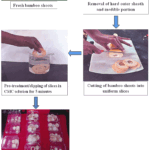 |
Plate 1: Schematic illustration of the preparation of carboxymethyl cellulose (CMC) coating formulations and application of CMC coatings on bamboo shoots by the dip-coating method. |
Postharvest Treatments and Storage of Minimally Processed Bamboo Shoots
Bamboo shoot slices were immersed for 5 minutes in various coating formulations: distilled water (T1, control), 1% carboxymethyl cellulose (T2), and a combination of 1% carboxymethyl cellulose with 1% ascorbic acid (T3). After coating, the slices were air-dried at room temperature for 30 minutes. After treatment, 12 to 15 bamboo shoot slices were put into polyethylene terephthalate (PET) punnets, each with a snap-on lid. The samples were stored at 5 ± 2 °C for 6 days. We recorded colour attributes (L* and BI), weight loss, and biochemical parameters every two days (Plate. 2).
Assessment of Physiological Loss in Weight, Colour Attributes and Browning Index
Physiological loss in weight (PLW) of minimally processed bamboo shoots was determined by measuring the weight of the slices during the 6-day storage period and comparing it to their initial weight, using a precision electronic balance (Model CY 223C, ACZET Pvt. Ltd., India). PLW was expressed as a percentage loss relative to the initial weight.23 We measured colour changes in bamboo slices stored in the refrigerator with a colour analyzer. Before taking measurements, we calibrated the device with standard white and black tiles. We then calculated the Browning Index (BI), which shows how much browning has occurred in processed foods, using the methodology followed by kumar et al 2018b).
Estimation of Total Soluble Solids (TSS), Titratable Acidity (TA), and Ascorbic Acid (AA) content
Total soluble solids (TSS) in bamboo shoot samples were measured using a digital refractometer (Milwaukee Instruments, Inc., USA), and the results were expressed as a percentage. Titratable acidity (TA) was determined according to the method described by Kumar et al. (2024).24 Ascorbic acid content was determined using the 2,6-dichlorophenolindophenol titration method. One gram of fresh bamboo shoot sample was homogenized with 3% metaphosphoric acid solution and filtered. The clear supernatant was titrated against the standardized dye until a light pink colour persisted, indicating the endpoint. The ascorbic acid content was expressed as mg per 100 g fresh weight (FW).25
Assessment of Total Phenolic Content and Antioxidant Activity
The total phenolic content (TPC) was determined according to the method developed by Singleton and Rossi. (1965).26 One gram of bamboo shoot sample was homogenized with 80% methanol and centrifuged at 10,000 rpm for 20 minutes at 4 °C. Subsequently, 100 µL of the supernatant was collected, diluted with 3 mL of distilled water, Next, Fallowed by addition of 0.5 mL of Folin–Ciocalteu reagent (FCR). Afterward, 3 minutes addition of 2 mL of Na₂CO₃ and the mixture was mixed well. Absorbance was measured at 760 nm with a spectrophotometer, and results were given as mg gallic acid equivalent (GAE) per 100 g fresh weight. The antioxidant activity of bamboo shoot slices was measured using the method from Apak et al. (2004).27 Results were reported as µmol Trolox equivalent per gram (µmol Trolox g⁻¹).
Sensory Evaluation
Sensory evaluation of minimally processed bamboo shoot samples was conducted following the method opted by Kumar et al., (2024).24 The sensory scores of minimally processed bamboo shoots were evaluated based on colour, texture, aroma, taste, and overall acceptability. A panel of semi-trained experts provided feedback scores using a five-point hedonic score, where 1 ware indicated ‘very poor’ and 5 were indicated ‘excellent’.
Statistical Analysis
All analyses of the bamboo shoot samples were performed, and results were expressed as mean ± standard deviation. Analysis of variance (ANOVA) was conducted to identify significant differences (p < 0.05) among the treatment means. Subsequently, Duncan’s Multiple Range Test (DMRT) was applied to separate the means.
Results
Physiological Loss in Weight (PLW)
Moisture loss significantly influences the quality of fresh-cut products. Minimally processed bamboo shoots are particularly vulnerable to weight loss resulting from evaporation and increased metabolic activity. Throughout the six-day refrigeration period, all samples exhibited a significant increase in weight loss (Fig. 1a). The control sample showed the highest PLW at 5.2%, while the samples coated with CMC 1% and AA 1% had the lowest value at 4.26%. Weight loss increased progressively throughout the storage period (Fig. 3a).
Colour and Browning Index
There were statistically significant differences (p < 0.05) in the L*, a*, and b* colour values. This shows that hydrocolloid coatings helped keep the colour and reduce discoloration (Fig. 1b, c, and d).Among the treatments, the highest L* value was observed in the CMC 1% + AA 1% treated samples control bamboo shoot slices (71.20), while the lowest was recorded in control bamboo shoot slices (69.17) after 6 days of storage. The minimum a* value was recorded in the control sample (3.11), whereas the maximum was observed in the CMC 1% treatment (4.60). The control sample had the highest b* value at 15.45. The lowest value, 13.80, was found in the CMC 1% + AA 1% treatment.Among the treatments, the highest browning index (BI) was recorded in the control (28.73), while the lowest was observed in CMC 1% + AA 1% treated samples (27.50) (Fig. 1e).
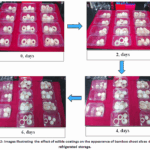 |
Plate 2: Images illustrating the effect of edible coatings on the appearance of bamboo shoot slices during refrigerated storage. |
Row 1 represents the uncoated control, Row 2 represents bamboo shoots coated with CMC 1% + Ascorbic Acid 1%, and Row 3 represents bamboo shoots coated with CMC 1%. The images depict visual changes occurring during storage under refrigerated conditions.
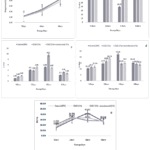 |
Figure 1: Effect of CMC and anti-browning inhibitor on physiological loss in weight (PLW) (a), colour values (L, a and b) (b, c and d) and browning index (e) of minimally processed bamboo shoots during refrigerated storage |
Total Soluble Solids and Titratable Acidity
Table 1a illustrate the changes in (TSS) in treated and control bamboo shoot slices during 6 days of storage. The highest TSS content was recorded in the CMC 1% + AA 1% treated samples (5.50%), while the lowest was observed in the control samples (4.40%). Table 1b indicated the changes in titratable acidity (TA) of both coated and uncoated bamboo shoot slices increased during the storage period. The maximum TA was recorded in the treated samples (1.0%), while the minimum was observed in the uncoated sample (0.88%).
Table 1a:Impact of CMC and anti-browning agents on total soluble solids (%)of minimally processed bamboo shoots during refrigerated storage condition
|
Treatment |
Total soluble solids (%) | ||||
|
Storage interval (day) |
|||||
|
0 |
2 | 4 | 6 |
Mean |
|
|
Control |
5.9 ± 0.06a | 3.50 ± 0.035c | 3.90 ± 0.039c | 4.50 ± 0.045b | 4.40 ± 0.51b |
| CMC (1%) | 5.9 ± 0.06a | 3.80 ± 0.038b | 4.90 ± 0.049b | 4.70 ± 0.047b |
4.80 ± 0.48b |
|
CMC (1%) + Ascorbic Acid (1%) |
5.9 ± 0.06a | 4.80 ± 0.048a | 6.10 ± 0.061a | 5.20 ± 0.052a | 5.50 ± 0.01a |
| Mean | 5.90 | 4.03 | 4.96 |
4.80 |
|
Mean values in the same column followed by identical letters indicates no significantdifferencesat (p≤ 0.05), as determined by DMRT.
Table 1b:Impact of CMC and anti-browning agents ontitratable acidity (%) of minimally processed bamboo shoots during refrigerated storage condition
|
Treatment |
Titratable acidity (%) | ||||
|
Storage interval (day) |
|||||
| 0 | 2 | 4 | 6 |
Mean |
|
|
Control |
0.47 ±0.002a | 0.96 ± 0.009b | 0.96 ± 0.009a | 1.11 ± 0.077a | 0.88 ± 0.04a |
| CMC (1%) | 0.47 ± 0.005a | 1.44 ± 0.014a | 0.96 ± 0.009a | 1.12 ± 0.101a |
1.00 ± 0.04a |
|
CMC (1%) + Ascorbic Acid (1%) |
0.48 ± 0.002a | 0.96 ± 0.009b | 1.14 ± 0.011a | 1.12 ± 0.005a | 1.00 ± 0.08a |
| Mean | 0.47 | 1.12 | 1.12 | 1.12 |
|
Mean values in the same column followed by identical letters indicates no significantdifferencesat (p≤ 0.05), as determined by DMRT.
Ascorbic Acid Contentand Total Phenolic Content (TPC)
Table 2a shows changes in ascorbic acid content over 6 days of refrigerated storage. The CMC 1% + AA 1% treatment had the highest ascorbic acid content (8.75 mg/100 g), while the control samples had the lowest (6.12 mg/100 g). Table 2b shows an increase in total phenolic content (TPC) in both treated and control bamboo shoot samples during 6 days of refrigerated storage. The highest TPC was recorded in the CMC 1% + AA 1% treatment (282.2 mg/100 g), while the lowest was observed in the CMC 1% samples (259.7 ± 0.97) after 6 days of storage.
Table 2a:Influence of CMC and anti-browning agents on ascorbic acid (mg 100 g-1) in minimally processed bamboo shoots under refrigerated storage conditions
|
Treatment |
Ascorbic acid (mg 100 g-1) | ||||
|
Storage interval (day) |
|||||
| 0 | 2 | 4 | 6 |
Mean |
|
|
Control |
7.00 ± 0.07b | 7.00 ± 0.07b | 3.50 ± 0.03b | 7.00 ±0.10a | 6.12 ± 0.04c |
| CMC (1%) | 10.50 ± 0.10a | 7.00 ± 0.07b | 7.00 ± 0.07a | 7.00 ± 0.07b |
7.87 ± 0.02b |
|
CMC (1%) + Ascorbic Acid (1%) |
7.00 ± 0.07b | 10.50 ± 0.10a | 7.00 ± 0.07a | 10.50 ± 0.10a | 8.75 ± 0.02a |
| Mean | 8.16 | 8.16 | 5.83 | 8.16 |
|
Mean values in the same column followed by identical letters indicates no significantdifferencesat (p≤ 0.05), as determined by DMRT.
Table 2b:Influence of CMC and anti-browning agents ontotal phenol content (mg 100 g-1) in minimally processed bamboo shoots under refrigerated storage conditions
|
Treatment |
Total phenol content (mg 100 g-1) | ||||
|
Storage interval (day) |
|||||
| 0 | 2 | 4 | 6 |
Mean |
|
|
Control |
135.00 ± 1.30b | 180 ± 1.80a | 299.60 ± 2.99b | 453 ± 4.59b | 266.9 ± 1.68b |
| CMC (1%) | 125.50 ± 1.20c | 170 ± 1.70c | 294 ± 2.94b | 449.5 ± 4.49b |
259.7 ± 0.97c |
|
CMC (1%) + Ascorbic Acid (1%) |
180 ± 1.80a | 190 ± 1.90a | 300 ± 3.00a | 459 ± 4.59a | 282.2 ± 0.84a |
| Mean | 146.80 | 180 | 297.80 |
453.80 |
|
Mean values in the same column followed by identical letters indicates no significantdifferencesat (p≤ 0.05), as determined by DMRT.
Antioxidant Activity
Table 3 shows that antioxidant activity in both treated and control samples decreased throughout the storage period. The highest antioxidant activity was recorded in the CMC 1% + AA 1% treatment (7.88 ± 0.02 µmol Trolox g⁻¹), while the lowest was observed in the uncoated sample (6.13 ± 0.04 µmol Trolox g⁻¹).
Table 3:Effect of carboxymethyl cellulose and anti-browning agents on antioxidant activity (µmol Trolox g-1FW) of minimally processed bamboo shoots during refrigerated storage condition
|
Treatment |
Antioxidant activity (µmol Trolox g-1 FW) | ||||
|
Storage interval (day) |
|||||
| 0 | 2 | 4 | 6 |
Mean |
|
|
Control |
10.75 ± 0.10c | 2.45 ± 0.02c | 5.75 ± 0.05c | 5.55 ± 0.05a | 6.13 ± 0.04c |
| CMC (1%) | 11.25 ± 0.11b | 7.65 ± 0.07b | 6.25 ± 0.06b | 3.92 ± 0.03c |
7.27 ± 0.02b |
|
CMC (1%) + Ascorbic Acid (1%) |
11.55 ± 0.11a | 8.85 ± 0.08a | 6.62 ± 0.06a | 4.50 ± 0.04b | 7.88 ± 0.02a |
| Mean | 11.18 | 6.31 | 6.20 |
4.62 |
|
Mean values in the same column followed by identical letters indicates no significantdifferencesat (p≤ 0.05), as determined by DMRT.
Sensory Evaluation
The mean scores of various organoleptic traits of minimally processed bamboo shoots are presented in Fig. 2. Assessment of sensory score was used 5-point hedonic scale. The texture, colour, aroma, taste, and overall acceptability were assessed. By the end of the storage period, minimally processed bamboo shoots treated with carboxymethyl cellulose (CMC) in combination with anti-browning agents exhibited superior retention of sensory quality compared to control samples.
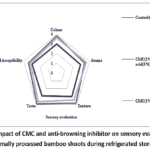 |
Figure 2: Impact of CMC and anti-browning inhibitor on sensory evaluation of minimally processed bamboo shoots during refrigerated storage. |
Discussion
The PLW in CMC (1%) + ascorbic acid (1%) treated bamboo shoot samples can be attributed to the formation of a semi-permeable coating layer that limits water vapour diffusion and oxygen exchange, thereby reducing respiration-associated substrate degradation. Ascorbic acid further moderates wound-induced oxidative metabolism, collectively reduces water loss and metabolic activity even under refrigerated storage.15,16,17 Similarly, Pongprasert et al. (2007)28 reported that weight loss was greatest in the control sample and lowest in both PVC- and vacuum-treated bamboo shoot slices. The finding of Zheng et al. (2022)29 also reported that treatment with oxalic acid inhibited weight loss in bamboo shoots during storage. The finding of Kumar et al. (2018a) indicated that utilizing CMC, whether independently or in conjunction with anti-browning substances, reduced weight loss in fresh-cut apple slices during storage. This effect was attributed to the coating’s low permeability to water vapor. These results are consistent with the findings of Singhal et al. (2013),8 Li et al. (2019).31 Colour is an important quality attribute that influences consumer preference. Browning results from mechanical damage that activates polyphenol oxidase (PPO), which catalyses the oxidation and subsequent polymerization of phenolic compounds, leading to the formation of brown pigments.32-34 However, PPO activity is not the sole factor responsible for browning, as tissue discoloration may also be influenced by enzymes associated with senescence.35 Pongprasert et al. (2007) found that using PVC and vacuum packaging helped reduce browning in bamboo shoots. The findings of Chinganbam et al. (2026)36 also reported control sample had slower degradation of TSS and treated with CMC highest retention of TSS.According to the findings of Chinganbam et al. (2026)36 The lower titratable acidity observed in the control group compared to the coated samples indicates that the CMC coating delayed the ripening process by forming a transparent layer around the fruits.Sharma et al. (2018)37 found that the decline in ascorbic acid content in pineapple is due to oxidative degradation. Kumar et al. (2018b)38 found that adding anti-browning agents to carboxymethyl cellulose (CMC) coatings effectively preserved the sensory qualities of fresh-cut apples during storage. Ballesteros et al. (2022)39 reported that the acidity value more stable for CMC treated goldenberries then for uncoated goldenberries. Ballesteros et al. (2022)39 observed significant changes in ascorbic acid content in goldenberries coated with CMC. This finding aligns with Abdullah et al. (2023),40 who reported that coated strawberries had higher TSS than uncoated strawberries. The finding of Baswal et al. (2021)41 reported that CMC coated ‘Kinnow’ mandarin fruit exhibited highest antioxidant activity as compared to uncoated mandarin. Earlier, the findings of Zheng et al. (2022)29 treated bamboo shoots with oxalic acid and reported an increase in TPC along with a reduction in disease incidence during cold storage. Elevated phenolic levels have been shown to suppress browning enzyme activity, thereby preserving whiteness and minimizing discoloration in minimally processed pineapple cubes, consistent with findings by Kumar et al. (2018a).30 Carboxymethyl cellulose (CMC) alone demonstrated efficacy in mitigating the decline of total phenolic content; however, its synergistic application with ascorbic acid proved more effective in preserving phenolic stability in pineapple cubes,16,17 observed that antioxidants, including ascorbic acid, act as reducing agents capable of modulating the degradation of phenolic compounds by limiting their oxidative conversion.Kumar et al. (2018a)30 found that applying an edible coating to fresh-cut apple slices significantly increased antioxidant activity compared to the control, suggesting better retention of bioactive compounds due to the coating’s protective barrier.
Conclusion
Our study found that applying a carboxymethyl cellulose (CMC) coating with 1% ascorbic acid reduced weight loss and maintained colour integrity in minimally processed bamboo shoots during refrigerated storage. Samples treated with 1% CMC and 1% ascorbic acid demonstrated an extended shelf life of up to 6 days under refrigerated conditions (5 ± 2 °C), surpassing that of the control. Therefore, It can be inferred that CMC coating formulations that are combined with anti-browning agents have the potential to significantly extend the postharvest storage life and maintain the nutritional and sensory quality of minimally processed bamboo shoots. Future research should focus on the direct quantification of browningrelated enzymesand metabolic profiling to further elucidate the mechanistic basis of edible coating–mediated regulation of post-harvest metabolism and post-harvest quality retention in minimally processed bamboo shoots.
Acknowledgement
The authors are grateful to the Department of Post-Harvest Management, College of Horticulture and Forestry, Central Agricultural University (Imphal), Pasighat, Arunachal Pradesh, India, for providing the necessary laboratory and instrumental facilities to carry out this research.
Funding Sources
The author(s) received no financial support for the research, authorship, and/or publication of this article.
Conflicts of Interest
The authors do not have any conflict of interest.
Data Availability Statement
The data will be made available by the corresponding author upon reasonable request.
Ethics Statement
This research did not involve human participants, animal subjects, or any material that requires ethical approval.
Informed Consent Statement
Informed consent was obtained from all participants.
Clinical Trial Registration
This research does not involve any clinical trials.
Permission to Reproduce Material from Other Sources
Not Applicable.
Author Contributions
- Shubham Maurya: Data analysis, methodology, data collection, writing- original draft.
- Pushpendra Kumar: Conceptualization, validation, writing- review & editing.
- Siddharth Madhukar Lokhande:review & editing.
- Gireesh Chand: review & editing.
- Okenmang Jamoh: review & editing.
- Gaidinglungliu Gonmei: review & editing.
- Monika Verma: review & editing.
References
- Tewari S., Negi H., Kaushal R. Status of bamboo in India. Int J Econ Plants.2019;6(1): 30-39. https://doi.org/10.23910/IJEP/2019.6.1.0288
CrossRef - Singhal P., Singh R.K., Satya S., et al. Toxicity reduction in bamboo shoots: field survey and scientific validation of a traditional knowledge system. Cult Agric Food Environ. 2017;39(2):138-142.https://doi.org/10.1111/cuag.12089
CrossRef - El Bakri Y., Mohamed S K., Saravanan K., et al. 1, 4, 9, 9-tetramethyloctahydro-4, 7-(epoxymethano) azulen-5 (1H)-one, a natural product as a potential inhibitor of COVID-19: Extraction, crystal structure, and virtual screening approach. J King Saud UniSci. 2023; 35(4): 102628.
CrossRef - , Zhang S., Luo Z., et al. Combined modified atmosphere package and melatonin treatments delay the senescence of bitter bamboo shoots by inhibiting the cell wall changes after harvest. LWT Food Sci Technol. 2025; 219: 1-9.
CrossRef - Yang B., Fang X., Han Y., et al. Analysis of lignin metabolism in water bamboo shoots during storage. Postharvest Biol Technol. 2022;192: 111989
CrossRef - Wang L., Liu M., Luo Z., et al. Effect of modified atmosphere package on attributes of sweet bamboo shoots after harvest. Frontiers in Plant Science. 2024; 15: 1431097.
CrossRef - Zheng J., Maratab A. L. I., HUANG Q. H., et al. Effects of UV-B treatment on controlling lignification and quality of bamboo (Phyllostachys prominens) shoots without sheaths during cold storage. J Inte Agric. 2020; 19(5): 1387-1395.
CrossRef - Singhal P., Bal L.M., Satya S., et al. Bamboo shoots: a novel source of nutrition and medicine. Crit Rev Food Sci Nutr. 2013;53(5):517-534.https://doi.org/10.1080/10408398.2010.531488
CrossRef - Hassan M., Ali S. Carboxymethyl cellulose coating delays quality deterioration in harvested table grapes during cold and ambient storage conditions. Progr Organic Coat.2025; 200, 109031.
CrossRef - Ali S., Nawaz A., Hussain B., et al.Carboxymethyl cellulose coating maintains quality of harvested aonla fruit by regulating oxidative stress and ascorbate-glutathione cycle. Postharvest Biol Technol. 2024; 207: 112621.
CrossRef - Ali S., Anjum M. A., Ejaz, S., et al.(2021). Carboxymethyl cellulose coating delays chilling injury development and maintains eating quality of ‘Kinnow’ mandarin fruits during low temperature storage. International Journal of Biological Macromolecules. 2021; 168: 77-85.
CrossRef - Ali S., Anjum M. A., Khan A. S., et al.(2022). Carboxymethyl cellulose coating delays ripening of harvested mango fruits by regulating softening enzymes activities. Food Chem. 2022; 380: 131804.
CrossRef - Ali S., Ullah M. A., Nawaz A., et al.(2022). Carboxymethyl cellulose coating regulates cell wall polysaccharides disassembly and delays ripening of harvested banana fruit. Postharvest Biol Technol. 2022; 191: 111978.
CrossRef - Yu K., Zhou L., Xu J., et al.(2022). Carboxymethyl cellulose-based water barrier coating regulated postharvest quality and ROS metabolism of pakchoi (Brassica chinensis). Postharvest Biol Technol. 2022; 185: 111804.
CrossRef - Olivas G., Barbosa-canovas G. Edible coatings for fresh-cut fruits. Crit Rev Food Sci Nutr. 2005;45: 657–670. https://doi.org/10.1080/10408690490911837
CrossRef - Oms-Oliu G., Soliva-fortuny R., Martin-belloso O. Edible coatings with antibrowning agents to maintain sensory quality and antioxidant properties of fresh-cut pears. Postharvest Biol Technol. 2008;50(1): 87-94. https://doi.org/10.1016/j.postharvbio. 2008.03.005
CrossRef - Saba M.K., Sogvar O.B. Combination of carboxymethyl cellulose-based coatings with calcium and ascorbic acid impacts in browning and quality of fresh-cut apples. LWT – Food Sci. Technol. 2016;66:165-171. https://doi.org/10.1016/j.lwt.2015.10.022
CrossRef - Gao Q., Jiang H., Tang F., et al. Evaluation of the bitter components of bamboo shoots using a metabolomics approach. Food Funct. 2019;10(1): 90-98. https://doi.org/10.1039/C8FO01820K
CrossRef - Luo Z., Xu X., Cai Z., et al.Effects of ethylene and 1-methylcyclopropene (1-MCP) on lignification of postharvest bamboo shoot. Food Chem. 2007;105(2): 521-527.https://doi.org/10.1016/j.foodchem.2007.04.007
CrossRef - Zhang J., Murtaza A., Zhu L., et al.High pressure CO2 treatment alleviates lignification and browning of fresh-cut water-bamboo shoots (Zizania latifolia).Postharvest Biol Technol. 2021;182: 111690
CrossRef - Qian C., Sun Y., Zhang B., et al. Effects of melatonin on inhibiting quality deterioration of postharvest water bamboo shoots. Food Chem Mol Sci. 2024; 8: 100208.
CrossRef - Badwaik L.S., Gautam G., Deka S.C. Influence of blanching on antioxidant, nutritional and physical properties of bamboo shoot. Agric. Sci. – Sri Lanka. 2015;10(3):https://doi.org/10.4038/jas.v10i3.8067
CrossRef - Saroj N., Prasad K., Singh S.K. et al. Characterization of bioactive and fruit quality compounds of promising mango genotypes grown in Himalayan plain region. PeerJ, 2023;11, e15867. https://doi.org/10.7717/peerj.15867
CrossRef - Kumar P., Sethi S., Varghese E. Hurdle approach for enhancing storage life of minimally processed apple slices using active modified atmosphere packaging. Acta Physiol Plant.2024;46(1): 8. https://doi.org/10.1007/s11738-023-03635-3
CrossRef - Ranganna S. Handbook of analysis and quality control for fruits and vegetable products 3rd (2012). Tata McGraw-Hill Publishing Company Ltd.
- Singleton V.L., Rossi J.A. Colorimetry of total phenols with phosphomolybdic–phosphotungstic acid reagents. Am J Enol Vitic.1965;16:144–158.https://doi.org/5344/ajev.1965.16.3.144
CrossRef - Apak R., Güçlü K., Özyürek M., et al. Novel total antioxidant capacity index for dietary polyphenols and vitamins C and E, using their cupric ion reducing capability in the presence of neocuproine: CUPRAC method. J AGR FOOD CHEM. 2004;52(26): 7970-7981.https://doi.org/10.1021/jf048741x
CrossRef - Pongprasert N., Wongs‐Aree C., Srilaong V., et al. Alleviation of browning and lignification in minimally processed sweet bamboo (Dendrocalamus asper) shoots by packaging.N Z J Crop Hortic Sci.2007;35(2):253-257.https://doi.org/10.1080/01140670709510192
CrossRef - Zheng J., Li S.E., Maratab A.L.I., et al. Effects of UV-B treatment on controlling lignification and quality of bamboo (Phyllostachys prominens) shoots without sheaths during cold storage. J Integr Agric 2022;19(5):1387-1395.https://doi.org/10.1016/S2095-3119(20)63170-7
CrossRef - Kumar P., Sethi S., Sharma RR. Inhibition of browning in fresh-cut apple wedges through edible coatings and anti-browning agents.Indian J Hortic. 2018a;75:517-522. https://doi.org/10.5958/0974-0112.2018.00087.7
CrossRef - Li C., Suo J., Xuan L., et al.Bamboo shoot-lignification delay by melatonin during low temperature storage. Postharvest Biol Technol. 2019;156: 110933.https://doi.org/10.1016/j.postharvbio.2019.110933
CrossRef - Lee C.Y., Whitaker J.R. Enzymatic browning and its prevention. ACS Symposium Series 600. Oxford University Press. 1995;338 p. DOI: 10.1021/bk-1995-0600
CrossRef - Macheix JJ., Fleuriet A., Billot J. Fruit Phenolics. CRC Press, Boca Raton, FL, United States. 1990;378 p.
- Vámos-Vigyázó L. Polyphenol oxidase and peroxidase in fruits and vegetables. Crit Rev Food Sci Nutr. 1981;15:49-127.https://doi.org/10.1080/10408398109527312
CrossRef - Larrigaudiere C., Lentheric I., Vendrell M. Relationship between enzymatic browning and internal disorders in controlled-atmosphere stored pears. J Sci Food Agric. 1998;78:232-236.https://doi.org/10.1002/(SICI)1097 0010(199810)78:2<232::AID-JSFA108>3.0.CO;2-4
CrossRef - Chingangbam R., Moirangthem G., Mishra, A. K., et al. Effects of CMC-based edible coating on the physico-chemical properties and shelf life of King Chilli (Capsicum chinense). J Food Sci Technol.2026;1-9. https://doi.org/10.1007/s13197-026-06669-w
CrossRef - Sharma L., Singh S.C., Sharma H.K. Development of crosslinked sesame protein and pineapple extract‐based bilayer coatings for shelf‐life extension of fresh‐cut pineapple. J Food Process Preserv.2018;42: e13527. https://doi.org/10.1111/jfpp.13527
CrossRef - Kumar P., Sethi S.,Sharma R.R., et al. Improving the shelf life of fresh-cut ‘Royal Delicious’ apple with edible coatings and anti-browning agents. J Food Sci Technol.2018b;55:3767–3778. https://doi.org/10.1007/s13197-018-3308-6
CrossRef - Ballesteros L. F., Teixeira J. A., Cerqueira, M. A. Active carboxymethyl cellulose-based edible coatings for the extension of fresh goldenberries shelf-life. Horticulturae. 2022; 8(10): 936.
CrossRef - Abdullah A. H., Awad-Allah M. A., Abd-Elkarim N. A., et al. Carboxymethyl cellulose from banana rachis: A potential edible coating to extend the shelf life of strawberry fruit. Agriculture. 2023;13(5): 1058. https://doi.org/10.3390/agriculture13051058
CrossRef - Baswal A. K., Dhaliwal H. S., Singh, Z. et al. Edible coatings maintain the phytochemicals in cold-stored’Kinnow’mandarin (‘Citrus nobilis’ Lour x’C. deliciosa’Tenora) fruit. Aust J Crop Sci. 2021; 15(10): 1332-1338. https://doi.org/ 10.21475/ajcs.21.15.10.p3335
CrossRef
 PlumX:
 Views: 1126
  PDF Downloads:
303
PDF Downloads:
303 
Accepted on: 19th Jun 2026
Second Review by: Viral Mandaliya
Final Approval by: Dr. Vikas Chopra





Web of Science Coverage
Emerging Sources Citation Index (ESCI)
2024 Journal Impact Factor: 1.1
Scopus Journal Metrics
CiteScore 2025: 2.6
CiteScore Details
Sustainable Nutrition: Food Systems, Nutrient Retention, and Public Health Impact

This journal is a member of, and subscribes to the principles of, the Committee on Publication Ethics (COPE)