
Debittering and Quality Improvement of Pummelo (Citrus Grandis (L.) Osbeck) Juice Using Spice Extracts
 , Mutum Preema Devi2, Prodyut Kumar Paul2, Nilesh Bhowmick2, Md Arshad Anwer3, Mohammad Feza Ahmad4, Laishram Hemanta5and Nandita Sahana6
 1Department of Food Science and Postharvest Technology, Bihar Agricultural University (BAU), Sabour, Bhagalpur, India.
2Department of Pomology and Postharvest Technology, Faculty of Horticulture, Uttar Banga Krishi Viswavidyalaya (UBKV), Pundibari, Cooch Behar, India.
3Department of Plant Pathology, Bihar Agricultural University (BAU), Sabour, Bhagalpur, India.
4Department of Horticulture (Fruit Science), Bihar Agricultural University (BAU), Sabour, Bhagalpur, India.
5Department of Horticulture, School of Agricultural Sciences and Rural Development, Nagaland University, Medziphema Campus, Dimapur, India.
6Department of Biochemistry, Uttar Banga Krishi Viswavidyalaya (UBKV), Pundibari, Cooch Behar, India.
Corresponding Author Email: shamsher73@gmail.com
DOI : http://dx.doi.org/10.12944/CRNFSJ.14.2.13
Download this article as:

"Pummelo juice is a rich source of health-promoting bioactive compounds. However, its consumer acceptability remains extremely low due to its inherent bitterness. Notably, the bitterness tends to intensify after extraction, rendering the juice increasingly unpalatable within a few hours of processing". The bitterness of pummelo juice is primarily attributed to bitter compounds such as limonin and naringin, which are present in various parts of the fruit and are co-extracted during juice extraction. This inherent bitterness is a major constraint to the popularization and commercial viability of pummelo juice. "Accordingly, this study aimed to mitigate the bitterness of pummelo juice by (i) applying various pre‑treatments to whole fruits before extraction and (ii) treating the extracted juice with turmeric, ginger, or clove extracts at concentrations of 4 % and 6 %. Among all spices concentration combinations tested, a 6 % turmeric extract proved the most effective and economically viable option, significantly reducing the levels of the key bitter compounds limonin and naringin. The limonin concentration was reduced by 60.43 and 47.82 % and naringin by 33.00 and 20.21%, respectively. In both the cases, the reduction in bittering compounds by turmeric extract (6%) was significantly lower as compared to control. Organoleptic qualities and acceptability were were found increased in the same treatment.
KEYWORDS:Bitterness; Juice extraction; Limonin; Naringin; Sensory Attributes
Introduction
Citrus fruits are popular all over the world due to its specific taste, aroma and oil content.1,2 Among fruit juices, citrus juices are the most popular all over the world. It is because citrus fruits are refreshing and a rich source of health promoting phytonutrients3-6and reduces risk of chronic diseases.7,8 Pummelo (Citrus grandis (L.) Osbeck) is the largest fruit among the citrus genus and an important tropical fruit crop. Globally, the production of pummelo is estimated at approximately 9.5 million metric tons.9 Due to its refreshing flavor, nutritional value, and health-promoting properties, pummelo is gaining popularity worldwide. It is currently ranked among the top five most widely cultivated and consumed citrus fruits globally.10
Like other citrus juices, pummelo juice is rich in antioxidant compounds7 and has been reported to offer numerous health benefits1. However, despite its nutritional value, pummelo remains relatively unpopular among consumers and is not widely cultivated by citrus growers in India. The primary reason for this limited acceptance is the bitterness of its juice, which not only affects its palatability but also intensifies after extraction. In fact, within just a few hours’ post-extraction, the juice often becomes unfit for consumption. This bitterness is mainly attributed to the presence of flavonoids and limonoids, natural compounds found in the fruit, which are released during the juice extraction process.11Unlike other citrus fruits, the juice is present in juice sacs of pummelo fruits which is protected by segment membrane and seeds (Plate 1 & 2).
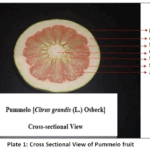 |
Plate 1: Cross Sectional View of Pummelo fruit. |
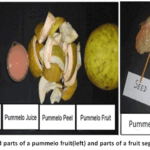 |
Plate 2: Separated parts of a pummelo fruit(left) and parts of a fruit segment (right) |
During juice extraction, juice sacs, segment membrane, seeds, core and a portion of flavedo is also crushed, contains bittering compounds and mixed with juice during extraction. This bitterness is in fact, a limiting factor for commercial production of value added products from pummelo fruit.
There are many debittering techniques useful for reducing bitterness such as physical adsorption,12 changing pH value of juice,13 enzymatic conversion of bittering compounds into non-bitter molecules,14ultra-filtration,15 clarification8and their combinations. All methods are tedious, high cost and difficult to apply. In order to overcome these problems, a need is felt to develop a cost effective and easy debittering method for debittering pummelo fruit juice by using spices extract. Spices in foods are mainly used for their colour, flavour, source of natural antioxidants and antibacterial properties. There are many spices grown in India for use in foods and juices. The extract of three spices namely turmeric, clove and zinger have been used in this experiment. The Turmeric (Curcuma longa Linn) is one of the most important spices of the world and a common food additive for colouring and flavouring food formulations,16 improving nutritional quality17 and a rich source of bioactive compounds.18Owing to rich in curcumin, turmeric is extensively used in food industries as spices, preservative, flavoring and coloring agent19 as well as in traditional Indian medicine (ayurveda) and pharmaceuticals products.20,21It has been reported that cucurmin have an excellent chelating property.22,23 This chelating property of curcumin may be used for removal or reduction of bittering compounds in pummelo juice. Fresh turmeric rhizome is also a source of different enzymes that can also be used for inhibiting enzymes or reactions responsible for synthesis of bittering compounds.Ginger (Zingiber officinale Rosc) is an underground rhizome or stem of family Zingiberaceae and considered indigenous to tropical and subtropical countries24. The ginger extract is very rich source of gingerol, a volatile oil responsible for its pleasant aroma25. Additionally, ginger contains many chemical compounds having antimicrobial, anti-inflammatory, and anti-carcinogenic properties.26Clove (Syzygium aromaticum) is a good source of phenolic compounds responsible for antioxidant activities of the clove oil, eugenol.27The antimicrobial and antioxidant properties of ginger and clove can be used for preserving food products.Hence, all three spices have antibacterial and antioxidant properties that can be used for preserving and increasing the shelf life of food items. Keeping the above facts in view, the present study was undertaken to reduce the bitterness of pummelo juice using spice extracts and to evaluate the quality of the treated juice.
Materials and Methods
Procurement of pummelo fruits and spices and juice extraction
Uniformly ripened pummelo fruits were procured from university orchard, Uttar Banga Krishi Viswavidyalaya (UBKV)and spices (turmeric, ginger and cloves) from Pundibari market, respectively, and brought in the laboratory, Department of Pomology and Postharvest Technology, Faculty of Horticulture, UBKV, Pundibari, Cooch Behar, West Bengal, India.
After sorting and removing damaged and under ripe fruits, juice was extracted using a screw-type juice extractor. Two distinct juice extraction methods were employed in this study (Table 1).
Table 1: Description of juice extraction methods (JEM-1 and JEM-2)
| JEM-1 = Fruits were dipped in hot water at 80°C for 5 minutes, then peeled, followed by juice extraction using a screw-type juice extractor and subsequent filtration. |
| JEM-2 = Fruits were dipped in hot water at 80°C for 10 minutes, then peeled, followed by juice extraction using a screw-type juice extractor and filtration |
Preparation of spices extracts
A 10% extract was prepared for all three spices. For preparation of 10% extract of turmeric and ginger, 10 mL of pure juice was diluted to 100 mL. However, for preparation of 10% extract of clove, 10 g powder was dissolved in 80 mL distilled water and final volume was made up to 100 mL and filtered using muslin cloths. Extracted juice was treated with spices extracts (Table-2).
Table 2: Treatments with spices extracts
|
Treatments |
JEM-1 |
JEM-2 |
|
T1 |
Turmeric @ 4% (v/v) | Turmeric @ 4% (v/v) |
| T2 | Turmeric @ 6% (v/v) |
Turmeric @ 6% (v/v) |
|
T3 |
Ginger @ 4% (v/v) | Ginger @ 4% (v/v) |
| T4 | Ginger @ 6% (v/v) |
Ginger @ 6% (v/v) |
|
T5 |
Clove @ 4% (w/v) | Clove @ 4% (w/v) |
| T6 | Clove @ 6% (w/v) |
Clove @ 6% (w/v) |
|
T7 |
Control |
Control |
Treatment of pummelo juice using spices extracts
The extracted juice from JEM-1 and JEM-2, were kept separately in a 250 mL beaker. First of all, the required amount of juice was kept in a 100 mL volumetric flask and then spices extract was added as per treatments (4% or 6%). For example, In the case of 4% turmeric extract (T1), 4 mL of 10 percent turmeric extract was added in 96 mL of juice and for 6% turmeric extract (T2), 6 mL of 10 percent turmeric extract was added in 94 mL of juice. The same procedure was followed in all other treatments.
Analysis of bittering compounds and biochemical parameters
Limonin content in the juice samples was estimated using the colorimetric method.28The samples (pummelo juice) were extracted for limonin in chloroform solvent and limonin reagent was added before estimation. The limonin reagent was prepared by adding three chemicals (10 gm of 4-dimethyl amino benzaldehyde, 300 mL acetic acid and 240 ml of 70% per chloric acid) in a 1000 mL beaker. Fruit juice and chloroform in the ratio of 1: 9 were taken in a separating funnel and thoroughly mixed by shaking. After shaking, it was left for sometimes or overnight for separation into two layers (upper and lower layer). The clear and transparent lower layer of chloroform extract was collected for estimation of limonin. 5 mL of this extract of each treatment was taken into a test tube and 7.5 mL limonin reagent was added in all the test tubes and left for 30 minutes at room temperature for development of red color. In blank, chloroform extract was not taken but only 5 mL chloroform and 7.5 mL limonin reagent was taken. Brown red color was developed in each test tube except blank(Photo 1). The sample was taken for measuring optical density (OD) in a UV Spectrophotometer at 503 nm. The limonin content was calculated by using a standard graph prepared of pure limonin in the range of 8-40 ppm and results were expressed in parts per million (ppm).
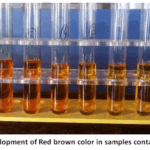 |
Photo 1: Development of Red brown color in samples containing limonin. |
Naringin content in the fruit juice was estimated using the method of Davis (1947).29 In this procedure, 0.2 ml of juice was taken in a test tube and mixed with 10 ml of 90% diethylene glycol. Then, 0.2 ml of 4 M sodium hydroxide solution was added and mixed thoroughly. After 5–10 minutes of incubation at room temperature, a yellow color developed, indicating the presence of naringin (Photo 2).
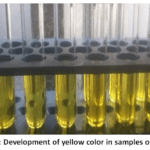 |
Photo 2: Development of yellow color in samples of naringin |
Similarly, a blank was prepared in a separate test tube containing10 ml of 90% diethylene glycol and 0.2 ml 4M NaOH solution. The intensity of yellow colour was measured in a Spectrophotometer at 420 nm. A standard graph of pure naringin was prepared in the range of 40-220 ppm to quantify the naringin content in the juice samples.
Biochemical parameters (% titratable acidity, ascorbic acid (mg/100mL), reducing and total sugars (%) were evaluated by AOAC methods30. Total Soluble Solids 119.(TSS) and pH were estimated by hand refractometer and digital pH meter, respectively. 120.TSS: acid ratio was estimated by dividing TSS by %titratable acidity.
Sensory attributes (customer acceptance)
The evaluation of sensory properties was based on 9-point hedonic scale (Table 3) as per methods described by Ranganna31. All chemicals used for analysis were purchased from Loba and Merck Millipore, India.
Table 3: 9 – Point Hedonic Scale
|
Numbering |
Description |
|
1 |
Like Extremely |
| 2 |
Like Very much |
|
3 |
Like Moderately |
| 4 |
Like Slightly |
|
5 |
Neither Like nor Dislike |
| 6 |
Dislike Slightly |
|
7 |
Dislike Moderately |
| 8 |
Dislike Very much |
|
9 |
Dislike Extremely |
Statistical analysis
Data for each parameter were collected in triplicate and analyzed statistically using a Factorial Completely Randomized Design (Factorial CRD). Statistical analysis was performed using SPSS software (Version 26). Differences between treatment means were considered significant at the 5% probability level (p < 0.05).
Results
The results of spices extracts on bittering compounds, limonin and naringin are shown in Table 4 and 5, respectively, which clearly indicates that spices extracts reduced the concentration of bittering compounds. A significantly lower values of limonin was observed in treatment T2(6% turmeric extract)ofJEM-1 (52.15 µg/mL) and JEM-2 (78.86 µg/mL), respectively, as compared to control (T7)(131.72 in JEM-1 and 355.58 µg/mL in JEM-2) (Table 4).Turmeric extract of 6% (T2) recorded limonin 52.15 and 78.86 µg/mLinJEM-1 and JEM-2, respectively, as compared to control (T7)(131.72 and 355.58 µg/mL inJEM-1 and JEM-2, respectively).
Table 4: Effect of spices extracts on bittering compound, limonin (µg/mL) of pummelo juice.
|
Treatments |
Treatments’ descriptions | Limonin (µg/mL) (JEM-1) | Limonin (µg/mL)
(JEM-2) |
Mean |
|
T1 |
Turmeric @ 4% (v/v) | 129.53 | 101.74 | 115.64 |
| T2 | Turmeric @ 6% (v/v) | 52.15 | 78.86 |
65.51 |
|
T3 |
Ginger @ 4% (v/v) | 126.40 | 310.75 | 218.57 |
| T4 | Ginger @ 6% (v/v) | 90.41 | 98.59 |
94.50 |
|
T5 |
Clove @ 4% (w/v) | 117.69 | 86.44 | 102.07 |
| T6 | Clove @ 6% (w/v) | 91.96 | 262.60 |
177.28 |
|
T7 |
Control | 131.72 | 355.58 | 243.65 |
| Mean | 105.70 | 184.94 |
|
|
|
|
Juice extraction methods (JEM) | Treatment (T) | JEM × T | |
| S. Em (±) | 17.43 | 32.61 |
46.12 |
|
|
CD (P=0.05) |
50.50 | 94.48 |
133.61 |
| JEM-1 = Fruits were dipped in hot water at 80°C for 5 minutes, then peeled, followed by juice extraction using a screw-type juice extractor and subsequent filtration. |
| JEM-2 = Fruits were dipped in hot water at 80°C for 10 minutes, then peeled, followed by juice extraction using a screw-type juice extractor and subsequent filtration |
Similarly, a significantly lower values of naringin (777.80 and 1020.55 µg/mL) was observed in 6% turmeric extract (T2) as compared to control (T7) where, it was recorded 1122.72 and 1279.08 µg/mL, in both JEM-1 and JEM-2, respectively (Table 5). This was found equivalent to 30.72% and 20.21% reduction in naringin concentration in JEM-1 and 2, respectively.
Table 5: Effect of spices extracts on bittering compound, naringin (µg/mL) of pummelo juice.
|
Treatments |
Treatment (T) | Naringin (µg/mL) (JEM-1) | Naringin (µg/mL) (JEM-2) |
Mean |
|
T1 |
Turmeric @ 4% (v/v) | 985.81 | 1123.56 | 1054.69 |
| T2 | Turmeric @ 6% (v/v) | 777.80 | 1020.55 |
899.17 |
|
T3 |
Ginger @ 4% (v/v) | 1320.52 | 1112.51 | 1216.52 |
| T4 | Ginger @ 6% (v/v) | 1317.37 | 1464.20 |
1390.78 |
|
T5 |
Clove @ 4% (w/v) | 1257.77 | 1301.97 | 1279.87 |
| T6 | Clove @ 6% (w/v) | 1038.70 | 1100.28 |
1069.49 |
|
T7 |
Control | 1161.06 | 1279.08 | 1220.07 |
| Mean | 1122.72 | 1200.31 |
|
|
|
|
Juice extraction methods (JEM) | Treatment (T) | JEM × T | |
| SEm (±) | 22.69 | 42.46 |
60.05 |
|
|
CD (P=0.05) |
65.75 | 123.01 |
173.96 |
The effect of spices extracts on total soluble solids (TSS), pH and TSS: Acid ratio of pummelo juice is shown in Figure 1. A lower value of total soluble solids was observed in all treatments as compared to control irrespective of extraction methods but a higher value of the same was recorded in JEM-2 as compared to JME-1.The pH value was found non-significant in both extraction methods (JEM-1 and JEM-2) and their interactions were also found to be non-significant. While, TSS: Acid ratio was found significant in JEM-1 but non-significant inJEM-2 and also in their interaction effect. The maximum value of TSS: Acid was obtained in treatment T2 (6% turmeric extract) and minimum in T7 (control).
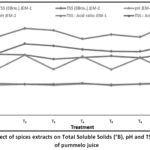 |
Figure 1: Effect of spices extracts on Total Soluble Solids (°B), pH and TSS; Acid ratio of pummelo juice |
The effect of spices extracts on titratable acidity (%) shown in Figure 2. A non-significant results were found in both extraction methods (JEM-1 and 150.JEM-2) However, their interaction effect was found to be significant. The maximum mean values of titratable acidity (1.407 and 1.299%) was found in control (T7) and lowest value (0.987 and 1.162%) in 6% ginger extract (T4) in both extraction methods.
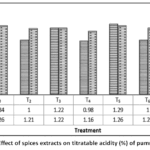 |
Figure 2: Effect of spices extracts on titratable acidity (%) of pummelo juice |
The effect of spices extracts on reducing and total sugars (%) of pummelo juice is presented in Figure 3 which indicates a higher value of both sugars (%) in extraction method 2 (JEM-2) as compared to extraction method 1 (JEM-1) and their interaction effect was also found to be significant. The maximum reducing sugar (%) was found in control (T7) followed by T2 (6% turmeric extract) and minimum in T4 (6% ginger extract) in JEM-1.
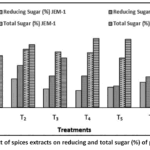 |
Figure 3: Effect of spices extracts on reducing and total sugar (%) of pummelo juice |
The impact of spices extracts on ascorbic acid content (mg/100mL) of pummelo juice is presented in Table 6.The ascorbic acid (mg/ 100mL) was found significantly higher in extraction method 1 (JEM-1) as compared to extraction method 2 (JEM-2) and their interaction effect was also found to be significant. The maximum ascorbic acid was found in treatment T2 (6% turmeric extract) and minimum in T5 (4% ginger extract) in JEM-1 as shown in the table (table 6).
Table 6: Effect of spices extracts on ascorbic acid (mg/100mL) of pummelo juice
|
Treatment (T) |
JEM-1 | JEM-2 |
Mean |
|
T1 |
42.81 | 38.94 | 40.87 |
| T2 | 46.34 | 39.54 |
42.94 |
|
T3 |
37.55 | 30.14 | 33.84 |
| T4 | 26.10 | 24.30 |
25.20 |
|
T5 |
23.74 | 20.29 | 22.01 |
| T6 | 32.49 | 27.27 |
29.88 |
|
T7 (Control) |
44.91 | 30.14 | 37.52 |
| Mean | 36.28 | 30.08 |
|
|
|
Juice extraction methods (JEM) | Treatment (T) | JEM × T |
| SEm (±) | 1.921 | 3.594 |
5.082 |
|
CD (P=0.05) |
5.565 | 10.411 | 14.722 |
| S | NS |
S |
The effect of spices extracts on organoleptic properties (over all acceptability) is shown in Table 7 and Figure 4 which clearly exhibited a significant difference between both extraction methods (JEM-1 and JEM-2). However, their interaction effect was found to be insignificant. Among treatments, control (T7) registered lower sensorial qualities as compared to turmeric extracts (T1& T2) in both extraction methods. This might be due to increased organoleptic qualities in terms of better color and reduced bittering compounds in T1 and T2 (4% and 6% turmeric extracts).
Table 7: Effect of spices extracts application on sensory properties (over all acceptability) of pummelo juice.
|
Treatment (T) |
JEM-1 | JEM-2 |
Mean |
|
Turmeric @ 4% (v/v) |
5.00 | 4.67 | 4.83 |
| Turmeric @ 6% (v/v) | 5.00 | 3.33 |
4.17 |
|
Ginger @ 4% (v/v) |
4.33 | 5.33 | 4.83 |
| Ginger @ 6% (v/v) | 4.33 | 4.67 |
4.50 |
|
Clove @ 4% (w/v) |
4.67 | 4.67 | 4.67 |
| Clove @ 6% (w/v) | 4.67 | 4.67 |
4.67 |
|
Control |
7.33 | 6.33 | 6.83 |
| Mean | 5.05 | 4.67 |
|
|
|
Juice extraction methods (JEM) | Treatment (T) | JEM × T |
| SEm (±) | 0.11 | 0.21 |
0.30 |
|
CD (P=0.05) |
0.33 | 0.63 | 0.89 |
| S | S |
NS |
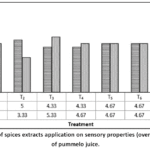 |
Figure 4: Effect of spices extracts application on sensory properties (over all acceptability) of pummelo juice. |
Discussion
The reduction in limonin concentration might be due to the chelating action of curcumin, a bioactive molecule found in turmeric. The α, β-unsaturated β-diketo moiety of curcumin has been reported to have an excellent chelating property.21,22 Chelating agents have been reported to exhibit an inhibitory effect on Limonoate D-ring Lactone Hydrolase (LDLH), an enzyme responsible for the conversion of limonoate A-ring lactone, a non-bitter precursor, into limonin, the bitter compound responsible for the unpleasant taste in citrus juices.
Ethylenediaminetetraacetic acid (EDTA), a strong chelating agent, has been reported to inhibit the activity of Limonoate D-ring Lactone Hydrolase (LDLH),32 the enzyme responsible for converting the non-bitter precursor, limonoate A-ring lactone, into the bitter compound limonin. According to authors,32EDTA inhibited LDLH enzyme activity by 187.58.1%. The action of curcumin may be similar to that of EDTA and thus helped in reducing limonin concentration by reducing the activity of LDLH. The reduction in naringin concentration might be the action of enzymes found in turmeric extract on naringin biosynthesis directly or indirectly. Fresh turmeric extract is a good source of multiple enzymes. Several key enzymes involved in secondary metabolite biosynthesis have been reported in turmeric, including phenylalanine ammonia lyase (PAL), p-coumaroyl-CoA:p-coumaroyl-5-O-shikimate transferase (CST), curcuminoid synthase (a type of polyketide synthase), and hydroxycinnamoyl-CoA thioesterase.33 These enzymes might have reduced the activity of enzymes responsible for naringin biosynthesis or decreased solubility properties of naringin or have catalyzed the precipitation of naringin that helped in the reduction of bitterness. Sandhu and Singh34 also reported that addition of sugar, salt and chaat masala (a mixture of different spices and condiments) enhanced the acceptability of Kinnow juice by reducing bitterness. Li et al35reported a reduction of 73.01% in naringin concentration when fresh citrus juice was treated with an enzyme, Aspergillus α‐l- rhamnosidase. A lower value of total soluble solids in all treatments as compared to control was due to addition of spices extracts which diluted the juice that resulted reduction in total soluble solids in all other treatments except control. Higher value of total soluble solids was recorded in JEM-2 as compared to JME-1. This might be due to more conversion of polysaccharides into mono and disaccharides upon hot water dip treatment for longer period of times (10 minutes) in JEM-2. The pH value and their interaction effects were found non-significant in both extraction methods. The TSS: Acid ratio was found significant in JEM-1 may be due to a significant difference in total soluble solids of pummelo juice of extraction method JEM-1) as compared to JEM-2. The maximum value of TSS: Acid in treatment T2 (6% turmeric extract) and minimum in T7 (control) was due to higher values of TSS and lower values of titratable acidity (%) in pummelo juice of 6% turmeric extract (T2). The higher values of reducing and total sugars (%) in JEM-2 might be due to higher rate of conversion of polysaccharides into mono and disaccharides upon prolong heating of fruits in JEM-2. Kore and Chakraborty13 also reported an increased value of total and reducing sugars in hot water treated pummelo fruit juice. Maximum total sugar (4.66%) in 6% turmeric extract (T2) might be due to contribution of the same by turmeric extract also. The maximum loss of ascorbic acid in JEM-2 as compared to JEM-1 may be due to more destruction of vitamin C during prolong heating of fruits in JEM-2 as compared to JEM-1 as prolonged heating heating resulted more destruction of Vitamin C36. The maximum ascorbic acid in treatment T2 (6% turmeric extract) and minimum in T5 (4% ginger extract) in JEM-1 might be due to contribution of vitamin C by fresh turmeric rhizome(66.749mg/100ml).37,38The effect of spices extracts on organoleptic properties registered lowest in the control treatment as compared to turmeric extracts (T1& T2) in both extraction methods. This might be due to increased organoleptic qualities in terms of better color and reduced bittering compounds in T1 and T2 (4% and 6% turmeric extracts). This might be due to increased organoleptic qualities in terms of better color and reduced bittering compounds in the same treatments(T1 and T2). Mane et al.37 formulated fresh turmeric juice-based orange RTS beverages and found that 10% turmeric juice based RTS was superior among all with respect to organoleptic qualities such as color, flavour, overall acceptability and taste. This finding is consistent with the results reported by Amaravathi et al. (2014)39, who observed improved organoleptic qualities including taste, colour, and flavour in freshly prepared spiced pineapple ready-to-serve (RTS) beverages.
Conclusion
Pummelo juice is bitter in taste due to presence of bittering compounds, limonin and naringin. Bitterness increases with the passage of time and during storage. The present study was undertaken to evaluate the efficacy of spice extracts in reducing bittering compounds in pummelo juice, with the aim of improving its quality and enhancing consumer acceptability. Among the spices, 6% turmeric extract was found the most effective, reduced 60.43% limonin and 33.00% naringin. The chelating action of turmeric might be one of the reasons for the drastic reduction of both limonin and naringin. Organoleptic qualities were found improved and acceptability increased in the same treatment. Therefore, turmeric extract can be effectively utilized for debittering pummelo juice, thereby enhancing its overall quality and consumer acceptability.
Summary: Pummelo juice is a health promoting juice. However, it is bitter in taste and hence not popular among the consumers. Reducing bitterness by low cost, easy to apply technologies using spices extracts not only increase the popularity among the consumers but will also benefit the growers.
Acknowledgement
We acknowledge the help extended by the scientists of Bihar Agricultural University (BAU), Sabour particularly the department of Food Science and Postharvest Technology and Plant Pathology, BAU, Sabour. We wish to express our sincere thanks to laboratory staffs who helped us directly or indirectly in harvesting, transportation of pummelo fruits and during analysis.
Funding Sources
The author(s) received no financial support for the research, authorship, and/or publication of this article.
Conflict of Interest
The author(s) do not have any conflict of interest
Data Availability Statement
This statement does not apply to this article
Ethics Statement
This research did not involve human participants, animal subjects, or any material that requires ethical approval.
Informed Consent Statement
This study did not involve human participants, and therefore, informed consent was not required
Permission to reproduce material from other sources
In this manuscript, all figures, photos and tables are original. None of these materials have been copied from sources. Hence, permission letter is not required
Clinical Trial Registration
This research does not involve any clinical trials.
Author Contributions
- Mohammad Shamsher Ahmad: Conducted the experiment and written whole manuscript
- Mutum Preema Devi: Conceptualized, Designed and guided in conducting the experiment
- Prodyut Kumar Paul: Contributed in Experimental Design and Statistical analysis
- Nilesh Bhowmick: Contributed in harvesting, transportation and analysis of the samples
- Md Arshad Anwer: Contributed in Preparation of graphs and standards
- Mohammad Feza Ahmad: Contributed in reviewing and editing the manuscript
- Laishram Hemanta: Contributed in methodology and correcting the manuscript
- Nandita Sahana: Contributed in application of spices and in biochemical analysis
References
- Ke Z., Pan Y., Xu X. D., Nie C. Zhou, Z. Q. Citrus flavonoids and human cancers. Food Nutr. Res. 2015; 3(5):341-351. DOI: http://dx.doi.org/10.12691/jfnr-3-5-9.
CrossRef - Zou Z., Xi W. Hu Y., Nie C. Zhou Z. Antioxidant activity of Citrus fruits. Food Chem. 2016; 196: 885-896. DOI: http://dx.doi.org/10.1016/j.foodchem.2015.09.072
CrossRef - Arruda H. S., Pereira G. A. Pastore G. M. Optimization of extraction parameters of total phenolics from Annona crassiflora (Araticum) fruits using response surface methodology. Food Anal. Methods. 2017; 10: 100-110. DOI: https://doi.org/10.1007/s12161-016-0554-y
CrossRef - Arruda H. S., Pereira G. A. Pastore G. M. Brazilian Cerrado fruit araticum (Annona crassiflora) as a potential source of natural antioxidant compounds Int Food ResJour. 2018; 25(5):2005-2012. Journal homepage: http://www.ifrj.upm.edu.my
- Neri-Numa I. A., Sancho R. A. S., Pereira A. P. A. Pastore G. M. Small Brazilian wild fruits: nutrients, bioactive compounds, health-promotion properties and commercial interest. Food Res Int. 2018; 103:345–360.DOI: https://doi.org/10.1016/j.foodres.2017.10.053
CrossRef - Pereira G. A., Arruda H. S., Morais D. R., Araujo N. M. P. Pastore G. M. Mutamba (Guazuma ulmifolia) fruit as a novel source of dietary fibre and phenolic compounds. Food Chem. 2020; 310: 125857.DOI: https://doi.org/10.1016/j.foodchem.2019.125857
CrossRef - Tsai H. L., Chang S. K. C. Chang S. J. Antioxidant content and free radical scavenging ability of fresh red pummelo (Citrus grandis (L.) Osbeck) juice and freeze-dried products. J Agric Food Chem, 2007; 55(8): 2867-2872. DOI: https://doi.org/10.1021/jf0633847
CrossRef - Kundua, D., Karmakar S. Banerjeea R. Simultaneous debittering and clarification of enzyme mediated mixed citrus juice production. Applied Food Res. 2022; 2(1): 100031. DOI: https://doi.org/10.1016/j.afres.2021.100031
CrossRef - FAO Citrus fruit statistics. Rome, Italy, (2021) pp. 9-11. Link: https://www.fao.org/economic/est/est-commodities/citrus-fruit/en/
- Tocmo R., Pena‐Fronteras J., Calumba K. F., Mendoza M. Johnson J. J. Valorization of pomelo (Citrus grandis Osbeck) peel: A review of current utilization, phytochemistry, bioactivities, and mechanisms of action. Comprehensive Reviews in Food Sci Food Safety, 2020; 19(4): 1969-2012. DOI: https://doi.org/10.1111/1541-4337.12561
CrossRef - Nas G. Karatas S. Removal of bitterness by using of amberlite in orange juices. Int J Electron Mechanical and Mechatronics Engineering. 2017; 7(2): 1419-1432. Link: https://dergipark.org.tr/en/pub/ijemme/issue/28650/319207
CrossRef - Kore V. K. Chakraborty I. Efficacy of various techniques on biochemical characteristics and bitterness of pummelo juice. J Food Sci Technol. 2015; 52: 6073-6077. DOI: https://doi.org/10.1007/s13197-014-1629-7
CrossRef - Ni H., Yang Y. F., Chen F., Ji H. F., Yang H., Ling W. Cai H. N. Pectinase and naringinase help to improve juice production and quality from pummelo (Citrus grandis) fruit. Food Sci Biotechnol. 2014; 23: 739-746. DOI: https://doi.org/10.1007/s10068-014-0100-x
CrossRef - Maktouf S., Neifar M., Drira S. J., Baklouti S., Fendri M. Châabouni S. E. Lemon juice clarification using fungal pectinolytic enzymes coupled to membrane ultrafiltration. Food and Bioproducts Processing. 2014;92(1): 14-19. DOI: https://doi.org/10.1016/j.fbp.2013.07.003
CrossRef - Idowu-Adebayo F., Toohey M. J. Fogliano V. Linnemann A. R. Enriching street-vended zobo (Hibiscus sabdariffa) drink with turmeric (Curcuma longa) to increase its health-supporting properties. Food Funct. 2021; 12(2): 761-770. DOI: https://doi.org/10.1039/D4FO06458E
CrossRef - Kalaycıoglu Z., Torlak E., Akın-Evingür G., Özen I. Erim F. B. Antimicrobial and physical properties of chitosan films incorporated with turmeric extract. Int J Biological Macro molecules. 2018; 101: 882-888. DOI: https://doi.org/10.1016/j.ijbiomac.2017.03.174
CrossRef - Rauf A., Imran M., Orhan I. E. Bawazeer S. Health perspectives of a bioactive compound curcumin: A review. Trends Food Sci Technol. 2018; 74: 33-45. DOI: https://doi.org/10.1016/j.tifs.2018.01.016
CrossRef - Thangapazham R. L. Sharma A. Maheshwari R. K. Multiple molecular targets in cancer chemoprevention by curcumin. American Association of Pharmaceutical Scientists J. 2006; 8: 443-449. DOI: https://doi.org/10.1208/aapsj080352
CrossRef - Amalraj A., Pius A., Gopi S. Biological activities of curcuminoids and other biomolecules from turmeric and their derivatives – A review. J Traditional Complementary Medicine. 2017; 7: 205-233. DOI: https://doi.org/10.1016/j.jtcme.2016.05.005
CrossRef - Stanić Z. Improving therapeutic effects of curcumin-a review. J Food Nutrition Res. 2018;57(2): 109-129. Link: https://www.researchgate.net/publication/326173309_Improving_therapeutic_effects_of_curcumin a review
- Kumar N, Sakhya KS, Ethnopharmacological properties of Curcuma longa: A review. Int J Pharmaceutical Sci Res. 2013;4(1): 103-112.DOI: http://dx.doi.org/10.13040/IJPSR.0975-8232.4(1).03-12
CrossRef - Ferrari E., Asti M., Benassi R., Francesca P. Saladini M. Metal binding ability of curcumin derivatives: A theoretical vs. experimental approach. Dalton Transactions. 2013; 42(15) 5304-5313. DOI: https://doi.org/10.1039/C3DT33072A
CrossRef - Borsari M., Ferrari E., Grandi R. Saladini M. Curucminoids as potential new iron-chelating agents: Spectroscopic, polarographic and potentiometric study on their Fe (III) complexing ability. Inorganica Chimica Acta, 2002; 328(1): 61-68. DOI: https://doi.org/10.1016/S0020-1693(01)00687-9
CrossRef - Shahidi F., Hossain A. Bio actives in spices, and spice oleoresins: Phytochemicals and their beneficial effects in food preservation and health promotion. J Food Bioactives. 2018;3: 8-75. DOI: https://doi.org/10.31665/JFB.2018.3149
CrossRef - Charles D. J. Antioxidant properties of spices, herbs and other sources; Springer Science & Business Media. 2012; New York, USA. p. 612 Link: https://link.springer.com/book/10.1007/978-1-4614-4310-0#about-this-book
- Samaniego-Sánchez C., Inurreta-Salinas Y., Quesada-Granados J., Blanca-Herrera R., Villalón-Mir M., de La Serrana H. L. G. Martínez M. L. The influence of domestic culinary processes on the Trolox equivalent antioxidant capacity of green tea infusions. J Food Composition and Analysis. 2011; 24(1): 79-86. DOI: https://doi.org/10.1016/j.jfca.2010.06.003
CrossRef - Ghadermazi R., Keramat J. Goli S. Antioxidant activity of clove (Eugenia caryophyllata Thunb), oregano (Oringanum vulgare L) and sage (Salvia officinalis L) essential oils in various model systems. Int Food Res J. 2017; 24(4): 1628. Journal homepage: http://www.ifrj.upm.edu.my
- Vaks B. Lifshitz A. Debittering of orange juice by bacteria which degrade limonin. J Agric Food Chem. 1981; 29(6): 1258-1261. DOI: https://doi.org/10.1021/jf00108a039
CrossRef - Davis W. B., Determination of flavanones in citrus fruits. Analytical Chem. 1947; 19(7): 476. DOI: https://doi.org/10.1021/ac60007a016
CrossRef - AOAC Official Methods of Analysis. Association of Official Analytical Chemists International. In: Horwitz, W. (Ed.), 18th Ed. AOAC Press, Arlington, VA, USA 2006. Site: https://www.scirp.org/reference/ReferencesPapers?ReferenceID=1387682
- Ranganna S. Handbook of Analysis and Quality Control for Fruit and Vegetable Products. 2nd Edn.Tata McGraw Hill Publishing Co. Ltd., New Delhi. 1986; Site:https://www.scirp.org/reference/referencespapers?referenceid=3095714
- Kumar S., Kumar R., Sharma P. C. Pal A. Purification and characterization of Limonoate-D-ring lactone hydrolase from kinnow fruits grown in Punjab. India. J Environ Biol. 2018;39(2): 175-181. DOI: https://doi.org/10.22438/jeb/39/2/MRN-461
CrossRef - Ramirez-Ahumada M. D., Timmermann B. N., Gang D. R. Biosynthesis of curcuminoids and gingerols in turmeric (Curcuma longa) and ginger (Zingiber officinale): identification of curcuminoid synthase and hydroxycinnamoyl-CoA thioesterases. 2006; 67 (18): 2017-2029. DOI: https://doi.org/10.1016/j.phytochem.2006.06.028
CrossRef - Sandhu K. S. Singh N. Studies on factors affecting the physicochemical and organoleptic properties of Kinnow juice. J Food Sci 2001; 38(3): 266-269. Link:http://pascalfrancis.inist.fr/vibad/index.php?action=getRecordDetail&idt=14139643
- Li L. J., Gong J. Y., Wang S., Li G. L., Gao T. Jiang Z. D. Heterologous expression and characterization of a new clade of Aspergillus α‐l- rhamnosidase suitable for citrus juice processing. J Agric Food Chem. 2019;67: 2926-2935. DOI: https://doi.org/10.1021/acs.jafc.8b06932
CrossRef - Lee S., Choi Y., Jeong H. S., Lee J., Sung J. Effect of different cooking methods on the content of vitamins and true retention in selected vegetables. Food Sci Biotechnol. 2017; 27(2): 333-342. DOI: https://doi.org/10.1007/s10068-017-0281-1
CrossRef - Mane R. P., Kshirsagar R. B., Sawate A. R., Patil B. M. Kale R. G. Studies on evaluation of physicochemical and nutritional properties of fresh turmeric rhizome, J Pharmacognosy Phytochem. 2018; 7(2): 2895-2897.https://www.phytojournal.com/ archives/2018/ vol7issue2/ PartAO/7-2-356-704.pdf
- Imoru, Onibi G. E. Osho I. B. Nutritional and Biochemical Compositions of Turmeric (Curcuma longa Linn) Rhizome powder – A Promising Animal Feed Additive. Int J Scientific & Engineering Res. 2018; 9 (1): 424-429.https://www.scirp.org/reference/ referencespapers?referenceid=2808428
- Amaravathi T., Vennila P., Hemalatha G. Parimalam P. Spiced Pineapple Ready-To-Serve Beverages. Indian J Sci Technol. 2014; 7(11): 1827-1831. DOI: https://doi.org/17485/ijst/2014/v7i11.20
CrossRef
 PlumX:
 Views: 1414
  PDF Downloads:
283
PDF Downloads:
283 
Accepted on: 21 Oct 2025
Second Review by: Lusine Hakobyan
Final Approval by: Dr. Angelo Maria Guiffre





Web of Science Coverage
Emerging Sources Citation Index (ESCI)
2024 Journal Impact Factor: 1.1
Scopus Journal Metrics
CiteScore 2025: 2.6
CiteScore Details
Sustainable Nutrition: Food Systems, Nutrient Retention, and Public Health Impact

This journal is a member of, and subscribes to the principles of, the Committee on Publication Ethics (COPE)