
Mediterranean Diet: Potential Health Benefits, Barriers to Adherence and Intervention Strategies
 , Shadma Siddiqui2, Zaynab Toorabally1, , 7, Abdulwahed Fahad Alrefaei3, , , , 5*
 1Department of Health Sciences, Faculty of Medicine and Health Sciences, University of Mauritius, Reduit, Mauritius
2Department of Public Health, College of Applied Medical Sciences in Al-Namas, University of Bisha, Al-Namas City, Saudi Arabia
3Department of Zoology, College of Science, King Saud University, Riyadh, Saudi Arabia
4Honghe Center for Mountain Futures, Kunming Institute of Botany, Chinese Academy of Sciences, Yunnan, P.R. China
5School of Pharmacy, Zunyi Medical University, Guizhou, China
6Department of Biochemistry, Saveetha Medical College and Hospital, Saveetha Institute of Medical and Technical Sciences, Chennai, Tamil Nadu, India
7Centre of Excellence for Pharmaceutical Sciences (Pharmacen), North West University, Potchefstroom, South Africa.
*Corresponding Author Email: r.jeewon@uom.ac.mu
DOI : http://dx.doi.org/10.12944/CRNFSJ.14.1.4
Download this article as:

The Mediterranean diet (MD) is widely recognized as a healthy eating pattern linked to a lower risk of chronic diseases and better overall health. Despite strong scientific evidence supporting its benefits, many populations, especially outside Mediterranean regions, show low adherence to the MD. This narrative review aims to analyse existing research on nutritional knowledge, adherence levels, benefits, and barriers to following the Mediterranean diet among adults. Relevant peer-reviewed articles, systematic reviews, and observational studies published in the past twenty-five years were examined using electronic databases such as PubMed, ScienceDirect, and other renowned databases. Studies were selected based on predefined inclusion and exclusion criteria. Included studies were peer-reviewed articles published within the last twenty-five years, focusing on adults and examining the Mediterranean diet in relation to adherence, nutritional knowledge, health outcomes, or barriers. Studies older than twenty-five years, or those not directly relevant to the research topic were excluded. The results show that greater nutritional knowledge is associated with better adherence to the MD, while limited awareness, misconceptions, and lack of practical skills hinder compliance. Common barriers include high perceived costs, limited availability of key foods, cultural food preferences, time constraints, and inadequate cooking skills. Additionally, socioeconomic and environmental factors play significant roles in shaping dietary behaviour. Overall, the review identifies significant gaps between knowledge and practice, particularly in low- and middle-income countries (LMICs) and among underrepresented populations in Africa and Asia, where research on Mediterranean diet awareness and adherence remains limited. Important methodological and conceptual gaps also persist, including inconsistent definitions of the diet and limited generalizability of findings across diverse populations. These gaps underscore the need for culturally tailored nutrition education and supportive food environments. These findings provide a solid foundation for future research, and a dire need to evaluate nutritional knowledge and barriers of Mediterranean diet adherence among adults in different community settings with a potential to reduce the increase in non-communicable diseases.
KEYWORDS:Adults; Barriers to Adherence; Dietary Adherence; Health Benefits; Mediterranean Diet; Nutrition Knowledge
Introduction
Nowadays, there are many different types of diet available. Among them is the Mediterranean Diet (MD), often considered one of the world’s healthiest dietary patterns. The MD is a way of eating inspired by the traditional habits of people living near the Mediterranean Sea, especially Greece, southern Italy, Spain, and other nations in North Africa and Southern Europe. It is not a strict meal plan; rather, it is a lifestyle, a flexible, balanced way of eating based on plant-based foods such as fruits, vegetables, legumes, nuts, and whole grains, healthy fats (primarily extra-virgin olive oil), moderate consumption of fish and poultry, and limited red meat and sweets.1 In 2013, UNESCO added the Mediterranean Diet to its Intangible Cultural Heritage list, describing it as “a set of skills, knowledge, rituals, symbols and traditions concerning crops harvesting, fishing, animal husbandry, conservation, processing, cooking, and particularly the sharing and consumption of food,” emphasizing the importance of sharing meals, hospitality, and cultural identity.2
Current descriptions of MD generally refer to a “Mediterranean pyramid” and new versions have evolved over the decades (Figure 1). Sofi et al3 recently introduced an updated pyramid that emphasizes plant-based foods and environmental sustainability.3 However, many people, especially the younger generations, fail to meet its dietary recommendations.4 The pyramid’s clear illustration is a strength, but it has been criticized for oversimplifying nutrition and overlooking cultural or individual diversity. Each new model integrates emerging evidence on health and sustainability.3
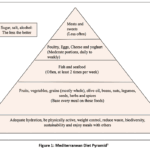 |
Figure 1: Mediterranean Diet Pyramid3 |
Despite the importance of MD research, significant gaps remain, especially in non-Mediterranean regions like Sub-Saharan Africa. Very few studies have examined awareness, adherence, and barriers to the MD outside Europe and North America. Sam-Yellowe explicitly notes that “very few studies” exist on MD knowledge or adherence in African countries.5 This reflects a broader fact that much nutrition research is concentrated in high-income countries, while low- and middle-income countries in Africa and Asia are underrepresented. Even in Europe, Mediterranean diet research often focuses on Southern nations, leaving a gap in understanding of how Middle Eastern, African, or Asian populations perceive and adopt the diet. Additionally, important methodological and conceptual gaps remain. Certain studies often use different definitions and scoring systems of the MD, making comparisons across findings difficult.6
Non-communicable diseases (NCDs), especially cardiovascular disease (CVD), diabetes and related conditions, are surging across African and Asian regions. In sub-Saharan Africa, for example, the NCD burden increased by 67%” from 1990–2017 and now accounts for roughly 30% of total DALYs.7 Globally, about 75–80% of NCD deaths occur in low- and middle-income countries (LMICs).8,9 These epidemics are driven largely by shifts in diet and lifestyle – high intake of salt, refined carbohydrates, sugars and unhealthy fats, coupled with less physical activity – which fuel obesity, hypertension and high blood glucose in African and Asian populations.7,9 Therefore, adapting the MD by preserving its core of plant foods, healthy fats (even if from sunflower/ groundnut oil rather than olive oil, and lean protein) has the potential to improve multiple health outcomes in African and Asian areas.
There is remarkably little MD research or implementation in most LMIC contexts. The vast MD evidence base comes from Europe and North America, with few intervention studies in Africa or Asia.10,11 According to Baer-Sinnott et al. note, “there has been little research on cultural diets outside of the Mediterranean diet,” limiting guidance for other regions.10 Similarly, nutrition experts emphasize that barriers such as a lack of local MD foods for example olive oil and cultural preferences must be addressed and any nutritional advice must be tailored to each setting.11 The specific objectives of this narrative review are to: i) highlight the importance of the health benefits of MD; ii) discuss factors associated with its intake and adherence; iii) analyse the pros and cons of dietary assessment tools; and iv) identify interventional strategies to improve MD uptake.
Discussion
Evidence of Health Benefits of the Mediterranean Diet
Composition of the MD foods
Mediterranean diet foods provide a wide range of bioactive nutrients, including unsaturated fats, fibre, vitamins and polyphenols, which work together to improve cardiovascular and metabolic health.12,13 Olive oil, the main fat source, is rich in monounsaturated fatty acids (oleic acid) and polyphenols that help increase HDL (high-density lipoprotein), reduce LDL (low-density lipoprotein) and lower inflammation, thereby decreasing the risk of heart disease. Nuts such as almonds and walnuts provide healthy fats, fibre and antioxidants that contribute to improved lipid profiles and insulin sensitivity.14 Fatty fish contains omega-3 fatty acids, which reduce triglycerides, improve heart function and support brain health. Whole grains and legumes are high in dietary fibre, which helps lower cholesterol, regulate blood glucose and promote satiety.15 Legumes also provide plant protein and minerals that help reduce blood pressure and improve gut health. Fruits and vegetables, including broccoli, tomatoes and berries, are rich in vitamins, carotenoids and polyphenols that act as antioxidants and reduce inflammation.13
There is a lot of research showing that adhering to the Mediterranean diet benefits your health, especially your heart (Figure 2). When it comes to cardiovascular health, the most consistent findings come from large studies and meta-analyses, which demonstrate that individuals who adhere to the MD have a much lower risk of coronary heart disease, stroke, and overall cardiovascular mortality. For instance, a pooled analysis of 16 cohort studies (>22,000 women) found that those with the highest MD adherence had about 24% lower risk of having heart diseases and 23% lower risk of premature death than those with the lowest adherence. Another study reported that adherence to the Mediterranean diet is linked to lower rates of cardiovascular disease (reducing obesity, hypertension, metabolic syndrome, and dyslipidaemia) and lower incidence of type 2 diabetes.16 The landmark PREDIMED trial (Spain, high-risk adults) showed that a Mediterranean diet rich with extra-virgin olive oil significantly reduced major cardiovascular diseases by 0.70 and stroke deaths by about 30%, compared to a low-fat control diet. Notably, these benefits occurred despite high fat intake of approximately 40% of calories because the fats were mostly unsaturated (olive oil, fish, nuts).12
Beyond heart disease, MD adherence is associated with better outcomes for metabolic disorders, diabetes, and obesity. The review by Zupo et al. (2023) summarizing 84 systematic reviews found statistically significant protective associations between MD adherence and many chronic conditions. Improvements were reported for “age-related chronic diseases” (in ~21.5% of reviews), neurological disorders (19%), obesity-related metabolic features (12.6%), cardiovascular diseases (11.4%), cancers (10.1%), type 2 diabetes (7.5%), and markers of inflammation and liver health. For example, people who stick with MD tend to have a lower risk of type 2 diabetes and better weight control; some studies show reduced risk of cognitive decline and frailty in elderly people. These advantages are thought to be caused by the diet’s anti-inflammatory, antioxidant-rich components, which include fruits, vegetables, whole grains, legumes, olive oil, and moderate fish.1 Higher MD adherence is also associated with lower overall mortality in prospective cohorts.12
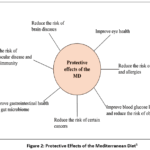 |
Figure 2: Protective Effects of the Mediterranean Diet5 |
Eye health
The Mediterranean pattern appears protective against major age-related eye diseases. A 2023 systematic review found that higher MD adherence correlated to a reduced risk of age-related macular degeneration (AMD) and diabetic retinopathy.17 Studies show that closer adherence to MD is associated with slower progression to advanced AMD. In the Age-Related Eye Disease Study (AREDS) trials, participants in the highest tertile of MD adherence had a lower risk of progressing to late AMD and a reduced risk of geographic atrophy.18 Among high-risk individuals from the PREDIMED cohort, an MD enriched with extra-virgin olive oil significantly lowered the risk of diabetic retinopathy. Over 6 years, the MedDiet+EVOO group experienced a lower retinopathy risk than the control group (HR 0.56, 95% CI 0.32–0.97).19
Cardiovascular Disease and Immunity
Evidence clearly reports that the MD substantially lowers CVD risk. The landmark PREDIMED trial (7,447 high-risk subjects) found that a MD (supplemented with olive oil or nuts) cut major CV events by ~30% compared to a low-fat control (HR≈0.70–0.72).12 Meta-analyses of prospective studies similarly show lower CVD incidence in highest vs lowest MD adherence. Coronary heart disease, myocardial infarction, and stroke risks were all reduced.20 Also, the MD benefits are partly attributed to anti-inflammatory effects. In population cohorts, high MD adherence has been linked to lower inflammatory markers, for instance, one Greek study found ~20% lower C-reactive protein (CRP) and ~17% lower interleukin-6 in high-adherence adults.21
Brain and cognitive health
Studies in recent years have gone even further. In addition to preventing heart disease and cancer, studies discovered that the MD is also connected with a lower risk of dementia often called the silent epidemic of our time. Meta-analyses and cohort studies consistently link high Mediterranean Diet (MD) adherence to slower cognitive decline. For example, a 2025 meta-analysis (23 studies) found that a higher MD score was associated with a 11–30% lower risk of cognitive impairment, dementia, and Alzheimer’s disease.22 Fu et al. (2021) report that high adherence was associated with lower risk of mild cognitive impairment and lower risk of Alzheimer’s.23 Clinical trials also support cognitive benefits. In the PREDIMED (6.5 years follow-up), elderly people on MD (with extra-virgin olive oil or nuts) scored significantly better on global cognitive tests (Mini-Mental State Examination (MMSE) and Clock Drawing Test (CDT)) than those on a low-fat diet.24
Asthma and allergies
Some studies indicate a protective effect of the MD on asthma, especially in children. In a Mexican pediatric cohort, higher adherence to the MD was linked to significantly lower odds of asthma symptoms and wheezing. Regarding allergies, the Mexican children study reported a reduced risk of rhinitis (OR≈0.41) with a better diet.25 More consistent findings appear for skin allergy. The Korean study found that high MD adherence halved the prevalence of atopic dermatitis in women. Fish and nut intake (core MD components) were identified as especially protective against atopic disease.26
Glucose control and obesity
A robust body of evidence shows the MD improves glucose metabolism and lowers diabetes risk. A large meta-analysis (24 cohorts) found that higher MD adherence was significantly associated with lower incidence of T2D.27 These results held across ages, sexes, and different scoring methods, and align with PREDIMED data showing fewer new diabetes cases in MD groups. However, the MD can help with weight loss and maintenance, especially in overweight individuals. Several RCTs report that overweight/obese people on calorie-controlled MD lost significant weight and abdominal fat. For example, one trial found that MD groups (with nuts or olive oil) showed larger reductions in total body weight, BMI, and waist circumference than a low-fat diet group.6
Cancer risk
With previous research led by US epidemiologist Walter Willett, the potential role of diet in cancer development began to gain serious scientific interest. Before the 1980s, there was little research on the connection between diet and cancer, aside from evidence linking tobacco smoking to the disease. In 1980, Willett launched a large, long-term study involving about 100,000 female nurses in the United States, called the Nurses’ Health Study. The main hypothesis was that dietary factors, particularly fat intake, could affect the risk of breast cancer. Later findings indicated that saturated fat and cholesterol, mainly from red meat and high-fat dairy products, were particularly concerning.28
Further evidence on the link between diet and cancer emerged in the 1990s from the large pan-European EPIC study which involves over half a million people across 10 European countries and has been ongoing for over 30 years. Its findings show that higher adherence to the Mediterranean diet is associated with a lower risk of colorectal and breast cancer.29
Large meta-analyses of cohort studies report that people with the highest MD adherence have significantly reduced incidence of colorectal, gastric, liver and other cancers.30 For example, risk ratios in high vs. low adherence groups were about 0.83 for colorectal cancer and ~0.64 for liver cancer. Overall cancer mortality is also reduced in MD-following populations.30 These associations are thought to reflect the MD’s abundant intake of plant foods and anti-inflammatory nutrients, which may inhibit carcinogenesis in the gastrointestinal tract and hormonally driven cancers.
Gastrointestinal health and gut microbiome
The Mediterranean diet promotes a healthy gut environment. Clinical and observational studies show that MD adherence increases gut microbial diversity and abundance of beneficial bacteria (e.g., Faecalibacterium and Prevotella).31 These changes correspond to better gastrointestinal function – e.g., more regular bowel movements, less bloating and inflammation reported in intervention trials.31 Notably, a recent case-control study found that high MD adherence was associated with about 50% lower odds of irritable bowel syndrome. In summary, the MD’s high fiber, high polyphenol composition nourishes the gut microbiota and supports GI health.32
For these reasons, international health organizations support the MD for chronic disease prevention. The Harvard School of Public Health and the American Heart Association recognize the MD as one of the healthiest dietary patterns, especially for cardiovascular risk reduction.12 However, there are few large human trials directly testing MD effects on gut flora or GI health. As in one review, it says “more direct scientific evidence should be made available” through well-designed human studies.33
Nutritional Knowledge and Its Influence on Dietary Choices
Nutrition knowledge (NK) is widely recognized as a key component of dietary behavior that influences an individual’s ability to choose and maintain healthy eating patterns. Higher levels of NK are linked with better diet quality, greater awareness of diet–disease relationships and improved compliance with dietary guidelines, whereas poor NK is associated with unhealthy food choices and lower adherence. In the context of the Mediterranean diet (MD), emerging evidence suggests that NK plays an important role, as understanding MD principles significantly increases the likelihood of adherence, while inadequate knowledge acts as a barrier to adopting this dietary pattern (please see other studies with respect to MD in Table 1).34
Table 1: Research evidence on the relationships between nutritional knowledge, dietary choices, and Mediterranean diet adherence
|
Study (Year, Country) |
Population | Knowledge Measure and Diet Outcome | Key Findings (knowledge diet) |
| Aureli and Rossi (2022, Italy)35
|
Italian adults (N=2,869) | Nutrition knowledge quiz; PREDIMED MD adherence screener |
Strong positive association: high-MD adherents had notably higher NK scores (41.7% correct) than low adherents (36.7% correct). Socioeconomic factors influenced both outcomes. |
|
Öngün Yılmaz et al. (2025, Türkiye)34 |
Turkish adults (N=1,712) | Nutrition Knowledge Scale (NKS); MEDAS (MD adherence) |
Higher NK predicted better MD compliance (β≈0.185–0.231, p<0.001) after adjusting for confounders. Each increase in NK score led to a small increase in MD adherence. |
|
Kucharska et al. (2025, Poland)36 |
Polish adults (N=4,000) | KomPAN NK score; Diet Quality Index (DQI) | Higher NK was significantly linked to better diet quality (β=0.87, p<0.001). Women and older adults had healthier diets; the positive NK effect was weaker in older age, suggesting limits in translating NK to practice. |
| Taylor et al. (2019, USA)37 | US adults with chronic disease (N=386) |
Nutrition literacy categories: dietary pattern scores
|
Poor nutrition literacy was associated with older age, lower education and income. Higher-literacy individuals scored better on healthy (prudent) dietary patterns, but relationships varied by socioeconomic status. |
|
Karlik and Dereń (2023, Poland)38 |
Poland students
(n = 313) |
NK questionnaire (11-point scale); MD adherence |
Older students and those with higher academic degrees had higher NK. There were no gender differences in NK or MD adherence. Urban students showed higher MD adherence than rural ones, whereas residence and BMI did not affect NK. |
|
(Elmskini et al., 2024, Morocco)39 |
Moroccan university students (n=1776) | Validated NK questionnaire and MEDAS |
NK and MD adherence were strongly linked to health. Higher NK was associated with greater MD adherence. Non-overweight students had higher NK and MD scores than overweight/obese ones. Non-smokers also had higher NK. Students in human/social sciences had marginally lower NK but higher MD scores than those in engineering. |
In summary, socioeconomic factors such as education and income shape both nutrition knowledge and diet quality. People with higher education/income tend to know more about nutrition and eat healthier, whereas those with lower SES often have gaps in both knowledge and diet. Nutrition knowledge appears to improve food choices: higher NK is generally linked to better overall diet and greater Mediterranean diet adherence. However, the extent of this effect is moderate, and other constraints (age, culture, motivation, food access) can weaken the impact of knowledge. Thus, most researchers emphasize that for better knowledge update of MD, supportive environments and targeted interventions to promote healthy eating are required (e.g., nutrition education works best when tailored to demographic subgroups).37,40
Tools to Measure Adherence and Knowledge regarding MD: pros and cons
Mediterranean Diet Adherence Screener (MEDAS)
A common tool is the 14-item Mediterranean Diet Adherence Screener (MEDAS) developed in the PREDIMED trial.41 MEDAS is a brief questionnaire (with yes/no or serving-size questions on olive oil use, vegetables, fruit, red meat, butter, sugary drinks, wine, legumes, fish, etc.) that assigns one point for each favorable criterion. Studies found that among >7,000 Spanish people, each 2-point increase in the MEDAS score was significantly associated with lower waist-to-height ratio (a measure of central obesity), showing the screener’s validity.41 Since then, MEDAS has been used globally in epidemiologic and intervention studies to quickly gauge adherence. It is a rapid screening tool with good reliability because it is simple and can be used in clinical practice as well. According to studies, ensuring the accuracy of dietary assessment tools is important for interpreting diet-disease relationships.42 However, its simplicity (yes/no questions) means it can misestimate true intake, for example, one study found that MEDAS scores tended to be higher than those from a detailed FFQ,43 which suggests a slight overestimation of adherence. Different countries sometimes modify MEDAS to suit local diets (adding/removing items so that scores range from 0–12 up to 0–17).44 In practice, MEDAS is often used alongside a full FFQ; for instance, participants completed both in a German validation study to cross-check diet patterns.43
Mediterranean Diet Nutrition Knowledge Questionnaire (Med-NKQ)
The Med-NKQ is a 20-item tool designed to assess knowledge of Mediterranean Diet principles in the context of heart health. It has demonstrated good content validity and test–retest reliability in the initial validation; it is short and easy to administer, which makes it practical for clinical or research use. For example, Moroney et al. (2021) report that the Med-NKQ showed strong reliability and consensus agreement on diet–health questions, indicating it effectively measures MD nutrition knowledge.45 However, the Med-NKQ has so far been validated only in an Australian sample of people with or at risk of cardiovascular disease, most of whom were generally well educated, so its applicability to other populations (e.g., different cultures, education levels, or healthy adults) remains to be assessed. The questionnaire’s content (e.g., serving sizes and dietary guidelines) is based on Australian standards, meaning it would require adaptation of units and references for use in other countries.45
Mediterranean Diet Score (MDS)
MDS is an overall score summing point for key food groups (high fruits, vegetables, legumes, fish, olive oil, low meat/dairy), so that higher values mean greater adherence. Different versions exist (classic Trichopoulou MDS ranges 0–9 points,46 while some use strict limits like 0–17 points). A typical classification might label scores 0–7 as “low”, 8–10 “moderate”, and 11–17 “high” adherence. MDS is widely used in epidemiology: higher MDS is linked to better health. MDS is easy to translate into dietary guidance because it is based on foods rather than nutrients.47 The score has been adapted internationally (e.g., an Arabic self-administered MDS was recently validated),48 reflecting its popularity. However, standardizing MDS is challenging: studies note that regional diet differences (even within Mediterranean countries, due to culture or Westernization) can affect which food groups are relevant. Thus, some authors suggest modifying the score for different populations or target outcomes.47
Food Frequency Questionnaires (FFQs)
Comprehensive FFQs are frequently used to determine MD adherence scores and collect data on daily diet. They generally show good consistency and validity for capturing overall diet quality in diverse samples. By covering a wide range of foods, FFQs allow researchers to quantify intake of MD components and nutrients precisely, enabling calculation of multiple adherence scores,49,50 However, FFQ relies on memory and fixed portion sizes, which can lead to misreporting (for example, fruits/vegetables are often overestimated while alcohol may be underestimated). Such measurement error affects any derived score (like MDS). Thus, FFQs require careful design and validation; indeed, one review notes there is no “gold standard” for FFQ validity. The pros and cons of FFQs are further discussed and exemplified in other papers.47,51
What factors are associated with adherence to an MD diet?
Adherence to the Mediterranean Diet (MD) is generally only moderate in most populations, even in its region of origin. For example, a recent systematic review in Mediterranean countries found that most study groups showed only low or moderate MD adherence.52 Similarly, a survey across Spain, Italy, Türkiye and Lebanon reported that only ~22% of adults strongly adhered to MD principles.53 A global analysis by54 revealed that overall MD adherence is moderate and declining: after reviewing over a million people, they found the highest adherence in Southern Europe.54
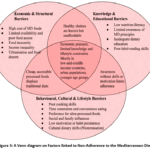 |
Figure 3: A Venn diagram on Factors linked to Non-Adherence to the Mediterranean Diet. |
Common Barriers to Mediterranean Diet Adherence
Despite known benefits, many people outside the Mediterranean region struggle to adopt the diet fully. Research has found a range of barriers that prevent higher adherence, which can be grouped into individual, cultural, economic, and environmental categories.
Although the Mediterranean diet originated in southern Europe, several dietary trends in non-Mediterranean countries differ from its healthy pattern. For example, according to a recent nutrition survey conducted in Mauritius, staples include boiled rice, white bread, pulses, vegetables and fruits, but also widespread use of blended oils and frequent consumption of fried snacks (e.g. “dholl-puri”), salty biscuits and pizza.55 These mixed eating habits combine processed, high-fat snacks with healthy foods. Moreover, only 12% of Mauritians consult nutritionists, with the majority (48%) relying on health professionals for dietary advice.55 Given the high prevalence of food-related non-communicable diseases in Mauritius, obesity affects around 17.8% of women and diabetes affects approximately 13.9% of adults,55 therefore promoting a plant-rich diet like the MD may be crucial. But in this local context, the idea of a “Mediterranean diet” can be foreign, creating concerns about public awareness, cultural fit, and other barriers to implementing its principles.
Individual factors
Among individual factors, lack of familiarity and personal preference have been two of the major constraints. Some studies such as Sam-Yellowe, (2024), have reported that unfamiliar taste and cooking methods (e.g., many vegetable dishes, legumes, olive oil flavor) reduce appeal. Low nutrition knowledge itself is a barrier: without understanding why certain foods are promoted, individuals have less motivation to change. Motivational and behavioral factors (e.g., lack of perceived self-efficacy, low priority of diet) also limit change.56 Busy lifestyles and lack of time or cooking skills can further prevent people from planning and preparing MD-style meals. Certain MD components can be unappealing: for example, only 2.6% of participants in an Australian sample found the diet affordable, and many disliked the oily foods (olive oil, yogurt) or higher vegetable consumption.5
Cultural/traditional factors
Many individuals are attached to their traditional diet. Traditional cuisines and flavors may include red meat, refined starches, or other patterns at odds with the MD. If family and social norms do not support eating vegetables or legumes regularly, adherence decreases. Sam-Yellowe (2024) notes that “cultural differences in food components and dietary habits play a large role in the non-adoption” of the MD.5 Spadaccini et al. (2025) report that in South Asia, staple grains, fat sources and religious dietary rules differ markedly from the traditional MD (e.g., rice/wheat vs. olive oil, vegetarianism), making direct adoption difficult.57 Tsofliou et al. (2022) similarly cite conflicts with established habits – for instance, a “tradition of eating a lot of red meat” in British culture – as barriers to following a Mediterranean-style diet.56 In general, entrenched family meal patterns and food beliefs (e.g., preference for local cuisines) reduce acceptance of non-traditional foods.56,5
Economic barriers
Cost frequently appears as a constraint. For example, Rubini et al. (2022) estimated that in a low-income Spanish region, the MD’s monthly cost (~ €203.6) was about 15% of disposable income, higher for those with greater adherence.58 The MD emphasizes fresh produce, olive oil, nuts, and fish items that can be more costly than processed foods or cheaper meats. In low-income populations, purchasing fruits, vegetables, fish and olive oil may be prohibitive. Indeed, studies in the UK and Northern Europe found that low-income participants viewed MD foods as “expensive” compared to their usual diet.5 Even legumes and grains, while cheap, may require cooking time or may not be familiar staples. In Mauritius and other developing regions, market prices and seasonality of fruits/vegetables also limit access.
Environmental/accessibility factors
Limited access to MD foods and local environmental context can impede adherence. Tsofliou et al. (2022) report that poor availability of fresh MD ingredients (fruits, vegetables, whole grains) due to seasonality, food deserts or market supply – is a common barrier, along with high relative cost and food insecurity in non-Mediterranean regions.56 Jamoussi et al. (2024) also found that inadequate retail/catering options (“limited choices in shops and restaurants”) hindered MD adoption in countries like Slovenia and Morocco.59 Climate/ geography issues are noted as well: Tsofliou et al. mention that living in a cold climate (where people prefer warm foods) was seen as a barrier, whereas warm climates were facilitators.56
Health-related perceptions and Behavioral and lifestyle barriers
Yet some see MD components as “unhealthy” or unsuitable for certain conditions. For instance, high oil and fat content (from olive oil and nuts) may be seen as incompatible with weight loss, despite evidence to the contrary. Others worry that a high-fiber diet could worsen digestive problems (e.g., IBS, celiac disease), or that alcohol (even moderate wine) is unsafe. In one report, potential allergic reactions or gastrointestinal discomfort were identified as barriers.5
Modern lifestyles (time pressure, convenience) and limited cooking skills are frequently reported obstacles. The systematic review by Tsofliou et al. (2022) identified “time to plan, purchase and prepare foods” and “lack of cooking skills/equipment” as key practical barriers to MD.56 They also note that factors like irregular work schedules (night shifts) and unsupportive family roles reduce adherence. Jamoussi et al. (2024) likewise found that prioritizing convenience (preference for easy-to-cook foods) was linked to lower MD adherence in all countries studied.59 In practice, people often cite lack of time, busy lives and preference for ready-made meals as reasons for not following the MD. Overall, evidence shows that time constraints, limited culinary confidence and the appeal of quick/processed foods significantly hinder MD adoption.56
Comparison with other diets
Other popular diets are sometimes perceived as easier to follow because they provide simpler rules or offer rapid feedback. Low-fat or calorie-counting diets, for example, give explicit numeric targets, and ketogenic diets can produce rapid initial weight loss. Clinical trials often report higher long-term adherence to such diets: one 2-year study found about 90% of participants remained on a low-fat diet, versus 85% on a Mediterranean diet 60 (low-carbohydrate adherence was only 78%). In contrast, the MDs’ focus on diverse whole foods and traditional dishes requires broader dietary knowledge and lifestyle changes, which can make it harder to maintain without ongoing support and education.56
Role of Socio-Demographic Factors in Influencing Knowledge and Adherence
It is clear that socio‑demographic variables strongly shape dietary choices and quality.61,62 In keeping with this, recent research predicts how closely people follow the Mediterranean Diet (MD). For example, higher education/income consistently correlate with stronger MD adherence, whereas lower education/income, younger age, and male gender tend to predict poorer adherence.63,64 Kontele et. al.64 found that adults with only primary education had higher odds of low MD adherence than those with tertiary education, and low-income individuals had higher odds of non‑adherence.64 Likewise, older adults and women generally score higher on MD indices than younger people or men.63 Other factors, such as family or household status also matter, single parents or people living alone often have the lowest MD scores, whereas well‑educated, higher‑income couples tend to have high adherence.64,61 Food costs and availability are also major barriers. In poorer populations the MD’s core components (olive oil, fresh fruits and vegetables, fish, etc.) are often expensive or hard to find.65,53 The latest evidence summarized in Table 2 below shows how education, income and related demographic factors govern both knowledge of the MD and actual adherence levels.
Table 2: Summary of the main published findings about socio-demographic determinants of nutritional knowledge and Mediterranean diet adherence.
|
Study (Year, Country) |
Population | Key Factors Examined and Main Findings (socio‐demographics) |
| Kontele et al. (2025, Greece)64 | Adults age 15–85 (N=7,706) |
Lower education (primary vs tertiary) and lower income strongly predicted low MD adherence (adjusted ORs ~2.0–2.5). The highest adherence was among tertiary‐ educated, high‐income couples without children; single parents with low education/income had the poorest adherence. |
|
(Lenzi et al., 2025) (Italian population)66 |
Adults (N≈966) |
Younger adults (18–35 years) and those with postgraduate education showed higher MD adherence. In adjusted models, higher income (≥€3000/mo) remained a significant predictor of adherence while the education effect weakened |
|
Boujelbane et al. (2025, multi-country)67 |
Adults (N=4,010 across 10 countries) |
Women reported significantly better adherence to MD foods (e.g., vegetables, legumes) than men. Overall, lower socioeconomic status was linked to more consumption of unhealthy staples (refined grains/fats) and less fruits/vegetables. |
|
(Tong et al., 2018) (UK Fenland Study)68 |
UK adults (N=12,417) |
Higher Mediterranean diet adherence was associated with slightly higher dietary cost (5.4%), and dietary cost was more strongly linked with adherence among low-SES individuals, indicating economic barriers to healthy eating. |
|
(Aguilera-Buenosvinos et al., 2025)29 |
European adults, EPIC cohort (n > 450,111) |
This large prospective EPIC cohort found that high adherence to the Mediterranean diet (score 7–9) was associated with a modestly lower incidence of obesity-related cancers compared to low adherence (score 0–3).High-adherence participants had an obesity-related cancer hazard ratio ≈0.94 relative to low-adherence participants. A similar inverse trend was seen for medium adherence. Importantly, this diet–cancer association was independent of adiposity: mediation analyses showed that BMI and waist‑to‑hip ratio did not explain the link. Overall, higher MedDiet adherence conferred a small reduction in obesity-related cancer risk. |
|
(Obeid et al., 2025)63 |
Adults in Mediterranean countries (37 studies) | This systematic review (37 cross-sectional studies, Mediterranean adults) identified socio-economic and behavioral factors linked to MedDiet adherence. It found that higher socio-economic status, regular breakfast consumption, and being unemployed/job-seeking/retired were all associated with better adherence. At the environmental level, COVID-19 lockdowns tended to boost adherence, whereas the effects of economic crises were mixed. However, most observed associations were small and study quality was low. The authors conclude that SES and environmental factors appear important, but that psychosocial and ecological determinants are underexplored, calling for more robust research in these areas. |
| (Ayoub et al., 2025)69 | Adults with T2DM (17 studies) |
This review of 17 studies in Mediterranean countries assessed MD adherence among adults with type 2 diabetes. It consistently found that older age, being married, higher education, and greater physical activity were linked to higher adherence, whereas smoking and higher BMI were linked to poorer adherence. The influence of sex, alcohol intake, and diabetes duration was mixed across studies. Overall, more health-conscious or resourceful patients (e.g. educated, active, non-smoking) tended to follow the Mediterranean diet better. The authors suggest tailoring MedDiet guidelines for T2DM (e.g., adjusting alcohol criteria) and emphasize supporting lifestyle changes (dietary and activity) to improve adherence in this population. |
|
(Lior Mor-Sasson et al., 2025)70 |
Patients with Crohn’s Disease (CD) |
In a prospective cohort of 96 Crohn’s disease patients in clinical remission, this study linked Mediterranean diet adherence to inflammatory remission. Patients classified as adherent at baseline had much higher rates of deep biochemical remission (defined by low fecal calprotectin) than non-adherent patients – for example, 96.2% vs. 79.1% in deep remission at baseline. Adherent patients also maintained higher remission rates at 3 months. The change in fecal calprotectin over time was inversely correlated with adherence to unhealthy diet components. In summary, higher MedDiet adherence was associated with lower inflammation and better biochemical remission in Crohn’s disease patients. |
|
(Villodres, Pérez and Muros, 2024)71 |
Children aged 10–12 years (n=244), |
Higher PA engagement, better academic performance, and lower screen time significantly predicted Mediterranean diet adherence; these factors explained ~22.9% of the variance in adherence scores. SES was uniform (high), but even within this group, adherence correlated positively with healthy lifestyle behaviours. |
Interventions and Strategies to Improve Adherence
Improving adherence to a healthy dietary pattern like the Mediterranean diet, requires multilevel interventions that address personal behavior and the broader food environment (Figure 4). Nutrition and health education often serve as the foundation, linking individual knowledge to environmental change.72 Frameworks from other health domains highlight that adherence depends on an interplay of individual, social and systemic factors.73 For example, the ongoing CADIMED trial in Spain found a low baseline MD adherence score of about 7.6/14 in high-risk adults, highlighting the need for targeted support.74
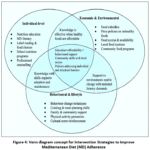 |
Figure 4: Venn diagram concept for Intervention Strategies to Improve Mediterranean Diet (MD) Adherence |
Changing the local food environment and peer culture can drive collective behavior. Institutional programs have shown strong effects: one systematic review found that modifying university canteen layouts, offering discounts on healthy items and providing nutrition labeling all significantly improved students’ food choices.75 Similarly, a 12- month intervention among U.S. firefighters which included supermarket discounts on MD foods, chef demonstrations, online education, and family/peer support, produced a significantly larger increase in MD adherence than control (about +2.7 points on the MD score). These examples show that bundling educational and environmental strategies in community settings yields meaningful improvements in diet adherence.
National policies and social campaigns shape the broader context. Aligning subsidies, food procurement standards and public guidelines with MD principles changes what foods are available and affordable. However, evidence indicates that advice alone is not enough – continuous behavioral support is crucial. In fact, real-world data show that only about 60% of patients remain fully adherent to lifestyle programs by the end, underscoring the difficulty of maintaining changes. Experts therefore recommend using behavioral-science techniques (goal-setting, personalized coaching, cultural tailoring, etc.) and long-term follow-up to make dietary changes stick.76 In practice, this means integrating MD into school curricula, media messages and food policies so that healthy choices become the easy, default option for entire communities.
In summary, various interventions show that Mediterranean diet adherence can be improved through various holistic approaches. The firefighter trial77 is particularly remarkable for its multifaceted design, which provided long-lasting improvements in adherence. For Mauritius or similar settings, community-based interventions might include cooking workshops featuring local MD-style recipes, training for health workers to advise on MD, and campaigns to increase fruit/vegetable consumption. Many countries still have a long way to go but the untold fallacies and truthfulness of the Mediterranean diet must be scientifically disentangled with substantial evidence before embarking on long-term public health nutrition-based intervention projects.
Conclusion
This review highlights that the Mediterranean diet is consistently associated with important health benefits, particularly in relation to chronic disease prevention and overall diet quality. At the same time, the review shows that adherence remains suboptimal or minimal in many populations, especially outside the Mediterranean regions. A key finding is that nutrition knowledge may support healthier dietary choices, but it is insufficient on its own to ensure adherence. Barriers such as limited accessibility and affordability of Mediterranean diet foods, cultural food preferences, time constraints, and lack of cooking skills are still major barriers to adoption of MD. Addressing these challenges will require multi-level strategies combining nutrition education with supportive food environments and policy at nation level. In addition, evidence indicates that improving adherence to the Mediterranean diet requires a comprehensive approach that goes beyond nutrition education alone. While increasing awareness is important, it must be supported by wider practical measures that make healthy eating easier to achieve in everyday life. This includes culturally appropriate interventions, improved access to Mediterranean diet foods, and food environments that promote healthier choices and encourage the intake of MD foods. In addition, future research should focus on under-researched populations and regions in order to deepen understanding of the barriers and facilitators of adherence. This will provide an opportunity for authorities to correctly determine the type of nutritional intervention strategies that could be implemented to encourage the population to adopt MD. It is also advisable that authorities in specific countries look into the possibility of producing or providing wide accessibility to food products associated with the MD to the general population.
Acknowledgement
R. Jeewon would like to thank the University of Mauritius; College of Science, King Saud University; The New Drug Discovery and Evaluation Center for international cooperation and disciplinary innovation (“111 Center”) at Zunyi Medical University and the CAS President’s International Fellowship Initiative (PIFI No 2026PVB0047). Dr Shadma Siddiqui is thankful to the College of Applied Medical Sciences in Al-Namas, University of Bisha and to the Deanship of Graduate Studies and Scientific Research at the University of Bisha, Saudi Arabia for supporting this work through the Fast-Track Research Support Program. Dr Rajesh Jeewon is also grateful to Dr Shiv U. Sohur (MD, PhD) of the Global Foundation for Community Health (GFCH, USA) for his inspiration and delightful insights in the MD and its potential implications in non-communicable diseases.
Funding Sources
The author(s) received no financial support for the research, authorship, and/or publication of this article
Conflict of Interest
The authors do not have any conflict of interest.
Data Availability Statement
This statement does not apply to this article
Ethics Statement
‘This research did not involve human participants, animal subjects, or any material that requires ethical approval.
Informed Consent Statement
No informed consent required as this is a review and does not contain freshly collected data from human subjects.
Clinical Trial Registration
This research does not involve any clinical trials.
Permission to Reproduce Material from Other Sources
Not Applicable
Author Contributions
- Sneha Gunnoo: Literature Review, Data Curation, Writing – Original Draft.
- Shadma Siddiqui: Resources, Visualization, Manuscript Editing.
- Zaynab Toorabally: Review Editing.
- Mohamad Fawzi Mahomoodally: Review Editing.
- Abdulwahed Fahad Alrefaei: Review Editing.
- Rajesh Jeewon: Conceptualization, Supervision, Resources, Visualization, Manuscript Editing, Submission.
References
- Zupo R, Castellana F, Piscitelli P, Crupi P, Desantis A, Greco E, et al. Scientific evidence supporting the newly developed one-health labeling tool “Med-Index”: an umbrella systematic review on health benefits of mediterranean diet principles and adherence in a planeterranean perspective. J Transl Med. 2023 Oct 26;21(1):755.
CrossRef - Mediterranean diet – UNESCO Intangible Cultural Heritage [Internet]. [cited 2026 Mar 12]. Available from: https://ich.unesco.org/en/RL/mediterranean-diet-00884
- Sofi F, Martini D, Angelino D, Cairella G, Campanozzi A, Danesi F, et al. Mediterranean diet: Why a new pyramid? An updated representation of the traditional Mediterranean diet by the Italian Society of Human Nutrition (SINU). Nutr Metab Cardiovasc Dis. 2025 Aug;35(8):103919.
CrossRef - https://iuns.org/2025/06/the-italian-society-of-human-nutrition-releases-a-new-mediterranean-diet-pyramid-to-promote-healthier-eating/ [Internet]. [cited 2026 Mar 12]. Available from: https://iuns.org/2025/ 06/the-italian-society-of-human-nutrition-releases-a-new-mediterranean-diet-pyramid-to-promote-healthier-eating/
- Sam-Yellowe TY. Nutritional Barriers to the Adherence to the Mediterranean Diet in Non-Mediterranean Populations. Foods. 2024 Jun 2;13(11).
CrossRef - Franquesa M, Pujol-Busquets G, García-Fernández E, Rico L, Shamirian-Pulido L, Aguilar-Martínez A, et al. Mediterranean Diet and Cardiodiabesity: A Systematic Review through Evidence-Based Answers to Key Clinical Questions. Nutrients. 2019 Mar 18;11(3).
CrossRef - Barry A, Impouma B, Wolfe CM, Campos A, Richards NC, Kalu A, et al. Non-communicable diseases in the WHO African region: analysis of risk factors, mortality, and responses based on WHO data. Sci Rep. 2025 Apr 10;15(1):12288.
CrossRef - Lachat C, Otchere S, Roberfroid D, Abdulai A, Seret FMA, Milesevic J, et al. Diet and physical activity for the prevention of noncommunicable diseases in low- and middle-income countries: a systematic policy review. PLoS Med. 2013 Jun 11;10(6):e1001465.
CrossRef - Pradhan J, Pai M, Dwivedi R, Mishra B, Behera S, Bera T, et al. Burden of non-communicable diseases in South Asia: a decomposition analysis. J Health Popul Nutr. 2025 Apr 18;44(1):124.
CrossRef - LeBlanc KE, Baer-Sinnott S, Lancaster KJ, Campos H, Lau KHK, Tucker KL, et al. Perspective: Beyond the Mediterranean Diet-Exploring Latin American, Asian, and African Heritage Diets as Cultural Models of Healthy Eating. Adv Nutr. 2024 May;15(5):100221.
CrossRef - Woodside J, Young IS, McKinley MC. Culturally adapting the Mediterranean Diet pattern – a way of promoting more “sustainable” dietary change? Br J Nutr. 2022 Aug 28;128(4):693–703.
CrossRef - Estruch R, Ros E, Salas-Salvadó J, Covas M-I, Corella D, Arós F, et al. Primary Prevention of Cardiovascular Disease with a Mediterranean Diet Supplemented with Extra-Virgin Olive Oil or Nuts. N Engl J Med. 2018 Jun 21;378(25):e34.
CrossRef - Aune D, Giovannucci E, Boffetta P, Fadnes LT, Keum N, Norat T, et al. Fruit and vegetable intake and the risk of cardiovascular disease, total cancer and all-cause mortality-a systematic review and dose-response meta-analysis of prospective studies. Int J Epidemiol. 2017 Jun 1;46(3):1029–56.
CrossRef - Glenn AJ, Aune D, Freisling H, Mohammadifard N, Kendall CWC, Salas-Salvadó J, et al. Nuts and cardiovascular disease outcomes: A review of the evidence and future directions. Nutrients. 2023 Feb 11;15(4).
CrossRef - Zhang L, Chen Y, Yang Q, Guo J, Zhou S, Zhong T, et al. The impact of dietary fiber on cardiovascular diseases: A scoping review. Nutrients. 2025 Jan 25;17(3).
CrossRef - Guasch-Ferré M, Willett WC. The Mediterranean diet and health: a comprehensive overview. J Intern Med. 2021 Sep;290(3):549–66.
CrossRef - Wu Y, Xie Y, Yuan Y, Xiong R, Hu Y, Ning K, et al. The Mediterranean Diet and Age-Related Eye Diseases: A Systematic Review. Nutrients. 2023 Apr 23;15(9).
CrossRef - Keenan TD, Agrón E, Mares J, Clemons TE, van Asten F, Swaroop A, et al. Adherence to the Mediterranean Diet and Progression to Late Age-Related Macular Degeneration in the Age-Related Eye Disease Studies 1 and 2. Ophthalmology. 2020 Nov;127(11):1515–28.
CrossRef - Díaz-López A, Babio N, Martínez-González MA, Corella D, Amor AJ, Fitó M, et al. Mediterranean diet, retinopathy, nephropathy, and microvascular diabetes complications: A post hoc analysis of a randomized trial. Diabetes Care. 2015 Nov;38(11):2134–41.
CrossRef - Grosso G, Marventano S, Yang J, Micek A, Pajak A, Scalfi L, et al. A comprehensive meta-analysis on evidence of Mediterranean diet and cardiovascular disease: Are individual components equal? Crit Rev Food Sci Nutr. 2017 Oct 13;57(15):3218–32.
CrossRef - Casas R, Sacanella E, Estruch R. The immune protective effect of the Mediterranean diet against chronic low-grade inflammatory diseases. Endocr Metab Immune Disord Drug Targets. 2014;14(4):245–54.
CrossRef - Fekete M, Varga P, Ungvari Z, Fekete JT, Buda A, Szappanos Á, et al. The role of the Mediterranean diet in reducing the risk of cognitive impairement, dementia, and Alzheimer’s disease: a meta-analysis. Geroscience. 2025 Jun;47(3):3111–30.
CrossRef - Fu J, Tan L-J, Lee JE, Shin S. Association between the mediterranean diet and cognitive health among healthy adults: A systematic review and meta-analysis. Front Nutr. 2022 Jul 28;9:946361.
CrossRef - Martínez-Lapiscina EH, Clavero P, Toledo E, Estruch R, Salas-Salvadó J, San Julián B, et al. Mediterranean diet improves cognition: the PREDIMED-NAVARRA randomised trial. J Neurol Neurosurg Psychiatr. 2013 Dec;84(12):1318–25.
CrossRef - de Batlle J, Garcia-Aymerich J, Barraza-Villarreal A, Antó JM, Romieu I. Mediterranean diet is associated with reduced asthma and rhinitis in Mexican children. Allergy. 2008 Oct;63(10):1310–6.
CrossRef - Tan K, Sun N, Chen J, Long J, Feng W, Zhang X, et al. Adherence to the Mediterranean diet and allergic diseases in Korean adults: KNHANES 2013-2016. Front Nutr. 2025 Apr 7;12:1563251.
CrossRef - Wallerer S, Stadelmaier J, Floegel E, Kiesswetter E, Bantle G, Hoffmann G, et al. Adherence to Mediterranean Diet and Risk of Type 2 Diabetes: An Updated Systematic Review and Dose-Response Meta-analysis. Adv Nutr. 2025 Dec;16(12):100562.
CrossRef - Willett WC. The Mediterranean diet: science and practice. Public Health Nutr. 2006 Feb;9(1A):105–10.
CrossRef - Aguilera-Buenosvinos I, Morales Berstein F, González-Gil EM, Dossus L, Gunter MJ, Biessy C, Masala G, Santucci De Magistris M, Laouali N, Shah S, Marques C, Heath AK, Tsilidis KK, Cross AJ, Ferrari P, Castro-Espin C, Debras C, Tumino R, Tjønneland A, Halkjær J, Drake I, Ericson U, Guevara M, Rodríguez-Barranco M, Skeie G, Braaten T, Gram IT, Dahm CC, Agnoli C, Schulze MB, Huerta JM, Martínez-González MÁ, Huybrechts I, Toledo Atucha E. Adherence to the Mediterranean Diet and Obesity-Linked Cancer Risk in EPIC. JAMA Netw Open. 2025 Feb 3;8(2):e2461031. doi: 10.1001/jamanetworkopen.2024.61031. PMID: 39998833; PMCID: PMC11862969.
CrossRef - Morze J, Danielewicz A, Przybyłowicz K, Zeng H, Hoffmann G, Schwingshackl L. An updated systematic review and meta-analysis on adherence to mediterranean diet and risk of cancer. Eur J Nutr. 2021 Apr;60(3):1561–86.
CrossRef - Khavandegar A, Heidarzadeh A, Angoorani P, Hasani-Ranjbar S, Ejtahed H-S, Larijani B, et al. Adherence to the Mediterranean diet can beneficially affect the gut microbiota composition: a systematic review. BMC Med Genomics. 2024 Apr 17;17(1):91.
CrossRef - Baghdadi G, Feyzpour M, Shahrokhi SA, Amiri R, Rahimlou M. The association between the Mediterranean Diet and the prime diet quality score and new-diagnosed irritable bowel syndrome: a matched case-control study. Front Med (Lausanne). 2025 Mar 12;12:1529374.
CrossRef - Hapuarachchi KK. Mycosphere Essays 7. Ganoderma lucidum – are the beneficial anticancer properties substantiated? Mycosphere. 2016;7(3):305–32.
CrossRef - Öngün Yilmaz H, Arslan S, Tari Selçuk K, Bayram HM, Ozturkcan A. From knowledge to action: How nutrition knowledge shapes sustainable eating and Mediterranean diet adherence. Front Nutr. 2025 Nov 17;12:1684438.
CrossRef - Aureli V, Rossi L. Nutrition knowledge as a driver of adherence to the mediterranean diet in italy. Front Nutr. 2022 Mar 21;9:804865.
CrossRef - Kucharska A, Sińska BI, Panczyk M, Samel-Kowalik P, Raciborski F, Czerwonogrodzka-Senczyna A, et al. Nutritional knowledge, sociodemographic, and lifestyle factors as determinants of diet quality – a Polish population-based study. Front Public Health. 2025 Aug 21;13:1613598.
CrossRef - Taylor MK, Sullivan DK, Ellerbeck EF, Gajewski BJ, Gibbs HD. Nutrition literacy predicts adherence to healthy/unhealthy diet patterns in adults with a nutrition-related chronic condition. Public Health Nutr. 2019 Aug;22(12):2157–69.
CrossRef - Karlik S, Dereń K. Nutritional knowledge about the Mediterranean diet and its practical application among students in Poland. Eur J Clin Exp Med. 2023 Sep;21(3):483–91.
CrossRef - Elmskini FZ, Bouh A, Labyad A, Elghoulam N, Iraqi H, Mehdad S, et al. Increased nutrition knowledge and adherence to the Mediterranean diet are associated with lower body mass index and better self-rated general health among university students. Human Nutrition and Metabolism. 2024 Mar;35:200240.
CrossRef - Beydoun MA, Wang Y. Do nutrition knowledge and beliefs modify the association of socio-economic factors and diet quality among US adults? Prev Med. 2008 Feb;46(2):145–53.
CrossRef - Martínez-González MA, García-Arellano A, Toledo E, Salas-Salvadó J, Buil-Cosiales P, Corella D, et al. A 14-item Mediterranean diet assessment tool and obesity indexes among high-risk subjects: the PREDIMED trial. PLoS ONE. 2012 Aug 14;7(8):e43134.
CrossRef - Schröder H, Fitó M, Estruch R, Martínez-González MA, Corella D, Salas-Salvadó J, et al. A short screener is valid for assessing Mediterranean diet adherence among older Spanish men and women. J Nutr. 2011 Jun 1;141(6):1140–5.
CrossRef - Hebestreit K, Yahiaoui-Doktor M, Engel C, Vetter W, Siniatchkin M, Erickson N, et al. Validation of the German version of the Mediterranean Diet Adherence Screener (MEDAS) questionnaire. BMC Cancer. 2017 May 18;17(1):341.
CrossRef - Hutchins-Wiese HL, Bales CW, Porter Starr KN. Mediterranean diet scoring systems: understanding the evolution and applications for Mediterranean and non-Mediterranean countries. Br J Nutr. 2022 Oct 14;128(7):1371–92.
CrossRef - Moroney C, O’Leary F, Flood VM. The Med-NKQ: A Reliable Mediterranean Diet Nutrition Knowledge Questionnaire for Cardiovascular Disease. Nutrients. 2021 Aug 25;13(9).
CrossRef - Trichopoulou A, Costacou T, Bamia C, Trichopoulos D. Adherence to a Mediterranean diet and survival in a Greek population. N Engl J Med. 2003 Jun 26;348(26):2599–608.
CrossRef - Stefler D, Malyutina S, Kubinova R, Pajak A, Peasey A, Pikhart H, et al. Mediterranean diet score and total and cardiovascular mortality in Eastern Europe: the HAPIEE study. Eur J Nutr. 2017 Feb;56(1):421–9.
CrossRef - Aljehani R, Aljehani G, Alharazi H, Horta PM, Kümmel Duarte C, Ghisi GL de M. The Mediterranean Diet Scale (MDS): Translation and validation of the Arabic version. PLoS ONE. 2023 Aug 24;18(8):e0287497.
CrossRef - Bamia C, Martimianaki G, Kritikou M, Trichopoulou A. Indexes for Assessing Adherence to a Mediterranean Diet from Data Measured through Brief Questionnaires: Issues Raised from the Analysis of a Greek Population Study. Curr Dev Nutr. 2017 Mar 1;1(3):e000075.
CrossRef - Marendić M, Polić N, Matek H, Oršulić L, Polašek O, Kolčić I. Mediterranean diet assessment challenges: Validation of the Croatian Version of the 14-item Mediterranean Diet Serving Score (MDSS) Questionnaire. PLoS ONE. 2021 Mar 1;16(3):e0247269.
CrossRef - Cade J, Thompson R, Burley V, Warm D. Development, validation and utilisation of food-frequency questionnaires – a review. Public Health Nutr. 2002 Aug;5(4):567–87.
CrossRef - Obeid CA, Gubbels JS, Jaalouk D, Kremers SPJ, Oenema A. Adherence to the Mediterranean diet among adults in Mediterranean countries: a systematic literature review. Eur J Nutr. 2022 Oct;61(7):3327–44.
CrossRef - Yesildemir O, Guldas M, Boqué N, Calderón-Pérez L, Degli Innocenti P, Scazzina F, et al. Adherence to the Mediterranean Diet Among Families from Four Countries in the Mediterranean Basin. Nutrients. 2025 Mar 27;17(7).
CrossRef - Damigou E, Faka A, Kouvari M, Anastasiou C, Kosti RI, Chalkias C, et al. Adherence to a Mediterranean type of diet in the world: a geographical analysis based on a systematic review of 57 studies with 1,125,560 participants. Int J Food Sci Nutr. 2023 Dec 12;74(8):799–813.
CrossRef - Mauritius-Nutrition-Survey-2022.pdf.
- Tsofliou F, Vlachos D, Hughes C, Appleton KM. Barriers and Facilitators Associated with the Adoption of and Adherence to a Mediterranean Style Diet in Adults: A Systematic Review of Published Observational and Qualitative Studies. Nutrients. 2022 Oct 15;14(20).
CrossRef - Spadaccini D, Chandran A, Gonçalves Correia FP, Janji H, Ciamparini C, Tini S, et al. South Asia-specific adaptation of Mediterranean diet principles: a mixed-methods review for practical and sustainable dietary habits. Front Nutr. 2025 Dec 23;12:1719686.
CrossRef - Rubini A, Vilaplana-Prieto C, Flor-Alemany M, Yeguas-Rosa L, Hernández-González M, Félix-García FJ, et al. Assessment of the Cost of the Mediterranean Diet in a Low-Income Region: Adherence and Relationship with Available Incomes. BMC Public Health. 2022 Jan 10;22(1):58.
CrossRef - Biggi C, Biasini B, Ogrinc N, Strojnik L, Endrizzi I, Menghi L, et al. Drivers and Barriers Influencing Adherence to the Mediterranean Diet: A Comparative Study across Five Countries. Nutrients. 2024 Jul 25;16(15).
CrossRef - Shai I, Schwarzfuchs D, Henkin Y, Shahar DR, Witkow S, Greenberg I, et al. Weight loss with a low-carbohydrate, Mediterranean, or low-fat diet. N Engl J Med. 2008 Jul 17;359(3):229–41.
CrossRef - Dunneram Y, Jeewon R. A Scientific Assessment of Sociodemographic Factors, Physical Activity Level, and Nutritional Knowledge as Determinants of Dietary Quality among Indo-Mauritian Women. J Nutr Metab. 2013 May 25;2013:572132.
CrossRef - Bhurosy T, Jeewon R. Food habits, socioeconomic status and body mass index among premenopausal and post-menopausal women in Mauritius. J Hum Nutr Diet. 2013 Jul;26 Suppl 1:114–22.
CrossRef - Obeid C, Oenema A, Jaalouk D, Kremers SPJ, Gubbels JS. Determinants of adherence to the Mediterranean diet among adults in Mediterranean countries: a systematic literature review. Public Health Nutr. 2025 Nov 7;28(1):e194.
CrossRef - Kontele I, Panagiotakos D, Yannakoulia M, Vassilakou T. Socio-Demographic Determinants of Mediterranean Diet Adherence: Results of the EU-National Health Interview Survey (EHIS-3). J Hum Nutr Diet. 2025 Feb;38(1):e70023.
CrossRef - Aquino-Blanco A, Jiménez-López E, Victoria-Montesinos D, Gutiérrez-Espinoza H, Olivares-Arancibia J, Yañéz-Sepúlveda R, et al. The Role of Food Security in Mediterranean Diet Adherence Among Adolescents: Findings from the EHDLA Study. Foods. 2025 Jan 27;14(3).
CrossRef - Lenzi FR, De Falco CC, Cavagnuolo M, Esposito V, Iazzetta F. Toward an integrated model of dietary behavior: Social determinants and adherence to the mediterranean diet. PLoS ONE. 2025 Dec 17;20(12):e0328853.
CrossRef - Boujelbane MA, Ammar A, Salem A, Kerkeni M, Trabelsi K, Bouaziz B, et al. Gender-specific insights into adherence to Mediterranean diet and lifestyle: analysis of 4,000 responses from the MEDIET4ALL project. Front Nutr. 2025 Jul 29;12:1570904.
CrossRef - Tong TYN, Imamura F, Monsivais P, Brage S, Griffin SJ, Wareham NJ, et al. Dietary cost associated with adherence to the Mediterranean diet, and its variation by socio-economic factors in the UK Fenland Study. Br J Nutr. 2018 Mar;119(6):685–94.
CrossRef - Ayoub JJ, Haidar SA, Blaak EE, De Vries NK. Determinants of adherence to the Mediterranean diet among individuals with type 2 diabetes mellitus living in Mediterranean countries: a systematic review. Front Nutr. 2025 Feb 3;12:1523995.
CrossRef - Mor-Sasson L, Sarbagili-Shabat C, Sherf-Dagan S, Zelber-Sagi S, Cohen NA, Ron Y, et al. Adherence to a Mediterranean dietary pattern is associated with biochemical remission in patients with Crohn’s disease. Clin Nutr. 2025 Oct;53:51–9.
CrossRef - Villodres GC, Salvador Pérez F, Muros JJ. Factors associated with Mediterranean diet adherence in a sample of high socio-economic status children from southern Spain. Public Health Nutr. 2024 Jan 15;27(1):e35.
CrossRef - Carvalho GP, Costa-Camilo E, Duarte I. Advancing health and sustainability: A holistic approach to food production and dietary habits. Foods. 2024 Nov 27;13(23).
CrossRef - Highton PJ, Funnell MP, Gupta P, Zaccardi F, Lim L-L, Seidu S, et al. Improving medication adherence in type 2 diabetes: strategies for better clinical and economic outcomes. Diabetologia. 2026 Mar;69(3):541–56.
CrossRef - Chávez-Alfaro L, Tenorio Jiménez C, Silveira-Sanguino V, Noguera Gómez MJ, Fernández-Moreno C, Rodríguez Cuesta AM, et al. Intervention design and adherence to Mediterranean diet in the Cardiovascular Risk Prevention with a Mediterranean Dietary Pattern Reduced in Saturated Fat (CADIMED) randomized trial. Nutr Res. 2025 Apr;136:120–32.
CrossRef - Silva SS, Rocha A, Viegas C. Strategies for increased adherence to the Mediterranean or healthy diet in university food services: a systematic review. Int J Food Sci Nutr. 2025 May;76(3):239–64.
CrossRef - Bailey RR. Goal setting and action planning for health behavior change. Am J Lifestyle Med. 2019;13(6):615–8.
CrossRef - Hershey MS, Chang C-R, Sotos-Prieto M, Fernandez-Montero A, Cash SB, Christophi CA, et al. Effect of a nutrition intervention on mediterranean diet adherence among firefighters: A cluster randomized clinical trial. JAMA Netw Open. 2023 Aug 1;6(8):e2329147.
CrossRef
 PlumX:
 Views: 8895
  PDF Downloads:
1294
PDF Downloads:
1294 
Accepted on: 07 Apr 2026
Second Review by: Sarah Jane Monica
Final Approval by: Dr. Vikas Kumar





Web of Science Coverage
Emerging Sources Citation Index (ESCI)
2024 Journal Impact Factor: 1.1
Scopus Journal Metrics
CiteScore 2025: 2.6
CiteScore Details
Sustainable Nutrition: Food Systems, Nutrient Retention, and Public Health Impact

This journal is a member of, and subscribes to the principles of, the Committee on Publication Ethics (COPE)