
Phytochemical and Elemental Profiling of Himalayan Apple Pomace Cultivars Using HPLC, ICP-OES, and GC-MS: A Multi-Technique Analytical Study.
 , Avinash Sharma2, Satyanshi Pundeer2, Pankaj Kumar Chauhan1* and Mohammad Arham Siddiqui3
 1Faculty of Applied Sciences and Biotechnology, Shoolini University, Solan, India
2Department of Biotechnology, Graphic Era (Deemed to be University), Dehradun,Uttarakhand,India
3Department of Microbiology, Graphic Era (Deemed to be University), Dehradun,Uttarakhand, India
Corresponding Author Email:chauhanbiochem084@gmail.com
DOI : http://dx.doi.org/10.12944/CRNFSJ.14.Special-Issue-June.06
Download this article as:

Apples constitute a significant portion of global fruit cultivation, especially observed in temperate zones. This study evaluates the chemical, antibacterial, antioxidant, and phytochemical profiles, alongside the elemental composition, of apple pomace derived from three Himalayan cultivars i.e. Granny Smith, Fuji, and Golden Delicious. By using sophisticated analytical methodologies, this research work identifies Golden Delicious pomace as possessing the highest concentrations of total polyphenols (114.29 µg GAE/mg) and flavonoids (1448.33 µg RE/mg). This cultivar demonstrated superior antioxidant capacity, characterized by a radical scavenging activity (%RSA) of 80.95 ± 0.1% and an IC50 value of 57.109 µg/ml.Analysis of the Golden Delicious extract via High-performance liquid chromatography (HPLC) confirmed the presence of significant polyphenolic constituents, including quercetin (53.021 mg/100 g), gallic acid (2.582 mg/100 g), p-coumaric acid (21.287 mg/100 g) and chlorogenic acid (4.709 mg/100 g). Conversely, Inductively Coupled Plasma Optical Emission Spectroscopy (ICP-OES) demonstrated that Granny Smith pomace contained the highest proportions of essential minerals, specifically potassium (6785.61 mg/100 g), sodium (401.55 mg/100 g), and iron (175.58 mg/100 g). Furthermore, the identification of bioactive volatile compounds, including DDMP, maltose, n-hexadecanoic acid, and 5-hydroxymethylfurfural, highlights the complex aromatic and flavouring properties of the pomace.These findings underscore the significant bioactivity and nutritional value of apple pomace, suggesting its viability for integration into nutraceutical formulations, functional foods, and sustainable food processing frameworks. Future research should prioritize the investigation of the bioavailability and therapeutic potential of these bioactive species to fully realize their applications within the pharmaceutical and food industries.
KEYWORDS:Apple pomace; Bioactive compounds; GC-MS; HPLC; Himalayan cultivars; ICP-OES
Introduction
Apples (Malus domestica Borkh.) constitute one of the most extensively cultivated fruit crops globally, predominantly within temperate regions. The industrial processing of apples into derivatives such as juice and cider generates substantial quantities of by-products, primarily apple pomace. This agro-industrial residue, comprising the peel, core, seeds, and residual pulp,accounts for approximately 25–35% of the initial fruit mass.1 Due to its high moisture content and inherent perishability, apple pomace presents significant environmental and logistical challenges regarding its disposal and management. Consequently, contemporary focus on sustainability and circular economy principles has intensified efforts to repurpose these by-products.
Apple pomace has emerged as a promising source of bioactive compounds, particularly polyphenols such as epicatechin, quercetin glycosides, chlorogenic acid, phloridzin, and 3-hydroxy-phloridzin. Research has demonstrated that these phytochemicals possess potent antioxidant and anti-inflammatory properties.2 Accumulating evidence highlights their efficacy in modulating oxidative stress and inflammation, which are two critical mechanisms associated with the pathogenesis of chronic conditions, including cardiovascular diseases, neurodegenerative disorders, and specific malignancies.3Beyond its antioxidant capacity, apple pomace is recognized for its antimicrobial potential. Polyphenol-rich pomace can mitigate the proliferation of pathogenic bacteria and enhance gut microbiota, facilitating its application as a natural preservative and functional ingredient in food systems.4 Notably, the phytochemical profile of apple pomace varies significantly based on cultivar, geographical origin, and agricultural practices factors that are decisive in determining its overall bioactivity and utility. Varieties characterized by elevated levels of polyphenols, essential oils, and dietary fibre exert enhanced antimicrobial activity by disrupting microbial membranes, inhibiting enzymatic processes, and modifying gut microflora.5 Furthermore, apple pomace remains a nutrient-dense resource for macro and micro minerals like potassium, calcium, and magnesium.6 Sustainable solvent extraction technologies with food-grade and eco-friendly application are proposed to enhance phenolic yield.7 Apple pomace has been successfully integrated into a plethora of products, such as bakery goods, jams, marmalades, fermented beverages, and meat products, resulting in improved nutritional quality, shelf life, and product stability.8 The present study was conducted to investigate the phytochemical composition, volatile state, and elemental components of three Himalayan apple varieties (Granny Smith, Fuji, and Golden Delicious). These varieties were selected for their unique biochemical characteristics and specific local geographical context. To achieve a rigorous assessment, gas chromatography-mass spectrometry (GC-MS), high-performance liquid chromatography (HPLC), and inductively coupled plasma optical emission spectroscopy (ICP-OES) were implemented. The result of this present study gives acritical insight into the functional and nutritional value of apple pomace, in order to the utilization in sustainable food systems, in addition to thefunctional foods and nutraceuticals.
Materials and Methods
Collection of Samples and Pre-Processing
Three apple cultivars (Granny Smith, Golden Delicious, and Fuji) were collected from the market of Solan, Himachal Pradesh, India. The identity and credibility were carefully verified and confirmed by Dr. Y.S. Parmar from the Department of Fruit Science at University of Horticulture and Forestry, Nauni, Solan (Himachal Pradesh, India).
Cleaning and Disinfection
The apples were cleaned systematically so as to remove surface contaminated compounds and minimize the presence of microorganisms. The fruit was initially soaked in a 0.1% (w/v) potassium permanganate (KMnO₄) solution for 10 minutes to eliminate potential microorganisms. Following the method of disinfection, the apples were rinsed using tap water to remove any remaining KMnO₄, soil particles, and dust.
Pre-Processing and Blanching
The apples were cleaned systematically to eliminate surface contaminated compounds and microbial contamination. First, the fruit was bathed in 0.1% (w/v) potassium permanganate (KMnO₄) solution for 10 min to exclude microorganisms. Apples were rinsed with tap water to remove remaining KMnO₄, soil particles, and dust, following the disinfection method.
Pomace Preparation
Once cleaned, apples were sliced uniformly and soaked in a solution with 100 mg/L potassium metabisulfite (K₂S₂O₅) at 85°C for 15 min in a 1:1 (w/v) fruit-to-solution ratio. This blanching process is necessary to halt enzymatic browning, sustain phytochemical integrity, deactivate spoilage enzymes, and preserve the quality of the pomace.
Powdering and Storage
The pomace from the dehydrated apple was powdered by a laboratory grinder and then sifted through a standard mesh sieve to obtain uniform particle size. The powdered apple pomace was maintained in airtight, moisture-proof pouches at an ambient temperature of ~25 °C and shielded from light and humidity until the analyses were conducted.
Extract Preparation
Powdered apple pomace was weighed and added to a conical 500 mL flask.The extraction solvent selected was methanol, mainly due to its high polarity (easier to solubilize phenolic compounds), volatility (easy to withdraw once extracted), and an inherent antimicrobial property (low microbial degradation during extraction). 150 mL of methanol in a 80% volume/volume ratio was added to the flask. The application of methanol at 80% concentration has been well-characterized as an efficient extractor for polyphenols and flavonoids.9 The extraction was carried out by continuous agitation at a speed of 150 revolutions per minute in an orbital shakerat 25±2°C for 48 h. For this study, methanol extraction was utilized. Under these conditions, an extended contact period combined with continuous agitation of the substrate assisted optimal solvent penetration into the plant matrix. Consequently, this approach enhanced the extraction efficiency of the targeted bioactive components. Whatman No. 1 filter paper was used to filter the mixture to separate solid residues from the extract. A concentrated filter was then prepared at 60°C in a rotary evaporator at low pressure. The intention was to achieve methanol removal while thermolabile phenolic compounds were retained. The resulting extract was transferred into Falcon tubes and stored at -20°C, followed by phytochemical and antioxidant analyses.
Determination of phytochemicals in apple pomace of selected cultivars
Assessment of Total Phenolic Content (TPC)
To quantify the TPC within the methanolic apple pomace extracts, the researchers employed the Folin-Ciocalteu colorimetric assay. Initially, a 20 µg aliquot of the extract was placed into a reaction vessel and diluted with distilled water to a final volume of 1.0 mL. Subsequently, 500 µL of Folin-Ciocalteu reagent was introduced, followed by the addition of 2.5 mL of a 20% (w/v) sodium carbonate (Na₂CO₃) solution. To ensure uniform reaction conditions and stabilize the resulting chromophores, the solution was homogenized via rapid vortexing.The mixture was then incubated in a light-restricted environment at a stabilized temperature of 25 ± 2 °C for 30 minutes to facilitate complete colour development. Following this interval, the absorbance was measured at 765 nm using a UV-Visible spectrophotometer. Quantitative measurements were derived from a gallic acid standard calibration curve spanning 50–300 µg/mL. The final TPC values were normalized and expressed as milligrams of gallic acid equivalents per 100 g of sample (mg GAE/100 g).10
Quantification of Total Flavonoid Content (TFC)
The TFC was determined according to the aluminium chloride colorimetric method.111 mL sample of the methanolic extract (concentration: 1 mg/mL) was combined with 1.25 mL of distilled water and treated with 75 µL of 5% NaNO₂. After a 6-minute reaction period, 150 µL of 10% AlCl₃ was added to the mixture. Following an additional 5-minute incubation, the reaction was neutralized by the incorporation of 1 mL of 1M NaOH.The absorbance of the resulting pink chromogenic complex was recorded promptly at 510 nm, utilizing a distilled water blank as a baseline reference. Quantitative flavonoid data were normalized and reported as milligrams of quercetin equivalents per gram of dry extract (mg QE/g).
Antioxidant Activity of Apple Pomace
DPPH Radical Scavenging Activity
The free radical scavenging activity was assessed for the three apple cultivars.12For downstream analysis, stock solutions were prepared at a concentration of 1 mg/mL using methanol (MeOH) as the solvent. These primary stocks were subsequently utilized to generate a series of methanolic working solutions with concentrations ranging from 10 and 100 µg/mL. 300 µl were then added to the methanolic solution containing 2700 µl DPPH (4 mg/100 ml) for each concentration. For 60 minutes, the mixture was incubated in the dark (at room temperature 37°C). The free radical scavenging efficacy of the extracts was evaluated by monitoring the decolorization of the stable radical solution. Absorbance measurements were recorded spectrophotometrically at a wavelength of 517nm, where the transition from a characteristic purple coloration to a colourless or pale-yellow state served as the indicator of antioxidant activity. Ascorbic acid was used as a positive control.13
Ferric Reducing Antioxidant Power
The antioxidant potential of the samples was further characterized using the FRAP assay.14 This technique quantifies the formation of a chromogenic complex resulting from the reduction of ferric (Fe³⁺) ions to ferrous (Fe²⁺) ions, with detection occurring at 700 nm.In this procedure, 10 µL of either the test samples (at various concentrations) or the ascorbic acid standard was integrated with 40 µL of 0.2 M sodium phosphate buffer (pH 6.6) and 50 µL of a 1% potassium ferricyanide [K₃Fe(CN)₆] solution. The resulting mixture was homogenized via vortexing and then incubated for 20 minutes at 50 °C. To halt the reaction, 50 µL of 10% trichloroacetic acid (TCA) was added, followed by the addition of 50 µL of deionized water and 50 µL of 0.1% ferric chloride.Absorbance values for the final coloured complex were captured at 700 nm using a microplate reader. Increased absorbance readings were interpreted as an indication of higher ferric reducing antioxidant potential. All data points were collected in triplicate, and the results are presented as mean absorbance values across the tested concentration range.
Inductively coupled plasma optical emission spectroscopy Profiling for mineral compositions
ICP-OES characterization was implemented for analyzing mineral content of all three cultivars. The analysis employed ICP-OES to investigate 14 crucial minerals necessary for proper physiological function, including Na, Mg, Al, K, Ca, Cr, Mn, Fe, Ni, Cu, As, Se, Pb. The apple pomace from the chosen apple cultivars was used for the analysis.
GC-MS Profiling
For this study, the volatile profile of pomace derived from various apple cultivars was analysed using a Thermo Fisher (USA) TRIPLE QUAD GC-MS instrument. To prepare the samples, a methanol extract was generated via a 1:10 dilution.15 The chromatographic separation utilized a DB-5 column (dimensions: 40 mm × 0.15 mm i.d.; 0.15 μm film thickness) with an integrated autosampler. The oven temperature program began with an initial hold at 80°C for 1 minute, followed by a ramp of 10°C/min until reaching 180°C. After maintaining this temperature for 2 minutes, the heat was increased at the same rate to a 260°C maximum, where it remained for an additional 15 minutes. The transfer line temperature was held at 250°C, and helium was employed as the mobile phase at a steady flow of 0.7 mL/min. Injection parameters included a 1 μL volume and a split ratio of 71:4. Ionization of the analytes was performed through electron impact at 70 eV, with the source temperature stabilized at 230°C. Mass spectra were collected across a scan range of 45–450 m/z. Compound identification and spectral processing were conducted using the Thermo Xcalibur platform. Final characterization of the detected volatiles involved a comparison of mass spectral data against the NIST library database, utilizing probability-based matching and supplementary literature references.
HPLC Analysis
The polyphenolic composition of apples could contribute to several phytochemical activities associated with human health. The analysis usedHPLC to quantify several specific phytochemicals, especially gallic acid, quercetin, ferulic acid, chlorogenic acid, and p-coumaric acid, which possess considerable potential for health enhancement in diverse clinical situations.16,17Consequently, rigorous quantification of these compounds within apple pomace is essential to fully characterize the medicinal and nutritional profiles of these specific apple varieties.
Development of method
Phenolic molecules were detected by reversed-phase high-performance liquid chromatography (RP-HPLC).18 A water system, which contains an autosampler along with a Diode Array Detector (DAD), was utilized. The substances were separated using a C18 column (4.6 b × 250 mm, 5μm particle size). This concept was developed and confirmed by referring to commercially available chemicals like chlorogenic acid, gallic acid, ferulic acid, quercetin, and p-coumaric acid. The common stock solutions of phenolic compounds were prepared at 1.0 μg μL⁻¹ concentration, in standard solution format at a solvent which is HPLC-grade methanol. Gallic acid, chlorogenic acid, p-coumaric acid, ferulic acid and quercetin were the criteria and were included in this study.
All standards were analytically certified with a purity of ≥98% and were purchased from accredited suppliers for high accuracy and reliability of quantification. Phenolic compounds were separated according to a gradient solvent treatment system using acetic acid (solvent A) and methanol (solvent B). The flow rate was maintained at a constant 0.5 mL/min. Chromatographic separation was performed using a stepwise gradient program. The mobile phase initial conditions were 20% solvent A, increasing to 25% A at 5 minutes and held until 10 minutes. Subsequently, solvent A was increased to 30% at 12 minutes. At 15 minutes, the composition reached 60% A (40% B). The gradient was then adjusted to 30% A at 22 minutes and returned to 25% A at 27 minutes. The injection volume was 20 µL, and phenolic compounds were monitored at a detection wavelength of 280 nm.
Statistical Analysis
Experimental data for TPC, TFC, DPPH, and FRAP assays were obtained in triplicate and expressed as mean ± SD (n = 3). Statistical significance was evaluated using one-way ANOVA at p < 0.05. Instrumental analyses including GC-MS, HPLC, and mineral profiling were performed as single determinations.
Results
Total Phenolic and Flavonoid Content in Apple Pomace Extracts
There are significant ranges in total phenolic content (TPC) of three apple cultivars, ranging from 114.29 ± 0.005 µg GAE/mg for Golden Delicious to 28.63 ± 0.008 µg GAE/mg for Fuji apple (Table 1). The regression equation of a calibration curve was utilized to determine the TPC of three different extracts (y = 0.0099x + 0.4345, R² = 0.9976). Significant differences in TPC was also found between Golden and Granny Smith apple pomace extracts, with comparatively much higher values than Granny Smith apples. Total flavonoids were calculated by means of the linear regression equations of calibration curve (y = 0.0001x + 0.0025, R² = 0.9941). The highest total flavonoid content (TFC) content was observed in the Golden Delicious apple and the lowest in the extract of Granny Smith apple pomace, respectively. The TFC values for all apple pomace extracts were statistically significantly different, according to the study.
Table 1: Total phenolics and flavonoids content of selected apple cultivars. The Values are expressed as mean ± standard deviation (n = 3).
|
SAMPLES |
TOTAL PHENOLIC CONTENT
(µg GAE/mg sample) |
TOTAL FLAVONOID CONTENT (µg RE/mg sample) |
|
GOLDEN DELICIOUS |
114.29±0.23 | 1448.33±0.21 |
|
GRANNY SMITH |
4.09± 0.05 |
288.33±0.30 |
| FUJI | 28.63±0.30 |
748.33±.0.24 |
Antioxidant activity of apple pomace
DPPH Radical Scavenging Activity
The percentage inhibition of DPPH radicals increased with increasing concentrations of samples (Gulcin et al., 2023). By using methanol as the solvent, the antioxidant activity was evaluated, which showed a concentration-dependent increase in the inhibition of the DPPH radicals for Golden Delicious, Granny Smith, and Fuji apple cultivars. Scavenging activities were 80.95%, 57.149%, and 55.49%, respectively, with ascorbic acid serving as the reference standard (Table 2). These findings pique interest regarding the antioxidant activity of various apple cultivars, indicating variable scavenging capacities for various cultivars.
Table 2: DPPH assay of pomace of selected apple cultivars. The Values are expressed as mean ± standard deviation (n = 3).
|
Apple cultivars |
DPPH ASSAY |
|
|
SAMPLES |
(%RSA) | (IC50 VALUE) |
|
GOLDEN DELICIOUS |
80.95±0.25 | 56.75 |
| GRANNY SMITH | 57.15±0.15 |
87.074 |
|
FUJI |
55.49 ± 0.20 | 91.59 |
| ASCORBIC ACID | 86.29± 0.20 |
61.86 |
Higher percentage of radical scavenging activity (%RSA) is indicative of higher antioxidant activity with higher concentration. After analysis of the sample, Golden Delicious pomace displayed highest scavenging activity, ~80% RSA at a concentration of 100 µg/ml. This was even higher than Granny Smith and Fuji, which had approximately 60% RSA each at the same concentration. Ascorbic acid was anticipated to be the most efficient antioxidant of all compounds and showed more than 90% RSA (concentration: 100 µg/ml). While all apple pomace extracts exhibited significant antioxidant capacity, the Golden Delicious variety demonstrated superior free radical scavenging activity. These findings highlight its potential for use in functional foods or nutraceutical formulations.
FRAP Assay
This study performed FRAP assay that assesses antioxidant activity of Golden Delicious, Granny Smith, and Fuji apple varieties. The results indicated at an increase of antioxidant effects with apple concentration increase. The antioxidant activities were measured and reported as percentages: 115.48%, 118.55%, and 106.23%, respectively. The reference standard is ascorbic acid for comparison (Table 3). To the IC50 values obtained, 62.1, 62.183 and 91.59 were obtained. For ascorbic acid, the value was adjusted to a reference value of 95.316.
Table 3: FRAP Assay of selected apple cultivars. The Values are expressed as mean ± standard deviation (n = 3).
|
Apple cultivars |
FRAP ASSAY |
|
SAMPLES |
(%RSA) |
| GOLDEN DELICIOUS |
115.48 ± 0.34 |
|
GRANNY SMITH |
118.55 ± 0.30 |
| FUJI |
106.23 ± 0.86 |
|
ASCORBIC ACID |
80.48 ± 0.11 |
Fuji showed the highest reducing power of any of the apple varieties at lower concentrations (20–80 µg/ml), whilst Granny Smith showed the highest activity at the maximum concentration (160 µg/ml), significantly higher than Golden Delicious and the standard. Golden Delicious had stable mean activity below the other two selections for the duration of the study. Ascorbic acid showed a linear increase of FRAP activity; its effectiveness was still lower than those of the apple extracts at comparable concentrations. These results indicate that the antioxidant potential of apple extracts, probably attributable to their polyphenol levels, might surpass that of ascorbic acid, with the Fuji and Granny Smith varieties serving as especially rich sources of natural antioxidants.
Mineral Analysis
Among apple pomace minerals, calcium, magnesium, iron, potassium, sodium, and selenium are considered greatly abundant according to ICPOES analysis, thus confirming that apple pomace should be anreliant source (Table 4). Calcium is the most commonly stored nutrient in the humans, and plays important physiological roles including muscle contraction, neuronal signalling, and hormonal regulation. Magnesium is involved in coordinating calcium metabolism, ATP activation, and maintaining calcium concentration.
Table 4: Mineral content of apple pomace powder of selected apple cultivars
|
Minerals |
Concentration (mg/100g) | ||
| Golden Delicious | Granny Smith |
Fuji |
|
|
Calcium |
318.61 | 28.07 | 45.22 |
| Copper | 1.7 | 5.11 |
21.62 |
|
Iron |
36.71 | 175.58 | 28.5 |
| Potassium | 4988.85 | 6785.61 |
4232.69 |
|
Manganese |
3.99 | 2.39 | 0.29 |
| Magnesium | 34.48 | 19.05 |
4.87 |
|
Sodium |
298.86 | 401.55 |
449.64 |
*Note:Mineral composition analysis was performed as a single instrumental determination using ICP/AAS analysis, and values represent individual measurements.
GC-MS Analysis
Gas Chromatography-Mass Spectrometry (GC-MS) analysis of methanolic extracts derived from Fuji, Granny Smith, and Golden Delicious apple pomace powders revealed a diverse profile of phytochemicals and bioactive constituents. Detailed identification and quantification of these compounds are summarized in Table 5. When analyzing the volatile composition of these three apple varieties, a variety of chemical classes were confirmed, such as aldehydes, alcohols, esters, ketones, sugars, phenolic compounds with the relative abundances in percentage forms. Fuji and Granny Smith pomace also showed the presence of aldehydes like furfural and 3-furaldehyde, with significantly high abundance in Fuji. Fuji pomace shows higher furfural and 5-hydroxymethylfurfural (HMF) concentration than Granny Smith pomace, indicating high potential for antioxidant activity through bioactivity of these ingredients. In contrast Golden Delicious pomace shows HMF in its profile, however it has no other aldehydes; this suggests an aldehyde composition profile characterising how it will taste and preserve. Granny Smith only comprises alcohols, including 2-furanethanol and 1-deoxy-d-mannitol. A wide band of these same alcohols in Granny Smith apples reflect different metabolic pathways present in this variety, which may allow them to achieve their distinctive flavours (and health benefits) including prebiotic influence of 1-deoxy-d-mannitol. While 2-furanethanol also acts as a protective agent, protecting cells from oxidative stress, and increases the apple’s general health benefits. 1-deoxy-d-mannitol (a sugar alcohol) is a beneficial prebiotic that helps for beneficial gut stimulation.
Granny Smith and Golden Delicious apples are frequently noted to contain esters that aid in the deliciousness and flavour composition of these fruits. Granny Smith has almost no more than acetic acid esters and cyclopropanetetradecanoic acid esters, and Golden Delicious comes laden with complex esters like oxiraneoctanoic acid and 1,3-dioxolane derivatives. Different flavor profiles of those cultivars could greatly influence the choice and taste properties of consumers.
Table 5: The contents (%) of volatile compounds present in the selected apple cultivars
|
Class |
Compounds | RT | CAS No. | Fuji | Granny Smith |
Golden |
|
Aldehyde |
Furfural | 4.92 | 98-01-1 | 65.74 | 2.08 | ND |
| 3-furaldehyde | 4.92 | 498-60-2 | 5.98 | 2.08 |
ND |
|
|
5-Hydroxymethylfurfural |
11.9 | 67-47-0 | 65.74 | ND | 55.44 | |
| Alcohol | 2-furanethanol, α-methoxy-(s)- | 6.53 | 101996-92-3 | ND | 2.18 |
ND |
|
1-deoxy-d-mannitol |
8.32 | 60965-81-3 | ND | 2.25 | ND | |
| Ester | acetic acid, 1-(2-hydroxy-1-methyl-ethyl)-3-methoxymethoxy-2-methyl-propyl ester | 8.32 | NA | ND | 2.25 |
ND |
|
cyclopropanetetradecanoic acid, 2-octyl-, methyl ester |
8.32 | 52355-42-7 | ND | 2.25 | ND | |
| Carbonic acid, but-2-yn-1-yl undecyl ester | 8.04 | NA | 2.09 | ND |
ND |
|
|
E-9-Methyl-8-tridecen-2-ol, acetate |
21.15 | NA | ND | 1.01 | 1.99 | |
| Oxiraneoctanoic acid, 3-octyl-, methyl ester, cis- | 21.15 | 2566-91-8 | ND | 2.26 |
1.99 |
|
|
1,3-Dioxolane-4-prop-2-enoic acid, 2,2-dimethyl-5-[2-(2-trimethylsilyl-ethoxymethoxy)propyl]-, methyl ester |
21.15 | NA | ND | ND | 1.99 | |
| Methyl 1-ethylcyclooctanecarboxylate | 18.3 | 7393-18-2 | ND | ND |
2.31 |
|
|
Ketones |
cyclohexanone, 3-(4-hydroxybutyl)-2-methyl | 6.53 | 91212-98-5 | ND | 2.18 | ND |
| 1-Oxaspiro[2.5]octan-4-one, 2,2-dimethyl- | 8.04 | 50786-09-9 | 2.09 | ND |
ND |
|
|
4-Hepten-3-one, 4-methyl- |
11.9 | 22319-31-9 | ND | ND | 55.44 | |
| 1,3-Dioxocane, 2-pentadecyl- | 13.61 | 41583-11-3 | ND | ND |
2.85 |
|
|
Z-5-Methyl-6-heneicosen-11-one |
18.3 | NA | 1.15 | ND | 2.31 | |
| Sugars | Maltose | 13.61 | 69-79-4 | 2.19 | 2.95 |
1.99 |
|
α-D-Glucopyranose, 4-O-α-D-galactopyranosyl- |
13.61 | 14641-93-1 | 2.19 | 2.85 | ND | |
| Melezitose | 21.15 | 597-12-6 | 2.19 | 1.99 |
ND |
|
|
Phenolic compound |
4-Mercaptophenol | 11.9 | 637-89-8 | 65.74 | 55.44 |
70.96 |
*Note: GC-MS analysis was performed as a representative instrumental run for compound identification and relative peak area profiling.
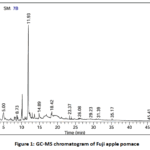 |
Figure 1: GC-MS chromatogram of Fuji apple pomace |
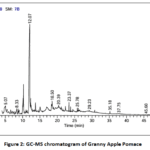 |
Figure 2: GC-MS chromatogram of Granny Apple Pomace |
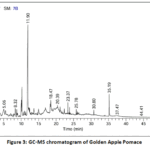 |
Figure 3: GC-MS chromatogram of Golden Apple Pomace |
HPLC Analysis
As all three apple varieties were extracted with equivalent concentration of a specific polyphenol (Rana et al., 2014), quercetin was the most dominant polyphenol found. Gallic acid levels show remarkable consistency across apple varieties. The maximum amounts of gallic acid exist in Fuji apple which is demonstrated by Figure 6; however, it has minimal variations. The concentrations of quercetin in all three apple pomace cultivars were similar as shown in Figures 4, 5 and 6. p-coumaricacid was only found in Golden apple pomace. p-Coumaric acid in Golden apple pomace is an exceptional health agent for this cultivar. The current study demonstrates that apple pomace derived from these specific cultivars contains potent phenolic acids and flavonoids. These bioactive compounds represent significant raw materials for the development of nutraceutical and pharmaceutical products.
The table shows the comparative concentration (mg/100 g or similar units) of key phenolic compounds gallic acid, quercetin, p-coumaric acid, chlorogenic acid, and Ferulic acid, found in the pomace of three different apple cultivars: Fuji, Granny Smith, and Golden Delicious.
Table 6: Composition of Phenolic Compounds (mg/100g) in apple pomace from Various Cultivars
| Compounds | Fuji | Granny | Golden |
| Gallic acid | 115.657 | 131.667 | 19.371 |
| Quercetin | 0.006 | 0.016 | ND |
| p-coumaric acid | ND | 0.187 | 0.295 |
| Chlorogenic acid | 0.075 | ND | 0.058 |
| Ferulic acid | ND | 0.011 | 0.039 |
ND- Not Detected
*Note: HPLC quantification represents a single instrumental determination
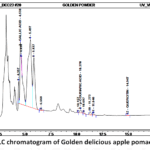 |
Figure 4: HPLC chromatogram of Golden delicious apple pomace at 280 nm. |
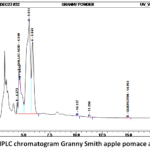 |
Figure 5: HPLC chromatogram Granny Smith apple pomace at 280 nm. |
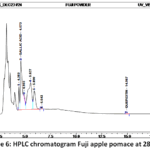 |
Figure 6: HPLC chromatogram Fuji apple pomace at 280nm |
Discussion
The considerably high TPC found in Golden Delicious compared with Fuji and Granny Smith implies cultivar differences in phytochemical production. Genetic constitution, environment, ripeness state, postharvest treatment, and fertilizer application were all known to contribute to such variations.19 (Bahukhand et al., 2018). The TPC recorded in the current study was higher compared to previous findings which demonstrating the impact of geographical and varietal differences.9 Similarly, the trend in TFC differed, with Fuji showing the highest level of flavonoids, pointing to variations in flavonoid production among different varieties. A dose-dependent effect was evident in the DPPH test results.20 Golden Delicious demonstrated excellent free-radical scavenging ability that can be explained by higher polyphenols and flavonoids. This finding reinforces the correlation between antioxidants and phenolic substances and highlights the potential use of Golden Delicious pomace in functional foods. In addition to the DPPH results, FRAP analysis also validated the antioxidant properties of apple pomace extracts. Whereas Fuji had good reducing activity at low concentrations, Granny Smith had better activity at high concentration levels. The antioxidant properties of the apple extracts were higher compared to ascorbic acid at equal concentrations, implying that the presence of various polyphenolic compounds could contribute to their antioxidant efficiency. Based on the mineral composition revealed by ICP-OES, apple pomace can serve as a useful source of dietary minerals for the body. Among other elements, calcium, magnesium, potassium, sodium, iron, and selenium play critical roles in muscle contraction, nervous impulse conduction, immunity, antioxidant action, and cardiovascular system maintenance.21-23 The presence of large amounts of minerals in Granny Smith pomace makes it a promising component for nutraceutical products.5. It was found that the concentration profile of volatiles differed significantly between varieties. Fuji pomace had an increased content of furfural and HMF, compounds possessing antioxidant properties and anti-inflammatory activity.24 Granny Smith pomace exhibited a more diverse group of alcohol compounds, such as 1-deoxy-d-mannitol, which can have prebiotic properties and be useful for glycemic regulation. The presence of esters, ketones, and sugars is related not only to the organoleptic profile of samples, but also their biological activity and preservation potential.25 Increased levels of phenolic substances in the case of Golden Delicious pomace also emphasize their antioxidant and nutraceutical potentials. The HPLC analysis indicated that essential phenols, mainly quercetin, gallic acid, and p-coumaric acid, were present in significant amounts. Quercetin was found in large amounts in all cultivars and is known to have antioxidant, anti-inflammatory, and cardioprotective effects.26 The presence of p-coumaric acid only in Golden Delicious might account for better antioxidant activity. This result confirms that apple pomace could be used as a source of bioactive compounds in pharmacological and nutraceutical fields.27
Conclusion
The phytochemical composition, antioxidant and elemental evaluation of apple pomace from three different apple cultivars (Granny Smith, Fuji and Golden Delicious) is essentialfor their future prospects functional food and nutraceuticals. The result highlighted the great amount of beneficial bioactive compounds along with essential minerals present in apple pomace, suggesting that the food fortification properties of a fruit could serve a purpose with an emphasis toward health as well. As a result of this comprehensive review of the phytochemicals, as well as volatile, antioxidant, and elemental profiles of apple pomace of three major grown apple varieties- Granny Smith, Fuji, and Golden Delicious, insights could be drawn in regard to the bioactive properties of this agro-industrial byproduct.Through the use of advanced analytical technologies including High-Performance Liquid Chromatography (HPLC), Gas Chromatography-Mass Spectrometry (GC-MS), and Inductively Coupled Plasma Optical Emission Spectrometry (ICP-OES), the nutritional and functional features of the varieties were well-recorded. Presence of Gallic acid is high in the ‘Granny smith’ cultivour than others which is 131.667. Fuji showed the highest reducing power of any of the apple varieties at lower concentrations at 20–80 µg/ml. Specifically, its total phenolic content (TPC) and total flavonoid content (TFC) were significantly higher, correlating with the results of the antioxidant assays. ‘Golden Delicious’ also demonstrated the highest radical scavenging activity (%RSA) and the lowest IC50 values, further confirming its potent antioxidant capacity.These results highlight the cultivar’s efficacy in neutralizing free radicals, suggesting a potential role in mitigating oxidative stress-related conditions such as diabetes, cardiovascular diseases, and various cancers. Investigation of the volatile profile identified prominent esters, aldehydes, and alcohols that contribute to the aromatic and sensory characteristics of the fruit. Notably, hexanal, 2-hexenal, and butyl acetate were among the five most prominent compounds influencing flavour. Consequently, apple pomace serves as a valuable resource not only for its nutritional importance but also for its functional applications in food flavouring and sensory enhancement.Nutritional importance was determined based on the elemental composition analysis. The elements in the composition including zinc (Zn), potassium (K), magnesium (Mg), calcium (Ca) and iron (Fe) played significant role in the inclusion of minerals that are required as naturally occurring minerals in functional foods. Potassium was found to be the most important among these, with peak concentrations among the three varieties; it regulates heart health and electrolyte metabolism, stabilizes blood sugar levels (e.g. cardiovascular health). Despite being present as trace elements, iron and zinc play critical roles in immunological functions and enzymatic systems. Therefore, apple pomace could serve as a vital micronutrient fortifying agent, particularly for populations at high risk of nutritional deficiencies.
The differences between the bioactive and nutrient contents of varieties highlighted the utility of certain cultivars when applied to value-added applications with apple pomace. This variety diversity propels product innovation by focusing on varieties that have, for instance, superior antioxidant or sensory profiles as well as nutritional value. This trial shows the possibilities of successful usage and economic potential of apple pomace. An economically and broadly accessible byproduct of the apple juice and cider industry, its function as an underlying component of food systems dovetails deeply with current trends that prioritize minimizing waste, the circular economy model, and the production of health-enhancing and health-promoting products.
Acknowledgement
All the authors are thankful to Shoolini University, Solan and Shoolini Life Sciences Pvt. Ltd. For providing all the facilities and support for the completion of this paper.
Funding Sources
The author(s) received no financial support for the research, authorship, and/or publication of this article.
Conflict of Interest
The author(s) do not have any conflict of interest.
Data Availability Statement
Data made available on request
Ethics Statement
This research did not involve human participants, animal subjects, or any material that requires ethical approval.
Informed Consent Statement
This study did not involve human participants, and therefore, informed consent was not required.
Clinical Trial Registration
This research does not involve any clinical trials.
Permission to Reproduce Material from Other Sources
Not Applicable
Author Contributions
- Kritika Bansal: Conceptualization and writing original draft
- Avinash Sharma:Writing and editing of manuscript.
- SatyanshiPundeer: Writing and editing of manuscript.
- Pankaj Kumar Chauhan:Supervision and final editing of manuscript. All authors read and approved final version of manuscript.
- Mohammad Arham Siddiqui: Writing and editing of manuscript.
References
- Pilafidis S, Diamantopoulou P, Gkatzionis K, et al. Valorization of agro-industrial wastes and residues through the production of bioactive compounds by macrofungi in liquid state cultures: Growing circular economy. Appl Sci. 2022;12(22):11426.
CrossRef - Rana S, Gupta S, Rana A, et al. Functional properties, phenolic constituents and antioxidant potential of industrial apple pomace for utilization as active food ingredient. Food Sci Hum Wellness. 2015;4(4):180-187.
CrossRef - Santos LF, Lopes ST, Nazari MT, et al. Fruit pomace as a promising source to obtain biocompounds with antibacterial activity. Crit Rev Food SciNutr. 2023;63(33):12597-12609.
CrossRef - Vandorou M, Plakidis C, Tsompanidou IM, et al. A review on apple pomace bioactives for natural functional food and cosmetic products with therapeutic health-promoting properties. Int J Mol Sci. 2024;25(19):10856.
CrossRef - Kauser S, Murtaza MA, Hussain A, et al. Apple pomace, a bioresource of functional and nutritional components with potential of utilization in different food formulations: a review. Food Chem Adv. 2023;100598.
CrossRef - Aslam K, Sattar S, Latif A. Apple pomace: Transforming waste into wealth across various food industries. Mathews J Nutr Diet. 2024;7(3):1-10.
CrossRef - Zhang F, Wang T, Wang X, et al. Apple pomace as a potential valuable resource for full-components utilization: A review. J Clean Prod. 2021;129676.
CrossRef - da Silva LC, Viganó J, de Souza Mesquita LM, et al. Recent advances and trends in extraction techniques to recover polyphenol compounds from apple by-products. Food Chem X. 2021;12:100133.
CrossRef - Asale Y, Dessalegn E, Assefa D, et al. Phytochemicals and antioxidant activity of different apple cultivars grown in South Ethiopia: Case of the Wolayta zone. Int J Food Prop. 2021;24(1):354-363.
CrossRef - Saifullah MD, McCullum R, McCluskey A, et al. Effects of different drying methods on extractable phenolic compounds and antioxidant properties from lemon myrtle dried leaves. 2019;5(12).
CrossRef - Singleton VL, Orthofer R, Lamuela-Raventós RM. Analysis of total phenols and other oxidation substrates and antioxidants by means of Folin-Ciocalteu reagent. In: Methods in Enzymology. Vol 299. Elsevier; 1999:152-178.
CrossRef - Bagade P, Pant V, Pandey ST. Nutritional and antinutritional profiling of stinging nettle (Urticadioica). Int J Food SciNutr. 2021;6(4):111-116
- Senguttuvan J, Paulsamy S, Karthika K. Phytochemical analysis and evaluation of leaf and root parts of the medicinal herb, Hypochaerisradicata for in vitro antioxidant activities. Asian Pac J Trop Biomed. 2014;4(Suppl 1):S359-S367.
CrossRef - Rabeeah I, Gruber-Schmidt V, Murray H, et al. Apple pomace as a potential source of oxidative stress-protecting dihydrochalcones. Antioxidants (Basel). 2024;13(10):1159.
CrossRef - Ferraz CR, Carvalho TT, Manchope MF, et al. Therapeutic potential of flavonoids in pain and inflammation: Mechanisms of action, pre-clinical and clinical data, and pharmaceutical development. Molecules. 2020;25(3):762.
CrossRef - Mumtaz MZ, Kausar F, Hassan M, et al. Anticancer activities of phenolic compounds from Moringaoleifera leaves: In vitro and in silico mechanistic study. BeniSuefUniv J Basic Appl Sci. 2021;10:1-11.
CrossRef - Bindon K, Qi S, Kassara S, et al. Apple pomace compositional data highlighting the proportional contribution of polymeric procyanidins. Molecules. 2023;28(14):5494. doi:10.3390/molecules28145494
CrossRef - Rana S, Rana A, Gulati A, et al. RP-HPLC-DAD determination of phenolics in industrial apple pomace. Food Anal Methods. 2014;7(7):1424-1432.
CrossRef - Bahukhand A, Dhyani P, Bhatt I, et al. Variation in polyphenolics and antioxidant activity of traditional apple cultivars from West Himalaya, Uttarakhand. Hortic Plant J. 2018;4(4):151-157.
CrossRef - Gulcin İ, Alwasel SH. DPPH radical scavenging assay. 2023;11(8):2248.
CrossRef - Genchi G, Lauria G, Catalano A, et al. Biological activity of selenium and its impact on human health. Int J Mol Sci. 2023;24(3):2633.
CrossRef - Rossi GM, Regolisti G, Peyronel F, Fiaccadori E. Recent insights into sodium and potassium handling by the aldosterone-sensitive distal nephron: A review of the relevant physiology. J Nephrol. 2020;33(3):431-445
CrossRef - Ali AAH. Overview of the vital roles of macro minerals in the human body. J Trace Elem Miner. 2023;4:100076.
CrossRef - Mariadoss AVA, Park S, Saravanakumar K, et al. Phytochemical profiling, in vitro antioxidants, and antidiabetic efficacy of ethyl acetate fraction of Lespedeza cuneata on streptozotocin-induced diabetic rats. Environ SciPollut Res Int. 2023;30(21):60976-60993.
CrossRef - Yang S, Li D, Li S, et al. GC-MS metabolite and transcriptome analyses reveal the differences of volatile synthesis and gene expression profiling between two apple varieties. Int J Mol Sci. 2022;23(6):2939.
CrossRef - Hobbi P, Okoro OV, Hajiabbas M, et al. Chemical composition, antioxidant activity and cytocompatibility of polyphenolic compounds extracted from food industry apple waste: Potential in biomedical application. 2023;28(2):675.
CrossRef - Graziani G, Gaspari A, Di Vaio C, et al. Assessment of in vitro bioaccessibility of polyphenols from Annurca, Limoncella, Red Delicious, and Golden Delicious apples using a sequential enzymatic digestion model. Antioxidants (Basel). 2021;10(4):541.
CrossRef
 PlumX:
 Views: 1813
  PDF Downloads:
414
PDF Downloads:
414 
Accepted on: 23 May 2026
Second Review by: Halina Tkaczenko
Final Approval by: Dr. Shih-Min Hsia





Web of Science Coverage
Emerging Sources Citation Index (ESCI)
2024 Journal Impact Factor: 1.1
Scopus Journal Metrics
CiteScore 2025: 2.6
CiteScore Details
Sustainable Nutrition: Food Systems, Nutrient Retention, and Public Health Impact

This journal is a member of, and subscribes to the principles of, the Committee on Publication Ethics (COPE)