
Oxidative Stress in Mining Workers: Dietary Antioxidants, Nutritional Interventions, and Workplace Nutrition Strategies
 , Howayada Mahany Mostafa2, Syed Raziuddin Quadri3 and Abida Khan1*
1Center For Health Research, Northern Border University, Arar, Saudi Arabia.
2Department of Chemistry, College of Science, Northern Border University, Arar, Saudi Arabia.
3Department of Medical Laboratory Technology, College of Applied Medical Sciences, Northern Border University, Arar, Saudi Arabia.
Corresponding Author E-mail:aqua_abkhan@yahoo.com
Download this article as:
ABSTRACT:Mining workers are exposed to coal and mineral dust, crystalline silica, metal-rich particles, hypoxia, heat, and strenuous physical work, all of which may disrupt redox homeostasis. This narrative review discusses the observational, experimental, and intervention evidence on oxidative stress, dietary antioxidants, nutritional supplementation, functional foods, and workplace nutrition in mining workers. Mining worker-specific studies were used in the narrative synthesis of this review. Most of the observational studies indicated that coal, silica, chromite, lead-zinc, mercury, and PAHs exposure often altered lipid peroxidation, glutathione, antioxidant enzymes, DNA damage, inflammation, and lung function. The literature search revealed limited nutritional intervention studies with insufficient details to establish beneficial clinical outcomes of the nutrients studied. Mining workplaces, for example, Saudi Arabia’s phosphate mining regions, need integrated exposure, hydration, and nutritional surveillance due to mining dust, naturally occurring radioactive materials, high temperatures, dehydration, and cardiovascular stress. Nutrition and deficiency correction can improve worker health, but they cannot replace dust control, ventilation, respiratory protection, heat management, or medical surveillance. Longitudinal miner-specific studies and controlled whole-food or workplace nutrition trials using standardized biomarkers and clinically meaningful outcomes are needed.
KEYWORDS:Antioxidants; Micronutrients; Mining workers; Occupational nutrition; Oxidative stress; Workplace health
Introduction
Mining remains a critical part of today’s economies, but the work poses complex workplace hazards that can disrupt cellular redox homeostasis.1,2 Respirable coal and mineral dusts, crystalline silica, metal-rich dusts, PAHs, diesel emissions, heat, hypoxia, and a challenging physical workload are all potential exposures for miners depending on the commodity, extraction method, and work environment. These exposures seldom happen on their own. Their biological effects can be influenced by their size, surface reactivity, mineralogical and chemical composition and the intensity of their exposure. Also, the timing of their shift, smoking, nutritional status, and other coexisting diseases play a role.1,3 For example, quartz, siderite, anatase, and redox-active trace elements associated with its oxidative potential may be present in underground coal-mine dust.4
Excessive amounts of ROS and RNS cause oxidative stress when they overwhelm the body’s intrinsic antioxidant defenses. Oxidants may be generated by metal redox cycling, reactive particle surfaces, or indirectly by oxidase activity, mitochondrial leakage, and/or persistent activation of inflammatory cells in the mining environment.5,6,7 The resulting imbalance can alter the activities of glutathione peroxidase, catalase, and superoxide dismutase, as well as glutathione status.1 Examples of oxidative injury include lipid peroxidation, protein oxidation, DNA damage, mitochondrial depolarization, lysosomal destabilization, and inflammatory signaling.8,9 They are not independent processes; rather, they are interconnected and can lead to pulmonary and systemic cellular dysfunction.9
Studies of workers show redox disruptions across several mining industries. SOD, CAT, and GSH are altered in coal miners, particularly those working underground for longer hours and with high exposure.1 In chromite miners, urinary chromium, lead, cadmium, and nickel have been associated with increased MDA or altered SOD.10 The lymphocytes of lead-zinc miners were found to be less viable. They had lower levels of reduced glutathione, higher levels of oxidized glutathione, and higher levels of ROS, mitochondrial depolarization, and lysosomal damage.8 Additionally, oxidative imbalance, diminished antioxidant defenses, inflammatory alterations, and compromised pulmonary function were observed in miners exposed to silica.11 A significant amount of this information is cross-sectional; however, there is no evidence that any specific oxidative biomarker reliably predicts future disease.12
Vitamins, minerals, amino acids, and plant-derived bioactive compounds support endogenous antioxidant systems, making nutrition important to redox homeostasis. Vitamins C and E work in complementary aqueous and lipid environments, while selenium, zinc, copper, and manganese support antioxidant-enzyme systems.13,14 Mechanistic plausibility does not prove clinical efficacy. The main occupational supplementation study examined biomarkers rather than clinical outcomes in small, non-randomized groups, and the mining literature has more observational evidence on oxidative imbalance than controlled evidence on diet or nutritional interventions.15 Due to this gap, exposure-related oxidative stress must be distinguished from nutritional strategies that improve clinical outcomes. Nutrition should support worker health, not replace dust suppression, ventilation, exposure monitoring, respiratory protection, or other occupational controls.16
This narrative review aims to (1) synthesize mining-specific evidence on occupational exposures, mechanisms, biomarkers, and health outcomes related to oxidative stress; (2) evaluate dietary factors, antioxidant nutrients, supplements, functional foods, and workplace nutrition while explicitly distinguishing observational from intervention evidence; (3) assess methodological limitations and safety considerations; and (4) identify priorities. Heat stress, hypoxia, and other occupational co-exposures are only included if they affect oxidative burden, hydration, nutrition, or workplace nutrition strategy design and interpretation.
Materials and Methods
This narrative review was chosen due to its coverage of diverse evidence, encompassing mining epidemiology, mechanistic studies, biomarker research, nutrition, supplementation, and workplace health interventions, which lack the uniformity required for quantitative pooling. PubMed/MEDLINE, Scopus, Web of Science, and Google Scholar were searched without a lower publication-date limit through July 31, 2026. Search concepts included combinations of “miner*,” “mining worker*,” “coal,” “silica,” “metal*,” “polycyclic aromatic hydrocarbons,” “oxidative stress,” “reactive oxygen species,” “antioxidant*,” “diet,” “nutrition,” “micronutrient*,” “functional food*,” and “supplement*.” Studies involving mining workers were given priority in human research. Eligible evidence focused on mining exposures, oxidative or inflammatory biomarkers, antioxidant status, health outcomes, dietary factors, supplements, functional foods, and workplace nutrition. In the absence of mining-specific evidence, studies from non-mining occupations, experimental mechanistic research, systematic reviews, and authoritative guidance were utilized to elucidate mechanisms, safety, or workplace practices. Publications were excluded if they failed to address the review questions or if the source and reported findings could not be verified. Records that may be relevant were evaluated based on their titles and abstracts, followed by a thorough assessment of the full texts. Additionally, reference lists and focused supplementary searches were employed to uncover further pertinent studies. We synthesized evidence in a narrative format and categorized it as observational human studies, experimental or mechanistic research, nutritional interventions, or higher-level guidelines. Interpretation considered study design, population, sample size, exposure assessment, direct relevance to mining workers, consistency of findings, and whether outcomes were biomarkers or clinical endpoints. No meta-analysis or formal risk-of-bias tool was utilized. Consequently, publication bias, selection bias, residual confounding, and subjective interpretation remain limitations of this narrative approach. Numerical findings were presented solely when directly accessible from the referenced study; no statistical re-analysis was conducted.
Results
Sources Of Oxidative Stress In Mining Work
Mining workers are usually exposed to multiple oxidant-generating hazards.17 Respirable particles, crystalline silica, transition metals, and other redox-active components are found in coal and mineral dusts; the oxidative potential of these constituents is dependent on their size, surface area, mineralogy, and chemical makeup. Quartz, siderite, anatase, and other potentially hazardous substances that can contribute to the generation of ROS have been found in dust collected from underground coal mines.4,17 In addition, disruption of glutathione and antioxidant enzymes has been observed among coal miners, and this disruption is more severe among underground workers and those with longer exposure.1,4 Metal mining introduces additional oxidative risks. Chromium, lead, cadmium, nickel, mercury, iron, and manganese may contribute to redox cycling, disruption of mitochondrial function, and/or reduced endogenous antioxidant defenses. The urinary metal levels were higher among chromite miners and were associated with increased lipid peroxidation among extraction miners.10 PAHs generated by incomplete combustion, diesel-powered machinery, blasting, and coal-related processes can also contribute to oxidative stress.18 Some of these interactions have not been well documented, but are known to be more pronounced in the presence of heat, hypoxia, physical exertion, smoking, and poor nutrition; however, there is limited direct mining-specific evidence for some of these interactions (Table 1).10
Table 1: Principal occupational exposures associated with oxidative stress in mining work
|
Source or modifying factor |
Supported redox-related findings | Representative mining evidence |
| Coal and mixed mine dust | Respirable fractions containing quartz, anatase, siderite, and trace elements demonstrated measurable oxidative potential. |
Underground coal-dust characterization 4 |
|
Crystalline silica |
Increased lipid peroxidation and oxidative-stress indices, reduced CAT, SOD, TAC, and GPx, and evidence of systemic inflammation and pulmonary dysfunction. |
Silica-exposed miners 11 |
|
Metal-containing dust |
Urinary Cr, Pb, Cd, and Ni were associated with increased MDA and altered SOD; lead–zinc exposure was linked to mitochondrial and lysosomal injury. |
Chromite and lead–zinc miners 8,10 |
|
PAHs exposure |
Urinary hydroxylated PAH metabolites were associated with oxidative-stress biomarkers and neurotransmitter alterations. |
Coal miners 18,19 |
|
High-intensity or prolonged coal-dust exposure |
Greater alteration of SOD, CAT, and GSH among underground, longer-hour, and more highly exposed workers |
Coal miners 1 |
|
Potential occupational modifiers |
Heat and job stress are established major health stressors, but their specific contributions to oxidative stress biomarkers remain insufficiently characterized. |
Miner-health synthesis 20 |
Mechanisms Of Mining-Related Oxidative Damage
Silica and respirable coal particles lodge in the distal airways, where they interact with alveolar epithelial cells and macrophages. In studies of coal miners’ bronchoalveolar health, respirable coal dust and quartz burden have been linked to elevated levels of alveolar macrophages, neutrophils, reactive oxygen species, and inflammatory responses.21,22 Particle-surface radicals, redox-active metals, and macrophage responses can contribute to oxidant generation, as shown in experimental studies involving silica.23,24 When oxidant production exceeds antioxidant capacity, glutathione and antioxidant enzymes may change, leading to a transition toward oxidative stress.1,5 Silica phagocytosis can promote lysosomal destabilization, activate the NLRP3 inflammasome, and lead to cytokine release from macrophages.9,25 A small comparative study of 10 lead-zinc miners and 10 controls indicated systemic cellular effects: miners’ lymphocytes showed elevated GSSG and ROS, reduced GSH and viability, reduced mitochondrial membrane potential, and signs of lysosomal damage.8 Lipid peroxidation, the formation of 8-isoprostane, protein carbonyls, and DNA damage have been documented in studies involving mining workers.5,15,26,27 Together, these findings indicate an interaction among oxidative, mitochondrial, lysosomal, inflammatory, and genomic pathways, although several mechanistic links remain not fully established in long-term human mining studies. (Fig. 1).
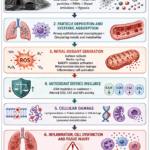 |
Figure 1: Mechanism of mining-related oxidative injury |
Biomarkers Of Oxidative Stress Among Mining Workers
While biomarkers of lipid oxidation, antioxidant defense, DNA damage, protein oxidation, and total redox capacity have been employed in mining studies, none of these markers provides a comprehensive assessment of systemic oxidative stress.12 Thiobarbituric acid assays are not chemically specific, but MDA and thiobarbituric acid-reactive substances are often used as markers of lipid peroxidation. Coal, chromite, zinc-lead, and artisanal gem miners have been found to have higher TBARS, MDA, or related lipoperoxidation measures.5,10,28,29 By-products of lipid peroxidation by free radicals are more chemically specific, such as the F₂-isoprostanes.30 Cumulative exposure over successive shifts may be more readily detected than exposure during a single shift, with exhaled breath condensate 8-isoprostane levels higher among coal miners than in the control group after 3 consecutive working days.26 Another study from the same mine reported a positive association between plasma 8-isoprostane and blood lead.31 The activity of antioxidants may be used to interpret increases or decreases, which may be due to adaptation, inhibition, depletion, disease stage, or confounding factors. Age affected differences in plasma GPx and TAC, but no differences were observed in erythrocyte enzymes or total plasma antioxidants between retired miners with and without pneumoconiosis.32 Erythrocyte Cu/Zn-SOD was higher in underground miners than in surface miners among active coal miners. Thus, a panel of exposure biomarkers, oxidative damage products, antioxidant defenses, inflammation, and clinical measures is preferable to a single marker 12 (Table 2).
Table 2: Biomarkers used to assess oxidative stress and related exposure among mining workers
|
Biomarker category |
Examples | Interpretation | Important limitations |
| Lipid oxidation 5,26 | MDA, TBARS, F₂-isoprostanes | Oxidative modification of membrane or circulating lipids |
TBARS lacks chemical specificity; assay method strongly affects comparability |
|
Glutathione status 5,12 |
GSH, GSSG, GSH: GSSG ratio | Intracellular or circulating thiol-redox balance |
Sensitive to collection, stabilization, processing, storage, and dietary status |
|
Antioxidant enzymes 1,32 |
SOD, CAT, GPx, GR, GST | Enzymatic defense, inhibition, depletion, or adaptive response |
Greater activity does not necessarily indicate greater protection |
|
Protein oxidation 12,15 |
Protein carbonyls, protein thiols | Oxidative modification of proteins |
Aggregate assays do not identify specific proteins or oxidation sites |
|
DNA and chromosomal damage 27,28 |
8-OHdG/8-oxodG, comet assay, micronuclei | Oxidative base modification, DNA-strand damage, or chromosomal damage, depending on the assay |
Outcomes are not interchangeable and are sensitive to sampling and laboratory procedures. |
|
Composite redox measures 12 |
TAC, total oxidant status, total peroxide, oxidative-stress index | Aggregate antioxidant capacity, oxidant burden, or calculated redox balance |
May conceal opposing changes in individual pathways and can be influenced by abundant plasma constituents |
|
Internal-exposure biomarkers 10,31,33 |
Blood or urinary Cr, Pb, Cd, Ni, Hg | Internal dose for exposure–response analysis |
Matrix, sampling time, chemical form, half-life, and toxicokinetics differ between metals. |
Health Consequences Of Oxidative Stress In Mining Workers
The lungs serve as the main targets for inhaled mine dust. In mine workers exposed to silica, reports show lower FEV₁, FVC, FEV₁/FVC, PEF, and MEF, along with increased lipid peroxidation and oxidative-stress indices. Additionally, catalase, SOD, GPx, and TAC were reduced, along with evidence of systemic inflammation.11 These cross-sectional findings indicate a relationship between redox imbalance and pulmonary dysfunction, yet they do not confirm oxidative stress as the only causal mechanism. Ongoing oxidative and inflammatory reactions to crystalline silica may also contribute to the development and progression of silicosis.34 Genotoxic effects have been observed in various mining populations. Artisanal gold miners exposed to mercury showed changes in LINE1 and Alu(Yb8) methylation, along with elevated peripheral-blood 8-OHdG levels. In contrast, coal miners showed reduced GSH levels, increased MDA, and more significant DNA damage by comet assay compared with controls.27 Exposure to coal dust has been linked to increased postprandial glucose levels, changes in antioxidant-enzyme activity, and lipid peroxidation.35 Exposure to PAH among coal miners has been linked to changes in neurotransmitters and neurobehavioral patterns, although a definitive connection to oxidative stress as the mediating pathway has yet to be established.18,36 Overall, most evidence is observational and cross-sectional; therefore, oxidative biomarkers should be viewed as indicators of exposure or biological response rather than confirmed predictors of future disease (Fig. 2).
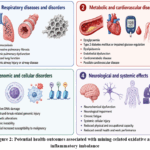 |
Figure 2: Potential health outcomes associated with mining-related oxidative and inflammatory imbalance |
Dietary Antioxidants Relevant To Mining-Related Oxidative Stress
Dietary antioxidants and nutrients related to antioxidants bolster the body’s natural redox defense via unique mechanisms. Vitamin E is a lipid-soluble antioxidant that interrupts the chain reaction of membrane lipid peroxidation, while vitamin C primarily functions in aqueous environments and has the ability to regenerate oxidized α-tocopherol.37,38,39 Certain carotenoids have the ability to quench reactive species, whereas polyphenols may influence redox-sensitive and inflammatory signaling. The biological effects of these compounds depend on their chemical structure, the food matrix, metabolism, dosage, and baseline nutritional status. Manganese serves as a cofactor for mitochondrial Mn-SOD, while copper and zinc are integral components of Cu/Zn-SOD. Selenium is also incorporated into glutathione peroxidases and various other selenoproteins.40,41 These nutrients are essential for physiological functions; however, an excessive intake can be detrimental, especially for individuals exposed to metals in their work environment. Evidence for direct miner-specific nutritional interventions is currently quite limited (Table 3).
Table 3: Dietary antioxidants and antioxidant-related nutrients potentially relevant to mining workers
|
Nutrient or compound |
Principal nutritional role | Major food sources | Mining-specific evidence |
| Vitamin C | Water-soluble antioxidant; contributes to regeneration of oxidized vitamin E | Citrus fruits, guava, berries, peppers, tomatoes and other vegetables |
Studied only with vitamin E in a non-randomized combined intervention 15 |
|
Vitamin E |
Lipid-soluble antioxidant that limits propagation of membrane lipid peroxidation | Nuts, seeds, vegetable oils and whole grains |
Studied only with vitamin C in the same combined intervention 15 |
|
Carotenoids |
Certain compounds quench reactive species; provitamin A carotenoids are vitamin A precursors. | Dark-green, yellow, orange and red vegetables and fruits |
No controlled miner intervention identified |
|
Polyphenols |
May modulate redox-sensitive, inflammatory and cytoprotective signaling | Tea, cocoa, berries, herbs, spices, legumes and many plant foods |
No controlled miner intervention identified |
|
Selenium |
Constituent of glutathione peroxidases, thioredoxin reductases and other selenoproteins | Seafood, eggs, meat, cereals and nuts; content varies by soil |
Lower plasma selenium observed in a small cross-sectional gem-miner study; supplementation was not tested 29 |
|
Zinc and copper |
Components of Cu/Zn-superoxide dismutase and numerous other proteins and enzymes | Meat, seafood, legumes, nuts, seeds and whole grains |
Nutritional adequacy must be distinguished from occupational metal exposure; no miner intervention identified |
|
Manganese |
Cofactor for mitochondrial manganese superoxide dismutase | Whole grains, nuts, legumes, leafy vegetables and tea | No miner intervention identified; occupational overexposure is toxic |
| Sulfur-containing amino acids | Cysteine availability supports glutathione synthesis; methionine contributes through transsulfuration. | Eggs, dairy products, meat, fish, legumes and allium vegetables |
Mechanistically relevant, but no miner-specific dietary trial identified |
Nutritional Supplementation And Functional-Food Interventions
Intervention evidence is much more limited than observational evidence of oxidative imbalance among miners. The principal human occupational intervention involved administering vitamin E (800 mg/day) and vitamin C (500 mg/day) for a duration of 6 months to six small groups that were exposed, either directly or indirectly, to airborne contamination from coal mining or medical-waste incineration. TBARS and protein carbonyls decreased, whereas glutathione, α-tocopherol, and certain antioxidant-enzyme measures increased or were restored.15 These findings indicate a change in biomarkers, rather than the prevention or treatment of diseases related to mining. Interpretation is limited by the pre-post design, the lack of reported randomization or placebo control, the heterogeneous exposure groups, the small sample size of 20 participants per group, the high supplemental doses, and the absence of clinical outcomes.
The literature reviewed, and the targeted supplementary searches, did not reveal strong controlled trials specific to miners regarding antioxidant beverages, polyphenol concentrates, selenium-enriched foods, probiotics, or other specially formulated functional foods. Consequently, their effectiveness in addressing oxidative stress related to mining has yet to be established. Enhancement in an oxidative biomarker should not be viewed as proof that an intervention averts pneumoconiosis, cardiovascular disease, cancer, or occupational injury. Wider randomized evidence does not support the assumption that clinical benefits arise from antioxidant supplementation based solely on biochemical antioxidant activity.42 Targeted supplementation is best justified when dietary assessment, biochemical testing, or clinical evaluation reveals inadequate intake, deficiency, malabsorption, or another acknowledged indication. Future trials should clearly define the nutrient form, dose, duration, product quality, baseline nutritional status, adherence, medication use, adverse events, and clinically meaningful outcomes, while adhering to best-practice engineering and occupational controls (Table 4).
Table 4: Potential nutritional supplementation and functional-food interventions for mining workers
|
Intervention |
Current mining-specific evidence | Principal limitation | Appropriate interpretation |
| Combined vitamins C and E | Selected oxidative biomarkers improved in one small pre–post study involving mixed coal-mining-related and other exposed groups 15 | No reported randomization or placebo control; 20 participants per group; high doses; heterogeneous exposures; surrogate outcomes |
Preliminary evidence only; insufficient for routine high-dose supplementation |
|
Multivitamin–mineral supplements |
No controlled miner-specific trial identified | Effects depend on baseline diet, biochemical status, formulation, dose, clinical indication, and target outcome. | Use only after individualized nutritional and clinical assessment. |
| Selenium supplements or enriched foods | No controlled miner-specific trial identified | Dietary exposure varies geographically; excessive intake can cause toxicity. |
Avoid indiscriminate use; assess dietary and biochemical status and total intake. |
|
Polyphenol-rich extracts |
No controlled miner-specific intervention identified | Variable composition, dose, bioavailability, metabolism, quality, and interaction potential | Investigational for mining-related oxidative stress |
| Antioxidant-rich whole-food menus | No miner-specific controlled efficacy trial identified | Implementation, access, menu quality, and adherence may vary |
Appropriate as standard healthy workplace nutrition, but not a treatment for mining-related disease |
|
Fortified foods |
No controlled miner-specific evidence identified | Effectiveness depends on documented need; cumulative intake may become excessive. | Apply only under relevant national fortification standards and monitoring. |
| Probiotic or fermented functional foods | No miner-specific trial identified | Strain- and product-specific effects; viability, dose, quality, and clinical relevance vary. |
Experimental for mining-related oxidative outcomes |
|
Functional beverages |
No miner-specific efficacy evidence identified | Heterogeneous products; possible added sugars, caffeine, stimulants, excessive nutrient doses, or unsupported claims |
Evaluate each product’s composition, safety, quality, and evidence separately. |
Workplace Nutrition Strategies For Mining Workers
Workplace nutrition should be part of the broader occupational health system rather than a replacement for it. Nutrition cannot stop the inhalation or systemic absorption of silica, coal dust, or toxic metals.43 Elimination, substitution, and engineering controls are the most favored methods for managing hazardous exposure, succeeded by administrative controls and suitable PPE. A practical nutrition program may evaluate dietary intake, food access or insecurity, anthropometry, cardiometabolic risk, smoking, alcohol consumption, medication usage, and clinically significant micronutrient deficiencies. General guidance for a healthy diet emphasizes the importance of increasing the intake of vegetables, fruits, whole grains, legumes, nuts, and suitable protein sources, while also advising the reduction of highly processed and fried foods, processed meats, excessive sodium, and sugary drinks.44 Providing meals sensitive to timing may reduce dependence on energy-dense snacks and improve access to well-balanced meals. Cool drinking water should be easily accessible near hot work areas; electrolyte-containing fluids may be suitable during extended periods of sweating but are not necessary for every worker or shift.45 Program evaluation may encompass aspects such as menu quality, food choices, dietary diversity, supplement use, anthropometric and metabolic measures, absenteeism, and validated oxidative biomarkers when scientifically justified. Biomarker protocols ought to standardize recent work exposure: exhaled-breath-condensate 8-isoprostane levels rose following three consecutive working days, but did not show an increase after one or two days, in coal miners.26 Worksite pilot interventions can employ controlled, cluster-randomized, or stepped-wedge designs when suitable, and should engage workers, dietitians, occupational physicians, industrial hygienists, safety personnel, and catering teams (Fig. 3).46
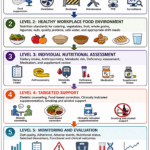 |
Figure 3: Integrated workplace nutrition strategy for mining workers |
Safety, Limitations, And Potential Risks Of Antioxidant Interventions
Antioxidant nutrients from common foods typically pose fewer dosage-related safety issues than concentrated supplements, but supplementation should not be assumed to be risk-free. The occupational intervention outlined above involved administering vitamin E (800 mg/day) alongside vitamin C (500 mg/day) over six months.15 The vitamin E dose exceeded typical dietary intake, yet remained below the tolerable upper intake level for U.S. adults. High doses of vitamin E may increase bleeding risk in people taking anticoagulant or antiplatelet medications because they affect platelet aggregation and vitamin K-dependent coagulation. High vitamin C intake can lead to nausea, diarrhea, and abdominal cramping, while also enhancing non-haem iron absorption. This is typically not an issue for healthy individuals, but it may exacerbate iron overload in those who are susceptible. The clinical significance of vitamin C’s suggested pro-oxidant effects remains unclear.47 High-dose iron, copper, or manganese supplements should not be administered to metal-exposed workers unless there is a documented nutritional or clinical indication. High-dose beta-carotene should be avoided by smokers, as randomized prevention trials have indicated a rise in lung cancer incidence.48 Excess selenium can lead to gastrointestinal, neurological, hair, and nail abnormalities, whereas excessive zinc may hinder copper absorption.49 Wider randomized studies have not demonstrated a significant mortality advantage from antioxidant supplementation and have indicated possible harm associated with beta-carotene, vitamin A, and vitamin E in certain analyzes.42 Supplement use should be guided by a thorough nutritional assessment, a review of medications, verification of product quality, and monitoring for any adverse events (Table 5).
Table 5: Safety considerations for antioxidant and micronutrient interventions in mining workers
|
Intervention |
Principal safety concern | Workers requiring particular caution |
| High-dose vitamin E | Impaired platelet aggregation, interference with vitamin K-dependent coagulation and increased bleeding risk; interactions with anticoagulant and antiplatelet drugs |
Workers using warfarin, aspirin or other antithrombotic medication; those with bleeding disorders or low vitamin K status |
|
High-dose vitamin C |
Gastrointestinal symptoms, enhanced non-haem iron absorption and possible oxalate-stone risk in susceptible individuals. | Workers with hereditary hemochromatosis, iron overload, renal disease, hyperoxaluria or recurrent oxalate stones |
| Beta-carotene supplements | Increased lung-cancer incidence reported in randomized trials involving smokers. |
Current heavy smokers; avoid extrapolating this risk to carotenoid-rich foods |
|
Selenium supplements |
Selenosis, including hair and nail abnormalities, gastrointestinal symptoms, fatigue and neurological effects | Workers using multiple selenium-containing products or consuming diets naturally high in selenium. |
| Zinc supplements | Nausea and other gastrointestinal effects; inhibition of copper absorption and copper deficiency with prolonged high intake |
Long-term high-dose users and workers with low copper intake or multiple zinc-containing products |
|
Iron supplements |
Excess body iron, gastrointestinal effects and possible promotion of oxidative reactions when used without indication | Workers without confirmed deficiency, those with hemochromatosis, chronic liver disease or substantial metal exposure |
| Copper or manganese supplements | Toxicity and increased body burden when unnecessarily or excessively administered |
Metal-exposed workers and those without confirmed deficiency |
|
Concentrated herbal or polyphenol extracts |
Variable identity, potency and bioavailability; contamination, adulteration, hepatotoxicity and drug interactions | Workers taking regular medicines or products without reliable quality certification. |
| Multiple antioxidant formulations | Duplicate dosing, cumulative intake above upper limits and difficulty attributing adverse reactions |
Workers combining several supplements, fortified foods and functional beverages |
Discussion
The evidence compiled in this review indicates that oxidative stress serves as a credible integrative pathway connecting various mining exposures to respiratory and systemic biological responses; however, the robustness of the evidence varies significantly by study type. Human mining studies are mainly observational and demonstrate associations between exposure and redox-related biomarkers. In contrast, experimental studies provide mechanistic plausibility but cannot confirm clinical effects in workers. Evidence on nutritional interventions is considerably more limited and should not be regarded at the same evidentiary level as observational exposure studies.10,18,50 The biological activity of mine dust is unlikely to be uniform because particle size, mineralogy, and geochemical composition vary across respirable fractions. Anatase, siderite, quartz, and various trace elements were linked to oxidative potential in underground coal-mine dust,4 indicating that gravimetric concentration alone might not fully reflect the differences in redox-active composition and biological reactivity. Coal miners who experienced higher exposure, especially those working underground and for longer durations, exhibited more significant changes in glutathione, SOD, and CAT.1
The best evidence is for the respiratory effects. In a cross-sectional study of 145 silica-exposed miners and 45 non-silica-exposed miners, lipid peroxidation, Fenton oxidative stress, and oxidative-stress index increased. At the same time, FEV₁, FVC, FEV₁/FVC, peak expiratory flow, and FEF25–75 decreased. Lower levels of catalase, superoxide dismutase, glutathione peroxidase, and total antioxidant capacity were observed, and hematological parameters were consistent with systemic inflammation.11 The cross-sectional design does not establish oxidative stress as an independent risk factor for silicosis or loss of lung function. Still, the concurrent abnormalities suggest an association among silica exposure, redox imbalance, and pulmonary dysfunction.
Human miner data reveal dose-dependent pulmonary inflammation with increasing crystalline silica burden.9,21 At the same time, experimental studies indicate that phagocytosis of silica may lead to phagosomal destabilization and activation of the NLRP3 Inflammasome pathway. Hence, over time, there are likely to be interactions between dust dose and persistence, immune responses, smoking, previous respiratory disease, and individual susceptibility. In a 22-year follow-up of British miners and former miners, after adjusting for other factors, cumulative exposure to coal dust was inversely associated with FEV₁, FVC, and FEV₁/FVC, even among men without pneumoconiosis.51 The use of oxidative biomarkers should complement, not replace, standardized spirometry, radiological assessment, exposure assessment, and long-term pulmonary surveillance.
The biological argument extends beyond the lungs, as evidenced by systemic findings. Superoxide dismutase activity and MDA were associated with higher concentrations of toxic metals in the urine of chromite miners, particularly the extraction workers.10 In a small comparative study, lead-zinc miners’ peripheral blood lymphocytes were found to have increased ROS and oxidized glutathione, reduced glutathione and viability, and decreased mitochondrial membrane potential, with lysosomal damage.8 The peripheral-blood 8-OHdG levels were higher in the artisanal gold miners exposed to mercury compared to coal miners, whereas the DNA tail length, MDA, and SOD levels were higher in coal miners than in controls; the DNA tail length, MDA, and SOD levels were not different between artisanal gold miners exposed to mercury and controls.27,33
Residual confounding and causal direction cannot be excluded in these studies, as they were observational and/or had small sample sizes. Concurrent exposures, diet, alcohol use, smoking, socioeconomic status, and age are other factors that may not have been consistently controlled and could affect redox biomarkers and disease risk. Therefore, DNA oxidation, comet assay damage, malondialdehyde, and altered antioxidant enzyme activity should be considered markers of exposure or biological response rather than indicators of cancer, heart disease, or future disability.12
Biomarker heterogeneity is one of the major challenges in oxidative stress studies. TBARS and MDA usually estimate lipid peroxidation, although other substances can be detected in the thiobarbituric acid-based assays.52 While remaining dependent on the biological matrix, analytical technique, and sampling context, F₂-isoprostanes are more specific and chemically stable products of free-radical-mediated lipid peroxidation.30,53 The 8-isoprostane level in the exhaled breath condensate of coal miners rose after three consecutive working days but not after one or two shifts.26 This result suggests that the number of consecutive shifts before collection ought to be recorded or standardized. Sampling time, recent food intake, smoking, physical workload, specimen processing, and storage should also be controlled in future studies, as these variables may affect redox measurements. A study-specific panel, which includes internal-exposure measures, oxidative-damage products, antioxidant defenses, inflammatory markers, and clinically relevant outcomes, may provide a more informative assessment than relying on a single biomarker, given the limited validation and comparability of individual assays.12
The difference between exposure evidence and nutritional evidence is crucial to understanding this review. Vitamin E serves as a lipid-soluble chain-breaking antioxidant, whereas vitamin C primarily functions in aqueous environments.37 Additionally, manganese, copper, zinc, and selenium play a role in supporting endogenous antioxidant-enzyme systems.54 These biochemical functions are relevant in terms of mechanism, yet they do not demonstrate clinical efficacy. The primary study on occupational supplementation reported reductions in TBARS and protein carbonyls, along with improvements in certain antioxidant measures, after administering vitamin E (800 mg/day) and vitamin C (500 mg/day). However, the study’s pre-post design, small sample sizes, varied exposures, lack of reported randomization or placebo control, high dosages, and dependence on surrogate biomarkers limit the ability to draw definitive conclusions regarding disease prevention or clinical advantages. The randomized evidence regarding antioxidant supplements has not shown a significant benefit in overall mortality and has revealed possible harm signals associated with beta-carotene, vitamin A, and vitamin E in certain analyzes.42,55 Consequently, enhancing diet quality and addressing identified deficiencies are more justifiable than the standard practice of high-dose antioxidant supplementation in unselected mining populations.
This is particularly relevant in Saudi Arabia due to the potential for increased thermal strain from work in a hot desert environment and for exposure to mineral dust and naturally occurring radioactive materials from phosphate mining operations. The mean annual Hp(10) for 606 Saudi phosphate mine workers was 0.66 mSv, with most values less than 0.49 mSv and the highest at 3.55 mSv. The investigators suggest that both internal and external exposure be evaluated to establish a comprehensive radiation-dose baseline. However, these exposures were within the internationally reported ranges for occupational exposures.56 Airborne radioactivity studies conducted in phosphate mining outside Saudi Arabia have shown that inhalation of radioactive dust and radon progeny can significantly contribute to the occupational dose.57 The workers were frequently found to be dehydrated at the beginning and end of shifts, and excessive cardiovascular strain was reported in indirect evidence from Saudi construction workers.58 Heat-related illness and dehydration are also reported from other hot environments, such as mining.59,60 Thus, external and internal radiation evaluation, airborne dust monitoring, heat exposure management, potable water availability, appropriate work/rest cycle, and occupational health monitoring should all be part of the Saudi mining health program. The assessment of micronutrient status and nutritional quality standards can serve as supportive measures, although direct evaluation of their effectiveness in Saudi mining populations is needed.
Nutrition should be regarded as a complementary strategy that supports, rather than replaces, primary occupational prevention. Eliminating or substituting hazards and implementing engineering controls, such as wet dust suppression, enclosure, local exhaust ventilation, equipment maintenance, and exposure monitoring, are the primary methods for minimizing inhalation of coal dust, respirable crystalline silica, and other hazardous mine aerosols. When these controls fail to sufficiently limit exposure, appropriate respiratory protection is necessary.43 Food-based workplace strategies have the potential to enhance dietary quality and certain cardiometabolic outcomes among general working populations. However, effects vary, and evidence for specific interventions among miners remains limited.61–65 These methods are unable to stop particle deposition, eliminate toxic metals, or substitute for occupational controls. Future studies focused on miners should assess whole-food strategies and the targeted correction of identified deficiencies, utilizing clinically relevant nutritional, metabolic, functional, and occupational outcomes, all while ensuring consistent best-practice worker protection across the different study groups.
This review presents certain methodological limitations. As a narrative review, it is susceptible to publication bias, selection bias, and subjective interpretation, and no formal study-level risk-of-bias tool was utilized. The literature provided a diverse range of exposure assessments, biomarker methodologies, study populations, confounder management, and outcome definitions. Older mechanistic studies were preserved for their foundational significance, while recent evidence from mining, biomarkers, and workplace nutrition was incorporated where applicable. These limitations suggest that the review should be viewed as a critical synthesis and research framework rather than a quantitative estimate of intervention efficacy. Recent advances in oxidative-stress measurement highlight the necessity for analytically specific and standardized biomarker approaches.66
Research Gaps and Future Directions
Most of the evidence regarding oxidative stress in mining workers is derived from cross-sectional studies, and numerous investigations feature modest sample sizes. This limitation affects causal inference and offers minimal insight into whether biomarker abnormalities can predict future disease. Prospective multicentre cohorts should measure cumulative exposure to coal dust, crystalline silica, metals, PAHs, diesel emissions, heat, and hypoxia, and link these exposures to longitudinal changes in pulmonary function, cardiometabolic health, neurological outcomes, work capacity, and clinically significant disease endpoints. Exposure assessment must include factors such as task, intensity, duration, mineralogical composition, personal monitoring, and control effectiveness, rather than depending mainly on job title or employment history.
The majority of the evidence currently available on oxidative stress in mining workers is cross-sectional, and many studies have small sample sizes, which limits the ability to draw causal conclusions and offers little insight into whether biomarker abnormalities indicate future disease. The quantitative measurement of cumulative exposure to coal dust, crystalline silica, metals, PAHs, diesel emissions, heat and hypoxia should be correlated with long-term changes in pulmonary function, cardiometabolic health, neurological outcomes and work capacity in prospective multicenter cohorts. Exposure assessment should consider task, intensity, duration, mineralogical composition, personal monitoring and control effectiveness, rather than just job titles and employment history.
Standardizing biomarkers is an additional priority. Current research employs a variety of measures for MDA, TBARS, glutathione, antioxidant enzymes, DNA damage, and total antioxidant capacity, highlighting significant differences in analytical specificity and comparability.12,66,67 Future studies should employ prespecified, study-specific panels that integrate internal-exposure measures, chemically specific oxidative-damage products, antioxidant defenses, inflammatory markers, and clinically relevant outcomes. It is essential that the shift sequence, sampling time, recent diet, smoking habits, physical workload, specimen processing, and storage are either standardized or clearly documented. Conducting repeated measurements over successive shifts and extending the follow-up period may aid in differentiating between transient adaptive responses and persistent redox disturbances.68
The consistency of biomarkers is another major concern. Most of the heterogeneous assays used in existing studies for MDA, TBARS, glutathione, antioxidant enzymes, DNA damage, and total antioxidant capacity are not validated and are not comparable across studies.12,67 Study-specific panels for internal exposure measurements, chemically specific oxidative damage products, antioxidant defenses, inflammatory markers, and clinical outcomes should be combined in future research. Shift sequence, sampling time, recent diet, smoking, physical workload, specimen processing and storage should be standardized or well documented. The longer follow-up and repeated measurements over successive shifts might be able to distinguish reversible from persistent redox disturbance.68
Research on nutritional interventions specific to miners should advance past uncontrolled biomarker studies. Where possible, sufficiently powered randomized controlled trials, cluster-randomized trials, or stepped-wedge trials should assess whole-food programs, workplace catering reforms, and targeted corrections of identified deficiencies. Trials ought to clearly define baseline nutritional status, adherence, adverse events, medication use, occupational exposure intensity, and clinically significant pulmonary, metabolic, functional, quality-of-life, and occupational outcomes. Follow-up should also be long enough to assess whether benefits or harms persist. High-dose supplementation should be used with caution, especially among smokers or individuals exposed to significant levels of metal.69 Multicentre studies ought to intentionally incorporate women, migrant workers, and populations that have been less studied, such as those in Saudi Arabia.70,71 All study groups must maintain access to equivalent best-practice exposure controls, as nutrition cannot substitute for dust suppression, ventilation, heat management, respiratory protection, or occupational surveillance.
The reviewed literature showed very few controlled nutritional interventions, specific to a particular miner. Trials should measure nutritional status, adherence, adverse events, medication use, and clinically important pulmonary, metabolic, functional, and occupational outcomes, and assess whole-food programs, workplace catering reform, and targeted correction of documented deficiencies. The use of high doses of supplementation on a whim, particularly in smokers or workers with high exposure to metals, is not recommended.69 It is important to specifically include women, migrant workers, and under-researched populations, such as Saudi Arabia, in multicenter research.70,71 All study groups should receive comparable best-practice exposure control measures, as nutrition cannot replace dust suppression, ventilation, heat control, respiratory protection, and/or occupational surveillance.
Conclusion
Mining exposures are regularly linked to disruptions in redox-related biomarkers and to both pulmonary and systemic biological effects. However, the existing human evidence is mainly observational, varied, and constrained by non-standardized biomarker methods. Evidence for nutritional interventions is considerably less robust: controlled trials specific to minerals are limited, and the primary evidence for supplementation relies on surrogate biomarkers instead of clinical outcomes. Current evidence does not demonstrate that antioxidant supplements prevent or treat mining-related diseases and does not endorse routine high-dose supplementation in unselected workers. Adequate dietary quality and correction of documented deficiencies may support general health; however, workplace nutrition should complement, rather than replace, dust suppression, ventilation, respiratory protection, heat management, exposure monitoring, and medical surveillance. Future research should focus on prospective multicentre cohorts and well-powered controlled nutrition trials that utilize standardized oxidative-stress measures, thorough exposure assessment, and clinically significant long-term outcomes.
Acknowledgment
The authors extend their appreciation to Northern Border University, Saudi Arabia, for supporting this work through project number (NBU-CRP-2026-2043).
Funding Sources
The author(s) received no financial support for the research, authorship, and/or publication of this article
Conflict Of Interest
The authors do not have any conflict of interest.
Data Availability Statement
All the information presented was obtained from previously published studies and publicly available databases with proper citations. The corresponding author can provide any datasets used for this study upon request.
Ethics Statement
This research did not involve human participants, animal subjects, or any material that requires ethical approval.
Informed Consent Statement
This study did not involve human participants, and therefore, informed consent was not required.
Clinical Trial Registration
This research does not involve any clinical trials.
Permission to Reproduce Material from Other Sources
Not Applicable.
Author Contributions
- Abida Khan: Conceptualization, Data collection, Critical Analysis, Manuscript drafting, and Review and editing.
- Howayada Mahany Mostafa: Data collection, Manuscript drafting, Critical Analysis, and Review and editing
- Syed Raziuddin Quadri: Data collection, Manuscript drafting, Review and editing.
- Mohd Imran: Conceptualization, Supervision, Critical Analysis, Review, and editing.
References
- Batool AI, Naveed NH, Aslam M, da Silva J, Rehman MFU. Coal dust-induced systematic hypoxia and redox imbalance among coal mine workers. ACS Omega. 2020;5(43):28204–28211. doi:10.1021/acsomega.0c03977.
CrossRef - Coelho PCS, Teixeira JPF, Gonçalves ONBSM. Mining activities: health impacts. In: Nriagu JO, ed. Encyclopedia of Environmental Health. Vol 3. Elsevier; 2011:788–802. doi:10.1016/B978-0-444-52272-6.00488-8.
CrossRef - Onder M, Onder S. Evaluation of occupational exposures to respirable dust in underground coal mines. Ind Health. 2009;47(1):43–49. doi:10.2486/indhealth.47.43.
CrossRef - Shangguan Y, Zhuang X, Querol X, et al. Characterization of deposited dust and its respirable fractions in underground coal mines: implications for oxidative potential-driving species and source apportionment. Int J Coal Geol. 2022;258:104017. doi:10.1016/j.coal.2022.104017.
CrossRef - Avila Junior S, Possamai FP, Budni P, et al. Occupational airborne contamination in South Brazil: 1. Oxidative stress detected in the blood of coal miners. Ecotoxicology. 2009;18(8):1150–1157. doi:10.1007/s10646-009-0364-8.
CrossRef - Joshi GN, Goetjen AM, Knecht DA. Silica particles cause NADPH oxidase-independent ROS generation and transient phagolysosomal leakage. Mol Biol Cell. 2015;26(18):3150–3164. doi:10.1091/mbc.E15-03-0126.
CrossRef - Fubini B, Hubbard A. Reactive oxygen species and reactive nitrogen species at the particle–lung interface: a review. Free Radic Biol Med. 2003;34(12):1507–1516. doi:10.1016/S0891-5849(03)00149-7.
CrossRef - Seydi E, Soltani M, Ramazani M, Zarei MH, Pourahmad J. Occupational exposure in lead and zinc mines induces oxidative stress in miners’ lymphocytes: role of mitochondrial/lysosomal damage. Main Group Met Chem. 2020;43(1):154–163. doi:10.1515/mgmc-2020-0019.
CrossRef - Hornung V, Bauernfeind F, Halle A, et al. Silica crystals and aluminum salts activate the NALP3 inflammasome through phagosomal destabilization. Nat Immunol. 2008;9(8):847–856. doi:10.1038/ni.1631.
CrossRef - Khan C, Rehman MYA, Malik RN. Metal biomonitoring using fractioned dust to investigate urinary and oxidative stress biomarkers among occupationally exposed chromite mine workers. Environ Sci Pollut Res Int. 2022;29(21):31164–31179. doi:10.1007/s11356-021-18294-5.
CrossRef - Batool AI, Shaheen R, Naveed NH, et al. Silica dust exposure and associated pulmonary dysfunction among mine workers. J Environ Sci Health A Tox Hazard Subst Environ Eng. 2025;60(1):1–11. doi:10.1080/10934529.2025.2470565.
CrossRef - Marrocco I, Altieri F, Peluso I. Measurement and clinical significance of biomarkers of oxidative stress in humans. Oxid Med Cell Longev. 2017;2017:6501046. doi:10.1155/2017/6501046.
CrossRef - Poljšak B, Fink R. The protective role of antioxidants in the defence against ROS/RNS-mediated environmental pollution. Oxid Med Cell Longev. 2014;2014:671539. doi:10.1155/2014/671539.
CrossRef - Eftekhari A, Dizaj SM, Chodari L, et al. The promising future of nano-antioxidant therapy against environmental pollutant-induced toxicities. Biomed Pharmacother. 2018;103:1018–1027. doi:10.1016/j.biopha.2018.04.126.
CrossRef - Wilhelm Filho D, Avila S Jr, Possamai FP, et al. Antioxidant therapy attenuates oxidative stress in the blood of subjects exposed to occupational airborne contamination from coal mining and the incineration of hospital residues. Ecotoxicology. 2010;19(7):1193–1200. doi:10.1007/s10646-010-0503-2.
CrossRef - National Institute for Occupational Safety and Health. Hierarchy of controls. Centers for Disease Control and Prevention. https://www.cdc.gov/niosh/hierarchy-of-controls/index.html. Accessed August 5, 2026.
- da Silva-Rêgo LL, de Almeida LA, Gasparotto J. Toxicological effects of mining hazard elements. Energy Geosci. 2022;3(3):255–262. doi:10.1016/j.engeos.2022.03.003.
CrossRef - Hu HY, Zhang B, Yang LY, Zhou L, Wang Y, Wang F. Polycyclic aromatic hydrocarbon exposure and its association with oxidative stress and neurotransmitter levels in coal miners. Zhonghua Lao Dong Wei Sheng Zhi Ye Bing Za Zhi. 2022;40(10):727–732. doi:10.3760/cma.j.cn121094-20210315-00150.
- Wang F, Jia T, Wang Y, et al. Polycyclic aromatic hydrocarbon exposure was associated with microRNA differential expression and neurotransmitter changes: a cross-sectional study in coal miners. Environ Sci Pollut Res Int. 2023;30(6):14838–14848. doi:10.1007/s11356-022-23230-2.
CrossRef - Zhang B, Yin X, Guo Y, Tong R. What occupational risk factors significantly affect miners’ health: findings from meta-analysis and association rule mining. J Safety Res. 2024;89:197–209. doi:10.1016/j.jsr.2024.02.010.
CrossRef - Kuempel ED, Attfield MD, Vallyathan V, et al. Pulmonary inflammation and crystalline silica in respirable coal mine dust: dose–response. J Biosci. 2003;28(1):61–69. doi:10.1007/BF02970133.
CrossRef - Vallyathan V, Goins M, Lapp LN, et al. Changes in bronchoalveolar lavage indices associated with radiographic classification in coal miners. Am J Respir Crit Care Med. 2000;162(3 Pt 1):958–965. doi:10.1164/ajrccm.162.3.9909074.
CrossRef - Kuhn DC, Demers LM. Influence of mineral-dust surface chemistry on eicosanoid production by the alveolar macrophage. J Toxicol Environ Health. 1992;35(1):39–50. doi:10.1080/15287399209531592.
CrossRef - Zhang Z, Shen HM, Zhang QF, Ong CN. Involvement of oxidative stress in crystalline silica-induced cytotoxicity and genotoxicity in rat alveolar macrophages. Environ Res. 2000;82(3):245–252. doi:10.1006/enrs.1999.4025.
CrossRef - Gosset P, Lassalle P, Vanhée D, et al. Production of tumor necrosis factor-alpha and interleukin-6 by human alveolar macrophages exposed in vitro to coal mine dust. Am J Respir Cell Mol Biol. 1991;5(5):431–436. doi:10.1165/ajrcmb/5.5.431.
CrossRef - Zimet Z, Bilban M, Marc Malovrh M, et al. 8-Isoprostane as an oxidative-stress marker in coal mine workers. Biomed Environ Sci. 2016;29(8):589–593. doi:10.3967/bes2016.078.
- Ullah I, Zahid M, Jawad M, Arsh A. Assessment of DNA damage, oxidative stress and antioxidant status in coal miners. Pak J Med Sci. 2021;37(2):499–502. doi:10.12669/pjms.37.2.2848.
CrossRef - Malekirad AA, Oryan S, Fani A, et al. Study on clinical and biochemical toxicity biomarkers in zinc–lead mine workers. Toxicol Ind Health. 2010;26(6):331–337. doi:10.1177/0748233710365697.
CrossRef - da Silva HT, Magalhães TS, Pires SA, Santos APR, Rodrigues JL, da Silva Faria MC. Artisanal gem mining in Brazil: evaluation of oxidative stress and genotoxicity biomarkers. Int J Environ Res Public Health. 2024;21(7):871. doi:10.3390/ijerph21070871.
CrossRef - Morrow JD, Roberts LJ II. The isoprostanes: unique bioactive products of lipid peroxidation. Atherosclerosis. 1999;147(1):1–10. doi:10.1016/S0021-9150(99)00257-9.
CrossRef - Zimet Z, Bilban M, Fabjan T, Suhadolc K, Poljšak B, Osredkar J. Lead exposure and oxidative stress in coal miners. Biomed Environ Sci. 2017;30(11):841–845. doi:10.3967/bes2017.113.
- Perrin-Nadif R, Auburtin G, Dusch M, Porcher JM, Mur JM. Blood antioxidant enzymes as markers of exposure or effect in coal miners. Occup Environ Med. 1996;53(1):41–45. doi:10.1136/oem.53.1.41.
CrossRef - Cardenas A, Roels HA, Bernard AM, et al. Oxidative stress and repetitive-element methylation changes in artisanal gold miners occupationally exposed to mercury. Heliyon. 2017;3(9):e00400. doi:10.1016/j.heliyon.2017.e00400.
CrossRef - Nardi J, Nascimento S, Göethel G, et al. Inflammatory and oxidative stress parameters as potential early biomarkers for silicosis. Clin Chim Acta. 2018;484:305–313. doi:10.1016/j.cca.2018.05.045.
CrossRef - Ganesan S, Sangeetha R, Arivazhagan R, Swaminathan S. Exposure to coal mine dust predisposes mine workers to oxidative stress and diabetes mellitus. Res J Pharm Technol. 2019;12(9):4107–4110. doi:10.5958/0974-360X.2019.00708.
CrossRef - Wang F, Yang L, Zhang B, et al. Neurobehavioral performance associated with polycyclic aromatic hydrocarbon exposure in male coal miners in Shanxi, China. Int Arch Occup Environ Health. 2020;93(6):707–714. doi:10.1007/s00420-020-01521-w.
CrossRef - Traber MG, Stevens JF. Vitamins C and E: beneficial effects from a mechanistic perspective. Free Radic Biol Med. 2011;51(5):1000–1013. doi:10.1016/j.freeradbiomed.2011.05.017.
CrossRef - Packer JE, Slater TF, Willson RL. Direct observation of a free-radical interaction between vitamin E and vitamin C. Nature. 1979;278(5706):737–738. doi:10.1038/278737a0.
CrossRef - Singh V, Singh N, Verma M, et al. Hexavalent-chromium-induced oxidative stress and the protective role of antioxidants against cellular toxicity. Antioxidants (Basel). 2022;11(12):2375. doi:10.3390/antiox11122375.
CrossRef - Qu S, Li Y, Lai Y, et al. Plant-derived antioxidants: biosynthesis, refining and applications [published online July 26, 2026]. Biotechnol Adv. 2026:108989. doi:10.1016/j.biotechadv.2026.108989.
CrossRef - Manful CF, Fordjour E, Subramaniam D, Sey AA, Abbey L, Thomas R. Antioxidants and reactive oxygen species: shaping human health and disease outcomes. Int J Mol Sci. 2025;26(15):7520. doi:10.3390/ijms26157520.
CrossRef - Bjelakovic G, Nikolova D, Gluud LL, Simonetti RG, Gluud C. Mortality in randomized trials of antioxidant supplements for primary and secondary prevention: systematic review and meta-analysis. JAMA. 2007;297(8):842–857. doi:10.1001/jama.297.8.842.
CrossRef - National Institute for Occupational Safety and Health. About hierarchy of controls. Centers for Disease Control and Prevention. https://www.cdc.gov/niosh/hierarchy-of-controls/about/index.html. Accessed August 5, 2026.
- World Health Organization. Healthy diet. World Health Organization. https://www.who.int/news-room/fact-sheets/detail/healthy-diet. Accessed August 5, 2026.
- National Institute for Occupational Safety and Health. Workplace recommendations for preventing heat-related illness. Centers for Disease Control and Prevention. https://www.cdc.gov/niosh/heat-stress/recommendations/. Accessed August 5, 2026.
- Vasiljevic M, Cartwright E, Pechey R, et al. Physical micro-environment interventions for healthier eating in the workplace: protocol for a stepped-wedge randomised controlled pilot trial. Pilot Feasibility Stud. 2017;3:27. doi:10.1186/s40814-017-0141-z.
CrossRef - National Institutes of Health, Office of Dietary Supplements. Vitamin C: fact sheet for health professionals. National Institutes of Health. https://ods.od.nih.gov/factsheets/VitaminC-HealthProfessional/. Accessed August 5, 2026.
- National Cancer Institute. Alpha-Tocopherol, Beta-Carotene Cancer Prevention Study. National Cancer Institute. https://atbcstudy.cancer.gov/. Accessed August 5, 2026.
- National Institutes of Health, Office of Dietary Supplements. Selenium: fact sheet for health professionals. National Institutes of Health. https://ods.od.nih.gov/factsheets/Selenium-HealthProfessional/. Accessed August 5, 2026.
- Ghio AJ, Soukup JM, Madden MC. Non-redox cycling mechanisms of oxidative stress induced by particulate-matter metals. Free Radic Biol Med. 2020;151:26–37. doi:10.1016/j.freeradbiomed.2019.12.027.
CrossRef - Marine WM, Gurr D, Jacobsen M. Relation between dust exposure and lung function in miners and ex-miners. Br J Ind Med. 1986;43(5):307–320. doi:10.1136/oem.43.5.307.
CrossRef - Esterbauer H, Cheeseman KH. Determination of aldehydic lipid-peroxidation products: malonaldehyde and 4-hydroxynonenal. Methods Enzymol. 1990;186:407–421. doi:10.1016/0891-5849(90)90131-2.
CrossRef - Nikolaidis MG, Kyparos A, Vrabas IS. F₂-isoprostane formation, measurement and interpretation: the role of exercise. Prog Lipid Res. 2011;50(1):89–103. doi:10.1016/j.plipres.2010.10.002.
CrossRef - Harris ED. Copper as a cofactor and regulator of copper, zinc superoxide dismutase. J Nutr. 1992;122(3 Suppl):636–640. doi:10.1093/jn/122.suppl_3.636.
CrossRef - Bjelakovic G, Nikolova D, Gluud LL, Simonetti RG, Gluud C. Antioxidant supplements for prevention of mortality in healthy participants and patients with various diseases. Cochrane Database Syst Rev. 2012;(3):CD007176. doi:10.1002/14651858.CD007176.pub2.
CrossRef - Shubayr N, Alashban Y, Al-Shehri S, Almurayshid M. Assessment of external occupational dose of phosphate mine workers in Saudi Arabia using thermoluminescent dosemeters. Radiat Prot Dosimetry. 2021;196(3–4):220–225. doi:10.1093/rpd/ncab150.
CrossRef - Khater AE, Hussein MA, Hussein MI. Occupational exposure of phosphate mine workers: airborne radioactivity measurements and dose assessment. J Environ Radioact. 2004;75(1):47–57. doi:10.1016/j.jenvrad.2003.11.001.
CrossRef - Al-Bouwarthan M, Quinn MM, Kriebel D, Wegman DH. A field evaluation of construction workers’ activity, hydration status, and heat strain in the extreme summer heat of Saudi Arabia. Ann Work Expo Health. 2020;64(5):522–535. doi:10.1093/annweh/wxaa029.
CrossRef - Hunt AP, Parker AW, Stewart IB. Heat strain and hydration status of surface mine blast crew workers. J Occup Environ Med. 2014;56(4):409–414. doi:10.1097/JOM.0000000000000114.
CrossRef - Taggart SM, Girard O, Landers GJ, Wallman KE. Heat exposure as a cause of injury and illness in mine-industry workers. Ann Work Expo Health. 2024;68(3):325–331. doi:10.1093/annweh/wxae011.
CrossRef - Peñalvo JL, Sagastume D, Mertens E, et al. Effectiveness of workplace wellness programmes for dietary habits, overweight, and cardiometabolic health: a systematic review and meta-analysis. Lancet Public Health. 2021;6(9):e648–e660. doi:10.1016/S2468-2667(21)00140-7.
CrossRef - Gea Cabrera A, Caballero P, Wanden-Berghe C, Sanz-Lorente M, López-Pintor E. Effectiveness of workplace-based diet and lifestyle interventions on risk factors in workers with metabolic syndrome: a systematic review, meta-analysis and meta-regression. Nutrients. 2021;13(12):4560. doi:10.3390/nu13124560.
CrossRef - Shrestha A, Tamrakar D, Ghinanju B, et al. Effects of a dietary intervention on cardiometabolic risk and food consumption in a workplace. PLoS One. 2024;19(4):e0301826. doi:10.1371/journal.pone.0301826.
CrossRef - García Pérez de Sevilla G, Sánchez-Pinto Pinto B. Effectiveness of workplace Mediterranean diet interventions on cardiometabolic risk factors: a systematic review. Workplace Health Saf. 2022;70(2):73–80. doi:10.1177/21650799211045708.
CrossRef - Turon H, Bezzina A, Lamont H, et al. Interventions in the workplace to reduce risk factors for noncommunicable diseases: an umbrella review of systematic reviews of effectiveness. J Occup Health. 2024;66(1):uiae044. doi:10.1093/joccuh/uiae044.
CrossRef - Krishnamurthy HK, Pereira M, Rajavelu I, et al. Oxidative stress: fundamentals and advances in quantification techniques. Front Chem. 2024;12:1470458. doi:10.3389/fchem.2024.1470458.
CrossRef - Tsikas D. Assessment of lipid peroxidation by measuring malondialdehyde and related products in biological samples: analytical and biological challenges. Free Radic Biol Med. 2017;113:508–519. doi:10.1016/j.freeradbiomed.2016.10.022.
CrossRef - Halliwell B, Lee CYJ. Using isoprostanes as biomarkers of oxidative stress: some rarely considered issues. Antioxid Redox Signal. 2010;13(2):145–156. doi:10.1089/ars.2009.2934.
CrossRef - Middha P, Weinstein SJ, Männistö S, Albanes D, Mondul AM. β-Carotene supplementation and lung-cancer incidence in the Alpha-Tocopherol, Beta-Carotene Cancer Prevention Study: the role of tar and nicotine. Nicotine Tob Res. 2019;21(8):1045–1050. doi:10.1093/ntr/nty115.
CrossRef - Eiter BM, Dugdale ZJ, Robinson T, et al. Occupational safety and health of women in mining. J Womens Health (Larchmt). 2023;32(4):388–395. doi:10.1089/jwh.2023.0034.
CrossRef - Moyce SC, Schenker M. Migrant workers and their occupational health and safety. Annu Rev Public Health. 2018;39:351–365. doi:10.1146/annurev-publhealth-040617-013714.
CrossRef
Abbreviation
8-OHdG – 8-Hydroxy-2′-deoxyguanosine
8-oxodG – 8-Oxo-2′-deoxyguanosine
Alu(Yb8) – Alu Yb8 repetitive element
CAT – Catalase
Cu/Zn-SOD – Copper/Zinc Superoxide Dismutase
DNA – Deoxyribonucleic Acid
FEF25–75 – Forced Expiratory Flow between 25% and 75% of Forced Vital Capacity
FEV₁ – Forced Expiratory Volume in One Second
FEV₁/FVC – Ratio of Forced Expiratory Volume in One Second to Forced Vital Capacity
F₂-isoprostanes – F₂-Isoprostanes
FVC – Forced Vital Capacity
GPx – Glutathione Peroxidase
GR – Glutathione Reductase
GSH – Reduced Glutathione
GSH: GSSG ratio – Ratio of Reduced Glutathione to Oxidized Glutathione
GSSG – Oxidized Glutathione
GST – Glutathione-S-Transferase
Hp(10) – Personal Dose Equivalent at a Tissue Depth of 10 mm
LINE1 – Long Interspersed Nuclear Element-1
MDA – Malondialdehyde
MEDLINE – Medical Literature Analysis and Retrieval System Online
MEF – Maximum Expiratory Flow
Mn-SOD – Manganese Superoxide Dismutase
NLRP3 – NOD-, LRR- and Pyrin Domain-Containing Protein 3
PAHs – Polycyclic Aromatic Hydrocarbon
PEF – Peak Expiratory Flow
PPE – Personal Protective Equipment
RNS – Reactive Nitrogen Species
ROS – Reactive Oxygen Species
SOD – Superoxide Dismutase
TAC – Total Antioxidant Capacity
TBARS – Thiobarbituric Acid-Reactive Substances
Cd – Cadmium
Cr – Chromium
Cu – Copper
Hg – Mercury
Mn – Manganese
Ni – Nickel
Pb – Lead
Zn – Zinc
mSv – Millisievert

Accepted on: 20 Oct 2026
Second Review by: El Kadi Fatima Zohra
Final Approval by: Dr. Jiwan Sidhu





Web of Science Coverage
Emerging Sources Citation Index (ESCI)
2024 Journal Impact Factor: 1.1
Scopus Journal Metrics
CiteScore 2025: 2.6
CiteScore Details
Sustainable Nutrition: Food Systems, Nutrient Retention, and Public Health Impact

This journal is a member of, and subscribes to the principles of, the Committee on Publication Ethics (COPE)