
The Relationship between Night Eating Habits and Body Composition among female college students in Medinah

Department of Clinical Nutrition, Taibah University, Madinah, Saudi Arabia.
Corresponding Author Email: rajalloun@taibahu.edu.sa
Download this article as:
ABSTRACT:University life is often characterized by irregular schedules, late sleeping patterns, and unhealthy eating behaviors that may increase the risk of nighttime eating. This investigation looked at the relationship between nighttime eating habits and body composition among undergraduate female students at Taibah University, Saudi Arabia. This cross-sectional study included 200 female students recruited using convenience sampling. A structured questionnaire was used to assess nighttime eating behaviors, dietary intake patterns, and demographic characteristics. Anthropometric and body composition measurements were assessed using bioelectrical impedance analysis, while dietary intake was evaluated using a 24-hour dietary recall to calculate total energy intake and the percentage of energy consumed during nighttime hours. Among the 200 participants, 59% had a normal BMI, 54% had low skeletal muscle percentage, and 53% had high or very high body fat. Overall, 65.0% (n = 130) of participants consumed ≥25% of their total daily energy intake during nighttime hours, whereas 35.0% (n = 70) consumed <25%. In binary logistic regression analysis conducted in the full study sample (N = 200), higher BMI (OR = 1.31, 95% CI: 1.12–1.54; p = 0.001), body fat percentage (OR = 1.17, 95% CI: 1.07–1.29; p = 0.001), waist-to-hip ratio (OR = 1.40, 95% CI: 1.06–1.84; p = 0.016), and age (OR = 1.09, 95% CI: 1.01–1.18; p = 0.022) were associated with greater odds of consuming ≥25% of total daily energy intake during nighttime hours. Conversely, reduced odds of this midnight eating practice were linked to increased skeletal muscle proportion (OR = 0.80, 95% CI: 0.70–0.91; p = 0.001). These results show that nighttime eating behaviors were common among female university students and were associated with body composition indicators. The results highlight the potential importance of promoting healthy meal timing and circadian-aligned eating patterns within university health and nutrition programs. Future research should employ longitudinal designs and incorporate additional lifestyle factors, including sleep quality and physical activity, to better understand the relationship between nighttime eating behaviors and body composition.
KEYWORDS:Body composition; Body mass index; Body fat percentage; Muscle mass; Night eating habit
Introduction
Alterations in body composition, including underweight, overweight, and obesity, represent a substantial public health concern worldwide. The global prevalence of obesity and overweight has risen markedly and has been associated with a greater likelihood of developing non-communicable conditions, such is metabolic syndrome, heart disease, type 2 diabetes mellitus, and certain cancers.1,2 Body composition is influenced by a complex interaction of non-modifiable determinants, including age, sex, and genetic predisposition, alongside modifiable behaviors such as physical activity, dietary intake, eating behaviors, and environmental influences.1,3
In recent years, attention has expanded beyond total energy intake and diet quality to include the timing of food consumption as an important determinant of metabolic health. Evidence from chrono-nutrition research indicates that meal timing plays a significant role in regulating body weight, adiposity, and metabolic outcomes.1-6 Night eating habit (NEH), characterized by the consumption of a substantial proportion of daily energy intake during late evening or nighttime hours, has been associated with increased energy intake and obesity-related outcomes. In the present study, nighttime eating was defined as food and beverage consumption between 10:00 PM and 4:00 AM, with NEH classified as consuming ≥25% of total daily energy intake during this period. Observational research indicates that later energy intake is associated with higher body weight and adiposity, while recent evidence suggests that late-evening eating may also be influenced by behavioral and environmental factors.4,7
Physiological processes involved in glucose metabolism, insulin sensitivity, and lipid control follow circadian rhythms that are synchronized with the light–dark cycle. Insulin sensitivity and glucose tolerance decrease throughout the day and reach their lowest levels during nighttime hours, while lipid concentrations tend to be elevated at night.3,4 Consequently, consuming a large proportion of daily energy intake late in the evening may was associated with unfavorable body composition and metabolic disturbances.2,6
Several studies have reported that night eating behaviors are positively related to higher body fat percentage and body mass index (BMI), and greater central adiposity, particularly among young adults and individuals with obesity.5,8 However, existing evidence has yielded mixed results concerning the relationship between nighttime eating behaviors and weight status. Yahia et al. found no significant association between night eating syndrome and weight status among college students after considering related behavioral and lifestyle factors, including physical activity and sleep patterns.9 A scoping review of adults with night eating syndrome found inconsistent findings regarding its relationship with BMI, with some studies reporting higher BMI among individuals with night eating syndrome and others finding no significant association.10 Examining these associations in populations with distinct dietary and lifestyle patterns may provide further insight into the factors underlying night eating behaviors.
In Saudi Arabia, overweight and obesity have become increasingly prevalent among young adults, particularly university students.11 University life is often characterized by irregular schedules, late sleeping patterns, and unhealthy eating behaviors that may increase the likelihood of night eating. Despite the growing interest in chrono-nutrition, evidence on the relationship between night eating habits and body composition among young Saudi women remains limited. Therefore, examining this relationship in this population is important to address the existing evidence gap and to inform culturally appropriate nutrition interventions and health promotion strategies aimed at improving dietary behaviors and reducing future metabolic health risks. Accordingly, The purpose of this study was to investigate the relationship between body composition measures and nighttime energy intake among undergraduate female students at Taibah University, Saudi Arabia, contributing to the emerging evidence on chrono-nutrition and informing targeted nutrition and health-related interventions.
Materials and Methods
Study Design and Eligibility Criteria
This research article describes a cross-sectional examination executed from February to April 2019 with female undergraduate students at Taibah University (Main Campus and Al-Salam College) in Madinah, Saudi Arabia. Young women aged 18 to 25 years were allowed to participate. Women who are pregnant or lactating, students with persistent health issues, and individuals using drugs that impact body weight or body composition were not included in the study.
Sampling Method and Recruitment Process
The minimum number of participants required was calculated using Cochran’s formula for population-based studies:12
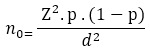
where n₀ defines the starting sample size, Z represents the standard normal value for a 95% confidence level (1.96), p reflects the predicted population proportion (0.50), and d refers to the desired margin of error (0.075). To account for the finite size of the target population, a finite population correction (FPC) was used as follows 12:
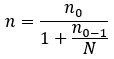
where N represents the total population size.
The corrected sample size was approximately 168 participants. In addition, sample size adequacy was supported through power analysis assuming an effect size of 0.40, 90% statistical power, and a two-sided significance level of 0.01.13 To compensate for possible non-response and incomplete questionnaire, an increase in the target sample size to 200 participants was implemented.
Participants were recruited using convenience sampling from Taibah University (Main Campus and Al-Salam College). Recruitment was facilitated by trained nutrition graduate students. Individuals interested in participation were assessed against the eligibility criteria, and informed consent in writing was acquired before enrollment.
Data Collection
Questionnaire Administration
A 32-item Arabic questionnaire was used by trained interviewers to conduct in-person interviews with graduate students studying nutrition. The questionnaire was developed with reference to the conceptual framework of the original validated Night Eating Questionnaire (NEQ),¹⁴ but it was neither a direct Arabic translation nor an Arabic version of the NEQ. The questionnaire was reviewed for clarity and relevance and subsequently pilot-tested 20 participants before the main data collection. The questionnaire assessed sociodemographic characteristics night eating habits, appetite characteristics, meal and snack timing, sleep behaviors, nighttime food and beverage preferences, and perceived control over night eating. It was used to characterize night eating behaviors through descriptive and categorical items. Individual items were analyzed separately, and no total NEQ score or standard NEQ scoring system was applied.
Dietary consumption was evaluated using a 24-hour dietary recall and estimate total daily energy intake. Nighttime energy intake was calculated as the energy consumed between 10:00 PM and 4:00 AM divided by total daily energy intake and multiplied by 100. Participants eating ≥25% of their total daily energy intake during this period were classified in the ≥25% nocturnal energy intake category, while those consuming <25% were classified in the comparison category. Standardized instructions were provided to promote accurate and complete dietary reporting.
Anthropometric and Body Composition Measurements
Anthropometric measurements were obtained using standardized procedures. A calibrated stadiometer was used to measure height. Body weight, body mass index (BMI), percent body fat, and low skeletal muscle percentage were subsequently assessed using a bioelectrical impedance analysis device (Omron Body Composition Monitor; Omron Healthcare Co., Ltd., Kyoto, Japan) following standardized manufacturer procedures.15
Waist and hip circumferences measurements were obtained three times with a non-stretch measuring tape, with the average value used for subsequent analysis. The WHR was calculated from the corresponding waist and hip circumference measurements. To minimize hydration-related measurement variability, all assessments were conducted in the morning following an overnight fast or at least two hours after breakfast, in accordance with the manufacturer’s instructions.15
Dietary Assessment and Data Processing
Data entry and coding were conducted using Microsoft Excel 2016 (Microsoft Corporation, Redmond, WA, USA). Energy intake data from the 24-hour dietary recalls were analyzed using ESHA Food Processor software (Salem, Oregon, USA: ESHA Research Inc.).16
Participants were grouped by body mass index (BMI) into four categories: Obesity (≥30.0 kg/m2), overweight (25.0–29.9 kg/m2), underweight (BMI <18.5 kg/m2), and normal weight (18.5–24.9 kg/m2). Percent body fat and low skeletal muscle percentage were categorized according to the reference ranges specified by the manufacturer.15 Waist-to-hip ratios were classified according to World Health Organization guidelines.17
Statistical Analysis
Statistical evaluations were performed utilizing IBM SPSS Statistics version 25.0 (IBM Corp., Armonk, NY, USA). Statistical significance was determined with a two-tailed p-value below 0.05.
Binary logistic Regression analysis was conducted among the 130 participants who reported consuming their last daily meal after 10:00 p.m. to examine the association between body composition measures and nighttime energy intake. Consumption of ≥25% versus <25% of total daily energy intake during nighttime hours was entered as the dependent variable. BMI, body fat percentage, skeletal muscle percentage, and waist-to-hip ratio were included as independent variables. Multicollinearity among these variables was assessed using variance inflation factor (VIF) and tolerance values. The VIF values ranged from 1.42 to 3.18, while tolerance values ranged from 0.31 to 0.70, indicating no evidence of problematic multicollinearity. Age was included as a covariate. There were no missing data for the variables included in the regression model. Results were reported as odds ratios (ORs) accompanied by 95% confidence intervals (CIs).
Ethical Considerations
Ethical authorization was obtained from the Ethics Committee of the College of Applied Medical Sciences at Taibah University in Madinah, Saudi Arabia (Reference No. CLN201807; approved 1 October 2018). All study The protocols conformed to the ethical guidelines specified in the Declaration of Helsinki. Prior to enrollment, each participant provided written informed consent. Measures to protect participant confidentiality included the use of coded questionnaires, safeguarded preservation of research documentation, together with limited access to study data. Participants were free to decline continued participation or Participants may exit the study at any point without encountering negative repercussions or forfeiting any entitlements they would have otherwise received.
Results
Population Characteristics
The sociodemographic details of the 200 female participants are compiled in Table 1. The majority of participants (71.0%) were between the ages of 20 and 22, followed by those between the ages of 23 and 25 (15.0%) and 18 and 19 (14.0%). 90.0% of people were unmarried, 7.5% were married, and 2.5% were divorced.
The main anthropometric and body composition traits are shown in Table 2. The average BMI was 22.5 ± 4.0 kg/m². The majority of participants (59.0%) were categorized as normal weight, whilst 20.0% were overweight, 15.0% were underweight, and 6.0% were obese. 54.0% of the subjects had a low skeletal muscle percentage, while 8.0% had a high or extremely high skeletal muscle percentage. Furthermore, 12.0% had a high waist-to-hip ratio and 53.0% had a high or very high body fat percentage.
Table 1: Participants in sociodemographic characteristics
|
Variables |
Category | n |
% |
|
Age (years) |
18–19 | 28 | 14.0% |
| 20–22 | 142 |
71.0% |
|
|
23–25 |
30 |
15.0% |
|
|
Marital Status |
Single | 180 | 90.0% |
| Married | 15 |
7.5% |
|
|
Divorced |
5 |
2.5% |
Table 2: Participants anthropometric, body composition and health-related characteristics
|
Variable |
Value |
|
BMI, mean ± SD (kg/m²) |
22.5 ± 4.0 |
| Underweight, n (%) |
30 (15.0) |
|
Normal weight, n (%) |
118 (59.0) |
| Overweight, n (%) |
40 (20.0) |
|
Obese, n (%) |
12 (6.0) |
| Low skeletal muscle percentage, n (%) |
108 (54.0) |
|
High/very high skeletal muscle percentage, n (%) |
16 (8.0) |
| High/very high body fat percentage, n (%) |
106 (53.0) |
|
High waist-to-hip ratio, n (%) |
24 (12.0) |
Note. BMI = body mass index; SD = standard deviation. High and very high categories were combined for concise reporting. BMI, body fat percentage, and skeletal muscle percentage were categorized according to the manufacturer’s guidelines; waist-to-hip ratio was categorized according to World Health Organization reference values.
Appetite and Eating Behaviors
As shown in Table 3, most participants reported a good-to-excellent morning appetite (163/200, 81.5%) and regularly consumed snacks between main meals (147/200, 73.5%). Regarding late-night behaviors, 178/200 participants (89.0%) reported a usual bedtime after 10:00 p.m., while 90/200 (45.0%) indicated that staying up late was a habitual behavior. More than half of the participants reported an urge to eat during nighttime awakenings (105/200, 52.5%), and 152/200 (76.0%) reported consuming food once when waking at night. Salty foods were the most preferred nighttime snacks (85/200, 42.5%), followed by sweet foods (52/200, 26.0%). In addition, 148/200 participants (74.0%) reported consuming beverages during nighttime eating, with caffeinated drinks reported by 67/200 (33.5%). Overall, 130/200 participants (71.5%) reported consuming their last meal after 10:00 p.m., while 82/200 (41.0%) reported being bothered by their late-night eating habits and expressed a desire to change them.
Table 3: Key characteristics of appetite and eating behavior in the study population (N = 200).
|
Variable |
N (%) |
| Good-to-excellent morning appetite |
163/200 (81.5%) |
|
Snacking between main meals |
147/200 (73.5%) |
| Usual bedtime after 10:00 p.m. |
178/200 (89.0%) |
|
Staying up late as a habit |
90/200 (45.0%) |
| Urge to eat during nighttime awakenings |
105/200 (52.5%) |
|
Consumed food once when waking at night |
152/200 (76.0%) |
| Preferred salty nighttime snacks |
85/200 (42.5%) |
|
Preferred sweet nighttime snacks |
52/200 (26.0%) |
| Consumed beverages during nighttime eating |
148/200 (74.0%) |
|
Consumed caffeinated drinks at night |
67/200 (33.5%) |
| Last meal consumed after 10:00 p.m. |
130/200 (71.5%) |
|
Bothered by late-night eating habits and wished to change them |
82/200 (41.0%) |
Note. Values are presented as n/N (%), with N = 200 for the items shown in this table. Only key appetite and eating-behavior characteristics are presented.
Nighttime energy intake was evaluated among all participants included in the study (N = 200). As illustrated in Figure 1, 65.0% of participants (n = 130) consumed ≥25% of their total daily energy intake during nighttime hours, while 35.0% (n = 70) consumed <25% during the same period. This distribution shows that a substantial proportion of the study sample consumed at least one-quarter of their total daily energy intake at night. The findings presented in Figure 1 are based on the full study sample and provide an overall description of nighttime energy intake patterns among the participating female university students.
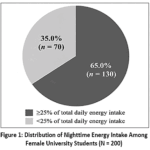 |
Figure 1: Distribution of Nighttime Energy Intake Among Female University Students (N = 200). |
Determinants of Nighttime Energy Consumption
Binary logistic regression analysis was conducted on the complete study cohort (N = 200) to investigate determinants linked to the consumption of ≥25% versus <25% of total daily caloric intake during nocturnal periods (Table 4). Elevated BMI was notably linked to increased likelihood of deriving ≥25% of total daily caloric intake during nocturnal hours (OR = 1.31, 95% CI: 1.12–1.54; p = 0.001). In a similar vein, an elevated body fat percentage correlated with increased likelihood of obtaining ≥25% of total daily caloric intake during nocturnal hours (OR = 1.17, 95% CI: 1.07–1.29; p = 0.001).
An elevated waist-to-hip ratio was positively correlated with the consumption of ≥25% of total daily caloric intake during nocturnal hours (OR = 1.40, 95% CI: 1.06–1.84; p = 0.016). Conversely, an increased percentage of skeletal muscle correlated with diminished likelihood of ingesting ≥25% of daily caloric intake during nocturnal hours (OR = 0.80, 95% CI: 0.70–0.91; p = 0.001). Age had a favorable correlation with nocturnal energy use (OR = 1.09, 95% CI: 1.01–1.18; p = 0.022).
Table 4: Analysis of Binary Logistic Regression Concerning Factors Related to Nighttime Energy Consumption
|
Variable |
β (SE) | p-value | ORa | 95% CI b for OR |
| BMI (kg/m²) | 0.268 (0.079) | 0.001 | 1.31 |
1.12 – 1.54 |
|
Body Fat % |
0.158 (0.046) | 0.001 | 1.17 | 1.07 – 1.29 |
| Low skeletal muscle percentage % | -0.221 (0.063) | 0.001 | 0.80 |
0.70 – 0.91 |
|
Waist-to-Hip Ratio |
0.336 (0.140) | 0.016 | 1.40 | 1.06–1.84 |
| Age (years) | 0.087 (0.038) | 0.022 | 1.09 |
1.01 – 1.18 |
|
Constant |
-4.982 (1.423) | 0.001 | — |
— |
a OR: odds ratio
b CI: confidence interval
Discussion
Currently, minimal investigation has been conducted regarding the correlation between nocturnal eating patterns and body composition specifically among undergraduate female students residing in Saudi Arabia. The study findings revealed a high prevalence of night eating behaviors among the participants, as evidenced by delayed meal timing, frequent nocturnal eating urges, and a preference for energy-dense foods, caffeinated beverages, and soft drinks. Furthermore, night eating behaviors were associated with an unfavorable body composition profile, characterized by higher BMI and body fat percentage and lower low skeletal muscle percentage. Almoosawi et al. reported that later energy intake was associated with obesity in observational studies, while Thomas et al. found that later meal and sleep timing was associated with a higher percentage of body fat.4,18 The observed results agree with the associations identified in this study and support the potential relevance of meal timing to body composition.
From a physiological perspective, the observed associations may be explained by circadian regulation of metabolic processes. Energy metabolism, insulin sensitivity, glucose tolerance, and lipid oxidation exhibit changes across the 24-hour cycle, and metabolic processes generally function more efficiently during the earlier part of the day. As the day progresses, insulin sensitivity declines and postprandial glucose and lipid responses become less favorable, which may be associated with differences in energy utilization when food is consumed at night.19,20 This circadian misalignment between food intake and endogenous metabolic rhythms could be associated with variations in adipose tissue accumulation over time, even in the absence of excessive total energy intake or clinically evident overweight or obesity. In the present study, 26% of participants fell within the overweight or obesity categories, whereas 53% had high or very high body fat levels.
Night eating has also been associated with poorer dietary quality and altered appetite regulation. Previous studies have shown that late-night eating is often accompanied by a greater tendency to consume energy-dense foods, high in fat and sugar, while intake of nutrient-rich foods include produce, veggies, and unrefined cereals tends to be lower 4,18, findings that are consistent with those of the present study. In university settings, these patterns may be reinforced by academic stress, limited access to healthy food options during nighttime hours, and increased reliance on convenience foods and caffeinated beverages. This trend aligns with the research conducted by Jeong et al., which indicated that heightened energy expenditure in the evening correlated with a higher probability of obesity and metabolic syndrome among Korean adults.19
The present study identified an inverse association between low skeletal muscle percentage and nighttime energy intake. Similarly, Rosli et al. reported an association between body composition and night eating habits among female university students, with higher muscle mass being associated with lower night eating behavior.21 This finding is consistent with the inverse association observed In the current investigation. Several mechanisms may explain this observed association. Adequate low skeletal muscle percentage mass is essential for maintaining metabolic health, as muscle tissue is a major site of glucose disposal and is substantially associated with resting energy expenditure. Night eating behaviors may disrupt anabolic processes by altering hormonal profiles, including growth hormone and cortisol secretion, which are closely linked to sleep quality and timing.19,22 Additionally, poor meal timing patterns and insufficient distribution of dietary protein across eating occasions may be associated with differences in muscle protein synthesis and muscle mass among individuals who consume a considerable proportion of their daily energy intake at night. In the present study, 65.7% of participants consumed ≥25% of their total daily energy intake during nighttime hours.
The substantial proportion of participants reporting late bedtimes highlights the potential association between lifestyle and behavioral factors characteristic of university students to the observed association between night eating behaviors and body composition. Irregular sleep patterns, short sleep duration, and increased screen exposure have been independently associated with increased appetite, altered hunger-regulating hormones, and greater preference for late-night snacking.23,24 These factors may coexist with night eating habits and may was associated with the observed associations between nighttime eating and body composition.
The demographic characteristics of the study population, predominantly young, single female students, reflect a critical developmental stage during which long-term health behaviors are established. During early adulthood, lifestyle patterns related to diet, physical activity, and sleep often become habitual and may track into later life. Consequently, night eating behaviors adopted during university years may have lasting implications for body composition and cardio-metabolic health if not addressed early.23,24
Previous evidence supports the relevance of meal timing to metabolic and weight-related outcomes. Jeong et al. reported that greater energy consumption in the evening was linked to increased likelihood of obesity and metabolic syndrome, while Raji et al. highlighted evidence linking meal timing and circadian eating patterns with cardiometabolic health.19,22 Collectively, these observations suggest the possible value chrono-nutrition–based approaches that emphasize regular meal timing and alignment with circadian rhythms, alongside traditional dietary recommendations.
This research possesses the significant advantage of a sufficiently large sample size, hence augmenting the credibility of the results. Additionally, the inclusion of multiple indicators of body composition, include BMI, body fat ratio, and diminished skeletal muscle %, provides a more comprehensive evaluation than reliance on BMI alone. Furthermore, This research offers fresh perspectives on the possible influence of chrono-nutrition on dietary habits and body composition. The results possess practical significance for creating dietary strategies intended to enhance eating habits and metabolic well-being in young adults. Notwithstanding the significance of these results, certain methodological constraints must be recognized. Due to the cross-sectional design of the study, the identified correlations do not allow for causal conclusions. Furthermore, reliance on a single self-reported 24-hour dietary recall may not adequately represent habitual nighttime eating patterns and is susceptible to reporting errors, including misreporting of foods and portion sizes. Subjects were selected through convenience sampling at Taibah University Main Campus and Al-Salam College, potentially leading to selection and institutional bias, hence constraining the applicability of the results to women from different educational establishments, areas, or non-academic demographics. Additionally, as the data were collected in 2019, the findings may not fully reflect current nighttime eating patterns and lifestyle behaviors among university students. Despite the inclusion of age as a covariate, residual confounding remains a possibility. Physical activity, sleep quality, chronotype, and psychological stress were excluded from the modified model as these variables were not consistently evaluated with validated instruments in the initial study protocol. Total energy intake was estimated from a single 24-hour dietary recall; however, it was not included as a covariate because a single-day assessment may not reliably represent habitual energy intake. Future studies should incorporate repeated dietary assessments and validated measures of sleep, physical activity, circadian preference, and psychological stress to allow more comprehensive adjustment for potential confounders and better clarify the temporal and causal relationships observed. 22,24
Conclusion
Our research reveals that nocturnal energy expenditure was prevalent among young adult women and correlated with many body composition metrics, such as BMI, body fat percentage, waist-to-hip ratio, and skeletal muscle percentage. Due to the cross-sectional design, the direction and causality of these relationships cannot be determined. These results indicate that the timing of meals could be significant for nutritional evaluation and health enhancement in university students. Additional longitudinal research that includes multiple dietary evaluations and objective assessments of sleep, physical activity, hormonal levels, and glucose regulation is essential to elucidate the temporal and causal connections between nocturnal eating habits and body composition.
Acknowledgement
The authors express their sincere gratitude to the undergraduate students from the Department of Nutrition and Food Science for their commitment and assistance in data collection. The authors also extend their appreciation to all participants who voluntarily participated in the study. Their cooperation and contribution were essential to the successful completion of this research.
Funding Sources
The author(s) received no financial support for the research, authorship, and/or publication of this article.
Conflict of Interest
The author(s) do not have any conflict of interest.
Data Availability Statement
This statement does not apply to this article.
Ethics Statement
Ethical approval was obtained from the Ethics Committee of the College of Applied Medical Sciences, Taibah University, Madinah, Saudi Arabia (Reference No. CLN201807; approved 1 October 2018). The study was conducted in accordance with the principles of the Declaration of Helsinki.
Informed Consent Statement
This study did not involve human participants, and therefore, informed consent was not required.
Clinical Trial Registration
This research does not involve any clinical trials.
Permission to reproduce material from other sources
Not Applicable.
Author Contributions
The sole author was responsible for the conceptualization, methodology, data collection, analysis, writing, and final approval of the manuscript.
References
- Hruby A, Hu FB. The epidemiology of obesity: A big picture. Pharmacoeconomics. 2015;33(7):673-689. doi:10.1007/s40273-014-0243-x
CrossRef - Blüher M. Obesity: Global epidemiology and pathogenesis. Nat Rev Endocrinol. 2019;15(5):288-298. doi:10.1038/s41574-019-0176-8
CrossRef - Qian J, Scheer FAJL. Circadian system and glucose metabolism: Implications for physiology and disease. Trends Endocrinol Metab. 2016;27(5):282-293. doi:10.1016/j.tem.2016.03.005
CrossRef - Almoosawi S, Vingeliene S, Karagounis LG, Pot GK. Chrono-nutrition: A review of current evidence from observational studies on global trends in time-of-day of energy intake and its association with obesity. Proc Nutr Soc. 2016;75(4):487-500. doi:10.1017/S0029665116000306
CrossRef - Xiao Q, Garaulet M, Scheer FA. Meal timing and obesity: Interactions with macronutrient intake and chronotype. Int J Obes. 2019;43(9):1701-1711. doi:10.1038/s41366-018-0284-x
CrossRef - Panda S. Circadian physiology of metabolism. Science. 2016;354(6315):1008-1015. doi:10.1126/science.aah4967
CrossRef - Yan B, Caton SJ, Buckland NJ. Exploring factors influencing late evening eating and barriers and enablers to changing to earlier eating patterns in adults with overweight and obesity. Appetite. 2024;202:107646. doi:10.1016/j.appet.2024.107646.
CrossRef - Covassin N, Singh P, Somers VK. Keeping up with the clock: Circadian disruption and obesity risk. Hypertension. 2016;68(5):1081-1090. doi:10.1161/HYPERTENSIONAHA.116.06588
CrossRef - Yahia N, Brown C, Potter S, Szymanski H, Smith K, Pringle L, et al. Night eating syndrome and its association with weight status, physical activity, eating habits, smoking status, and sleep patterns among college students. Eat Weight Disord. 2017;22(3):421-433. doi:10.1007/s40519-017-0403-z
CrossRef - Sakthivel SJ, Hay P, Mannan H. A scoping review on the association between night eating syndrome and physical health, health-related quality of life, sleep and weight status in adults. Nutrients. 2023 Jun 18;15(12):2791. doi:10.3390/nu15122791
CrossRef - Althumiri NA, Basyouni MH, AlMousa N, AlJuwaysim MF, Almubark RA, BinDhim NF, et al. Obesity in Saudi Arabia in 2020: Prevalence, distribution, and its current association with various health conditions. Healthcare. 2021;9(3):311. doi:10.3390/healthcare9030311
CrossRef - Nanjundeswaraswamy TS, Divakar S. Determination of sample size and sampling methods in applied research. Proc Eng Sci. 2021;3(1):25-32. doi:10.24874/PES03.01.003
CrossRef - Gibson RS. Principles of Nutritional Assessment. New York: Oxford University Press; 2005.
CrossRef - Allison KC, Lundgren JD, O’Reardon JP, Martino NS, Sarwer DB, Wadden TA, et al. The night eating questionnaire (NEQ): Psychometric properties of a measure of severity of the night eating syndrome. Eat Behav. 2008;9(1):62-72. doi:10.1016/j.eatbeh.2007.03.007
CrossRef - Omron Healthcare Co., Ltd. Omron Body Composition Monitor: Instruction Manual. Kyoto: Omron Healthcare Co., Ltd.; 2018. Available from: https://omronhealthcare.com
- ESHA Research Inc. Getting Started. Salem (OR): ESHA Research Inc.; 2025. Available from: https://esharesearch.atlassian.net
- World Health Organization. Waist Circumference and Waist-Hip Ratio: Report of a WHO Expert Consultation. Geneva: World Health Organization; 2008. Available from: https://www.who.int/publications/i/item/9789241501491
- Thomas EA, Zaman A, Cornier MA, Catenacci VA, Tussey EJ, Grau L, et al. Later meal and sleep timing predicts higher percent body fat. Nutrients. 2021;13(1):73. doi:10.3390/nu13010073
CrossRef - Jeong S, Lee H, Jung S, Kim JY, Park S. Higher energy consumption in the evening is associated with increased odds of obesity and metabolic syndrome: findings from the 2016–2018 Korea National Health and Nutrition Examination Survey (7th KNHANES). Epidemiol Health. 2023;45. doi:10.4178/epih.e2023087.
CrossRef - Murakami K, Shinozaki N, Livingstone MBE, McCaffrey TA, Masayasu S, Sasaki S. Chrononutrition behaviors in relation to diet quality and obesity: Do dietary assessment methods and energy intake misreporting matter? Nutr J. 2025;24(1). doi:10.1186/s12937-025-01129-1.
CrossRef - Rosli H, Mat Ludin AF, Lim AP, Vallavan V, Sze Yuen L, Yusop NH, et al. Investigating the links between body composition and female university students’ night eating habits and sleep quality. Makara J Health Res. 2022;26(1):29–35. doi:10.7454/msk.v26i1.1312.
CrossRef - Raji OE, Kyeremah EB, Sears DD, St-Onge MP, Makarem N. Chrononutrition and cardiometabolic health: An overview of epidemiological evidence and key future research directions. Nutrients. 2024;16(14):2332. doi:10.3390/nu16142332.
CrossRef - Young IE, Poobalan A, Steinbeck K, O’Connor HT, Parker HM. Distribution of energy intake across the day and weight loss: A systematic review and meta-analysis. Obes Rev. 2023;24(3). doi:10.1111/obr.13537.
CrossRef - Ahmed S, Harbi F, Saeed O, Ali S. Prevalence of night eating syndrome amongst medical students in Saudi Arabia. Int J Med Dev Ctries. 2019;3:22–25. doi:10.24911/IJMDC.51-1544294177.
CrossRef
Abbreviations
BMI – Body Mass Index
CI – Confidence Interval
FPC – Finite Population Correction
NEH – Night Eating Habit
NEQ – Night Eating Questionnaire
OR – Odds Ratio
SD – Standard Deviation
VIF – Variance Inflation Factor
WHR – Waist-to-Hip Ratio
WHO – World Health Organization

Accepted on: 24 Sep 2026
Second Review by: Mary M. Mwale
Final Approval by: Dr. Md. Bellal Hossain





Web of Science Coverage
Emerging Sources Citation Index (ESCI)
2024 Journal Impact Factor: 1.1
Scopus Journal Metrics
CiteScore 2025: 2.6
CiteScore Details
Sustainable Nutrition: Food Systems, Nutrient Retention, and Public Health Impact

This journal is a member of, and subscribes to the principles of, the Committee on Publication Ethics (COPE)