
Artificial Intelligence-Enabled QR Codes in Nutrition Labelling: A Conceptual Paper
 , Meenakshi2, Pushpalatha Gurappa3
 1Department of Commerce and Management Studies, Dayananda Sagar University, Bangalore, Karnataka, India.
2Department of Psychology, Magadh University, Bodh Gaya, Bihar, India.
3Department of Psychology, REVA University, Bangalore, Karnataka, India.
Corresponding Author Email: judopriya8@gmail.com
DOI : http://dx.doi.org/10.12944/CRNFSJ.13.3.21
Download this article as:

This conceptual paper explores the integration of artificial intelligence (AI) and quick response (QR) codes into nutrition labeling systems to address consumer concerns about food nutrition and the limitations of traditional labels. It highlights how AI-enabled QR codes can provide personalized, real-time nutritional information, offering an interactive and tailored consumer experience. The study emphasizes the potential of these technologies to improve accessibility, accuracy, and relevance of information, promoting healthier dietary behaviors. It also discusses challenges such as data privacy and user acceptance while underscoring the transformative potential of AI and QR codes in creating a more health-conscious and informed society.
KEYWORDS:Artificial Intelligence; Consumer Health; Emerging Technology; Information Systems; Nutrition Labeling; QR Codes.
Introduction
Background and significance of nutrition labelling
“Nutrition labelling refers to providing information about the nutritional content of food products on their packaging or labels”.1 It aims to educate consumers about the composition of the food they consume and assist them in making informed choices regarding their diet and health.2 With the rise of chronic diseases such as obesity,3 diabetes,4 and heart disease,5 there is a growing awareness of the importance of nutrition in maintaining good health. Consumers seek ways to adopt healthier eating habits and make more informed food choices.6 Many consumers lack a comprehensive understanding of nutrition and find it challenging to interpret the complex information on food labels.7 Traditional nutrition labels often contain technical terms and numerical data that may be confusing or overwhelming for individuals without a background in nutrition.8 Nutrition labelling serves to promote transparency in the food industry. It allows consumers to understand the ingredients, nutritional composition, and potential allergens in the food they purchase, fostering trust and accountability between consumers and manufacturers.9 Each person has unique dietary requirements, health conditions, and personal preferences. Nutrition labelling has the potential to provide personalized information, enabling individuals to make choices that align with their specific needs, such as managing allergies dietary restrictions, or achieving specific health goals.10 The inclusion of nutrition labelling on food products has the potential to influence food manufacturers and the broader food industry. Clear and accurate labelling encourages companies to develop and promote healthier food options, reformulate products, and reduce the presence of undesirable ingredients, such as excessive sugar, salt, or unhealthy fats.11
QR codes and their relevance in food packaging
QR codes, short for quick response codes,12 are two-dimensional barcodes that smartphones or QR code readers can scan to access digital information.13 They have gained significant relevance in various industries, including food packaging, due to their versatility and ability to provide quick and convenient access to additional content. QR codes are black squares arranged on a white background, typically square or rectangular.10 These codes can store significant data, including text, URLs, contact information, etc. When scanned using a smartphone or QR code reader app, the encoded information is decoded and presented to the user.14 QR codes provide an innovative and interactive way to enhance the information available on food packaging.15 Food packaging is often limited in space, making it challenging to include comprehensive nutritional information, recipes, or other relevant details.16
QR codes address this limitation by enabling access to a broader range of information through a simple scan, enriching the consumer’s experience.17 QR codes on food packaging can link to digital platforms offering nutritional information, ingredient lists, allergen warnings, and dietary guidelines. This allows consumers to make informed choices based on their dietary needs. QR codes also provide recipe suggestions, cooking instructions, and meal preparation tips, promoting a more engaging and enjoyable cooking experience. QR codes are a useful tool for tracking food products’ origin and production processes, allowing consumers to access details like farm or manufacturer, production methods, certifications, and sustainability practices. They also provide opportunities for food manufacturers to engage with consumers and offer promotional content, such as discounts, loyalty rewards, and interactive campaigns.
Limitations of traditional nutrition labels
Traditional nutrition labels, while serving as a valuable tool for providing some information about the nutritional content of food products, have several limitations that hinder their effectiveness. Traditional nutrition labels often present information in a complex manner, including technical terms, unfamiliar units of measurement, and lengthy ingredient lists.18 This confuses consumers and makes it difficult for them to understand and compare the nutritional content of different products.19 It provides general information about the average nutritional content of a product, but they do not account for individual dietary needs, preferences, or health conditions.20 This one-size-fits-all approach fails to address the diverse nutritional requirements of consumers.21 Due to space constraints on packaging, traditional nutrition labels only provide limited information.22 They typically focus on a few key nutrients, such as calories, fat, carbohydrates, and protein, while neglecting other micronutrients, allergens, or additives that may be relevant to some individuals.23 Traditional nutrition labels provide static information based on average values, overlooking potential nutrient content fluctuations due to seasonal variations, and regional unique components. They may not disclose the origin and quality of substances, making it difficult for consumers to understand their relevance and apply the information to their daily eating habits, especially for those with visual impairments or poor reading levels. The small font sizes, lack of braille options, and technical language hinder accessibility and comprehension.24 Traditional labels fail to give real-time updates on chemical formulas, allergy warnings and recalls, which limits customer information. Integrating artificial intelligence and QR codes into nutrition labeling allows for tailored, real-time, and easily available information, allowing customers to make more informed choices and improving nutrition labeling.
The potential of AI and QR codes in revolutionizing nutrition labelling
Artificial intelligence (AI) and quick response (QR) codes are revolutionizing nutrition labelling by providing personalized recommendations based on individual dietary preferences, health conditions, and goals.25 These codes can provide interactive experiences, such as educational content, recipe suggestions, and meal-planning tips, promoting healthier decision-making. QR codes can also integrate with emerging technologies like augmented reality (AR) to enhance accessibility.26 These codes are scannable on smartphones, making nutritional information accessible to individuals with visual impairments or limited literacy. AI algorithms generate valuable data on consumer preferences, dietary patterns, and health outcomes, allowing for continuous improvement and refinement of nutrition recommendations.27 AI-enabled QR codes can integrate with smart devices and nutrition-tracking apps, facilitating seamless tracking of dietary intake and personalized feedback.28 This data-driven approach empowers individuals to make informed decisions about their diet and overall well-being, transforming the way consumers interact with nutritional information.15
Materials and Methods
Research Design
This study adopts a conceptual research approach to examine the integration of AI and QR codes in nutrition labeling. A thorough literature review was conducted to assess existing research on AI applications in consumer health, digital food labeling, and emerging information systems. By synthesizing insights from various sources, this paper develops a theoretical framework to explore how AI-driven QR codes can enhance consumer engagement with nutrition information.
Data Collection and Sources
The study relies on secondary data obtained from peer-reviewed journals, government reports, and industry white papers. Research articles were identified using academic databases such as PubMed, Google Scholar, Web of Science, and Scopus. The search was conducted using relevant keywords, including artificial intelligence, QR codes, nutrition labeling, consumer health, and digital food information systems. Selection criteria focused on studies published in the last decade, ensuring an up-to-date understanding of technological advancements in the field.
Framework Development
To conceptualize the role of AI-enabled QR codes in nutrition labeling, an analytical approach was taken to examine three key aspects: the effectiveness of current food labeling methods, the potential of AI-driven QR codes, and consumer interaction with digital nutrition information. The framework was developed using principles from information systems theory, health behavior models, and technology acceptance frameworks, providing a structured perspective on the feasibility and impact of AI-driven solutions in food labeling.
Analysis Approach
A qualitative synthesis was conducted to identify trends, challenges, and opportunities related to AI-enhanced QR codes in nutrition labeling. The study employs a comparative evaluation of traditional versus AI-driven labeling systems, a theoretical assessment of consumer behavior models in digital nutrition adoption, and an exploration of technological feasibility. These analyses collectively contribute to forming a conceptual model that outlines the benefits, limitations, and future implications of integrating AI-enabled QR codes into nutrition labeling practices.
AI and QR Codes in Nutrition Labelling
AI and QR codes can be combined to create a dynamic and interactive nutrition labelling system that offers personalized and real-time information to consumers. AI algorithms are trained on large datasets of food information, including nutritional content, ingredients, allergens, and dietary guidelines. These algorithms analyze the data and learn patterns to accurately interpret and categorize the nutritional information codes containing unique identifiers for each food product generated and printed on their packaging. The QR codes are integrated into the existing nutrition labeling system directly on the package or at the point of sale. Consumers use their smartphones or QR code scanners to scan the QR code on a food product.29 The scanned code triggers a request to a server or cloud-based platform that hosts the AI-powered nutrition database. The server or platform employs AI algorithms to process the scanned data and extract relevant nutritional information.
AI algorithms continuously learn from user interactions and feedback to improve the accuracy of recommendations and better understand individual preferences. The nutrition database is regularly updated with new products, changes in ingredient formulations, and emerging nutritional research. By combining AI and QR codes, this system enables consumers to access comprehensive and personalized nutritional information about food products quickly. It promotes transparency, empowers individuals to make informed dietary choices, and encourages healthier eating habits. Additionally, the data collected through user interactions can contribute to broader research and insights into population-level nutrition trends.
Research Questions
How can the integration of artificial intelligence (AI) and quick response (QR) codes in nutrition labeling improve consumer engagement, accessibility to comprehensive nutritional information, and encourage healthier dietary choices?
Research Objectives
To assess the effectiveness of AI-enabled QR codes in providing personalized and real-time nutritional information to consumers.
To examine the impact of AI-integrated nutrition labeling on consumer engagement and understanding of nutritional content.
To identify the challenges and limitations associated with implementing AI-based QR codes in nutrition labeling.
To explore the implications of AI-enabled QR codes on promoting healthier dietary choices and contributing to a more health-conscious society.
To propose recommendations for the successful integration and implementation of AI and QR codes in nutrition labeling for the benefit of consumers and the food industry.
By addressing these research objectives, a comprehensive understanding of the potential benefits, challenges, and implications of integrating AI and QR codes in nutrition labeling can be achieved, thereby contributing to the advancement of consumer health awareness and informed decision-making.
Results
AI technology, which uses algorithms to mimic human intelligence, has the potential to revolutionize nutrition by analyzing large datasets of food composition, nutritional information, and dietary patterns.30 Machine learning techniques, like deep learning and neural networks, can classify foods based on their nutritional content, ingredient composition, or allergen presence. AI systems can use individual user data, such as age, gender, weight, health conditions, dietary preferences, and activity levels, to provide personalized nutrition recommendations. AI-powered chatbots and virtual assistants can also provide personalized nutrition advice and answer questions about dietary choices. AI systems can also analyze dietary intake data to track nutrient consumption and provide insights into overall nutritional balance.31 AI technology can also contribute to disease management and prevention by providing personalized dietary recommendations for individuals with specific health conditions. As AI applications evolve, they will play an increasingly important role in empowering individuals to make informed nutrition decisions and promote healthier lifestyles.
Integration of AI algorithms with QR codes for personalized nutrition information
AI algorithms are integrating with QR codes to provide personalized nutrition information to consumers. These algorithms create user profiles that generate personalized nutrition recommendations based on factors like dietary restrictions, allergies, weight management goals, and specific nutritional requirements.32 The algorithms process the scanned data and retrieve the nutritional information associated with the product, generating personalized recommendations based on the user’s profile and preferences. They continuously update the nutritional information database with new products, formulation changes, or emerging research. The algorithms also provide personalized dietary suggestions, such as healthier alternatives, portion control guidance, nutrient distribution recommendations, or specific meal options.32 They can also analyze the product’s ingredient list and flag potential allergens or ingredients of concern, ensuring safety and adherence to dietary restrictions. AI algorithms can integrate with user tracking tools to monitor dietary intake and progress. This approach empowers individuals to make informed dietary choices, promotes healthier lifestyles, and supports achieving specific nutritional goals.25
Benefits of AI-Enabled QR Codes in Nutrition Labelling
Consumers can actively participate in their own nutrition management by scanning QR codes, receiving personalized recommendations, and exploring relevant content. AI-powered platforms linked to QR codes can provide educational content, nutritional insights, and tips to enhance consumer knowledge and awareness. This educational aspect fosters engagement by promoting understanding of nutrition and enabling informed decisions about diet. AI-enabled QR codes also promote consumer empowerment by allowing them to actively participate in their health management. This accessibility, made possible by QR codes being easily scannable on smartphones, promotes immediate decision-making based on personalized recommendations.33 This empowers individuals to make informed choices, take control of their nutrition, and work towards healthier lifestyles.
Challenges and Considerations
AI-enabled QR codes in nutrition labelling pose challenges, including access to personal data for personalized recommendations, robust data security measures, and maintaining data accuracy. Standardization in QR code formats and practices across food products and manufacturers can be challenging, but establishing consistent guidelines and industry standards can ensure a seamless experience for consumers. Adoption of AI-enabled QR codes depends on consumer willingness to engage with the technology, user-friendly interfaces, widespread smartphone compatibility, and promoting awareness about its benefits.33 Reliable internet connection is essential for widespread adoption and accessibility. Adhering to regulatory guidelines and compliance standards is crucial for consumer protection and trust. Clear, concise, and understandable information is essential to prevent overwhelming consumers with excessive data. Consumer education and awareness campaigns are necessary to familiarize individuals with AI-enabled QR codes and make informed choices. Collaboration among stakeholders, including food manufacturers, policymakers, technology developers, and consumer advocacy groups, is necessary to optimize the implementation of AI-enabled QR codes in nutrition labelling.
The implementation of AI-enabled QR codes in nutrition labelling raises concerns about privacy and data security.25 To ensure effective privacy and data security, only the necessary personal data should be collected, minimizing sensitive information and adhering to privacy regulations. The Anonymization of the personal data whenever possible, implemention of the strong encryption measures, and clearly communicating data handling practices to consumers is imperative. Firms should provide transparent information about data retention and access, and adhere to relevant privacy regulations. Using secure servers, employing encryption techniques, and regularly updating security protocols is quintessential. Firms should adhere to GDPR and other data protection laws and ensure proper data-sharing agreements. Conduct due diligence on third-party providers’ security practices and ensure they comply with privacy regulations. Providing consumers with control over their data, respecting user preferences, and conduct regular security audits and testing. Developing a clear privacy policy outlining data handling practices, security measures, and user rights, accessible to consumers.Building trust with consumers and demonstrating a commitment to data protection can help promote user confidence in the technology and encourage widespread adoption.33
Standardization of QR code formats and labeling practices
Standardizing QR code formats and labeling practices is crucial for a seamless consumer experience. This involves establishing industry-wide standards for QR code formats used in nutrition labelling, ensuring compatibility across different devices and platforms. Standardized data encoding formats ensure universally understood information, including nutritional data fields and icons for allergen identification. Language and localization factors are considered to ensure accessibility to diverse populations. Guidelines for translating and localizing content are to be provided to accommodate different languages and regional requirements. Aligning QR code standards with regulatory requirements ensures compliance with food labeling regulations.34 Collaboration among food manufacturers, regulatory bodies, technology providers, and consumer advocacy groups is encouraged to promote standardized QR code formats and labeling practices. Education and awareness campaigns are conducted to inform food manufacturers, retailers, and consumers about these practices. This standardization improves consumer understanding, facilitates product comparison, and ensures consistent information access.Technical requirements and infrastructure for widespread adoption
Widespread adoption of AI-enabled QR codes in nutrition labelling requires technical requirements and infrastructure. Here are some key considerations:
Mobile Devices and QR Code Readers: Consumers need access to smartphones or devices capable of scanning QR codes. QR code reader applications should be widely available and easily downloadable on various mobile platforms.
Internet Connectivity: Reliable internet connectivity is essential for accessing AI-powered nutrition platforms through QR codes. Consumers should have access to a stable internet connection to retrieve real-time nutritional information and personalized recommendations.
Mobile App Development: Developing user-friendly mobile applications that support QR code scanning and AI integration is crucial. These apps should have intuitive interfaces, seamless QR code scanning capabilities, and compatibility across different operating systems.
AI Infrastructure: Implementing AI algorithms for personalized recommendations requires robust infrastructure. Adequate computing power, storage capacity, and scalable architecture should be in place to handle the processing requirements of AI algorithms, especially during peak usage periods.
Cloud Computing: Leveraging cloud computing can provide the scalability and flexibility needed to support AI-enabled QR codes at a large scale. Cloud-based platforms can handle personalised nutrition information’s data storage, processing, and retrieval demands.
Data Integration and Accessibility: The nutrition database that powers the AI algorithms must be accessible, regularly updated, and capable of integrating with various data sources. Collaboration with food manufacturers, industry databases, and nutrition research institutions is essential to ensure comprehensive and reliable data availability.
User-Friendly Interfaces: The user interface of AI-enabled QR code applications should be intuitive, easy to navigate, and visually appealing. Consumers should be able to effortlessly scan QR codes, view personalized recommendations, and interact with the nutrition platform without technical difficulties.
Training and Support: User training and support is crucial for widespread adoption. Educational materials, tutorials, and customer support services can assist consumers in understanding how to scan QR codes, interpret personalized recommendations, and effectively utilize the AI-powered nutrition platforms.
Addressing these technical requirements and infrastructure considerations allows widespread adoption of AI-enabled QR codes in nutrition labelling. A user-friendly and seamless experience, with reliable internet connectivity and robust AI infrastructure, is crucial for enabling individuals to conveniently access personalised nutrition information and make informed dietary choices.
Tailoring recommendations to individuals, AI-powered nutrition platforms can incorporate gamification elements, challenges, and rewards to engage and motivate individuals. By setting goals, tracking progress, and providing rewards for achieving milestones, these platforms create a sense of achievement and encourage individuals to maintain healthy eating habits. AI-enabled QR codes can offer real-time feedback and support to individuals. By analyzing their dietary choices and providing instant feedback, individuals can receive guidance on making healthier selections or adjusting portion sizes. This real-time support helps individuals stay on track with their nutritional goals. AI-powered nutrition platforms can incorporate social features that allow individuals to share their progress, recipes, and healthy meal ideas with others. Creating a supportive community, individuals can find motivation, encouragement, and inspiration from peers striving for healthier dietary choices. Combining personalized recommendations, behavior tracking, education, and real-time feedback, AI-enabled QR codes in nutrition labelling can promote healthier dietary choices and drive behavior change. These technologies empower individuals to make informed decisions, track their progress, and adopt sustainable healthy eating habits for long-term well-being.
Discussion
AI-enabled QR codes are revolutionizing the food industry by providing consumers with detailed information about food products, fostering trust and transparency.34 This information can drive manufacturers to reformulate their products, reducing undesirable ingredients and promoting healthier options. AI algorithms generate personalized product recommendations based on individual preferences and dietary needs, allowing manufacturers to identify market gaps and develop innovative products. QR codes also offer opportunities for consumer engagement and brand loyalty through discounts, loyalty rewards, or interactive campaigns. Real-time feedback and data analytics from AI-powered nutrition platforms linked to QR codes help manufacturers understand consumer preferences, evaluate product performance, and identify areas for improvement.35-37
AI-enabled QR codes promote sustainable and ethical practices in the food industry, allowing consumers to make choices that align with their values.38-40 This technology drives industry practices towards healthier options, customized offerings, sustainability, and a stronger connection between consumers and food brands, potentially reducing diet-related health problems and healthcare costs.41
Incorporating AI-enabled QR codes in nutrition labeling has the potential to contribute to the reduction of diet-related health problems and healthcare costs. These technologies promote healthier dietary choices, provide personalized recommendations, and enable proactive healthcare management. Aggregated and anonymized data collected through AI-powered nutrition platforms can provide valuable insights into population-level dietary patterns, nutritional gaps, and health outcomes, leading to improved health outcomes and potential cost savings in healthcare.
One major advantage lies in the ability of AI algorithms to analyze individual health data and dietary preferences, thereby delivering tailored recommendations in real time. However, this benefit is contingent upon the availability and accuracy of user data, raising concerns about data privacy, consent, and algorithmic transparency. Moreover, while QR code-based systems enhance accessibility for tech-savvy users, they may inadvertently marginalize populations with limited digital literacy or access to smart devices, potentially exacerbating health inequities. Another critical consideration is user engagement and trust factors that can significantly influence the adoption and effectiveness of AI-enabled solutions. Existing literature suggests mixed perceptions of digital health technologies, highlighting the need for robust user-centered design and regulatory oversight. Therefore, while the integration of AI and QR codes in nutrition labeling offers promising opportunities for enhancing public health outcomes, its success depends on addressing technological, social, and ethical challenges through multidisciplinary collaboration and policy development.
Implications for policymakers, health and society, industry stakeholders, and consumers regarding AI-enabled QR codes in nutrition labelling
For Policymakers
Policymakers should collaborate with industry stakeholders to establish clear standards and regulations for AI-enabled QR codes in nutrition labelling. These standards should address data privacy, security, transparency, accuracy, and ensure compliance with existing food labelling regulations. They encourage interoperability and standardization of QR code formats, data encoding, and nutritional information across different food products and manufacturers. This promotes consistency and ease of use for consumers, ensuring a seamless experience when scanning QR codes. Allocate resources for research and development initiatives related to AI-enabled QR codes in nutrition labelling. This includes supporting studies on these technologies’ effectiveness, impact, and long-term outcomes on public health, behavior change, and healthcare costs. Facilitate collaboration among industry stakeholders, research institutions, and consumer advocacy groups to foster knowledge sharing, best practices, and educational initiatives. This can enhance awareness, promote responsible implementation, and address emerging challenges in the field.
For Industry Stakeholders
Food manufacturers and technology providers should prioritize data privacy and security in implementing AI-enabled QR codes.34 They should adhere to data protection regulations, implement secure data handling practices, and provide data collection, usage, and storage transparency. Focus on developing user-friendly interfaces and intuitive experiences for QR code scanning and accessing nutritional information.35 User feedback and usability testing should drive continuous improvements to ensure a positive and seamless user experience. Food manufacturers should prioritize transparency and accuracy in ingredient information.36 They should ensure that ingredient lists provided through QR codes are up-to-date, and reliable, and communicate the presence of allergens, additives, and other relevant information. Industry stakeholders should actively engage in consumer education initiatives to promote awareness and understanding of AI-enabled QR codes in nutrition labelling. This can include providing educational materials, collaborating with health professionals, and conducting awareness campaigns to help consumers make informed choices.
For Consumers
Consumers should embrace QR codes as a tool for accessing nutritional information and personalized recommendations. By actively scanning QR codes, consumers can make informed choices and engage with the benefits that AI-enabled nutrition platforms offer. Consumers should proactively seek education and information about AI-enabled QR codes in nutrition labelling. They can consult reliable sources, participate in educational programs, and engage with industry resources to better understand how to interpret and utilize the information provided through QR codes.Consumers should provide feedback to food manufacturers, technology providers, and policymakers regarding their experiences with AI-enabled QR codes. This feedback can help drive improvements, address concerns, and shape these technologies’ future development and implementation. Consumers should advocate for strong privacy protections and data security measures. They can support initiatives prioritising consumer privacy and seek transparency from industry stakeholders regarding data handling practices and security protocols.By implementing these recommendations, policymakers, industry stakeholders, and consumers can collectively contribute to the responsible and effective implementation of AI-enabled QR codes in nutrition labelling. This can lead to improved public health outcomes, enhanced consumer engagement, and a more informed and empowered population making healthier dietary choices.
Implications for Health and Society
Implementing AI-enabled QR codes in nutrition labelling has significant implications for health and society. AI-enabled QR codes provide individuals access to personalized nutrition information, empowering them to make informed dietary choices. AI-powered nutrition platforms linked to QR codes can offer educational content, nutritional insights, and tips to enhance consumer knowledge and awareness. This can lead to increased nutritional literacy and a better understanding of the impact of dietary choices on health, resulting in positive behavior changes. Aggregated and anonymized data from AI-enabled nutrition platforms can provide valuable insights for research and policy-making. Policymakers and researchers can identify trends, develop targeted interventions, and inform evidence-based nutrition policies by analysing population-level dietary patterns, nutritional needs, and health outcomes. AI-enabled QR codes empower individuals to actively participate in their health management.37 It is also equally important to address the digital divide and ensure that the benefits of AI-enabled QR codes are accessible to all segments of society. Efforts should be made to bridge the gap in technology access, provide training and support for individuals with limited digital literacy, and ensure that vulnerable populations can benefit from these advancements.The implications of AI-enabled QR codes in nutrition labelling have the potential to positively impact public health, nutritional education, and personalized dietary choices.
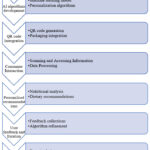 |
Figure 1: Conceptual framework related to AI-Enabled QR Codes in Nutrition Labelling (Authors own elloboration) |
The integration of AI and QR code technology in food data systems begins with comprehensive data collection on nutritional content, allergens, and additives, which is compiled into AI training datasets incorporating consumer preferences. Machine learning models are then developed to extract real-time nutritional insights and enable personalized recommendations. QR codes embedded on food packaging link to product-specific nutritional data, allowing consumers to scan and access information using their smartphones. AI algorithms process this data in relation to individual dietary preferences, restrictions, and health goals to deliver customized dietary suggestions, such as healthier alternatives and portion control. Consumers can provide feedback on these recommendations, enabling continuous refinement of the algorithms. Ongoing data analytics further help monitor user behavior and preferences, assess population-level trends, and evaluate the overall impact on consumer choices and public health outcomes.
Conclusion
AI-enabled QR codes offer numerous opportunities for further research and development in nutrition labelling. These advancements can improve the accuracy of nutritional data analysis, enhance personalized dietary plans, and integrate machine learning techniques. The long-term health outcomes of AI-powered nutrition platforms can be assessed, providing insights into their effectiveness in promoting sustainable lifestyle changes. User experience research can also be conducted to enhance the usability and effectiveness of AI-enabled QR code applications.
Incorporating AI-enabled QR codes with smart kitchen devices and appliances can facilitate seamless data exchange, tracking ingredients used in cooking and providing real-time nutritional information during meal preparation. Research can also explore how AI-enabled QR codes account for dietary diversity and cultural considerations, providing personalized recommendations based on cultural dietary practices. Real-time feedback and behavioral insights can influence individual behavior change, adherence to dietary goals, and sustainability of healthier eating habits. AI-enabled QR codes can also be integrated with wearable devices, such as fitness trackers or smartwatches, to enable real-time tracking of nutritional intake and personalized recommendations. Future developments may involve integrating AR technology to visualize nutritional information on food products, enhancing user engagement. Blockchain technology can enhance data security, transparency, and traceability, promoting accountability in the food industry. AI-enabled QR codes can also be extended beyond packaged food products to the restaurant and food service industry, providing detailed nutritional information and personalized recommendations. Integrating AI-powered nutrition platforms with QR codes can make healthy eating more convenient and accessible.
Acknowledgement
Authors are thankful to Dayananda Sagar University and Amrita Vishwa Vidyapeetham for providing literature collection facilities. All authors listed have significantly contributed to the development and the writing of this article.
Funding Sources
The author(s) received no financial support for the research, authorship, and/or publication of this article.
Conflict of Interest
The authors do not have any conflict of interest.
Data Availability Statement
This statement does not apply to this article
Ethics Statement
This research did not involve human participants, animal subjects, or any material that requires ethical approval.
Informed Consent Statement
This study did not involve human participants, and therefore, informed consent was not required.
Clinical Trial Registration
This research does not involve any clinical trials.
Permission to Reproduce Material from Other Sources
Not Applicable
Author Contributions
- Priya Kolappalur Mariappan: Conceptualization, Methodology, Writing , Data Collection, Analysis, – Original Draft.
- Meenakshi: Writing, Review & Editing.
- Pushpalatha Gurappa: Content Development, Methodology Writeup
References
- Malloy-Weir L, Cooper M. Health literacy, literacy, numeracy and nutrition label understanding and use: a scoping review of the literature. J Hum Nutr Diet. 2017;30(3):309-325. doi:10.1111/jhn.12428
CrossRef - Mazzù MF, Baccelloni A, Finistauri P. Uncovering the Effect of European Policy-Making Initiatives in Addressing Nutrition-Related Issues: A Systematic Literature Review and Bibliometric Analysis on Front-of-Pack Labels. Nutrients. 2022;14(16). doi:10.3390/nu14163423
CrossRef - Shimul AS, Cheah I, Lou AJ. Regulatory focus and junk food avoidance: The influence of health consciousness, perceived risk and message framing. Appetite. 2021;166:105428. doi:https://doi.org/10.1016/j.appet.2021.105428
CrossRef - Nieto C, Jauregui A, Contreras-Manzano AG, et al. Understanding of food labeling systems among White, Latinos, and Mexican population: Data from the International Food Policy Study 2017. Int J Behav Nutr Phys Act. 2019;16:87. https://doi.org /10.1186/s12966-019-0842-1
CrossRef - Sahra G, Elhouda GN. Theme Generate and read QR code using python. :2021-2022.
- Roberto CA, Ng SW, Ganderats-Fuentes M, et al. The Influence of Front-of-Package Nutrition Labeling on Consumer Behavior and Product Reformulation. Annu Rev Nutr. 2021;41:529-550. doi:10.1146/annurev-nutr-111120-094932
CrossRef - Koen N, Wentzel-Viljoen E, Nel D, Blaauw R. Consumer knowledge and use of food and nutrition labelling in South Africa: A cross-sectional descriptive study. Int J Consum Stud. 2018;42(3):335-346. doi:https://doi.org/10.1111/ijcs.12422
CrossRef - Bialkova S, Grunert KG, Juhl HJ, Wasowicz-Kirylo G, Stysko-Kunkowska M, van Trijp HCM. Attention mediates the effect of nutrition label information on consumers’ choice: Evidence from a choice experiment involving eye-tracking. Appetite. 2014;76: 66-75. doi:10.1016/j.appet.2013.11.021
CrossRef - Lam B, Cuong T, Hao L, Lebailly P. Improving Agricultural Value Chain Financing: A Case Study of Seng Cu Rice Chain in Lao Cai Province, Vietnam. Vietnam J Agric Sci. 2021;3(3):712-725. doi:10.31817/vjas.2020.3.3.05
CrossRef - DunnGalvin A, Roberts G, Regent L, et al. Understanding how consumers with food allergies make decisions based on precautionary labelling. Clin Exp Allergy. 2019; 49(11):1446-1454. doi:https://doi.org/10.1111/cea.13479
CrossRef - Abbafati C, Abbas KM, Abbasi-Kangevari M, et al. Global burden of 87 risk factors in 204 countries and territories, 1990–2019: a systematic analysis for the Global Burden of Disease Study 2019. Lancet. 2020;396(10258):1223-1249. doi:10.1016/S0140-673 6(20)30752-2
- Zhang H, Xu Y, Luo M Integrated food quality monitoring QR code labels with simultaneous temperature and freshness sensing in real-time. J Food Meas Charact. 2023 doi:10.1007/s11694-023-02007-2
CrossRef - Patil VV. Application of Quick Response [ Qr ] Code for Digitalization of Plant Taxonomy . J Inf Comput Sci. 2020;10(1):1287-1293.
- Chow YW, Susilo W, Baek J. Covert QR codes: How to hide in the crowd. Lect Notes Comput Sci (including Subser Lect Notes Artif Intell Lect Notes Bioinformatics). 2017 ;10701 LNCS:678-693. doi:10.1007/978-3-319-72359-4_42
CrossRef - Rotsios K, Konstantoglou A, Folinas D, Fotiadis T, Hatzithomas L, Boutsouki C. Evaluating the Use of QR Codes on Food Products. Sustain. 2022;14(8). doi:10.339 0/su14084437
CrossRef - Potter C, Pechey R, Cook B, et al. Effects of environmental impact and nutrition labelling on food purchasing: An experimental online supermarket study. Appetite. 2023;180:106312. doi:https://doi.org/10.1016/j.appet.2022.106312
CrossRef - Soma T, Li B, Maclaren V. An evaluation of a consumer food waste awareness campaign using the motivation opportunity ability framework. Resour Conserv Recycl. 2021;168:105313. doi:https://doi.org/10.1016/j.resconrec.2020.105313
CrossRef - Malan HJ. Swap the meat, save the planet: A community-based participatory approach to promoting healthy, sustainable food in a university setting. Diss Abstr Int Sect B Sci Eng. 2021;Vol.82(1)
- Madilo FK, Owusu-Kwarteng J, Parry-Hanson Kunadu A, Tano-Debrah K. Self-reported use and understanding of food label information among tertiary education students in Ghana. Food Control. 2020;108:106841. doi:https://doi.org/10.1016 /j.foodcont.2019.106841
CrossRef - Güney OI, Sangün L. How COVID-19 affects individuals’ food consumption behaviour: a consumer survey on attitudes and habits in Turkey. Br Food J. 2021;123(7):2307-2320. doi:10.1108/BFJ-10-2020-0949
CrossRef - Asmar A, Mariën I, Audenhove L Van. No one-size-fits-all! Eight profiles of digital inequalities for customized inclusion strategies. New Media \& Soc. 2022;24(2):279-310. doi:10.1177/14614448211063182
CrossRef - Grandi B, Burt S, Cardinali MG. Encouraging healthy choices in the retail store environment: Combining product information and shelf allocation. J Retail Consum Serv. 2021;61:102522. doi:https://doi.org/10.1016/j.jretconser.2021.102522
CrossRef - Snetselaar LG, de Jesus JM, DeSilva DM, Stoody EE. Dietary Guidelines for Americans, 2020-2025: Understanding the Scientific Process, Guidelines, and Key Recommendations. Nutr Today. 2021;56(6):287-295. doi:10.1097/NT.0000 000000 000512
CrossRef - Newall PWS, Walasek L, Ludvig EA, Rockloff MJ. Nudge versus sludge in gambling warning labels: How the effectiveness of a consumer protection measure can be undermined. Behav Sci \& Policy. 2022;8(1):17-23. doi:10.1177/237946 152200 800 103
CrossRef - Zatsu V, Shine AE, Tharakan JM, et al. Revolutionizing the food industry: The transformative power of artificial intelligence-a review. Food Chem X. 2024;24(September):101867. doi:10.1016/j.fochx.2024.101867
CrossRef - Jacobsen LF, Stancu V, Wang QJ, Aschemann-Witzel J, Lähteenmäki L. Connecting food consumers to organisations, peers, and technical devices: The potential of interactive communication technology to support consumers’ value creation. Trends Food Sci Technol. 2021;109(January):622-631. doi:10.1016/j.tifs.2021.01.063
CrossRef - Verma M, Hontecillas R, Tubau-Juni N, Abedi V, Bassaganya-Riera J. Challenges in Personalized Nutrition and Health. Front Nutr. 2018;5(November). doi:10.3389/fnut.2018.00117
CrossRef - Chen J, Zhang Y, Wu Y. The impact of differential pricing subject on consumer behavior. BMC Psychol. 2024;12(1):431. doi:10.1186/s40359-024-01928-x
CrossRef - Dall’asta M, Angelino D, Paolella G, Dodi R, Pellegrini N, Martini D. Nutritional Quality of Wholegrain Cereal-Based Products Sold on the Italian Market: Data from the FLIP Study. Nutrients. 2022;14(4):1-12. doi:10.3390/nu14040798
CrossRef - Pandey VK, Srivastava S, Dash KK, et al. Machine Learning Algorithms and Fundamentals as Emerging Safety Tools in Preservation of Fruits and Vegetables: A Review. Processes. 2023;11(6):1-17. doi:10.3390/pr11061720
CrossRef - Tsolakidis D, Gymnopoulos LP, Dimitropoulos K. Artificial Intelligence and Machine Learning Technologies for Personalized Nutrition: A Review. Informatics. 2024;11(3):62. doi:10.3390/informatics11030062
CrossRef - Boland M, Alam F, Bronlund J. Modern Technologies for Personalized Nutrition. Trends Pers Nutr. Published online 2019:195-222. doi:10.1016/B978-0-12-816403-7.00006-4
CrossRef - Ashrafi DM, Easmin R. The Role of Innovation Resistance and Technology Readiness in the Adoption of QR Code Payments Among Digital Natives: A Serial Moderated Mediation Model. Int J Bus Sci Appl Manag. 2023;18(1):18-45. doi:10.69864/ijbsam.18-1.169
CrossRef - Tizhe Liberty J, Sun S, Kucha C, Adedeji AA, Agidi G, Ngadi MO. Augmented reality for food quality assessment: Bridging the physical and digital worlds. J Food Eng. 2024;367:111893. doi:https://doi.org/10.1016/j.jfoodeng.2023.111893
CrossRef - Detection A, Retrieval NI, Velkov I. A Mobile Scanner App. Published online 2024.
- Aitsidou V, Michailidou E, Loizou E, Tsantopoulos G, Michailidis A. Focus Group Discussions on Food Waste: An Empirical Application Providing Insights into Rural and Urban Households in Greece. Sustainability. 2024;16(2). doi:10.3390/su16020502
CrossRef - Jabarulla MY, Lee HN. A blockchain and artificial intelligence-based, patient-centric healthcare system for combating the covid-19 pandemic: Opportunities and applications. Healthc. 2021;9(8). doi:10.3390/healthcare9081019.
CrossRef - Priya KM, Alur S. Analyzing consumer behaviour towards food and nutrition labeling: A comprehensive review. Heliyon. 2023;9(9).
CrossRef - Priya KM, Alur S. Benchmarking nutrition facts panel label – a consumer ethics perspective using health belief model. Benchmarking: An International Journal. 2025;32(4):1434-1458. doi:10.1108/BIJ-02-2024-0125
CrossRef - Priya KM, Alur S. Examining nutrition label knowledge, self-efficacy, and nutrition facts panel usage. Int Res J Med Sci (IRJMS). 2024;5:251-262.
CrossRef - Priya KM, Babu K. Discovering consumer behavior towards back-of-pack nutrition labels: A systematic literature review. Curr Res Nutr Food Sci J. 2024;12(2):502-526.
CrossRef
 PlumX:
 Views: 4297
  PDF Downloads:
1960
PDF Downloads:
1960 
Accepted on: 28 Aug 2025
Second Review by: Pankaj Jha
Final Approval by: Dr. Jiangfeng Song





Web of Science Coverage
Emerging Sources Citation Index (ESCI)
2024 Journal Impact Factor: 1.1
Scopus Journal Metrics
CiteScore 2025: 2.6
CiteScore Details
Sustainable Nutrition: Food Systems, Nutrient Retention, and Public Health Impact

This journal is a member of, and subscribes to the principles of, the Committee on Publication Ethics (COPE)