
Optimization of Chicken–Fish Protein Ratios in Crackers: Effects on Chemical Composition, Physical Properties, and Sensory Quality
 , Anif Mukaromah Wati1*, Endrika Widyastuti2, Christoper Caesar Yudho Sutopo3, Jue-Liang Hsu4and Purna Pria Atmaja5
 1Department of Animal Science, PSDKU Universitas Brawijaya, Kediri, Indonesia
2Department of Food Science and Biotechnology, Faculty of Agroindustrial and Biosystems Technology, Universitas Brawijaya, Malang, Indonesia
3Department of Animal Science and Technology, National Taipei University, Taipei, Taiwan
4Department of Biological Science and Technology, National Pingtung University of Science and Technology, Pingtung, Taiwan
5Department of Agricultural Socio-Economics, Faculty of Bio-Industry, Agriculture and Forestry, Universitas Brawijaya, Malang, Indonesia
Corresponding Author Email: anifwati@ub.ac.id
DOI : http://dx.doi.org/10.12944/CRNFSJ.14.2.23
Download this article as:

This study aimed to develop crackers by combining marine and poultry proteins to enhance nutritional value and consumer acceptability. Crackers were formulated using five chicken-to-fish ratios (0:100, 40:60, 50:50, 60:40, and 100:0) through standard processing methods including grinding, mixing, steaming, drying, and frying. Proximate composition (moisture, protein, fat, ash, and carbohydrate), physical properties (oil absorption, linear expansion, and water activity), and sensory attributes were evaluated. Data were analyzed using analysis of variance (ANOVA) followed by Duncan’s multiple range test. The results showed that chicken substitution significantly (p < 0.05) influenced chemical composition, physical characteristics, and sensory attributes. Formulations with 50:50 and 60:40 ratios showed favorable properties, including protein content exceeding 9%, moisture content below 10%, and moderate fat levels, in accordance with national quality standards. These formulations also exhibited higher expansion and lower oil absorption, indicating improved texture characteristics. Sensory evaluation by 30 trained panelists showed higher scores for appearance, taste, and texture in balanced formulations, which may be associated with improved flavor balance and reduced fishy odor. In conclusion, partial substitution of fish with chicken (40–60%) has the potential to enhance both nutritional quality and consumer acceptability of crackers. This approach may contribute to the development of value-added snack products and improved utilization of locally available fish and chicken resources.
KEYWORDS:Chicken Meat; Fish Cracker; Nutritional Quality; Product Formulation; Sensory Quality
Introduction
Indonesia is an archipelagic country with abundant marine resources, among which fish is one of the most widely utilized commodities. Fish serves as an important source of animal protein and is commonly consumed both as a main dish and as a processed ingredient in various food products. In addition to protein, fish provides essential nutrients, particularly for children and pregnant women who require high nutritional intake. Fish consumption is recommended at least twice a week because it supplies long-chain polyunsaturated fatty acids, proteins, peptides, amino acids, vitamins, and minerals.1,2 Immunoglobulins in fish also contribute to the body’s defense against bacterial and viral infections. Fish lipids, especially eicosapentaenoic acid (EPA) and docosahexaenoic acid (DHA), play a crucial role in cardiovascular health and brain development.3 Fish generally contains 5–20% fat, 65–80% water, 0.5–2% ash, and 16–21% protein.4,5
In Indonesia, various processing methods have been developed to increase the utilization and economic value of fish. For instance, tuna viscera have been processed into flour for biscuit production to address nutritional deficiencies,6 while tilapia has been utilized to produce fish oil, collagen, gelatin, protein, and calcium concentrates.7 In addition, many communities process fish into traditional foods, medicinal products, or dried products such as shredded fish (abon) and crackers. Crackers are among the most popular snack foods consumed by people of all ages and income groups in Indonesia.8 They can be made from rice, vegetables, soybeans, noodles, meat, or fish.9 As a prominent local culinary product, crackers hold significant potential for industrial development. The Indonesian government actively promotes culinary innovation to enhance community income and expand market access at both national and international levels.10
Crackers made from fish and tapioca flour are known to be rich in protein and carbohydrates.10 Several studies have explored the development of protein-enriched crackers using different raw materials. Substituting wheat flour with jellyfish (Lobonema smithii) at concentrations of 20–40% has been reported to significantly improve protein content and consumer preference.11Similarly, tilapia-based crackers influence product appearance, color, and aroma,12 while catfish–tapioca formulations in a 1:1 ratio have demonstrated desirable chemical characteristics, including 24.38% protein, 1.6% fat, 5.5% moisture, and 44.69% starch content.13
Despite these advantages, fish-based crackers are not universally preferred due to their strong fishy odor, which negatively affects consumer acceptance. Factors such as price, odor, taste, appearance, and consumption intention have been identified as determinants of low fish consumption in Indonesia.14,15 The characteristic odor of marine fish primarily originates from trimethylamine and other volatile compounds, including aldehydes, alcohols, and ketones.16,17 Improper handling can accelerate lipid oxidation and proteolysis, resulting in off-flavors and quality deterioration. Various techniques have been applied to reduce these issues, including freezing, salting, high-pressure processing, fermentation, defatting, and the use of masking agents.18
Fishy odor can also be minimized through soaking treatments using NaCl, NaOH, sulfuric acid, or citric acid solutions.7 However, such chemical approaches may raise safety concerns and increase production costs. A more practical and natural alternative is the incorporation of other protein sources, such as chicken meat. Chicken meat provides easily digestible protein and energy due to its low collagen content, favorable fatty acid composition, and the presence of B vitamins, including pantothenic acid, thiamine, and vitamin B6.19-21 Furthermore, regular chicken consumption has been associated with improved blood pressure control and healthy body weight.22 Broiler chicken meat is widely available, affordable, and contains high-quality protein with relatively low saturated fat and caloric content.23
However, previous studies have predominantly focused on fish-based crackers or single protein sources, with very limited studies specifically addressing the combined use of marine and poultry proteins in cracker products, particularly in relation to optimizing formulation ratios and their simultaneous effects on physicochemical and sensory characteristics. To date, no studies have comprehensively evaluated the use of chicken substitution as a natural strategy to reduce fishy odor while maintaining nutritional quality. Therefore, this study aims to evaluate the effect of different chicken-to-fish ratios on the chemical, physical, and sensory properties of crackers in order to identify formulations that improve product quality and consumer acceptability.
Materials and Methods
Materials
The materials used were chicken breast meat from broilers and tuna fish meat (Thunnus spp.). The preparation of crackers was based on SNI 2713.3:2009, which concerns the handling and processing of fish crackers. The materials used for making crackers are listed in Table 1, while the nutritional quality of the raw materials is presented in Table 2.
Table 1: Composition of Ingredients for Making Crackers
|
No. |
Nama bahan |
Weight |
|
1 |
Tapioca flour | 500 gr |
| 2 | A combination of fish and chicken |
250 gr |
|
3 |
Salt | 7 gr |
| 4 | Flavoring |
1.5 gr |
|
5 |
Garlic |
10 gr |
Table 2: Chemical Composition And Types Of Raw Materials
|
Type of meat |
Chemical composition (%) |
|
Broiler meat (fillet, with bones and fat removed) |
Moisture:73.01 Protein: 21.56 Fat: 2.56 Ash: 1.62 |
|
Tuna fish meat (fillet, with skin, bones, fat, and impurities removed) |
Moisture: 73.87 Protein: 20.2 Fat: 2.95 Ash: 1.46 |
Source: personal document
Methods
Cracker Preparation Process
Grind the combination of chicken and fish meat according to the following ratios:
Treatment 1 = chicken meat: 0%, fish: 100%
Treatment 2 = chicken meat: 40%, fish: 60%
Treatment 3 = chicken meat: 50%, fish: 50%
Treatment 4 = chicken meat: 60%, fish: 40%
Treatment 5 = chicken meat: 100%, fish: 0%
Garlic was ground and mixed with other ingredients such as tapioca flour, salt, and flavoring.
Place the ground mixture into plastic molds for shaping the dough.
Steam the dough until cooked at 100°C for 90 minutes. To check whether the crackers are fully cooked, pierce the steamed dough in the center; if the dough is elastic and no longer dense, the steaming process can be stopped.
The cracker dough was left overnight in a refrigerator to harden, making it easier to slice. The dough was then thinly sliced and sun-dried for 24 hours at 30–35°C or until completely dry.
The final stage of the process was frying the crackers using double frying, with deep-frying in hot oil at 180 ± 5°C for 15–20 seconds until the crackers expanded.24
Quality Evaluation of Crackers
Moisture
The determination of moisture content was based on the difference in sample weight before and after drying. First, the crucible was dried in an oven at 105 °C for 30 minutes until a constant weight was obtained, then cooled in a desiccator for 30 minutes and weighed. Approximately 2 g of sample was weighed and placed into the crucible and dried in a non-vacuum oven at 105 °C for 16–24 hours. After drying, the crucible was cooled again in a desiccator for 30 minutes and weighed until a constant weight was achieved. The percentage of moisture content (wet basis) was calculated using the following formula.25

Where:
A = weight of empty crucible (g)
B = weight of crucible + sample before drying (g)
C = weight of crucible + sample after drying (g)
Fat Content Analysis (BSN, 2006)
Fat analysis was performed using a modified solvent extraction method. First, an empty round-bottom flask was weighed (A g). Approximately 2 g of sample (B) was weighed and placed into the extraction thimble, which was inserted into the Soxhlet extractor, and the Soxhlet apparatus was assembled properly. Extraction was carried out using n-hexane at 60 °C for 8 hours. After extraction, the fat–n-hexane mixture collected in the round-bottom flask was evaporated to dryness. The flask containing the extracted fat was then placed in an oven at 105 °C for approximately 2 hours to remove residual n-hexane and moisture. Subsequently, the flask was cooled in a desiccator for 30 minutes and weighed again until a constant weight was obtained (C g). The fat content was calculated using the following formula.²⁵

Where:
A = weight of empty round-bottom flask (g)
B = weight of sample (g)
C = weight of round-bottom flask with extracted fat (g)
Protein Analysis
Protein content was determined using a modified Kjeldahl method consisting of three stages: digestion, distillation, and titration. In the digestion stage, a 100 mL Kjeldahl tube was prepared and 1 g of finely ground cracker sample was added, followed by 15 mL of H₂SO₄ and a catalyst mixture. The sample was heated at 420 °C for approximately 2 hours until a clear green solution was obtained. The digestion tube was then cooled and diluted with distilled water. During the distillation stage, 20 mL of the digested solution was transferred into the distillation unit and mixed with 20 mL of 40% NaOH and three drops of phenolphthalein indicator, while a blank solution was prepared using distilled water. In the titration stage, the distillate was titrated with 0.1 N HCl until the endpoint was reached, indicated by a color change from light green to light purple. The protein content was calculated based on the Kjeldahl nitrogen determination.²⁵The minimum protein content required by the Indonesian National Standard (SNI) for crackers is 5% by mass.
Ash Content Analysis
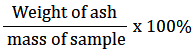
Ash content was determined by weighing the mineral residue remaining after the sample was incinerated in a muffle furnace at 550 °C for 8 hours. After heating, the crucible containing the ash was cooled to approximately 250 °C and then carefully transferred using tongs into a desiccator to reach room temperature before weighing. The ash content was calculated using the following formula.²⁵
Carbohydrate Analysis
The measurement of carbohydrate content was carried out using the by-difference method, namely by subtracting the total percentages of moisture, ash, protein, and fat from 100%, so that the carbohydrate content depended on these factors. This is because carbohydrates greatly influence the presence of other nutrients.25
Linear Expansion
Crackers were measured for diameter before and after frying using a 6-inch Carbon Fiber Composite Digital Vernier Caliper. Measurements were taken at four different points.24 The formula for calculating linear expansion is:

Where:
L₀ = diameter before frying
Lᵢ = diameter after frying
Frying was carried out in cooking oil at 180 ± 5°C. The surface area of the sample was measured before frying, and then remeasured after frying. If the sample was not perfectly straight, a thread was used as an aid to measure the length. The comparison of cracker surface area before and after frying was then calculated using the formula for the area of a circle.
Sensory Analysis
The sensory analysis was conducted by referring to the fish cracker Indonesian National Standard (SNI 2713.3:2009) using a 1–9 hedonic scoring system. They were assessed for appearance, aroma, flavor, texture and overall acceptability. The sensory evaluation was accomplished by thirty semi-trained panelists (15 males and 15 females) of age group 20–35 years. All participants had experience with sensory evaluation and reported no sensory deficits. To minimize intra- and inter-reviewer variability associated with subjective scoring, all panelists received a brief training prior to evaluation in order that there was uniformity in their understanding of the scoring system and evaluation criteria. Samples were given random three-digit codes and presented in a random order to eliminate positional bias. Panelists were instructed to assess samples individually and in controlled environments. Sensory evaluation was conducted in accordance with ethical principles for non-invasive human studies. All panelists gave informed consent to participate; Formal ethical approval was not required as the study adhered to institutional ethical guidelines.
Appearance
Score 9: Crackers are intact, neat, clean, uniform in thickness, and have a bright whitish cream color.
Score 1: Crackers are intact but less neat, less clean, uneven in thickness, with a dull whitish cream color.
Odor
Score 9: strong fish aroma
Score 1: no fish aroma, musty, rancid
Taste (after frying)
Score 9: strong fish flavor
Score 1: no fish flavor, rancid
Texture
Score 9: very dry
Score 1: moist, not crispy
Mold
Score 9: none
Score 1: present
According to the National Standardization Agency (BSN), Indonesian National Standard (SNI) No. 8646:2018, the quality and safety requirements for ready-to-eat shrimp crackers specify that the minimum sensory score must be 7.
Statistical Analysis
The samples consisted of 5 treatments, each repeated 4 times, using a Completely Randomized Design (CRD) with a significance level of P < 0.05. If the treatment showed a significant effect, the data were further analyzed using Duncan’s Multiple Range Test (DMRT).
Results
All findings presented in tabular or graphical form shall be described in this section. The data should be statistically analyzed and the level of significance stated. Data that is not statistically significant need only to be mentioned in the text – no illustration is necessary.
Table 3: Chemical Composition of Crackers Produced with Different Chicken-To-Fish Meat Ratios
|
Treatments |
Moisture | Protein | Fat | Ash |
Carbohydrate |
|
T1 |
9.51±0.06e | 8.76±0.76b | 8.57±0.43e | 5.94±0.64b | 67.22±1.08b |
|
T2 |
8.52±0.31c | 8.71±0.02a | 7.59±0.67c | 5.75±0.11a | 69.43±0.75c |
| T3 | 7.33±0.08a | 9.91±0.07d | 8.41±0.98d | 6.25±0.02c |
68.10±0.99b |
|
T4 |
8.70±0.45d | 12.06±0.12c | 4.56±0.64a | 8.93±0.74e | 65.75±1.08a |
| T5 | 8.37±0.06b | 12.12±0.15c | 4.75±0.42b | 7.25±0.84d |
67.51±0.95b |
Notes: T1 = 0% chicken: 100% fish; T2 = 40% chicken: 60% fish; T3 = 50% chicken: 50% fish; T4 = 60% chicken: 40% fish; T5 = 100% chicken : 0% fish.
Different superscript letters within the same column indicate significant differences (P < 0.05) according to Duncan’s Multiple Range Test (DMRT).
Table 4: Physical Quality of Crackers Produced with Different Chicken-To-Fish Meat Ratios
|
Treatments |
Oil absorption | Linear |
Aw |
|
T1 |
0.32±0.08a | 20.54 ±0.04a | 0.62± 0.01b |
| T2 | 2.32±0.78b | 40.15 ±0.56b |
0.62±0.02b |
|
T3 |
2.40±0.85b | 40.39 ±0.09b | 0.61±0.04b |
| T4 | 1.80±0.95ab | 54.45±0.78c |
0.62±0.08b |
|
T5 |
0.50±0.21a | 56.07±0.65c |
0.59±0.02a |
Notes: T1 = 0% chicken: 100% fish; T2 = 40% chicken: 60% fish; T3 = 50% chicken: 50% fish; T4 = 60% chicken: 40% fish; T5 = 100% chicken : 0% fish.
Different superscript letters within the same column indicate significant differences (P < 0.05) according to Duncan’s Multiple Range Test (DMRT).
Table 5: Sensory Evaluation of Crackers Produced with Different Chicken-To-Fish Meat Ratios
|
Treatments |
Taste | Aroma | Texture | Appearance | Mold |
Overall acceptability |
|
T1 |
8.79±0.14e | 8.65±0.24c | 6.75±0.67a | 7.02±0.65e | 8.88±0.14 | 8.02±0.02 |
| T2 | 7.58±0.16d | 7.45±0.34b | 6.90±0.03b | 7.45±0.32d | 8.78±0.32 |
7.74±0.54 |
|
T3 |
7.15±0.06c | 7.39±0.45b | 7.64±0.02b | 7.86±0.98c | 8.65±0.43 | 7.63±0.44 |
| T4 | 6.66±0.46b | 5.55±0.32a | 8.76±0.32c | 8.01±0.53b | 8.56±0.01 |
7.51±0.43 |
|
T5 |
5.76±0.34a | 5.40±0.99a | 8.86±0.94 c | 8.45±0.54a | 8.43±0.03 |
7.38±0.12 |
Notes: T1 = 0% chicken: 100% fish; T2 = 40% chicken: 60% fish; T3 = 50% chicken: 50% fish; T4 = 60% chicken: 40% fish; T5 = 100% chicken : 0% fish.
Different superscript letters within the same column indicate significant differences (P < 0.05) according to Duncan’s Multiple Range Test (DMRT).
Discussion
Chemical Changes During Cracker Processing
The proximate composition of the crackers shows significant variation (P < 0.05) across treatments, confirming that substituting fish meat with chicken has a substantial influence on the product’s chemical properties (Table 3). The differences observed through Duncan’s Multiple Range Test further emphasize that each proportion of chicken-to-fish protein creates distinct biochemical interactions during heating, dehydration, and frying, ultimately shaping the nutritional and structural characteristics of the crackers.
The moisture content decreased significantly from 9.51 ± 0.06% (T1) to 7.33 ± 0.08% (T3) (P < 0.05), suggesting that chicken inclusion may enhance water loss during processing. Fish-based formulations (T1–T2) retained more moisture due to stronger hydrophilic interactions with myofibrillar proteins, which form compact gels that trap bound water during steaming. Tuna proteins, dominated by actomyosin and collagen, coagulate rapidly and reduce vapor permeability.26 Conversely, chicken proteins form softer, less dense gels that facilitate moisture evaporation and uniform drying.27 The lower water retention in T3–T5 may also reflect greater surface porosity after dehydration, thereby improving heat transfer and reducing residual water activity. The statistical difference between T1 and T3 (P < 0.05) suggests that chicken proteins significantly alter water-binding dynamics, producing a drier, more stable matrix.
Protein content increased markedly (P < 0.05) from 8.71 ± 0.02% (T2) to 12.12 ± 0.15% (T5). This upward trend suggests higher protein recovery and thermal stability in chicken-based formulations. Chicken protein tends to retain its structural integrity under heat, while fish protein tends to denature and leach soluble fractions into the cooking medium.28 The presence of reactive amino acids such as lysine and cysteine in chicken enhances crosslinking with starch.29 Duncan analysis showed that treatments T4 and T5 formed a separate homogeneous group with significantly higher protein values (P < 0.05), indicating that substitution beyond 50% consistently elevates protein retention. The relatively similar protein content observed between T4 and T5 may be attributed to comparable protein contributions at higher substitution levels, where increasing chicken proportion beyond 60% does not substantially increase overall protein content.
The fat content exhibited a reverse trend, decreasing significantly from 8.57 ± 0.43% (T1) to 4.56 ± 0.64% (T4) (P < 0.05). Tuna contains abundant long-chain polyunsaturated fatty acids (PUFAs), such as eicosapentaenoic acid (EPA) and docosahexaenoic acid (DHA), which increase the measured lipid fraction but are thermally unstable.30 During frying, oxidized PUFAs promote oil absorption and darker coloration. In contrast, chicken lipids are dominated by monounsaturated and saturated triglycerides that exhibit greater oxidative resistance. Thus, higher chicken proportions may result in lower fat levels due to both reduced inherent lipid content and lower oil uptake during frying.31
The significant group separation between T1 and T4 in Duncan’s test suggests that lipid oxidation and absorption behavior differ statistically among protein sources. The ash content increased significantly (P < 0.05) from 5.75 ± 0.11% (T2) to 8.93 ± 0.74% (T4), indicating enhanced mineral retention with chicken substitution. Chicken meat contributes higher levels of phosphorus, potassium, and calcium compared to tuna.49 Moreover, mineral solubility losses are lower in chicken-based formulations because fish muscle fibers release more ionic salts into cooking water during steaming.32 The Duncan grouping confirmed that T4 was significantly different (P < 0.05) from all other treatments, reflecting a synergistic effect of chicken proteins and minerals that strengthen ionic crosslinks within the starch–protein matrix, thereby improving firmness and thermal resilience.
The carbohydrate content, calculated by difference, ranged from 65.75 ± 1.08% (T4) to 69.43 ± 0.75% (T2), showing moderate variation but statistically significant differences (P < 0.05) among treatments. The highest carbohydrate value at T2 corresponds to the optimal balance between starch and protein, where partial substitution (40% chicken:60 % fish) allows efficient starch gelatinization while maintaining sufficient protein scaffolding. However, when the protein fraction exceeded 50%, as in T4 and T5, starch expansion was limited, yielding lower carbohydrate percentages. The Duncan analysis grouped T2 separately from other treatments, confirming a statistically higher carbohydrate retention (P < 0.05).
The superior texture observed in the mixed formulations (T3–T4) may be attributed to interactions between chicken and fish proteins, although this was not directly evaluated in this study. Chicken myofibrillar proteins (myosin–actin) form a potent elastic gel, while fish collagen and gelatin provide flexibility and moisture retention.41 Their interaction during heating creates a hybrid network that acts as a protein skeleton, maintaining snap and crispness even at low moisture levels. Partial unfolding of myosin allows hydrogen and hydrophobic bonding with gelatin, reinforcing the matrix and preventing microcracks during dehydration.33,34 This hybrid structure balances rigidity and elasticity, ensuring uniform expansion and clean fracture upon frying. Similar inter-protein interactions enhancing mechanical strength have been reported in restructured fish–meat gels.35,36 The co-structured network thus stabilizes the starch–protein framework, yielding a light yet cohesive texture consistent with the high expansion, moderate oil absorption, and low Aw observed in T3–T4.
Collectively, the statistical and chemical data converge to show that moderate substitution (50–60% chicken) produces a balanced chemical profile: reduced moisture and fat, elevated protein and ash, and stable carbohydrate levels. The statistical significance across treatments (P < 0.05) validates that each ratio induces measurable compositional shifts rather than random variation. These changes reflect molecular interactions—protein denaturation, lipid oxidation control, and starch gelatinization—that co-occur during thermal processing. The data substantiate that optimizing the chicken-to-fish ratio not only modifies the nutritional composition but also governs the physicochemical stability of the product matrix, which underpins its improved sensory and visual qualities. These results are in agreement with earlier studies indicating that variations in protein source significantly influence moisture retention, lipid stability, and protein–starch interactions during thermal processing.
Physical Properties and Structural Dynamics of Crackers at Different Chicken-to-Fish Ratios
The physical performance of the crackers, particularly oil absorption, linear expansion, and water activity (Aw), varied significantly (P < 0.05) among treatments, indicating that differences in chicken-to-fish ratios markedly influenced the structural response of the product during thermal processing (Table 4).
Oil absorption differed significantly (P < 0.05) among treatments, ranging from 0.32 ± 0.08% in T1 to 2.40 ± 0.85% in T3. Crackers made solely from fish (T1) showed the lowest oil uptake, due to a compact protein network formed by myofibrillar and collagenous proteins that limited oil penetration during frying. Similar structural constraints have been described in protein-rich matrices where excessive crosslinking reduces pore connectivity.37 Conversely, intermediate formulations (T2–T3) exhibited higher oil absorption because partial substitution of chicken disrupted the compact fish protein matrix, allowing the formation of a more porous structure. This porosity may facilitate oil migration into voids created by vapor escape, as also reported in expanded starch-protein systems.37,38 However, when chicken content exceeded 60% (T4–T5), oil absorption decreased again. The variability in oil absorption among treatments may be influenced by differences in pore structure and moisture distribution during frying, which affect oil penetration into the cracker matrix. These results suggest that oil absorption is not solely dependent on protein ratio but also influenced by microstructural changes during thermal processing. The more cohesive protein network and reduced residual moisture restricted capillary flow, yielding denser and less permeable structures. Statistical grouping using Duncan’s test showed that T1 and T5 did not differ significantly (P > 0.05), whereas T2–T3 formed a distinct group with significantly higher oil uptake (P < 0.05).
Linear expansion increased markedly with higher chicken proportions, from 20.54 ± 0.04% in T1 to 56.07 ± 0.65% in T5, indicating significant differences among all treatments (P < 0.05). This trend may reflect the functional differences between fish and chicken proteins. Fish protein forms a rigid gel upon heating, limiting starch swelling and vapor expansion. Chicken protein produces a more elastic network that allows internal vapor pressure to expand the matrix before rupture.39,40 The greater flexibility of the chicken–starch matrix thus enhanced expansion, resulting in lighter, more porous crackers. The morphological changes observed visually-larger air cells and lighter surfaces—corroborate this statistical result. Treatments T4 and T5 formed a separate group in Duncan’s analysis (P < 0.05), confirming that expansion increases proportionally with chicken substitution. This expansion pattern aligns with previous findings demonstrating that high expansion correlates with efficient starch gelatinization and controlled moisture loss during frying.
Water activity (Aw) showed a significant decline (P < 0.05) from 0.623 ± 0.01 in T1 to 0.587 ± 0.02 in T5. This reduction suggests improved product stability due to more complete dehydration during processing. Fish-based formulations (T1–T2) retained higher Aw values because of the stronger hydrophilic binding capacity of fish proteins, which limits water removal.37 As chicken content increased, the protein matrix became less hydrophilic and more cohesive, facilitating water evaporation and resulting in lower Aw. The lowest Aw in T5 suggests that higher chicken ratios promote structural consolidation and water release, producing a physically stable product with minimal risk of microbial spoilage. Products with Aw below 0.60 remain chemically stable during storage due to inhibited lipid oxidation and microbial activity.41,42
The interplay among these parameters reveals a coherent physical mechanism. The intermediate ratios (T3–T4) balanced the competing effects of expansion and oil absorption-forming a structure porous enough for desirable crispness but sufficiently dense to prevent excessive oil uptake. Excessive protein (T5) reduced porosity, while high fish content (T1) suppressed expansion, producing compact and less palatable textures. The statistical correlations (P < 0.05) among oil absorption, linear expansion, and Aw confirm that physical quality is governed by the microstructural rearrangement of the starch-protein-water system under heat stress. This phenomenon supports prior findings that the optimal frying behavior of composite crackers depends on the balance between protein elasticity, starch gelatinization, and water vapor pressure.43,44 This observation supports previous findings that optimal expansion and oil absorption are governed by the balance between protein elasticity, starch gelatinization, and moisture vaporization during frying.
Sensory Evaluation and Consumer Perception
Variations in the ratio of chicken to fish meat produced perceptible differences in the sensory attributes of the crackers, with most parameters showing statistically significant changes (P < 0.05) across treatments (Table 5). These differences illustrate how the chemical composition and physical structure jointly shape flavor, aroma, and texture perception during mastication.
Taste emerged as the most discriminating attribute, declining sharply from 8.79 ± 0.14 in T1 (100 % fish) to 5.76 ± 0.34 in T5 (100 % chicken). The high acceptance of T1 may reflect the dominance of umami-active compounds, including glutamic acid, glycine, and inosine monophosphate, which are naturally abundant in marine fish.45 These molecules activate the umami receptor T1R1/T1R3 and enhance mouthfeel, explaining the superior palatability of fish-based products. However, excessive lipid oxidation in tuna generates aldehydes and trimethylamine, compounds responsible for the characteristic “fishy” note that may polarize consumer response.46 The statistical grouping shows that T2 and T3, with partial chicken substitution, significantly (P < 0.05) reduced this intensity without eliminating the desirable savory tone. This result demonstrates the sensory synergy between marine and poultry proteins: chicken contributes neutral flavor precursors and dilutes marine volatiles, resulting in a milder but still flavorful profile.
Aroma followed a similar pattern, decreasing progressively with higher chicken content (P < 0.05). The high aroma score may be associated with volatile aldehydes and ketones generated from the oxidation of polyunsaturated fatty acids (PUFAs) during frying.47,48 While these volatiles enhance perceived freshness at low levels, their accumulation produces an off-odor that reduces liking. Treatments T2 and T3 achieved significantly better aromatic balance, as supported by Duncan’s analysis, which separated them from both extremes. Chicken’s lower PUFA fraction and slower oxidation rate limited volatile formation, thereby stabilizing the aroma matrix.
Texture exhibited the opposite trend: scores increased from 6.75 ± 0.67 (T1) to 8.86 ± 0.94 (T5), with significant differences (P < 0.05) among all treatments. The panelists described the chicken-rich crackers as lighter, crisper, and less rubbery—an observation consistent with the higher linear expansion and lower moisture recorded in Table 4. Chicken proteins, containing lower collagen and more soluble sarcoplasmic fractions, may form a more flexible network that promotes uniform expansion and crisp fracture.49 In contrast, fish proteins coagulate rapidly, generating dense matrices that hinder air-cell growth and result in chewy textures.50 The statistical correlation between texture and linear expansion (r = 0.91; P < 0.01) supports the notion that structural porosity governs perceived crispness.
Appearance improved markedly with the substitution of chicken, rising from 7.02 ± 0.65 (T1) to 8.45 ± 0.54 (T5) (P < 0.05). The enhanced visual quality is attributed to reduced Maillard browning and lipid oxidation, producing a lighter, more uniform surface color. Chicken’s lipid profile, dominated by monounsaturated fats, undergoes fewer oxidative reactions than fish oil rich in EPA and DHA.51 Consequently, crackers with higher chicken ratios exhibited a golden-white color, a trait strongly associated with consumer preference for fried snacks.52 Duncan’s analysis separated T4–T5 as a distinct group with significantly higher appearance scores, aligning visual appeal with chemical stability.
The mold parameter, assessing visible spoilage or discoloration, showed no significant difference (P > 0.05) across treatments, maintaining high scores (8.43–8.88). This uniformity suggests that all samples achieved adequate drying and water activity below 0.60, which suppresses microbial growth and pigment deterioration.41 Regarding overall acceptability, the composite score decreased slightly from 8.02 ± 0.02 (T1) to 7.38 ± 0.12 (T5), yet Duncan’s grouping revealed no significant difference between T2 and T3 (P > 0.05). These mid-ratio formulations integrated the umami intensity of fish with the crispness and mildness of chicken, achieving balanced sensory harmony. The multivariate analysis (principal component loadings > 0.80) identified taste and texture as the dominant contributors to overall liking, underscoring that flavor integration and structural crispness outweigh single-attribute performance in determining consumer acceptance. These findings are consistent with recent studies showing that composite protein-based snacks can enhance sensory balance by integrating multiple protein sources. This leads to improved acceptability and texture characteristics.53,54 Additionally, low water activity has been widely reported to contribute to improved shelf stability and microbial safety in similar food systems.55,56
Collectively, the statistical evidence (P < 0.05) across taste, aroma, texture, and appearance suggests that compositional adjustment may influence not only the chemical basis of flavor release but also the physical mechanisms of perception. The intermediate ratios (40–50 % chicken) produced the most favorable combination of sensory cues, pleasant aroma intensity, balanced taste, crisp texture, and appealing appearance, suggesting that moderate substitution may enhance acceptability through biochemical and structural equilibrium rather than dominance of a single raw material. Similar trends have been reported in previous studies, where partial substitution of protein sources improved sensory acceptability by reducing undesirable odors while maintaining desirable flavor and texture attributes.
Conclusion
This study suggests that variations in chicken-to-fish ratios influence the chemical, physical, and sensory characteristics of crackers. Moderate substitution of fish with chicken (40–60%) was associated with more balanced formulations, including favorable protein content, lower moisture, reduced oil absorption, and greater linear expansion. These changes may contribute to improved crispness, lighter appearance, and higher sensory scores without compromising overall product quality. From a scientific perspective, these findings highlight the role of protein–starch interactions in determining the structural and functional properties of composite crackers. From an industrial perspective, the incorporation of chicken meat offers a practical strategy for improving product acceptability while utilizing locally available marine and poultry resources. Further studies are recommended to explore microstructural characteristics and shelf-life stability to better understand the underlying mechanisms and long-term quality of the developed products.
Acknowledgement
The authors acknowledge the support of Universitas Brawijaya through the Visiting Lecturer Program Batch 6, Fiscal Year 2025. This study contributes to the Sustainable Development Goals (SDGs), particularly SDG 2 (Zero Hunger) and SDG 12 (Responsible Consumption and Production).
Funding Sources
This research was funded by Universitas Brawijaya through the Visiting Lecturer Program Batch 6, Fiscal Year 2025, Grant No. 05551/UN10.A0101/B/PJ.00.05.1/2025/B6.058.
Conflict of Interest
The author(s) do not have any conflict of interest.
Data Availability Statement
All data generated or analyzed during this study are included in this published article.
Ethics Statement
Sensory evaluation involving adult panelists was conducted in accordance with institutional ethical principles for non-invasive human studies. Ethical clarification was issued by the Research Ethics Committee of Universitas Negeri Malang under Reference No. 22.5.2/UN32.14/PB/2026.
Informed Consent Statement
This study involved human participants for sensory evaluation. However, formal ethical approval was not required as the study was non-invasive. Informed consent was obtained from all participants prior to the evaluation.
Clinical Trial Registration
This research does not involve any clinical trials.
Permission to reproduce material from other sources
Not Applicable
Author Contributions
- Hariadi Darmawan: Conceptualization, Methodology, Data Collection, Investigation, Writing – Original Draft.
- Anif Mukaromah Wati: Conceptualization, Supervision, Writing – Review and Editing, Final Approval of the Manuscript.
- Endrika Widyastuti: Resources, Methodology, Writing – Review and Editing
- Christoper Caesar Yudho Sutopo: Methodology, Data Analysis, Visualization.
- Jue-Liang Hsu: Methodology, Supervision, Writing – Review and Editing.
- Purna Pria Atmaja: Resources, Project Administration, Data Interpretation.
References
- Chen J, Jayachandran M, Bai W, et al. A critical review on the health benefits of fish consumption and its bioactive constituents. Food Chem. 2022;369:130874. doi:10.1016/j.foodchem.2021.130874
CrossRef - Durazzo A, Di Lena G, Gabrielli P, et al. Nutrients and bioactive compounds in seafood: quantitative literature research analysis. 2022;7(3):132. doi:10.3390/fishes7030132
CrossRef - Caffrey C, Leamy A, O’Sullivan E, et al. Cardiovascular diseases and marine oils: a focus on omega-3 polyunsaturated fatty acids and polar lipids. Mar Drugs. 2023;21(11):549. doi:10.3390/md21110549
CrossRef - Geremew H, Abdisa M, Goshu G. Proximate composition of commercially important fish species in southern Gulf of Lake Tana, Ethiopia. Ethiop J Sci Technol. 2020;13(1):53-63. doi:10.4314/ejst.v13i3.4
CrossRef - Ahmed I, Jan K, Fatma S, et al. Muscle proximate composition of various food fish species and their nutritional significance: a review. J Anim Physiol Anim Nutr (Berl). 2022;106(3):690-719. doi:10.1111/jpn.13711
CrossRef - Honrado A, Ardila P, Leciñena P, et al. Transforming ‘bonito del norte’ tuna by-products into functional ingredients for nutritional enhancement of cereal-based foods. 2023;12(24):4437. doi:10.3390/foods12244437
CrossRef - Tohmadlae P, Worawattanamateekul W, Hinsui J. Tilapia gelatin: elimination of fishy odor. Rajamangala Univ Technol Srivijaya Res J. 2019;11:402-411.
- Riptanti EW, Kusnandar K, Khomah I, et al. The application of appropriate technology for basreng crackers dough mixer machine for home industry development. PRIMA J Community Empower Serv. 2022;6:62-70. doi:10.20961/prima.v6i1.61051
CrossRef - Wijaya S. Indonesian food culture mapping: a starter contribution to promote Indonesian culinary tourism. J Ethn Foods. 2019;6(9):1-10. doi:10.1186/s42779-019-0009-3
CrossRef - Chudasama BG, Zofair SM, Bhola DV, et al. Development and characterization of fish crackers prepared from the bull’s eye (Priacanthus hamrur, Forsskal, 1775) fish meat and different starches. J Entomol Zool Stud. 2019;7(3):401-406.
- Maisont S, Samutsri W, Phae-Ngam W, et al. Development and characterization of crackers substitution of wheat flour with jellyfish. Front Nutr. 2021;8:772220. doi:10.3389/fnut.2021.772220
CrossRef - Hasyim N, Mile L, Yusuf N. Quality characteristics of tilapia crackers made with sago flour as basic ingredient. NIKe J. 2019;7(1):1-16.
- Arief DZ, Ikrawan Y, Rizqia FN. Characteristics of fish crackers based on types of fish and different types of starch. Pasundan Food Technol J. 2018;5(2):102-110. doi:10.23969/pftj.v5i2.1041
CrossRef - Budhathoki M, Campbell D, Belton B, et al. Factors influencing consumption behaviour towards aquatic food among Asian consumers: a systematic scoping review. 2022;11(24):4043. doi:10.3390/foods11244043
CrossRef - Fan W, Che X, Ma P, et al. Aroma formation, release, and perception in aquatic products processing: a review. 2025;14(15):2651. doi:10.3390/foods14152651
CrossRef - Liu Y, Huang Y, Wang Z, et al. Recent advances in fishy odour in aquatic fish products, from formation to control. Int J Food Sci Technol. 2021;56:4959-4969. doi:10.1111/ijfs.15269
CrossRef - Cheng H, Wang J, Xie J. Progress on odor deterioration of aquatic products: characteristic volatile compounds, analysis methods, and formation mechanisms. Food Biosci. 2023;53:102666. doi:10.1016/j.fbio.2023.102666
CrossRef - Wu T, Wang M, Wang P, et al. Advances in the formation and control methods of undesirable flavors in fish. 2022;11(16):2504. doi:10.3390/foods11162504
CrossRef - Baéza E, Guillier L, Petracci M. Production factors affecting poultry carcass and meat quality attributes. 2022;16(1):100331. doi:10.1016/j.animal.2021.100331
CrossRef - Marangoni F, Corsello G, Cricelli C, et al. Role of poultry meat in a balanced diet aimed at maintaining health and wellbeing: an Italian consensus document. Food Nutr Res. 2015;59:27606. doi:10.3402/fnr.v59.27606
CrossRef - Connolly G, Campbell WW. Poultry consumption and human cardiometabolic health-related outcomes: a narrative review. 2023;15(16):3550. doi:10.3390/nu15163550
CrossRef - Oke EK, Idowu MA, Sobukola OP, et al. Frying of food: a critical review. J Culin Sci Technol. 2018;16(2):107-127. doi:10.1080/15428052.2017.1333936
CrossRef - Ridwan A, Luni NZP, Azizah S, et al. Strategic development of the Pelung chicken agribusiness system in a non-origin region: evidence from Malang Raya, Indonesia. Adv Anim Vet Sci. 2026;14(2):364–377. doi:10.17582/journal.aavs/2026/14.2.364.377
CrossRef - Zzaman W, Yusoff MM, Yang TA. Preparation and properties of fish cracker from different freshwater fish species. Int Food Res J. 2017;24(5):1858-1862.
- Li X, Fan M, Huang Q, et al. Effect of micro- and nano-starch on the gel properties, microstructure and water mobility of myofibrillar protein from grass carp. Food Chem. 2022;366:130579. doi:10.1016/j.foodchem.2021.130579
CrossRef - Mredha MTI, Zhang X, Nonoyama T, et al. Swim bladder collagen forms hydrogel with macroscopic superstructure by diffusion induced fast gelation. J Mater Chem B. 2015;3(39):7658-7666. doi:10.1039/C5TB00877H
CrossRef - Shi H, Zhou T, Wang X, et al. Effects of the structure and gel properties of myofibrillar protein on chicken breast quality treated with ultrasound-assisted potassium alginate. Food Chem. 2021;358:129873. doi:10.1016/j.foodchem.2021.129873
CrossRef - Lv G, Wang H, Wei X, et al. Cooking-induced oxidation and structural changes in chicken protein: their impact on in vitro gastrointestinal digestion and intestinal flora fermentation characteristics. 2023;12(23):4322. doi:10.3390/foods12234322
CrossRef - Scott G, Awika JM. Effect of protein-starch interactions on starch retrogradation and implications for food product quality. Compr Rev Food Sci Food Saf. 2023;22:2081-2111. doi:10.1111/1541-4337.13141
CrossRef - Domingues VF, Quaresma M, Sousa S, et al. Evaluating the lipid quality of yellowfin tuna (Thunnus albacares) harvested from different oceans by their fatty acid signatures. 2021;10(11):2816. doi:10.3390/foods10112816
CrossRef - Dehghannya J, Ngadi M. The application of pretreatments for producing low-fat fried foods: a review. Trends Food Sci Technol. 2023;140:104150. doi:10.1016/j.tifs.2023.104150
CrossRef - Chaijan M. Physicochemical changes of tilapia (Oreochromis niloticus) muscle during salting. Food Chem. 2011;129(3):1201-1210. doi:10.1016/j.foodchem.2011.05.110
CrossRef - Li K, Khoder RM, Gao Y, et al. Preliminary exploration on the regulatory mechanism of ionic strength on conformation and hydration of silver carp myosin. 2025;14(10):1790. doi:10.3390/foods14101790
CrossRef - Lanier TC, Lin T-S, Liu YM, et al. Heat gelation properties of actomyosin and surimi prepared from Atlantic croaker. J Food Sci. 1982;47:1921-1925. doi:10.1111/j.1365-2621.1982.tb12914.x
CrossRef - Zhao B, Wang F, Luo J, et al. Intermolecular interactions influenced the gelation and texture improvement of sturgeon surimi gels by walnut protein isolates. Food Chem. 2025;478:143690. doi:10.1016/j.foodchem.2025.143690
CrossRef - Zhang X, Pan H, Jiang X, et al. Study on the mechanism of soy protein isolate to improve quality of reduced-salt Hypophthalmichthys molitrix surimi gel: focus on gel quality, protein structure, and in vitro digestibility. Food Chem X. 2023;20:100878. doi:10.1016/j.fochx.2023.100878
CrossRef - Chen ZA, Rappsilber J. Protein structure dynamics by crosslinking mass spectrometry. Curr Opin Struct Biol. 2023;80:102599. doi:10.1016/j.sbi.2023.102599
CrossRef - Zhongliang M, Lunju Z, Zhongxi Z, et al. Effect of fluid medium in source rock porosity on oil primary migration. Pet Geol Exp. 2015;37:16. doi:10.7603/s40972-015-0016-4
CrossRef - Park JW, Yongsawatdigul J. Gelation properties of fish proteins under ohmic heating. In: Xiong YL, Ho CT, Shahidi F, eds. Quality Attributes of Muscle Foods. Springer; 1999:421-429. doi:10.1007/978-1-4615-4731-0_28
CrossRef - Venugopal V. Gel formation of fish structural proteins by pH changes and its applications. In: Seafood Processing: Adding Value Through Quick Freezing, Retortable Packaging and Cook-Chilling. CRC Press; 2006:377-399
CrossRef - Tapia MS, Alzamora SM, Chirife J. Effects of water activity (aw) on microbial stability as a hurdle in food preservation. In: Water Activity in Foods: Fundamentals and Applications. 2020:323-355. doi:10.1002/9781118765982.ch14
CrossRef - Pittia P, Antonello P. Safety by control of water activity: drying, smoking, and salt or sugar addition. In: Regulating Safety of Traditional and Ethnic Foods. Elsevier; 2016:7-28. doi:10.1016/B978-0-12-800605-4.00002-5
CrossRef - Donmez D, Pinho L, Patel B, et al. Characterization of starch-water interactions and their effects on two key functional properties: starch gelatinization and retrogradation. Curr Opin Food Sci. 2021;39:103-109. doi:10.1016/j.cofs.2020.12.018
CrossRef - Yang T, Wang P, Zhou Q, et al. Investigation on the molecular and physicochemical changes of protein and starch of wheat flour during heating. 2021;10(6):1419. doi:10.3390/foods10061419
CrossRef - Luo J, Frank D, Arcot J. Creating alternative seafood flavour from non-animal ingredients: a review of key flavour molecules relevant to seafood. Food Chem X. 2024;22:101400. doi:10.1016/j.fochx.2024.101400
CrossRef - Zheng K, Luo X, Song S, et al. Qualitative and quantitative analysis for monitoring the fishy odor of anchovy oil. Int J Food Eng. 2024;20(4):279-289. doi:10.1515/ijfe-2023-0047
CrossRef - Scianò F, Bernardoni BL, D’Agostino I, et al. Toxic aldehydes in cooking vegetable oils: generation, toxicity and disposal methods. Food Chem X. 2025;102744. doi:10.1016/j.fochx.2025.102744
CrossRef - Abrante-Pascual S, Nieva-Echevarría B, Goicoechea-Oses E. Vegetable oils and their use for frying: a review of their compositional differences and degradation. 2024;13(24):4186. doi:10.3390/foods13244186
CrossRef - Li B, Lindén J, Puolanne E, et al. Effects of wooden breast syndrome in broiler chicken on sarcoplasmic, myofibrillar, and connective tissue proteins and their association with muscle fiber area. 2023;12(18):3360. doi:10.3390/foods12183360
CrossRef - Zhang Z, Gao Y, Liu F, et al. Structural and functional analysis of soy protein-skipjack tuna protein gels prepared by two-screw extrusion and their effects on metabolites and gut microbiota in vitro. Food Chem X. 2025;27:102466. doi:10.1016/j.fochx.2025.102466
CrossRef - Rahim MA, Uzma M, Al-Asmari F, et al. A comprehensive review on nutritional traits, extraction methods, oxidative stability, encapsulation technologies, food applications and health benefits of omega fatty acids. Food Sci Nutr. 2025;13:e71008. doi:10.1002/fsn3.71008
CrossRef - Kennedy OB, Stewart-Knox BJ, Mitchell PC, et al. Flesh colour dominates consumer preference for chicken. 2005;44(2):181-186. doi:10.1016/j.appet.2004.11.002
CrossRef - Jiménez-Muñoz ML, Tavares GM, Corredig M. Design future foods using plant protein blends for best nutritional and technological functionality. Trends Food Sci Technol. 2021;113:139-150. doi:10.1016/j.tifs.2021.04.049
CrossRef - Martin A, Schmidt V, Osen R, et al. Texture, sensory properties and functionality of extruded snacks from pulses and pseudocereal proteins. J Sci Food Agric. 2022;102(12):5011-5021. doi:10.1002/jsfa.11041
CrossRef - Rachmawati A, Setyarini PH, Mahendra VI, et al. Aluminum oyster mushroom frying surface quality improvement through anodizing. Key Eng Mater. 2022;935:49-54
CrossRef - Ridwan A, Azizah S, Wati AM, et al. Sustainability of local poultry farming in Southeast Asia: a triple bottom line systematic review. Adv Anim Vet Sci. 2026;14(3):644-653
CrossRef
 PlumX:
 Views: 1774
  PDF Downloads:
137
PDF Downloads:
137 
Accepted on: 09 Apr 2026
Second Review by: Suman Kharb
Final Approval by: Dr. Krishan Kumar





Web of Science Coverage
Emerging Sources Citation Index (ESCI)
2024 Journal Impact Factor: 1.1
Scopus Journal Metrics
CiteScore 2025: 2.6
CiteScore Details
Sustainable Nutrition: Food Systems, Nutrient Retention, and Public Health Impact

This journal is a member of, and subscribes to the principles of, the Committee on Publication Ethics (COPE)