
Integrating Millets into India’s Food Programmes: A Narrative Review of Implementation Challenges and Suggestive Strategies
 , Vinita Singh2* and Apurva1and Saurabh Verma3
 1Department of Food and Nutrition, G.B. Pant University of Agriculture and Technology, Udham Singh Nagar, India
2Krishi Vigyan Kendra, Jawaharlal Nehru Krishi Vishwavidyalaya, Umaria, India.
3Krishi Vigyan Kendra, Acharya Narendra Deva University of Agriculture and Technology, Sultanpur, India.
Corresponding Author Email: vinitasingh@jnkvv.org
DOI : http://dx.doi.org/10.12944/CRNFSJ.14.2.2
Download this article as:

Millets are climate-resilient, nutrient-dense cereals that have gained renewed attention for their potential role in addressing food and nutrition insecurity, particularly in developing countries. In India, millets are closely associated with sustainable agriculture, rural livelihoods, and dietary diversification. This narrative review synthesizes existing evidence on millet production, nutritional significance, and their integration into national food and nutrition programmes. Relevant literature was identified through databases including PubMed, Scopus, Web of Science, Google Scholar, and official government sources, and was thematically analyzed to understand production trends, policy frameworks, and implementation challenges. The review highlights that despite India being a leading producer of millets, their inclusion in major food security programmes such as the Targeted Public Distribution System, PM POSHAN, and Integrated Child Development Services remains limited. Key constraints include inadequate procurement mechanisms, weak supply chains, limited consumer awareness, processing challenges, and policy-level inconsistencies. Additionally, structural barriers such as subsidy disparities and lack of institutional support restrict large-scale mainstreaming of millets. The findings suggest that integrating millets into public food systems requires a phased and coordinated approach involving policy reforms, investment in processing infrastructure, awareness generation, and strengthening of value chains. Promoting millets within national programmes has the potential to improve nutritional outcomes, enhance climate resilience, and support smallholder farmers. However, achieving this transition requires sustained commitment, inter-sectoral coordination, and context-specific implementation strategies.
KEYWORDS:Millets Production; Food and Nutrition Programmes; Sustainable Farming Systems; National Food Security
Introduction
Millets, a group of small-seeded grasses belonging to the family Poaceae, are among the earliest domesticated cereal crops cultivated by human populations. In the Indian subcontinent, their use dates back nearly 5000 years.1 Globally, millets have been cultivated for thousands of years across tropical and subtropical regions and have historically served as staple food crops, particularly in Asia and Africa. Common millet (Panicum miliaceum) and foxtail millet (Setaria italica) are recognized among the earliest domesticated crops worldwide.
In recent decades, however, millet cultivation and consumption experienced a significant decline due to the expansion of high-yielding crops such as rice, wheat, and maize during the Green Revolution. This transition was reinforced by policy support, market preferences, and increased reliance on input-intensive agricultural systems. As a result, the global area under millet cultivation declined substantially, particularly in Asia and Europe, while Africa showed a contrasting trend with an increase in area and production, reflecting its dependence on climate-resilient cropping systems. Despite the reduction in cultivated area, global production trends indicate modest gains due to improvements in productivity in certain regions. More recently, there has been renewed global interest in millets driven by concerns related to climate change, water scarcity, nutritional insecurity, and the sustainability of agricultural systems. Millets are widely recognized for their ability to grow under low-input conditions, tolerate drought, and adapt to poor soil fertility. Their classification as C4 crops contributes to higher photosynthetic efficiency and resilience under environmental stress. In addition, millets possess a superior nutritional profile compared to major cereals, being rich in dietary fiber, essential amino acids, minerals, vitamins, and bioactive compounds. Their low glycemic index and associated health benefits have contributed to their repositioning as functional foods within modern dietary patterns.
India remains one of the leading producers as well as consumers of millets, while several African countries such as Niger, Nigeria, Ethiopia, and Sudan also play a significant role in global production and consumption. Millets are cultivated across more than 100 countries and continue to support food and nutritional security, particularly in marginal and resource-constrained environments.2
Millets are increasingly recognized not only for their nutritional value but also for their therapeutic potential. They have been associated with multiple health benefits, including anti-diabetic, antioxidant, anti-inflammatory, anti-hypertensive, and anti-microbial effects.3 In addition to their functional properties, millets hold strong cultural significance in traditional food systems and are integral to region-specific dietary practices and livelihoods.4
Predominantly cultivated in dry and semi-arid regions, millets are considered climate-smart crops due to their ability to thrive under limited water availability and poor soil conditions. Their short growing cycle, efficient nutrient utilization, and adaptability to diverse agro-ecological zones further enhance their relevance in sustainable agriculture.5 Different millet species exhibit wide ecological adaptability, enabling their cultivation across varied climatic regions.
In India, millets are classified into major millets, minor millets, and pseudo-cereals. The major millets include sorghum, pearl millet, and finger millet, while minor millets include barnyard millet, foxtail millet, kodo millet, little millet, and proso millet. Pseudo-cereals such as buckwheat and amaranth are also grouped alongside millets due to their comparable nutritional attributes. As part of recent national initiatives, millets have been promoted under the designation “Shree Anna,” emphasizing their role in nutrition security and sustainable agriculture.
In this context, the present narrative review aims to critically examine the role of millets in strengthening food and nutrition security, with particular emphasis on their integration into national food programmes in India. The review seeks to synthesize available evidence on production trends, nutritional significance, and policy frameworks, while identifying key challenges related to procurement, processing, distribution, and consumer acceptance. Furthermore, it aims to propose strategic pathways for mainstreaming millets within public food systems to enhance sustainability, improve nutritional outcomes, and support small holder livelihoods.
Table 1(a): Distinctive features of major cereals
|
Millets |
Characteristics and Functions |
| Sorghum (Sorghum bicolor) |
· Sorghum is rich in resistant starch and also contains tannins, phenolic acids, anthocyanins, phytosterols, and policosanols.6 · Sorghum can be value added in the form of puffs, extruded snacks, and flakes, instant mixes of idli, upma, dosa, Pongal and laddu.7 · Muesli, semolina, vermicelli, pasta and bakery products like cookies, bread/bun, and pizza base can also be made by value addition of sorghum. · It helps in maintaining colon health, prevents obesity and related complications.8 · It also exhibits notable antioxidant activity compared to other grains or fruits.9 |
|
Pearl millet (Pennisetum glaucum) |
· Pearl millet is widely utilized for human consumption and also serves as an important resource for animal feed and fodder.10 · It provides substantial energy and supplies key nutrients such as carbohydrates, proteins, fats, dietary fiber, iron, and zinc. · It is consumedasa staplefoodbypopulationresidinginthearidregionsof India.11 · It contains several phytonutrients, including apigenin, flavonoids, lignin, andmyricetin, which are associated with protective effects against breast cancer and cardiovascular diseases, and also demonstrate antifungal and anti-ulcerative properties.12 |
| Finger millet (Eleusine coracana) |
· Finger millet contains protein, carbohydrates, dietary fiber and minerals and possess the highest calcium content among cereals.13 · Ragi is recognized for its role in preventing malnutrition, degenerative conditions, and early onset aging. Green ragi is also recommended for managing health concerns such as hypertension, liver related disorders, asthma, for supporting lactating mothers, and for individuals experiencing cardiac weakness.14 · Many varieties like chapatis, chakli, cheela, khichri, papads, noodles, vermicelli, and many local dishes are made with the help of ragi.15 · Finger millet grains can also be utilized for preparing baking goods, flour, certain weaning foods for infants, and alcoholic and non-alcoholic beverages.16 |
Table 1(b): Distinctive features of minor millets
|
Millets |
Characteristics and Functions |
| Barnyard millet (Echinochloa frumentacea) |
· Barnyard millet is rich in protein and essential amino acids, along with dietary fiber, fat, vitamins, and important minerals including iron, zinc, calcium, and magnesium.17 · The high dietary fiber content of barnyard millet contributes to several health benefits, including improved regulation of blood glucose levels, reduction in plasma cholesterol, increased fecal bulk, and enhanced large bowel function in humans.18 · Food products prepared from barnyard millet have a low glycemicindex, making them especially suitable for individuals with diabetes.19 |
|
Foxtailmillet |
· Foxtail millet is a nutrient rich cereal that provides substantial amounts of dietary fiber, protein, zinc, and magnesium.20 · It serves as an important source of energy for pregnant and lactating women, as well as for children and individuals in the recovery phase following illness. It is also recognized as diabetic food.21 · Foxtail millet is used to prepare weaning mix, low glycemic indexburfi and composite bread, ready-to-eat extruded snack and biscuits etc.22 |
| Kodomillet (Paspalum scrobiculatum) |
· Kodo millet contains a wide range of vitamins and minerals, alongwith essential amino acids such as lysine, threonine, and valine, and also includes sulfur containing phytochemicals. · These millets are naturally gluten free, which makes them suitable for individuals with gluten intolerance. Kodo millet is easily digestible due to high lecithin required for functioning of the nervous system.23
|
| Little millet (Panicum sumatrense) | · Little millet is known for numerous health benefits due to bioactive nutraceuticals like phenolic compounds, gamma – amino butyric acid (GABA), carotenoids and tocopherols.24 |
| Prosomillet (Panicum miliaceum) |
· Proso millet is a valuable source of minerals, dietary fiber, polyphenols, vitamins, and amino acids such as methionine, cysteine, leucine, and isoleucine, along with compounds like lecithin.25 · Proso millet is naturally gluten free, making it suitable for individuals with gluten intolerance. It also contains a high level of lecithin, which supports the functioning and health of the nervous system.26 |
Table 1(c): Distinctive features of pseudo millets
|
Millets |
Characteristics and Functions |
|
Buckwheat (Fagopyrum esculentum) |
· Buckwheat is widely utilized as a staple food and is also used as animal feed, as a vegetable ingredient, in soups and beverages, and for medicinal purposes.27 · It is a rich source of protein, starch, antioxidants, dietary fiber, and essential trace elements. · Main effects of buckwheat on human health are its hypotensive, hypoglycaemic, hypocholesterolemic, neuro-protective and antioxidant effects.28 |
|
Amaranth (Amaranthus caudatus L.) |
· Amaranth is a dual character crop, having both the features of food and health-promoting product.29 · It offers several health benefits, including the reduction of blood cholesterol levels, strengthening of immune function, potential anticancer effects, and improved regulation of blood glucose. It also supports the management of hypertension and anemia and has been reported to possess anti allergic and antioxidant properties.30 |
Methods
This study was designed as a narrative review to synthesize existing knowledge on the role of millets in food and nutrition security, with particular emphasis on their integration into national food programmes in India. A structured approach was followed to ensure transparency, comprehensiveness, and reproducibility in the selection and analysis of literature.
Literature Search Strategy
A comprehensive literature search was conducted using multiple electronic databases, including PubMed, Scopus, Web of Science, and Google Scholar. In addition, relevant reports, policy documents, and publications from national and international organizations were consulted to capture grey literature and recent developments in the millet sector. The search was performed using combinations of keywords such as “millets,” “nutri-cereals,” “food security,” “nutrition security,” “public distribution system,” “mid-day meal,” “ICDS,” “sustainable agriculture,” and “climate-resilient crops.” Boolean operators were used to refine the search and ensure retrieval of relevant studies.
Inclusion and Exclusion Criteria
Studies were included based on their relevance to millet production, nutritional composition, health benefits, policy frameworks, and their role in food systems. Both original research articles and review papers were considered. Government reports, institutional publications, and policy documents were also included to capture programmatic and implementation perspectives. Studies that lacked relevance to the core theme, did not provide sufficient scientific or contextual information, or were duplicated across databases were excluded. Non-english publications and studies with inaccessible full texts were also excluded to maintain consistency in analysis.
Study Selection and Data Extraction
The retrieved literature was screened in a stepwise manner. Initially, titles and abstracts were reviewed to identify relevant studies. Subsequently, full-text articles were assessed for eligibility based on the inclusion criteria. Key information from selected studies was extracted and organized under thematic areas such as global and national production trends, nutritional and functional properties of millets, policy initiatives, and challenges in mainstreaming millets within food systems. This thematic categorization facilitated a structured synthesis of findings across diverse sources.
Data Synthesis and Analysis
The selected literature was analyzed qualitatively using a thematic approach. Findings were synthesized to identify recurring patterns, gaps in existing knowledge, and emerging trends related to millet production, utilization, and policy integration. Particular attention was given to challenges associated with procurement, supply chains, processing, consumer acceptance, and institutional support. The analysis also focused on identifying opportunities for integrating millets into public food programmes and developing strategies for their effective mainstreaming within sustainable food systems.
Results
The thematic synthesis of the selected literature and official datasets identified four interrelated domains relevant to mainstreaming millets in India: (i) production and cultivated-area trends, (ii) production, processing, and market constraints, (iii) the present position of millets within national food and nutrition programmes, and (iv) policy and supply implications of replacing a limited proportion of conventional cereals with millets. The findings from these domains are presented below using the production trends, figures, programme-allocation data, and thematic evidence synthesized in this review.
Millet Production Scenario in India
India occupies a central position in the global millet ecosystem, both in terms of area under cultivation and total production. Despite this prominence, the production dynamics of millets in the country have undergone substantial changes over time, shaped by shifts in agricultural policies, market preferences, and cropping patterns.31
Historically, millets formed an integral component of rainfed agriculture in India, particularly in semi-arid and marginal regions. However, the advent of the Green Revolution led to a gradual decline in millet cultivation, as policy incentives, input subsidies, and procurement mechanisms increasingly favored rice and wheat.32 This transition resulted in a significant reduction in the area under millets, especially in traditional millet-growing regions, and contributed to their marginalization within mainstream agricultural systems.2
In recent years, however, a reversal in this declining trend has been observed. Growing awareness regarding the nutritional benefits of millets, coupled with increasing concerns about climate resilience and sustainable agriculture, has contributed to renewed interest in millet cultivation.Government-led initiatives promoting millets as “nutri-cereals” and efforts to integrate them into national development agendas have further strengthened this transition.2
Despite these positive developments, the growth in millet production has not been uniform across regions or millet types. While major millets such as pearl millet and sorghum continue to dominate in terms of area and production, minor millets remain underutilized despite their ecological adaptability and nutritional potential. This imbalance reflects structural challenges such as limited availability of quality seeds, inadequate extension support, and weak market linkages.
Another critical aspect influencing millet production in India is the predominance of small and marginal farmers. Millet cultivation is often practiced under low-input conditions, which, although environmentally sustainable, can result in lower productivity compared to input-intensive cereals.33 Additionally, variability in rainfall and increasing climate uncertainty further influence yield stability, particularly in rainfed regions where millets are primarily grown.
From a productivity perspective, India continues to lag behind several countries despite being a leading producer. This gap highlights the need for technological interventions, improved agronomic practices, and increased investment in research and development. At the same time, strengthening procurement systems, improving value chains, and ensuring better price realization for farmers are essential to sustain and scale millet production.
India recorded a total millet production of 180.15 lakh tonnes, reflecting an increase of 4.43 lakh tonnes over the previous year. Among the states, Rajasthan emerged as theleading contributor to overall millet production.34 As per 3rd Advance estimates (2024-25) of Ministry of Agriculture & Farmers Welfare, Rajasthan, Maharashtra, Karnataka and Uttar Pradesh are the leading millets producing states in India (Fig.1).
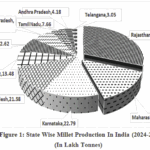 |
Figure 1: State Wise Millet Production in India 2024-25 (in Lakh Tonnes). |
Most commonly grown millets in India are pearl millet followed by sorghum and finger millet (Fig.2). They are grown in India, as different regions havediverse tastes for particular kinds of millets.For example, pearl millet (Bajra) is commonly grown in Rajasthan and parts of Haryana, while finger millet (Ragi) is more prevalent in Karnataka and Tamil Nadu. Sorghum (Jowar) is majorly grown in Maharashtra, Karnataka, Andhra Pradesh and other states.
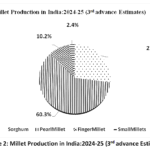 |
Figure 2: Millet Production in India: 2024-25 (3rd Advance Estimates). |
Over the years, a consistent decline in both the area and production of millets has been observed in India.The combined share of millet crops, including bajra, jowar, ragi, and small millets, in relation to total food grain cultivation and production has steadily decreased from TE 1968–69 to TE 2022–23.31 This decline has largely resulted from the diversion of cultivated land toward dominant cereals such as rice and wheat, driven by shifts in dietary preferences, supportive government policies, and changing market demand.35
The prioritization of rice and wheat as staple foods, particularly since the 1960s, contributed not only to a national but also a global decline in millet cultivation.32 However, in recent years, emerging challenges such as climate change, water scarcity, rising malnutrition, and increasing health awareness have renewed global and national interest in these nutrient-dense crops.35
The trajectory of millet production in India reflects a series of structural and policy-driven transitions over time. Prior to the Green Revolution, millets were widely cultivated as traditional staple crops across diverse agro-ecological regions, particularly in rainfed and resource-constrained areas. Their cultivation was closely aligned with local food systems and subsistence agriculture.
The Green Revolution period marked a significant turning point, as agricultural priorities shifted toward high-yielding varieties of rice and wheat. This shift was supported by input subsidies, irrigation expansion, and assured procurement systems, which collectively incentivized farmers to move away from traditional crops such as millets. As a result, millet cultivation declined both in area and relative importance within the food system.
In the early 2000s, a phase of nutritional rediscovery emerged, characterized by growing recognition of the nutritional and functional benefits of millets. Researchers, policymakers, and public health experts began to emphasize their role in dietary diversification, management of lifestyle diseases, and improvement of nutritional security. This period also marked the beginning of renewed scientific and policy interest in millets.
More recently, the past decade has witnessed a revival phase, driven by coordinated efforts from government agencies, research institutions, and civil society organizations. Initiatives such as awareness campaigns, farmer training programmes, and targeted policy interventions have contributed to repositioning millets within the broader framework of sustainable and climate-resilient agriculture. Despite these efforts, the transition from marginal to mainstream status remains gradual and uneven, indicating the need for sustained policy support and systemic interventions.
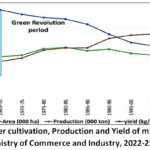 |
Figure 3: Area under cultivation, Production and Yield of millets over years (Ministry of Commerce and Industry, 2022-23) |
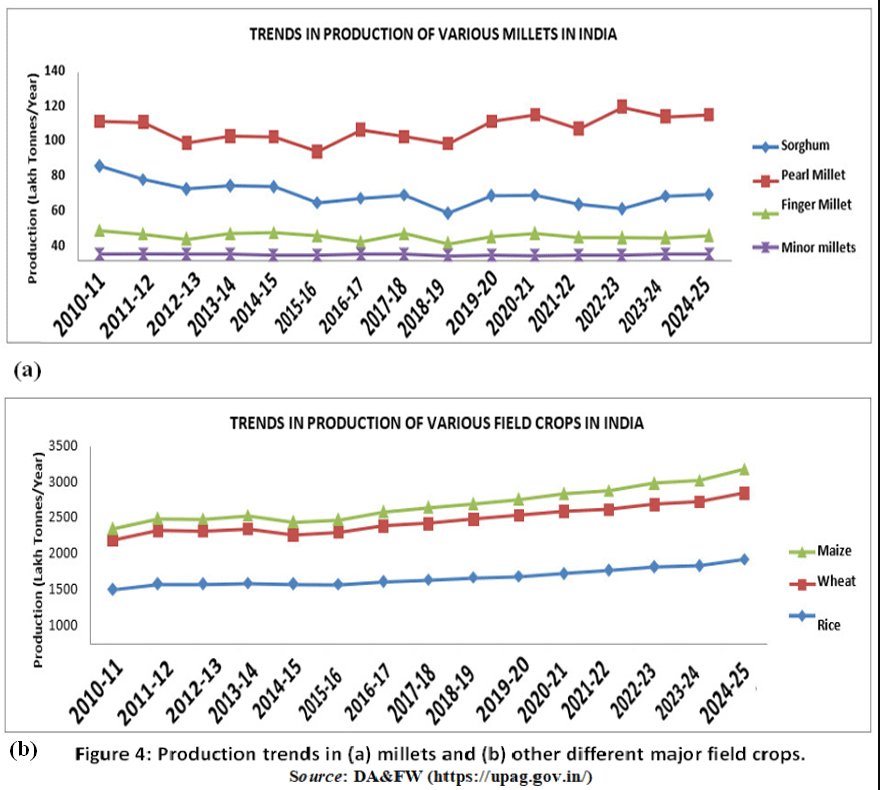 |
Figure 4: Production trends in (a) millets and (b) other different major field crops. |
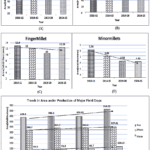 |
Figure 5: Trends in area under cultivation of (A) Sorghum (B) Pearl millet (C) Finger millet and (D) Minor millets and (E) Major field crops |
Major Challenges of Millet Production in India
Shortage of quality seeds
Quality seed plays a critical role in improving crop productivity through better germination, higher yields, disease resistance, and tolerance to environmental stress.36 In India, the limited availability of quality millet seed remains a major constraint to expanding millet cultivation, as farmers often struggle to access reliable and improved varieties. This shortage is driven by restricted access to improved cultivars, inefficient seed multiplication systems, and weak distribution networks, which together limit the adoption and productivity of millets across diverse agro ecological regions.37
Lack of high yielding varieties
The absence of high yielding millet varieties is a major constraint to improve millet production.38 Most millet cultivation in India continues to depend on traditional landraces and indigenous seed materials, which are commonly passed down through generations.39 Compared to crops such as rice, wheat, and maize, the development of improved and hybrid millet varieties has progressed slowly, resulting in continued reliance on low yielding traditional cultivars.
Infestation of weeds and pests
Weeds and insect pests are major biological constraints in millet production, leading to substantial yield losses and reduced grain quality.40 In India, insect pests account for yield losses of about 10 to 20 percent, while weed infestation can reduce yields by 15 to 97 percent.41 Nearly 100 to 150 insect pest species affect millets during cultivation and storage across major growing regions.42 The impact is intensified by the short growth cycle of millets, their low competitive ability, and cultivation during the rainy season, which favors rapid weed growth.
Lack of agricultural technology
Cultivation and processing of millets is a highly laborious task which is mainly done by women without farmer friendly tools. In small and marginal farming households, the high level of physical labor required from women during production and post-harvest processing is one of the factors contributing to the declining cultivation of millets.43 Lack in processing technologies is the major reasons for neglecting millets in farming.44
Intermediaries in the value chain
The millet value chain represents a complex and multi layered system that involves a wide range of activities and stakeholders, extending from production to final consumption.45 The process begins with the supply of inputs and proceeds through cultivation, harvesting, processing, marketing, and distribution. Each stage engages different actors, including farmers, traders, processors, and retailers.46 The cumulative involvement of these stakeholders and processes contributes to increased costs along the chain, which ultimately results in higher prices of millet products for consumers.
Low productivity
Millets are often perceived as low yielding crops compared to major cereals such as wheat and rice.47 This perception arises from limited access to improved varieties, inadequate agricultural inputs, and weak agronomic practices. Yield gaps are further widened by poor crop management, soil and water degradation, and insufficient infrastructure and programmes for the production and distribution of quality seed and other essential inputs to farmers.48
High cost of processing
Primary processing of millets plays a critical role in obtaining dehulled grain and preparing millets for further processing and consumption. However, the processing of husk bearing millets such as little millet, kodo millet, proso millet, barnyard millet, foxtail millet, and brown top millet remains technically challenging.49 Processing equipment specifically designed for millets is often costly or not readily accessible, leading farmers and processors to rely on conventional rice or wheat milling systems. As a consequence, millets often fail to secure remunerative market prices, which discourages farmers from cultivating these crops and encourages a shift toward alternative cereals.
High price and less familiarity
Millets are generally more expensive than conventional grains like rice, wheat and maize, which make them less affordable for low-income consumers. Millet products are not readily available in either traditional retail outlets or modern platforms such as e commerce markets, which limits consumer access and makes their purchase difficult. High price, low familiarity and family customs are considered as major reasons for low millet consumption.50
National programmes for food security
Development aims to ensure food security, energy access, environmental sustainability, technological progress, and healthcare availability. It is a gradual process that improves well-being and expands opportunities as resources and technologies become more accessible. A key challenge is maintaining consistent food security, which the Government of India addresses through various targeted policies and timely interventions.
The National Food Security Act (NFSA), 201351,52 was enacted on July 5, 2013 with the objective of fulfilling the constitutional obligation of ensuring food security for all citizens, as derived from Article 21 of the Indian Constitution, which guarantees the Right to Life andPersonal Liberty. The Act establishes a legal framework to ensure access to subsidized food grains and nutritional support for vulnerable groups. It covers about 75 percent of the rural population and 50 percent of the urban population, reaching nearly two-thirds of the population through the Targeted Public Distribution System.
The National Food Security Act adopts a life cycle approach to ensure food and nutritional security from infancy to old age, with special focus on vulnerable populations. It integrates key welfare schemes such as PM POSHAN, the Targeted Public Distribution System, and Integrated Child Development Services. Under the Act, beneficiaries are divided into two categories, both entitled to highly subsidized food grains.
Antyodaya Anna Yojana (AAY) Households
This category includes the most vulnerable households, such as those living in extreme poverty. They are eligible to receive 35 kg of food grains per month at subsidized prices.
Priority Households (PHH)
This category consists of households that are eligible for 5kg subsidized food grains per priority household person for each month.
Eligible households under the National Food Security Act are identified by State and Union Territory governments, which set criteria based on local socio-economic conditions. The eldest woman aged 18 or above is designated as the head of the household for ration cards. By November 1, 2016, the Act was implemented across all states and Union Territories, ensuring monthly food grain distribution through the Food Corporation of India. The act also includes various supporting schemes.
Targeted Public Distribution System (TPDS)
The Targeted Public Distribution System was introduced by the Government of India in June1997 as a major food security intervention. It represents an improved and focused version of the earlier Public Distribution System and is designed to deliver subsidized food grains and essential commodities more effectively to poor and vulnerable sections of the population.
Food grains allocated under other welfare Schemes
Pradhan Mantri POSHAN Scheme
The PM POSHAN Scheme, officially titled PM POSHAN Shakti Nirman, was launched during he year 2021–22 and is scheduled to continue until 2025–26. The primary objective of thisscheme is to enhance the nutritional status of school going children enrolled in Government and Government aided schools by providing one hot cooked meal on each school day for students studying in Classes I to VIII. This programme was previously known as the National Programme for Mid-Day Meal in Schools and was commonly referred to as the Mid-Day Meal Scheme. By ensuring the provision of a nutritious daily meal, the Government of India seeks to address key concerns related to education, nutrition, and health, which are critical for the overall growth and development of children in the country.53
The Mid Day Meal Scheme covers about 11.80 crore children in nearly 11.20 lakh schools across India. In 2020–21, the Government of India allocated over ₹24,400 crores, including around ₹11,500 crores for food grain procurement. The scheme is implemented by the Ministry of Human Resource Development, with food grain allocation handled by the Department of Food and Public Distribution. Since April 1, 2016, food grains are supplied at NFSA rates: ₹3/kg for rice, ₹2/kg for wheat, and ₹1/kg for coarse grains.54
Wheat Based Nutrition Programme (WBNP)
This supplementary nutrition programme, implemented by the Ministry of Women and Child Development, aims to reduce malnutrition among vulnerable groups. Through the Integrated Child Development Services, subsidized food grains are used to provide nutritious food to children aged 6 months to 6 years, as well as to pregnant and lactating women via anganwadi centres. Allocations to States and Union Territories follow NFSA issue prices of ₹3/kg for rice, ₹2/kg for wheat, and ₹1/kg for coarse grains.54
Welfare Institutions and Hostels Scheme
The Welfare Institutions and Hostels Scheme is a government initiative designed to support vulnerable population groups by ensuring access to shelter, food, and educational facilities for individuals who are unable to meet their basic needs due to socio economic constraints. The scheme was introduced in 2017 through the integration of two existing programmes, namely the Welfare Institutions Scheme and the SC ST OBC Hostels Scheme. The Department of Food and Public Distribution is responsible for administering this scheme. Under its provisions, food grains are supplied at Below Poverty Line rates to welfare institutions such as beggar homes, Nari Niketans, and similar facilities, as well as to hostels in which at least two thirds of the resident students belong to SC, ST, or OBC categories.54
Annapurna Scheme
The Annapurna Scheme, launched in 2000 by the Ministry of Rural Development, is a food security initiative aimed at providing nutritional support to elderly individuals aged 65 years and above who belong to below poverty line households and are not covered under the National Old Age Pension Scheme. Under this programme, eligible beneficiaries receive 10 kg of wheat or rice per month free of cost through the Public Distribution System, with food grains sourced from the Food Corporation of India.54
Scheme for Adolescent Girls
The SABLA Scheme, launched on April 1, 2011 under the Ministry of Women and Child Development, is a centrally sponsored programme created by merging the Kishori Shakti Yojana and the Nutrition Programme for Adolescent Girls to support adolescent girls aged 11 to 18 years, especially those who are out of school. The scheme aims to improve nutritional and health status, increase awareness of health, hygiene, nutrition, and reproductive health, and build life skills and vocational abilities. It also facilitates access to education and other public services, while food grains are supplied through the Public Distribution System and distributed locally via anganwadi and community centres in coordination with state governments.
Table 2: Yearly allocation of different food grains for respective schemes in lakh MT (2022-23)
|
Scheme |
Rice | Wheat | Nutri-
cereals |
Total |
|
| A |
Under Targeted Public Distribution System (TPDS) |
||||
| i) Antyodaya Anna Yojana | 71.07 | 28.68 | – |
99.75 |
|
|
ii) Priority Household |
272.61 | 145.68 | 5.57 |
423.86 |
|
|
iii) TPDS (Tide Over) |
20.94 | 5.46 | – | 26.40 | |
| iv) PM POSHAN (Mid-daymeal) | 22.89 | 4.36 | – |
27.25 |
|
|
v) Wheat Based Nutrition Programme under ICDS |
11.66 | 11.30 | – | 22.96 | |
| Total | 399.17 | 195.48 | 5.57 |
600.22 |
|
| B |
Under Other Welfare Schemes |
||||
| i) Hostels and Welfare Institutions Scheme | 3.07 | 0.43 | – |
3.50 |
|
|
ii) Scheme for Adolescent Girls |
0.29 | 0.20 | – | 0.49 | |
| iii) Annapurna Yojana | – | – | – |
– |
|
|
Total |
3.36 | 0.63 | – |
3.99 |
|
| C | Additional Allocation | ||||
| i) Natural Calamityetc. (MS Prates) | – | – | – | – | |
| ii) Festival/Additional Requirementetc.(Economic Cost) | 0.96 | 0.60 | – | 1.56 | |
| iii) PM Garib Kalyan Yojana (May-November, 2021) | 283.97 | 74.86 | – | 358.83 | |
| iv) Covid Allocation | 4.15 | 1.38 | – | 5.53 | |
| Total | 289.08 | 76.84 | – | 365.92 | |
| D | DEFENCE etc. | 0.21 | 0.33 | – | 0.54 |
| E | OTHERS | 0.45 | 0.7 | – | 1.56 |
| Grand Total A+B+C+D+E | 692.27 | 273.98 | 5.57 | 972.23 | |
(Department of Food & Public Distribution, Ministry of Consumer Affairs, Food & Public Distribution)54
Table 2 shows the picture of underutilization of millets in country. The total allocation of millets for 2022-23 is 5.57 lakh MT, mainly distributed through the Priority Household (PHH) category under TPDS. This allocation is relatively small compared to rice and wheat. However, millets are being promoted to a considerable extent across the country, but their participation in the Food security programs is negligible.
The National Food Security Act of 2013 provides a valuable platform for promoting millets in regular diets through welfare programmes such as the Targeted Public Distribution System, Mid-Day Meal Scheme, and Integrated Child Development Services. Including millets in these schemes can improve food and nutrition security for vulnerable populations while also supporting the livelihoods and incomes of small and marginal farmers.
Policy issues in main streaming millets in these programmes
Some state government has MSP but no state has procurement. The main constraint in cultivating small millet crops in the country is the significant shortage of production support initiatives suchas the minimum support price. This has led to the promotion of monoculture farming methods, posing a threat to crop diversity and resulting in production of land dedicated to the cultivation of highly nutritious small millets (WFP, India &Odisha Millet Mission).55
State government cannot take sole decision to procure millets instead of rice because procurement policy is not only a matter of State. The initiative operates within a centralized policy framework and may require coordination with or approval from central government and intergovernmental institutions, including the Food Corporation of India, NITI Aayog, and the Ministry of Consumer Affairs, Food and Public Distribution.
Cerealsare heavily subsidized in various government programs like ICDS and SNPs in India. However, millets are not subsidized in the same way. To overcome the subsidy disparity between cereals and millets in programs like ICDS and SNPs, additional budget allocation is required.
Schemes cannot change the menu and their formulations depending on location, crops, food habits and preferences, food culture etc.
Investment on training the Anganwadi workers and stakeholders are less than
Table 3: Estimation of requirement of total quantity of millets incase of replacing food grains in food security programmes for meals of one day / week (in lakh MT)
|
Programmes in India for food security |
No. of days/year | Wheat | Rice | Millets (Required Quantity for replacement of cereals) | |||
|
Total allocation |
Quantity used perday | Total allocation | Quantity used perday | Oneday/week | |||
| In case of Wheat |
In case of Rice |
||||||
|
Antyoday Anna Yojana (AAY) |
365
days |
28.68 | 0.078 | 71.07 | 0.194 | 4.052 | 47.52 |
| National Food Security Mission (NFSM) | 365
days |
151.14 | 0.414 | 293.55 | 0.804 | 21.52 |
42.84 |
|
PM POSHAN (Mid-day meal programme) |
200
days |
4.36 | 0.020 | 22.89 | 0.11 | 1.04 | 5.72 |
| Wheat Based Nutrition Programme (under ICDS) | 300
days |
11.30 | 0.037 | 11.66 | 0.03 | 1.92 |
1.56 |
|
Schemes for adolescent |
300
days |
0.20 | 0.00066 | 0.29 | 0.0009 | 0.033 |
0.468 |
|
PM Garib Kalyan Yojana |
365
days |
74.86 | 0.205 | 283.97 | 0.77 | 10.66 | 40.04 |
|
For Defence |
365
days |
0.33 | 0.0009 | 0.21 | 0.0005 | 0.0468 |
0.026 |
|
39.2718 |
138.174 |
||||||
|
Total requirement of millets if the proposed replacement is implemented: |
177.445 (17.7MMT) |
||||||
Discussion
The findings indicate a clear mismatch between India’s aggregate millet production capacity and the actual institutional utilization of millets. Although national production has shown renewed growth and reached 180.15 lakh tonnes in 2024–25, the programme-allocation data presented in Table 2 show that nutri-cereals accounted for only 5.57 lakh MT in 2022–23, while rice and wheat continued to dominate food-grain allocations. This suggests that the principal limitation to mainstreaming is not production volume alone, but the interaction of procurement systems, programme design, processing capacity, consumer familiarity, and market access.
The long-term reduction in area under millet cultivation, together with the concentration of production in a limited number of states and the predominance of pearl millet and sorghum, also has important implications for programme planning. A uniform national substitution strategy may not be appropriate because millet availability, food habits, processing infrastructure, and consumer acceptance vary substantially across regions. The production constraints identified in this review—limited access to quality seed and high-yielding varieties, pest and weed pressure, low mechanization, expensive primary processing, weak value chains, low price realization for farmers, and limited consumer familiarity—are mutually reinforcing. Addressing only one constraint is therefore unlikely to produce sustained gains in either production or consumption.
Public food and nutrition programmes provide a practical route for creating predictable demand and repeated dietary exposure to millets, but integration should be gradual and locally adaptable. PM POSHAN and nutrition services under ICDS are particularly relevant platforms for pilot implementation because they already have established beneficiary networks and recurring meal delivery systems. The phased strategy proposed in this review is therefore consistent with the evidence: initial research and awareness building should be followed by farmer and stakeholder capacity development, region-specific pilots, strengthening of procurement and processing infrastructure, and subsequent scaling based on monitoring results. At the same time, any increase in millet supply should prioritize productivity improvement, suitable rainfed production zones, better seed systems, post-harvest efficiency, and value-chain development rather than indiscriminate diversion of land from rice and wheat, which could create new food-security trade-offs.
Implementation should be designed to build familiarity with millets among younger beneficiaries and households over time. Programmes such as PM POSHAN and the Wheat-Based Nutrition Programme under ICDS can serve as initial platforms because they reach children and mothers repeatedly and can support gradual dietary exposure to millet-based foods.
At the aggregate level, India appears to produce a substantial quantity of millets; however, national production figures do not automatically translate into marketable surplus for welfare programmes. In many producing regions, millets remain locally consumed, retained for household use, used as fodder, or cultivated for culturally specific purposes. Consequently, programme expansion requires attention not only to total output but also to the volume that can enter organized procurement and processing channels.
A conservation-cum-commercialization approach is therefore needed to retain the ecological and cultural value of millets while improving their economic viability. Community-centred planning can strengthen nutritional, social, and livelihood benefits, while predictable institutional demand can improve market incentives for producers.56 Long-term integration within TPDS, PM POSHAN, and ICDS will depend on the ability of production and supply chains to respond to this additional demand without creating shortages or excessive price increases.This approach allows for careful planning, awareness building, capacity development, and infrastructure creation. Several phases for mainstreaming millets are:
Phase 1: Research and Awareness Building
Conduct Research: Evidence based research supports the development of policies and programs that promote millet cultivation, production, and consumption. Governments can implement supportive policies such as subsidies, price incentives, and research funding. It facilitates the identification and development of improved millet varieties that offer higher yields, enhanced nutritional quality, and greater resistance to pests and adverse environmental conditions.
Raise Awareness: Awareness campaigns should be implemented to inform the public, policymakers, and nutrition professionals about the health benefits of millets, their strong nutritional value, climate resilience, and their adaptability across diverse agro ecological regions. Awareness programmes should be carried in platforms like Radio TV, newspapers, magazines, school text books, blogs, YouTube, twitter, farmers groups, youth clubs, health clubs, sports nutrition, school lunch, hospital diets, government working lunch etc. Awareness to agriculture departments of states for encouraging farmers, providing quality seeds and SOP in time should be done
Phase 2: Capacity Building and Farmer Support
Farmer Training: Organize training programs and workshops for farmers, focusing on millet cultivation techniques, pest management, and post-harvest handling. Collaboration with agricultural extension services, research institutions, and NGOs to provide technical support and guidance is must.
Establish seed production systems for millets and ensure the availability of quality seeds at affordable prices. Introduce subsidies or incentives for farmers to promote millet cultivation. Provide access for other inputs like appropriate fertilizers, bio-pesticides etc. required for successful millet cultivation.
Phase 3: Pilot Projects and Demonstration Farms
Pilot Projects: Initiate pilot projects in selected regions to demonstrate the successful integration of millets into existing nutrition programs. Collaborate with local communities, self-help groups, and NGOs to implement these projects and gather feedback for further improvements.
Demonstration Farms: Set up demonstration farms where farmers can observe and learn from successful millet cultivation practices. These farms can showcase different millet varieties, crop rotations, and sustainable farming techniques.
Phase4:ScalingUpandIntegration
Government Support: Develop policies and programs that support millet cultivation and consumption. Include millets in government nutrition schemes, school feeding programs, and public distribution systems. Offer incentives and subsidies to farmers for cultivating millets, and provide procurement mechanisms to ensure fair prices for their produce.
Infrastructure Development: Establish storage, processing, and marketing infrastructure for millets. This includes setting up millet processing units, creating value-added products, and promoting market linkages for farmers.
Phase5:Monitoringand Evaluation
Impact Assessment
Regularly evaluate the impact of millet integration in nutrition programs. Monitor key indicators such as improved nutrition outcomes, increased income for farmers, and reduced environmental impact.
Feed back and Adaptation: Based on monitoring results and feed back ,make necessary adjustments and improvements to the implementation strategy.Continuously engage with stakeholders to ensure the program’s effectiveness and address any challenges that arise.
To enhance the policy relevance of the proposed strategies, the revised framework incorporates feasibility, prioritization, and cost–benefit considerations within a phased implementation approach. Interventions are sequenced based on operational practicality, with initial emphasis on integrating millets into existing platforms such as PM POSHAN and ICDS, where supply chains, beneficiary networks, and institutional mechanisms are already established. This reduces incremental costs and allows for gradual consumer familiarization. Feasibility is further strengthened by aligning procurement strategies with region-specific production zones to minimize logistical constraints and transportation costs. From a cost–benefit perspective, although initial investments in processing infrastructure, seed systems, and awareness campaigns may be required, the long-term gains in nutritional security, reduced healthcare burden, climate resilience, and enhanced farmer incomes justify these expenditures. Additionally, pilot-based scaling and continuous monitoring have been proposed to assess economic viability and program efficiency before large-scale expansion, thereby ensuring that mainstreaming efforts remain both financially sustainable and operationally implementable.
Estimation of required production and land
The direct relationship to increase the use of millets is by increasing their production. India possesses the second largest area of agricultural land globally, encompassing about 157.35 million hectares under cultivation and spanning 20 distinct agro climatic regions.57Millets were previously cultivated across approximately 35 million hectares, but the area under millet cultivation has declined to nearly 15 million hectares in recent years.58 One very important aspect to consider is that while production has increased somewhat in recent years, the area under production remains limited. Therefore, the foremost requirement to increase production is to expand the area under millet cultivation. Although some steps have been taken in this direction, they are still insufficient.
To enhance area under millet production, the first thing to determine is the actual land requirement. The yield of millets is 2247 kg/ha, 57which can help as certain the required land. If the need is of additional18 milliontons of millets, 40.4 million hectares of more land will be required. If this amount of land is gained by replacing the land currently employed in staple cereal cultivation, it will still pose challenges to food security. It is very crucial to prioritize maintaining the current food supply while in crementally in creasing millet production. Adopting a sustainable approach to increase millet production, along side conventional cerealsis necessary. This is because land cannot be endlessly expanded. Suitable land forms should be selected according to the specific millets.
Conclusion
Millets offer significant potential to address food and nutrition security while supporting sustainable agriculture, particularly in dry and marginal environments. Their climate resilience, short growing cycle, and high nutritional value make them well suited for small and resource limited farmers. Although millet cultivation has declined due to changing agricultural practices and limited awareness, ongoing efforts to integrate millets into food security programmes such as public distribution systems and school nutrition schemes can improve dietary quality and farmer livelihoods. Successful mainstreaming requires a phased approach involving research, awareness creation, capacity building, and policy support, supported by coordinated action among stakeholders to ensure a healthier and more resilient food system.
Acknowledgement
The authors would like to acknowledge their respective universities for providing an academic environment.
Funding Sources
The author(s) received no financial support for the research, authorship, and/or publication of this article.
Conflict of Interest
The author(s) do not have any conflict of interest.
Ethics Statement
This research did not involve human participants, animal subjects, or any material that requires
ethical approval.
Informed Consent Statement
The study did not involve human participants, and therefore, informed consent was not
required.
Clinical Trial Registration
This study does not involve any clinical trial.
Permission to Reproduce Material from Other sources
Not applicable.
Author Contributions
- Rita Singh Raghuvanshi: Conceptualization and Original drafting.
- Vinita Singh: Review, Editing and Final drafting.
- Apurva Srivastava: Writing and Editing.
- Saurabh Verma: Tabulation and graphical presentation
References
- Ghosh K., Vinod Kumar T., Singh R.,et al.Promising potential of millets as the staple of our plate: An Indian perspective. Discover Food. 2024; 4: https://doi.org/10.1007/s44187-024-00176-7
CrossRef - Ramadas S, Joseph J, Panathady AM, Mohapatra S. Global status of millets ecosystem: trends, research progress and way forward. Preprint. 2023. doi:10.13140/RG.2.2.35728.99841
- Sridevilakshmi R, Sindhu S. Proso millet: composition, health benefits, processing and value addition. Int J Multidiscip Res. 2025;7(6).
CrossRef - Alagendran S., Mohapatra R., Sethuraman V., et al.Millets in Modern Diets: A Comprehensive Review of Their Nutritional and Health Benefits. European Journal of Nutrition & Food Safety 2025;17(5):384-401.
CrossRef - ,Krishnan V., Antony C. The nutrition and the rapeutic potential of millets: an updated narrative review. Frontiers in Nutrition. 2024; 11:1346869.
CrossRef - ,Gomadhi G.,Ramasamy M.,et.al., “Shree Anna (Millets): Promoting Nutritionand Sustainability in Agricultural Millets Map of India”.European Journal of Nutrition & Food Safety. 2024;16 (8):237-46. https://doi.org/10.9734/ejnfs/2024/v16i81511.
CrossRef - Stefoska-Needham A. Sorghum and health: an overview of potential protective health effects. J Food Sci. 2024;89(Suppl 1):A30-A41. doi:10.1111/1750-3841.16978
CrossRef - Dayakar Rao B., Sangappa, Vishala A.D., et al.Technologies of Millet Value Added Products. Rajendranagar, Hyderabad, India: Centre of Excellence on Sorghum, ICAR– Indian Institute of Millets Research; 2016:48.
- Venkateswarlu R., Malathi V.M., Jacob J., et al.Health benefits of millets.Indian Farming. 2023; 73 (01): 91-93.
- Sinha N., Thomas A. Nutritional, Therapeutic, and Functional Applications of Sorghum: A Comprehensive Review. Medicon Medical Sciences. 2025; 8(2):41-48.
- Satyavathi CT, Praveen S, Mazumdar S, Chugh LK, Kawatra A. Enhancing Demandof Pearl Millet as Super Grain: Current Status and Way Forward. Jodhpur, Rajasthan, India: ICAR–All India Coordinated Research Project on Pearl Millet, Agriculture University; 2017.
- Jemila C., Shanmugasundaram R. Evaluating Pearl Millet (Hybrids) Genotypes for Zinc Use Efficiency through Fertilization Strategy Screening. International Journal of Current Microbiologyand Applied Sciences. 2017;6(11):3033–3043. https://doi.org/10.20546/ijcmas.2017.611.356
CrossRef - Thakur M., Tiwari P. Millets: the untapped and underutilized nutritious functional foods. Plant Archives. 2019;19(1):875–883.
- Mallu TS, Okbagabir SG, Negassi BT, et al. A comprehensive review on finger millet (Eleusine coracana (L.) Gaertn): a gluten-free superfood and feed. J Agric Food Res. 2026;25:102528.
CrossRef - ,BhaskaracharyK.,ArleneChristinaG.D.,etal.NutritionalandHealth benefits of Millets. Rajendranagar, Hyderabad, India: ICAR–Indian Institute of Millets Research; 2017:112.
- Sinha N.M., Kumari N., Dikshit N., et al.Ragi traditional but nutritional especially in the era of COVID-19. Indian Journal of Clinical Practice. 2022;32(10): 20-24.
- E., Gwata E.T., Meddows-Taylor S.,et al. Some physical and functional properties of finger millet (Eleusinecoracana) obtained in sub-Saharan Africa. Food Research International. 2018; 104: 110-118.
CrossRef - Bharathi SC, Elango A. Minor millets: miracle grain of South India. J Exp Agric Int. 2024;46(7):881-893. doi:10.9734/jeai/2024/v46i72642
CrossRef - Kaur B, Singh A, Suri S, Usman M, Dutta D. Minor millets: a review on nutritional composition, starch extraction modification, product formulation, and health benefits. J Sci Food Agric. doi:10.1002/jsfa.12493
CrossRef - Hariprasanna K. Foxtail millet: Nutritional importance and cultivation aspects. Indian Farming. 2023; 73 (01): 47-49.
- Arora L., Aggarwal R., Dhaliwal I., et al.Assessment of sensory and nutritional attributes of foxtail millet-based food products. Frontiers in Nutrition. 2023. 10:1-15. https://doi.org/10.3389/fnut.2023.1146545
CrossRef
- Saini S., Saxena S., Samtiya M., et al.Potential of underutilized millets as Nutri-cereal: an overview. Journal of Food Science and Technology. 2021; 58(12): 4465– https://doi.org/10.1007/s13197-021-04985-x
CrossRef - Bunkar D.S. Nutritional, Functional Role of Kodo Millet and its Processing: A Review. International Journal of Current Microbiology and Applied Sciences. 2021;10 (01):1972–1985.https://doi.org/10.20546/ijcmas.2021.1001.229
CrossRef
- Lakhani KG, Suthar KP, Singh D, Peddi P, Karmakar N, Patil HE. Nutritional and phytochemical profiling of little millet (Panicum sumatrense ex Roem & Schult.) genotypes. J Sci Food Agric. 2025. doi:10.1002/jsfa.70216
CrossRef - Kalinova J., Tříska J., Hořejší K. Comparison of the main constituents in two varieties of Proso millet using GC–MS. 2023; 12(12): 2294. https://doi.org/10.3390/foods12122294
CrossRef - ,Khound R., Santra M.,et al. Beyond bird feed:Proso millet for human health and environment. Agriculture. 2019; 9(64):1-19.
- Nepali B., Bhandari D., Shrestha J. Mineral nutrient content of buckwheat (Fagopyrum esculentum Moench) for nutritional security in Nepal. Malaysian Journal of Sustainable Agriculture (MJSA). 2019;3(1): 1-4.
CrossRef - Ö.,Ayhan N. Y., Meriç Ç. S. Buck wheat: a useful food and its effects on human health. Current Nutrition & Food Science. 2020;16(1): 29–34. https://doi.org/10.2174/1573401314 666180910140021
CrossRef - ,Kania-Dobrowolska M. The dual nature of Amaranth—Functionalfood and potential medicine. Foods .2022; 11(4): 618. https://doi.org/10.3390/foods11040618
CrossRef - Caselato-Sousa V. M.,Amaya-Farfan J. State of Knowledgeon Amaranth Grain:A Comprehensive Review. Journal of Food Science. 2012; 77(4): R93-R104.
CrossRef - Ramadas S, Joseph J, Panathady AM, Devi T. Status of millets in India: trends and prospects. In: Sensitizing the Millet Farming, Consumption and Nutritional Security – Challenges and Opportunities. PAJANCOA & RI; 2023:15-25. doi:10.2139/ssrn.4640938
- Anbukkani P, Balaji SJ, Nithyashree ML. Production and consumption of minor millets in India: a structural break analysis. Ann Agric Res. 2017;38(4):1-8.
- Bibas BK, Dahal S, Koirala M, Poudel R, Kandel BP. Role of millets for food security under climate change. Plant Environ Interact. 2026;7(1):e70128. doi:10.1002/pei3.70128
CrossRef - Press Information Bureau, Government of India. Shree Anna for Shreshta Bharat: Empowering India through Millets. Published August 8, 2025. Accessed October 13, 2025.
- Mohanan M.M, Vijayakumar A., Bang-Berthelsen C.H., et al.Millets: Journey from an Ancient Crop to Sustainable and Healthy Food. 2025; 14(10): 1733. https://doi.org/10.3390/foods14101733
CrossRef - Janapareddy R., Cirumalla M., Veeranki C. Quality seed and its’ importance in agriculture. Greenari, A: An Agricultural Monthly e- Magazine. 2025; 3(6): 01-02.
- , Pandey M.K. Seed Production Techniques in Millets. In: Millets: The Miracle Grains of 21st Century. Hyderabad, India: KD Publications; 2024:155-164. ISBN 978- 81-969534-8-5.
- Asha Devi, Anbukkani P., Singh A., et al.Study on production and utilization of minor millets in Madhya Pradesh. Indian Journal of Agricultural Sciences. 2024; 94 (3): 303–
CrossRef - Kheya S.A., Talukder S.K., Datta P., et al.Millets: The future crops for the tropics- Status, challenges, and future prospects. Heliyon. 2023; 10; 9(11):e22123. doi:10.1016/j.heliyon.2023.e22123. PMID: 38058626; PMCID: PMC10695985.
CrossRef - Rao A.N. Weed management in finger millet in India- an overview. Indian Journal of Weed Science. 2021; 53(4): 324–335.
CrossRef - Dubey R.P., Chethan C.R., ChoudharyV.K.,etal.A review on weed management in millets.IndianJournalofWeedScience.2023;55(2):141–148.
CrossRef - Shyam Prasad G., Bhagwat V.R., Srinivasa babu K. Insect pests of millets and their management. Indian Farming. 2015;65(4): 46 – 49.
- Israel Oliver King E. D. I.O. Impact of Reduced drudgery of women in production and postharvest processing of small millets.MSSRF working Paper No.09. Chennai: M S Swaminathan Research foundation. 2016.
- Joshi J., Kumar S.S., Rout R.K., et al.Millet processing: prospects for climate-smart agriculture and transition from food security to nutritional security. Journal of Future Food. 2025;5(5): 470–479.
CrossRef - Venkatesa Palanichamy N., Santhosh Kumar M., Kalpana M., et al.A Review on Value Chain Analysis of Millets. Journal of Basic and Applied Research International.2024; 30 (3): 76 – 85. https://doi.org/10.56557/jobari/2024/v30i38792
CrossRef - Rafi D., Laxmi B., Charishma E., et al.Strengthening millet value chain through farmer producer organizations. Indian Journal of Extension Education.2023;59 (3):26-31.
CrossRef - Yadav S.S., Reddy B., Kumar V.S., et al.Millets: Crop Production Science in Horticulture. San Diego, CA: Academic Press; 2019.
- Singh H., Sirigi Reddy D.V., Mantramurthy S.D., et al.A review on problem and prospects of millets production in India. International Journal of Advanced Biochemistry Research. 2024; 8(7): 25-34.
CrossRef - Sarojani K., Shruthi L., Suvarna H., et al.Millet processing: A profitable enterprise. The Pharma Innovation Journal. 2020; SP-9(12): 142-145.
- Kane-Potaka J., Anith S., Tsusaka T.W., et al.Assessing millets and sorghum consumptionbehaviorinUrbanIndia:ALarge–ScaleSurvey.FrontiersinSustainable Food Systems. 2021;.5.https://doi.org/10.3389/fsufs.2021.680777
CrossRef - The National Food Security Act, 2013.The Gazette of India, Extraordinary, Part II, Section 1. Ministry of Law and Justice; September 10, 2013.Accessed December 13, 2025.
- Government of India, Department of Food and Public Distribution. National Food Security Act (NFSA), 2013. National Food Security Portal. Updated December 12,
- Ministry of Education, Government of India. Pradhan Mantri POSHAN Shakti Nirman (PM POSHAN) Scheme. PM POSHAN Portal. Updated September 19, 2025.
- Department of Food and Public Distribution, Government of India. Public Distribution System (PDS). National Food Security Portal. Updated December 12, 2025.
- World Food Programme, Government of Odisha. Lessons from Odisha Millets Mission: A Case for Mainstreaming Millets. WFP India; 2021.
- Jena MK, Mishra J, Ota AB. Tracing our millets: history, archaeology, cultures, and conservation. J Sched Castes Sched Tribes Res Train Inst. 2022;62(1).
- Banerjee R., Bharti B., Das P., et al.Comprehensive Analysis of Millets in India: Area, Production, Cost of Production and Export Statistics. Current Agricultural Research. 2024; 12(3). http://dx.doi.org/10.12944/CARJ.12.3.13
CrossRef - Harish M.S., Bhuker A., Chauhan B.S. Millet production, challenges, and opportunities intheAsia-pacific region:a comprehensive review. Frontiersin Sustainable Food 2024;8:1-16.
CrossRef
 PlumX:
 Views: 2190
  PDF Downloads:
441
PDF Downloads:
441 
Accepted on: 30 Jul 2026
Second Review by: Meena Godhia
Final Approval by: Dr. Jiwan S. Sidhu





Web of Science Coverage
Emerging Sources Citation Index (ESCI)
2024 Journal Impact Factor: 1.1
Scopus Journal Metrics
CiteScore 2025: 2.6
CiteScore Details
Sustainable Nutrition: Food Systems, Nutrient Retention, and Public Health Impact

This journal is a member of, and subscribes to the principles of, the Committee on Publication Ethics (COPE)