
Insights into the Cold Stress-driven Metabolome of Edible Mushrooms from Arid Highlands of the Indian Trans-Himalayas
 , Surinder Kaur2, Yash Pal Sharma3and Rupam Kapoor1*
 1Department of Botany, University of Delhi, Delhi, India
2Department of Botany, Sri Guru Tegh Bahadur Khalsa College, University of Delhi, Delhi, India
3Department of Botany, University of Jammu, Jammu, India
Corresponding author E-mail: rkapoor@botany.du.ac.in
DOI : http://dx.doi.org/10.12944/CRNFSJ.14.2.19
Download this article as:

Cold desert ecosystems impose selective pressures that condition the biochemical architecture of resident macrofungi. The present study provides a comprehensive evaluation of metabolome profile of three wild edible mushrooms namely; Flammulina filiformis, Agaricus campestris, and Cantharellus cibarius, inhabiting the cold desert of the Indian Trans-Himalayas. Our findings highlight how these mushrooms adapt to such adverse conditions while exhibiting nutraceutical potential. Untargeted metabolome profiling identified 88 metabolites, encompassing carbohydrates, polyols, fatty acids, organic acids, amino acids, and nitrogenous compounds. Carbohydrates dominated the metabolome, with trehalose representing 13.68–18.14%, followed by glucitol (7.44–17.25%). Fatty acids constituted 23.65–29.04%, with oleic and linoleic acid predominating among monounsaturated and polyunsaturated fatty acids, respectively. Protein content was highest in F. filiformis (218.4 mg g⁻¹ dry weight), suggesting potential utility as an alternative to animal-based protein sources. Essential amino acids including threonine and valine were enriched in F. filiformis. Mineral profiling revealed species-specific enrichment: A. campestris was richest in Na, K, Ca, Mg, Fe, Zn, and Mn; C. cibarius in N, Cr, Se, and Mo; and F. filiformis in S, Al, and Cu. Antinutritional factors remained below critical thresholds, ensuring bioavailability of essential minerals. Total phenolic content was highest in F. filiformis, while flavonoid and carotenoids peaked in A. campestris. Quantification of twelve phenolic compounds revealed high concentrations, which were corroborated by antioxidant capacities.Fourier transform infrared spectroscopy confirmed diverse functional groups, reinforcing the presence of bioactive metabolites. Collectively, these mushrooms from extremeenvironment are nutrient-dense, bioactive-rich resources with tangible applications in nutraceutical innovation.
KEYWORDS:Bioactive Compounds; Bioavailability; Cold-Desert Macro-fungi; Functional Foods; Metabolic Profiling; Nutritional Composition
Introduction
Environmental variables play a crucial role in regulating the physiology, secondary metabolism, and ecological interactions of macrofungi or mushrooms. Unlike vascular plants, fungi lack photosynthetic machinery and do not respond to environmental pressures through anatomical modifications. However, they primarily rely on the production of specialized metabolites and enzymatic versatility to gain ecological fitness and ensure survival. Their adaptive responses involve metabolic reprogramming that results in the accumulation/ synthesis of secondary metabolites. These metabolitesexhibit diverse biological activities and play essential roles in defense, environmental sensing, oxidative balance, and inter-organismal communication.1,2
The current trajectory of mycological research exhibits a discernible bias toward macrofungi inhabiting mesic and agriculturally modified ecosystems, thereby marginalizing the mycodiversity of high-altitude cold desert biomes.3,4 This underrepresentation is scientifically consequential, as extremophilic fungi in arid and thermally volatile habitats, such as Kargil located in the Indian trans-Himalayan belt, are likely to possess adaptive metabolic frameworks that remain largely uncharacterized.4,5 The sporadic nature of fungal fruiting, largely dictated by microclimatic windows renders macrofungal inventories in such regions both methodologically challenging and temporally constrained.
In cold desert ecosystems, environmental stringency, manifested in the form of persistent ultraviolet radiation, high oxidative stress, sub-zero temperatures, and episodic desiccation, acts as an overwhelming selective pressure. Thus, these factors elicit significant abiotic stress on fungal communities.6 Such abiotic stresses are known to trigger intricate signalling cascades, including the activation of ROS-scavenging mechanisms and the transcriptional upregulation of stress-responsive genes. These pathways culminate in the biosynthesis of a diverse array of secondary metabolites, including phenolic acids, flavonoids, terpenoids, and polyketides, many of which are endowed with high antioxidant capacity, metal chelation potential, and cytoprotective properties.7 Importantly, compounds that function as osmolytes and ROS quenchers in fungal systems demonstrate pharmacodynamic parallels in human cellular models and a translational potential that warrants deeper investigation.7,8 Thus, fungal responses to stresses enhance therapeutic potential and render those mushrooms from stressful habitats potentially richer in bioactive compounds than their temperate counterparts.
Therefore, the systematic bioprospecting of macrofungi from cold desert habitats represents an important aspect for the recognition of bioactive scaffolds. Within this context, the present study was designed to bridge the knowledge gap by undertaking a comprehensive metabolite profiling of three wild edible macrofungi– Flammulina filiformis(Ge et al.) Wang et al., Agaricus campestris L., and Cantharellus cibarius Fr. – from different microhabitats in Kargil. In addition to the exhaustive elemental and nutritional analyses, parameters that serve as indicators of nutraceutical potential and adaptive biochemical response were focused on, which include untargeted metabolites screening via gas chromatography-mass spectrometry (GCMS), ultra-high performance liquid chromatography (UHPLC)-based quantification of phenolic compounds (ferulic acid, resorcinol, catechol, orcinol, vanillin, salicylic acid, cinnamic acid, butylated hydroxytoluene, pyrogallol, caffeic acid, quercetin, luteolin), total phenol content, total flavonoid content, carotenoid-based antioxidants (lycopene and β-carotene), and antioxidant assays. Moreover, functional groups were identified to reveal their chemical nature using Fourier transform infrared (FTIR) spectroscopy. By aligning with the thematic framework of biochemical analyses, the study seeks to support the inference that metabolite richness is stressinduced.
Materials and Methods
Sample Collection and Identification
Three species of mushrooms were collected during the fruiting season (August, 2023) from multiple cold desert microhabitats in the Kargil, located at altitudes ranging from 2,500–4,800m asl. Mushroom samples were morphologically characterized, followed by molecular identification (The methodology is provided in detail in the Supplementary Material).
Untargeted Metabolite Profiling
For untargeted metabolite profiling using GC-MS, 1 g each of pulverised sample were extracted in methanol for 3 h.Thecrude extract was centrifuged at 8000 g for 10 min and the resulting supernatant was concentrated. For derivatization, MSTFA method of trimethylsilylation was followed.
The test samples were analysed using GCMS-QP2010 Ultra (ShimadzuCorp., Kyoto, Japan).The mass spectra of the detected compounds were matched against the NIST-14 (National Institute of Standards and Technology) and WILEY-08 spectral libraries for compound identification. The relative percentage composition of the compounds was estimated based on peak area measurements, and the resulting data were processed using the GC-MS Postrun Solution software (Shimadzu Corp., Kyoto, Japan).
Macronutrients
Protein content was estimated using Bradford assay. The total available carbohydrate content (TAC) and total soluble sugars (TSS) were estimated using the anthrone method and phenol-sulfuric acid method, respectively. The concentration of reducing sugars was determined following the protocol of Miller. Non-reducing sugars were quantified by subtracting the reducing sugar concentration from the TSS. Starch concentration was quantified following colorimetric anthrone method.
Mineral Composition
The samples were digested with a mixture of nitric acid, perchloric acid, and sulfuric acid (4:2:0.5, v/v/v) using a hot-block digestion system. After digestion, the samples were allowed to cool, filtered through Whatman No. 44 filter paper, and diluted to a final volume of 50 mL with Milli-Q water. The concentrations of Ca, Mg, Fe, Cu, Co, Zn, Ni, and Al were determined using an AAS ZEEnit 60 atomic absorption spectrometer (Analytik Jena GmbH, Jena, Germany); Na and K were determined using flame photometry; Cr, Se, Mn, and Mo using inductively coupled plasma-mass spectrometer (ICPMS) by Agilent Technologies (8900 ICP-MS Triple Quad, California, US); N and S using CHNS analyzer (Elementar Analysensysteme GmbH, Langenselbold, Germany). P concentration was quantified by molybdenum blue method.
Antinutrients and Mineral Bioavailability
Antinutrients
Phytic acid (PA) content was determined following the Fe(III)-sulfosalicylate method. Condensed tannins (CT) were estimated following Prussian blue assay.
Mineral Bioavailability
Bioavailability of Fe, Ca, Mg, and Zn was determined by calculating molar ratios of antinutrients-to-minerals. Critical values of 2.5 for OA/(Ca+Mg), 0.4 for PA/Fe, 0.4 for PA/Ca, and 10 for PA/Zn were considered.
Antioxidants
Total phenolic content (TPC) wasdetermined using the Folin-Ciocalteu method. Total flavonoid content (TFC) was quantified using the aluminium chloride colorimetric assay. Spectrophotometric estimation of ascorbic acid,α-tocopherol, and carotenoid-based antioxidants (β-carotene and lycopene) were carried out.
Quantification of Phenolic Compounds
Phenolic profiling was performed using ultra-high performance liquid chromatography (UHPLC) on an Acquity UPLC™ H-Class System (Waters Corp., Massachusetts, USA) equipped with a BEH C18 column (1.7 µm, 2.1 mm × 50 mm).Phenolics were identified by retention times of standards (ferulic acid, resorcinol, catechol, orcinol, vanillin, salicylic acid, cinnamic acid, butylated hydroxytoluene, pyrogallol, caffeic acid, quercetin, luteolin) and quantified at 280 nm using Waters Empower® 3 software (Waters Corp., Massachusetts, USA). Standard curves showed high linearity (r² > 0.999).
Antioxidant Potential
The antioxidant potential of the studied samples was evaluated through hydroxyl radical scavenging activity and reducing power assays.
Identification of Functional Groups
Fourier transform infrared spectroscopy (FTIR)was used to identify functional groups present in the sample extracts. Methanolic extracts were analysed inattenuated total reflectance (ATR)mode. Spectra were recorded using Nicolet™ iS50 FTIR Spectrometer (Thermo Fisher Scientific™, Massachusetts, USA) over the range of 4000–400 cm⁻¹ at a resolution of 4 cm⁻¹. OMNIC™ Specta Software (Thermo Fisher Scientific™, Massachusetts, USA) was used to collect, display, and process data. Characteristic absorption peaks were interpreted to identify relevant functional groups. Stacked graph was plotted and interpreted using OriginPRO®v.2025b (OriginLab Corporation, Northampton, Massachusetts, USA).
The methodology is described in detail in the Supplementary Material.
Statistical Analysis
All experiments were performedin triplicate, and the results are presented as mean ± standard deviation (SD). Statistical significance (p < 0.05) was determined by one-way ANOVA with Tukey’s post hoc test using SPSS v.21.0 (IBM Corporation, New York, USA).
Results
Identification and Sample Description
The species were identified as Flammulina filiformis(Ge et al.) Wang et al., Agaricus campestris L., and Cantharellus cibarius Fr. (Supplementary Figure 1).
Untargeted Metabolome Profiling
Untargeted GCMS-based metabolome profiling revealed a total of 88 metabolites across the three fungal taxa, spanning saccharides and polyols, fatty acids, amino acids, non-amino N-containing compounds, as well as organic and mineral acids along with their derivatives (Table 1).
Table 1: Gas chromatography mass spectrometry-based metabolite profiling of Flammulina filiformis(Ge et al.) Wang et al., Agaricus campestris L., and Cantharellus cibarius Fr. The concentration of compounds is expressed in percentage compositions.
|
Compound |
F. filiformis | A. campestris |
C. cibarius |
|
Amino Acids and their Derivatives |
|||
|
Essential amino acids |
|||
|
Isoleucine |
0.24a ± 0.06 | 0.15b ± 0.02 | 0.13b ± 0.04 |
| Histidine | 0.19b ± 0.04 | Nd |
0.25a ± 0.01 |
|
Leucine |
0.31a ± 0.01 | 0.36a ± 0.08 | 0.10b ± 0.04 |
| Phenylalanine | 0.19b ± 0.02 | 0.24a ± 0.02 |
0.13c ± 0.03 |
|
Threonine |
0.54a ± 0.19 | 0.21b ± 0.03 | 0.53a ± 0.10 |
| Valine | 0.13b ± 0.04 | 0.37a ± 0.09 |
0.04c ± 0.02 |
|
Non-essential amino acids |
|||
|
Alanine |
0.15b ± 0.08 | 0.37a ± 0.01 | Nd |
| Asparagine | 0.47a ± 0.03 | Nd |
Nd |
|
Aspartic acid |
0.29b ± 0.04 | 0.69a ± 0.13 | 0.17c ± 0.05 |
| Glutamic acid | 0.10c ± 0 | 0.51b ± 0.07 |
0.61a ± 0.05 |
|
Glycine |
0.02b ± 0.01 | 0.04a ± 0 | 0.03b ± 0 |
| Homoserine | 0.42a ± 0.09 | Nd |
0.35a ± 0.06 |
|
Proline |
0.67a ± 0.16 | 0.25c ± 0.02 | 0.39b ± 0.04 |
| Serine | 0.21b ± 0.01 | 0.28a ± 0.01 |
0.16c ± 0.01 |
|
Tyrosine |
0.11b ± 0.01 | 0.13a ± 0.01 | 0.12ab ± 0.02 |
|
Non-protein amino acids / derivatives |
|||
|
Glycyl-L-proline |
0.12a ± 0.03 | Nd | 0.07b ± 0.01 |
| Glycyl glycine | 0.11b ± 0.05 | 0.13b ± 0.01 |
0.23a ± 0.06 |
|
Ornithine |
0.16a ± 0.05 | 0.18a ± 0.02 | 0.04b ± 0.01 |
| 5-Oxoproline | 7.83ab ± 2.01 | 9.44a ± 0.61 |
6.15b ±0.52 |
|
Organic Acids and Derivaties |
|||
|
Ascorbic acid |
0.05b ± 0.02 | Nd | 0.09a ± 0 |
| Citric acid | 0.90a ± 0.01 | 0.34b ± 0.02 |
0.21c ± 0.10 |
|
Fumaric acid |
1.13c ± 0.10 | 4.32a ± 0.18 | 3.37b ± 0.23 |
| Glutaric acid | 0.08b ± 0.04 | 0.06c ± 0.01 |
0.67a ± 0.04 |
|
Glyceric acid |
0.13 ± 0 | Nd | Nd |
| Hydroxycinnamic acid | Nd | 0.06b ± 0 |
0.11a ± 0.04 |
|
Hydroxymalonic acid |
0.26b ± 0.11 | 0.40a ± 0.10 | 0.15b ± 0.07 |
| Isocitric acid | 1.80b ± 1.03 | 2.84a ± 0.50 |
1.78b ± 0.93 |
|
Malic acid |
4.70c ± 0.87 | 5.79b ± 0.57 | 7.03a ± 0.59 |
| Methylmaleic acid | 0.10a ± 0.06 | 0.07ab ± 0.04 |
0.04b ± 0.02 |
|
Methylsuccinic acid |
0.12 ± 0.04 | Nd | Nd |
| Oxalic acid | 0.16a ± 0.09 | 0.13ab ± 0.06 |
0.10b ± 0.01 |
|
Pyruvic acid |
0.11a ± 0.04 | 0.12a ± 0.01 | 0.05b ± 0 |
| Salicylic acid | 0.09a ± 0 | 0.06b ± 0.03 |
0.11a ± 0.04 |
|
Succinic acid |
1.91b ± 0.76 | 2.63a ± 0.13 | 1.56b ± 0.22 |
| Tartaric acid | 1.00a ± 0.31 | Nd |
0.02b ± 0.01 |
|
α-Hydroxyglutaric acid |
2.57a ± 1.08 | Nd |
0.55b ± 0.18 |
|
Saccharides and Polyols |
|||
|
Sugars and sugar acids |
|||
|
Arabinopyranose |
Nd | 0.05b ± 0.01 | 0.07a ± 0.01 |
| α-Mannobiose | 1.93b± 0.21 | 3.27a ± 0.13 |
0.14c ± 0.02 |
|
Deoxygalactose |
0.10a ± 0 | Nd | 0.10a ± 0.04 |
| Deoxyribose | 0.07 ± 0.04 | Nd |
Nd |
|
Erythrose |
0.19b ± 0.05 | 0.11c ± 0.04 | 0.40a ± 0.09 |
| Erythrotetrofuranose | Nd | 0.10a ± 0.02 |
0.08a ± 0.02 |
|
Fructopyranose |
0.41a ± 0.09 | 0.24b ± 0.07 | 0.08c ± 0.01 |
| Galactose | Nd | Nd |
0.02 ± 0 |
|
Gluconic acid |
1.01c ± 0.28 | 3.68a ± 0.49 | 1.85b ± 0.45 |
| Glucose | Nd | 0.08b ± 0.02 |
0.38a ± 0.17 |
|
Glyceric acid |
1.55 ±0.32 | Nd | Nd |
| Maltose | Nd | 0.28a ± 0.05 |
0.05b ± 0 |
|
Talose |
3.40 ± 0.37 | Nd | Nd |
| Threose | Nd | 0.04b ± 0.01 |
0.55a ± 0.11 |
|
Trehalose |
18.14a ± 2.56 | 13.68b ± 1.99 | 17.91a ± 1.85 |
|
Polyols |
|||
|
Arabinitol |
0.15b ± 0.01 | 0.24a ± 0.04 | 0.13b ± 0.05 |
| Fucitol | Nd | Nd |
0.16 ± 0.07 |
|
Glucitol |
7.44c ± 0.16 | 13.71b ± 1.15 | 17.25a ± 2.51 |
| Gluconolactone | 0.21b ± 0.07 | Nd |
0.40b ± 0.12 |
|
Glycerol |
4.72b ± 0.70 | 2.07c ± 0.02 | 6.31a ± 0.46 |
| Mannitol | 0.13b ± 0.03 | 0.23a ± 0.10 |
Nd |
|
Myo-inositol |
0.78b ± 0.34 | 0.41c ± 0.17 | 2.72a ± 0.21 |
| Meso-erythritol | 0.32b ± 0.10 | Nd |
1.35a ± 0.20 |
|
Ribitol |
2.47a ± 0.41 | 0.94b ± 0.37 |
2.26a ± 0.21 |
|
Fatty Acids |
|||
|
Saturated Fatty Acids |
|||
|
Arachidic acid |
0.34b ± 0.13 | 0.44ab ± 0.18 | 0.60a ± 0.18 |
| Myristic acid | 1.08a ± 0.27 | 0.51b ± 0 |
0.32c ± 0.17 |
|
Palmitic acid |
5.73a ± 0.33 | 5.60a ± 0.40 | 5.69a ± 0.34 |
| Margaric acid | 0.12a ± 0.04 | 0.10ab ± 0.07 |
0.04b ± 0.03 |
|
Lignoceric acid |
Nd | Nd | 0.25 ± 0.12 |
| Pentadecanoic acid | Nd | 0.43a ± 0.24 |
0.33a ± 0.13 |
|
Stearic acid |
3.76a ± 0.65 | 2.96b ± 0.23 | 2.80b ± 0.75 |
| Pimelic acid | 0.14 ± 0.04 | Nd |
Nd |
|
Unsaturated Fatty Acids |
|||
| Dehydroergosteryl benzoate | 0.08 ± 0.01 | Nd |
Nd |
|
Eicosatrienoic acid |
0.15b ± 0.07 | Nd | 0.36a ± 0.13 |
| Ergosterol | 2.44a ± 0.15 | 2.19a ± 0.34 |
0.95b ± 0.17 |
|
Linoelaidic acid |
0.15c ± 0.09 | 0.28b ± 0.08 | 1.74a ± 0.09 |
| Linoleic acid | 5.45c ± 0.55 | 7.63b ± 0.91 |
11.00a ± 1.27 |
|
Oleic acid |
4.18a ± 0.31 | 2.61c ± 0.27 | 3.42b ± 0.62 |
| Palmitelaidic acid | 0.22b ± 0.13 | 0.90a ± 0.34 |
0.19b ± 0.08 |
|
Ricinoleic acid |
3.26 ± 0.91 | Nd | Nd |
| Stigmasterol | 1.94 ± 0.63 | Nd |
Nd |
|
Non -Amino Nitrogen-Containing-Compounds |
|||
|
Adenosine |
1.19a ± 0.18 | 0.84b ± 0.35 | 0.89b ± 0.43 |
| Dihydrouracil | 0.77a ± 0.21 | 0.30b ± 0.15 |
0.83a ± 0.18 |
|
Ethanolamine |
Nd | 0.13b ± 0.06 | 0.25a ± 0 |
| Methyluridine | Nd | 0.21 ± 0.10 |
Nd |
|
Methyladenosine |
Nd | 0.14 ± 0.09 | Nd |
| N-acetylglucosamine | 0.25 ± 0.01 | Nd |
Nd |
|
Niacin |
0.24b ± 0.08 | 0.47a ± 0.06 | 0.51a ± 0.15 |
| Pantothenic acid | 0.04b ± 0.01 | 0.06b ± 0.03 |
0.34a ± 0.06 |
|
Uracil |
0.14b ± 0 | 0.18a ± 0.01 | 0.08c ± 0.01 |
| Uridine | 1.07b ± 0.05 | 0.31c ± 0.24 |
2.31a ± 0.92 |
|
Mineral Acid |
|||
|
Phosphoric acid |
1.13a ± 0.45 | 1.27a ± 0.48 |
0.57b ± 0.45 |
Nd: Not detected
Values represent mean ± SD (n=3). Different letters within a row represent significant differences at p ≤ 0.05, derived from one-way ANOVA.
Carbohydrates constituted the dominant fraction of the metabolome (39.13–51.21%) in all species analyzed. Trehalose emerged as the most abundant metabolite, contributing 18.14% of the total metabolite pool in F. filiformis and 13.68% in A. campestris. Gluconic acid (1.01–3.66%) exhibited highest concentration amongst the sugar acids. Glucitol represented the principal polyol, with concentrations ranging from 7.44–17.25%, followed by glycerol (2.07–6.31%), and ribitol (0.94–2.47%) in relative abundance. Fucitol, mannitol, and meso-erythritol were detected sporadically.
Lipid-derived metabolites formed a substantial component of the metabolome. The total fatty acid content (TFAC) ranged from 23.65–29.04% of the metabolome. Saturated fatty acids contributed between 36.22% (C. cibarius) and 42.45% (A. campestris) of the TFAC. Unsaturated fatty acids (57.54–63.77% of TFAC) were predominantly represented by oleic acid and linoleic acid. Ergosterol concentration ranged from 0.95–2.44% of the total metabolites. Ricinoleic acid, dehydroergosteryl benzoate, and stigmasterol were detected only in F. filiformis.
Organic acids accounted for 15.11–16.76% of the compound profile, with malic, fumaric, isocitric, and succinic acids in this order are the major contributors and wereconsistently represented across all species. The highest concentration of malic acid was registered in C. cibarius (7.04%).Non-amino N-containing compounds occurred in comparatively lower abundance relative to carbohydrates and fatty acids. Adenosine, dihydrouracil, and uridine dominated the profile. Niacin (0.24–0.51%) and pantothenic acid (0.04–0.34%) are two B vitamins consistently observed in all the species.
Essential amino acids, includingisoleucine, histidine, leucine, phenylalanine, threonine, and valine, accounted for 1.18–1.60% of the total compounds. Amongst the non-essential amino acids, proline, aspartic acid, and glutamic acid were most abundant. 5-Oxoproline represented the most dominant amino acid derivative overall, peaking at 9.44% in A. campestris. Additional derivatives include glycyl-L-proline, glycyl glycine, and ornithine were also detected.
Macronutrients
F. filiformis contained the highest total protein (218.4 mg g⁻¹ DW), whereas A. campestris recorded the lowest (124.3 mg g⁻¹ DW).Total available carbohydrate (TAC) content was highest in C. cibarius. A. campestris registered the highest concentration of TSS, followed by F. filiformisand C. cibarius. A similar pattern was observed for the concentration of non-reducing sugars. In terms of reducing sugars, A. campestris accounted for the highest concentration. Starch content was highest in F. filiformis and closely followed byC. cibarius (Figure 1A–F).
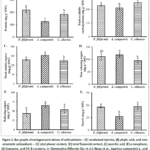 |
Figure 1: Bar graphs showingconcentrations of macronutrients – (A) total protein content (B) total available carbohydrates, (C) total soluble sugars, (D) non-reducing sugars, (E) reducing sugars, and (F) starch in Flammulina filiformis (Ge et al.) Wang et al., Agaricus campestris L., and Cantharellus cibarius Fr. Values represent mean ± SD (n=3). |
Mineral Composition
Macro- and trace element composition varied across species (Table 2).A. campestris exhibited dominance in the majority of the analyzed minerals, showing the highest concentrations of Na, K, Ca, Mg, Fe, Ni, Zn, and Mn. In contrast, C. cibarius was enriched in N, Cr, Se, and Mo.F.filiformis, on the other hand, exhibited the highest contents of S, Al, and Cu.
Table 2: Mineral composition and antinutrient-to-mineral molar ratios of Flammulina filiformis (Ge et al.) Wang et al., Agaricus campestris L., and Cantharellus cibarius Fr.
|
Elements |
F. filiformis | A. campestris | C. cibarius |
|
Macro-elements (mg g–¹ DW) |
|||
|
N |
4.45b ± 0.86 | 4.95b ± 0.94 | 6.84a ± 0.91 |
| S | 0.79a ± 0.35 | 0.78a ± 0.26 |
0.75a ± 0.19 |
|
P |
0.13a ± 0 | 0.10b ± 0 | 0.05c ± 0.01 |
| Na | 0.23b ± 0.02 | 0.26a ± 0.01 |
0.19c ± 0.01 |
|
K |
13.31b ± 1.71 | 16.51a ± 1.28 | 16.49a ± 0.07 |
| Ca | 0.40b ± 0.10 | 0.95a ± 0.01 |
0.30c ± 0.02 |
|
Mg |
0.35c ± 0.02 | 0.54a ± 0.01 | 0.52b ± 0.01 |
|
Trace elements (µg g–¹ DW) |
|||
|
Al |
52.90a ± 14.97 | 25.72b ± 9.30 | 24.43b ± 8.93 |
| Cu | 20.37a ± 0.76 | 7.36c ± 1.79 |
14.18b ± 0.72 |
|
Fe |
87.22b ± 5.94 | 449.51a ± 51.31 | 66.70c ± 17.14 |
| Ni | 16.15b ± 1.60 | 21.12a ± 1.06 |
11.20c ± 3.01 |
|
Zn |
14.19b ± 0.48 | 27.35a ± 4.58 | 11.22c ± 0.56 |
| Cr | 16.41b± 1.83 | 26.50a± 2.94 |
29.65a± 1.29 |
|
Mn |
30.68c± 3.40 | 51.72a± 0.74 | 47.65b± 2.29 |
| Se | 1.99c± 0.84 | 2.37b± 0.26 |
7.59a± 0.91 |
|
Mo |
6.65b ± 0.33 | 5.12c ± 0.59 |
12.22a ± 0.46 |
|
Antinutrient-to-mineral molar ratio |
|||
|
OA/(Ca+Mg) |
0.15 | 0.62 | 0.87 |
| PA/Fe | 0.33 | 0.27 |
0.23 |
|
PA/Ca |
0.61 | 0.15 | 0.13 |
| PA/Zn | 2.60 | 4.09 |
2.56 |
OA – oxalic acid; PA – phytic acid.
Values represent mean ± SD (n=3). Different letters within a row represent significant differences at p ≤ 0.05, derived from one-way ANOVA.
Antinutrients and Mineral Bioavailability
Antinutritional Factors
The highest concentration of CT was observed in C. cibarius. F. filiformis exhibited the highest PA contents while A. campestris had comparatively low concentration (Figure 2A–B).
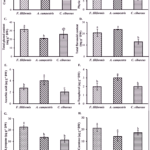 |
Figure 2: Bar graphs showingconcentrations of antinutrients – (A) condensed tannins, (B) phytic acid; and non-enzymatic antioxidants – (C) total phenol content, (D) total flavonoid content, (E) ascorbic acid, (F) α-tocopherol, (G) lycopene, and (H) β-carotene, in Flammulina filiformis (Ge et al.) Wang et al., Agaricus campestris L., and Cantharellus cibarius Fr. Values represent mean ± SD (n=3). |
Bioavailability
The oxalic acid/(Ca+Mg) ratio remained below 2.5 for all species, with F. filiformis showing the lowest (0.41) and C. cibarius the highest (2.18). The PA/Fe ratio was well under the 0.4 threshold, lowest in A. campestris (0.10). The ratios of PA/Ca and PA/Zn were also within safe limits, the latter being lowest in C. cibarius (1.17) (Table 2).
Antioxidants
Total phenolic content (TPC) was highest in F. filiformis. A. campestris had the highest concentration oftotal flavonoid content (TFC), lycopene, and β-carotene (Figure 2C–H).
Quantification of Phenolic Compounds
Phenolic compounds quantified using UHPLC revealed that A. campestris exhibited highest concentrations of catechol and quercetin amongst the three mushrooms, while F. filiformis was rich in resorcinol, ferulic acid, and luteolin. C. cibarius showed elevated concentrations of pyrogallol, cinnamic acid, and vanillin. Guaiacol was registered only inA. campestris, while orcinol and salicylic acid were shared across taxa but varied in abundance (Table 3).
Table 3: Ultra-high performance liquid chromatography-based quantification of phenolic compounds in Flammulina filiformis (Ge et al.) Wang et al., Agaricus campestris L., and Cantharellus cibarius Fr. The concentration of compounds is expressed in µg g-¹ dry weight.
|
Compound |
F. filiformis | A. campestris | C. cibarius |
| Ferulic acid | 9.07a ± 0.91 | 2.25b ± 0.11 |
8.87a ± 1.03 |
|
Resorcinol |
15.21a ± 0.08 | 12.04b ± 2.18 | 6.19c ± 0.44 |
| Catechol | 22.38c ± 0.40 | 54.34a ± 9.63 |
26.11b ± 1.15 |
|
Orcinol |
6.29a ± 0.14 | 6.59a ± 1.97 | 3.76b ± 0.13 |
| Vanillin | 3.17c ± 0.67 | 5.02b ± 0.05 |
9.10a ± 0.28 |
|
Guaiacol |
Nd | 4.19 ± 0.04 | Nd |
| Salicylic acid | 10.67a ± 0.33 | 8.29b ± 1.07 |
4.58c ± 0.07 |
|
Quercetin |
7.96b ± 0.66 | 16.09a ± 0.01 | 1.84c ± 0.18 |
| Cinnamic acid | 12.33b ± 1.42 | 6.35c ± 0.27 |
14.67a ± 2.57 |
|
Butylated hydroxytoluene |
3.03c ± 1.19 | 7.98a ± 0.09 | 3.51b ± 0.07 |
| Pyrogallol | 7.76b ± 1.98 | Nd |
46.57a ± 2.18 |
|
Caffeic acid |
1.71b ± 0.09 | Nd | 2.12a ± 0.07 |
| Luteolin | 13.90a ± 0.21 | 13.04b ± 0.32 |
4.99c ± 0.19 |
Nd: not detected
Values represent mean ± SD (n=3). Different letters within a row represent significant differences at p ≤ 0.05, derived from one-way ANOVA.
Antioxidant Potential
In the H₂O₂ scavenging assay, C. cibarius showed the strongest antioxidant activity with the lowest IC₅₀ value (8.03 mg mL⁻¹), followed by A. campestris (9.07 mg mL⁻¹) and F. filiformis (9.12 mg mL⁻¹). In the potassium ferricyanide assay, F. filiformis (5.46 mg mL⁻¹) and A. campestris (5.67 mg mL⁻¹) had the greatest reducing power, while C. cibarius recorded a higher IC₅₀ (8.42 mg mL⁻¹).
Identification of Functional Groups
FTIR spectral analysis revealed the presence of diverse functional groups in all the studied mushrooms(Table 4). A broad absorption band between 3648–419 cm⁻¹ was consistently observed in F. filiformis, A. campestris, and C. cibarius (Supplementary figure 2). Strong O–H stretching bands appeared at 3648 and 3345 cm⁻¹, while C–H vibrations of alkanes were observed at 2977 and 1453 cm⁻¹. A sharp band at 1790 cm⁻¹ corresponded to C=O stretching of conjugated anhydrides. Peaks at 1085 and 1043 cm⁻¹ suggested C–O, C–F, S=O, and CO–O–CO linkages. The band at 877 cm⁻¹ indicated aromatic C–H bending, and the low-frequency band at 419 cm⁻¹ represented M–O stretching.
Table 4: Assignment of characteristic absorption bands based on Fourier transform infrared spectroscopy in Flammulina filiformis (Ge et al.) Wang et al., Agaricus campestris L., and Cantharellus cibarius Fr.
|
Peak (cm⁻¹) |
Wavenumber (cm⁻¹) | Vibration Type | Functional Group |
| 3648 | 3700–3584, 3700–3500 | Stretch (strong, sharp) |
O–H (alcohol, phenol) |
|
3345 |
3550–3200 | Stretch (strong, broad) | O–H (alcohol, phenol) |
| 2977 | 3000–2840 | Stretch (medium) |
C–H (alkane) |
|
2800 |
3200–2700, 3000–2800 | Stretch (weak, broad) | O–H (alcohol, phenol) |
| 1790 | 1815–1785, 1800–1770 | Stretch (strong, sharp) |
C=O (conjugated anhydride) |
|
1453 |
1465–1450 | Stretch (medium) | C–H (alkane) |
| 1085 | 1400–1000, 1150–1085, 1124–1087, 1085–1050 | Stretch (strong, sharp) |
C–F (fluoro compound), C–O (aliphatic ether, alcohol) |
|
1043 |
1400–1000, 1150–1085, 1070–1030, 1050–1040 | Stretch (strong, sharp) | C–F (fluoro compound), C–O (aliphatic ether, alcohol), S=O (sulfoxide), CO–O–CO (anhydride) |
| 877 | 900–650, 900–860, 900–860 | Bend (out-of-plane, strong) |
C–H (aromatic substitution), C–H (substituted benzene) |
|
419 |
600–400 | Stretch (strong) |
M–O (inorganic metal-oxygen) |
Discussion
Environmental stress such as low temperatures, desiccation, high UV radiation, and poor soil nutrient status characterizes cold desert ecosystems and impose selective pressures on native organisms.1,2The study presents evidence that the biochemical richness in wild edible mushrooms namely, Flammulina filiformis, Agaricus campestris, and Cantharellus cibarius,inhabiting the cold arid ecosystem of Kargil, located in the trans-Himalayan belt of India, is tightly coupled with their environmental context.
The dismissal of wild mushrooms as mere culinary novelties fails to acknowledge their adaptive biochemistry, which is often their survival mechanism in extreme environments. Their metabolic profiles reveal strategies that augment their functional value, both nutritionally and pharmacologically.6The nutritional profile of the three wild mushroom species offers critical insights into their potential roles in human health and diet. The heightened concentration of total carbohydrates and soluble sugars in A. campestris underscores its suitability as an energy-rich dietary component. This finding is buttressed by previous studies highlighting mushrooms as reliable sources of prebiotic carbohydrates that support gut microbiota and metabolic health.9C. cibarius exhibited slightly elevated starch content and a balanced profile of reducing and non-reducing sugars. Its nutritional consistency can be strategically valuable where uniform dietary supplementation is desired. Interestingly, the relatively low content of reducing sugars across all three species suggests that these mushrooms could support stifling postprandial glycaemic spikes, thus being beneficial for diabetic or low-glycaemic-index diets. In addition, non-reducing sugars, which are found in appreciable amounts, are associated with immune-modulating properties and act synergistically with other bioactive components like β-glucans to promote health.10
The preeminence of trehalose, glucitol, and ribitol indicates strong osmoregulatory and cryoprotective mechanisms across these mushrooms. Trehalose stabilizes proteins and membranes under stress.Moreover, itis increasingly recognized for its metabolic roles in modulating glucose homeostasis and gut microbiota health.11Polyols including glucitol, noted for its low glycemic impact, further enhance thenutritional profile of the investigated mushrooms.12
Fungigenerally have low lipid content yet are rich in unsaturated fatty acids, particularly linoleic and oleic acids, which support membrane fluidity under cold stress.13The studied species similarly showed MUFA and PUFA predominance over saturated fatty acids. The study of wild mushrooms by Ayazet al14corroborates these findings, indicating consistent unsaturated lipid profiles regardless of habitat. This trait aids survival and also yield functional food benefits through cardiovascular health support.
Organic acids (~15–17% of the metabolite profile), including malic, fumaric, isocitric, and succinicacids, indicates active TCA cycles adapted for efficient energy production in severe conditions. Comparable acid profiles have been reported in other edible mushrooms such as Pleurotus ostreatus and Macrolepiota procera, where TCA intermediates also confer immunomodulatory and flavour-enhancing functions.15
The investigated mushrooms also represent a valuable source of vitamins and provitamins/vitamin-like metabolites namely ascorbic acid, pantothenic acid, niacin, myo-inositol, and ergosterol. Ascorbic acid (vitamin C), though not universally abundant in fungi, has been reported in modest amounts in mushrooms.8 It is known to contributein antioxidant defense and protection against oxidative stress induced by the harsh high-altitude environment.16 Pantothenic acid (vitamin B5) is consistently present in mushrooms, supporting coenzyme A synthesis and thereby energy metabolism;17 its dietary contribution may be significant in regions with limited crop diversity. Niacin (vitamin B3) is one of the most abundant vitamins in mushrooms such as Lentinula edodes and Grifola frondosa.18 It is an essential vitamin for NAD/NADP-dependent redox processes, and has been highlighted as a key nutritional advantage of wild fungi, potentially counteracting pellagra risk in resource-limited diets.17Myo-inositol (constituted 0.78–1.72% of the metabolite pool), essentially a polyol and recognised as vitamin B8, has been reported to support cardiovascular health, immunity, sugar metabolism, reproductive function, and has neuroprotective effects; therefore, its presence in mushrooms offer additional functional benefits. Ergosterol, the principal fungal sterol, is a structural membrane component. It serves asa precursor of vitamin D2 upon UV exposure; given the strong insolation of Kargil, mushroom-derived ergosterol can be efficiently converted to vitamin D2.19Ergosterol concentration ranged between 0.95–2.44%in the studied mushrooms, making these fungi a natural dietary source of this otherwise scarce micronutrient. Thus, the vitamin composition of these mushrooms emphasizes their relevance as functional foods capable of supporting nutritional assortment in cold desert communities.
There is a growing nutritional demand in regions where plant protein accessibility is limited. F.filiformis exhibited the highest protein content (21.8%), reaffirming the notion that mushrooms can serve as sustainable alternatives to animal protein (~17–25%).20 The bequest of such nutrient-rich fungi from wild ecosystems could serve as a foundation for developing future nutraceutical products.Essential amino acids constitute a substantial proportion of the total amino acid pool, emphasizing the nutritional relevance of these species. Threonine was the most dominant among the essential amino acids. Isoleucine, leucine, and valine emphasize their metabolic importance, as branched-chain amino acids are known to influence glucose metabolism and modulate immune responses.21Considering the high incidence of protein-energy malnutrition among populations residing in arid highlands, wild mushrooms provide a valuable source of essential amino acids for dietary supplementation. In areas where protein intake is predominantly meat-based, they serve as a nutritionally rich, vegetarian-compatible alternative.
Among non-proteinogenic amino acids, 5-oxoproline was consistently prominent across all three species. As a key intermediate of the γ-glutamyl cycle, 5-oxoproline plays an important role in glutathione biosynthesis, one of the principal cellular antioxidant systems. Elevated 5-oxoproline may represent increased glutathione turnover, indicating an enhanced antioxidant defense capacity that helps mushrooms mitigate oxidative damage caused by stress-induced ROS.22These benefits are especially pertinent for populations residing in high-altitude environments where dietary diversity is constrained.23
The occurrence of adenosine, uracil, and uridine in the mushroom taxa invites meaningful extrapolation. Adenosine, uracil, and uridine, as fundamental nucleobases and nucleosides, contribute to cellular energy metabolism, nucleotide biosynthesis, and neuronal function, with emerging evidence suggesting their role in supporting cognitive resilience and synaptic plasticity.24 Together, these metabolitesenhance the nutritional and functional value of the surveyed mushrooms.
From enzymatic catalysis to maintenance of electrolyte balance, minerals are indispensable nutrients that orchestrate a broad spectrum of physiological processes. The elemental profiling revealed interspecific variation in both macro- and trace-elemental concentrations. Among macro-elements, N and K were consistently abundant, while microelements such as Fe, Zn, Cu, and Se exhibited pronounced species-specific accumulation. Nitrogen was the highest in C. cibarius (6.84 mg g⁻¹ DW), a finding consistent with earlier studies linking high N content with protein-rich mushroom species.25 Elevated N is nutritionally significant, as mushroom proteins contain essential amino acids in favourable proportions.The S concentrations, although comparable among species, emphasize the contribution of S-containing amino acids, are vital for enzymatic activation and redox balance. Phosphorus, which is indispensable for energy metabolism through ATP and for nucleic acid synthesis, was highest in F. filiformis (0.13 mg g⁻¹ DW), aligning with reports that P in mushrooms is predominantly present as easily metabolizable organic phosphates.26
Electrolyte-regulating minerals namely, Na, K, Ca, and Mg, displayed variation in their concentrations. The concentration of Na ranged from 0.19 mg g⁻¹ DW in C. cibarius to 0.26 mg g⁻¹ DW in A. campestris. Mushrooms are generally considered to contain low Na and the concentrationsregistered in this study arecomparablewiththose reported in wild mushrooms from the Mediterranean regions.27 Conversely, K concentrations were markedly elevated in A. campestris(16.51 mg g⁻¹ DW) and C. cibarius (16.49 mg g⁻¹ DW), consistent with the well-established feature of mushrooms being K-rich and Na-poor, a ratio that supports cardiovascular health and osmotic regulation.28A. campestris exhibiting the highest Ca (0.95 mg g⁻¹ DW) and Mg (0.54 mg g⁻¹ DW), reinforce their value in skeletal metabolism and neuromuscular function.
Oligoelements revealed striking patterns. Fe, a central component of haemoproteins, reached exceptionally high concentration in A. campestris (449.51 µg g⁻¹ DW), surpassing values reported in Coprinus comatus and Boletus sp.29 Given the widespread occurrence of Fe-deficiency anaemia among populations in high-altitude regions, this enrichment positions A. campestris as a potential dietary intervention.30 In contrast, F. filiformis and C. cibarius had comparatively lower Fe contents, though still within nutritionally significant ranges. Zn and Cu, cofactors for various of metalloenzymes, also varied: A. campestris contained the highest Zn (27.35 µg g⁻¹ DW), while F. filiformis was enriched in Cu (20.37 µg g⁻¹ DW). Both elements are vital for immune modulation, collagen synthesis, and oxidative defense.31 Mn and Ni were most elevated in A. campestris, while C. cibarius recorded the highest Cr (29.65 µg g⁻¹ DW) and Mo (12.22 µg g⁻¹ DW). The latter is of catalytic importance, as molybdoenzymes support detoxification and N-metabolism.32Se concentrations revealed the most notable divergence: C. cibarius exhibited an exceptional Se content of 7.59 µg g⁻¹ DW, well above the range typically reported for cultivated mushrooms i.e., 1–8.5 µg g⁻¹ DW.33Se bioactivity includes immune regulation, thyroid hormone metabolism, and neuroprotection, and higher intake has been inversely linked to risks of cardiovascular disease and cognitive decline.32 Thus, C. cibarius emerges as a valuable dietary source of Se in Se-deficient regions.
While mineral enrichment is advantageous, their nutritional utility can be modulated by the presence of antinutritional factors. Oxalic acid (OA), PA, and CT are the most relevant antinutrients in mushrooms.34 In the studied samples, OA/(Ca+Mg) ratio remained below the critical threshold of 2.5,35 ranging from 0.15 in F. filiformis to 0.87 in C. cibarius. This suggests negligible sequestration of divalent cations thereby ensures adequate bioavailability of Ca and Mg. Similarly, PA/Fe ratios (0.23–0.33) were substantially lower than inhibitory thresholds (>1), indicating minimal impairment of Fe absorption. The PA/Zn ratios (ranging 2.56–4.09) also remained far below the cut-off value of 10,36 with C. cibarius demonstrating most favourable values for Zn bioavailability. As such, these ratios imply that despite the presence of antinutrients, mineral bio-accessibility remains high. The potential assimilation of these minerals from the mushrooms would be favourable in populations where mineral deficiencies are prevalent, such as in regions where dietary diversification is limited, and fortification programmes are economically unfeasible.
Another nutritional dimension pertains to mineral toxicity thresholds. Elements such as Cu, Fe, Mn, Zn, Se, and Cr exert toxic effects when consumed in excess. However, the concentrations observed in these mushrooms are substantially lower than established tolerable upper intake levels (UL).37-39 The high Fe in A. campestris translates to a nutritionally beneficial at the same time, non-toxic intake, provided consumption remains within dietary range recommended by the Institute of Medicine (2001).39 Similarly, the elevated Se in C. cibarius is advantageous without breaching toxicity risk, as it remains below the UL of 400 µgday–1 for adults.40 These findings support the growing recognition of mushrooms as functional foods that contribute both macro- and microelements essential for human health and maintain safety margins below toxicological limits in the interim.
The TPCand TFC, most pronounced in F. filiformis, mirror patterns observed in other wild mushrooms, where phenolic abundance strongly correlates with antioxidant capacity.41 These compounds, alongside notable carotenoids such as β-carotene and lycopene, contribute synergistically to radical-scavenging activity, protecting cellular structures from oxidative damage. Such bioactive profiles hold nutritional and therapeutic value, given the role of oxidative stress in chronic diseases and neurodegeneration.41,42 The convergence of high phenolic, flavonoid, and carotenoid concentrations positions F. filiformis as a promising candidate for functional foods and nutraceuticals aimed at oxidative stress mitigation. These observations are also substantiated in the antioxidant assays. The low IC₅₀ values observed confirm the high free radical scavenging activity. The correlation between TPC and TFC values and antioxidant activity support the established relationship between phenolic richness and oxidative stress mitigation. These observations align with prior reports on stress-induced polyphenol synthesis in medicinal mushroom, Inonotus obliquus,grown under UV stress.43
In addition, the UHPLC profiling revealed compound-specific enrichment. Catechol was the most abundant phenolic overall. Its strong radical-scavenging and metal-chelating activity is consistent with high antioxidant performance reported for Agaricus species.9 Resorcinol was highest in F. filiformis, where it may contribute antimicrobial and anti-inflammatory benefits.44Flavonoids were also prominent: quercetin peaked in A. campestris, while luteolin was abundant in F. filiformis, andfollowed closely by A. campestris. Both flavonoids are potent antioxidants with anti-inflammatory and vascular-protective functions.44 The findings of the study surpass those reported for several wild European mushrooms.45A notable feature was the detection of pyrogallol in C. cibarius (46.57 µg g⁻¹ DW). Although pyrogallol exhibits strong antioxidative capacity, it may also exert pro-oxidant effects depending on cellular context.46 This dual activity warrants further pharmacological evaluation. Ecologically, the production of these metabolites serves as a buffer against cold-induced oxidative stress. Cold desert soils are typically poor in organic matter, and fungi compete aggressively for C and N. Under such conditions, secondary metabolites provide self-protection and a competitive edge. The environmental filtering theory posits that stress-tolerant species exhibit convergent traits, such as increased investment in protective metabolites.2,47 This pattern is clearly observable in the metabolomic profile of the studied mushrooms.
The FTIR spectrum of the mushrooms demonstrates the presence of multiple biomolecular classes. Broad O–H stretching peaks around 3648 and 3345 cm⁻¹ indicate hydroxyl groups from alcohols and/or phenols,48consistent with high polyols and polyphenolic content found in mushrooms. The aliphatic C–H stretch at 2977 cm⁻¹ and C–H bending at 1453 cm⁻¹ suggest lipid and hydrocarbon chain components.49 A sharp C=O stretch at 1790 cm⁻¹ implies conjugated carbonyl types or esterified compounds, which are related to phenolic esters or lipid oxidation products.50In the fingerprint region, strong peaks at 1085 cm⁻¹ and 1043 cm⁻¹ corresponding to C–O stretching in aliphatic ethers and alcohols are typical of polysaccharides/polyols and carbohydrate structures. The band at 877 cm⁻¹ is characteristic of out-of-plane C–H bending associated with substituted aromatic rings, supporting the presence of aromatic phenolics. The absorption at 419 cm⁻¹ signals metal-oxygen stretching, suggesting inorganic mineralsare incorporated into the fungal matrix.49Absorption peaks observed in the 1000–400 cm⁻¹ region has been reported to primarily attributed to polysaccharides, including β-D-glucans and the pyranose ring vibrations of glucose. Additionally, modelling based on mid-infrared spectra in Boletussp. has shown strong correlations between spectral regions and glucan and phenolic content.48These biomolecules are contributors to the nutraceutical properties of mushrooms. From the spectral signatures, it can be inferred that these mushrooms are rich in polysaccharides, polyols, phenolic compounds, lipids, and mineral elements, among others.This finding consolidates the metabolic heterogeneity demonstrated in the study.
Conclusion
The present study highlights the diverse metabolites and bioactive potential of three wild edible mushrooms, Flammulina filiformis(Ge et al.) Wang et al., Agaricus campestris L., and Cantharellus cibarius Fr., inhabiting the cold desert ecosystems of Kargil in the Indian Trans-Himalayas, where environmental extremities such as low temperatures, high UV exposure, and nutrient-scarce soils act as strong drivers of secondary metabolite synthesis. The comprehensive metabolome profiling revealed a rich chemical repertoire, with saccharides, polyols, and unsaturated fatty acids dominating the metabolome. Protein content was notably high in F. filiformis, enriched with essential amino acids, while non-proteinogenic amino acids such as 5-oxoproline indicate enhanced oxidative defense. Comprehensive mineral profiling revealed species-specific enrichment: A. campestris was abundant in macro- and trace elements (Na, K, Ca, Mg, Fe, Zn, Mn), C. cibarius in Se, Cr, and Mo, and F. filiformis in S, Cu, and Al. Antinutritional factors remained below inhibitory thresholds, ensuring high bioavailability of essential minerals and safe dietary incorporation. Strong antioxidant capacity, evidenced by high total phenolic, flavonoid, and carotenoid content, alongside low IC₅₀ values in radical-scavenging assays, positions these mushrooms as potent functional foods. Phenolic compounds, including resorcinol, catechol, quercetin, luteolin, and pyrogallol, further enhance their pharmacological relevance, supporting oxidative stress mitigation, immune modulation, and cardiovascular protection. Spectral evidence from FTIR validates the presence of polysaccharides, polyols, phenolics, lipids, and minerals herein. Collectively, these findings demonstrate that wild mushrooms from cold deserts represent a convergence of adaptive metabolite diversity and nutritional richness which contributes to the nutraceutical potential of the mushrooms. Their integration into diets or nutraceutical formulations offers sustainable solutions for protein-energy and micronutrient deficiencies.Current bottlenecks include the lack of bioassay-guided fractionation, compound isolation, and structural elucidation, which are essential to ascertain mechanistic pathways of action for lead and/or novel compounds.
Acknowledgement
The first authoris grateful to the University Grants Commission for Senior ResearchFellowship. The authors acknowledge the University Science Instrumentation Centre,University of Delhi for CHNS and ICP-MS facilities; Central Instrumentation Facility,University of Delhi – South Campus for UHPLC facility; and Advanced InstrumentationResearch Facility, Jawaharlal Nehru University for GC-MS facility.
Funding Sources
The study was supported by funds from the National Mission on Himalayan Studies (MRPno. GBPNI/NMHS-2020-21/MG/SCSP) and Institution of Eminence, University of Delhi(IoE/2025-26/12/FRP).
Conflicts of Interest
The author(s) do not have any conflicts of interest
Data Availability Statement
This statement does not apply to this article.
Ethics Statement
This research did not involve human participants, animal subjects, or any material thatrequires ethical approval.
Informed Consent Statement
This study did not involve human participants, and therefore, informed consent was notrequired.
Clinical Trial Registration
This research does not involve any clinical trials.
Permission to Reproduce Material from Other Sources
Not Applicable
Author Contributions
- Rupam Kapoor – Conceptualization, Funding acquisition, Project administration,Resources, Supervision
- Hom-Singli Mayirnao – Investigation, Formal analysis, writing – original draft, Writing –review and editing
- Surinder Kaur – Supervision; Writing – review and editing
- Yash Pal Sharma – Funding acquisition, Resources.
References
- Warnasuriya S. D., Udayanga D., Manamgoda D. S., et al. Fungi as environmental bioindicators. Sci Total Environ. 2023; 892:164583. doi: 10.1016/j.scitotenv.2023.164583
CrossRef - Wadhwa K., Kapoor N., Kaur H., et al. A comprehensive review of the diversity of fungal secondary metabolites and their emerging applications in healthcare and environment. Mycobiology. 2024;52(6):335-387. doi:10.1080/12298093.2024.2416736
CrossRef - Wang M., Tian J., Xiang M., et al. Living strategy of cold-adapted fungi with reference to several representative species. Mycology. 2017;8(3):178-188. doi:10.1080/21501203.2017.1370429
CrossRef - Pandey A., Dhakar K., Jain R., et al. Cold adapted fungi from Indian Himalaya: untapped source for bioprospecting. Proc Natl Acad Sci India Sect B Biol Sci. 2019;89(4):1125-1132. doi:10.1007/s40011-018-1002-0
CrossRef - Gupta P., Vakhlu J., Sharma Y. P., et al. Metagenomic insights into the fungal assemblages of the northwest Himalayan cold desert. Extremophiles. 2020;24(5):749-758. doi:10.1007/s00792-020-01191-z
CrossRef - Jodłowska I., Białkowska A. M. Cold-adapted fungi: goldmine of biomolecules applicable in industry. Appl Sci. 2024;14(24):11950. doi:10.3390/app142411950
CrossRef - Mosunova O., Navarro-Muñoz J. C., Collemare J. The biosynthesis of fungal secondary metabolites: from fundamentals to biotechnological applications. In: Zaragoza O., Casadevall A., eds. Encyclopedia of Mycology. Elsevier; 2021:458-476. doi:10.1016/B978-0-12-809633-8.21072-8
CrossRef - Mayirnao H-S., Sharma K., Jangir P., et al. Mushroom-derived nutraceuticals in the 21st century: an appraisal and future perspectives. J Future Foods. 2025;5(4):342-360. doi: 10.1016/j.jfutfo.2024.07.013
CrossRef - Valverde M. E., Hernández-Pérez T., Paredes-López O. Edible mushrooms: improving human health and promoting quality life. Int J Microbiol. 2015; 2015:376387. doi:10.1155/2015/376387
CrossRef - Roupas P., Keogh J., Noakes M., et al. The role of edible mushrooms in health: evaluation of the evidence. J Funct Foods. 2012;4(4):687-709. doi: 10.1016/j.jff.2012.05.003
CrossRef - Kuczyńska-Wiśnik D., Stojowska-Swędrzyńska K., Laskowska E. Intracellular protective functions and therapeutical potential of trehalose. Molecules. 2024;29(9):2088. doi:10.3390/molecules29092088
CrossRef - Zhang G., Wang Q. Functional carbohydrates: development, characterization, and biomanufacturing of sugar alcohols. In: Functional Carbohydrates. CRC Press; 2017:269-298.
CrossRef - Rodríguez-Vargas S., Sánchez-García A., Martínez-Rivas J. M., et al. Fluidization of membrane lipids enhances the tolerance of Saccharomyces cerevisiae to freezing and salt stress. Appl Environ Microbiol. 2007;73(1):110-116. doi:10.1128/AEM.01360-06
CrossRef - Ayaz F. A., Chuang L. T., Torun H., et al. Fatty acid and amino acid compositions of selected wild-edible mushrooms consumed in Turkey. Int J Food Sci Nutr. 2011;62(4):328-335. doi:10.3109/09637486.2010.533160
CrossRef - Magdziak Z., Siwulski M., Mleczek M. Characteristics of organic acid profiles in 16 species of wild growing edible mushrooms. J Environ Sci Health B. 2017;52(10):784-789. doi:10.1080/03601234.2017.1356676
CrossRef - Santos K. L., Bragança V. A., Pacheco L. V., et al. Essential features for antioxidant capacity of ascorbic acid (vitamin C). J Mol Model. 2022;28(1):1. doi:10.1007/s00894-021-04994-9
CrossRef - Hrubša M., Siatka T., Nejmanová I., et al. Biological properties of vitamins of the B-complex, part 1: vitamins B1, B2, B3, and B5. Nutrients. 2022;14(3):484. doi:10.3390/nu14030484
CrossRef - Vinayaka K. S., Kumar D., Yadav K., et al. Mushrooms as sources of natural bioactive compounds. In: Mushroom Magic. CRC Press; 2024:158-173.
CrossRef - Cardwell G., Bornman J. F., James A. P., et al. A review of mushrooms as a potential source of dietary vitamin D. Nutrients. 2018;10(10):1498. doi:10.3390/nu10101498
CrossRef - Ayimbila F., Keawsompong S. Nutritional quality and biological application of mushroom protein as a novel protein alternative. Curr Nutr Rep. 2023;12(2):290-307. doi:10.1007/s13668-023-00468-x
CrossRef - Zhang S., Zeng X., Ren M., et al. Novel metabolic and physiological functions of branched chain amino acids: a review. J Anim Sci Biotechnol. 2017; 8:1-12. doi:10.1186/s40104-016-0139-z
CrossRef - Yaakoub H., Mina S., Calenda A., et al. Oxidative stress response pathways in fungi. Cell Mol Life Sci. 2022;79(6):333. doi:10.1007/s00018-022-04353-8
CrossRef - Hussain A., Spaldon S., Tundup P. Traditional food systems of Changthang, Ladakh. Indian J Tradit Knowl. 2022;21(3):625-636. doi:10.56042/ijtk. v21i3.42319
CrossRef - Wang L. Mitochondrial purine and pyrimidine metabolism and beyond. Nucleosides Nucleotides Nucleic Acids. 2016;35(10-12):578-594. doi:10.1080/15257770.2015.1125001
CrossRef - Kalač P. Mineral Composition and Radioactivity of Edible Mushrooms. Academic Press; 2019.
CrossRef - Mattila P., Könkö K., Eurola M., et al. Contents of vitamins, mineral elements, and some phenolic compounds in cultivated mushrooms. J Agric Food Chem. 2001;49(5):2343-2348. doi:10.1021/jf001525d
CrossRef - Haro A., Trescastro A., Lara L., et al. Mineral elements content of wild growing edible mushrooms from the southeast of Spain. J Food Compos Anal. 2020; 91:103504. doi: 10.1016/j.jfca.2020.103504
CrossRef - Hasanuzzaman M., Bhuyan M. B., Nahar K., et al. Potassium: a vital regulator of plant responses and tolerance to abiotic stresses. Agronomy. 2018;8(3):31. doi:10.3390/agronomy8030031
CrossRef - Dimopoulou M., Kolonas A., Mourtakos S., et al. Nutritional composition and biological properties of sixteen edible mushroom species. Appl Sci. 2022;12(16):8074. doi:10.3390/app12168074
CrossRef - Gassmann M., Muckenthaler M. U. Adaptation of iron requirement to hypoxic conditions at high altitude. J Appl Physiol. 2015;119(12):1432-1440. doi:10.1152/japplphysiol.00248.2015
CrossRef - Chen J., Calderone L. A., Pan L., et al. The Fe and Zn cofactor dilemma. Biochim Biophys Acta Proteins Proteom. 2023;1871(5):140931. doi: 10.1016/j.bbapap.2023.140931
CrossRef - Malik D., Narayanasamy N., Pratyusha V. A., et al. Microminerals and toxic heavy metals. In: Textbook of Nutritional Biochemistry. Springer Nature Singapore; 2023:447-504. doi:10.1007/978-981-19-4150-4_12
CrossRef - Kora A. J. Nutritional and antioxidant significance of selenium-enriched mushrooms. Bull Natl Res Cent. 2020; 44:1-9. doi:10.1186/s42269-020-00289-w
CrossRef - Ali A., Devarajan S., Manickavasagan A., et al. Antinutritional factors and biological constraints in the utilization of plant protein foods. In: Plant Protein Foods. Springer; 2022:407-438. doi:10.1007/978-3-030-91206-2_14
CrossRef - Oberleas D., Harland B. F. Phytate content of foods: effect on dietary zinc bioavailability. J Am Diet Assoc. 1981;79(4):433-436.
CrossRef - Woldegiorgis A. Z., Abate D., Haki G. D., et al. Major, minor and toxic minerals and anti-nutrients composition in edible mushrooms collected from Ethiopia. Int J Food Process Technol. 2015; 6:1000430. doi:10.4172/2157-7110.1000430
CrossRef - European Food Safety Authority. Scientific opinion on the tolerable upper intake level of cobalt. EFSA J. 2010;8(12):1925. doi: 10.2903/j.efsa.2010.1925
- European Food Safety Authority. Scientific opinion on dietary reference values for chromium. EFSA J. 2014;12(10):3845. doi: 10.2903/j.efsa.2014.3845
CrossRef - Institute of Medicine. Dietary Reference Intakes for Vitamin A, Vitamin K, Arsenic, Boron, Chromium, Copper, Iodine, Iron, Manganese, Molybdenum, Nickel, Silicon, Vanadium, and Zinc. National Academies Press; 2001. doi:10.17226/10026
CrossRef - Ferreira R. L. U., Sena-Evangelista K. C. M., de Azevedo E. P., et al. Selenium in human health and gut microflora: bioavailability of selenocompounds and relationship with diseases. Front Nutr. 2021; 8:685317. doi:10.3389/fnut.2021.685317
CrossRef - Vuolo M. M., Lima V. S., Junior M. R. M. Phenolic compounds: structure, classification, and antioxidant power. In: Bioactive Compounds. Woodhead Publishing; 2019:33-50. doi:10.1016/B978-0-12-814774-0.00002-5
CrossRef - Abdelshafy A. M., Belwal T., Liang Z., et al. A comprehensive review on phenolic compounds from edible mushrooms. Crit Rev Food Sci Nutr. 2022;62(22):6204-6224. doi:10.1080/10408398.2021.1898335
CrossRef - Zhou R., Yang H., Lu T., et al. Ultraviolet radiation promotes the production of hispidin polyphenols by medicinal mushroom Inonotus obliquus. Fungal Biol. 2022;126(11-12):775-785. doi: 10.1016/j.funbio.2022.10.001
CrossRef - Kovacic P., Somanathan R. Resorcinols, flavonoids, and stilbene phenols—redox, radicals, and physiological effects. In: Systems Biology of Free Radicals and Antioxidants. Springer; 2014:4063-4081. doi:10.1007/978-3-642-30018-9_163
CrossRef - Heleno S. A., Barros L., Martins A., et al. Nutritional value, bioactive compounds, antimicrobial activity and bioaccessibility studies with wild edible mushrooms. LWT Food Sci Technol. 2015;63(2):799-806. doi: 10.1016/j.lwt.2015.04.028
CrossRef - Upadhyay G., Gupta S. P., Prakash O., et al. Pyrogallol-mediated toxicity and natural antioxidants. Chem Biol Interact. 2010;183(3):333-340. doi: 10.1016/j.cbi.2009.11.028
CrossRef - Treseder K. K., Alster C. J., Cat L. A., et al. Nutrient and stress tolerance traits linked to fungal responses to global change. Elementa. 2021;9(1):00144. doi:10.1525/elementa.2020.00144
CrossRef - Yao S., Li T., Li J., et al. Geographic identification of Boletus mushrooms by FT-IR and UV spectroscopies. Spectrochim Acta A Mol Biomol Spectrosc. 2018; 198:257-263. doi: 10.1016/j.saa.2018.03.018
CrossRef - Smith B. C. The C=O bond, part III: carboxylic acids. Spectroscopy. 2018.
- Larkin P. Infrared and Raman Spectroscopy: Principles and Spectral Interpretation. Elsevier; 2017.
CrossRef
 PlumX:
 Views: 985
  PDF Downloads:
269
PDF Downloads:
269 
Accepted on: 10 June 2026
Second Review by: Malinda Garusinghe Devage
Final Approval by: Dr. Jiwan S. Sidhu





Web of Science Coverage
Emerging Sources Citation Index (ESCI)
2024 Journal Impact Factor: 1.1
Scopus Journal Metrics
CiteScore 2025: 2.6
CiteScore Details
Sustainable Nutrition: Food Systems, Nutrient Retention, and Public Health Impact

This journal is a member of, and subscribes to the principles of, the Committee on Publication Ethics (COPE)