
Exploring the Potential of Corn Silk from By-Product to Bioresource through its Nutritional, Pharmacological, and Industrial Uses
 , Apurva and Jyoti Singh
 DOI : http://dx.doi.org/10.12944/CRNFSJ.14.2.1
Download this article as:

Corn silk (Stigma maydis) is widely recognized in traditional medicine for its diuretic, hepatoprotective, and cardiometabolic benefits. This narrative review synthesizes current evidence on its nutritional composition, functional properties, phytochemical constituents, pharmacological potential, safety profile, and industrial applicability. A structured literature survey was performed across PubMed, Scopus, Web of Science, and Google Scholar for publications from 2000-2025 using predefined keywords related to corn silk composition, bioactivity, and toxicology. Corn silk contains substantial dietary fibre (14–53 g/100 g), protein (12–17%), minerals, and bioactive compounds, including flavonoids, phenolic acids, phytosterols, and polysaccharides. Its functional characteristics, particularly high swelling capacity (38.8–47.5 ml/g) and water-holding capacity (2.14–4.73 g/g), indicate suitability for fibre-enriched and moisture-retentive food matrices. Preclinical findings consistently demonstrate antioxidant, antidiabetic, diuretic, nephroprotective, hepatoprotective, antimicrobial, and metabolic regulatory activities, although translation to human physiology remains unverified. Toxicity studies indicate overall safety at moderate doses, whereas high-dose ethanol extracts may induce hepatic perturbations. Given its broad bioactivity, low economic cost, and abundance as an agro-industrial by-product, corn silk represents a promising raw material for functional foods, nutraceuticals, and circular bioeconomy initiatives. Future progress requires standardized extraction protocols, dose–response evaluation, and rigorously designed human clinical trials.
KEYWORDS:Agro-waste Valorization; Corn Silk (Stigma maydis); Functional Properties; Nutritional Composition; Pharmacological Activities; Phytochemicals
Introduction
Medicinal plants have historically formed the foundation of healthcare across civilizations, playing an essential role in both preventive and therapeutic strategies. Even in the age of modern pharmacology, traditional herbal remedies continue to be widely used, especially in low-resource settings. According to the World Health Organization, approximately 80% of the global population depends on traditional medicine for primary healthcare, and a significant portion of these remedies are derived from plant sources.¹ Herbal medicines are generally favoured for their accessibility, cost-effectiveness, and lower risk of adverse effects, fostering their integration into modern complementary health practices.²
One such promising plant-based remedy is corn silk, botanically referred to as Stigma maydis, the elongated stigmas of the female maize (Zea mays L.) flower. The yellowish-green or brown thread-like structures are harvested before pollination and can be used in fresh or dried form. Typically discarded as agricultural waste, corn silk has gained scientific attention due to its rich nutritional and phytochemical profile, including flavonoids, alkaloids, saponins, tannins, phenolic acids, vitamins, and minerals.³˒⁴ Historically, corn silk has played a prominent role in traditional medical systems around the world. In Chinese medicine, it is prescribed for urinary tract infections, jaundice, and hypertension due to its perceived diuretic and hepatoprotective actions.³ Native American communities used decoctions of corn silk to address kidney and bladder problems, malaria, and heart-related issues.⁵In Indian Ayurveda, corn silk is appreciated for its soothing properties on the urinary system and is used as a treatment for urinary obstruction, haematuria, and related inflammatory conditions.⁴ Its broad ethnomedicinal appeal is a testament to its therapeutic versatility.
Although corn silk has been traditionally used for centuries, systematic scientific investigations into its pharmacological mechanisms have only recently begun. The increasing interest in phyto-therapeutics and functional foods has propelled corn silk into the spotlight as a multifunctional botanical. However, current research has largely concentrated on immature and baby corn varieties, with minimal exploration of mature corn silk and other cultivars. Production data are similarly limited, being primarily available for baby corn, which leaves substantial gaps in understanding the potential of other varieties. Addressing these limitations through narrative and multidisciplinary research is essential for fully realizing the therapeutic and commercial value of corn silk.
Although research on corn silk has progressed, major gaps persist. Existing studies largely emphasize immature or baby corn silk; extraction techniques remain inconsistent, and clinical validation in humans is still lacking. Unlike earlier reviews that examine only one dimension at a time, this paper provides a holistic evaluation. It illustrates how corn silk can contribute to targeted physiological benefits without disrupting other metabolic pathways, making it promising for broad metabolic health and preventive nutrition.
This narrative review aims to comprehensively evaluate the nutritional composition, functional properties, phytochemical constituents, pharmacological activities, safety profile, and potential applications of corn silk, while highlighting existing research gaps and priorities for future work.
Methods of Review
This review employed a comprehensive literature search across PubMed, Scopus, Web of Science, Google Scholar, and ScienceDirect to identify peer-reviewed studies related to the composition, bioactivity, and safety of corn silk. Search terms included combinations of “corn silk/Stigma maydis,” “phytochemical profile,” “nutritional analysis,” “functional properties,” “pharmacological activity,” “toxicity,” and “agro-waste valorization.” All relevant articles published from 2000 to 2025 were screened.
Studies included in vitro experiments, animal studies, chemical and compositional analyses, and observational reports. Data extraction focused on methodological approaches, extraction conditions, phytochemical identification techniques, and reported biological activities. As this is a narrative review, no standardized systematic framework (e.g., PRISMA) was applied. Potential limitations include heterogeneity in experimental designs, differences in plant maturity and genotype, extraction variability, and possible publication or language bias.
Agronomic Traits and Production Potential of Corn Silk
Corn silk, the elongated style and stigma of the female maize inflorescence (Zea mays L.), is not only critical for fertilization in maize but also represents a valuable agricultural by-product with growing nutraceutical importance. Its agronomic characteristics, including emergence, length, biomass yield, and biochemical composition, are highly influenced by the maize variety, cultivation practices, and environmental conditions.
The emergence and growth of silk generally occur between 55 and 75 days after sowing, with silk elongation playing a key role in successful pollination. Morphological features such as silk length and density are variable across genotypes, impacting both yield and quality. Drought, high temperature, and nutrient stress can reduce silk emergence or cause desiccation, adversely affecting both fertilization and recoverable biomass.6
From a biomass perspective, corn silk production is substantial, particularly in maize-producing regions. According to recent estimates, silk accounts for approximately 3.5% of the total cob weight, and the average recovery is about 7.5 kg per 1000 kg of green corn.7 In India, with annual green corn production exceeding 25 million tonnes, the potential recoverable corn silk biomass is estimated at over 0.9 to 1.1 million tonnes per year, much of which remains underutilized. This represents a significant resource for value-added processing in food, pharmaceutical, and cosmeceutical sectors.
Corn silk is relatively easy to collect as it is manually or mechanically separated during post-harvest cob stripping. The low cost of collection and the absence of competing food use make it a suitable candidate for circular bioeconomy models. Integrating corn silk utilization into agro-industrial chains could enhance farmer income, reduce waste, and support sustainable resource management.
To further optimize production, future breeding programs could target dual-purpose maize varieties that offer both high grain yield and enhanced corn silk characteristics such as higher flavonoid or fiber content. Agronomic management strategies such as balanced fertilization, optimal planting density, and stress-resilient cultivars can also support better silk yield and quality.
Functional Properties of Corn Silk
Corn silk exhibits a range of functional characteristics that make it suitable for incorporation into diverse food products and nutraceutical applications. Its ability to interact with water, oil and other food components determines its value as a functional ingredient, particularly in fiber-enriched, low-fat, and moisture-retentive formulations.
Swelling Capacity: Swelling capacity is a vital parameter indicating the ability of dietary fiber to expand in aqueous environments, thus contributing to gastrointestinal bulk and satiety. Dried corn silk powder demonstrates high swelling capacities ranging from approximately 38.8 to 47.5 ml/g,8 which exceeds typical values reported for conventional flours such as wheat and rice, known to range between 15 and 18 ml/g.9 This indicates its superior capacity to retain water and increase volume, supporting its potential application in digestive health-promoting foods.
Water Absorption Capacity: Water absorption capacity (WAC) reflects the ability of fiber materials to retain water under restricted moisture conditions, influencing texture, yield, and mouthfeel in processed food systems. Corn silk exhibits WAC values between 3.20 and 6.36 ml/g,8comparable to or higher than values reported for traditional cereal flours and rice bran.10 Such high absorption characteristics make corn silk a promising ingredient in bakery products, soups and rehydrated formulations.
Water Holding Capacity:Water holding capacity (WHC) determines the ability of fiber to retain water against gravitational force, which impacts the moisture retention and structural integrity of food products. Corn silk shows WHC in the range of 2.14 to 4.73 g/g.8 similar to high-fiber sources like wheat bran, apple, and pear fibers.11 High WHC supports the prevention of phase separation in emulsions and the development of moist, soft-textured food products.
Fat Absorption Capacity:Fat absorption capacity (FAC) indicates the affinity of fiber for lipid retention, affecting the mouth feel, aroma, and caloric density of foods. Corn silk has a moderate FAC, ranging from 1.76 to 3.73 ml/g,8 which is within the range observed in fiber-rich byproducts such as orange peel, mango seed, and sugarcane bagasse.12The lower FAC also suggests its applicability in low-fat formulations while retaining desirable sensory characteristics.
Proximate Analysis of Corn Silk
Corn silk (Stigma maydis) possesses a distinctive nutritional profile that makes it valuable for use in functional food and nutraceutical applications. Proximate analysis provides essential information on the fundamental macronutrients present in corn silk, such as moisture, protein, fat, ash, and carbohydrates.
Moisture Content: The fresh corn silk taken from baby corn has 92.49 % of moisture. The moisture content of corn silk is a key factor in determining its shelf life and microbial stability. Dried corn silk typically contains 4.0% to 7.0% moisture, depending on the stage of harvest and drying methods used.13,8 A low moisture level enhances storage potential and reduces the risk of microbial spoilage in powdered formulations.
Protein Content: Corn silk is relatively rich in protein with reported values ranging from 12.0to 17.0% on a dry weight basis.4,5This makes it a significant source of plant-based protein among floral agricultural residues. The protein fraction may also contribute to bioactivity, supporting the therapeutic claims associated with corn silk.
Fat Content: The total fat content in corn silk is low, typically between 0.5% and 1.2%.8 Although minimal in quantity, the lipid content includes beneficial components such as phytosterols and tocopherols, which support cardiovascular health and antioxidative function.3 The low-fat nature of corn silk makes it compatible with dietary regimes aimed at reducing fat intake.
Ash Content: Ash content reflects the total mineral residue remaining after combustion and serves as an indicator of the overall inorganic load. Corn silk has an ash content ranging between 6.0% and 10.0%, demonstrating its richness in mineral elements such as calcium, potassium, magnesium, and phosphorus.13,3 A higher ash value correlates with higher mineral availability, contributing to corn silk’s nutraceutical potential.
Carbohydrate Content: Carbohydrates in corn silk range from 27.0% to 56.0%, forming the major component of its dry matter.3,4 These carbohydrates include complex polysaccharides such as cellulose, hemicellulose, lignin, pectin, and glucan, which provide structural and functional benefits. While not directly contributing to digestible energy, these constituents aid in bulk formation and promote favourable gastrointestinal effects.
Dietary Fiber Content: Dietary fiber, comprising both soluble and insoluble components, is a major nutritional attribute of corn silk and contributes to its physiological and functional relevance in health management. The total fiber content in corn silk ranges broadly depending on the plant’s maturity and variety, with reported values between 14.8 and 53.3 g/100 g on a dry weight basis.14,8Specifically, immature corn silk has been shown to contain approximately 49.5 g/100 g, while mature corn silk may contain even higher levels at 53.3 g/100 g.14
This high dietary fiber content includes both soluble fibers like pectin, glucomannan, and β-glucan, and insoluble fibers such as cellulose, hemicellulose, and lignin, which are known for their gastrointestinal benefits including fecal bulk formation, prevention of constipation, and modulation of blood glucose and lipid levels.8The complex fiber matrix also plays a role in enhancing satiety, making corn silk a candidate for weight management formulations.
Moreover, its fibrous composition contributes significantly to its functional properties, including water-holding and fat-binding capacities, which are vital in developing functional food ingredients and nutraceuticals.8 These properties underscore corn silk’s potential in managing metabolic disorders such as obesity, hyperlipidemia, and diabetes, further supporting its potential for valorization as a dietary supplement.
Phytochemical and Bioactive Compounds of Corn Silk
Corn silk is a rich source of bioactive constituents that contribute to its functional and therapeutic attributes.
Flavonoids: Flavonoids are the most extensively studied phytochemicals in corn silk and play a critical role in its antioxidant and anti-inflammatory properties. Singh et al8 quantified the total flavonoid content in dried corn silk as 163.93 ± 0.83 mg quercetin equivalents per 100 g. These compounds, including maysin, luteolin, and apigenin derivatives, scavenge reactive oxygen species (ROS), protect cellular components from oxidative damage, and modulate enzymatic antioxidants such as catalase and superoxide dismutase. Their anti-diabetic potential is linked to inhibition of α-glucosidase and enhancement of glucose uptake in peripheral tissues.15
Phenolic Compounds: Corn silk exhibits a robust phenolic profile, further contributing to its antioxidative potential. The total phenolic content reported by Singh et al8 was 94.10 ± 0.26 mg gallic acid equivalents per gram. Major phenolic constituents include chlorogenic acid, ferulic acid, caffeic acid, and gallic acid, which are associated with lipid peroxidation inhibition and cytoprotective activity. These compounds support the hepatoprotective, anti-aging, and cardiovascular benefits attributed to corn silk in both experimental and traditional systems.
Phytosterols and Other Minor Compounds: Corn silk contains minor yet functionally significant compounds such as β-sitosterol and stigmasterol, which have cholesterol-lowering and anti-inflammatory properties.3,14 These compounds are commonly found in maize-derived parts and contribute to metabolic health. In addition, trace amounts of anthocyanins, terpenoids, and essential oils provide secondary antioxidative and diuretic support.8
Pharmacological and Therapeutic Activities of Corn Silk
Antioxidant and Anti-inflammatory Activities: Corn silk is well recognized for its antioxidant effects, primarily attributed to its rich polyphenolic content, including flavonoids such as maysin and luteolin. These compounds are known to scavenge reactive oxygen species (ROS) and reduce lipid peroxidation, thereby protecting biological tissues from oxidative damage.16,17 Studies have demonstrated that maysin reduces intracellular ROS levels dose-dependently while enhancing antioxidant enzyme expression, such as catalase and glutathione peroxidase.18 In inflammatory models, corn silk extract was observed to significantly suppress inflammatory markers and leukocyte migration in acute inflammation, confirming its potent anti-inflammatory efficacy.19
Diuretic and Nephroprotective Effects: Corn silk has been traditionally used as a natural diuretic, with modern evidence supporting its role in increasing urinary output and improving kidney function. Studies have reported that corn silk extract significantly reduced calcium deposition in the renal parenchyma and improved blood urea nitrogen (BUN) and serum creatinine levels, suggesting a diuretic effect and a reduction in kidney damage.20This is accompanied by decreased calcium oxalate deposition, which may reduce the risk of kidney stones. Furthermore, the nephroprotective activity is associated with inhibition of lipid peroxidation and upregulation of renal antioxidant enzymes.21
Antihypertensive and Cardiovascular Effects: Recent studies have highlighted the antihypertensive effect of corn silk, mediated by inhibition of angiotensin-converting enzyme (ACE).22 A novel ACE-inhibitory peptide named CSBp5 was isolated from corn silk and shown to significantly reduce systolic blood pressure in hypertensive rats.23 Additionally, its high potassium content enhances natriuresis and vasodilation, contributing to blood pressure regulation. Corn silk also improves lipid profiles by reducing total cholesterol and triglycerides while increasing HDL levels, supporting its cardiovascular protective properties.24
Antidiabetic Potential: Corn silk exhibits significant antidiabetic effects, primarily through the inhibition of α-amylase and α-glucosidase, delaying carbohydrate digestion and lowering postprandial glucose spikes. In diabetic mouse models, corn silk extract reduced blood glucose levels by promoting insulin secretion and preserving pancreatic β-cell function.23 The ethyl acetate and butanol fractions of corn silk demonstrated potent antioxidant and glucose-lowering properties, suggesting their therapeutic relevance in managing both hyperglycemia and diabetic nephropathy.19
Hepatoprotective Effects: Corn silk has shown hepatoprotective effects in experimental models by reducing liver enzyme levels (AST, ALT) and improving histopathological outcomes. These benefits are attributed to its antioxidant potential, which reduces oxidative stress and inflammation in hepatic tissue.25 Supplementation with corn silk extract improved liver morphology and restored antioxidant enzyme activities, further indicating its hepatoprotective utility.26
Antimicrobial Properties: Corn silk contains bioactive compounds such as flavonoids, phenolic acids, and terpenoids that contribute to its antimicrobial spectrum. Extracts have demonstrated activity against Gram-positive bacteria, including Staphylococcus aureus and fungi like Candida albicans, suggesting utility in treating skin and urinary tract infections.27,25These effects are enhanced when ethanol or methanol is used as the solvent, indicating the lipophilic nature of its antimicrobial agents.
Anti-obesity Effects: The anti-obesity potential of corn silk is largely attributed to its ability to inhibit adipogenesis. Maysin, a major flavonoid in corn silk, suppresses the expression of adipogenic transcription factors such as PPAR-γ and C/EBP-α, thereby reducing lipid accumulation in preadipocyte cells.26 Animal models fed with a high-fat diet supplemented with corn silk showed reduced body weight, fat mass, and serum lipid levels, highlighting its potential as a natural anti-obesity agent.28
Anticancer Potential: Corn silk exhibits anticancer potential through multiple mechanisms, including antioxidant protection, apoptosis induction, and cell cycle arrest. The flavonoid maysin has been reported to induce apoptosis in various cancer cell lines, including liver and colon cancer cells, by activating caspase pathways and disrupting mitochondrial integrity.29 Additionally, polysaccharides from corn silk have shown immune-modulatory effects, further enhancing the anticancer response.17
Utilisation of Corn Silk
Corn silk, traditionally considered agricultural waste, has gained significant attention for its potential in both food and non-food sectors due to its rich nutritional and phytochemical profile. In the food industry, corn silk has been successfully incorporated into a range of products owing to its content of dietary fiber, flavonoids, polyphenols and other antioxidants.
Food Applications: Corn silk powder has been successfully incorporated into bakery formulations like crackers and yeast bread. Its inclusion up to 2% in bread has shown to enhance protein, dietary fiber and mineral content without negatively impacting sensory properties.30Bread containing 10% corn silk extract demonstrated superior antioxidant activity and elevated total phenolic and flavonoid content, making it an ideal ingredient for functional bakery goods.31 Corn silk is popularly used to formulate herbal teas and functional beverages. Corn silk tea (CST) has undergone clinical evaluations and has shown potential antihypertensive effects.32Commercial CSTs enriched with corn silk and other herbal extracts have received favorable consumer responses for flavor and higher antioxidant content.33,34 Additionally, fermented products like corn silk wine and vinegar have been prepared, which contain bioactive volatiles with antioxidant and antimicrobial properties, enhancing their appeal as functional beverages.35
Incorporating corn silk into beef patties and meatballs enhances the nutritional quality, particularly in terms of protein, ash, and fibre content, while reducing fat levels. In virgin coconut oil, infusion with corn silk extract enhances oxidative stability and prolongs shelf life due to the presence of natural antioxidants, outperforming even synthetic preservatives like BHT.36,37 Additionally, Indian traditional foods like chapatti, parantha, ladoo, raitaand dal have been enriched with corn silk in the range of 5 to 10 per cent, significantly increasing their fiber and mineral content and making them functional foods with therapeutic benefits.38
Industrial Applications: Corn silk has shown promising applications in the cosmetic industry due to its antioxidant and bioactive potential. The successful formulation of a stable water-in-oil (W/O) emulsion incorporating ethanolic corn silk (CS) extract was achieved using cold maceration extraction followed by optimization of emulsifying agents and excipients. The final 4% CS emulsion, composed of varying ratios of liquid paraffin, ABIL EM90, and water, was subjected to comprehensive physical stability testing under different storage conditions (8 °C, 25 °C, 40 °C, and 40 °C/75% RH) over 12 weeks. The optimized formulation exhibited high resistance to phase separation, maintained rheological consistency characterized by non-Newtonian pseudoplastic behaviour, and retained mean droplet size (2.98 ± 1.32 μm) without statistically significant variation (p < 0.05) under ambient and refrigerated conditions. These findings underscore the formulation’s physical and structural stability, indicating its potential as a viable antioxidant-rich topical preparation for dermal application.39
Environmental Relevance of Using Corn Silk: Additionally, corn silk has been effectively used in environmental remediation. Recent studies utilized oleic acid-treated corn silk (OTCS) as an oil absorbent for crude oil removal in aquatic environments.40 The OTCS displayed high hydrophobicity and superior oil absorbency (10.7 g/g) for Tapis (low-viscosity) and 11.9 g/g for Arabian (high-viscosity) crude oil, compared to untreated corn silk and conventional sorbents like sawdust and oil palm leaves. This enhanced performance was attributed to esterification, where oleic acid modified hydroxyl groups into hydrophobic moieties, increasing oil affinity. Furthermore, corn silk has also been used in livestock feed formulations. Its supplementation, along with non-starch polysaccharide enzymes, improved gut health, nutrient absorption and immune organ development in broilers. It also reduced oxidative stress and blood lipid levels, supporting its value in enhancing poultry health and productivity.41
Toxicity and Safety Profile of Corn Silk
Corn silk, widely used in traditional medicine systems across the globe, has been the focus of increasing pharmacological and toxicological investigations in recent years. The present body of literature, though limited, highlights both the therapeutic potential and safety concerns associated with the prolonged or high-dose use of corn silk extracts.
Acute and Chronic Toxicity Studies: Toxicological investigations of corn silk indicate a favorable safety profile at tested doses. A summary of toxicity studies is presented in Table 1.
Most studies classify it as having low acute oral toxicity, according to the criteria of the Organization for Economic Co-operation and Development (OECD) and the Globally Harmonized System (GHS), where substances with LD₅₀ values >2000 mg/kg fall under the lowest toxicity category (OECD, 2001).42In acute toxicity evaluations, no mortality or serious clinical symptoms were observed in animal models, even at high doses. Peng et al43 reported that mice administered a flavonoid-rich extract at a cumulative dose of 30 g/kg in 24 hours showed no signs of toxicity. Similarly, Zhao et al44 demonstrated that a polysaccharide-rich extract administered at up to 20 g/kg caused no significant clinical or biochemical changes. A contrasting result was observed by Abudayeh et al45 where signs of mild toxicity was noted including excitability and reduced motor activity in Wistar rats administered >5 mL/kg of a 40% ethanol extract. The LD₅₀ values were estimated at 5.15 mL/kg (males) and 5.64 mL/kg (females), indicating moderate acute toxicity at high concentrations. The corn silk liquid extract for toxicity testing was prepared by refluxing dried corn silk in 40% ethanol (1:1 ratio) at 80–90°C for 120 minutes. The extract was filtered, cooled, and administered intragastrically to rats at doses of 2.0–10.0 ml/kg for acute toxicity assessment.
In subacute and subchronic evaluations, Ha et al46 found that oral administration of a 99% ethanol extract at doses ranging from 5 to 500 mg/kg/day for 28 days did not lead to adverse clinical or biochemical effects in ICR mice. Further, Peng et al47 reported that aqueous extracts given to Kunming mice at 2500–10,000 mg/kg/day for 28 days caused no organ toxicity or genotoxicity. However, higher subchronic doses have shown potential hepatic effects. Ikpeazu et al48 reported increased AST (aspartate transaminase) and ALT, as well as decreased HDL and elevated LDL, in rats treated with aqueous decoction at 1000–2000 mg/kg/day. Similarly, Sabiu et al49 found dose-dependent elevations in leukocyte and platelet counts, alongside increased liver enzyme activity at 500 mg/kg/day, indicating possible immune and hepatic modulation. By contrast, long-term dietary exposure to corn silk at 0.5%, 2%, and 8% of feed for 90 days caused no observable toxicity in Wistar rats.50 Saheed et al51 even noted beneficial effects, such as improved lipid profiles and appetite stimulation, when administering aqueous extracts at 100–400 mg/kg/day.
Overall, corn silk exhibits a low-risk toxicity profile at moderate doses, though hepatic stress and metabolic shifts may occur with high or prolonged use, particularly when extracts are concentrated or ethanol-based.
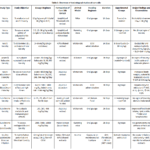 |
Table 1: Overview of toxicological studies of corn silk |
Recommended Dosage and Side Effects
In animal studies, safe sub chronic dosing was observed at levels up to 500 mg/kg/day, with some studies reporting immunostimulatory and metabolic benefits.49,51At these doses, side effects are rare or mild, with no observed mortality or behavioral abnormalities.
However, at doses exceeding 1000 mg/kg, hepatic enzyme elevations (AST and ALT) and lipid profile disturbances were observed.47Additionally, cytotoxic effects were reportedin human fibroblast cells (in vitro conditions) exposed to 50% and 95% ethanol extracts at concentrations above 10 mg/mL, resulting in cell viability below 80%.52 Notably, aqueous and 50% ethanol extracts did not show the same cytotoxic potential, suggesting solvent-dependent toxicity.
Despite encouraging safety indicators, the absence of human clinical studies means that all dose recommendations should remain cautious and conservative, especially for prolonged use or vulnerable populations.
Limitations of Current Research
Current research on corn silk has largely concentrated on immature and baby corn varieties, with minimal exploration of mature corn silk and other cultivars. Production data are similarly limited, being primarily available for baby corn, which leaves substantial gaps in understanding the potential of other varieties. While corn silk demonstrates promising pharmacological properties, several limitations impede its clinical translation. Evidence of efficacy and safety in humans is lacking, as most studies are confined to in vitro or animal models³. Variability in plant sources and inconsistency in extraction methods hinder the standardization of bioactive compounds, thereby limiting reproducibility and quality control.¹³ Moreover, the existing body of research remains fragmented, restricting comprehensive insights into its therapeutic potential. To bridge these gaps, future investigations should adopt a multidisciplinary approach integrating pharmacology, nutrition, toxicology, and clinical sciences. Such efforts are essential to validate efficacy through well-structured human trials, establish standardized dosages, and ultimately unlock the full therapeutic and commercial potential of corn silk, particularly in its dried form.3,7
Future Perspectives
To fully harness the therapeutic and commercial potential of corn silk, future research must prioritize well-structured clinical trials to validate its efficacy and establish safe, standardized dosages in humans. Innovations in biotechnology, such as extraction optimization, nano formulation and bioactive compound stabilization, can improve its pharmacological efficacy and product viability.17,6Additionally, strengthening collaborations between industry and academia, along with supportive policies, can promote the commercial development of corn silk into functional foods, dietary supplements and phytopharmaceuticals, thereby contributing to sustainable healthcare and rural economic growth. Further research on dried corn silk is required to explore its potential applications.
Conclusion
Corn silk (Stigma maydis) has emerged as a nutritionally valuable and pharmacologically promising maize by-product enriched with well-characterized phytoconstituents such as flavonoids, phenolic acids, polysaccharides, and sterols. Across studies, the strongest and most consistently supported findings relate to its antioxidant potential, diuretic effects, glycemic modulation, and hepato- and nephroprotective activities. These outcomes are reinforced by multiple in vitro and in vivo models and correspond well with its documented nutrient and phytochemical profile. Other reported benefits such as anti-obesity, anticancer, cardioprotective, and dermatological effects are encouraging but remain preliminary and require further mechanistic and clinical validation. Corn silk also demonstrates considerable versatility as a functional ingredient, with applications in fibre-enriched foods, nutraceutical formulations, animal feed, and cosmeceutical products. Its low cost, high biomass availability, and alignment with circular bioeconomy principles position it as a sustainable resource with significant industrial potential.
However, translation of these findings into practical dietary or therapeutic use is limited by key evidence gaps. Existing research is dominated by laboratory and animal studies, with a marked scarcity of human clinical trials. Extraction protocols, characterization techniques, and dosing strategies vary widely, hindering meaningful comparison across studies. Additionally, the bioavailability, metabolism, and long-term safety of its active compounds remain largely unexplored.
Acknowledgement
The authors gratefully acknowledge the financial support provided by the Indian Council of Agricultural Research (ICAR), New Delhi, under the Emeritus Scientist Project (Code 3086). This funding enabled the successful execution of the present review and facilitated the comprehensive analysis of corn silk’s nutritional and functional potential.
Funding Sources
The authors gratefully acknowledge the financial support provided by the Indian Council of Agricultural Research (ICAR), New Delhi, under the Emeritus Scientist Project (Code 3086). This funding enabled the successful execution of the present review and facilitated the comprehensive analysis of corn silk’s nutritional and functional potential
Conflict of Interest
The authors do not have any conflict of interest.
Data Availability Statement
This statement does not apply to this article.
Ethics Statement
This research did not involve human participants, animal subjects, or any material that requires ethical approval.
Informed Consent Statement
This study did not involve human participants, and therefore, informed consent was not required.
Clinical Trial Registration
This research does not involve any clinical trials.
Permission to Reproduce Material from Other Sources
Not Applicable.
Author Contributions
- Rita Singh Raghuvanshi: Conceptualization and designing of the research work
- Apurva: Review of Literature and Writing
- Jyoti Singh: Reviewing, Writing, Final draft preparation
References
- World Health Organization. WHO Traditional Medicine Strategy: 2014-2023. Geneva: World Health Organization; 2013. Available from: https://www.who.int/publications/i/item/9789241506096
- Petrovska BB. Historical review of medicinal plants’ usage. Pharmacogn Rev. 2012; 6(11):1-5. doi:10.4103/0973-7847.95849.
CrossRef - Hasanudin K, Hashim P, Mustafa S. Corn silk (Stigma maydis) in healthcare: a phytochemical and pharmacological review. Molecules. 2012; 17(8):9697-9715. doi:10.3390/molecules17089697.
CrossRef - Marok T. Nutritional composition, extraction, and utilization of corn silk. Pharma Innov J. 2023;12(10):1055-1060.
- Dongaonkar A, Mane D, Sormare G et al. Therapeutic applications of corn silk: a versatile natural medicine—a comprehensive review. Int J Pharm Sci. 2024; 2(7):551-562. doi:10.5281/zenodo.12687174.
- Zhou Y, Wang C, Zhang J, Li X. An umbrella insight into the phytochemistry features and biological activities of corn silk (Stigma maydis). Molecules. 2023; 29(4):891. doi:10.3390/molecules29040891
CrossRef - Khan MI, Parveen R, Kumari M. Valorization of corn silk biomass: Production estimates, recovery efficiency, and waste management outlook. J Agri-Food Waste Valorization. 2024; 9(2):212-219
- Singh A, Raghuvanshi RS, Apurva. Exploring nutritional and functional properties of corn silk for comprehending its uses. Int J Curr Adv Res. 2024; 13(7):3171-3176
- Suresh C, Samsher. Assessment of functional properties of different flours. Afr J Agric Res. 2013; 8(38):4849-4852
- Bhosale S, Vijayalakshmi S. Processing and nutritional composition of rice bran. Curr Res Nutr Food Sci. 2015; 3(1):74-80.
CrossRef - Zhu KX, Lian CX, Guo XN et al. Antioxidant activities and total phenolic contents of various extracts from defatted wheat germ. Food Chem. 2011; 126(3):1122-1126.
CrossRef - Elleuch M, Bedigian D, Roiseux O et al. Dietary fibre and fibre-rich by-products of food processing: characterization, technological functionality and commercial applications: a review. Food Chem. 2011; 124(2):411-421.
CrossRef - Rahman S, Rosli NM. Nutritional composition and antioxidant activity of different corn silk stages. Asian J Pharm Clin Res. 2014; 7(1):96-100.
- Faiza N, Imran A, Arshad MU et al. Valorization and characterization of corn by-product polyphenols through green extraction technologies. Front Nutr. 2023; 10:1107067. doi:10.3389/fnut.2023.1107067
CrossRef - Guo Q, Chen Z, Santhanam R Ket al. Hypoglycemic effects of polysaccharides from corn silk (Maydis stigma) and their beneficial roles via regulating the PI3K/Akt signaling pathway in L6 skeletal muscle myotubes. Int. J. Biol. Macromol. 2019;121, 981–988. https://doi.org/10.1016/j.ijbiomac.2018.10.100.
CrossRef - Bhatia M, Singh T, Rajan R. Review on antioxidant and anti-inflammatory properties of corn silk. Indian J Phytomedicine. 2024; 10(2):52-59.
- Zhang L, Yang Y, Wang Z. By-products of Zea mays L.: a promising source of medicinal properties with phytochemistry and pharmacological activities. Chem Biodivers. 2023; 20(1): e202200940.
CrossRef - Alam EA. Phytochemical evaluation and antioxidant efficacy of corn silk extract in stress-induced models. Int J Pharm Res. 2024; 12(1):112-120.
- Wang K, Zhao JL. Evaluation of corn silk flavonoids in diabetes-related oxidative stress. Bioact Compd Health Dis. 2018; 2(1):88-96.
- Abdel-Moneim, A. M., Al-Karmalawy, A. A., Al Kabbash, A. A., & Alaraby Salem, E. S. Antiurolithiasis activities of Zea mays (corn silk) extract and its mechanism as antiurolithiatic remedy in ethylene glycol-induced kidney stone model in rats. Journal of Traditional and Complementary Medicine, 2023; 13(5), 453–462.
- Zhang Y, Wu L, Ma Z, Cheng J, Liu J. Anti-Diabetic, Anti-Oxidant and Anti-Hyperlipidemic Activities of Flavonoids from Corn Silk on STZ-Induced Diabetic Mice. Molecules. 2016; 21(1):7. https://doi.org/10.3390/molecules21010007
CrossRef - Mohammadi, A., Oroojan, A. A., Hashemi, M et al. Hypolipidemic and hepatoprotective effects of corn silk extract in nicotine-administered male mice. GHFBB. 2024; 17(1), 64–73. https://doi.org/10.22037/ghfbb.v17i1.2806
- Ho TY, Lin YF, Chen CL. ACE-inhibitory peptides from corn silk: a new strategy for blood pressure control. J Pept Sci. 2023; 29(5): e3459.
- Shi Y, Wang J, Li Q. Cardiovascular benefits of corn silk tea: clinical and experimental evidence. Nutr Res. 2019; 21(6):456-462.
- Naeem A. Hepatoprotective activity of ethanolic corn silk extract in paracetamol- induced toxicity. Phytomed Res. 2022; 18(3):141-149.
- Patel D, Meena RK, Sharma D. Therapeutic evaluation of corn silk in metabolic disorders. J Integr Health Sci. 2023; 9(4):301-308.
- Abirami A, Venkatesan R, Sangeetha K. Antibacterial and antifungal potential of corn silk extract. Asian J Pharm Clin Res. 2021; 14(3):119-123.
- Gulati P, Sharma R, Gupta A. Impact of corn silk flavonoids on fat metabolism in obese models. J Clin Nutr. 2023; 37(1):44-51.
- Pradhan R, Dhrangdhariya S. Corn silk bioactives and cancer modulation: a focused review. Curr Oncol Rep. 2024; 26(2):101-109.
- Ng SH, Rosli WW. Effect of cornsilk (Maydis stigma) addition in yeast bread: investigation on nutritional compositions, textural properties and sensory acceptability. Int Food Res J. 2013; 20(1):339.
- Lee CW, Park YI, Kim SH et al. Antioxidant and anti-adipogenicactivities of bread containing corn silk, Job’s tears, Lentinus edodes, and apple peel in 3T3-L1 preadipocytes. J. Korean Soc. Food Sci Nutr. 2016; 45(5): 651-663.doi:10.3746/jkfn.2016.45.5.651.
CrossRef - Shi S, Li S, Li W et al. Corn silk tea for hypertension: a systematic review and meta-analysis of randomized controlled trials. J. Evid. Based Complementary Altern Med.2019; 2915498. doi:10.1155/2019/2915498
CrossRef - Rabi OO, Omoba OS, Olagunju AI. In vitro antioxidants and antihypertensiveproperties of corn silk–lemon infusion. Bull Natl. Res. Cent. 2022; 46(1):1-14.
CrossRef - Singh A, Raghuvanshi RS, Bhatnagar A. Herbal tea formulation using differentflavoured herbs with dried corn silk powder and its sensory and phytochemical analysis. SystMicrobiolBiomanuf. Published online 2021. doi:10.1007/s43393-021-00056-1.
CrossRef - Krusong W, Sriphochanart W, Suwapanichet al. Healthy dried baby corn silk vinegar production and determination ofits main organic volatiles containing antimicrobial activity. LWT. 2020; 117:108620.
CrossRef - Aukkanit N, Kemngoen T, Ponharn N. Utilization of corn silk in low fat meatballsand its characteristics. Procedia Soc Behav Sci. 2015; 197:1403-1410.
CrossRef - Rosli W, Nurhanan AR, Solihah MA et al. Cornsilk improves nutrient contentand physical characteristics of beef patties. Sains Malays. 2011; 40(2):155-161.
- Singh A, Raghuvanshi RS. Influence of corn silk powder supplementation on sensoryand chemical characteristics of developed food. Int J CurrMicrobiol Appl Sci. 2020; 11:1072-1081.
- Mohsin S, Akhtar N, Mahmood T et al. Formulation and stability oftopical water-in-oil emulsion containing corn silk extract. Trop J Pharm Res. 2016;15(6):1115-1121.
CrossRef - Asadpour R, Sapari NAS, Hasnain Isa M et al.Esterification of corn silk fiber to improve oil absorbency. Adv Mater Res. 2016; 1133:552-556.
CrossRef - Kirrella AA, Abdo SE, El-Naggar Ketal. Use of corn silk meal in broiler diet: effect on growth performance, blood biochemistry, immunological responses, and growth-related gene expression. Animals. 2021; 11(4):1170.
CrossRef - Organisation for Economic Co-operation and Development (OECD). OECD guideline for the testing of chemicals, no. 423: acute oral toxicity – acute toxic class method. Paris, France: OECD Publishing; 2001. doi:10.1787/9789264071001-en
CrossRef - Peng KZ, Yang X, Zhou HL et al. Safety evaluation, in vitro and in vivoantioxidant activity of the flavonoid-rich extract from Maydis stigma. Molecules. 2015;20(12):22102-22112.
CrossRef - Zhao HP, Zhang Y, Liu Z et al. Acute toxicity andanti-fatigue activity of polysaccharide-rich extract from corn silk. Biomed Pharmacother. 2017; 90:686-693.
CrossRef - Abudayeh ZH, Karpiuk U, Kyslychenko Vetal. Optimizing extractability, phytochemistry, acute toxicity, and hemostatic action of cornsilk liquid extract. J. Chemy. 2022; 2022:3059725.
CrossRef - Ha AW, Kang HJ, Kim SL et al. Acute and subacute toxicity evaluation of corn silk extract. Prev Nutr Food Sci. 2018; 23(1):70-76.
CrossRef - Peng KZ, Zhang SY, Zhou HL. Toxicological evaluation of the flavonoid-rich extractfrom Maydis stigma: sub chronic toxicity and genotoxicity studies in mice. J Ethno pharmacol. 2016; 192:161-169.
CrossRef - Ikpeazu VO, Ugbogu EA, Emmanuel O et al. Evaluation of the safety of oral intake of aqueous extract of Stigma maydis (corn silk) in rats.Acta Sci Pol Technol Aliment. 2018;17(4):387-397.
CrossRef - Sabiu S, O’Neill FH, Ashafa AOT. Toxico pathological evaluation of a 28-dayrepeated dose administration of Zea mays L. (Poaceae), Stigma maydis aqueous extract on key metabolic markers of Wistar rats. Trans R Soc S Afr. 2017; 72(3):225-233.
CrossRef - Wang C, Zhang T, Liu J et al. Subchronic toxicity study of corn silk with rats. J Ethnopharmacol. 2011; 137:36-43.
CrossRef - Saheed S, Oladipipo AE, Abdulazeez AA et al. Toxicological evaluations of Stigma maydis (corn silk) aqueous extract on hematological and lipid parameters in Wistar rats. Toxicol Rep. 2015; 2:638-644.
CrossRef - Sawangwong W, Kiattisin K, Somwongin S et al. The assessment of composition, biological properties, safety, andmolecular docking of corn silk (Zea mays L.) extracts from the valorization of agricultural waste products in Thailand. Ind Crops Prod. 2024; 212:118352.
CrossRef
 PlumX:
 Views: 5914
  PDF Downloads:
120
PDF Downloads:
120 
Accepted on: 18 Dec 2025
Second Review by: Neni Sri Gunarti
Final Approval by: Dr. Suhad Bahijri





Web of Science Coverage
Emerging Sources Citation Index (ESCI)
2024 Journal Impact Factor: 1.1
Scopus Journal Metrics
CiteScore 2025: 2.6
CiteScore Details
Sustainable Nutrition: Food Systems, Nutrient Retention, and Public Health Impact

This journal is a member of, and subscribes to the principles of, the Committee on Publication Ethics (COPE)