
Effects of Dietary Fibers from Different Sources on Physicochemical Properties, Molecular Interactions, and Quality Characteristics of Fried Red Tilapia Fish Cake
 , Tran Hong Quan1, Dang Thi Huynh Nhu1, Nguyen Truong Vinh1, Pham Tran Thuy Tien1, Le Quynh Anh1, Le Thi Xuan Quynh1, Atsushi Sato3and Tran Thanh Truc1*
 1Department of Food Technology, Can Tho University, Can Tho, Vietnam
2Department of Food Safety and Quality Management, Ho Chi Minh City University of Industry and Trade, Ho Chi Minh City, Vietnam
3School of Biosciences and Biotechnology, Tokyo University of Technology, Hachioji, Tokyo, Japan
Corresponding Author Email: tttruc@ctu.edu.vn
DOI : http://dx.doi.org/10.12944/CRNFSJ.14.2.14
Download this article as:

This study investigated the effects of dietary fibers (DF) from different sources on the physicochemical properties, molecular interactions, and overall quality of fried red tilapia fish cake. Five types of DF, including soybean fiber (SF), commercial citrusfiber (CCF), commercial orange fiber (COF), wheat fiber (WF), and Sanh orange fiber (SOF), were incorporated into fish cake formulations and compared with a control sample (without DF). The results showed that total lipid content was not significantly affected, whereas water-holding capacity (WHC),whiteness index (WI), and gel strength varied depending on the fiber type. WF exhibited the highest gel strength (1120.26 g.cm), while COF and SOF showed lower gel strength. FTIR analysis indicated enhanced hydrogen bonding and stable protein secondary structure, suggesting that DF incorporation primarily altered intermolecular interactions rather than causing protein denaturation. Molecular force analysis confirmed a shift from hydrophobic interactions toward hydrogen bonding in DF-treated samples. SDS-PAGE patterns revealed no protein degradation, indicating that structural modifications occurred at the network level.Multivariate analysis (PCA and Pearson heatmap) further demonstrated strong relationships between gel strength, intermolecular forces, and physicochemical properties. These findings provide insights into the development of functional fish cake products with improved nutritional and textural quality through dietary fiber incorporation.
KEYWORDS:Dietary fiber; Fish cake; FTIR; Gel strength; Molecular interactions
Introduction
Tilapia (Oreochromis spp.) is among the most extensively cultivated freshwater fish worldwide because of its rapid growth rate, high environmental adaptability, disease resistance, and cost-effective production performance.1 Particularly, red tilapia (Oreochromis hybrids), which is widely farmed in Southeast Asia, possesses desirable processing characteristics, including firm flesh texture, mild flavor, and relatively low lipid content, making it suitable for surimi and other value-added fish products.2 Global tilapia production has exceeded 6 million tons annually, highlighting its critical role in food security and sustainable aquaculture development.3 Nevertheless, fresh fish is highly perishable due to rapid enzymatic autolysis and microbial spoilage, which considerably limitshelf life and marketability.4 Consequently, the conversion of fish into processed products with improved stability and functionality has become increasingly important.
Among processed fish products, surimi-based products, particularly fish cakes, represent an important application of tilapia. The gelation behavior of myofibrillar proteins, particularly myosin, which experiences heat-induced unfolding, aggregation, and subsequent three-dimensional network construction during thermal processing, largely determines the quality of these products.5,6 Numerous intermolecular interactions, including hydrogen bonds, hydrophobic interactions, ionic interactions, and disulfide bonds, control this process. Despite their desirable textural properties, conventional fish cakes generally contain low levels of dietary fiber and limited functional ingredients, which may not satisfy the increasing consumer demand for healthier and function-oriented food products.
Dietary fiber has attracted considerable attention as a functional ingredient because of its well-documented physiological benefits, including improved gastrointestinal health, reduced risk of chronic diseases, and modulation of lipid metabolism.7,8 In addition to its nutritional functionality, dietary fiber can also influence the physicochemical behavior of surimi systems by regulating water distribution, modifying protein gel networks, and altering microstructural organization.9-11 Nevertheless, the functionality of dietary fiber is highly dependent on its physicochemical characteristics, including solubility, particle size, hydration behavior, surface properties, and molecular structure.7 In particular, insoluble dietary fiber (IDF) and soluble dietary fiber (SDF) exhibit distinct hydration and structural behaviors, resulting in different interactions with protein matrices. Pectin-rich citrus fibers are characterized by high water-binding and swelling capacities, whereas cellulose-rich fibers may function as structural fillers that modify gel microstructure and water distribution.9,10
Although there is growing interest in adding dietary fiber to surimi-based products, there are still a number of significant gaps. While the molecular mechanisms underpinning fiber–protein interactions are still poorly understood, the majority of prior research has concentrated on specific fiber types and largely assessed macroscopic characteristics like gel strength and water-holding capacity.9,10 In addition, comparative studies involving dietary fibers from different plant sources with distinct compositional characteristics are still limited. Therefore, this study investigated the effects of dietary fibers derived from soybean, citrus, and wheat on the physicochemical properties, molecular interactions, and structural characteristics of fried red tilapia fish cake. In order to clarify how dietary fibers affect protein gel networks and the quality characteristics of fried red tilapia fish cake, this study integrated compositional analysis, gel characterization, FTIR spectroscopy, molecular force analysis, SDS-PAGE, and multivariate analysis.
Materials and Methods
Raw materials and dietary fibers
Live red tilapia (Oreochromis hybrids) weighing approximately 600–800 g each were bought from a local fish market in Ninh Kieu Ward, Can Tho City, Vietnam,and promptly transferred to the laboratory. The fish were stunned, bled, washed thoroughly to remove residual blood, descaled, filleted, and eviscerated. Only the dorsal and ventral muscle portions were collected. The fish meat was then cut into cubes (approximately 2 × 2 cm), packed in polyethylene (PE) bags (0.2 kg per bag), and kept at –18 ± 2°C for at least 24 hoursbefore processing and analysis.
Five dietary fibers (DF) from different sources were used in this study. Sanh orange fiber (SOF) was extracted from citrus by-products following the method described byNguyen, Tran and Tran.12 In addition, four commercial dietary fibers were used, including commercial orange fiber (COF), commercial citrus fiber (CCF), wheat fiber (WF), and soybean fiber (SF). COF, originating from the United States, was supplied by My Uc STD JSC, Ho Chi Minh City, Vietnam. CCF was provided by Asia Ingredients Group (AIG), Ho Chi Minh City, Vietnam. WF (Sanacel® Wheat 200, Germany) and SF were supplied by FOCO Food Co., Ltd., Ho Chi Minh City, Vietnam. All commercial dietary fibers were food-grade ingredients and complied with microbiological and heavy metal safety requirements specified for food applications.
Preparation of fried red tilapia fish cake supplemented with dietary fiber
Six formulations were prepared, including a control treatment without dietary fiber addition and five treatments supplemented with different dietary fibers at 0.75% (w/w), namely wheat fiber (WF), soybean fiber (SF), commercial citrus fiber (CCF), commercial orange fiber (COF), and Sanh orange fiber (SOF).
Frozen red tilapia fillets were partially thawed at 4°C and coarsely minced using a meat grinder. The minced fish was subsequently subjected to fine chopping in a bowl cutter under chilled conditions. During chopping, the following ingredients were incorporated into the fish paste: frozen pork fat (25%), sodium tripolyphosphate (STPP, 0.4%), modified starch (3%), sugar (1.5%), monosodium glutamate (0.3%), sorbitol (1.5%), garlic powder (0.5%),pepper powder (0.5%), salt (1%), ice water (10%), and dietary fiber (0.75%). The mixture was continuously chopped until a homogeneous and stable paste was obtained while maintaining the batter temperature below 12°C. To encourage protein network establishment, the resultant fish paste was shaped into homogeneous shapes and incubated for two hours at 4 ± 2°C. After 10 minutes of preheating at 50°C, the samples were deep-fried for 4 minutes at 140°C. Before physicochemical, structural, and molecular studies, the fish cakes were vacuum-packed in polyamide (PA) pouches, cooled to room temperature, and kept at 4 ± 2°C for 24 hours.13
Analyses
Composition analysis of dietary fibers from different sources
The compositional characteristics of dietary fibers (DF) from different sources, including insoluble dietary fiber (IDF), soluble dietary fiber (SDF), total dietary fiber (TDF), cellulose, hemicellulose, and pectin contents, were assessedbased on AOAC standard methods. The enzymatic–gravimetric method was used to analyze the contents of TDF, SDF, and IDF in accordance with AOAC Method 991.43.14 Pectin content was measured using the colorimetric method outlined by Blumenkrantz and Asboe-Hansen,16 while cellulose and hemicellulose contents were ascertained using the Van Soest fiber analysis approach.15 Results were presented as a % on a wet weight basis, and all analyses were carried out in triplicate.
Water-holding capacity (WHC) and gel strength of fried red tilapia fish cake
The water-holding capacity (WHC) of fried red tilapia fish cake was determined based on the amount of released water using the protocol of Honikel17 with minor adjustments. Briefly, a sample weighing around 2 g (W₁) was sandwiched between two layers of filter paper. The sample was then subjected to compression using a standardized load for a fixed period to facilitate water release. After compression, the sample was reweighed (W₂), and the weight difference before and after compression was used to compute the amount of water expelled.
The WHC was computed using the subsequent formula:
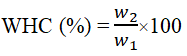
where W2 is the sample’s weight following compression (g), and W1 is the sample’s original weight (g).
The gel strength of fried red tilapia fish cake was measured using a slightly modified version of the method outlined by Nowsad, Kanoh, and Niwa18 using a texture analyzer (TA.XTplus, Stable Micro Systems Ltd., Surrey, UK). Before being analyzed, fish cake samples were sliced into cylindrical pieces that were about 2.5 cm in diameter and height. They were then allowed to come to room temperature. The measurement was performed using a spherical stainless-steel probe (P/5S, 5 mm diameter). The following test conditions were established: 1.0 mm/s for the pre-test, 1.0 mm/s for the test, and 5.0 mm/s for the post-test, using a 5 g trigger force. The sample was probed withthe probe until the gel ruptured. The gel strength was expressed in g.cm.
Whiteness index, total lipid, and crude fiber content
Color values (L*, a*, and b*) of fried fish cakes were measured using a colorimeter (NH300, China), and the standard equation was used to determine the whiteness index (WI):19

Total lipid and crude fiber contents were determined according to AOAC standard methods.14 Total lipid content was analyzed using the Soxhlet extraction method, whereas crude fiber content was determined by acid–alkali digestion. The results were given as percentages based on wet weight.
Intermolecular interaction forces
Intermolecular interaction forces were determined according to the method of Zhao, Piao, Zheng, Gao, Miao, Wen, Zhang, Mei, Zhou and Deng11 with minor adjustment. Briefly, 2 g of sample was homogenized with different extraction solutions containing β-mercaptoethanol,NaCl, and urea to selectively disrupt disulfide bonds,ionic bonds, hydrophobic interactions, andhydrogen bonds. After one hour of stirring at 4°C, the mixtures were centrifuged for 15 minutes at 10,000×g. The Biuret method was used to calculate the protein content in the supernatant. The contribution of each intermolecular force was calculated from differences in protein solubility among extraction systems and expressed as mg protein/mL.
SDS-PAGE analysis
Sodium dodecyl sulfate–polyacrylamide gel electrophoresis (SDS-PAGE) was used to examine the protein patterns of fried red tilapia fish cake samples using the Laemmli protocol.20Protein samples were loaded onto polyacrylamide gels made up of 4% stacking gel and 10% separating gel after being combined with loading buffer that included SDS and β-mercaptoethanol and heated to 95°C for five minutes. Until the dye front reached the bottom of the gel, electrophoresis was carried out at a steady voltage. Before being visualized, protein bands were destained after being stained with Coomassie Brilliant Blue R-250.
Fourier transform infrared spectroscopy (FTIR)
A Fourier transform infrared spectrometer (PerkinElmer Spectrum Version 10.5.2, Waltham, MA, USA) fitted with an attenuated total reflectance (ATR) accessory was used to produce the FTIR spectra of samples of fried tilapia fish cake. 32 scans per sample were used to capture spectra spanning the 4000–400 cm⁻¹ range at a resolution of 4 cm⁻¹.
Sensory evaluation
Sensory assessment of fried red tilapia fish cakes was performed using the method published by Meilgaard, Carr, and Civille,21 with minor changes. A total of 30untrained panelists familiar with fish-based products participated in the evaluation. Samples of fish cake were cut into uniform pieces, with random three-digit codes, and served in a random order at room temperature. Color, taste, texture, and odor were among the sensory qualities assessed. A 5-point hedonic scale, with 1 representing extreme dislike, 2 representing dislike, 3 representing neither like nor dislike, 4 representing like, and 5 representing like very much, was used to evaluate each characteristic. Drinking water was provided between samples to minimize sensory carryover effects.
Statistical analysis
The studies were done in triplicate, and the findings were represented as mean ± SD. One-way analysis of variance (ANOVA) and the least significant difference (LSD) test were used to evaluate significant differences across treatments at a 95% confidence level (p < 0.05). To assess the connections between physicochemical qualities and molecular interaction parameters, GraphPad Prism software (Version 10.0, GraphPad Software Inc., San Diego, CA, USA) was used.
Results
Composition of dietary fibers from different sources
Table 1 shows the chemical components of dietary fibers from various sources. Fiber sources differed significantly (p < 0.05) in terms of insoluble dietary fiber (IDF), soluble dietary fiber (SDF), cellulose, hemicellulose, and pectin content. Total dietary fiber (TDF) values varied less significantly. Among the tested fibers, SOF exhibited the highest SDF content (76.06%), followed by COF (72.54%), indicating that citrus-derived fibers were particularly rich in soluble polysaccharides. In contrast, WF showed the highest IDF content (29.55%), cellulose (15.81%), and hemicellulose (10.66%) contents, reflecting its cellulose-rich and insoluble nature. SF and CCF exhibited intermediate compositions between wheat and citrus fibers. Pectin content was significantly higher in citrus-derived fibers, with SOF showing the highest value (59.63%), followed by COF (56.35%) and CCF (56.22%). Conversely, WF exhibited the lowest pectin content (49.11%). The TDF content of all dietary fibers ranged from 79.84% to 81.86%, indicating that all materials were rich sources of dietary fiber suitable for food fortification applications. Overall, citrus-derived fibers (SOF, COF, and CCF) were characterized by higher SDF and pectin contents, whereas WF contained higher levels of IDF, cellulose, and hemicellulose. These compositional differences were expected to influence hydration behavior, intermolecular interactions, and gel-forming properties in fried red tilapia fish cake.
Table 1: Composition of dietary fiber from different sources
|
Dietary fiber sources |
SDF (%) | IDF (%) | TDF(%) | Cellulose (%) | Hemi–cellulose (%) |
Pectin(%) |
|
Wheat fiber (WF) |
50.38±0.20a | 29.55±0.20e | 79.93±0.34a | 15.81±0.22e | 10.66±0.24d | 49.11±0.63a |
| Soybean fiber (SF) | 57.38± 0.11b | 22.46±0.40b | 79.84±0.47a | 13.56±0.19d | 7.52±0.19c |
53.16±0.24b |
|
Commercial citrus fiber (CCF) |
60.54±0.24c | 21.32±1.09c | 81.86±1.26c | 12.21±0.17c | 6.42±0.05b | 56.22±0.18c |
| Commercial orange fiber (COF) | 72.54±0.37d | 8.00±0.03b | 80.55±0.40ab | 5.05±0.02b | 2.55±0.07a |
56.35±0.15c |
|
Sanh orange fiber (SOF) |
76.06±0.13e | 5.41±0.03a | 81.48±0.14bc | 2.87±0.03a | 2.31±0.02a |
59.63±0.25d |
*Values are reported as mean ± SD (n = 3). Different letters in the same column indicate statistically significant differences between treatments at the 95% confidence level, according to the LSD test. Soluble dietary fiber (SDF), insoluble dietary fiber (IDF), and total dietary fiber (TDF).
Physicochemical properties of fried red tilapia fish cake supplemented with dietary fibers
The effects of dietary fibers from different sources on the physicochemical properties of fried red tilapia fish cake are shown in Table 2. The incorporation of dietary fibers significantly affected gel strength, WHC, whiteness index (WI), and crude fiber content (p < 0.05), whereas total lipid content was not significantly different among treatments.
Table 2: Physiochemical properties of fried red tilapia fish cake affected by dietary fibers (DF) from different sources
|
Samples |
Gel strength (g.cm) | Water-holding capacity (WHC,%) | Whiteness index (WI) | Total lipid content (%) |
Crude fiber content (%) |
|
Control (without DF, CON) |
1088.71±4.31bc | 98.76±0.14b | 52.91±0.69c | 20.44±0.24a | 0.06±0.01a |
| Wheat fiber (WF) | 1120.26±77.26c | 96.76±1.25a | 50.52±1.43a | 20.15±1.05a |
0.11±0.02b |
|
Soybean fiber (SF) |
1017.86±95.93ab | 97.23±0.56a | 51.10±1.16ab | 20.41±2.54a | 0.21±0.01d |
| Commercial citrus fiber (CCF) | 1039.60±57.73abc | 97.60±0.95ab | 50.78±0.74ab | 19.21±0.17a |
0.19±0.01cd |
|
Commercial orange fiber (COF) |
960.60±12.39a | 97.73±0.83ab | 52.41±0.89bc | 19.78±0.89a | 0.19±0.01cd |
| Sanh orange fiber (SOF) | 986.72±28.03a | 98.77±0.38b | 53.98±0.67c | 19.53±0.71a |
0.18±0.01c |
*Values are reported as mean ± SD (n = 3). Different letters in the same column indicate statistically significant differences between treatments at the 95% confidence level, according to the LSD test.
WF exhibited the highest gel strength (1120.26 g.cm), followed by the control sample (1088.71 g.cm), while COF and SOF showed significantly lower gel strength values of 960.60 and 986.72 g.cm, respectively. In contrast, SOF showed the highest WHC (98.77%), which was comparable to the control sample (98.76%), whereas WF exhibited the lowest WHC value (96.76%). Regarding color characteristics, SOF produced the highest WI value (53.98), followed by the control (52.91), while WF showed the lowest WI (50.52). Crude fiber content increased significantly after dietary fiber incorporation, with SF showing the highest crude fiber value (0.21%);however, the control sample had the lowest content (0.06%). Total lipid content ranged from 19.21–20.44% and was not significantly affected by fiber incorporation. Overall, the addition of dietary fibers from various sources considerably altered the physicochemical parameters of fried red tilapia fish cake, particularly gel strength, water-holding capacity, color characteristics, and crude fiber content, with the effects strongly depending on the compositional characteristics and hydration properties of each fiber source.
Fourier transform infrared spectroscopy (FTIR)
FTIR spectra of fried red tilapia fish cake supplemented with dietary fibers are presented in Figure 1. Similar characteristic absorption bands were observed across all treatments, indicating that dietary fiber incorporation did not markedly alter the fundamental protein structure of the fish cake matrix.
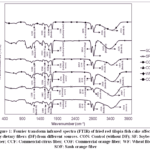 |
Figure 1: Fourier transform infrared spectra (FTIR) of fried red tilapia fish cake affected by dietary fibers (DF) from different sources. CON: Control (without DF); SF: Soybean fiber; CCF: Commercial citrus fiber; COF: Commercial orange fiber; WF: Wheat fiber; SOF: Sanh orange fiber |
The O–H and N–H stretching vibrations linked to hydrogen bonding and the amide A region were represented by broad absorption bands about 3280–3380 cm⁻¹. Symmetric and asymmetric stretching vibrations of CH₂ groups were identified as the cause of the peaks seen at around 2855 and 2925cm⁻¹, respectively. The characteristic amide I and amide II bands appeared near 1540cm⁻¹ and 1650 cm⁻¹, representing N–H bending vibrations and C=O stretching of protein secondary structures.22,23 In addition, absorption bands in the range of 1230–1240 cm⁻¹ were associated with amide III vibrations, whereas peaks around 1030–1150 cm⁻¹ were related to C–O stretching vibrations of polysaccharides.24Differences in peak intensity were observed among dietary fiber treatments, particularly in the hydroxyl-associated region (3280–3380 cm⁻¹) and polysaccharide region (1030–1150 cm⁻¹). SOF and COF exhibited relatively stronger and broader absorption bands in the O–H stretching region, indicating enhanced hydrogen bonding and higher water-binding capacity due to their elevated soluble dietary fiber and pectin contents. Similarly, increased peak intensities in the 1030–1150 cm⁻¹ region were observed for citrus fiber-treated samples, reflecting the higher abundance of polysaccharide structures, especially pectic substances and soluble carbohydrates. In contrast, WF showed comparatively lower intensity in these regions, which may be associated with its higher insoluble fiber and cellulose contents that possess lower hydration flexibility and fewer exposed hydrophilic groups.
These FTIR observations were consistent with the molecular force analysis (Figure 2), in which COF and SOF exhibited higher hydrogen bond contributions compared with the control and cellulose-rich treatments. The stronger O–H absorption bands observed in citrus fiber-treated samples likely reflected the increased availability of carboxyl and hydroxyl groups capable of establishing hydrogen bonds with protein side chains and water molecules.22,25 This enhanced hydrogen bonding corresponded well with the higher WHC values observed in SOF-treated fish cake.9,10Conversely, WF showed relatively weaker O–H and polysaccharide-associated absorption intensities but exhibited higher gel strength, suggesting that cellulose-rich insoluble fibers contributed more strongly to physical reinforcement and compact gel network formation rather than hydration-mediated interactions.7 Therefore, the FTIR and molecular force results collectively indicate that soluble citrus fibers primarily enhanced hydrogen bonding and water retention, whereas insoluble wheat fiber favored structural rigidity through reduced hydration and stronger matrix reinforcement.
Molecular interaction forces
The effects of dietary fibers on intermolecular interaction forces are shown in Figure 2. Significant differences were observed among treatments for hydrogen bonds, ionic bonds, disulfide bonds, and hydrophobic interactions (p < 0.05).
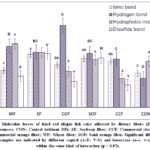 |
Figure 2: Molecular forces of fried red tilapia fish cake affected by dietary fibers (DF) from different sources. |
COF exhibited the greatest hydrogen bond value (22.08 mg/mL), whereas WF and SF also showed relatively high hydrogen bond contributions compared with the control. Conversely,the highest hydrophobic interaction value (16.82 mg/mLwas found in the control sample, while CCF showed the lowest hydrophobic interaction intensity (14.27 mg/mL). Disulfide bond values were generally lower than other intermolecular forces and ranged from 13.34–18.11 mg/mL. WF and SF displayed higher disulfide bond values than the control sample. Ionic bond contributions varied only slightly among treatments, ranging from 15.12–17.92 mg/mL.
These results were consistent with the FTIR spectra, particularly in the hydroxyl-associated region (3280–3380 cm⁻¹), where COF and SOF exhibited stronger and broader O–H stretching bands, indicating enhanced hydrogen bonding interactions within the gel matrix.22,23Citrus fibers’ high soluble dietary fiber and pectin content, which include rich carboxyl and hydroxyl groups capable of interacting with water molecules and protein side chains, might explain the higher hydrogen bond contribution in COF and SOF.7,25 In contrast, WF exhibited comparatively lower intensity in the hydroxyl and polysaccharide regions in the FTIR spectra but showed higher disulfide bond formation and gel strength, suggesting that cellulose-rich insoluble fibers promoted a more compact and mechanically reinforced protein network.9,10 The lower hydrophobic interaction observed in dietary fiber-treated samples compared with the control also suggests that dietary fibers partially restricted direct protein–protein aggregation by increasing hydration and steric hindrance within the gel system.26 Generally, the incorporation of food fibers from various sources considerably modified the balance of intermolecular forces in fried red tilapia fish cake, with soluble citrus fibers mainly enhancing hydrogen bonding and water-mediated interactions, whereas insoluble wheat and soybean fibers contributed more strongly to covalent crosslinking and structural reinforcement of the protein gel network.
SDS-PAGE protein pattern
The protein patterns of fried red tilapia fish cake supplemented with dietary fibers are presented in Figure 3. The major protein bands observed corresponded to myosin heavy chain (MHC), actin (AC), and tropomyosin (TM), indicating the preservation of the primary myofibrillar protein components after frying and dietary fiber incorporation.
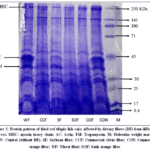 |
Figure 3: Protein pattern of fried red tilapia fish cake affected by dietary fibers (DF) from different sources. |
Although slight differences in band intensity were observed among treatments, no disappearance or severe degradation of major protein bands was detected. The MHC band remained visible in all samples, suggesting that dietary fiber addition did not induce substantial protein degradation or fragmentation during processing. However, variations in MHC band intensity among samples may indicate differences in protein aggregation and gel network formation associated with the interaction between dietary fibers and myofibrillar proteins.20,27 In particular, samples supplemented with WF and SF exhibited relatively weaker MHC band intensity compared with the control, which may indicate a greater extent of myosin aggregation and crosslinking during thermal gelation. In fish protein gel systems, reduced MHC band intensity is commonly associated with the formation of high-molecular-weight protein aggregates that are unable to migrate efficiently through the polyacrylamide matrix during electrophoresis. This observation corresponded well with the higher gel strength and disulfide bond values observed in WF-treated samples, suggesting the development of a more compact and mechanically stable protein network.27
In contrast, citrus fiber-treated samples (CCF, COF, and SOF) exhibited comparatively clearer and more diffuse MHC bands, indicating a lower degree of protein aggregation and a more hydrated gel structure. The high soluble dietary fiber and pectin contents of citrus fibers likely increased water retention and hydrogen bonding within the matrix, thereby partially limiting direct protein–protein interactions and reducing compact aggregate formation.7,25 This interpretation was consistent with the FTIR and molecular force results, where COF and SOF showed stronger hydroxyl-associated absorption bands and higher hydrogen bond contributions but lower gel strength compared with WF.11,22 Therefore, the SDS-PAGE results suggest that dietary fibers with different compositional characteristics modulated myofibrillar protein aggregation through distinct mechanisms, ultimately influencing gel network organization and physicochemical properties of fried red tilapia fish cake.
Sensory properties of fried red tilapia fish cake
The sensory properties of fried red tilapia fish cake supplemented with dietary fibers from different sources are presented in Table 3. Overall, dietary fiber incorporation had no unfavorable effect on the sensory acceptance of the products, as most treatments received relatively high scores for odor, taste, color, and texture.Regarding odor, WF had the highest score (4.43), considerably higher than the control group (3.71) (p < 0.05), while the remaining treatments exhibited intermediate values ranging from 4.00–4.29. Taste scores did not substantially change across treatments, ranging from 3.57 to 4.43 (p > 0.05), indicating that dietary fiber addition at the selected concentration did not negatively influence flavor acceptability.Similarly, there were no noticeable differences in color scores among samples (p > 0.05). Nevertheless, WF exhibited the highest color score (4.57), whereas the control and COF samples showed slightly lower values (4.00). Texture scores were also comparable among treatments, with COF, WF, and SOF exhibiting relatively higher values (4.71), while the control sample showed the lowest score (4.00).Overall, the results suggested that dietary fibers from different sources could be successfully incorporated into fried red tilapia fish cake without compromising sensory quality. In particular, WF, COF, and SOF demonstrated relatively better sensory acceptability, especially in terms of texture and odor attributes.
Table 3: Sensory evaluation of fried red tilapia fish cake affected by dietary fibers (DF) from different sources
|
Samples |
Odor | Taste | Color |
Texture |
|
Control (without DF) |
3.71±0.49b | 3.71±0.49a | 4.00±0.82a | 4.00±0.58a |
| Soybean fiber (SF) | 3.71±0.76b | 3.57±0.98a | 4.29±0.53a |
4.14±0.38a |
|
Commercial citrus fiber (CCF) |
4.00±0.82ab | 3.86±0.69a | 4.29±0.95a | 4.14±0.38a |
| Commercial orange fiber (COF) | 4.14±0.38ab | 4.14±0.69a | 4.00±0.00a |
4.71±0.49a |
|
Wheat fiber (WF) |
4.43±0.53a | 4.43±0.53a | 4.57±0.53a | 4.71±0.49a |
| Sanh orange fiber (SOF) | 4.29±0.49ab | 4.00±0.82a | 4.29±0.49a |
4.71±0.49a |
Values are reported as mean ± SD (n = 3). Different letters in the same column indicate statistically significant differences between treatments at the 95% confidence level, according to the LSD test.
Multivariate analysis of physicochemical properties and intermolecular interactions
Figure 4 displays Pearson correlation analysis and principal component analysis (PCA). 48.73% of the overall variation was explained by the first two principal components (PC1 and PC2), which accounted for 27.59% and 21.14% of the variance, respectively.
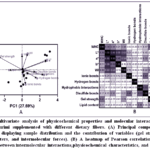 |
Figure 4: Multivariate analysis of physicochemical properties and molecular interactions of fried red tilapia surimi supplemented with different dietary fibers. |
The PCA biplot demonstrated distinct clustering patterns among samples according to physicochemical properties and intermolecular interaction parameters. Gel strength was positioned opposite to hydrophobic interactions and disulfide bonds along PC1, indicating different contributions of intermolecular forces to gel formation. WHC and WI were positively associated and located near the positive region of PC2. Pearson correlation analysis further revealed that gel strength was negatively associated with hydrophobic interactions (r = –0.60) and positively related toWHC (r = 0.42). Hydrophobic interactions showed a positive correlation with disulfide bonds (r = 0.51), while WI exhibited positive correlations with L* values and ionic bond contributions. Total lipid content showed relatively weak correlations with most physicochemical and molecular interaction parameters. The multivariate analysis confirmed that dietary fibers from different sources distinctly modulated the balance of intermolecular interactions, which subsequently influenced water distribution, gel network organization, and the physicochemical quality attributes of fried red tilapia fish cake.
Discussion
Composition of dietary fibers from different sources
The results in Table 1 demonstrated substantial compositional differences among dietary fibers derived from various plant materials, particularly in the proportions of IDF, SDF, cellulose, hemicellulose, and pectin. These variations are closely associated with the structural organization and botanical origin of each raw material and are expected to strongly influence their functional behavior in food systems7.
Citrus-derived fibers, especially SOF and COF, exhibited significantly higher SDF and pectin contents compared with WF and SF. Citrus by-products are naturally rich in pectic polysaccharides located within the middle lamella and primary cell walls, which explains the elevated pectin levels observed in these samples.25 The high SDF content of citrus fibers is technologically important because soluble polysaccharides possess strong hydration properties and high water-binding capacity due to the abundance of carboxyl and hydroxyl functional groups able tointeractwith water molecules through hydrogen bonding.28 Therefore, SOF and COF were expected to contribute more effectively to moisture retention and matrix hydration in fish cake systems.
In contrast, WF exhibited the highest IDF, cellulose, and hemicellulose contents, reflecting the rigid and fibrous structure of cereal cell walls. Insoluble fibers such as cellulose generally possess lower solubility but provide greater structural reinforcement and mechanical rigidity in gel-based food systems.10 The relatively high cellulose content of WF may therefore contribute to the formation of denser and mechanically stronger protein networks during surimi gelation. SF and CCF showed intermediate compositional characteristics between wheat and citrus fibers, indicating a more balanced distribution of soluble and insoluble fractions.
Although the TDF contents of all fibers were relatively similar, ranging from approximately 80–82%, the distribution between soluble and insoluble fractions differed markedly. This finding suggests that the functional properties of dietary fibers are profoundly affected by fiber composition and molecular structure compared to only total fiber content. Previous studies have demonstrated that SDF-rich fibers mainly enhance hydration and water retention, whereas IDF-rich fibers contribute more effectively to texture reinforcement and structural stability in food matrices.7,29 Consequently, the compositional differences observed in the present study were expected to influence intermolecular interactions, water distribution, and gel-forming behavior of fried red tilapia fish cake.
Physicochemical properties of fried red tilapia fish cake supplemented with dietary fibers
Dietary fiber incorporation significantly affected gel strength, WHC, WI, and crude fiber content, whereas total lipid content remained relatively unchanged among treatments. The absence of significant changes in lipid content indicates that dietary fiber addition at 0.75% was insufficient to markedly alter oil absorption or lipid retention during frying. Instead, the primary effects of dietary fibers were associated with modifications in the protein–water matrix and gel network organization.
WF produced the highest gel strength, indicating that cellulose-rich fibers enhanced the rigidity and mechanical stability of the protein gel matrix. Insoluble fibers such as cellulose are known to act as active fillers within myofibrillar protein networks by physically occupying spaces within the gel matrix and restricting structural collapse during thermal processing.10 The relatively high IDF and cellulose contents of WF likely promoted tighter network packing and improved structural reinforcement. In surimi systems, cellulose fibers have been reported to increase gel hardness and elasticity through filler effects and enhanced protein entanglement.9
Conversely, SOF and COF exhibited lower gel strength despite their high SDF and pectin contents. This phenomenon may be attributed to the highly hydrated and flexible nature of soluble polysaccharides. Pectin-rich fibers can retain large amounts of water and increase matrix hydration, but excessive water immobilization may reduce direct protein–protein interactions during thermal aggregation, resulting in weaker gel rigidity.25 In addition, hydrated polysaccharide chains may sterically interfere with myosin aggregation and reduce the continuity of the protein network.10,29 Interestingly, SOF showed the highest WHC, which is consistent with its high SDF and pectin contents. Soluble polysaccharides possess numerous hydrophilic groups capable of immobilizing water molecules through hydrogen bonding and capillary retention mechanisms. This finding supports the concept that citrus fibers primarily function as water-binding hydrocolloids within surimi systems. Similar improvements in WHC following dietary fiber incorporation have been reported in surimi gels supplemented with citrus and cellulose-derived fibers.9,10
The opposite trends observed between gel strength and WHC suggest a competitive relationship between matrix rigidity and hydration. Fibers rich in insoluble components promoted denser and stronger gel structures, whereas highly soluble fibers favored hydrated but less compact matrices. Such behavior is frequently observed in mixed protein–polysaccharide systems, where water distribution and protein aggregation jointly determine final textural properties.10,29 Similar findings have also been reported in surimi gels supplemented with dietary fibers, where insoluble fibers enhanced mechanical strength while soluble polysaccharides improved water retention and gel hydration.9 The higher WI values observed in SOF-treated samples may be associated with the lighter color and lower pigment content of citrus fibers. In contrast, WF and CCF exhibited lower WI values, possibly due to the presence of coarse insoluble particles that increased light scattering and reduced surface brightness. The increase in crude fiber content after dietary fiber incorporation confirms successful enrichment of the fish cake matrix and demonstrates the nutritional potential of fiber supplementation without major deterioration of physicochemical quality.
Fourier transform infrared spectroscopy (FTIR)
FTIR spectra demonstrated that the major characteristic absorption bands remained relatively similar among treatments, indicating that dietary fiber incorporation did not induce severe denaturation or degradation of myofibrillar proteins. The broad absorption band around 3280–3380 cm⁻¹ corresponds to O–H and N–H stretching vibrations associated with hydrogen bonding and the amide A region. Variations in peak intensity within this region suggest that dietary fibers altered hydration behavior and intermolecular hydrogen bonding within the gel matrix. The characteristic amide I and amide II bands located near 1650 cm⁻¹ and 1540 cm⁻¹ are closely associated with protein secondary structures, particularly α-helix and β-sheet conformations.23 The absence of major peak shifts among treatments indicates that dietary fibers primarily influenced intermolecular interactions rather than fundamentally altering the protein secondary structure. Nevertheless, slight differences in band intensity imply variations in protein aggregation and molecular mobility depending on fiber composition.30,31
SOF and COF exhibited stronger absorption in the polysaccharide-associated region (1000–1150 cm⁻¹), which may be attributed to their higher pectin and SDF contents. The abundance of hydroxyl-containing polysaccharides likely enhanced hydrogen bonding with water molecules and protein side chains, thereby promoting matrix hydration and water retention.7,25 In contrast, cellulose-rich WF exhibited comparatively lower intensity in this region but contributed more strongly to gel rigidity, consistent with its higher gel strength.9,10The peaks near 2925 and 2855 cm⁻¹, corresponding to asymmetric and symmetric CH₂ stretching vibrations, remained relatively stable among treatments, suggesting that dietary fiber incorporation did not markedly alter hydrophobic domains or lipid distribution within the fish cake matrix. Similar FTIR behavior has been reported in surimi gels supplemented with polysaccharides and dietary fibers.11,22Overall, FTIR analysis suggests that dietary fibers mainly modified non-covalent intermolecular interactions and water organization rather than inducing major protein conformational disruption.
Molecular interaction forces
The molecular interaction analysis demonstrated that dietary fibers significantly altered the balance of intermolecular forces responsible for protein gel stabilization. Hydrogen bonds represented one of the dominant interactions in dietary fiber-treated samples, particularly in COF and WF treatments. This observation was in line with the FTIR results showing stronger hydroxyl-associated absorption bands in fiber-enriched systems. The elevated hydrogen bonding observed in COF-treated samples may be attributed to the high pectin and SDF contents of citrus fiber. Pectin molecules are rich in carboxyl and hydroxyl groups that may form hydrogen bonds with protein side chains and water molecules.7,25 These interactions likely enhanced matrix hydration and stabilized water molecules within the gel network.9 However, excessive hydrogen bonding may also increase gel flexibility and reduce structural compactness, which may explain the lower gel strength observed in COF samples.29
Hydrophobic interactions were highest in the control sample and generally decreased after dietary fiber incorporation. During thermal gelation, hydrophobic interactions are generated through exposure and aggregation of buried hydrophobic amino acid residues.32,33 The reduction of hydrophobic interactions in dietary fiber-treated samples suggests that hydrated polysaccharides partially inhibited direct protein–protein aggregation by increasing steric hindrance and water retention within the matrix.9,29 This phenomenon may explain why highly hydrated citrus fibers improved WHC but reduced gel rigidity.
Disulfide bonds contributed less than hydrogen bonding and hydrophobic interactions but continued to be crucial in keeping the gel network stable. WF and SF exhibited relatively higher disulfide bond values, suggesting that insoluble fibers may facilitate closer protein proximity and promote sulfhydryl oxidation during heating, thereby enhancing covalent crosslinking within the gel matrix.33 In contrast, highly hydrated citrus fibers may dilute local protein concentration and limit covalent crosslinking efficiency.10,29The coexistence and competition among hydrogen bonding, hydrophobic interactions, and disulfide linkages appear to determine the final structural properties of fried fish cake. Fibers rich in SDF promoted hydrated and flexible networks dominated by hydrogen bonding, whereas cellulose-rich fibers favored denser and mechanically stronger matrices.9 Similar molecular interaction mechanisms have been reported in surimi gels supplemented with polysaccharides and hydrocolloids.11
SDS-PAGE protein pattern
The main myofibrillar proteins, including actin, tropomyosin, and myosin heavy chain (MHC), identified by SDS-PAGE analysis, remained detectable in all treatments after frying and dietary fiber incorporation. The preservation of these major protein bands indicates that dietary fiber supplementation did not induce extensive protein degradation or hydrolysis during thermal processing.Variations in MHC band intensity among treatments likely reflect differences in protein aggregation behavior rather than protein loss. In heat-induced surimi gels, reduced MHC band intensity is commonly associated with thermal crosslinking and incorporation of myosin into high-molecular-weight aggregates that are unable to migrate efficiently through the polyacrylamide matrix.27,33 Therefore, weaker MHC bands may indicate stronger protein aggregation and more extensive gel network formation.
WF-treated samples exhibited comparatively denser protein band patterns, which is consistent with their higher gel strength and mechanically reinforced structures. This observation suggests that cellulose-rich insoluble fibers promoted closer protein–protein interactions and accelerated the creation of a dense gel network during thermal gelation.10 However, citrus fiber-treated samples displayed more diffuse protein bands, suggesting increased hydration and reduced compactness of protein aggregates. The high soluble dietary fiber and pectin contents of citrus fibers may have enhanced water retention and hydrogen bonding, thereby partially limit direct myofibrillar protein aggregation and reducing aggregate density within the gel matrix.9,29 These findings supported that dietary fibers modulate protein gelation primarily through alterations in intermolecular interactions and network organization rather than through direct protein degradation.
Sensory properties of fried red tilapia fish cake
Sensory evaluation indicated that dietary fiber incorporation did not adversely affect overall product acceptability. Most treatments showed comparable scores for taste, color, and texture, suggesting that the selected fiber concentration was appropriate for maintaining desirable sensory characteristics. This result is technologically important because excessive dietary fiber incorporation is often associated with undesirable roughness, dryness, or flavor masking effects.7,9
WF, COF, and SOF generally received higher texture scores, which may be related toenhanced hydration and gel matrix stability. The relatively higher odor acceptability observed in WF samples could be related to reduced lipid oxidation or improved retention of volatile flavor compounds during frying. Dietary fibers can reduce moisture loss and modify oil migration, thereby indirectly influencing aroma retention and flavor perception.10,34
The maintenance of acceptable sensory properties across treatments indicates that dietary fibers were successfully incorporated into the surimi matrix without causing severe phase separation or excessive structural heterogeneity. The compatibility between dietary fibers and myofibrillar proteins likely contributed to the preservation of desirable mouthfeel and overall product quality.29 Similar findings have been reported in surimi products fortified with cereal and citrus fibers, where moderate fiber incorporation improved nutritional value while maintaining acceptable sensory attributes.9
Multivariate analysis of physicochemical properties and molecular interactions
Pearson correlation analysis and PCA were used as exploratory techniques to visualize possible correlations between physicochemical features and intermolecular interaction parameters. The first main components accounted for 48.73% of the total variance, suggesting that gel strength, WHC, color parameters, and intermolecular forces collectively contributed to sample differentiation. Although the cumulative variance explained by PC1 and PC2 was moderate, the PCA biplot provided a useful overview of the distribution of samples and variables within the multivariate space.35The PCA biplot showed that gel strength was located opposite to hydrophobic interactions and disulfide bonds along PC1, whereas WHC and WI were positioned closer to the positive region of PC2. In addition, treatments containing citrus-derived fibers tended to cluster near WHC and WI, which may reflect the high hydration capacity of pectin-rich soluble dietary fibers.33,36 This behavior is consistent with the high WHC and hydration properties of pectin-rich soluble dietary fibers.9,25
Similarly, Pearson correlation analysis indicated positive associations between gel strength and WHC and negative associations between gel strength and hydrophobic interactions. Hydrophobic interactions were also positively associated with disulfide bonds. These trends may suggest that the balance between protein aggregation and matrix hydration contributes to the observed variations in gel properties. Nevertheless, given the limited number of treatments, the correlation analysis should be considered descriptive and hypothesis-generating rather than conclusive evidence of mechanistic relationships.35 Overall, the multivariate analyses support the general observation that dietary fibers with different compositions may influence physicochemical properties and intermolecular interactions in distinct ways. In particular, cellulose-rich fibers tended to be associated with higher gel strength, whereas pectin-rich fibers were more closely associated with hydration-related properties.
Conclusion
Dietary fibers from different sources significantly affected the physicochemical properties, intermolecular interactions, and structural characteristics of fried red tilapia fish cake. Citrus fibers (SOF, CCF, and COF), which contained higher soluble dietary fiber and pectin contents, enhanced hydrogen bonding, water retention, and hydration of the gel matrix, resulting in higher WHC values. In contrast, wheat fiber (WF), characterized by higher insoluble fiber and cellulose contents, promoted stronger gel strength, higher disulfide bond formation, and a more compact protein network. FTIR, molecular force, and SDS-PAGE analyses collectively indicated that dietary fibers mainly modulated protein aggregation and gel network organization rather than causing protein degradation.Among the tested fibers, WF showed the greatest potential for maintaining the structural quality and gel stability of fried fish cake due to its superior gel strength and compact protein network formation. Meanwhile, citrus fibers may be more suitable for improving moisture retention and functional fiber enrichment. Overall, the findings provide valuable insights into fiber–protein interactions and support the application of dietary fibers as functional ingredients for developing high-quality fried tilapia fish cake.
Acknowledgement
This search supported by Ho Chi Minh City University of Industry and Trade, Vietnam and Institute of Food and Biotechnology of Can Tho University.
Funding Sources
This work was financially supported by Ho Chi Minh City University of Industry and Trade under Contract no 20/HĐ-DCT dated January 17, 2025.
Conflict of Interest
The author(s) do not have any conflict of interest.
Data Availability Statement
The data presented in this study are available onrequest from the corresponding author.
Ethics Statement
This research did not involve human participants,animal subjects, or any material that requires ethicalapproval.
Informed Consent Statement
Informed consent was obtained from all participants involved in the sensory evaluation. Participation was voluntary, and the panelists were informed about the purpose of the study before the evaluation.
Clinical Trial Registration
This research does not involve any clinical trials.
Permission to Reproduce Material from Other Sources
Not Applicable.
Author Contributions
- Nguyen Cam Huong: Data Collection, Analysis, Resources, Writing – Original Draft.
- Tran Hong Quan: Data Collectionand Writing – Original Draft
- Dang Thi Huynh Nhu:Data Collection and Analysis
- Nguyen Truong Vinh:Data Collection and Analysis
- Pham Tran Thuy Tien: Data Collection and Analysis
- Le QuynhAnh: Data Collection and Analysis
- Le Thi Xuan Quynh: Data Collection and Analysis
- Atsushi Sato: Data Collection and Analysis
- Tran Thanh Truc: Visualization, Supervision, Conceptualization, Methodology, Review and Editing.
References
- Dai Y, Wang Y, Dai Y, et al. The influence of different aquaculture systems on growth performance, morphological characteristics, texture profile and nutritional components of Genetically Improved Farmed Tilapia (GIFT). Aquac Rep. 2025;42:102859.
CrossRef - Rawdkuen S, Sai-Ut S, Khamsorn S, et al. Biochemical and gelling properties of tilapia surimi and protein recovered using an acid-alkaline process. Food Chem. 2009;112(1):112-119.
CrossRef - FAO. The State of World Fisheries and Aquaculture 2018: Meeting the Sustainable Development Goals. Rome, Italy: Food and Agriculture Organization of the United Nations; 2018
- Gram L, Huss HH. Microbiological spoilage of fish and fish products. Int J Food Microbiol. 1996;33(1):121-137.
CrossRef - Park JW. Surimi and Surimi Seafood. 2nd ed. Boca Raton, FL: CRC Press; 2005.
CrossRef - Kong J, Gao P, Jiang Q, et al. Effect and mechanism of silver carp myofibrillar protein on the properties of sturgeon myofibrillar protein during heat-induced gel formation: Protein structure and intermolecular interactions. Int J Biol Macromol. 2026;352:151126.
CrossRef - Elleuch M, Bedigian D, Roiseux O, et al. Dietary fibre and fibre-rich by-products of food processing: Characterisation, technological functionality and commercial applications: A review. Food Chem. 2011;124(2):411-421.
CrossRef - Stephen AM, Champ MMJ, Cloran SJ, et al. Dietary fibre in Europe: current state of knowledge on definitions, sources, recommendations, intakes and relationships to health. Nutr Res Rev. 2017;30(2):149-190.
CrossRef - Debusca A, Tahergorabi R, Beamer SK, et al. Physicochemical properties of surimi gels fortified with dietary fiber. Food Chem. 2014;148:70-76.
CrossRef - Zhang C, Chen L, Lu M, et al. Effect of cellulose on gel properties of heat-induced low-salt surimi gels: Physicochemical characteristics, water distribution and microstructure. Food Chem X. 2023;19:100820.
CrossRef - Zhao Y, Piao X, Zheng B, et al. Enhancement of surimi gel properties through the synergetic effect of fucoidan and oligochitosan. Food Hydrocoll. 2023;140:108626.
CrossRef - Nguyen CH, Tran CN, Tran TT. Structural characteristics and physicochemical properties of soluble dietary fiber preparations from Citrus sinensis peel. journal article. Pol J Food Nutr Sci. 2025;75(3):234-244.
CrossRef - Muoi NV, Truc TT, Ngan VH. The influence of additives on frozen snakehead fish surimi and the application of transglutaminase to fish cakes. Acta Sci Pol Technol Aliment. 2019;18(2):125-133.
CrossRef - AOAC International. Official Methods of Analysis of AOAC International. 21st ed. Gaithersburg, MD: AOAC International; 2019.
- Van Soest PJ, Robertson JB, Lewis BA. Methods for dietary fiber, neutral detergent fiber, and nonstarch polysaccharides in relation to animal nutrition. J Dairy Sci. 1991;74(10):3583-3597.
CrossRef - Blumenkrantz N, Asboe-Hansen G. New method for quantitative determination of uronic acids. Anal Biochem. 1973;54(2):484-489.
CrossRef - Honikel KO. Reference methods for the assessment of physical characteristics of meat. Meat Science. 1998;49(4):447-457.
CrossRef - Nowsad AAKM, Kanoh S, Niwa E. Thermal gelation characteristics of breast and thigh muscles of spent hen and broiler and their surimi. Meat Sci. 2000;54(2):169-175.
CrossRef - Quan TH, Benjakul S. Comparative study on the effect of duck and hen egg albumens on proteolysis and gel property of sardine surimi. Int J Food Prop. 2017;20(sup3):S2786-S2797.
CrossRef - Laemmli UK. Cleavage of structural proteins during the assembly of the head of bacteriophage T4. Nature. 1970;227(5259):680-685.
CrossRef - Meilgaard MC, Carr BT, Civille GV. Sensory Evaluation Techniques. 3rd ed. Boca Raton, FL: CRC Press; 1999.
CrossRef - Barth A. Infrared spectroscopy of proteins. Biochim Biophys Acta Bioenerg. 2007;1767(9):1073-1101.
CrossRef - Kong J, Yu S. Fourier transform infrared spectroscopic analysis of protein secondary structures. Acta Biochim Biophys Sin. 2007;39(8):549-559.
CrossRef - Coates J. Interpretation of infrared spectra, a practical approach. In: Meyers RA, editor. Encyclopedia of Analytical Chemistry. Chichester, UK: John Wiley & Sons; 2006. p. 10815-10837.
CrossRef - Chau CF, Huang YL. Comparison of the Chemical Composition and Physicochemical Properties of Different Fibers Prepared from the Peel of Citrus sinensis L. Cv. Liucheng. J Agric Food Chem. 2003;51(9):2615-2618.
CrossRef - Bertram HC, Kohler A, Böcker U, et al. Heat-induced changes in myofibrillar protein structures and myowater of two pork qualities. A combined FT-IR spectroscopy and low-field NMR relaxometry study. J Agric Food Chem. 2006;54(5):1740-1746.
CrossRef - Benjakul S, Visessanguan W, Tueksuban J. Changes in physico-chemical properties and gel-forming ability of lizardfish (Saurida tumbil) during post-mortem storage in ice. Food Chem. 2003;80(4):535-544.
CrossRef - Guillon F, Champ M. Structural and physical properties of dietary fibres, and consequences of processing on human physiology. Food Res Int. 2000;33(3):233-245.
CrossRef - Tolstoguzov VB. Functional properties of food proteins and role of protein-polysaccharide interaction. Food Hydrocoll. 1991;4(6):429-468.
CrossRef - Guerrero P, Kerry JP, de la Caba K. FTIR characterization of protein–polysaccharide interactions in extruded blends. Carbohydr Polym. 2014;111:598-605.
CrossRef - Wei W, Hu W, Zhang XY, et al. Analysis of protein structure changes and quality regulation of surimi during gelation based on infrared spectroscopy and microscopic imaging. Sci Rep. 2018;8(1):5566.
CrossRef - Liu R, Zhao SM, Xiong SB, et al. Role of secondary structures in the gelation of porcine myosin at different pH values. Meat Sci. 2008;80(3):632-639.
CrossRef - Sun XD, Holley RA. Factors influencing gel formation by myofibrillar proteins in muscle foods. Compr Rev Food Sci Food Saf. 2011;10(1):33-51.
CrossRef - Choe E, Min DB. Chemistry of deep-fat frying oils. J Food Sci. 2007;72(5):R77-R86.
CrossRef - Granato D, de Araújo Calado VM, Jarvis B. Observations on the use of statistical methods in Food Science and Technology. Food Res Int. 2014;55:137-149.
CrossRef - Wang Q, Gu C, Wei R, et al. Enhanced gelling properties of myofibrillar protein by ultrasound-assisted thermal-induced gelation process: Give an insight into the mechanism. Ultrason Sonochem. 2023;94:106349.
CrossRef
 PlumX:
 Views: 1148
  PDF Downloads:
303
PDF Downloads:
303 
Accepted on: 31 Aug 2026
Second Review by: Mohsen Kazemi
Final Approval by: Dr. Aly El. Sheikha





Web of Science Coverage
Emerging Sources Citation Index (ESCI)
2024 Journal Impact Factor: 1.1
Scopus Journal Metrics
CiteScore 2025: 2.6
CiteScore Details
Sustainable Nutrition: Food Systems, Nutrient Retention, and Public Health Impact

This journal is a member of, and subscribes to the principles of, the Committee on Publication Ethics (COPE)