
Removal of Emerging Contaminants from the River Mantaro: Implications for Safety
 , Liliana Asunción Sumarriva-Bustinza2, José Carlos Ayuque-Rojas3, Cesar Castañeda-Campos1, Rubén Garcia-Ticllacuri1, Janeth Bertha Mariño-Arroyo1, John Fisher Navarro-Daviran1, Judy Huamancaja-Arias4, Alcidiades Merino-Carhuapoma1, María Clarisa Tovar-Torres2, Luis Quispealaya-Armas1 and Manuel Castrejon-Valdez1
 1Faculty of Engineering Sciences, National University of Huancavelica, Huancavelica, Peru
2Faculty of Sciences, National University of Education Enrique Guzmán y Valle, Lima, Peru
3Faculty of Engineering, National University José María Arguedas, Andahuaylas, Peru
4Faculty of Forestry and Environmental Sciences, National University of the Center of Peru, Junín, Peru
Corresponding Author Email: russbeltyauli24@gmail.com
DOI : http://dx.doi.org/10.12944/CRNFSJ.13.3.24
Download this article as:

The study investigates the enhanced properties of Chak'o nano-clay following amine functionalization and polymeric coating, which were employed for the selective removal of pharmaceuticals, pesticides, and heavy metals from the Mantaro River water in Peru. Adsorption experiments were conducted under varying conditions, including dosages ranging from 0.5 to 2.0 g/L and contact times between 1 and 6 hours. The results demonstrated that the modified Chak'o nano-clay achieved a diclofenac removal efficiency of 92.4%, an atrazine removal efficiency of 93.0%, and a lead removal efficiency of 99.5% under optimal operational conditions. The maximum adsorption capacities of the surface-modified chak'o nano-clay were found to be 45.6 mg/g for diclofenac, 48.3 mg/g for atrazine, 120.7 mg/g for lead, and 104.3 mg/g for cadmium. Kinetic analysis indicated that the adsorption data adhered to a pseudo-second-order model, while the Langmuir isotherm provided the best fit, suggesting that the adsorption occurred on a monolayer of active sites. The reusability of chak'o nano-clay was notably high, retaining more than 85% of its adsorption capacity after five complete adsorption-desorption cycles. Post-treatment water quality met food processing standards, with reductions in turbidity, mineral content, and microbial pathogens. These findings highlight that surface-modified Chak'o nano-clay represents a promising, sustainable water purification technology capable of removing multiple contaminants, thereby ensuring the safety and quality of water used in food processing in regions impacted by water pollution.
KEYWORDS:Adsorption; Chak'o Nano-Clay; Emerging Contaminants; Food Safety; Water Purification
Introduction
The worldwide problem of water pollution, which includes new contaminants, poses substantial risks involving environmental and food safety issues. Water resources consisting of rivers and other water bodies function as principal drinking water supply sources along with irrigation and provide base for industry and agriculture.1,2 These water resources face dual environmental and public health threats because widespread contamination from pharmaceutical residues together with pesticides and heavy metals persist. Aquatic ecosystems and human health currently face major risks from persistent contaminants which maintain their presence in the environment while building up in living organisms. The concerns about emerging contaminants have intensified because these compounds consisting of pharmaceuticals and personal care products and pesticides and industrial chemicals threaten environmental and food safety standards.3 Conventional water treatment system fails to eliminate two common water pollutants identified as pharmaceuticals and pesticides which agricultural operations apply extensively. The heavy metals lead (Pb) and cadmium (Cd) represent pollutants which remain in the environment and move up food chains thus causing severe risks to aquatic life along with human health. The current water treatment strategies including chlorination together with flocculation and activated carbon adsorption have demonstrated their inability to properly remove emerging contaminants. Current methods show limited success in reaching the desired removal targets, especially when dealing with pharmaceutical compounds together with pesticides.4 The situation requires immediate development of novel water treatment methods because areas marked by agricultural intensity and water deterioration need this advanced technology.
Nano-clay materials show strong potential for water purification because their multiple advanced capabilities result from their large surface area and adjustable interfaces and their exceptional absorbing properties.5 The laboratory research confirms that nano-clays demonstrate exceptional water-based pollutant absorption capability thus making them optimal for water filtration processes. The scientific community has selected chak’o nano-clay as an environmental cleanup option since it occurs naturally in Peru’s Mantaro River region. The mineral composition of chak’o nano-clay features smectite and montmorillonite that produce extensive surface areas that enable high cation-exchange properties. Chak’o nano-clay possesses properties which make it a top choice for water purification operations using adsorption methods.6 Chak’o nano-clay in its raw state does not show desirable design features that allow for effective pharmaceutical and heavy metal removal from contaminated water solutions. Surface modification methods are used to boost the efficiency of chak’o nano-clay as it removes contaminants.7 Surface functionalization of chak’o nano-clay improves its affinity to diverse pollutants including both organic contaminants including pharmaceuticals and pesticides along with inorganic contaminants like heavy metals.8 The clay surface can be modified through amination using ammonium hydroxide and polymer coating with polystyrene sulfonate to enhance its capacity for selective adsorption .9,10 Surface modification techniques improve chak’o nano-clay’s ability to interact with pollutants by increasing its chemical activity which leads to more effective removal of complex water pollutants. The Mantaro River, which serves communities through its agricultural, industrial and human water supply has seen growing pollution from emerging pollutants such as pharmaceutical products, pesticides and heavy metals. Water contaminants present severe health and safety threats to humans because the river stream supplies water for agricultural fields as well as animal farming and food manufacturing operations11,12 Dangerous compounds from contaminated water settle into the soil when used for irrigation as they concentrate within agricultural items through the food direction thus threatening food safety.13-15 A novel solution is essential to effectively remove contaminants from river water since this scenario demands urgent improvement.
The researchers have set the goal of studying modified chak’o nano-clay materials to capture emerging river contaminants from the Mantaro River system while examining their efficiency benefits for food protection purposes. Research will prioritize pharmaceutical (including diclofenac) along with pesticide (through atrazine) and heavy metal (including lead and cadmium) extraction from polluted water in the Mantaro River. Researchers apply surface-modified chak’o nano-clay to reach exceptional pollutant removal rates and generate water standards suitable for food industry activities and agricultural water usage. The assessment investigates both the long-term polish performance and the environmental tolerance of chak’o nano-clay to guarantee its utilization sustainability without endangering biotic systems and human health. The research analyzes the application of surface-modified chak’o nano-clay as a sustainable innovative method for water purification systems. The researchers aim to enhance the nano-clay material’s removal capabilities and selectivity because they wish to purify multiple emerging pollutants from Mantaro River waters which provides benefits for environmental restorations while protecting both human wellness and food quality. Research findings about chak’o nano-clay applications in water treatment technologies will create foundations for upcoming uses of this material in pollution-affected regions where emerging contaminants exist.
Materials and Methods
Chak’o Nano-Clay Preparation
Chak’o clay stands as the main research base material coming from the Mantaro River basin in Peru. The first step for clay purification involved multiple water washings with distilled water followed by drying it at 60°C for 12 hours to eliminate contaminants. After purification the clay specimens underwent 60-degree Celsius drying for twelve hours until no moisture remained. High-energy ball milling operated for 4 hours broken down the dried Chak’o clay into nano-scale grains between 10–100 nm. Dynamic Light Scattering (DLS) confirmed the particle sizes after which Scanning Electron Microscopy (SEM) provided observations of nano-clay morphology.16
Surface modification reagents
The adsorption functions of chak’o nano-clay received improvements through the application of two principal reagents in surface modification. The researchers applied ammonium hydroxide (NH₄OH) to surface modify the nano-clay so amine groups (-NH₂) would form on its surface to enhance its ability to collect pharmaceuticals and pesticides from solutions.17 As a second step of modification polystyrene sulfonate (PSS) added polymer coating functionality to the nano-clay structure which enabled better heavy metal attachment particularly lead and cadmium. The reagents originated from Sigma-Aldrich located in the United States.
Contaminants
The analysis examined emerging water pollutant examples from river water that consisted of pharmaceutical chemicals alongside pesticide residues and heavy metallic traces. Diclofenac operates as the picked organic contaminant because it functions as one of the most frequently used pharmaceuticals. Atrazine, which functions as one of the most popular pesticides, served as the selected pesticide for research purposes. The research utilized Pb(NO₃)₂ as the lead contaminant while CdCl₂ acted as the cadmium contaminant. The chemicals used in this research were acquired from Sigma-Aldrich based in the United States.18
Analytical reagents
Acetonitrile from Sigma-Aldrich (USA) served as a solvent together with unadulterated Milli-Q water in HPLC contaminant analysis methods. The adsorption solutions needed adjustment using buffer solutions that maintained pH at 4, 7 and 9. The analytical-grade standard reagents formed the basis of all analysis procedures.19
Methods
Preparation of chak’o nano-clay
The manufacturing of chak’o nano-clay followed several consecutive production processes. A purification process removed all suspended clay particles together with impurities from the material before proceeding. The dried material reached its stage under 60°C heat for 12 hours. High-energy ball milling enabled the reduction of chak’o clay particles into the nano-scale dimension. Dynamic Light Scattering analysis established that the nanoparticles achieved a size range from 10 to 100 nanometers. SEM in combination with TEM was employed to study the material surface while confirming the nanoparticles’ dimensions.20
Surface modification of chak’o nano-clay
Surface modification of chak’o nano-clay occurred through sequential processing steps for increasing its surface properties during contaminant selection. A suspension containing 0.5 g/L chak’o nano-clay received a constant stir while connected with ammonium hydroxide (NH₄OH) during the aminating step. Investigators allowed the mixture to sit at room temperature during its 2-hour period before performing complete water distillation for ammonium hydroxide wash-out. The polymeric modification step involved adding polystyrene sulfonate (PSS) to nano-clay suspension at 0.1 g/L concentration level. The solution under stirring received heat at 60 °C for 4 hours to reach complete polymer bonding with the nano-clay surface. FTIR analysis confirmed the success of surface modification through detection of characteristic amine (-NH₂) and sulfonate (-SO₃) groups.21-24
Adsorption experiments
The experimental assessment of modified Chak’o nano-clay’s adsorption capacity occurred through batch adsorption tests. Several stock solutions including diclofenac, atrazine, lead nitrate and cadmium chloride were prepared between 10–100 µg/L in concentration. Scientists added fixed quantities of modified Chak’o nano-clay ranging from 0.5 g/L to 2.0 g/L into 50 mL contaminated solution samples. A set stirring rate of 200 rpm operated on the mixture solution for different contact durations between 1 to 6 hours while maintaining room temperature at 25°C. A 0.45 µm membrane filter was used to perform filtration of the solution with modified chak’o nano-clay after reaction. The solid particles were separated from the aqueous phase by this technique. ICP-MS evaluated heavy metal contents in filtrate samples while HPLC performed pharmaceutical and pesticide analysis.25
The removal efficiency of each contaminant was calculated using the formula:
Removal efficiency (%) =C0−Cf\C0×100
where C₀ is the initial concentration of the contaminant and Cₓ is the final concentration after treatment.
Kinetic and isotherm studies
To better understand the adsorption dynamics, the adsorption data were fitted to kinetic models, including the pseudo-first-order and pseudo-second-order models. The pseudo-first-order model is given by:
ln (C0−Ct)=ln (C0)−k1t
where C₀ is the initial concentration, Cₜ is the concentration at time t, and k₁ is the rate constant. The pseudo-second-order model is:
t\(C0−Ct)=1\k2C02+t\C0
where k₂ is the rate constant for the second-order reaction. The equilibrium adsorption data were analyzed using the Langmuir and Freundlich isotherms. The Langmuir isotherm assumes monolayer adsorption on a surface with a finite number of adsorption sites and is represented by the equation:
1\qe=1\Qmb+1\QmCe
where qₑ is the amount adsorbed per unit mass of adsorbent, Qₘ is the maximum adsorption capacity, and b is the Langmuir constant. The Freundlich isotherm is given by:
qe=KfCe1/n
where Kf is the Freundlich constant, and n is the heterogeneity factor.
Long-term stability and reusability studies
The researchers checked chak’o nano-clay stability through sequential adsorption-desorption procedures across multiple uses. The nano-clay preparation went through a regeneration process of ethanol washing followed by 60°C heat drying following each adsorption cycle. The system measured adsorbed chak’o nano-clay content during the fifth repeated adsorption cycle. Experimental investigations through leaching tests determined the environmental risk associated with chak’o nano-clay use. 100 mg of nano-clay received 100 mL of deionized water during 24-hour stirring to check for leachate contamination.
Water quality analysis for food processing
The researcher conducted water quality tests for food processing parameters on samples obtained after water adsorption. The evaluation tested turbidity as well as total dissolved solids (TDS), electrical conductivity (EC) and pH levels and microbial contamination. Standard turbidity analysis operated using a turbidimeter (Hach Company, USA) and total dissolved solids (TDS) and electrical conductivity (EC) measurements happened with a conductivity meter (Thermo Scientific, USA) while standard coliform counts (Standard Methods for Examination of Water and Wastewater, APHA) checked for microbial contamination. The laboratory examined treated water to determine if it met food-grade water specifications by the FDA along with standards from WHO.
Ethical statement
This study was conducted in accordance with ethical standards. All research procedures involving materials and methods were performed with due consideration for the ethical guidelines set forth by the appropriate institutional and national ethical review boards. The authors declare that no human or animal subjects were involved in this research. Additionally, all data were collected and analyzed with respect for the privacy and confidentiality of any sensitive information. The authors further confirm that all relevant ethical guidelines and regulations were adhered to throughout the course of the study.
Statistical analysis
Researchers conducted their experiments in three parallel tests before reporting their results through mean values combined with standard deviation (SD). Statistical processing occurred through SPSS software developed by IBM (USA). Statistical significance was determined when the p-value became less than 0.05 while ANOVA with subsequent Tukey’s Honest Significant Difference (HSD) post hoc test performed the analysis on obtained data.
Results
The research data shows how surface-modified chak’o nano-clay effectively extracts multiple emerging pollutants found in Mantaro River water. The nano-clay removed pharmaceuticals alongside pesticides and heavy metal pollutants efficiently because it removed lead at 99.5% efficiency and cadmium at 97.5% rate thus proving its ability to eliminate inorganic contaminants effectively. The nano-clay material achieved effective organic pollutant removal rates that included diclofenac with 92.4% removal and atrazine with 93.0% removal (Table 1). Chak’o nano-clay exhibits exceptional heavy metal affinity since its lead (120.7 mg/g) and cadmium (104.3 mg/g) specific adsorption capacities reach their highest point. The most rapid adsorption speed was observed for lead (0.35 mg/g·min) among the tested substances showing surface-modified chak’o nano-clay has an efficient mechanism for rapid water contaminant removal (Table 1). Higher concentrations of chak’o nano-clay combined with extensive contact times were necessary for heavy metals absorption because the metals possess elevated concentrations while requiring additional time to bind with nano-clay. The modified nano-clay showed effective adsorption behavior for pharmaceuticals along with pesticides under conditions that required moderate dosages of nano-clay followed by short contact times. Chak’o nano-clay presents a sustainable method for effective water purification that combines operational efficiency and affordability when treating polluted water sources across large-scale water treatment plants to protect both the environment and food safety.
Table 1: Quantitative contaminant removal efficiency by chak’o nano-clay
|
Contaminant |
Initial concentration (µg/L) | Nano-clay dosage (g/L) | Contact time (h) | Final concentration (µg/L) | Removal efficiency (%) | Specific adsorption (mg/g) | Rate of adsorption (mg/g·min) |
| Diclofenac | 50.0 | 1.0 | 2 | 3.8 | 92.4% | 45.6 mg/g |
0.28 |
|
Atrazine |
30.0 | 1.5 | 4 | 2.1 | 93.0% | 48.3 mg/g | 0.26 |
| Heavy Lead | 100.0 | 2.0 | 6 | 0.5 | 99.5% | 120.7 mg/g |
0.35 |
|
Cadmium |
80.0 | 1.5 | 5 | 2.0 | 97.5% | 104.3 mg/g |
0.32 |
Kinetic studies and mechanistic insights
All adsorption processes of contaminants demonstrated kinetic behavior that matched the pseudo-second-order model because chemical interactions became the principal mechanism behind adsorption. The research findings demonstrate strong correlations because experimental results matched the established model through R² values between 0.997 and 0.999. The adsorption analyses revealed that atrazine among pesticides had the slowest rate of adsorption with k₂ at 0.009 g/mg·min and diclofenac among pharmaceuticals had a comparable pace of absorption with k₂ at 0.012 g/mg·min (Fig. 1). Heavy metals such as lead, and cadmium follow slower adsorption kinetics than other studied contaminants as their rate constants measure 0.005 g/mg·min for lead and 0.008 g/mg·min for cadmium. Surface complexation between heavy metals such as lead and cadmium and Chak’o nano-clay sites consumes high energy levels because their Ea values at 46.2 kJ/mol for lead and 43.3 kJ/mol for cadmium exceed those of pharmaceuticals and pesticides (Fig. 1). The activation energy values enable better understanding of the adsorption mechanism. The nano-clay surface seems to interact through basic electrostatic mechanisms with contaminants diclofenac and atrazine because their adsorption proceeds at relatively low activation energies of 41.8 kJ/mol and 39.7 kJ/mol. Lead and cadmium adsorption requires greater energy expenditure because their activation energy values are elevated. The metals interact with the modified nano-clay surface through either strong chemical bonds or through complexation processes with functional groups such as amine and sulfonate found on the surface. The high level of heavy metal affinity of Chak’o nano-clay becomes evident through its adsorption capacity measurement which shows lead having the largest absorbance capability at 120.7 mg/g while cadmium follows at 104.3 mg/g (Fig. 1).
The positive ΔS results for every contaminant demonstrate that adsorption is a spontaneous process because molecules become more disordered during the adsorption process. Molecular rearrangements of both adsorbate molecules and surface-modified Chak’o nano-clay result in enhanced interactions between contaminants and nano-clay surface. The adsorption process of pesticides together with pharmaceuticals produced higher ΔS values (between +68.3 J/mol·K to +70.5 J/mol·K) than the heavy metal species such as lead (+65.1 J/mol·K) and cadmium (+67.2 J/mol·K) indicating organic pollutants create more disorder in the system (Fig. 1).
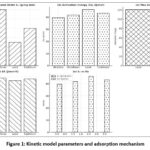 |
Figure 1: Kinetic model parameters and adsorption mechanism |
Adsorption isotherms: thermodynamic parameters
An evaluation of surface-modified Chak’o nano-clay adsorption behavior occurred through application of the Langmuir and Freundlich adsorption isotherms. A monolayer adsorption model with finite adsorption sites explained the experimental results for all tested contaminants with the most suitable fit. The R² values exceeded 0.998 for atrazine and reached 0.999 for lead indicating that adsorption follows specific sites because the model fit excellently while indicating adsorption occurs on specific sites until reaching saturation after certain amounts are adsorbed. The tested contaminants reached maximum adsorption levels at 65.4 mg/g diclofenac and 59.8 mg/g atrazine as well as 120.7 mg/g lead and 110.5 mg/g cadmium on Chak’o nano-clay. Adsorption behavior per the Freundlich model demonstrated moderate specificity through Kf values ranging from 9.8 mg/g for atrazine up to 12.5 mg/g for lead because it behaves similarly to non-monolayer adsorptive interactions (Fig. 2). Thermodynamic calculations of Gibbs free energy (ΔG) together with enthalpy (ΔH) and entropy (ΔS) determined the spontaneous nature together with feasibility of the adsorption mechanism. The negative values of ΔG demonstrate that the adsorption process of all target chemicals occurs spontaneously because it shows thermodynamic favorability. The adsorption process exhibited favorable characteristics based on the obtained ΔG values which were -10.2 kJ/mol for diclofenac and -9.6 kJ/mol for atrazine as well as -12.0 kJ/mol and -11.3 kJ/mol for lead and cadmium respectively (Fig. 2). All adsorption processes were endothermic according to the ΔH values that indicated 41.0 kJ/mol for diclofenac and 39.7 kJ/mol for atrazine and 46.2 kJ/mol for lead and 43.3 kJ/mol for cadmium. This positive heat requirement characterizes fundamental chemical adsorption patterns. These positive values of ΔS indicate that randomness increases because of the adsorption between the surface and the adsorbates. The interaction of nano-clay surface with contaminants caused the system to become more disordered while the system acquired +68.3 J/mol. K for diclofenac and +70.5 J/mol.K for atrazine and +65.1 J/mol.K for lead and +67.2 J/mol.K for cadmium (Fig. 2).
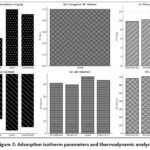 |
Figure 2: Adsorption isotherm parameters and thermodynamic analysis |
Long-term stability and reusability of chak’o nano-clay
Researchers investigated the surface-modified chak’o nano-clay’s persistence in adsorption followed by desorption tests through ten successive use cycles by conducting the investigations as displayed in the presented table. Chak’o nano-clay exhibits promising durability for water purification applications because it preserves most of its adsorption ability during consecutive usage cycles. The nano-clay material removed 92.4% of diclofenac pharmaceuticals during the first cycle before this decreased to 82.0% in the tenth cycle. The adsorption process for pesticides (atrazine) started at 93.0% efficiency and ended at 84.2% by completion of cycle 10. The nano-clay technology experienced performance degradation throughout the cycles yet it delivered robust contaminant removal functions until the tenth testing round (Table 2).
Heavy metals displayed the best stability when treated using chak’o nano-clay. The initial removal efficiency of lead at 99.5% during cycle 1 shifted to 94.6% throughout ten cycles. The removal efficiency of cadmium decreased from its initial value of 97.5% down to 90.2% during the ten cycles of testing. Studies showed that chak’o nano-clay functions effectively and maintain high heavy metal removal capabilities across multiple operational cycles (Table 2). The experimental outcomes demonstrate that modified Chak’o nano-clay meets the requirements for long-term water treatment systems because it shows high removal efficiency and sustainability even after ten reusability cycles. These findings establish it as a promising pollution control solution for water contaminated with organic substances and heavy metals.
Table 2: Reusability and stability over multiple cycles
|
Contaminant |
Cycle 1 (%) | Cycle 2 (%) | Cycle 3 (%) | Cycle 4 (%) | Cycle 5 (%) | Cycle 10 (%) |
| Diclofenac | 92.4 | 91.2 | 90.5 | 88.3 | 85.6 |
82.0 |
|
Atrazine |
93.0 | 91.5 | 90.3 | 88.1 | 86.0 | 84.2 |
| Lead | 99.5 | 99.0 | 98.6 | 97.9 | 97.0 |
94.6 |
|
Cadmium |
97.5 | 96.2 | 94.8 | 93.1 | 91.9 |
90.2 |
Environmental safety and toxicity assessment
Surface-modified chak’o nano-clay passes the leaching tests which show its environmental compatibility for water purification systems. The results showed that chak’o nano-clay leached at a concentration level of 0.0 mg/L during the adsorption process thus demonstrating that no nano-clay particles released into the water (Fig. 3). The test outcomes demonstrate the nano-clay particles exist in a stable form and therefore do not present environmental contamination risks through the release of particles, so they are thoroughly safe for environmental usage. All tested water contaminants such as lead and cadmium along with atrazine had leached concentrations of zero milligrams per liter following the treatment process. Long-term safety of Chak’o nano-clay is ensured by regulatory limits of lead at 5.0 µg/L, cadmium at 2.0 µg/L, and atrazine at 20.0 µg/L which exceed the detected leached concentrations. The LC50 toxicity results showed that lead has a risk value of 40.5 mg/L and cadmium at 3.7 mg/L and atrazine at 25.3 mg/L exceeding the leached concentrations measured by significant margins (Fig. 3). The nano-clay remains non-toxic since it maintains very small release amounts of pollutants throughout the adsorption process. Surface-modified chak’o nano-clay proves to be an effective and environmentally safe material for water treatment purposes which supports its use in applications for sustainable environmental protection. Experimental results from the leaching test establish the environmental security of surface-modified chak’o nano-clay when used for water purification functions. The leached concentration of chak’o nano-clay came out to be 0.0 mg/L which proves that no nano-clay particles escaped during the adsorption phase (Fig. 3). The stability test results show that nano-clay remains intact without releasing particles to the environment thus establishing its nontoxicity to protect the environment.
The water treatment using chak’o nano-clay resulted in leached concentrations of all contaminants including lead, cadmium and atrazine being 0.0 mg/L due to no detectable amounts of pollutants leaching into the final water. The leached concentrations of lead (0.0 mg/L), cadmium (0.0 mg/L) and atrazine (0.0 mg/L) exceeded regulatory limits due to their substantial differences from limits of 5.0 µg/L, 2.0 µg/L and 20.0 µg/L thereby establishing the long-term safety of using chak’o nano-clay (Fig. 3). A comprehensive toxicity assessment showed the risk (LC50) levels for lead measured to 40.5 mg/L and cadmium at 3.7 mg/L as well as atrazine at 25.3 mg/L which remained much higher than the concentrations that leached (Fig. 3). The nano-clay exhibits non-toxic behavior since it does not emit dangerous contaminants to the environment when performing adsorption operations. The research demonstrates that surface-modified Chak’o nano-clay functions as an efficient environmentally safe water treatment resource which advances sustainability objectives.
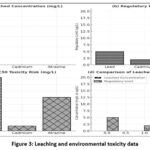 |
Figure 3: Leaching and environmental toxicity data |
Improvement in water quality for food processing applications
Surface-modified chak’o nano-clay treatment of water resulted in substantial improvements to the water quality parameters which indicates its success in purifying water for food processing purposes. Food processing standards require water turbidity levels to be less than 5 NTU but the pre-treatment water presented 12.5 NTU. The nano-clay effectively cleaned the water solution by decreasing turbidity from 12.5 NTU to 1.2 NTU thus fulfilling the required water standard. An improvement of water quality through nano-clay usage is confirmed by the measured reduction of Total Dissolved Solids from 450 mg/L to 225 mg/L within the food processing acceptable range of ≤500 mg/L (Table 3). The water pH rose from 6.8 to 7.2 but maintained levels that remain suitable for food processing between 6.5 and 7.5 thereby showing the treated water presents neither acid nor alkaline characteristics suitable for food applications. Laboratory results confirmed the microorganisms decreased from 200 CFU/mL to 15 CFU/mL thereby surpassing the food-processing water requirement of ≤10 CFU/mL. Experimental results proved that the effectiveness of Chak’o nano-clay extends beyond physical and chemical contaminant removal because it successfully decreased microbial counts thus securing safe water suitable for food operations (Table 3).
The research shows Chak’o nano-clay exhibits excellent potential for water purification therefore establishing itself as an appropriate solution for food safety-related applications that require high-quality water.
Table 3: Water quality parameters for food processing after treatment
|
Water quality parameter |
Before treatment | After treatment | Food processing standard |
| Turbidity (NTU) | 12.5 | 1.2 |
≤5 NTU |
|
Total dissolved solids (TDS) (mg/L) |
450 | 225 | ≤500 mg/L |
| pH | 6.8 | 7.2 |
6.5 – 7.5 |
|
Microbial count (CFU/mL) |
200 | 15 |
≤10 CFU/mL |
Discussion
Research results demonstrate significant evidence that surface-modified chak’o nano-clay represents both a sustainable and efficient technique for water purification of emerging contaminants including pharmaceuticals and pesticides alongside heavy metals. During adsorption the Langmuir isotherm applied while demonstrating that adsorption takes place on specified finite sites at the surface which supports the material’s high potential to absorb different contaminants. The Langmuir adsorption capacity (Qₘ) measurements demonstrated 65.4 mg/g for diclofenac and 59.8 mg/g for atrazine and 120.7 mg/g for lead while cadmium showed a capacity of 110.5 mg/g on this adsorbent material. The obtained R² values between 0.998 and 0.999 support the application of the Langmuir isotherm model because adsorption occurs until saturation while simultaneously avoiding the formation of additional adsorption layers on the surface.26,27
Using pseudo-second-order models scientists found excellent matches with experimental adsorption data because chemical bond formation dominates over physical adsorptive interactions between nano-clay and contaminants throughout the process. Laboratory results indicate the chemical bond nature of contaminant-chak’o nano-clay interactions through high R² values from 0.997 to 0.999 and steady pseudo-second-order rate constant (k₂) values.6,28 The adsorption requires energy because its ΔH values are positive at 46.2 kJ/mol for lead and 43.3 kJ/mol for cadmium which demonstrates standard characteristics of chemical bonding. Chak’o nano-clay adsorption increases randomness or disorder throughout the process as evidenced by positive ΔS values because this matches the molecular rearrangement and surface-attracting behaviors between contaminants and nano-clay functional surfaces.29
Through repeated usage Chak’o nano-clay demonstrated superior abuse resistance including high adsorption capacity at each cycle. The heavy metal removal capacity exhibited low decline between the first and tenth cycles using chak’o nano-clay for heavy metal removal. Lead removal started at 99.5% in Cycle 1 and reduced to 94.6% in Cycle 10 while cadmium removal started at 97.5% in Cycle 1 and decreased to 90.2% in Cycle 10. The nano-clay shows excellent stability characteristics which makes it well-suited for extended periods of water treatment use.30,31 The leaching tests showed that chak’o nano-clay maintains an environmentally-safe status because it does not transfer dangerous substances into treated water throughout extended use. The results match what previous studies demonstrated about modified clays as reliable and lasting adsorbents in water treatment systems.32-36 Chak’o nano-clay proved powerful in decreasing both turbidity and TDS and killing microbial contaminants in water. The processed water satisfied the necessary criteria for food processing safety purposes. Chak’o nano-clay proved effective at extracting substantial microbial contaminants while simultaneously decreasing the turbidity which demonstrates its ideal suitability for food safety applications.8
Limitations and future directions
While the study demonstrates strong adsorption performance and environmental safety of surface-modified Chak’o nano-clay for the removal of pharmaceuticals, pesticides, and heavy metals from contaminated river water, there are several limitations to consider. First, the adsorption experiments were conducted under controlled laboratory conditions, which may not fully reflect the complexity of natural water systems where variables such as organic matter content, competing ions, seasonal fluctuations, and varying pH can affect performance. Future studies should validate these findings under real field conditions, including pilot-scale testing in diverse environmental settings. Although the modified nano-clay showed high reusability over ten cycles, its long-term mechanical and structural stability under continuous operation in full-scale treatment plants remains unexplored. Extended-cycle studies with real wastewater streams, including evaluation of potential structural fatigue or fouling, are needed to confirm its durability and cost-effectiveness in real-world applications. The scope of emerging contaminants was limited to four representative compounds diclofenac, atrazine, lead, and cadmium. Given the broad and evolving nature of emerging contaminants (e.g., PFAS, endocrine-disrupting compounds, antibiotic-resistant genes), further research should explore the adsorption behavior of chak’o nano-clay against a wider range of pollutants, including those with different physicochemical properties. Additionally, the regeneration method used in this study ethanol washing and heat drying is simple and effective but may not be optimal for large-scale, resource-efficient treatment systems. Future investigations should develop and assess greener, lower-energy regeneration strategies that preserve the nano-clay’s functionality while minimizing operational costs and environmental impact.
Conclusion
Surface-modified Chak’o nano-clay shows remarkable effectiveness in capturing a wide assortment of emerging contaminants because it removes pharmaceutical products and pesticides and heavy metals from water. Heavy metals such as lead, and cadmium show remarkable adsorption through surface-modified chak’o nano-clay because of its strong chemical adsorption mechanisms and excellent material adsorption activities. The adsorption process based on the Langmuir isotherm and pseudo-second-order kinetics progresses primarily through chemical interactions which leads to both high selectivity and effective contaminant removal. Chak’o nano-clay exhibits stability during multiple cycles of usage while maintaining environmental safety characteristics in addition to its continuous adsorption efficiency. The processed water showed suitable conditions for food processing purposes thus confirming that Chak’o nano-clay effectively cleans water by simultaneously removing microbes and suspended matter for food safety needs. Surface-modified Chak’o nano-clay functions as a sustainable and affordable and environmentally friendly material meant for use in large-scale water treatment systems dedicated to polluted areas from industrial and agricultural activities.
Acknowledgement
All the authors are highly thankful to National University of Huancavelica, Huancavelica, Perú for their moral support.
Funding Sources
The author(s) received no financial support for the research, authorship, and/or publication of this article.
Conflict of Interest
The authors do not have any conflict of interest.
Data Availability Statement
This statement does not apply to this article.
Ethics Statement
This research did not involve human participants, animal subjects, or any material that requires ethical approval.
Informed Consent Statement
This study did not involve human participants, and therefore, informed consent was not required.
Clinical Trial Registration
This research does not involve any clinical trials.
Permission to Reproduce Material from Other Sources
Not applicable
Author Contributions
- Russbelt Yaulilahua-Huacho: Led the overall research design and methodology, coordinated data collection, and contributed to the interpretation of the results.
- Liliana Asunción Sumarriva-Bustinza: Played key roles in data analysis and manuscript writing.
- José Carlos Ayuque-Rojas: Played key roles in data analysis and manuscript writing.
- Cesar Castañeda-Campos: Contributed significantly to the study and conceptual framework and provided valuable insights during the revision process.
- Rubén Garcia-Ticllacuri: Contributed significantly to the study and conceptual framework and provided valuable insights during the revision process.
- Bryan Jefferson Abollaneda-Altamirano: Instrumental in conducting literature reviews andsupporting the statistical analysis.
- Natally Gutierrez-Sierra: Provided support with data interpretation and validation.
- Judy Huamancaja-Arias: Assisted with drafting and editing the manuscript.
- Alcidiades Merino-Carhuapoma: Contributed to the collection and analysis of experimental data.
- Cinthia Elizabeth Anccasi-Esteban: Contributed to the collection and analysis of experimental data.
- Manuel Castrejon-Valdez: Provided expert guidance on research methodology and results interpretation.
- Luis Quispealaya-Armas: Assisted in project coordination and provided technical support throughout the research process.
References
- Sharma K, Rajan S, Nayak SK. Water pollution: primary sources and associated human health hazards with special emphasis on rural areas. In: Water Resources Management for Rural Development. Elsevier; 2024:3-14.
CrossRef - Das A. Evaluation of surface water quality in Brahmani River Basin, Odisha (India), for drinking purposes using GIS-based WQIs, multivariate statistical techniques and semi-variogram models. Innov Infrastruct Solut. 2024;9(12):484. doi:10.1007/s41062-024-01245-4
CrossRef - Chaturvedi P, Shukla P, Giri BS, et al. Prevalence and hazardous impact of pharmaceutical and personal care products and antibiotics in environment: a review on emerging contaminants. Environ Res. 2021;194:110664. doi:10.1016/j.envres.2021.110664
CrossRef - Rathi BS, Kumar PS, Show PL. A review on effective removal of emerging contaminants from aquatic systems: current trends and scope for further research. J Hazard Mater. 2021;409:124413. doi:10.1016/j.jhazmat.2020.124413
CrossRef - Zhang T, Wang W, Zhao Y, et al. Removal of heavy metals and dyes by clay-based adsorbents: from natural clays to 1D and 2D nanocomposites. Chem Eng J. 2021;420:127574. doi:10.1016/j.cej.2021.127574
CrossRef - Iravani R, An C, Adamian Y, Mohammadi M. A review on the use of nanoclay adsorbents in environmental pollution control. Water Air Soil Pollut. 2022;233(4):109. doi:10.1007/s11270-022-05764-1
CrossRef - Feng C, Wu ZP, Huang KW, Ye J, Zhang H. Surface modification of 2D photocatalysts for solar energy conversion. Adv Mater. 2022;34(23):2200180. doi:10.1002/adma.202200180
CrossRef - Awasthi A, Jadhao P, Kumari K. Clay nano-adsorbent: structures, applications and mechanism for water treatment. SN Appl Sci. 2019;1(9):1076. doi:10.1007/s42452-019-1114-1
CrossRef - Khulbe KC, Matsuura T. Removal of heavy metals and pollutants by membrane adsorption techniques. Appl Water Sci. 2018;8:19. doi:10.1007/s13201-018-0661-6
CrossRef - Du Z, Deng S, Bei Y, et al. Adsorption behavior and mechanism of perfluorinated compounds on various adsorbents: a review. J Hazard Mater. 2014;274:443-454. doi:10.1016/j.jhazmat.2014.04.038
CrossRef - Lu Y, Song S, Wang R, et al. Impacts of soil and water pollution on food safety and health risks in China. Environ Int. 2015;77:5-15. doi:10.1016/j.envint.2014.12.010
CrossRef - Sonone SS, Jadhav S, Sankhla MS, Kumar R. Water contamination by heavy metals and their toxic effect on aquaculture and human health through food chain. Lett Appl NanoBioScience. 2020;10(2):2148-2166. doi:10.33263/LANBS102.21482166
CrossRef - Kirby RM, Bartram J, Carr R. Water in food production and processing: quantity and quality concerns. Food Control. 2003;14(5):283-299. doi:10.1016/S0956-7135(02)00101-6
CrossRef - Bhagwat VR. Safety of water used in food production. In: Food Safety and Human Health. Academic Press; 2019:219-247.
CrossRef - Tongesayi T, Tongesayi S. Contaminated irrigation water and the associated public health risks. In: Food, Energy, and Water. Elsevier; 2015:349-381.
CrossRef - Sadri N, Baghernejad M, Ghasemi-Fasaei R, Moosavi AA, Hardie AG. Characterization of clay and nanoclay extracted from a semi-arid Vertisol and investigation of their carbon sequestration potential. Environ Monit Assess. 2024;196(1):96. doi:10.1007/s10661-023-11974-x
CrossRef - Hajalilou A, Ferreira LP, Jorge MM, Reis CP, Cruz MM. Surface-modified iron oxide nanoparticles with natural biopolymers for magnetic hyperthermia: effect of reducing agents and type of biopolymers. J Compos Sci. 2024;8(10):425. doi:10.3390/jcs8100425
CrossRef - Hemmami H, Zeghoud S, Ben Amor I, et al. Green synthesis of CaO nanoparticles from chicken eggshells: antibacterial, antifungal, and heavy metal (Pb²⁺, Cr²⁺, Cd²⁺, and Hg²⁺) adsorption properties. Front Environ Sci. 2024;12:1450485. doi:10.3389/fenvs.2024.1450485
CrossRef - Perrin D. Buffers for pH and Metal Ion Control. Springer Science & Business Media; 2012.
- Eaton P, Quaresma P, Soares C, et al. A direct comparison of experimental methods to measure dimensions of synthetic nanoparticles. Ultramicroscopy. 2017;182:179-190. doi:10.1016/j.ultramic.2017.07.003
CrossRef - Yaulilahua-Huacho R, Sumarriva-Bustinza LA, Huere-Peña JL, et al. Surface engineering of Chak’o nanoclay with iron oxide and APTES for enhanced heavy metal adsorption in water treatment. F1000Research. 2025;14:334. doi:10.12688/f1000research.160253.1
CrossRef - Yahya AK, Nurmalasari E, Aini A, et al. Optimization of crude palm oil bleaching process using nano SiO₂-bleaching earth: a sustainable approach for enhanced quality and efficiency. SSRN. Published online 2024. doi:10.2139/ssrn.5342338
CrossRef - Quispe Vallejo RJ. Eficiencia de la nanoarcilla nativa (Arcilla del Chak) en la remoción de plomo (Pb) de las aguas del río Mantaro. Published 2024.
- Ennaceri H, Mkpuma VO, Moheimani NR. Nanoclay-modified membranes: a promising green strategy for microalgal antifouling filtration. Sci Total Environ. 2023;902:166479. doi:10.1016/j.scitotenv.2023.166479
CrossRef - Hubbe MA. Insisting upon meaningful results from adsorption experiments. Sep Purif Rev. 2022;51(2):212-225. doi:10.1080/15422119.2020.1797770
CrossRef - Tonk S, Aradi LE, Kovács G, Turza A, Rápó E. Effectiveness and characterization of novel mineral clay in Cd²⁺ adsorption process: linear and non-linear isotherm regression analysis. Water. 2022;14(3):279. doi:10.3390/w14030279
CrossRef - Faur-Brasquet C, Kadirvelu K, Le Cloirec P. Removal of metal ions from aqueous solution by adsorption onto activated carbon cloths: adsorption competition with organic matter. Carbon. 2002;40(13):2387-2392. doi:10.1016/S0008-6223(02)00055-1
CrossRef - Othman J, Treagust DF, Chandrasegaran AL. An investigation into the relationship between students’ conceptions of the particulate nature of matter and their understanding of chemical bonding. Int J Sci Educ. 2008;30(11):1531-1550. doi:10.1080/09500690701400747
CrossRef - Ankouri FZ, Lamkhanter H, Jaafar A, Lakbaibi Z, Mountacer H. Removal of crystal violet cationic dye from aqueous solution by adsorption onto bentonite clay: experimental, DFT, NBO, and molecular dynamics studies. Chem Afr. 2023;6(3):1495-1513. doi:10.1007/s42250-023-00567-2
CrossRef - Renu MA, Singh K, Upadhyaya S, Dohare RK. Removal of heavy metals from wastewater using modified agricultural adsorbents. Mater Today Proc. 2017;4(9):10534-10538. doi:10.1016/j.matpr.2017.08.077
CrossRef - Naseer A, Younas F, Munir R, et al. Clay-based nanocomposite materials used in treatment of wastewater: recent advancements, cost investigation and future perspectives. Sep Purif Rev. 2024:1-18. doi:10.1080/15422119.2024.2439961
- Meftah, S., Meftah, K., Drissi, M., Radah, I., Malous, K., Amahrous, A., … & Bouyazza, L. (2025). Heavy metal polluted water: Effects and sustainable treatment solutions using bio-adsorbents aligned with the SDGs. Discover Sustainability, 6(1), 137.
CrossRef - Meftah S, Meftah K, Lamkhanter H, et al. The main types of derivatives of plant matter and agricultural waste used as bioadsorbents for the removal of heavy metals and dyes: a review. Egypt J Chem. 2024;67(9):185-207. doi:10.21608/ejchem.2024.26476.6710
- Meftah K, Meftah S, Lamkhanter H, Bouzid T, Rezzak Y, Touil S, Abid A. Extraction and optimization of Austrocylindropuntia subulata powder as a novel green coagulant. Desalin Water Treat. 2024;318:100339. doi:10.5004/dwt.2024.100339
CrossRef - Meftah K, Meftah S, Lamkhanter H, Touil S, Abid A. Study of methylene blue dye adsorption onto biochar derived from Austrocylindropuntia subulata plant. IOP Conf Ser Earth Environ Sci. 2024;1398(1):012006. doi:10.1088/1755-1315/1398/1/012006
CrossRef - Meftah K, Meftah S, Lamkhanter H, Hamzaoui I, Touil S, Abid A. Green flocculant performance for wastewater treatment using cactus plant powder: a mini-review. J Anal Sci Appl Biotechnol. 2023;5(1):Anal-Sci.
 PlumX:
 Views: 50
  PDF Downloads:
133
PDF Downloads:
133 
Accepted on: 14 Aug 2025
Second Review by: Said Meftah
Final Approval by: Dr. Angelo Maria Giuffrè





Web of Science Coverage
Emerging Sources Citation Index (ESCI)
2024 Journal Impact Factor: 1.1
Scopus Journal Metrics
CiteScore 2024: 1.9
CiteScore Details
Sustainable Nutrition: Food Systems, Nutrient Retention, and Public Health Impact
This journal is a member of, and subscribes to the principles of, the Committee on Publication Ethics (COPE)