
Nutritional Profiling, Phytochemical Composition, and Glycemic Benefits of Indigenous Plant-based Powdered Beverages
 , Chizimihe Modestus Agugo2, Grace Ifeoma Okwu3, Hanson Osadiaye Taiwo Iyawe4
 1Department of Human Nutrition and Dietetics, Ambrose Alli University, Ekpoma, Nigeria.
2Department of Economics and Developmental Studies, Alex Ekwueme Federal University Ndufu-Alike-Ikwo, Nigeria.
3Department of Microbiology, Ambrose Alli University, Ekpoma, Nigeria.
4Department of Biochemistry, Ambrose Alli University, Ekpoma, Nigeria.
Corresponding Author Email: auagugo@aauekpoma.edu.ng
DOI : http://dx.doi.org/10.12944/CRNFSJ.13.3.34
Download this article as:

Plant-based foods and beverages are culturally adaptable; they offer healthier dietary options and have the potential to regulate blood glucose response. Existing research has largely focused on liquid plant-based beverages, with minimal attention to solid forms. This study aims to fill this gap by determining the nutritional profile and phytochemical compositions of powdered plant-based beverages, and their effects on blood glucose response. Soybean, the primary component of the beverage, was processed by two separate methods (toasted and fermented-boiled). Samples included four blends (TS1, TS2, FBS1, and FBS2) of ginger, tiger nuts, dates, and soybean. The proximate, micronutrients, amino acid profile, phytochemical compositions and fungal count of the beverages were determined using standard methods. Consumer acceptability of eight beverages, obtained from 20g and 50g dilutions of each sample in 250ml of water, as well as the glycemic index (GI) and glycemic load (GL), were analyzed. Data obtained were subjected to statistical analysis. The study observed high protein (41.3-46.2%) and fiber (19.22-26.05%) contents, with significantly high protein levels (p<0.05) in beverages with toasted soybean (TS1 and TS2). The beverages had relatively low levels of moisture (1.29-2.09%) and fungal counts (6-10 log10 sfu/g). High amounts of vitamins C and E were found compared to iron, zinc, and calcium levels. The beverages contained varying amounts of amino acids, with highest compositions found in TS1 (5g-Ginger:25g-Tiger nuts: 10g-Dates:60g -Soyabean). Phytochemical composition of the drinks ranged as follows: saponin (5.59-9.99g/100g), alkaloids (5.26-7.52g/100g), tannin (1.65-2.72g/100g), phytates (1.65-2.62g/100g), flavonoids (2.95-4.96g/100g), and carotenoids (2.39-4.47g/100g). With the exceptions of sample TS2-1 (4.47) and FBS2-2 (4.27), the beverages were generally liked by the test panel members. The blend with 60% fermented-boiled soybean at 50g dilution concentration (FBS1-2) had the highest score, though not significantly different (p>0.05) from TS1-1, TS1-2, FBS1-1, FBS2-1, and TS2-1 samples. The glycemic index (20.04-31.52mmol/L) and glycemic load (10.02-15.76) of the beverages were relatively low. Our study shows that the formulated powdered plant-based beverages, can be a valuable addition to the diet of Nigerians, offering not only nutritional benefits but also a low glycemic index and load.
KEYWORDS:Beverages; Consumer Acceptability; Glycemic Response; Phytochemical; Plant-Based
Introduction
In recent years, there has been a significant shift towards plant-based foods as people have become increasingly aware of their health benefits. Plant-based foods and beverages are healthier dietary options, they are culturally adaptable and have the potentials of regulating blood glucose level. The basic component of most traditional plant-based foods is soybean, possibly because of its high protein, essential fatty acids and beneficial phytochemicals.1,2 Soybean-based indigenous drinks, such as milk and tempeh, are staples in many cultures around the world, particularly in Asia, Africa and Latin America.3 In Nigeria, indigenous plant-based beverages like soybean milk, zobo drink, Tiger nut drinks, and soya kunu,4 are gradually gaining interest, but have not been extensively studied. The nutritional and health potentials of solid plant blends, as beverages remain unexplored.
Phytochemicals are natural occurring compounds found in various parts of plants. They vary among plant species, primarily found in the roots, stems, leaves, flowers, fruits and seeds of plants.5 These compounds including, alkaloids, flavonoids, carotenoids, saponins, beta-carotene, phytates, tannins and polyphenols contained in plant-based diets are associated with nutritional and health benefits, protecting against chronic diseases, such as coronary heart disease, diabetes, cancers, hypertension, inflammation, among others.6,7 Phytonutrients are abundant in fruits, vegetables, nuts, cereals and legumes. However, processing methods can alter the nature and composition of phytochemicals in pant-based diets, emphasizing the need to consider processing methods with less destructive effect
Soybean (Glycine max) is a grain legume widely valued for its phytochemical compositions (isoflavones, phenolic acids, flavonoids, saponins, phytosterols) and suitability in various traditional diets. In most countries, soybean is used for the production of milk, tofu, and fermented products, making it a staple for diverse populations. Soybean-based products are generally high-protein plant foods, containing 36–56% protein and 18% unsaturated fat,8 depending on the processing methods. Studies have confirmed the benefits of soybean phytonutrients (isoflavones) in managing non-communicable diseases such as lactose intolerance, osteoporosis and metabolic diseases, including chronic diseases like diabetes and certain cancers.8,9 Soybean-based drinks have been projected with the potential of low glycemic index (GI), which is suitable for individuals with diabetes.10-13 According to the Harvad Chan School of Public Health,14 “Soy is a nutrient-dense source of protein that can safely be consumed several times a week”. Substituting soybean with other plant components such as tiger nuts, dates, and ginger in beverage production, could improve palatability of drinks by reducing the beany flavor associated with soy products, and enhance their overall appeal. Processing methods like fermentation, boiling, and toasting effectively reduce the anti-nutrient content of soybeans to safer levels. These techniques are also believed to reduce the beany flavor while improving the sensory qualities of soybean-based food products
Tiger nuts (Cyperus esculentus) are small, tuberous rhizomes known for their rich nutritional and health benefits.15 In Asia, tiger nuts are added to soybean drinks to provide a creamy texture and a slightly sweet, nutty flavor, improving both sensory qualities and nutritional profiles.16,17 Tiger nuts are a good source of bioactive minerals, such as magnesium (118.14mg), potassium (267.18mg), calcium (43.36 mg), and iron (2.82 mg),18
Dates (Phoenix dactylifera) are commonly used as natural sweeteners in various plant-based beverages and cereals,19 due to their high sugar content and rich nutritional profile. They are a good source of energy (12-15%), dietary fiber (8g), B-complex vitamins (23.85µg- 207 µg) and minerals (0.3 mg -713 mg).20 Dates have the potential to lower blood cholesterol levels and are beneficial for energy replenishment, digestive health and overall nutritional balanceDespite their sweetness, dates have a relatively low glycemic index (GI), meaning they do not cause significant spikes in blood sugar levels when consumed in moderation.24,25
Ginger (Zingiber officinale) is widely used in traditional medicine and culinary applications for its strong aroma, as well as its bioactive components (gingerols, shogaols, and zingerone) with anti-inflammatory, anti-cancer, and antioxidant properties.26,27 The effectiveness of ginger in improving gastrointestinal motility and reducing the risk of indigestion and nausea has been confirmed.28-29 Studies indicate that ginger can lower fasting blood sugar levels and hemoglobin A1c, a marker for long-term blood sugar control.30
The traditional plant-based beverages in Nigeria are primarily in liquid form and due to their processing methods, are only intended to be kept for a few (2-3) days in the refrigerator to prevent contamination by harmful microorganisms. This limitation restricts the adoption and integration of diverse plant-based beverages into the Nigerian food system. Given the limited storage facilities available to the rural poor and the unstable electric power situation in both urban and rural settings in Nigeria, solid forms of beverages with flexible storage properties would be more acceptable and adaptable. Research has predominantly focused on liquid plant-based beverages, while the production and evaluation of powdered forms remain scarce or virtually nonexistent. This study, therefore, addresses this gap by exploring the nutritional profile and phytochemical compositions of powdered plant-based beverage blends and their effect on blood glucose response.
Materials and Methods
Procurement of Food Materials
The food materials used for the study, fresh soybean seeds, dry dates, dry brown tiger nuts variety, fresh ginger, and salt, were procured from Market in Ekpoma, Edo State, Nigeria.
Facility/Equipment
The production of the drinks and the testing of blood glucose response in subjects were carried out with the equipment in the food processing and biochemical laboratories of the Faculty of Life Sciences at Ambrose Alli University, Ekpoma.
Production of Soybean Flour
A modification of the method described by Agugo et al.19 was used to process fresh soybean seeds into flour, applying two heat treatments: boiling and toasting processing methods.
Moist Heat Treatment
A portion (1 kg) of soybean seeds was cleaned, soaked for 12 hours and boiled for 30 minutes. The boiled soybean sample was drained and dried at 60°C in an oven (DNG-9140) for 1 hour and 15 minutes, constantly turned to ensure proper drying and avoid burning. The naturally fermented, boiled and oven dried soybean sample was ground into fine powder using a health-breaking wall extraction machine (New Silver Crest MOWHOOTb, 8000BT) and packaged in an airtight plastic container after cooling.
Dry Heat Treatment
Another portion (1 kg) of soybean seeds was cleaned and toasted at 121°C over a low gas cooker flame until light brown (1 hour). The toasted soyabean sample was allowed to cool in a stainless tray and placed on the laboratory work surface, ground into fine flour using a health-breaking wall extraction machine (New Silver Crest MOWHOOTb, 8000BT) and packaged in an airtight plastic container.
Production of Date flour
One hundred grams of dry date samples were cleaned washed, drained and allowed to dry in an oven (model DHG), at 60°C for 20 minutes. After cooling, cleaned dates were cracked on a wooden surface to remove the seeds and reduce the particle size. They were then ground into flour using the health-breaking wall extraction machine New Silver Crest MOWHOOTb, 8000BT), and packaged in an airtight plastic container for further use.
Production of Ginger Flour
Fresh ginger samples were thoroughly washed three times in clean water to remove sand. The ginger was drained in a sieve, sliced, and dried in the oven (model DHG), at (60°C) for 2.5 hours, with constant turning to ensure proper drying and avoid burning. Dried ginger sample was ground into fine powder using the same blending machine and packaged in an airtight plastic container.
Production of Tiger Nut Flour
One and half kilogram (1.5kg) of dry Tiger nuts were washed three times in saltwater, rinsed thoroughly with clean water to remove dirt and sand, and allowed to drain in a sieve. Cleaned Tiger nuts were dried at room temperature on black nylon on the laboratory work surface for 72 hours, ground into fine powder using a health-breaking wall extraction machine (New Silver Crest MOWHOOTb, 8000BT) and packaged in an airtight plastic container for further use.
Sample Formulation
Four powdered, plant-based beverages were developed (Table 1) to serve as high-calorie drinks with additional functions. To achieve this, protein and calorie-rich ingredients were incorporated in higher proportions: legume- soyabean (50–60%), tuber-tiger-nut (25–30%), fruit- dates (10–15%), and rhizome- ginger (5%), which also acted as healthier spice. The formulated samples were homogenized using a health-breaking wall extraction machine (New Silver Crest MOWHOOTb, 8000BT) and stored in separate airtight plastic containers for chemical analysis, including tests for consumer acceptability and glycemic response. Additional beverage samples, prepared based on the developed standard, were produced specifically for glycemic index evaluation.
Chemical and Microbial Analysis of Powdered Soyabean-based beverages
The beverages were subjected to chemical analysis, following specific standard methods, to determine their proximate (macro and micro nutrients); phytonutrient (carotenoids, phytate, tannin, saponin, alkaloids, and flavonoids) compositions;31-33 amino acid profile,34 and fungi isolation through an improved slide culture technique for the microscopic identification of species and a fungi atlas.35,36
Consumer acceptability
Thirty (30) semi-trained test panel members recruited among staff and students of the faculty of Life Sciences Ambrose Alli University, evaluated the beverages. The modification of the standard methods of Mauren37 was adopted. Eight beverages generated from dilution of 20g and 50 g of each sample in 250ml of water were evaluated on a 9-point Hedonic scale of rating. The drink samples-20 g diluted in 250 ml of water (TS1-1, TS1-2, FBS1-1, FBS1-2) and 50 g diluted in 250 ml of water (TS2-1, TS2-2, FBS2-1, FBS2-2) were presented individually to taste panel members in transparent disposable cups. Clean drinking water was provided for rinsing their mouths after evaluating and rating each sample. The analysis was carried out in a well-ventilated, well-lit taste panel room.
Glycemic Index (GI) and glycemic load (GL) of Beverages
The glycemic index of beverages was determined following the standard methods of FAO/WHO-ISO 26642:2010 food products, 38 as outlined by Flavel and colleagues.39
Procedure
Ten healthy adult male (4) and female (6) between the ages (20-48), with normal body mass index (18.5 to 24.9), no history of diabetes, and not under any medication as at the time, were recruited from the staff and student of the Faculty of Life Sciences, Ambrose Alli University, based on their interest to participate in the blood glucose test.
Fifty grams (50g) of commercial glucose powder (glucose-D) was dissolved in 250 mL of water (standard measure). Similarly, 50g carbohydrate equivalents (790g, 1250g, 720g, 390g) for the test beverages (TS1, TS2, FBS1, and FBS2) were measured using an electronic scale (SF-400, Capacity 7000g x1g/248oz.1oz), diluted in 250 mL of water (standard measure), and served to the subjects. Due to the thickness of the samples, participants were allowed to add extra water according to their taste preferences and consumed the beverages in a relaxed position over 15-25 minutes. Blood glucose levels were then recorded at 30-minute intervals, starting from the time each subject finished their drink. Before administering the reference and test beverages, subjects’ fasting blood glucose levels were recorded. The blood glucose levels of subjects were measured using a glucometer (ACUCheck Active (SN-BB27084924-Germany) Capillary blood glucose was measured from finger-prick (left-hand) of each subject, all through the process. The baseline (0 mins) blood samples were obtained from subjects after 12-hour fasting and at 30, 60, 90 and 120 min, over 2-hour period, after the consumption of each test diet. Subjects were allowed to drink only water between testing intervals. Subjects had a day rest after each test and the process lasted for 10 days.
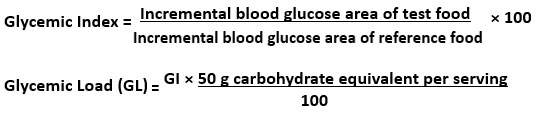
The scores obtained from each subject at various intervals for the different diets, were used to calculate the incremental area under the curve (iAUC) for each diet (beverage). Blood glucose levels were plotted against time of consumption, to generate a curve from which the incremental area under the curve was calculated. The glycaemic index (GI) of each beverage was calculated geometrically by expressing the incremental area under the blood glucose curve as a percentage of each subject’s average incremental area under the blood glucose curve for the standard food. The glycemic load (GL) for each of the test beverages were obtained by multiplying the GI by carbohydrate per serving and divided by hundred.40
Ethical Requirements
An approval letter was obtained from the ethical committee of Ambrose Alli University, Ekpoma, 14 days after submitting the study proposal. Signed consent forms were obtained from the 10 subjects that participated in the study after clearly informing them about the testing procedure and the study’s purpose. Information obtained from the subjects was handled with utmost confidentiality. The research team provided a nutritious breakfast to the subjects for the five days of testing.
Statistical Analysis
Raw scores generated from the chemical compositions, consumer acceptability and glycemic response of subjects, were analyzed using the Statistical Package for the Social Sciences (IBM SPSS Statistic version 27) and R-Studio Version 4.4.2, to determine the mean, standard deviation, and analysis of variance (one-way ANOVA). Least Significant Difference (LSD) was determined at P=0.05 using Duncan ranking system.
Table 1: Formulation of plant-based indigenous powdered drink samples.
| Sample | Ginger
(g) |
Tiger nut
(g) |
Dates
(g) |
Toasted Soya bean (TS) (g) | Fermented-boiled soya (FBS) bean (g) |
| TS 1 | 5 | 25 | 10 | 60 | – |
| FBS1 | 5 | 25 | 10 | – | 60 |
| TS2 | 5 | 30 | 15 | 50 | – |
| FBS2 | 5 | 30 | 15 | – | 50 |
TS: toasted soya bean; FBS: fermented-boiled soyabean,
Results
Table 2 presents the proximate composition (macronutrient content) of plant-based beverages. The ash content ranges from 4.42% to 8.62%, indicating the crude mineral content in the samples, with TS2 having the highest ash content. All samples exhibit low moisture content (1.29% to 2.09%), suggesting they are relatively dry. The fat content of the beverages varies significantly, with FBS1 having the highest fat content (19.22%) and FBS2 the lowest (12.48%). Fiber content ranges from 19.22% to 26.05%, with FBS2 having the highest fiber content. Protein content is highest in TS1 (46.2%) and TS2 (45.15%), though not significantly different from the protein content of FBS1 (43.05%) and FBS2 (41.3%)) beverages. Low carbohydrate levels (3.94% to 13.18%) were observed in the beverages, with FBS2(13.18%) having the highest carbohydrate content, while FBS1 has the highest energy content (450.3 Kcal). Almost all parameters indicated statistically significant differences among the samples, except for moisture (P = 0.26).
Table 2: Proximate Composition of Plant-based Indigenous Beverages
| Samples | Parameters | ||||||
| Ash (%) | Moisture (%) | Fat (%) | Fiber
(%) |
Protein
(%) |
Carbohydrates
(%) |
Energy (Kcal) |
|
| FBS1 | 4.42c ± 0,58 | 2.09a± 0.58 | 19.22a± 0.33 | 19.22d ± 0.36 | 43.05bc ± 1.68 | 7.01ab± 0.33 | 450.3a± 0.23 |
| FBS2 | 5.48b± 0.37 | 1.51a ± 0.32 | 12.48c ± 0.31 | 26.05a ± 0.75 | 41.3b ± 0.16 | 13.18a ± 0.21 | 374.3c±0.18 |
| TS1 | 7.83a ± 0.28 | 1.67a ± 0.33 | 16.52b ± 0.57 | 21.42c ± 0.42 | 46.2a ± 0.16 | 6.35bc±.1.32 | 444.6b±0.97 |
| TS2 | 8.62a ± 0.37 | 1.29a ± 0.36 | 17.38b ± 0.27 | 23.61b ± 0.25 | 45.15a ± 0.43 | 3.94c ± 1.05 | 447.2b± 0.88 |
TS1(5G:25T: 10D:60S); FBS1(5G:25T; 10D:60S); TS2(5G:30T: 15D:50S); FBS2(5G:30T; 15D:50S). Result of average of the duplicate determinations are expressed as mean ± SD at P<0.05 significant: TS: toasted soyabean; FBS: fermented-boiled soyabean; G: ginger; T: tiger nuts; D: dates; S: soyabean
Table 3 presents the micronutrient content of the samples. Vitamin E was highest in TS1 (41.94 mg/100g) and lowest in TS2 (35.56 mg/100g). Vitamin C was highest in FBS1 (182.6 mg/100g) and lowest in FBS2 (117 mg/100g). The highest iron content was found in TS2 (1.23 mg/100g) and the lowest in TS1 (0.49 mg/100g). Zinc was highest in TS1 (2.42 mg/100g) and lowest in FBS1 (0.65 mg/100g). Calcium was highest in TS2 (5.27 mg/100g) and lowest in FBS1 (3.12 mg/100g). All P-values indicated significant differences (P = 0.05).
About 16 amino acids were variably present across the different samples, with a higher range of amino acids found in the beverages with toasted soybean composition (Table 4). For instance, the six essential amino acids—methionine, lysine, phenylalanine, tryptophan, isoleucine, and histidine—present in the beverages are all higher in TS1 and TS2 beverages. Isoleucine was almost absent in all the samples except in TS2 (15.47 µg/ml). Generally, cysteine and isoleucine were the least abundant essential amino acids in the beverages.
Table 5 outlines the phytonutrient content of the samples. Saponin was highest in FBS1 (9.99 g/100g) and lowest in TS1 (5.59 g/100g). The highest alkaloid content was found in TS1 (7.32 g/100g) and the lowest in FBS2 (5.26 g/100g). Tannin content was similar across samples, with a slight variation; TS2 recorded the least content (1.65g/100g). Phytates were highest in TS1 (2.62 g/100g) and lowest in TS2 (1.65 g/100g). Samples with 50% soybean composition (TS2 and FBS2) recorded the highest flavonoids (4.41-4.96 g/100g), while the lowest was found in TS1 (2.95 g/100g). Sample FBS2 had the highest carotenoid (4.47mg/100g), followed by TS2 (4.2 mg/100g), while the lowest value was found in TS1 (2.39 mg/100g). The p-values showed significant differences (P = 0.05) in all phytonutrient parameters evaluated.
Table 6 presents the total viable fungal counts (spore-forming units per gram, sfu/g) recorded from various beverages. The counts ranged from 6 to 10 sfu/g and are labeled TFTC (Too Few to Count), indicating minimal fungal concentration. The major fungal species found in the beverages were, Penicillium link and Aspergillus fumigatus (TS1); Mucor circinelloides, Fusarium oxysporum, and Penicillium lanosum (TS2); Penicillium cyclopium and Mucor circinelloides (FBS1); and Aspergillus flavus, Aspergillus niger, and Fusarium solani (FBS2).
Table 3: Micronutrient Composition of Plant-based Indigenous Beverages
| Samples | Parameters | ||||
| Vitamin E (mg/100g) | Vitamin C (mg/100g) | Iron (mg/100g) | Zinc (mg/100g) | Calcium (mg/100g) | |
| TS1 | 41.94a± 0.53 | 159.30b± 0.43 | 0.49b± 0.98 | 1.58ab± 0.19 | 4.16b± 0.21 |
| FBS1 | 39.29b ±1.14 | 182.60a ±4.9 | 1.22a ±0.27 | 0.65c± 0.12 | 3.12c± 0.02 |
| TS2 | 35.56c 0.31 | 122.10c ±0.47 | 1.23a± 0.14 | 2.42a± 0.55 | 5.27a± 0.35 |
| FBS2 | 38.74b± 2.65 | 117.00c± 0.46 | 0.95a± 0.78 | 1.29bc± 0.22 | 3.17c± 0.09 |
TS1(5G:25T: 10D:60S); FBS1(5G:25T; 10D:60S); TS2(5G:30T: 15D:50S); FBS2(5G:30; 15D:50S). Result of average of the duplicate determinations are expressed as mean ± SD at P<0.05 significant. TS: toasted soyabean; FBS: fermented-boiled soyabean; G: ginger; T: tiger nuts; D: dates; S: soyabean.
Table 4: Amino Acid Profile of Plant-based Indigenous Beverages
| Amino acids | Samples | ||||
| FBS1
(µg/g) |
FBS2
(µg/g) |
TS1
(µg/g) |
TS2
(µg/g) |
Pr>(F) | |
| Arginine | 5.02±2.02 | 6.55±0.05 | 11.83±0.13 | 10.88±3.93 | 0.00 |
| Histidine | 8.11±0.00 | 3.87±0.03 | 26.23±0.35 | 11.97±0.03 | 0.00 |
| Methionine | 6.08±0.00 | 25.06±0.02 | 31.99±0.07 | 21.23±0.0.02 | 0.00 |
| Lysine | 11.09±0.00 | 12.05±0.00 | 14.83±0.13 | 36.69±0.21 | 0.10 |
| Threonine | 9.07±0.00 | 14.08±0.02 | 14.51±0.06 | ND | 0.00 |
| Tryptophan | 14.83±0.02 | 7.89±0.07 | 25.07±0.07 | 16.75±0.14 | 0.00 |
| Valine | 4.81±0.00 | 8.75±0.07 | 25.07±0.01 | 15.69±0.21 | 0.00 |
| Glutamic acid | 6.08±0.10 | 7.79±0.06 | 13.76±0.00 | ND | 0.1 |
| Glycine | 4.47±0.00 | 11.23±0.14 | 9.24±0.33 | 8.08±0.02 | 0.1 |
| Aspartic acid | 7.29±0.00 | 1.42±0.09 | ND | 12.16±0.00 | 0.00 |
| Proline | 2.13±0.00 | 5.02±0.00 | 16.43±0.0 | 6.71±0.21 | 0.03 |
| Alanine | 1.07±0.00 | 3.95±0.07 | 7.89±0.07 | 8.96±0.02 | 0.00 |
| Leucine | 3.09±0.00 | 3.09±0.01 | 16.33±0.00 | 23.36±0.0 | 0.03 |
| Tyrosine | 11.63±0.21 | 11.63±0.00 | 8.75±0.0 | 11.3±0.07 | 0.00 |
| Cysteine | 2.03±0.01 | ND | 7.79±0.02 | ND | 0.02 |
| Serine | 5.86±0.03 | ND | 9.49±0.01 | 10.99±0.01 | 0.03 |
| Phenylalanine | ND | 11.41±0.00 | 21.13±0.00 | 15.15±0.00 | 0.01 |
| Isoleucine | ND | ND | ND | 15.47± | 0.00 |
TS1(5G:25T: 10D:60S); FBS1(5G:25T; 10D:60S); TS2(5G:30T: 15D:50S); FBS2(5G:30; 15D:50S). Result of average of the duplicate determinations are expressed as mean ± SD at P<0.05 significant. TS: toasted soyabean; FBS: fermented-boiled soyabean; G: ginger; T: tiger nuts; D: dates; S: soyabean. ND: Not determined.
Table 5: Phytochemical Composition of Plant-based Indigenous Beverages
| Samples | Parameters | |||||
| Saponin (g/100g) | Alkaloids
(g/100g) |
Tannin
(g/100g) |
Phytates (mg/100g) | Flavonoids(g/100g) |
Carotenoids (mg/100g) |
|
| TS1 | 5.59c ±0.52 | 7.52a ±0.27 | 2.7a ±0.28 | 2.62a ±0.23 | 2.95b± 0.54 | 2.39d ±0.50 |
| FBS1 | 9.99a ±0.14 | 6.79b± 0.21 | 2.72ab ±0.36 | 2.22ab ±0.29 | 4.22a ±0.33 | 3.84c± 0.23 |
| TS2 | 6.32bc ±0.35 | 5.73b ±0.22 | 1.65b ±0.08 | 1.65b ±0.08 | 4.41a± 0.43 | 4.2b±0.15 |
| FBS2 | 6.68b ±0.35 | 5.26c ±0.28 | 2.19ab ±0.28 | 2.19ab ±0.28 | 4.96a ±0.21 | 4.47a ±0.64 |
TS1(5G:25T: 10D:60S); FBS1(5G:25T; 10D:60S); TS2(5G:30T: 15D:50S); FBS2(5G:30; 15D:50S). Result of average of the duplicate determinations are expressed as mean ± SD at P<0.05 significant: toasted soyabean; FBS: fermented-boiled soyabean; G: ginger; T: tiger nuts; D: dates; S: soyabean
Table 6: Fungal Count of Plant-based indigenous Beverages
| Samples | Fungal Isolates | Counts (sfu/g) |
| TS1 | Penicillium link, Aspergillus fumigatus | 6 (TFTC) |
| TS2 | Mucor circinelloides, Fusarium oxysporum, penicillium lanosum | 10 (TFTC) |
| FBS1 | Penicillium cyclopium, Mucor circinelloides | 7 (TFTC) |
| FBS2 | Aspergillus flavus, Aspergillus niger, Fusarium solani | 9 (TFTC) |
TS1(5G:25T: 10D:60S); FBS1(5G:25T; 10D:60S); TS2(5G:30T: 15D:50S); FBS2(5G:30; 15D:50S).
TS: toasted soyabean; FBS: fermented-boiled soyabean; G: ginger T: tiger nuts; D: dates; S: soyabean
Table 7 summarizes the consumer acceptability ratings for various beverages based on taste, texture, aroma, appearance, and general acceptability. The samples include both toasted soybean (TS) and fermented-boiled soybean (FBS) drinks, at two different concentrations (20g and 50g) in 250ml of water for each sample. The ratings indicate a higher preference for the taste of the beverage with toasted soybean at a higher concentration (TS2-2), though the value was not significantly different (P=0.05) from TS1-1, FBS1-2 and FBS2-1 samples. The highest texture rating was observed in TS2-2 (7.13), while FBS2-2 (4.07) had the lowest texture score. Test panel members favored the texture of the higher concentration of samples with toasted soybeans. The aroma of beverages with 60% soybean composition was rated highest at 50g and 20g concentrations for the FBS1-2 and TS1-1 samples, respectively. Participants showed a significant preference for the appearance of TS1-2. Generally, beverages with 60% fermented-boiled soybean at 50g dilution concentration (FBS1-2) had the highest score, though not significantly different (p=0.05) from the scores obtained for TS1-1, TS1-2, FBS1-1, FBS2-1 and TS2-1 samples.
Table 7: Consumer Acceptability of Plant-based Indigenous Beverages
| Sample | Parameter
|
||||
| Taste | Texture | Aroma | Appearance | General Acceptability | |
| TS1-1 | 6.13ab±1.99 | 6.67ab±2.09 | 6.53a±1.36 | 6.57ab± 0.93 | 6.53ab ±1.57 |
| TS1-2 | 5.4bc±2.31 | 7.10a ±1.27 | 6.40a±1.52 | 7.30a ±1.11 | 6.63ab± 1.29 |
| FBS1-1 | 3.77d±2.47 | 5.77bc±1.43 | 6.37ab±1.59 | 6.23b± 1.33 | 6.17abc± 1.39 |
| FBS1-2 | 6.03ab±2.53 | 5.73c±1.76 | 6.70a±1.23 | 6.81ab±.06 | 7.03a ±1.24 |
| TS2-1 | 5.57bc ±1.76 | 4.83d±1.72 | 5.27c± 2.26 | 5.10c ±2.24 | 4.47d ±2.66 |
| TS2-2 | 7.03a±1.49 | 7.13a±1.57 | 5.90ab±1.72 | 6.37b± 1.42 | 6.77ab± 1.61 |
| FBS2-1 | 6.80a±2.35 | 6.04bc±1.06 | 5.88ab±1.30 | 6.04b ± 0.93 | 6.96ab±1.09 |
| FBS2-2 | 4.63cd±2.06 | 4.07d±1.63 | 6.47a± 1.48 | 3.83d± 2.00 | 4.27d± 2.17 |
Means on the same column with same superscripts are not significant (P<0.05). TS1(5G:25T: 10D:60S); FBS1(5G:25T; 10D:60S); TS2(5G:30T: 15D:50S); FBS2(5G:30; 15D:50S). TS: toasted soyabean; FBS: fermented-boiled soyabean; G: ginger; T: tiger nuts; D: dates; S: soyabean. TS1-1: (20g of sample diluted in 250ml water); TS1-2: (50 g of sample diluted in 250 ml water); FBS1-1: (20g of sample diluted in 250ml water); FBS1-2: (50 g of sample diluted in 250 ml water); TS2-1: (20g of sample diluted in 250ml water); TS2-2: (50 g of sample diluted in 250 ml water); FBS2-1: (20g of sample diluted in 250ml water); FBS2-2: (50 g of sample diluted in 250 ml water).
Glycemic response of subjects for the test beverages
Blood Glucose Levels: After 30 minutes, the reference drink caused a spike in blood glucose levels compared to the test beverages. A drop in blood glucose was observed for both the reference and test diets after 60 minutes, and this drop continued at 90, and 120-minute intervals (Figure 1).
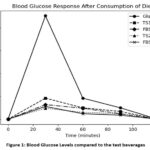 |
Figure 1: Blood Glucose Levels compared to the test beverages |
Glycemic Index and Load: The mean glycemic index and glycemic load of the plant-based beverages were relatively low, ranging from 20.04 to 31.52 and 10.02 to 15.76, respectively. However, plant-based beverages with 60% soybean (TS1 & FBS1) had significantly higher glycemic index (31.52 & 27.69) and glycemic load (15.76 &13.79) compared to the FBS2 (20.04;10.02) and TS2 (21.18; 10.59) beverages (Table 8).
Table 8. Mean Glycemic response of subjects for the test beverages
| Sample | Parameter | |
| GI (mmol/L) | GL | |
| FBS1 | 27.69b ± 8.7 | 13.79b ± 4.38 |
| FBS2 | 20.04d ± 4.58 | 10.02d ± 2.29 |
| TS1 | 31.52a ± 10.55 | 15.76a ± 5.27 |
| TS2 | 21.18c ± 3.65 | 10.59c ± 1.82 |
| Pr>(f) | 0.001 | 0.001 |
TS1(5G:25T: 10D:60S); FBS1(5G:25T; 10D:60S); TS2(5G:30T: 15D:50S); FBS2(5G:30; 15D:50S). Result of average of the 10 subjects are expressed as mean ± SD at r<0.05 significant TS: toasted soyabean; FBS: fermented-boiled soyabean; G: ginger T: tiger nuts; D: dates; S: soyabean
Discussion
The relatively low moisture content (1.29-2.09%) observed in the plant-based powdered beverages is not consistent with the high moisture levels reported in plant-based liquid beverages (39.01% to 92.34%).41-44 This low moisture content could be attributed to the powdered texture of the beverages and the dry heat application used in their production. This finding indicates that plant-based powdered beverages may offer superior storage quality compared to plant-based liquid beverages. As a result, could be more suitable for use in remote locations where access to stable electricity is limited or unavailable.
Similarly, high crude protein content (41.3-46.2%) was found in the beverages, which does not correspond with the lower range (0.3-37%) reported previously for similar products.42-46 This finding is supported by the varying appreciable amounts of essential amino acids (lysine, methionine, tryptophan, leucine, phenylalanine), including histidine, found in the beverages. Out of the sixteen amino acids present in the beverages, fourteen (arginine, histidine, methionine, lysine, tryptophan, valine, alanine, threonine, leucine, proline, glutamic acid, aspartic acid, phenylalanine, and serine) were higher in the beverages containing toasted soybean (TS1 and TS2). The lower range of amino acids observed in the beverages containing fermented-boiled soybean samples could be attributed to the more intense heat treatments applied during the processing of FBS1 and FBS2 beverages. These processes involved an initial boiling at a 100°C temperature for 30 minutes (moist heat application), followed by drying in an oven at 60°C for 1 hour and 15 minutes (dry heat application). However, the enhanced protein quality of all the beverages could be due to the high composition of soybean (50-60%) in the beverages. The observed protein quality and high energy content (374-450 kcal) of the beverages indicate that they can serve as satiety drinks, in addition to boosting hydration outside the home, for both children and adults.
The carbohydrate compositions of the beverages were low (3.94-13.18%), consistent with levels found in tiger nuts-based beverages,42-46 but in contrast with the higher range (15-55%) reported in other plant-based drinks, particularly bukutu (sorghum-based) drink.41 The highest crude fiber value was recorded in the sample with 60% fermented-boiled soybean. Interestingly, the crude fiber content of the beverages is relatively higher than the range reported in other plant-based drinks,47,48 including sweet potato-tiger nuts drinks.42 This finding could be attributed to the composition of tiger nuts and the concentrated texture of the beverages. Tiger nuts have long been reported to contain high crude fiber (13.9%) compared to other tubers.,50 The high crude fiber composition could be linked to the observed low glycemic index and glycemic load of the beverages, which resulted in the inability of the beverages to cause a spike in blood glucose levels of subjects 30 minutes after consumption. The glycemic index (20.04–31.52) and glycemic load (10.02–15.76) values observed for the plant-based powdered beverages fall within the range reported for soya food products (25–86.79)51 and plant-based foods enriched with high fiber and high protein (27.3–36.7).52 In contrast, the glycemic index of the plant-based powdered beverages is lower than the range (45-58) reported for plant-based liquid drinks.53 This low glycemic index and glycemic load can likely be attributed to the high protein and fiber content of these beverages.
The beverages contained higher levels of vitamins (E and C) than minerals (iron, calcium, and zinc). The ranges were higher in the beverages composed of fermented-boiled soybean samples. Fermentation may have improved the vitamins and bioactive compositions observed in the FBS beverages.41 The calcium content of the beverages is relatively low compared to the high amount (140 mg/100 g) reported by Oladele and Aina54 in brown tiger nuts variety, considering the appreciable (25% & 30%) brown tiger nut content of the beverages. This finding could be due to the processing method, blending, and sieving applied to achieve powdered tiger nuts flour. However, this result is supported by the calcium level reported in tiger nuts-dates-ginger blended beverages,43 and in sorghum-based drink (bukunu),41 In contrast, higher value of zinc and calcium range have been reported in sweet potato-tiger nuts drinks and other plant-based beverages.42,55
Phytochemicals determined in the plant-based indigenous beverages include saponins, tannins, flavonoids, alkaloids, carotenoids, and phytates. The phytate, tannin, and saponin composition of the beverages were higher than the levels reported in soybean-based breakfast cereals,19 and tiger nuts-dates-ginger drinks.43 On the other hand, the alkaloid, saponin, and flavonoid composition of the beverages is consistent with the levels reported in legume-based diets.56 Regular consumption of higher levels of flavonoids from diets has been found to lower the risk of cardiovascular events, diabetes, and some types of cancer.9,57,58 The alkaloid composition (0.53-0.72 mg/g) of the indigenous beverages was higher than the levels reported in selected vegetables (0.02-0.07 mg/g).59This higher level of alkaloids may be attributed to the blended effect of combining legume (soybean), tuber (tiger nuts), fruit (dates), and root (ginger). Blended plant-based foods have been shown to have synergistic effects against carcinogenesis, particularly as a therapy in breast cancer prevention.60 Saponins, present in legumes, have been found to exhibit antifungal and hypoglycemic properties. In addition to high fiber and protein, the beverages contained appreciable levels of phytonutrients, indicating that they could be beneficial for maintaining health. According to Ugo et al.,61 bioactive compounds, including phytonutrients in plant-based diets, contribute to providing various health benefits to humans.
The fungal isolation suggests that the beverages have low levels of fungal growth and are relatively safe from a microbiological standpoint. The total viable fungal count (TFC) in the beverages several days after production was supported by the zero-range reported in liquid commercial plant-based drinks ‘brukutu’.41 The low counts of fungi (6-10 log10 sfu/g) found in the soybean-based beverages a few (7) days after production could be attributed to the different heat processing methods applied. However, the presence of different types of fungi across samples suggests further investigation and quality control to ensure consistency and safety in the production and storage process.
Consumer acceptability results showed that fermented-boiled processing methods had a better effect on the aroma and appearance of the beverages, while toasting improved the taste and texture of the beverages, regardless of the dilution concentration (20 g or 50 g). With the exceptions of sample TS2-1 (4.47) and FBS2-2 (4.27), the beverages were generally liked by the test panel members, with scores ranging from 6.17 (FBS1-1) to 7.03 (FBS1-2) on a 9-point Hedonic rating scale. This finding corresponds with the range reported in the general acceptability of plant-based liquid beverages.43,62
Conclusion
The study underscores the nutritional and health benefits of powdered plant-based beverages, highlighting their high protein and fiber content, low moisture and fungal counts, and rich profiles of vitamins, amino acids, and phytochemicals.
Toasting soybeans enhances the nutritional composition of beverages, particularly their protein and amino acid content. In contrast, beverages produced using fermented-boiled processing methods recorded lower glucose response compared to those made with toasted soybeans. These findings indicate that powdered plant-based beverages, incorporating either fermented-boiled or toasted soybeans, can be a valuable addition to the diet of Nigerians, offering not only nutritional benefits but also a low glycemic index and load. Depending on individual preferences, they can be prepared by diluting 20g or 50g of the plant-based beverage powder in 250 ml of cold water.
With high levels of bioactive components, particularly protein (above 40%), and a low glycemic response, powdered plant-based beverages can serve as a healthier fluid option outside the home for school children, adults, the elderly, and diabetic patients. Further research is warranted to evaluate the biological value and metabolism of the protein in these beverages. Given their portability and ease of preparation, we recommend integrating powdered plant-based beverages into the Nigerian food system to maximize their potential as a healthful and culturally acceptable dietary option.
Acknowledgement
The authors acknowledge the efforts of the Department of Human Nutrition and Dietetics at Ambrose Alli University, Ekpoma, and the project group members: Amatobi Ngozi Rejoice Irisoh Peace Irenosen, Jimoh Kehinde, Johnson Susan Ogedengbe, Odunwo Bukola Roseline, Ehikioya David, and Akinmuwagun Febisola Deborah. Special thanks to Mr. Oludiran Joshua Isaac, the laboratory technologist from the same department, and the ten subjects who participated in the glycemic response assessment. We are grateful to the Ambrose Alli University management for providing the equipment and facilities used in the study, and to the faculty members for their active participation in the acceptability test. We appreciate the support of Miss Jennifer Ibe for the publication of this article.
Funding Sources
The authors received no financial support for the research and authorship of this article.
Conflict of Interest
The authors do not have any conflict of interest.
Data Availability Statement
The manuscript incorporates all datasets obtained from chemical, microbial, sensory analyses, and glycemic response assessments conducted throughout this research study.
Ethics Statement
Ethical approval for the study was granted by the Health Research Ethics Committee of Ambrose Alli University, Ekpoma, under NHREC registration number NHREC/12/06/2013.
Informed Consent Statement
Informed consent was obtained from participants in the glycemic response analysis, adhering to the ethical standards currently recognized for human experimentation in Nigeria.
Clinical Trial Registration
This research does not involve any clinical trials
Permission to Reproduce Material from Other Sources
The authors, grant permission for reproduction of plant-based powdered beverages from other food sources.
Author Contributions
- Udodiri Agatha Agugo – Conceptualization, Data Management, Investigation, Methodology and Resources, Validation, Writing-Original Draft.
- Chizimihe Modestus Agugo – Data Management, Software and Statistical Analysis, Investigation.
- Grace Ifeoma Okwu – Conceptualization, Data Management, Investigation, Validation, Manuscript Review.
- Hanson Osadiaye Taiwo Iyawe – Data Management, Supervision and Mentorship,
References
- Chatterjee C., Gleddie S., Xiao CW. Soybean Bioactive Peptides and Their Functional Properties. 2018;10(9):1211. https://doi.org/10.3390/nu10091211.
CrossRef - Cao Z.H., Green-Johnson J.M., Buckley N.D., et al. Bioactivity of Soy-based Fermented Foods: A Review. Biotechnol Adv. 2019;37(1):223-238. doi: 10.1016/j.biotechadv.2018.12.001.
CrossRef
- Liu K., Niu C.S., Tsai J., et al. Comparison of Area Under the Curve in Various Models of Diabetic Rats Receiving Chronic Medication. Arch Med Sci. 2020;18(4):1078-1087. doi: 10.5114/aoms.2019.91471.
CrossRef - Olagunju S., Mustapha A. The Cultural and Nutritional Significance of Soya Kunu in Northern Nigeria. Jour Food Nutr Sci. 2021;4(3):85–92.
- Appaswami L. Phytochemicals and health benefits. Ann Geriatr Educ Med Sci. 2024;11(1):29–31. https://doi.org/10.18231/ j.agems. 2024.007.
CrossRef - Tiwari B.K., Brunton N.P., Brennan C.S. Plant Food Phytochemicals.In: K. Tiwari, Nigel P. Brunton, Charles S. Brennan. Handbook of Plant Food Phytochemicals: Sources, Stability and Extraction. WILEY Online Library. 2013;1–4. https://doi.org/10.1002/9781118 464717.ch1.
CrossRef - Yang Y. Phytochemicals and Health. In: Zhang, L. (eds) Nutritional Toxicology. Springer, Singapore.2022: 309- 354. https://doi.org/10.1007/978-981-19-0872-9_12
CrossRef - Messina M. Soy and Health Update: Evaluation of the Clinical and Epidemiologic Literature. Nutrients. 2016;8(12):754. https://doi.org/10.3390/nu8120754.
CrossRef - Arnarson A., Tinsley G. Soybeans 101: Nutrition Facts and Health ffects. Healthline. June 13, 2023. Accessed March 10, 2025. https://www.healthline.com/nutrition/soybeans.
- Kim I.S. Current Perspectives on the Beneficial Effects of Soybean Isoflavones and Their Metabolites for Humans. Antioxidants. 2021; 10(7):1064. https://doi.org/10.3390/antiox10071064
CrossRef - Kim I.S. Current Perspectives on the Beneficial Effects of Soybean Isoflavones and Their Metabolites for Humans. Antioxidants (Basel). 2021 Jun 30;10(7):1064. doi: 10.3390/antiox10071064.
CrossRef - Shkembi B., Huppertz T. Glycemic Responses of Milk and Plant-based Drinks: Food Matrix Effects. Foods. 2023;12(3):453. https://doi.org/10.3390/foods12030453.
CrossRef - Barry B. Soybean glycemic index: Nutritional facts. 2024. Available from: https://www.signos.com/foods/soybean-glycemic-index. Accessed 2025 Jan 10.
- Harvard T.H Chan School of Public Health. Straight Talk About Soy. 2022. Available from: https://nutritionsource.hsph.harvard.edu/ soy/. Accessed January 10, 2025.
- Olaniyan A.A, Oboh G, Akinmoladun FI. Nutritional composition and health benefits of tiger nuts (Cyperus esculentus): A review. J Nutr Sci.
- Zhang Y., Sun S. Tiger Nut (Cyperus esculentus L.) oil: A Review of Bioactive Compounds, Extraction Technologies, Potential Hazards and Applications. Food Chem X. 2023;19:100868. https://doi.org/10.1016/j.fochx.2023.100868.
CrossRef - Bamishaiye E, Bamishaiye O.M. Tiger nut: As a plant, its derivatives and benefits. Afr Jour Food Agric Nutr Dev. 2011;11(5):5157–70. https://doi.org/10.4314/ajfand.v11i5.70443.
CrossRef - Hadiza H.A., Solomon J.H., Zainab I.S., et al. The Nutritional and Health Benefits of Tigernuts (Cyperus Esculentus L.): A Potential Astronaut Food. Frontiers. 2023;3(1):1-5. doi:10.11648/j.frontiers.20230301.11
CrossRef - Agugo U.A., Jatto E.O., Okwu G.I., et al. Physico-chemical Properties and Acceptability of Staple-based Breakfast Cereals. West Afr Jour Life Sci. 2024; 1(2):1–9.
- Nasir M.U., Hussain S., Jabbar S., et al. Mehmood A. A review on The Nutritional Content, Functional Properties and Medicinal Potential of Dates. Jour Food Sci Technol. 2015;52(10):6315–25. https://doi.org/10.1007/s13197-015-1789-z.
- Fernández-López J., Viuda-Martos M., Sayas-Barberá E., et al. Biological, Nutritive, Functional and Healthy Potential of Date Palm Fruit (Phoenix dactylifera): Current Research and Future Prospects. Agronomy. 2022; 12(4):876. doi.org/10.3390/agronomy 12040876
CrossRef - Al-Thubiani A.S., Khan M.S.A. The Prebiotic Properties of Date Palm (Phoenix dactylifera L.) Seeds in Stimulating Probiotic Lactobacillus. Jour Pure Appl Microbiol. 2017;11(4):1675–1686. https://doi.org/10.22207/JPAM.11.4.05.
CrossRef - Baliga M.S., Bhat H.P., Chiu K., et al. The Health Benefits of Date Fruit. Jour Clin Nutr Metab. 2021;33(4):202–14.
- Rahmani A.H., Aly S.M., Ali H., et al. Therapeutic Effects of Date Fruits (Phoenix dactylifera) in the Prevention of Diseases via Modulation of Anti-inflammatory, Anti-oxidant and Anti-tumour Activity. Int J Clin Exp Med. 2014;7(3):483–491.
- Mirghani H.O. Dates Fruits Effects on Blood Glucose Among Patients with Diabetes Mellitus: A Review and Meta-analysis. Pak Jour Med Sci. 2021;37(4):1230–1236. https://doi.org/10.12669/pjms.37.4.4112. PMID: 34290813; PMCID: PMC8281151.
CrossRef - Liao Y., Yang X., Zhang T. The Pharmacological Effects of Ginger and its Components on Gastrointestinal Diseases. Phytother Res. 2020;35(1): 256-277. https://doi.org/10.1002/ptr.6823.
CrossRef - Wu Y., Liu Y., Zhao Y. The Therapeutic Potential of Shogaol in Inflammatory Diseases: A Systematic Review. Jour Inflamm Res. 2022;15:123–35. https://doi.org/10.2147/JIR.S338658.
- Attari V.E., Somi M.H., Jafarabadi M.A., et al. The Gastro-Protective Effect of Ginger (Zingiber officinale roscoe) in Helicobacter Pylori Positive Functional Dyspepsia. Adv Pharm Bull. 2019; 9(2): 321–324. DOI: 10.15171/apb.2019.038.
CrossRef - Foshati S., Poursadeghfard M., Heidari Z., et al. The Effects of Ginger Supplementation on Common Gastrointestinal Symptoms in Patients with Relapsing-remitting Multiple Sclerosis: A Double-blind Randomized Placebo-controlled Trial. BMC Complement Med Ther. 2023;23(383):1-8. https://doi.org/10.1186/s12906-023-04227-x.
CrossRef - Shukla Y., Singh M. Ginger: A medicinal Spice with Therapeutic Potential. Jour Food Sci Technol. 2021;58(1):45-54.
- Official Methods of Analysis. 18th ed. Washington, DC: Association of Official Analytical Chemists; 2010; 1:2-42
- Harborne J.B. Phytochemical Methods: A Guide to Modern Techniques of Plant Analysis. London, UK: Chapman and Hall Ltd; 1973.
CrossRef - Mounika A., Sai Padma A. Extraction, Separation and Determination of Carotenoid Content in Vegetables and Fruits. Int Jour Sci Res Biol Sci. 2019;6(1):93-95.
- Skoog D.A., Holler F.J., Crouch S.R. Principles of Instrumental Analysis. 7th ed. Boston, MA: Cengage Learning; 2017.
- Agu K.C., Chidozie CP. An Improved Slide Culture Technique for the Microscopic Identification of Fungal Species. Int Jour Trend Sci Res Dev. 2021;6(1):243-254. Available at: ijtsrd.com/papers/ijtsrd45058.pdf. Accessed November 8, 2024.
- Watanabe T. Morphologies of Cultured Fungi and Key to Species. In: Haddad S, Dery E, Norwitz BE, Lewis R, eds. Pictorial Atlas of Soil and Seed Fungi. Boca Raton, FL: CRC Press LLC; 2002:1-486.
CrossRef - Maren J. Society of Sensory Professionals: The 9-point Hedonic Scale. 2021. Available from: https://www.sensorysociety.org/ knowledge/ sspwiki/ Pages/The%209-point%20Hedonic%20Scale.aspx [Accessed 10 Aug 2023].
- International Standards Organization. ISO 26642: Food products – Determination of the Glycaemic index (GI) and Recommendation for food classification. Geneva (Switzerland): ISO; 2010. Available from: https://www.iso.org/standard/43633.html.
- Flavel M., Jois M., Kitchen B. Potential Contributions of the Methodology to the Variability of Glycaemic Index of Foods. World Jour Diabetes. 12(2):108-123. doi: 10.4239/wjd.v12.i2.108.
CrossRef - Brand-Miller J., Atkinson F., Rowan A. Effect of Added Carbohydrates on Glycemic and Insulin Responses to Children’s Milk Products. Nutrients. 2013;5(1):23–31. org/10.3390/nu5010023.
CrossRef - Ire F.S., Edio P.A., Maduka N. Comparative Assessment of the Microbiological and Physicochemical Quality of a Laboratory-brewed ‘Burukutu’ and Commercialized Products sold in some Markets in Port Harcourt, Nigeria. Eur Jour Biol Biotechnol. 2020;1(5):1–14. org/10.24018/ejbio.2020.1.5.85.
CrossRef - Idris K.Z., Mansir A., Ahmad T. Production, Proximate, Mineral, and Sensory Evaluation of Non-Alcoholic Beverage from Tubers: Sweet potato and Tigernut. Int Jour Nat Sci. 2022;3(1):54–63.
CrossRef - Ariyo O., Adetutu O., Keshinro O. Nutritional Composition, Microbial Load, and consumer Acceptability of Tigernut (Cyperus esculentus), Date (Phoenix dactylifera L.), and Ginger (Zingiber officinale Roscoe) Blended Beverage. Jour Trop Agric Food Environ Ext. 2021;20(1):72–9.
CrossRef - Obadesagbo O., Michael H.J., Lebari S. Proximate Analysis on Ungingered and Gingered Tigernut Drink Commercialized in some Major Towns in Rivers State, Nigeria. Curr Res Interdiscip Stud. 2023;2(3):1–9.
CrossRef - Okwume U.G., Onyeka F.N. Effects of Natural Sweeteners on the Nutrient Composition and Organoleptic Attributes of Tigernut-coconut Drinks. Int Jour Home Econ Hosp Allied Res. 2023;2(1):103-118. org/10.57012/ijhhr.v2n1.008
CrossRef - TOrhevba B.A., Bankole O.S. Effect of Process Treatments on the Proximate Composition of Tigernut-soy Milk Blends. Afr Jour Food Sci. 2019;13(11):261–80. org/10.5897/AJFS2019.1797.
CrossRef - Walther B., Guggisberg D., Badertscher R., et al. Comparison of Nutritional Composition between Plant-based Drinks and Cow’s Milk. Front Nutr. 2022;9:988707. doi: 10.3389/fnut.2022.988707.
CrossRef - Sandupama P., Wansapala J. Development of Micronutrient- and Bioactive Compound-rich Malted Drink with Selected Plant-based Ingredients. Food Chem Adv. 2024; 4:100575
CrossRef - Ndubuisi L.C. Evaluation of Food Potentials of Tigernut Tubers (Cyperus esculentus) and Its Products (milk, coffee, and wine) [dissertation]. Nsukka: University of Nigeria; 2009.
- Eke-Ejiofor J., Nnodim L.C. Quality Evaluation of Wine Produced from Tigernut (Cyperus esculentus L.) Drink. Am Jour Food Sci Technol. 2019;7(4):113–21. org/10.12691/ajfst-7-4-2.
CrossRef - Blair R.M., Henley E., Tabor A. Soy Foods have Low Glycemic and Insulin Response Indices in Normal Weight Subjects. Nutr Jour. 2006;5:35. doi:10.1186/1475-2891-5-35.
CrossRef - Bhoite R., Parthasarthy V., Raman J. G., et al. Glycemic Index and Response of a Plant-based Nutritional Supplement and Its Subjective Satiety following its use in Indian adults. Food Nutr Sci. 2019;10(8):937–46. doi:10.4236/fns.2019.108067.
CrossRef - Shkembi B., Huppertz T. Glycemic Responses of Milk and Plant-based Drinks: Food Matrix Effects. Foods. 2023;12(3):453. doi:10.3390/foods12030453.
CrossRef - Oladele A.K., Aina J.O. Chemical Composition and Functional Properties of Flour Produced from two Varieties of Tiger Nut (Cyperus esculentus). Afr Jour Biotechnol. 2007;6 (21):2473–doi:10.5897/AJB2007.000-2391
CrossRef - Silva J.G.S., Rebellato A.P., Caramês E.T.S., Greiner R., Pallone J.A.L. In Vitro Digestion Effect on Mineral Bioaccessibility and Antioxidant Bioactive Compounds of Plant-based Beverages. Food Res Int. 2020;130:108993.doi: 10.1016/j.foodres.2020.108993.
CrossRef - Olife I.C. Comparative Assessment of Phytochemical Contents of Diet Combinations made from Lima Beans and Cowpea. Int Jour Sci Res Eng Trends. 2024;10(5):1994–9. org/10.61137/ijsret.vol.10.issue5.251.
CrossRef - Ponzo V., Goitre I., Fadda M., et al. Dietary Flavonoid Intake and Cardiovascular Risk: A Population-based Cohort Study. Jour Transl Med. 2015;13:218. org/10.1186/s12967-015-0573-2.
CrossRef - Sachdev P. 10 Foods High in Flavonoids and Why You Need Them. 2023. Available from: https://www.scribd.com/document/ 672319322/10-Foods-High-in-Flavonoids-and-Why-You-Need-Them. Accessed January 10, 2025.
- Atta A., Mustafa G., Sheikh M.A, et al. The Biochemical Significances of the Proximate, Mineral, and Phytochemical Composition of Selected Vegetables from Pakistan. Mat Sci Pharm. 2017;1(1):6–9.
CrossRef - Kapinová A., Stefanicka P., Kubatka P., et al. Are Plant-based Functional Foods Better Choice Against Cancer than Single Phytochemicals? A critical Review of Current Breast Cancer Research. Biomed Pharmacother. 2017;96:1465–1477. doi:1016/j.biopha.2017.11.134.
CrossRef - Ugo E.A., Paul-Chima O.U. Beyond Nutrients: Exploring the Potential of Phytochemicals for Human Health. Int Acad Assoc Jour Appl Sci. 2023;10(3):1–7. org/10.59298/iaajas/2023/4.1.3211.
CrossRef - Obasi B.C., Mani V.N. Evaluation of Sensory and Microbiological Quality of Tigernut Milk Drink Sweetened with Date Palm Fruit. Int Jour Sci Res Arch. 2023;10(1):281–8. org/10.30574/ijsra.2023.10.1.0719.
CrossRef
 PlumX:
 Views: 104
  PDF Downloads:
171
PDF Downloads:
171 
Accepted on: 21 Apr 2025
Second Review by: Niguse Hotessa
Final Approval by: Dr. Chunpeng Wan





Web of Science Coverage
Emerging Sources Citation Index (ESCI)
2024 Journal Impact Factor: 1.1
Scopus Journal Metrics
CiteScore 2024: 1.9
CiteScore Details
Sustainable Nutrition: Food Systems, Nutrient Retention, and Public Health Impact

This journal is a member of, and subscribes to the principles of, the Committee on Publication Ethics (COPE)