
Nutritional Comparison of Pearl Millet, Sorghum, and Finger Millet with Wheat and Rice: A Functional Food Perspective
 , Afiya Sayed Kadri1, Shivalingsarj Vijaykumar Desai2, Karaikurichi Viswanathan Ramani3and Devaraj Parasannanavar1*
 1Department of Clinical Epidemiology, ICMR–National Institute of Nutrition, Hyderabad, India
2Department of Biotechnology, KLE Technological University, Hubballi, India
3Centre of Excellence in Healthcare Management, L J University, Ahmedabad, India
Corresponding Author’s Email: jpdevraj26@gmail.com
DOI : http://dx.doi.org/10.12944/CRNFSJ.14.Special-Issue-June.04
Download this article as:

Millets are regarded as climate-resilient, nutritionally rich grains that offer superior health benefits in comparison with conventional cereals like rice and wheat. From among the millets, Finger millet (Eleusine coracana) is considered prominent in view of its high calcium content (~350 mg/100 g), while Pearl millet (Pennisetum glaucum) provides superior iron and zinc, and Sorghum (Sorghum bicolor) is abundant in phenolic compounds with strong antioxidant capacity. This review compares three major millet varieties with staple cereals in terms of macronutrients, micronutrients, essential amino acids, dietary fibre, and key vitamins and minerals. Millets promote metabolic health, help regulate blood glucose due to their naturally low glycaemic index, and reduce the risk of diabetes, cardiovascular disease, and osteoporosis. Their unique bioactive compounds- flavonoids, phenolic acids, tannins, and lignins, offer antioxidant, anti-inflammatory, and gut-modulating benefits. Although anti-nutritional factors (eg: phytates, tannins) may limit nutrient absorption, traditional processing methods enhance bioavailability. Overall, this review underscores the millet-specific nutritional and functional benefits that strengthen their relevance for addressing malnutrition, improving metabolic health, and contributing to sustainable food systems. Greater awareness and policy support are essential for integrating millets into mainstream diets to advance both public health and climate-resilient agriculture.
KEYWORDS:Conventional Cereals; Functional Foods; Millets; Nutritional Benefits; Sustainable Agriculture
Introduction
Cereal grains remain the foundation of global food systems and the primary source of dietary energy. In 2019, global cereal yield hit a record 2,715 million tonnes.1 However, growing population, climatic variation, increasing costs of food, water shortage, ecological pollution, and other socio-economic pressures increasingly threaten cereal production and global food security.2,3 These challenges necessitate the identification of resilient, sustainable, and nutrient-rich crop alternatives. Millets have gained renewed attention as an important solution due to their resilience to climate variability and their high nutritional benefits.4,5
Millets are small, round grains that belong to the Gramineae family and are widely grown in the arid and semi-arid regions of Asia and Africa. 6,7 Millets rank as the sixth most widely produced crop worldwide.1 India is the leading producer of millets globally, as illustrated in Figure 1.8 There are seven main types of millets, each varying in colour, shape, size, and the regions where they are cultivated.
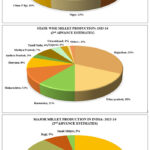 |
Figure 1: Production of millets across the world, Country, and State (Source: APEDA 2023-24) |
Major millets include finger millet (ragi), sorghum (jowar), and pearl millet (bajra), while minor millets consist of proso, barnyard, kodo, foxtail, and little millet. In addition to these, buckwheat, amaranth, teff, and brown-top millet are classified under the category of pseudo-millets.9 Compared to cereals, they have a superior micronutrient profile and bioactive flavonoids, are also nutrient-dense and meet some of the most critical health demands. Millets are good energy sources, providing protein, fats, minerals, dietary fibre and polyphenols. Milllets are known to be rich in essential amino acids like cysteine and methionine. These amino acids play a major role in cellular repair, immune function, and the production of neurotransmitters.10 Additionally, millet offers various therapeutic benefits given its high fibre content, vitamins, minerals and essential amino acids. Millets are known to limit the blood sugar levels, and considered good for cardio-vascular and digestive health. 11 The phytochemical components in millets possess anti-inflammatory and antioxidant properties that aid in preventing chronic diseases, such as cancer, diabetes, and cardiovascular diseases.10 Despite their benefits, several factors restrict widespread millet consumption like absence of gluten, limiting dough elasticity and reducing suitability for conventional bakery products; palatability issues such as coarse texture, bitterness, and darker colour; longer cooking times and processing challenges; and Lower consumer preference compared with refined wheat..11
Millets offer exceptional nutritional value and could be instrumental in achieving the United Nations goal of eradicating malnutrition by 2030.12,13 Global interest in millets has increased following the declaration of 2023 as the International Year of Millets, aimed at promoting their role in nutrition and sustainable agriculture.14
Yet, significant research gaps persist. Existing studies often examine isolated nutrient components or single health outcomes rather than providing an integrated comparison of major millets with staple cereals. Finger millet is well-studied for its calcium and antidiabetic potential, but sorghum and pearl millet remain underrepresented in research on glycaemic response, gut microbiota interactions, and bioactive functionality.
This review addresses these gaps by offering a comprehensive comparison of pearl millet, sorghum, and finger millet with rice and wheat, focusing on macronutrients, micronutrients, amino acid composition, polyphenol content, and the influence of traditional processing methods on nutrient bioavailability. Only whole grains are considered, as processing substantially alters nutrient density.
Materials and Methods
This review systematically analyses the nutritional composition, health benefits and comparable advantages of millets over conventional cereals. A thorough search was conducted using databases such as PubMed, Scopus, and Google Scholar, with keywords including “Millets”, “Nutritional benefits”, and “Health effects of millets”. Additional information was gathered through Google searches, and the relevant data were sourced from official websites and reports of organizations such as the United Nations, FAO, and USDA, among others. Articles from the years 2000 to 2024 were selected based on relevance. Due to the unavailability of adequate documents, the search was expanded to include studies from 1990 onwards. Studies focusing on Millet nutrition, health benefits, and comparisons with rice and wheat, as well as traditional processing methods that enhance bioavailability, were included. Data on macronutrient and micronutrient profiles, bioactive components and health impacts were extracted. The review’s focus was primarily on Pearl millet, Sorghum and Finger millet.
Overview of Pearl millet
Pearl millet (Pennisetum glaucum (L.), a.k.a. spiked or bulrush millet. It is known as Bajra (Hindi, Punjabi, Oriya, Bengali), Bajree (Rajasthani, Marathi, Gujarati), Kambu (Tamil), Sajje (Kannada), and Sajja (Telugu). Pearl millet (family: Poaceae; subfamily: Panicoideae) is the 6th most vital cereal and widely grown on 30 million hectares in the arid and semi-arid tropical areas of Africa and Asia, which accounts for almost half of the worldwide millet production.15 It is commonly utilised as both a feed and fodder crop, and one of the ancient grains to be cultivated. It is advantageous for early maturing, tolerance towards drought, saline and acid soils, and withstands biotic/abiotic stress.16
Nutritional Profile of Pearl Millet
Nutritionally, it offers a robust profile. The protein content in pearl millet ranges from 7 to 12% (11.8 g/100 g).17 The protein composition of pearl millet includes albumins and globulins (22–28%), prolamins and prolamin-like fractions (22–35%), and glutelins along with glutelin-like compounds (28–32%). Pearl millet is also richer in fat content (5–7 g/100 g). The in-vitro protein digestibility (IVPD) of whole pearl millet flour has been reported to range between 66–77%, while the in-vitro starch digestibility (IVSD) is measured as 252.00 ± 10.00 mg of maltose released per 100 g of the sample. This digestibility can be enhanced through fermentation and other processing methods.18 Approximately 70% of the dry grain is mainly composed of carbohydrates, including 56–65% starch,19 of which 20–22% is amylose.20
Dietary fibre in pearl millet comprises around 15%, which is higher than that found in many wheat varieties. This fibre includes both soluble and insoluble types, the latter being beneficial for bowel health. However, decortication- a process of removing the outer layer—can decrease dietary fibre content.21 The total fat is about 4.8%, predominantly consisting of unsaturated fatty acids (75%). Notably, it contains a higher percentage of omega-3 fatty acids than other grains, with linolenic acid making up 4% of its total fatty acids. Its palmitic acid content is also greater than that of corn and sorghum, contributing to a relatively high energy density.22,23
In terms of minerals, pearl millet is rich in phosphorus, magnesium, and potassium, making it a valuable dietary component. While it is abundant in B vitamins, it lacks vitamin C. Millets contain appreciable levels of vitamins such as thiamine, riboflavin, pyridoxine, niacin, and folic acid, which are primarily concentrated in the aleurone and germ layers of the grain. Pearl millet is a valuable source of fat-soluble vitamins, including vitamin E (about 2 mg/100 g) and vitamin A. Its calcium content ranges from approximately 45.6 to 48.6 mg/100 g, and it also provides considerable amounts of phosphorus, which plays an important role in bone health, energy metabolism (ATP), and the growth and repair of bones. However, decortication can reduce the levels of these vitamins by up to 50%.24 The β-carotene content is low, providing less than 0.3% of the recommended dietary allowance.25 The total phenolic acid content is approximately 147.8 mg/100 g.26 Overall, pearl millet stands out not only for its historical significance and adaptability but also for its excellent nutritional profile, making it a vital staple in various diets.
In addition to its nutrient-rich profile, Pearl millet aligns with Sustainability Development Goal (SDG) namely SDG 2 (Zero Hunger) and SDG 12 (Responsible Consumption and Production). Its ability to thrive on marginal soils with minimal water and chemical inputs contributes to climate-resilient agriculture. Furthermore, its high iron and zinc content, when processed appropriately, can support dietary diversification and address micronutrient deficiencies in vulnerable populations, especially women and children in low-resource settings.27
Overview of Sorghum
Sorghum (Sorghum bicolor) is a semi-arid crop grown with limited application of fertilisers and water resources. In India, it is widely harvested in the Deccan Plateau, Central, and Western regions, as well as in a few locations in North India. It is nutritionally superior to rice and wheat due to its high fibre content, minerals, and slower digestibility. Generally cultivated in undernourished soils and drought areas, it offers food and fodder security through risk aversion. Sorghum is considered a coarse grain and has different names: Guinea corn /great millet in West Africa, Mama in Eastern Africa, Dura in Sudan, Kafir corn in South Africa, Kaoliang in China, Milo-maize in the U.S. and Jowar in India.28
Nutritional Profile of Sorghum
Sorghum stands out among common cereals due to its unique and diverse nutrient constituents. A proximate composition analysis reveals that 100 grams of edible sorghum grain contains approximately 68% carbohydrates, 10% protein, 2% fat, 10% fibre, 1% ash, and 9% water, providing around 1,400 kJ of energy.29
The carbohydrate content primarily comprises starch, soluble sugars, and dietary fibres, including pentosans, cellulose, and hemicellulose. Sorghum starch, the chief non-structural carbohydrate, is stored in granular form within the endosperm and exhibits significant variation across different varieties, with starch content (32.1-72.5 g per 100 g of grain).30 It contains primarily amylose and amylopectin, though some waxy varieties may have reduced amylose levels.31 The presence of resistant and slowly digestible starch contributes to sorghum’s lower starch digestibility.32,33 Moreover, sorghum is rich in dietary fibre, comprising soluble fibres (10% to 25%) and insoluble fibres (75% to 90%).34
In terms of protein, sorghum may be categorised into prolamin proteins, primarily kafirins, and non-prolamin proteins, such as glutelins, albumins and globulins. Kafirins account for around 70% of the whole protein content, while the remainder consists of albumins, glutelins, and globulins.35 Kafirins are hydrophobic and are stored within tightly packed protein bodies in the endosperm. Sorghum is rich in proline, leucine, and glutamic acid, although it is low in lysine, which can be adjusted by breeding or fortification strategies.36 However, the complex structure of kafirins presents challenges for digestibility, as they are resistant to enzymic breakdown in the gastrointestinal tract.37 This characteristic, combined with the low digestibility of both starch and protein, positions sorghum as a potential option for individuals managing obesity and diabetes. Recent research has highlighted the versatility of sorghum kafirin, exploring its applications in gluten-free baking, edible films, and as carriers for nutraceuticals and drugs.38
Sorghum is also notable for its fat content, predominantly comprising polyunsaturated fatty acids. Major fatty acids include linolenic, oleic, palmitic, linoleic, and stearic acids, resulting in a lipid profile similar to that of maize but with a relatively high proportion of unsaturated fatty acids.39 Additionally, it provides a range of vitamins plus minerals particularly B-complex vitamins (pyridoxine, riboflavin, thiamine) and fat-soluble vitamins, along with essential minerals like potassium, phosphorus, magnesium, and zinc. This rich composition contributes to sorghum’s unique nutritional qualities and potential health benefits.40
Moreover, sorghum grain has adequate bioactive phenolic compounds synthesised through the phenylpropanoid pathway. These include flavonoids, phenolic acids, stilbenes, condensed tannins and lignins. The most prevalent phenolic substances in this grain are phenolic acids, which range from 445 to 2,800 µg/g.41 Common phenolic acids include gallic, vanillic, and ferulic acids, which are primarily found in the endosperm layer, pericarp, and testa, both in free and bound forms.42 Bound phenolic acids, which constitute 70% to 95% of the total phenolic acids, are covalently bonded to the cell wall, requiring specific extraction conditions to be released. While ferulic acid is the most adequate among these.43
Flavonoids, which represent the largest group of phenolic compounds in sorghum, vary in type and concentration based on factors such as pericarp colour and thickness. Notably, sorghum bran is a key source of these compounds, with 3-deoxyanthocyanidins, flavones, and flavanones being the most prominent.44 Sorghum’s flavonoid profile is further enriched by flavanones, with varieties exhibiting high levels, particularly those with red or yellow pericarp.45 Lastly, condensed tannins in sorghum are characterized by higher molecular weight and a significant polymerization degree, distinguishing them from those in other cereals.41 Tannins, alongside sorghum’s bioactive compounds, underscore the grain’s potential health effects and diverse applications in dietary contexts.
Sorghum aligns with SDG 12 (ensure Sustainable consuption and production patterns, owing to its low glycaemic index, high phenolic content, and potential to improve metabolic health and reduce NCD risks. Its ability to grow under drought conditions with minimal input usage also makes it a sustainable crop in water-scarce regions. Incorporating sorghum into daily diets can contribute to reducing the burden of non-communicable diseases and promoting environmental sustainability.46
Overview of Finger Millet
Finger millet (Eleusine coracana L.) is widely recognized for its strong nutritional profile, as it provides abundant calcium, zinc, iron, other essential minerals, and dietary fibre. While there’s debate about the origins of finger millet, an ancient crop in India, it is commonly referred to as “Ragi”. Finger millet, ranked as the fourth most important crop in its category, is extensively cultivated in various parts of Africa and India, where it is considered a staple food for a specific segment of the population.47 In India, finger millet is being developed in a region of 1.01 mn hectares with a total generation of 1.67 mn tons and an average yield of around 1750 kg/ha. It is widely developed in India’s regions, including Uttar Pradesh, Maharashtra, Himachal Pradesh, Karnataka, Andhra Pradesh, Tamil Nadu, Bihar, Odisha and Gujarat. Karnataka stands out as the primary producer of Finger millet, contributing 58% to the global production share. In terms of production area, Finger millet holds the sixth position, trailing behind Wheat, Maize, Sorghum, Rice, and Jowar in India.48
It is of substantial economic importance, especially in terms of food security, and plays a pivotal role in local food systems. Thus, it contributes to rural development and food security and addresses malnutrition at the grassroots level.48
Nutritional Profile of Finger Millet
Finger millet (ragi) is a highly nutritious grain celebrated for its impressive array of proteins, dietary fibre, carbohydrates, and essential minerals. As highlighted by Thapliyal and Singh (2015), its outstanding storage qualities, combined with its nutrient density, position it as a significant staple among millets. A typical 100g serving of finger millet provides approximately 321 kcal, with a well-balanced macronutrient profile comprising 7.16g of protein, 66.82g of carbohydrates, and a minimal fat content of 1.92g. Notably, its dietary fibre content is remarkable, offering approximately 11.18g per serving, along with substantial levels of vital minerals, including 344mg of calcium, 4.62mg of iron, and 2.53mg of zinc, which enhance its overall nutritional value and potential health benefits.29
When examining the carbohydrate content, finger millet boasts a total carbohydrate range of 72% to 81.5%, primarily composed of starch (66%) and non-starch complex polysaccharides.49 Dietary fibre is particularly noteworthy; it not only surpasses that of rice and wheat but also comprises 11% insoluble fibre and 2% soluble fibre.48 Its high fibre content supports better digestive function and helps in maintaining stable blood sugar levels. Additionally, finger millet contains low levels of sugar, with sucrose being the predominant sugar, making it suitable for individuals managing their sugar intake.50
In terms of protein quality, it excels with an exceptional essential amino acid profile, comprising 45% of the total amino acids, which significantly exceeds the FAO reference protein ratio of 33.9%.51 The protein fraction includes prolamins, which are particularly rich in proline, glutamic acid, phenylalanine, and other essential amino acids. This makes finger millet a valuable source of protein, particularly for individuals with gluten sensitivity or those seeking plant-based protein alternatives.
Despite its moderate fat levels (1.3% to 1.8%), finger millet is a notable reservoir of polyunsaturated fatty acids (PUFAs), primarily linoleic and oleic acids, which are essential for regulating heart health and brain function.52
The micronutrient profile of finger millet offers significant amounts of vitamins and minerals. It is particularly rich in calcium, with levels (398mg per 100g), which is crucial for bone health. Other essential micronutrients include iron, magnesium, phosphorus, and potassium, as well as B vitamins such as riboflavin, thiamine, and niacin. These nutrients contribute to various physiological functions, supporting overall health and well-being.53
Moreover, finger millet has abundant bioactive compounds (polyphenols, flavonoids, and carotenoids) which have gained attention for their anti-inflammatory and antioxidant properties.54 These phytochemicals may mitigate the incidence of chronic diseases by mitigating oxidative stress and inflammation in the body. For instance, ferulic acid, a key phenolic compound, is known for its potential health benefits, including improving cardiovascular health.
In conclusion, finger millet is a nutritional powerhouse, offering a diverse range of macronutrients, micronutrients, and bioactive compounds that contribute to its numerous health benefits. Its unique composition not only supports overall health but also makes it an excellent choice for those looking to diversify their diet and improve their nutritional intake. As interest in ancient grains grows, finger millet stands out as a valuable and versatile addition to a balanced diet.
Finger millet’s exceptionally high calcium and polyphenol content supports bone health, anaemia prevention, and chronic disease management, contributing to SDG 3. Its integration into school meals and maternal diets in regions like India supports SDG 2 by addressing childhood stunting and undernutrition. Additionally, finger millet’s ability to grow with minimal external inputs makes it a climate-smart crop, reinforcing SDG 12 goals.55
Anti-nutrients
Millets are nutrient-rich, indigenous crops that offer high levels of protein, minerals, and vitamins. However, the presence of anti-nutritional factors such as phytic acid and tannins may lower the bioavailability of essential minerals like zinc and iron, thereby affecting the nutritional efficiency of millet-based diets. Millets contain 0.5% phytic acid, 0.6% tannin, and 0.2–3.0% trypsin inhibitors.56 Phytic acid has been found in other cereals as well, with wheat flour at 0.9%, milled rice at 0.2%, barley at 1.2%, brown rice at 0.9%, and whole corn at 1.1%.57
Phytate is myoinositol 1,2,3,4,5,6-hexakis dihydrogen phosphate. It acts as a nutrient reserve during seed ripening but is not absorbed or hydrolysed by humans (humans lack the phytase enzyme). This leads to reduced bioavailability of essential minerals (phytates attach to minerals for digestion, hence making them less available for Absorption) like zinc, iron, calcium, and magnesium. Phytate levels vary based on factors like growing conditions and processing methods, making it a key inhibitor of mineral absorption.57 Tannins are polyphenolic molecules with a high molecular weight (500-3000 Da) that possess astringent and bitter flavours. They help protect plants but can negatively impact human nutrient absorption by forming complexes with proteins, reducing their absorption, and also hindering iron absorption. Excessive tannin consumption can affect the gastrointestinal tract and lead to deficiencies in proteins and essential amino acids. In India, daily tannin intake ranges from 1500-2500 mg; levels above 1.5-2.5g can cause issues like anaemia and osteoporosis and worsen cancer.58 While tannins may inhibit cancer cell growth, they can also contain carcinogenic compounds. Their astringency can reduce food palatability, making it essential to limit tannin levels before consumption. Plants produce various enzyme inhibitors, such as alpha-amylase, protease, and trypsin inhibitors. These act as a defence mechanism against pests and microbes. However, protease inhibitors can also inhibit protein digestion in humans, reducing the bioavailability of essential amino acids.
Despite these limitations, many antinutritional compounds can be significantly reduced through processing techniques such as soaking, germination, fermentation, and cooking, thereby improving the bioavailability of essential nutrients.57 Decortication is the removal of the outer covering of the grains. Traditionally, it was done with a mortar and pestle.59,60 It was found that decortication removed phytic acid up to 53% and total polyphenolic content (TPC) up to 9% in PM. A study investigated the effects of soaking on the chemical and nutritional composition of finger millet. They soaked the seeds at different temperatures (30 – 50 °C) and time intervals (0-24 hours).61 The tannin contents were about 2.2 mg/100g, and they were lessened with an elevation in soaking time/temperature. The phytate content was 0.4-0.7 mg/100 g, and a decrease of approximately 37% in phytate was observed as the soaking time increased. Heating includes boiling, cooking, roasting, or autoclaving. Boiling was reported to reduce tannin, phytate, trypsin inhibitor, and protease inhibitor levels by 75%, 28%, 98%, and 98%, respectively. In comparison, cooking lowered these compounds by 42%, 76%, 96%, and 95%, respectively.58 There was a reduction in anti-nutrients of the finger millet flour with an increase in the days/time of germination.61 Another study reported the impact of traditional processing (cooking followed by overnight fermentation with water and curd) on the nutrient and anti-nutrient content of sorghum, finger millet, and pearl millet. Results showed significant reductions in phytate content and phytic acid-to-mineral molar ratios, indicating improved mineral bioavailability. The process also enhanced protein, ash, and water-soluble vitamin content. Overall, this traditional method effectively increased the nutritional value of the millet by reducing anti-nutrients, thus boosting nutrient availability.57,62
Comparative Analysis
This comparative analysis provides a detailed examination of the macronutrient composition of millets, rice, and wheat, presenting data on the nutritional profiles per 100 grams of the edible portion. The aim is to elucidate the distinct contributions of these staple grains to dietary health and nutrition.
Macronutrient Comparison
The comparative analysis of macronutrient profiles among pearl millet, sorghum, finger millet, whole wheat, and raw milled rice elucidates significant differences and similarities in their nutritional compositions (Table 1).
Table 1: Macronutrients in Millets, Rice, and Wheat (per 100-gram edible portion)63-65
|
Nutrients (gms)
|
Pearl
Millet |
Sorghum | Finger
Millet |
Whole
Wheat |
Rice raw
milled |
| Energy (Kcals) | 348±4.0 | 334±3.0 | 321±4.1 | 322±3.8 | 356±3.6 |
| Carbs (g/100g) | 61.78± 0.85 | 67.68±1.03 | 66.82±0.73 | 64.72±0.92 | 78.24±0.58 |
| Protein(g/100g) | 10.96±0.26 | 9.97±0.43 | 7.16±0.63 | 10.59±0.29 | 7.94±0.58 |
| Fat(g/100g) | 5.43±0.64 | 1.73±0.31 | 1.92±0.14 | 1.47±0.07 | 0.52±0.05 |
| Insoluble Dietary fibre (g/100g) | 9.14±0.58 | 8.49±0.40 | 9.51±0.65 | 3.6±0.30 | 1.99±0.39 |
| Soluble Dietary fibre (g/100g) | 2.34±0.42 | 1.73±0.40 | 1.67±0.55 | 0.82±0.14 | 0.82±0.22 |
| Total Dietary fiber (g/100g) | 11.49±0.62 | 10.22±0.49 | 11.18±1.14 | 11.23±0.29 | 2.81±0.42 |
| SFA (mg/100g) | 875±34.5 | 163±6.2 | 317±17.0 | 191±8.0 | 184±8.9 |
| Total MUFA (mg/100g) | 1047±39.9 | 314±13.7 | 585±36.3 | 141±9.4 | 117±6.6 |
| Total PUFA (mg/100g) | 1984±55.0 | 524±18.3 | 431±20.7 | 654±23.7 | 253±13.2 |
| EFA: Omega-3 (ALA) (mg/100g) | 140±5.8 | 16±1.31 | 68±11.85 | 38±3.88 | 9.51±1.09 |
| EFA: Omega-6 (LA) (mg/100g) | 1844±56.7 | 508±18.3 | 363±15.3 | 616±22.1 | 234±45.8 |
Source: Indian Food Composition Tables (IFCT-ICMR NIN ). Values presented are based on standardized regional data from the Indian Food Composition Tables (ICMR-NIN, 2017), reflecting typical compositions of Indian-grown millet varieties.
Energy Content
All grains exhibit considerable caloric value, with raw milled rice exhibiting the highest energy content at 356 kcal per 100 grams, followed closely by pearl millet (348 kcal) and sorghum (334 kcal). Finger millet (321 kcal) and whole wheat (322 kcal) provide slightly lower energy levels.
Carbohydrate
Rice possesses the highest carbohydrate content (78.24 g), followed by sorghum (67.68 g) and finger millet (66.82 g). Conversely, pearl millet (61.78 g) and whole wheat (64.72 g) exhibit relatively lower carbohydrate levels.
Protein Content
Proteins act as the core structural units of all cells in the body, supporting essential biological processes such as metabolism, immunity, neural functions, insulin regulation, and normal growth, including muscle development and tissue repair. Each protein consists of a unique sequence of 20 naturally occurring amino acids, contributing to the synthesis of numerous proteins. Nine are classified as essential amino acids, requiring dietary intake, while the remaining can be synthesized within the body.
In terms of protein content, pearl millet (10.96 g) and whole wheat (10.59 g) exhibit the highest concentrations, followed by sorghum (9.97g) milled rice (7.94 g), while finger millet has a lower protein content of (7.16 g).
Fat Content
Dietary fats (lipids) are essential for energy production, cellular function, organ protection, thermoregulation, and the uptake of fat-soluble vitamins. These fats are categorised into monounsaturated fatty acids (MUFA), saturated fats (SFA), polyunsaturated fatty acids (PUFA), and trans fats (absent in cereals). Among these, omega-3 and 6 fatty acids are considered essential and must be obtained through the diet. In cereals, alpha-linolenic acid (ALA) is the prime omega-3 fatty acid, while linoleic acid (LA) is predominant in the omega-6 family.63
There is notable variability in fat content across cereals; pearl millet has the highest concentration at 5.43 g, primarily composed of unsaturated fatty acids. In contrast, sorghum (1.73 g), finger millet (1.92 g), and whole wheat (1.47 g) contain lower fat levels, with rice having the least at 0.52 g.
Dietary Fibre
Dietary fibre, which comprises soluble and insoluble forms, plays a crucial role in gastrointestinal health despite not being classified as an essential nutrient. Fibre facilitates the slow transit of food through the stomach and small intestine, promoting slow digestion, enhancing glycemic control, and increasing satiety.66,67 This mechanism aids in body weight regulation by reducing obesity while also contributing bulk to stool and fostering the generation of short-chain fatty acids (SCFAs) through interactions with specific gut microbiota in the colon.68,69 The SCFAs produced are instrumental in decreasing low-density lipoprotein (LDL) cholesterol levels and offer protective effects against cardiovascular disease (CVD), colon cancer, and various bowel disorders.69-72
Millets demonstrate superior dietary fibre content, with pearl millet yielding (11.49g), followed closely by finger millet (11.18 g) and whole wheat (11.23 g). Sorghum also provides a substantial amount of dietary fibre (10.22 g), whereas rice significantly lags, offering only 2.81g.
Fatty Acid Profile
The fatty acid profiles indicate that pearl millet is particularly rich in polyunsaturated fatty acids (PUFAs), providing 1,984 mg, compared to sorghum (524 mg), finger millet (431 mg), and whole wheat (654 mg). Rice has the lowest PUFA content at 253 mg. Additionally, pearl millet is notable for its essential fatty acids, providing 1,844 mg of omega-6 (linoleic acid) and 140 mg of omega-3 (alpha-linolenic acid).
In summary, this analysis underscores the nutritional advantages of millets, particularly in terms of protein, dietary fibre, and healthy fat content, establishing them as beneficial alternatives to traditional staples such as rice and wheat in a balanced diet.
Micronutrient Comparison
The comparative analysis of micronutrient content in various cereals specifically pearl millet, sorghum, finger millet, whole wheat, and raw milled rice, demonstrates notable differences in the levels of vitamins and minerals (Table 2).
Table 2: Micronutrient Content / 100g63-65
| Nutrient / 100g | Pearl Millet | Sorghum | Finger millet | Whole wheat | Rice raw milled |
| Water Soluble Vitamins | |||||
| Thiamine (B1) (mg) | 0.25±0.044 | 0.35±0.039 | 0.37±0.041 | 0.15±0.01 | 0.05±0.019 |
| Riboflavin (B2) (mg) | 0.20±0.038 | 0.14±0.014 | 0.17±0.008 | 0.06±0.00 | 0.05±0.006 |
| Niacin (B3) (mg) | 0.86±0.10 | 2.10±0.09 | 1.34±0.02 | 0.77±0.0 | 1.69±0.13 |
| Pantothenic acid (B5)(mg) | 0.50±0.05 | 0.27±0.02 | 0.29±0.19 | 0.72±0.0 | 0.57±0.05 |
| B6 (ug) | 0.27±0.009 | 0.28±0.023 | 0.05±0.007 | 0.08±0.008 | 0.12±0.012 |
| Biotin (B7) (ug) | 0.64±0.05 | 0.70±0.06 | 0.88±0.05 | 0.58±0.09 | 0.60±0.12 |
| Folic acid (B9) (mg) | 36.11±5.05 | 39.42±3.13 | 34.66±4.9 | 16.25±2.6 | 9.32±1.93 |
| Vitamin C | – | – | – | – | – |
| Fat-soluble Vitamins | |||||
| Vitamin A (mg) | – | – | – | ||
| Vitamin D (mg) | 5.65±0.27 | 3.96±0.30 | 41.46±3.12 | – | 6.73±0.96 |
| Vitamin E (mg) | 0.24±0.02 | 0.06±0.01 | 0.16±0.01 | 0.05±0.01 | 0.06±0.03 |
| Vitamin K (ug) | 2.85±0.6 | 43.82±4.84 | 3.00±0.44 | 1.00±0.46 | 1.50±0.50 |
| Minerals | |||||
| Iron (mg) | 6.42±1.04 | 3.95±0.94 | 4.62±0.36 | 1.77±0.38 | 0.65±0.11 |
| Calcium (mg) | 27.35±2.16 | 27.60±3.71 | 364±58.0 | 20.40±2.46 | 7.49±1.26 |
| Sodium (mg) | 4.11±0.09 | 5.42 ± 0.2 1 | 4.75 ± 0.1 4 | 1.54 ± 0.4 8 | 2.34 ± 0.2 8 |
| Magnesium (mg) | 124±19 .5 | 133±14.8 | 146±10.7 | 30 .69±2.77 | 19 .30±6.99 |
| Phosphorous (mg) | 289±25 .3 | 274±35 .7 | 210±58 .4 | 110±9. 8 | 96±16.30 |
| Potassium (mg) | 365±18.0 | 328±25.1 | 443±59.6 | 148±7.0 | 108±10.9 |
| Zinc (mg) | 2.76 ± 0.3 6 | 1.96 ± 0.3 1 | 2.53 ± 0.5 1 | 0.88 ± 0.0 7 | 1.21 ± 0.1 7 |
Source: Indian Food Composition Tables (IFCT-ICMR NIN ). Values presented are based on standardized regional data from the Indian Food Composition Tables (ICMR-NIN, 2017), reflecting typical compositions of Indian-grown millet varieties.
Water-soluble vitamins
B vitamins serve as critical cofactors for numerous enzymes involved in vital physiological processes, including metabolism, neurotransmitter synthesis, protein production, immune function, and overall health and development.
Among the water-soluble vitamins, thiamine (B1) and riboflavin (B2) are found in the highest concentrations in finger millet and pearl millet, while whole wheat shows significantly lower amounts. Vitamin B1 (thiamine) is vital for energy conversion and cardiovascular function, while deficiencies can lead to beriberi and cognitive issues. Vitamin B2 (riboflavin) is crucial for red blood cell production, with low levels linked to anaemia.73 Sorghum stands out as a particularly rich source of niacin (B3). Vitamin B3 (niacin) supports CNS health and energy metabolism, and its deficiency can lead to pellagra.74
Finger millet and pearl millet also exhibit higher levels of pantothenic acid (B5) and pyridoxine (B6) compared to whole wheat and rice. Vitamin B6 is essential for amino acid metabolism and mental health, while vitamin B9 (folate) and B12 are key for red blood cell formation and preventing neural tube defects.75,76 Notably, folic acid (B9) concentrations are significantly elevated in both pearl millet and sorghum, far exceeding those found in whole wheat and rice.
Fat Soluble Vitamins
Fat-soluble vitamins A, D, E, and K are essential for several physiological processes, including vision, immune function, bone health, and blood clotting. However, excessive accumulation can lead to damage.
Vitamin D, found as D2 in plants and D3 from animals and sunlight, regulates calcium metabolism and supports kidney function. Its deficiency is linked to various immune disorders and weakened bones.77 Vitamin D is notably higher in finger millet, with lower but measurable levels in other cereals.
Vitamin E concentrations are generally modest across all grains. In terms of mineral content, Vitamin E mainly exists in the form of ∝-tocopherol, acts as an antioxidant and helps prevent neurodegeneration and inflammatory diseases.78,79
Minerals
Pearl millet has the highest amount of iron, followed by finger millet, which enhances its potential role in addressing iron deficiency.
Finger millet is particularly notable for its high calcium content (364 mg), making it a richer source than many other cereals. Calcium plays a critical role in the formation and maintenance of bone and dental integrity, as well as facilitating neuromuscular transmission, blood coagulation, and the transport of biomolecules. Its absorption is enhanced by vitamin D, which together mitigates the risk of osteoporosis.80,81
Additionally, finger millet contains the highest levels of magnesium and phosphorus, while pearl millet excels in potassium content. Zinc levels are also greater in finger and pearl millet relative to rice and whole wheat. Magnesium plays a pivotal role as an electrolyte. Potassium and sodium are crucial for optimising fluid and electrolyte balance within the body. Potassium is predominantly found in intracellular fluid and is essential for cardiac function, offering protective effects against hypertension and other cardiovascular disorders.82 Lastly, zinc is involved in numerous enzymatic reactions, immune responses, and protein synthesis. Its deficiency is linked to a wide array of metabolic and infectious diseases, underscoring its significance in public health.83,84
Overall, this analysis highlights the exceptional nutritional value of millets, particularly finger millet and pearl millet, as vital components of a balanced diet, especially in mitigating micronutrient deficiencies.
Amino Acid Profile
Branched-chain amino acids (BCAAs)—isoleucine, leucine, and valine—are abundant in whey protein and play a key role in muscle synthesis and growth. They comprise nearly 35% of essential amino acids in the body. They are primarily metabolised in skeletal muscle, with decreased levels linked to liver cirrhosis and chronic kidney disease, while increased levels pose the risk of obesity and type 2 diabetes.85 Leucine and isoleucine are particularly effective for gastric emptying and diabetes management.86
Aromatic amino acids (AAAs), including phenylalanine, tryptophan, and tyrosine, serve as precursors for neurotransmitters that are vital for central nervous system function and overall brain health. Their metabolism by gut microbiota generates metabolites that can regulate immune and neuronal responses, with imbalances contributing to various neurological disorders such as schizophrenia, autism, and Alzheimer’s disease.87-90
Sulfur amino acids, methionine (essential) and cysteine (non-essential), are vital for protein synthesis and metabolism. They contribute to a sulfur pool that supports various health functions, including kidney health and antioxidant synthesis.91,92
Seven amino acids—histidine, lysine, methionine, tryptophan, cysteine, arginine, and tyrosine—exhibit more potent antioxidant properties compared to other amino acids.90 Additionally, histidine, lysine, threonine, glycine, and cysteine demonstrate anti-inflammatory effects, with implications for chronic disease prevention.93-96 Finally, chelating amino acids, including histidine, threonine, and aspartic acid, effectively extract metals like copper and zinc, with cysteine also showing some efficacy for cadmium.97
Evaluation of amino acid levels in various cereals, including pearl millet, sorghum, finger millet, whole wheat, and raw milled rice, reveals significant variations in both essential (EAA) and non-essential amino acids (NEAA) per 100 grams as listed in Table 3.
Among the essential amino acids, finger millet exhibits the highest total content (39.11 g), with notable concentrations of isoleucine (4.62 g) and lysine (4.00 g), making it particularly beneficial for muscle protein synthesis and overall nutritional quality. Sorghum has the highest leucine content (12.03 g), which is critical for anabolic processes, while pearl millet and rice also demonstrate substantial levels of essential amino acids.
Table 3: Amino Acid Content (g/100g) 63-65
|
Nutrient g/100g |
Pearl Millet | Sorghum | Finger Millet | Whole Wheat | Rice raw milled |
| Essential Amino Acids | |||||
| Histidine | 2.15±0.37 | 2.07±0.2 | 2.85±0.46 | 2.65±0.31 | 2.45±0.30 |
| Isoleucine | 3.45±0.74 | 3.45±0.63 | 4.62±0.44 | 3.83±0.20 | 4.29±0.23 |
| Leucine | 8.52±0.86 | 12.03±1.51 | 9.77±0.54 | 6.81±0.33 | 8.09±0.40 |
| Lysine | 3.19±0.49 | 2.31±0.40 | 4±0.34 | 3.13±0.26 | 3.7±0.39 |
| Methionine | 2.11±0.50 | 1.52±0.50 | 1.77±0.27 | 1.75±0.21 | 2.6±0.34 |
| Phenylalanine | 4.82±1.18 | 5.1±0.50 | 5.7±1.27 | 4.75±0.38 | 5.36±0.43 |
| Threonine | 3.55±0.40 | 2.96±0.17 | 3.84±0.45 | 3.01±0.17 | 3.28±0.27 |
| Tryptophan | 1.33±0.30 | 1.03±0.21 | 0.91±0.30 | 1.4±0.10 | 1.27±0.14 |
| Valine | 4.79±1.04 | 4.51±0.71 | 5.65±0.44 | 5.11±0.05 | 6.06±0.02 |
| Sub Total | 33.91 | 34.98 | 39.11 | 32.44 | 37.1 |
| Non-essential Amino Acids | |||||
| Alanine | 7.68±1.01 | 9.19±1.12 | 6.71±0.80 | 3.64±0.21 | 5.51±0.40 |
| Arginine | 4.54±0.62 | 3.96±0.43 | 4.33±0.48 | 5.13±0.33 | 7.72±0.55 |
| Aspartic Acid | 7.77±1.29 | 7.09±0.86 | 6.4±0.53 | 5.44±0.33 | 8.73±0.80 |
| Cystine | 1.233±0.33 | 1.06±0.30 | 1.48±0.23 | 2.35±0.23 | 1.84±0.18 |
| Glutamic acid | 17.42±1.69 | 21.54±2.81 | 20.22±0.73 | 27.06±1.76 | 18.92±1.76 |
| Glycine | 3.52±0.17 | 3.08±0.25 | 3.59±0.35 | 4.19±0.23 | 4.18±0.16 |
| Proline | 5.3±0.26 | 6.99±0.92 | 5.42±0.42 | 10.25±1.49 | 4.31±0.78 |
| Serine | 4.44±0.41 | 4.02±0.43 | 4.81±0.57 | 4.8±0.14 | 4.95±0.21 |
| Tryosine | 2.67±0.51 | 3.61±0.25 | 3.37±0.80 | 3.12±0.31 | 4.36±0.41 |
| Sub Total | 54.57 | 60.54 | 56.33 | 65.98 | 60.52 |
Source: Indian Food Composition Tables (IFCT-ICMR NIN ). Values presented are based on standardized regional data from the Indian Food Composition Tables (ICMR-NIN, 2017), reflecting typical compositions of Indian-grown millet varieties.
In the category of Non-essential amino acids (NEAA), glutamic acid is predominant across all cereals, with whole wheat containing the highest amount (27.06 g). This amino acid plays a vital role in cellular metabolism and neurotransmission. Levels of other non-essential amino acids, including alanine, arginine, and proline, also differ, with whole wheat exhibiting higher proline content (10.25 g), indicating its possible role in tissue repair and immune support. Overall, while all the cereals provide a diverse array of amino acids, finger millet and whole wheat stand out for their higher concentrations of specific essential and non-essential amino acids, indicating their potential as valuable dietary sources for promoting health and addressing nutritional deficiencies.
Health benefits of millets
In the ever-evolving realm of nutritional studies, recent publications have highlighted the impressive health benefits of pearl millet, sorghum, and finger millet. The following are the primary health attributes reported by different investigations:
Diabetes Management
Type 2 diabetes is experiencing a global surge, impacting individuals across age groups, as highlighted by the World Health Organisation (WHO). Factors like genetic predisposition, obesity, and a diet high in (GI) glycaemic index foods are implicated in the development of diabetes. Eating meals rich in fibre and complex carbohydrates helps avert subsequent spikes in blood glucose levels, a crucial aspect in diabetes management.98 Recent studies propose that introducing millet grains into innovative products may serve as a preventive measure against diabetes, owing to their low glycaemic levels and high fibre content compared to wheat and rice.99 Mean glycaemic index value of millets is 53 ± 10.3, which is lower than that of milled rice (71 ± 14 ) and refined wheat (74 ± 14 ). Systematic reviews and meta-analyses have shown that regular millet consumption can significantly reduce fasting blood glucose levels (11.8%) and post-prandial blood glucose levels (15.1%), largely due to their low glycemic index.100,101
Pearl millet exhibits notably higher amylase activity than that of wheat by 10 times. Various theories support the hypoglycaemic effects of pearl millet, including its abundance in phytate and phenolic compounds. Furthermore, phenolics are recognised for enhancing hormone-insulin activity, while pearl millet optimises intestinal glucose transporter (GLUT), improves muscle glucose assimilation, and reduces liver gluconeogenesis. Sorghum whole grain presents a beneficial option for individuals dealing with diabetes and obesity issues due to its comparatively low starch digestibility, resulting from the high resistant and slowly digestible starch content.32,102
A 2017 study by Kifouli found that consuming pearl millet porridge resulted in slightly lower postprandial glucose and insulin levels compared to wheat pancakes, based on 6 Sudanese carbohydrate-rich meals. An additional investigation revealed the influence of incorporating pearl millet into the diet of diabetic rats, demonstrating its positive impact on glucose metabolism. The substantial dietary fibre and phenolic compounds in finger millet, compared to wheat and rice, render it highly advantageous for individuals with diabetes. Notably, it possesses a lower glycaemic index (55) compared to finger millet and sorghum.24 A study on finger millet preparations found that the phenolic content in its seed coat inhibits amylase and alpha-glucosidase, reducing postprandial hyperglycaemia, with regular consumption leading to a 32% decrease in fasting glucose and a 43% reduction in insulin resistance in diabetics.103-105 Similarly, another study on the prolonged impact of low glycaemic index (GI) finger millet buns on individuals with type 2 diabetes (a case-control clinical trial) for 60 days showed significant reductions in fasting and postprandial blood glucose levels, serum cholesterol, and serum LDL.106
Cardio protective
Hyperlipidaemia is characterised by elevated serum levels of total cholesterol (>200 mg/dL), triglycerides (>150 mg/dL), and low-density lipoprotein cholesterol (LDL) (>160 mg/dL), which increases the likelihood of premature atherosclerosis, coronary artery insufficiency, and myocardial infarction.
The meta-analyses examining the health and nutritional benefits of millets have suggested that regular consumption of millets may help reduce the risk of hypertension, hyperlipidaemia, and a high body mass index (BMI). Nineteen studies on the effect of millet consumption for a period of 21 days to 4 months revealed decrease in total cholesterol, low density lipoprotein (LDL-C), very low-density lipoprotein (VLDL-C) and triglycerides by 8, 10, 9 and 9.5 % respectively (p<0.01) while 6% increase in high density lipoprotein (HDL-C). In addition, daily inclusion of millets in the diet evidently reduced systolic and diastolic pressure (4-5%) and BMI (7%) among adults.101
Besides its well-known anti-inflammatory, antihypertensive, and anticarcinogenic properties, along with its antioxidant content, pearl millet contributes to lowering the risk of inflammatory bowel disease, cardiovascular disorders, and atherosclerosis.95 Additionally, pearl millet is often suggested for individuals with accelerated cholesterol levels. This recommendation is based on the presence of a phytochemical called phytic acid, which is thought to influence cholesterol metabolism and contribute to maintaining a balance in cholesterol levels within the body.107
A study conducted on pearl millet demonstrated a reduction of total serum cholesterol/low-density lipoprotein cholesterol (LDL-C), which in turn helps alleviate cardiovascular disease and weight management.108 The presence of lignin and phytonutrients in pearl millet contributes to their role as antioxidants, thereby aiding in the prevention of cardiovascular diseases. Regular inclusion of whole-grain sorghum in our diet may raise health-enhancing effects. Its lipid profile has an impact on lowering cholesterol levels, a clinical trial conducted by Suhasini and Krishna (1991) revealed notable reductions in LDL-C and total cholesterol levels. Methionine, lecithin, and threonine, the amino acids present in finger millet, along with phytates, phenols, and tannins, play their part in expelling excess fat from the liver. This process leads to a reduction in cholesterol levels and hinders fat formation, resulting in a lower concentration of serum/plasma triglycerides. This, in turn, contributes to a decreased risk of cardiovascular disease.103 Dietary fibre provides several beneficial physiological effects, such as supporting regular bowel movements, lowering blood cholesterol, helping prevent atherosclerosis, and improving blood glucose regulation. The elevated fibre content, particularly the soluble type, and a low glycaemic index contribute to the enhancement of aorta fragility and elasticity. This mitigates the increase in blood pressure, promotes increased vaso-relaxation, and exhibits a hypolipidemic effect. Additionally, the significant magnesium content in finger millet reduces the likelihood of heart attacks.109
Combating Anaemia
Iron deficiency anemia is notably widespread in low/middle-income nations. The WHO reported in 2019 that the incidence of Iron deficiency anemia (IDA) was 29% among women (reproductive age) and 39.8% among children. The main reason could be that the deficit in dietary iron intake in vulnerable groups brings a significant challenge, due to the higher global intake of refined/highly processed food items that ultimately leads to micronutrient deficiency. To combat anaemia, various measures can be taken, including iron supplementation, fortification with Iron, and a balanced, diverse diet. Studies from different regions of the world have unveiled that dietary diversity, which includes millets, improves haemoglobin (Hb) levels. Another study involving the millet intervention group revealed a 13.6% improvement in Hb levels (p < 0.0005) compared to a control group with rice intake.100 Millets are traditional staples in these regions and are recognised for their iron content, ranging from 2 to 8 mg/100 g, with variations based on the type and variety.101
Pearl millet boasts a notable iron content of 8mg/100g and zinc content of 3.1mg/100g, which could potentially contribute to an increase in haemoglobin levels. However, the presence of non-nutritional compounds such as phytates and polyphenols may interfere with iron absorption. Utilising household processing methods, including popping, germination, and fermentation, as previously discussed, holds the promise of diminishing these non-nutrients. This, in turn, has the potential to improve the bioavailability of both iron and zinc.101
Finger millet, abundant in iron, is incorporated into diets to aid in the recovery from anaemia and malnutrition.104 Systematic review and meta-analysis studies that incorporated sorghum, finger millet, pearl millet, teff or a combination of millets in dietary interventions revealed a substantial (p < 0.01) 13.2% increase in haemoglobin levels among anaemic individuals through regular millet consumption (ranging from 21 days to 4.5 years). In contrast, regular diets led to a mere 2.7% increase. Similarly, in adolescents, haemoglobin levels rose from 10.8 ± 1.4 (indicating moderate anaemia) to 12.2 ± 1.5 g/dl, reaching the normal range.98 Especially, sprouted finger millet-based food demonstrated an overall enhancement in haemoglobin levels.110 Therefore, it forged as an outstanding plant-based natural iron source.
Addresses Undernutrition in Children
Malnutrition, which includes challenges such as underweight and stunting, poses a substantial public health concern that requires comprehensive attention across multiple sectors. The contribution of diet is essential in promoting growth by providing the necessary nutrients. With their abundant sources of essential nutrients, millets show promising potential in addressing prevalent nutrient deficiencies in third-world countries.
Millets, in general, contain higher levels of methionine and sulphur amino acids in comparison to milled rice and refined wheat. Analysis of habitual diets showed that replacing rice with millet had a significantly positive effect on weight, height, mid-upper arm circumference (MUAC), and chest circumference across different age groups, including infants, preschool children, school-aged children, and adolescents. These positive outcomes are mainly linked to the naturally high levels of growth-supporting nutrients found in millets, particularly sulphur-containing amino acids, calcium, and total protein, with finger millet showing especially notable contributions.
Finger millet emerges as an outstanding dietary choice, with three times the calcium content of milk, making it a promising ingredient for enhancing bone health. Exploring the age-old weaning formula for infants and toddlers, finger millet-based food has garnered attention for its remarkable impact on addressing malnutrition. Two studies have demonstrated an increase in calcium content when finger millet is included in the mid-day meal program, surpassing the levels found in rice or maize.111-113 As per the meta-analysis conducted, the average change in height resulting from millet consumption, compared to regular rice-based diets, showed a significant difference from baseline to endpoint. In the intervention group, the mean height increase was 28.2% higher than that observed in the control group. Additionally, the intervention group displayed a 25% higher mean weight increase, a 39% higher mean increase in MUAC (Mid Upper Arm Circumference), and a 37% higher mean increase in chest circumference compared to the control group.114
A systematic review and meta-analysis study by Anitha S (2021) explored the retention and impact of finger millet-derived calcium on bone turnover in children aged 9 to 12 years, revealing a significant retention of 23.4 ± 2.9%. This suggests that incorporating finger millet into childhood diets could positively contribute to bone accretion, addressing calcium deficiency during developmental stages. This underscores the potential of finger millet as a natural remedy for calcium deficiency in malnourished communities, significantly enhancing health and population growth.114 Importantly, an in vitro study demonstrated a 28.6% calcium bioavailability when finger millet was boiled, with other processing methods doubling this bioavailability to an impressive 61.4%. This highlights the impact of processing on the bioavailability of calcium from finger millet, offering flexibility in consumption. The study provides substantial evidence supporting finger millet as a valuable dietary resource for combating calcium deficiency and promoting healthy bone growth. Integrating finger millet into diets, especially during childhood, may contribute to improved bone health and mitigate risks associated with calcium deficiency in later life.101
Osteoporosis
According to the latest reports, Osteoporosis is increasingly recognised as a significant global health issue affecting the elderly, with a growing prevalence and expected ongoing implications for future fracture risks. The condition is linked to deficiencies in calcium and vitamin D, and a sustainable natural solution is proposed as an alternative to artificial sources. Ensuring acceptable vitamin D intake through sun exposure and dietary supplements plays a crucial role in addressing and remedying these deficiencies.
Finger millet emerges as a beneficial solution, offering a substantial amount of calcium (364 mg/100g) along with a well-balanced proportion of other minerals, such as Zinc and Magnesium. Based on Ca2+ retention, a diet solely of whole Finger millet demonstrated higher values compared to cereal-based or refined Finger millet diets (p<0.05). Some observations on bone Ca2+ resorption revealed a significant decrease in beta CTX (a bone marker) following the consumption of Nutria balls composed of finger millet, black gram, sesame, and green leafy vegetables among post- and pre-menopausal women.115 A study reported the in vitro bioavailability of calcium from finger millet under various processing methods. Results indicated high calcium retention, regardless of the type of processing. Notably, one in vitro study demonstrated a 28.6% calcium bioavailability when finger millet was boiled, while other processing methods doubled this bioavailability to an impressive 61.4%. This suggests that the choice of processing significantly impacts the bioavailability of calcium from finger millet, offering flexibility in its consumption. The research provides substantial evidence supporting the potential of finger millet as a valuable dietary resource for addressing calcium deficiency and promoting healthy bone growth. With its significant calcium retention and versatile processing options, finger millet emerges as a promising and natural solution for addressing complications related to calcium deficiency.101
Gluten-free
Celiac disease is an immune-related condition that arises from the consumption of gluten in genetically prone individuals. Pearl millet, Finger millet and Sorghum, being gluten-free, are better choices for individuals with celiac disease and those who are gluten-sensitive. This is a good choice for individuals who may find the gluten content in wheat recipes and other common cereal grains undesirable.104
Gut Health
Apart from its nutrient richness, millet contains a wealth of bioactive agents, including polyphenols, flavonoids, phytic acid, and dietary fibre. Polyphenols are renowned for their antioxidative and anti-diabetic qualities. Recent studies have reported a significant increase (P < 0.05) in the antioxidant activity and bioaccessibility of finger millet polyphenols in the colon, highlighting the important role of gut microbiota. Prebiotic components present in finger millet are metabolized by intestinal microbiota, including Eubacterium, Faecalibacterium, and Roseburia, leading to the production of colonic short-chain fatty acids (SCFAs).Additionally, probiotic Lactobacillus and Bifidobacterium, known for their anti-diabetic properties, are produced. One of the studies mentioned the usage of finger millet as a natural probiotic, stating that fermented finger millet drink, inoculated with lactic acid bacteria, can be utilised as a natural probiotic treatment for diarrhoea.103
Significantly, Akkermansia muciniphila, stimulated by finger millet, a bacterium known for degrading mucus, releases propionate and Amuc_1100 protein, providing potential advantages in alleviating diabetes. The diverse bioactive compounds present in millet adeptly regulate detrimental gut microbiota, including Shigella and Clostridium histolyticum, leading to a reduction in gut inflammation, elimination of toxins within the gut, and lowering the host’s risk of diabetes.116, 117
The dietary fibres in pearl millet grains show prebiotic activity in vitro, promoting the growth of probiotic strains such as Lactobacillus rhamnosus and Bifidobacterium bifidum. The authors reported an increase in the production of short-chain fatty acids (SCFAs), which are fermentation-derived metabolites known to support various physiological functions. As a result, they suggested that the dietary fibre from millet holds the potential for use in the new nutraceutical formulation.118
Alignment of Millets with the UN Sustainable Development Goals (SDGs)
The processing and inclusion of millets in contemporary diets closely support several United Nations Sustainable Development Goals (SDGs), especially SDG 2 (Zero Hunger), SDG 3 (Good Health and Well-being), and SDG 12 (Responsible Consumption and Production).
SDG 2
Zero Hunger – Millets are nutrient-dense cereals with high concentrations of calcium, iron, zinc, dietary fibre, and essential amino acids. Their ability to grow in marginal soils with minimal inputs makes them a resilient crop option in regions affected by climate change and food insecurity. By addressing both macronutrient and micronutrient deficiencies, especially among children, women, and undernourished populations, millets play a crucial role in combating hunger and malnutrition.119
SDG 3
Good Health and Well-being – Millets support the prevention and management of non-communicable diseases like diabetes, cardiovascular disease, obesity, and osteoporosis. Their low glycaemic index, high antioxidant phenolic content, and prebiotic dietary fibres contribute to better glycaemic control, lipid metabolism, and gut health. Clinical and experimental evidence indicates improved blood sugar, lipid profiles, hemoglobin levels, and bone mineral retention with regular millet consumption. 120, 121
SDG 12
Responsible Consumption and Production – Millets are inherently sustainable. They require significantly less water, fertilizer, and pesticide input compared to rice and wheat, and emit fewer greenhouse gases during cultivation. Promoting millet production and consumption supports sustainable agricultural practices and reduces ecological footprints. Additionally, the revival of traditional millet-based foods encourages biodiversity and reduces reliance on resource-intensive staples.122, 123
Conclusion
The comparative evaluation of pearl millet, sorghum, and finger millet against conventional staples such as wheat and rice highlights their superior nutritional and functional potential. Millets demonstrate higher levels of essential amino acids, dietary fibre, calcium, iron, zinc, and bioactive compounds, while also offering lower glycaemic indices and greater antioxidant activity. These attributes position them as effective dietary options for managing chronic diseases, combating micronutrient deficiencies, and addressing undernutrition, particularly among vulnerable populations. From a sustainability perspective, millets are climate-resilient crops requiring fewer inputs such as water, fertilizers, and pesticides, while thriving in marginal soils. Their integration into food systems aligns with the United Nations Sustainable Development Goals (SDGs), particularly SDG 2 (Zero Hunger) by enhancing food and nutrition security, SDG 3 (Good Health and Well-being) through their protective role against non-communicable diseases, and SDG 12 (Responsible Consumption and Production) by promoting sustainable agricultural practices. Overall, this review underscores the need to diversify dietary patterns and agricultural systems by reintroducing millets into mainstream diets. Policies that encourage millet production, value addition, and consumer acceptance will not only strengthen food and nutritional security but also foster resilient and sustainable food systems for future generations.
Acknowledgement
K V Ramani would like to acknowledge financial support from MICA, Ahmedabad, for doing this study on millets. The authors would like to acknowledge financial support from the ICMR-National Institute of Nutrition, Hyderabad in undertaking the study. The University Grants Commission is greatly acknowledged for awarding a Fellowship to Ms. Nikhita Ramesh Boda, and Osmania University is thanked for Ph.D. registration.
Funding Source
The authors would like to acknowledge financial support from MICA, ICMR and VGST, Govt. of Karnataka for undertaking this study. Dr. Devraj Parasannanavar received the financial grant for the project entitled “Effect of finger millet-based dietary supplementation on gut microbiota composition and function in uncomplicated moderate acute malnutrition in under 5 years’ children” for the publication of this article. Sanction order no F.N 5/9/7/millets-3/2022-Nut dated 18/11/2022. Dr. Shivalingsarj Desai received grant from VGST, Govt. of Karnataka (VGST-K-FIST-L1-GRD-886).
Conflict of Interest
The author(s) do not have any conflict of interest.
Data Availability Statement
This statement does not apply to this article
Ethics Statement
This research did not involve human participants, animal subjects, or any material that requires ethical approval.
Informed Consent Statement
This study did not involve human participants, and therefore, informed consent was not required.
Clinical Trial Registration
This research does not involve any clinical trials.
Permission to Reproduce Material from Other Sources
Not Applicable
Author Contributions
- Nikhita Ramesh Boda: Data collection, Manuscript writing-original draft, and Editing
- Afiya Sayed Kadri: Data collection and Manuscript writing
- Devaraj Parasannanavar: Conceptualization, resource, manuscript review and editing.
- Shivalingsarj Vijaykumar Desai: Conceptualization, manuscript writing, review and editing
- Karaikurichi Viswanathan Ramani: Conceptualization, resource and manuscript review
References
- Food and Agriculture Organization of the United Nations. The State of Food and Agriculture 2020: Overcoming Water Challenges in Agriculture. FAO; 2020. https://www.fao.org/interactive/state-of-food-agriculture/2020/en/
- Al-Amin AQ, Ahmed F. Food security challenge of climate change: an analysis for policy selection. 2016;83(1):50-63. doi:10.1016/j.futures.2016.03.002
CrossRef - Khanal AR, Mishra AK. Enhancing food security: food crop portfolio choice in response to climatic risk in India. Glob Food Sec. 2017;12(1):22-30. doi:10.1016/j.gfs.2016.12.001
CrossRef - Adekunle A, Lyew D, Orsat V, Raghavan V. Helping agribusinesses—small millets value chain—to grow in India. 2018;8(3):44. doi:10.3390/agriculture8030044
CrossRef - Kumar A, Tomer V, Kaur A, Kumar V, Gupta K. Millets: a solution to agrarian and nutritional challenges. Agric Food Secur. 2018;7(1):63. doi:10.1186/s40066-018-0203-3
CrossRef - Saleh ASM, Zhang Q, Chen J, Shen Q. Millet grains: nutritional quality, processing, and potential health benefits. Compr Rev Food Sci Food Saf. 2013;12(3):281-295. doi:10.1111/1541-4337.12012
CrossRef - Zhu Y, Chu J, Lu Z, et al. Physicochemical and functional properties of dietary fiber from foxtail millet (Setaria italic) bran. J Cereal Sci. 2018;79(1):456-461. doi:10.1016/j.jcs.2018.01.006
CrossRef - S. Department of Agriculture. 2023 Agricultural Outlook Forum: Proceedings. USDA; 2023. https://www.usda.gov/sites/default/files/ documents/2023aof-Sowell.pdf
- Shobana S, Krishnaswamy K, Sudha V, et al. Finger millet (Ragi, Eleusine coracana): a review of its nutritional properties, processing, and plausible health benefits. Adv Food Nutr Res. 2013;69:1-39. doi:10.1016/B978-0-12-410540-9.00001-6
CrossRef - Anitha S, Kane-Potaka J, Tsusaka TW, et al. A systematic review and meta-analysis of the potential of millets for managing and reducing the risk of developing diabetes mellitus. Front Nutr. 2021;8:687428. doi:10.3389/fnut.2021.687428
CrossRef - Das IK, Rakshit S. Millets, their importance, and production constraints. In: Rakshit S, Hariprasanna K, eds. Biotic Stress Resistance in Millets. Academic Press; 2016:3-19. doi:10.1016/B978-0-12-804534-3.00001-6
CrossRef - Saleh ASM, Zhang Q, Chen J, Shen Q. Millet grains: nutritional quality, processing, and potential health benefits. Compr Rev Food Sci Food Saf. 2013;12(3):281-295. doi:10.1111/1541-4337.12012
CrossRef - Dhaka A, Singh RK, Muthamilarasan M, Prasad M. Genetics and genomics interventions for promoting millets as functional foods. Curr Genomics. 2021;22(3):154-163. doi:10.2174/1389202922666210121162032
CrossRef - Panigrahy A, Padhi M. The international year of millets 2023: a multi-dimensional opportunity for India. World J Biol Pharm Health Sci. 2023;15:122-127.
CrossRef - Railey K. Whole grains millet (Gramineae/Poaceae). http://chetday.bcom; 2006:1.
- Simpson BB. Economic Botany: Plants in Our World. New York: McGraw-Hill; 1986:640. Food and Agriculture Organization. Chemical composition and nutritive value. In: Sorghum and Millets in Human Nutrition. Rome: FAO Food and Nutrition Series No. 27; 1995:49-86.
- Food and Agriculture Organization. Chemical composition and nutritive value. In: Sorghum and Millets in Human Nutrition. Rome: FAO Food and Nutrition Series No. 27; 1995:49-86.
- Elyas SH, El Tinay AH, Yousif NE, Elsheikh EA. Effect of natural fermentation on nutritive value and in vitro protein digestibility of pearl millet. Food Chem. 2002;78(1):75-79. doi:10.1016/S0308-8146(01)00396-7
CrossRef - Hadimani, N., Muralikrishna, G., Tharanathan, R., & Malleshi, N. (2001). Nature of carbohydrates and proteins in three pearl millet varieties varying in processing characteristics and kernel texture. Journal of Cereal Science, 33(1), 17–25. https://doi.org/10.1006/jcrs.2000.0342
CrossRef - Krishnan, R., & Meera, M. S. (2018). Pearl millet minerals: effect of processing on bioaccessibility. Journal of Food Science and Technology, 55(9), 3362–3372. https://doi.org/10.1007/s13197-018-3305-9
CrossRef - Tosh SM, Yada S. Dietary fibres in pulse seeds and fractions: characterization, functional attributes, andapplications. Food Res Int. 2010;43(2):450-460. doi:10.1016/j.foodres.2009.09.005
CrossRef - Tosh SM, Yada S. Dietary fibres in pulse seeds and fractions: characterization, functional attributes, and applications. Food Res Int. 2010;43(2):450-460. doi:10.1016/j.foodres.2009.09.005
CrossRef - Hanna A, Singh J, Faubion JN, Hossney RC. Studies on odor generation in ground pearl millet. Cereal Food World. 1990;5:838-840.
- Nambiar VS, Dhaduk JJ, Sareen N, Shahu T, Desai R. Potential functional implications of pearl millet (Pennisetum glaucum) in health and disease. J Appl Pharm Sci. 2011;1(10):62-67.
- Khalil JK, Sawaya WN. Mineral and vitamin contents of Saudi Arabian pearl millet flour and bread. Cereal Chem. 1984;61(4):301-304.
- Geetha R, Virupaksha TK, Shadaksharaswamy M. Relationship between tannin levels and in vitro protein digestibility in finger millet (Eleusine coracana). J Agric Food Chem. 1997;25(5):1101-1108. doi:10.1021/jf60211a007
CrossRef - Satyavathi, C. T., Ambawat, S., Khandelwal, V., & Srivastava, R. K. (2021). Pearl millet: a climate-resilient nutricereal for mitigating hidden hunger and provide nutritional security. Frontiers in Plant Science, 12, 659938. doi: 10.3389/fpls.2021.659938
CrossRef - Purseglove JW. Tropical Crops: Monocotyledons 1 & 2. London: Longman Group Ltd.; 1972.
- Longvah T, Ananthan I, Bhaskarachary K, Venkaiah K. Indian Food Composition Tables. Hyderabad, India: National Institute of Nutrition, Indian Council of Medical Research; 2017.
- Udachan IS, Sahu AK, Hend FM. Extraction and characterization of sorghum (Sorghum bicolor Moench) starch. Int Food Res J. 2012;19(1):315-319.
- Dicko MH, Gruppen H, Zouzouho OC, et al. Effects of germination on the activities of amylases and phenolic enzymes in sorghum varieties grouped according to food end-use properties. J Sci Food Agric. 2006;86(6):953-963. doi:10.1002/jsfa.2423
CrossRef - Barros F, Awika JM, Rooney LW. Interaction of tannins and other sorghum phenolic compounds with starch and effects on in vitro starch digestibility. J Agric Food Chem. 2012;60(46):11609-11617. doi:10.1021/jf302361p
CrossRef - Barros F, Awika J, Rooney LW. Effect of molecular weight profile of sorghum proanthocyanidins on resistant starch formation. J Sci Food Agric. 2014;94(6):1212-1217. doi:10.1002/jsfa.6394
CrossRef - Verbruggen MA, Spronk BA, Schols HA, et al. Structures of enzymically derived oligosaccharides from sorghum glucuronoarabinoxylan. Carbohydr Res. 1998;306(1-2):265-274. doi:10.1016/S0008-6215(97)10026-5
CrossRef - Belton PS, Delgadillo I, Halford NG, Shewry PR. Kafirin structure and functionality. J Cereal Sci. 2006;44(3):272-286. doi:10.1016/j.jcs.2006.05.005
CrossRef - Shewry PR, Tatham AS. The prolamin storage proteins of cereal seeds: structure and evolution. Biochem J. 1990;267(1):1-12. doi:10.1042/bj2670001
CrossRef - Taylor J, Bean SR, Ioerger BP, Taylor JRN. Preferential binding of sorghum tannins with γ-kafirin and the influence of tannin binding on kafirin digestibility and biodegradation. J Cereal Sci. 2007;46(1):22-31. doi:10.1016/j.jcs.2006.10.002
CrossRef - Bean S, Ioerger BP. Sorghum and millet proteins. In: Yada RY, ed. Applied Food Protein Chemistry. Chichester: Wiley-Blackwell; 2014:323-359. doi:10.1002/9781118734515.ch16
CrossRef - Adeyeye A, Ajewole K. Chemical composition and fatty acid profiles of cereals in Nigeria. Food Chem. 1992;44(1):41-44. doi:10.1016/0308-8146(92)90229-J
CrossRef - Leder I. Sorghum and millets. In: Füleky G, ed. Cultivated Plants, Primarily as Food Sources. Vol 1. Oxford, UK: Eolss Publishers; 2004:66-84.
- Girard AL, Awika JM. Sorghum polyphenols and other bioactive components as functional and health promoting food ingredients. J Cereal Sci. 2018;84:112-124. doi:10.1016/j.jcs.2018.09.007
CrossRef - Vanamala JKP, Massey AR, Pinnamaneni SR, Reddivari L, Reardon KF. Grain and sweet sorghum (Sorghum bicolor Moench) serves as a novel source of bioactive compounds for human health. J Cereal Sci. 2018;84:112-124.
- Dykes L, Rooney LW. Sorghum and millet phenols and antioxidants. J Cereal Sci. 2006;44(3):236-251. doi:10.1016/j.jcs.2006.06.007
CrossRef - Awika JM, Rooney LW. Sorghum phytochemicals and their potential impact on human health. 2004;65(9):1199-1221. doi:10.1016/j.phytochem.2004.04.001
CrossRef - Bhagwat S, Haytowitz DB, Holden JM. USDA Database for the Flavonoid Content of Selected Foods, Release 3.1. Washington, DC: United States Department of Agriculture; 2014.
- Awika, J. M. (2017). Sorghum: Its unique nutritional and health-promoting attributes. In Gluten-free ancient grains(pp. 21-54). Woodhead publishing.
CrossRef - https://doi.org/10.1016/B978-0-08-100866-9.00003-0
CrossRef - SK M, Sudha K. Functional and phytochemical properties of finger millet (Eleusine coracana) for health. Int J Pharm Chem Biol Sci. 2012;2(4):431-438.
- Rathore T, Singh R, Kamble DB, Upadhyay A, Thangalakshmi S. Review on finger millet: processing and value addition. Pharma Innov J. 2019;8(4):283-291.
- Malleshi NG, Desikachar HSR. Nutritive value of malted millet flours. Plant Foods Hum Nutr. 1986;36(3):191-196. doi:10.1007/BF01092767
CrossRef - Avashthi H, Pathak RK, Pandey N, et al. Transcriptome-wide identification of genes involved in Ascorbate-Glutathione cycle (Halliwell-Asada Pathway) and related pathway for elucidating its role in antioxidative potential in finger millet (Eleusine coracana (L.)). Published online 2018. doi:10.1101/318550
CrossRef - Thapliyal V, Singh K. Finger millet: potential millet for food security and power house of nutrients. Int J Res Agric For. 2015;2(2):1-7.
- Sridhar R, Lakshminarayana G. Contents of total lipids and lipid classes and composition of fatty acids in small millets: foxtail (Setaria italica), proso (Panicum miliaceum), and finger (Eleusine coracana). Plant Foods Hum Nutr. 1994;45(4):353-363. doi:10.1007/BF01093277
CrossRef - Ramashia S, Gwata E, Meddows-Taylor S, Anyasi T, Jideani A. Nutritional composition of fortified finger millet (Eleusine coracana) flours fortified with vitamin B2 and zinc oxide. Food Res. 2021;5(1):456-467. doi:10.26656/fr.2021.5(1).325
CrossRef - Chandrasekara A, Shahidi F. Content of insoluble bound phenolics in millets and their contribution to antioxidant capacity. J Agric Food Chem. 2010;58(11):6706-6714. doi:10.1021/jf1005862
CrossRef - Anitha, S., Kane-Potaka, J., Tsusaka, T. W., Botha, R., Rajendran, A., Givens, D. I., … & Bhandari, R. K. (2021). A systematic review and meta-analysis of the potential of millets for managing and reducing the risk of developing diabetes mellitus. Frontiers in nutrition, 8, 687428.
CrossRef - https://doi.org/10.3389/fnut.2021.687428
CrossRef - Savage GP, Thompson DR. Effect of processing on the trypsin inhibitor content and nutritive value of chickpeas (Cicer arietinum). Publ Eur Assoc Anim Prod. 1993;70:435.
- Sheethal HV, Baruah C, Subhash K, Ananthan R, Longvah T. Insights of nutritional and anti-nutritional retention in traditionally processed millets. Front Sustain Food Syst. 2022;5:735356. doi:10.3389/fsufs.2021.735356
CrossRef - Samtiya M, Soni K, Chawla S, et al. Key anti-nutrients of millet and their reduction strategies: an overview. Acta Sci Nutr Health. 2021;5(12):1-6.
CrossRef - Kulkarni DB, Sakhale BK, Giri NA. A potential review on millet grain processing. Int J Nutr Sci. 2018;3(1):1018.
- El Hag ME, El Tinay AH, Yousif NE. Effect of fermentation and dehulling on starch, total polyphenols, phytic acid content and in vitro protein digestibility of pearl millet. Food Chem. 2002;77(2):193-196. doi:10.1016/S0308-8146(01)00339-3
CrossRef - Abioye VF, Babarinde GO, Ogunlakin GO, et al. Varietal and processing influence on nutritional and phytochemical properties of finger millet: a review. 2022;8(12):e12239. doi:10.1016/j.heliyon.2022.e12239
CrossRef - Abioye VF, Ogunlakin GO, Taiwo G. Effect of germination on antioxidant activity, total phenols, flavonoids and anti-nutritional content of finger millet flour. J Food Process Technol. 2018;9(2):1-5. doi:10.4172/2157-7110.1000729
CrossRef - Meena KK, Meena S, Joshi M, Dhotre AV. Nutritional and functional exploration of pearl millet and its processing and utilization: An overview. Food Human.2024;3:100334. doi:10.1016/j.foh.2024.100334
CrossRef - Tanwar R, Panghal A, Chaudhary G, Kumari A, Chhikara N. Nutritional, phytochemical and functional potential of sorghum: A review. Food Chem Adv.2023;3:100501. doi:10.1016/j.fca.2023.100501
CrossRef - Bhasin A, Maibam BD, Sharma M. Review on finger millet (Eleusine coracana): Nutritional composition, modification, its effect on physicochemical, structural, functional properties, and its applications. J Food Compos Anal.2024;135:106623. doi:10.1016/j.jfca.2024.106623
CrossRef - Di Pasquale MG. The essentials of essential fatty acids. J Diet Suppl. 2009;6(2):143-161. doi:10.1080/19390210902861841
CrossRef - Hervik AK, Svihus B. The role of fiber in energy balance. J Nutr Metab. 2019;2019:4983657. doi:10.1155/2019/4983657
CrossRef - Barber TM, Kabisch S, Pfeiffer AF, Weickert MO. The health benefits of dietary fibre. 2020;12(10):3209. doi:10.3390/nu12103209
CrossRef - Dayib M, Larson J, Slavin J. Dietary fibers reduce obesity-related disorders: mechanisms of action. Curr Opin Clin Nutr Metab Care. 2020;23(6):445-450. doi:10.1097/MCO.0000000000000698
CrossRef - Den Besten G, Van Eunen K, Groen AK, Venema K, Reijngoud DJ, Bakker BM. The role of short-chain fatty acids in the interplay between diet, gut microbiota, and host energy metabolism. J Lipid Res. 2013;54(9):2325-2340. doi:10.1194/jlr.R036012
CrossRef - Surampudi P, Enkhmaa B, Anuurad E, Berglund L. Lipid lowering with soluble dietary fiber. Curr Atheroscler Rep. 2016;18(12):1-13. doi:10.1007/s11883-016-0622-9
CrossRef - Soliman GA. Dietary fiber, atherosclerosis, and cardiovascular disease. 2019;11(5):1155. doi:10.3390/nu11051155
CrossRef - Mahabadi N, Bhusal A, Banks SW. Riboflavin deficiency. In: StatPearls [Internet]. Treasure Island, FL: StatPearls Publishing; 2023. https://www.ncbi.nlm.nih.gov/books/NBK554500/
- Gasperi V, Sibilano M, Savini I, Catani MV. Niacin in the central nervous system: an update of biological aspects and clinical applications. Int J Mol Sci. 2019;20(4):974. doi:10.3390/ijms20040974
CrossRef - Parra M, Stahl S, Hellmann H. Vitamin B6 and its role in cell metabolism and physiology. 2018;7(7):84. doi:10.3390/cells7070084
CrossRef - Ashok T, Puttam H, Tarnate VCA, et al. Role of vitamin B12 and folate in metabolic syndrome. 2021;13(10):e18879. doi:10.7759/cureus.18879
CrossRef - Charoenngam N, Holick MF. Immunologic effects of vitamin D on human health and disease. 2020;12(7):2097. doi:10.3390/nu12072097
CrossRef - Rizvi S, Raza ST, Ahmed F, et al. The role of vitamin E in human health and some diseases. Sultan Qaboos Univ Med J. 2014;14(2):e157-e165.
CrossRef - Ulatowski LM, Manor D. Vitamin E and neurodegeneration. Neurobiol Dis. 2015;84:78-83. doi:10.1016/j.nbd.2015.05.001
CrossRef - Khazai N, Judd SE, Tangpricha V. Calcium and vitamin D: skeletal and extraskeletal health. Curr Rheumatol Rep. 2008;10(2):110-117. doi:10.1007/s11926-008-0020-y
CrossRef - Voulgaridou G, Papadopoulou SK, Detopoulou P, et al. Vitamin D and calcium in osteoporosis, and the role of bone turnover markers: a narrative review of recent data from RCTs. 2023;11(1):29. doi:10.3390/diseases11010029
CrossRef - Al-Ghamdi MA, Lanham-New SA, Kahn JA. Differences in vitamin D status and calcium metabolism in Saudi Arabian boys and girls aged 6 to 18 years: effects of age, gender, extent of veiling and physical activity with concomitant implications for bone health. Public Health Nutr. 2012;15(10):1845-1853. doi:10.1017/S1368980011003590
CrossRef - Chasapis CT, Ntoupa PSA, Spiliopoulou CA, Stefanidou ME. Recent aspects of the effects of zinc on human health. Arch Toxicol. 2020;94:1443-1460. doi:10.1007/s00204-020-02705-3
CrossRef - Maywald M, Rink L. Zinc in human health and infectious diseases. 2022;12(12):1748. doi:10.3390/biom12121748
CrossRef - Holeček M. Branched-chain amino acids in health and disease: metabolism, alterations in blood plasma, and as supplements. Nutr Metab (Lond). 2018;15:33. doi:10.1186/s12986-018-0271-1
CrossRef - Elovaris RA, Bitarafan V, Agah S, et al. Comparative effects of the branched-chain amino acids, leucine, isoleucine and valine, on gastric emptying, plasma glucose, c-peptide and glucagon in healthy men. 2021;13(5):1613. doi:10.3390/nu13051613
CrossRef - Liu Y, Hou Y, Wang G, Zheng X, Hao H. Gut microbial metabolites of aromatic amino acids as signals in host–microbe interplay. Trends Endocrinol Metab. 2020;31(11):818-834. doi:10.1016/j.tem.2020.07.002
CrossRef - Kempińska W, Korta K, Marchaj M, Paprocka J. Microcephaly in neurometabolic diseases. 2022;9(1):97. doi:10.3390/children9010097Teleanu RI, Niculescu AG, Roza E, et al. Neurotransmitters—key factors in neurological and neurodegenerative disorders of the central nervous system. Int J Mol Sci. 2022;23(11):5954. doi:10.3390/ijms23115954
CrossRef - Teleanu RI, Niculescu AG, Roza E, et al. Neurotransmitters—key factors in neurological and neurodegenerative disorders of the central nervous system. Int J Mol Sci. 2022;23(11):5954. doi:10.3390/ijms23115954
CrossRef - Gasmi A, Nasreen A, Menzel A, et al. Neurotransmitters regulation and food intake: the role of dietary sources in neurotransmission. 2023;28(1):210. doi:10.3390/molecules28010210
CrossRef - Ingenbleek Y, Kimura H. Nutritional essentiality of sulfur in health and disease. Nutr Rev. 2013;71(7):413-432. doi:10.1111/nure.12038
CrossRef - Chen CJ, Cheng MC, Hsu CN, Tain YL. Sulfur-containing amino acids, hydrogen sulfide, and sulfur compounds on kidney health and disease. 2023;13(6):688. doi:10.3390/metabo13060688
CrossRef - Xu N, Chen G, Liu H. Antioxidative categorization of twenty amino acids based on experimental evaluation. 2017;22(12):2066. doi:10.3390/molecules22122066
CrossRef - Hasegawa S, Ichiyama T, Sonaka I, et al. Cysteine, histidine and glycine exhibit anti-inflammatory effects in human coronary arterial endothelial cells. Clin Exp Immunol. 2012;167(2):269-274. doi:10.1111/j.1365-2249.2011.04518.x
CrossRef - Berdenis van Berlekom A, Kübler R, Hoogeboom JW, et al. Exposure to the amino acids histidine, lysine, and threonine reduces mTOR activity and affects neurodevelopment in a human cerebral organoid model. 2022;14(10):2175. doi:10.3390/nu14102175
CrossRef - Saxton RA, Sabatini DM. mTOR signaling in growth, metabolism, and disease. 2017;168(6):960-976. doi:10.1016/j.cell.2017.02.004
CrossRef - Dolev N, Katz Z, Ludmer Z, et al. Natural amino acids as potential chelators for soil remediation. Environ Res. 2020;183:109140. doi:10.1016/j.envres.2019.109140
CrossRef - Patil PB, Goudar G, Preethi K, Rao JS, Acharya R. Millets: empowering the society with nutrient-rich superfoods to achieve sustainable development goals. J Drug Res Ayurvedic Sci. 2023;8(Suppl 1):S100-S114. doi:10.5005/jdras-11094-0092
CrossRef - Dias-Martins AM, Pessanha KLF, Pacheco S, Rodrigues JAS, Carvalho CWP. Potential use of pearl millet (Pennisetum glaucum (L.) R. Br.) in Brazil: food security, processing, health benefits and nutritional products. Food Res Int. 2018;109:175-186. doi:10.1016/j.foodres.2018.04.023
CrossRef - Anitha S, Tsusaka TW, Botha R, et al. Impact of regular consumption of millets on fasting and post-prandial blood glucose level: a systematic review and meta-analysis. Front Sustain Food Syst. 2024;7:1226474. doi:10.3389/fsufs.2023.1226474
CrossRef - Anitha S, Kane-Potaka J, Tsusaka TW, et al. A systematic review and meta-analysis of the potential of millets for managing and reducing the risk of developing diabetes mellitus. Front Nutr. 2021;8:687428. doi:10.3389/fnut.2021.687428
CrossRef - Taylor JR, Emmambux MN. Developments in our understanding of sorghum polysaccharides and their health benefits. Cereal Chem. 2010;87(4):263-271. doi:10.1094/CCHEM-87-4-0263
CrossRef - Chandra D, Chandra S, Sharma AK. Review of finger millet (Eleusine coracana (L.) Gaertn): a powerhouse of health benefiting nutrients. Food Sci Hum Wellness. 2016;5(3):149-155. doi:10.1016/j.fshw.2016.07.001
CrossRef - Jagati P, Mahapatra I, Dash D. Finger millet (Ragi) as an essential dietary supplement with key health benefits: a review. Int J Home Sci. 2021;7(2):94-100.
CrossRef - Lakshmi Kumari P, Sumathi S. Effect of consumption of finger millet on hyperglycemia in non-insulin dependent diabetes mellitus (NIDDM) subjects. Plant Foods Hum Nutr. 2002;57(3-4):205-213. doi:10.1023/A:1021805028737
CrossRef - Sharma D, Bhattacharya P, Kalia K, Tiwari V. Diabetic nephropathy: new insights into established therapeutic paradigms and novel molecular targets. Diabetes Res Clin Pract. 2017;128:91-108. doi:10.1016/j.diabres.2017.04.005
CrossRef - Waheed MR, Hassan HB. Effectiveness of Daily Living Activities Program on total cholesterol, low-density lipoprotein, and high-density lipoprotein of patients with coronary artery disease. Kufa J Nurs Sci. 2021;11(2).
CrossRef - Esterbauer H, Wäg G, Puhl H. Lipid peroxidation and its role in atherosclerosis. Br Med Bull. 1993;49(3):566-576. doi:10.1093/oxfordjournals.bmb.a072625
CrossRef - Dhanushkodi V, Hemavathy AT, Shenbagavalli S, et al. A review on nutritional properties and health benefits of finger millet. Int J Plant Soil Sci. 2023;35(18):753-761. doi:10.9734/ijpss/2023/v35i183345
CrossRef - Tatala S, Ndossi G, Ash D, Mamiro P. Effect of germination of finger millet on nutritional value of foods and effect of food supplement on nutrition and anaemia status in Tanzanian children. Tanzan J Health Res. 2007;9(2):77-86. doi:10.4314/thrb.v9i2.14333
CrossRef - Wangari C, Mwema C, Siambi M, et al. Changing perception through a participatory approach by involving adolescent school children in evaluating smart food dishes in school feeding programs—real-time experience from Central and Northern Tanzania. Ecol Food Nutr. 2020;59(5):472-485. doi:10.1080/03670244.2020.1805285
CrossRef - Anitha S, Kane-Potaka J, Botha R, et al. Millets can have a major impact on improving iron status, hemoglobin level, and in reducing iron deficiency anemia—a systematic review and meta-analysis. Front Nutr. 2021;8:725529. doi:10.3389/fnut.2021.725529
CrossRef - Anitha S, Givens DI, Botha R, et al. Calcium from finger millet—a systematic review and meta-analysis on calcium retention, bone resorption, and in vitro bioavailability. 2021;13(16):8677. doi:10.3390/su13168677
CrossRef - Anitha S, Tsusaka TW, Botha R, et al. Are millets more effective in managing hyperlipidaemia and obesity than major cereal staples? A systematic review and meta-analysis. 2022;14(11):6659. doi:10.3390/su14116659
CrossRef - Gayathri G, Hemamalini AJ. Plant-based indigenous dietary calcium supplementation on bone turnover markers among peri- and postmenopausal women: a randomised controlled trial. Indian J Community Health. 2020;32(4):705-712.
CrossRef - Singh V, Lee G, Son H, et al. Anti-diabetic prospects of dietary bio-actives of millets and the significance of the gut microbiota: a case of finger millet. Front Nutr. 2022;9:1056445. doi:10.3389/fnut.2022.1056445
CrossRef - Boda NR, Kadri AS, et al. Unlocking the potential of finger millet in child nutrition: An overview of nutritional power, processing methods and policy frameworks for strategic interventions. Curr Res Nutr Food Sci. 2025;13(3):1-15. doi:10.12944/CRNFS.13.3.99
CrossRef - Farooq U, Mohsin M, Liu X, et al. Enhancement of short chain fatty acid production from millet fibres by pure cultures of probiotic fermentation. Trop J Pharm Res. 2013;12(2):189-194. doi:10.4314/tjpr.v12i2.3
CrossRef - Bhattacharya, S. Cultivating health: millets’ potential in combating non-communicable diseases and future research avenues in India. Front 2023;10, 1190111. doi: 10.3389/fnut.2023.1190111
CrossRef - Mohanan MM, Vijayakumar A, Bang-Berthelsen CH, et al. Millets: Journey from an Ancient Crop to Sustainable and Healthy Food. Foods. 2025; 14(10):1733. https://doi.org/10.3390/foods14101733
CrossRef - Dhiman, S., Kumar, K., Jan, T., et al. Prospecting the Potential for Sustainability, Nutritional Composition, Health Benefits, and Versatile Application of Millets: Current Research and Future Challenges. J App Bio Biotech. 2024;13(3), 4-14. doi: 10.7 3 24/JABB.2025 .19 09 11
 PlumX:
 Views: 5707
  PDF Downloads:
634
PDF Downloads:
634 
Accepted on: 27 Jan 2026
Second Review by: Sunil Meena
Final Approval by: Dr. Teng Kong





Web of Science Coverage
Emerging Sources Citation Index (ESCI)
2024 Journal Impact Factor: 1.1
Scopus Journal Metrics
CiteScore 2025: 2.6
CiteScore Details
Sustainable Nutrition: Food Systems, Nutrient Retention, and Public Health Impact

This journal is a member of, and subscribes to the principles of, the Committee on Publication Ethics (COPE)