Phytonutrients: Harnessing Anti-inflammatory and Anti-cancer Potential for Health Benefits
 , Neha Kamboj1, Divya Gunsola1, Rachan Karmakar2, Sourav Chattaraj3, Saurabh Gangola1, Bhavya Mudgal4, Devvret Verma4, Prateek Gururani4, Nitika Rathi5
, Rajat Singh6, Anuprita Ray7
, Uma Eswaranpillai8, Debasis Mitra1*
, Neha Kamboj1, Divya Gunsola1, Rachan Karmakar2, Sourav Chattaraj3, Saurabh Gangola1, Bhavya Mudgal4, Devvret Verma4, Prateek Gururani4, Nitika Rathi5
, Rajat Singh6, Anuprita Ray7
, Uma Eswaranpillai8, Debasis Mitra1* 1Department of Microbiology, Graphic Era (Deemed to be University), Dehradun, Uttarakhand, India
2Department of Environmental Science, Graphic Era (Deemed to be University), Dehradun, Uttarakhand, India
3Centre for Industrial Biotechnology Research, School of Pharmaceutical Science, Siksha ‘O’ Anusandhan University, Bhubaneswar, Odisha, India
4Department of Biotechnology, Graphic Era (Deemed to be University), Dehradun, Uttarakhand, India
5Department of Agriculture Engineering, Baba Banda Singh Bahadur Engineering College, Fatehgarh Sahib India
6Department of Biotechnology, Invertis University, Bareilly, Lucknow, Uttar Pradesh, India
7School of Bioengineering and Biosciences, Lovely Professional University, G.T Road, Jalandhar, Punjab, India
8Department of Botany, PSGR Krishnammal College for Women, Coimbatore, Tamil Nadu, India.
Corresponding Author E-mail:debasismitra3@gmail.com
DOI : http://dx.doi.org/10.12944/CRNFSJ.13.Special-Issue-July.04
Download this article as:

Bioactive compounds known as phytonutrients, which are abundant in fruits, vegetables, whole grains, and herbs, have indicated great potential in the war against cancer and chronic inflammation. Epidemiological studies have consistently demonstrated that high-phytonutrient diets are associated with a 30–40% reduced risk for chronic diseases, including heart disease and various forms of cancer. The methodology used in this review like search tools google scholar, PubMed, and science direct for data review. Notable anti-inflammatory and anti-cancer effects have been shown by flavonoids, carotenoids, glucosinolates, phenolic acids, and stilbenes, among others. Sulforaphane, a derivative of glucosinolate, inhibits histone deacetylase (HDAC) activity linked with tumor growth, while quercetin and curcumin reduce pro-inflammatory cytokines (IL-6, TNF-α) by over 50% in vitro. Resveratrol has already been demonstrated to decrease tumor mass by 60–70% in animal models through the modification of the NF-κB and PI3K/AKT pathways. However, challenges such as low bioavailability and metabolic instability limit clinical translation despite positive preclinical results. Enhanced three- to tenfold bioavailability has been exhibited by recent nanoformulation innovations, providing fresh therapeutic application avenues. The mechanisms through which phytonutrients exhibit anti-inflammatory and anti-cancer effects are well discussed in this review, which also points out quantitative outcomes of in vitro, in vivo, and clinical trials and discusses innovations to bypass delivery problems. Ultimately, the incorporation of phytonutrients into treatment regimens and preventative health programs could be vital to reducing the occurrence of cancer and disorders associated with inflammation globally.
KEYWORDS:Anti-inflammatory; Bioavailability; Curcumin; Flavonoids; Resveratrol; Phytonutrients
Introduction
Cancer and chronic inflammation are among the topmost causes of illness and death throughout the world and are responsible for more than 60% of all deaths.1 Naturally occurring as a defense mechanism inflammation can lead to cancer, heart disease, rheumatoid arthritis, and neurodegenerative disorders.2 Proper prevention and treatment steps are essential as chronic inflammatory conditions are linked with approximately 20% of malignancies.3 A group of natural compounds in plant foods, the phytonutrients, are commonly known as phytochemicals. These have been proven to exhibit intense anti-inflammatory and anti-cancer activities by ways such as inducing apoptosis, downregulating cytokines, modulating genes and oxidative stress.4 In cell lines of humans, flavonols such as kaempferol and quercetin have been shown to reduce inflammatory markers such as TNF-α and IL-6 by 40–60%. Turmeric has a polyphenol named curcumin, which suppresses the NF-κB pathway and downregulates pro-inflammatory gene expression in preclinical models by 70–90%.5 In a 25–30% reduced incidence of colorectal, breast, and lung cancer as compared to the lowest quintile, the European Prospective Investigation into Cancer and Nutrition (EPIC) study provides epidemiological proof for the preventive effects of phytonutrient-dense diets.6 There is evidence that clinical application of phytonutrients is constrained by considerations such as rapid metabolism, poor oral bioavailability, and variability in patient response, notwithstanding their promising therapeutic potential. Reducing systemic inflammatory markers by half and a 30% fall in the incidence of cardiovascular disease have been attributed to dietary lifestyles like the Mediterranean diet.7, 8 The aim of this review is to provide a detailed explanation of the anti-cancer and anti-inflammatory properties of significant phytonutrients and the importance of ways to enhance their therapeutic activity and usage in health treatment.
Phytonutrient classification and their sources
Many plant foods contain phytonutrients, including flavonoids, carotenoids, phenolic acids, glucosinolates, lignans, saponins, stilbenes, and alkaloids, which exhibit several health benefits. Flavonoids found in green tea, berries, onions, and apples have cardioprotective, anti-inflammatory, and antioxidant effects.9 Carotenoids, like lycopene and β-carotene, enhance immunological function, cancer prevention, and vision. Phenolic acids like chlorogenic acid are potent antioxidants that affect glucose metabolism and are antibacterial in nature.10 Broccoli and cruciferous vegetables contain glucosinolates, which maintain anti-cancer defense and detoxification. Lignans reduce cancer risk and assist in the regulation of hormones, particularly in flaxseeds.11 Soybean saponins and legumes have been linked to immunological regulation and cholesterol reduction. Stilbenes, including resveratrol, possess anti-aging and cardioprotective functions.12 Caffeine and capsaicin are alkaloids that possess analgesic, anti-inflammatory, and metabolism-increasing functions. A combination of these compounds is supplied by a diet rich in a variety of plant foods, which enhances lifespan, disease prevention, and overall health.13 Table 1
Table 1: Classification, sources, quantitative content, and health benefits of phytonutrients
|
Phytonutrient |
Compounds | Dietary Sources | Average Content per 100g (approx.) | Benefits |
| Carotenoids | Lycopene, β-carotene, Zeaxanthin, Lutein | Carrots, kale tomatoes, spinach | β-carotene: 8285 µg (carrots); Lycopene: 2573 µg (tomatoes) |
Vision support, reduced cancer risk, immune enhancement |
|
Glucosinolates |
Sulforaphane, Indole-3-carbinol | Brussels sprouts, Broccoli, cabbage | Total glucosinolates: 44–150 mg (broccoli) | Detoxification, anti-inflammatory, anti-cancer |
| Isoflavones | Genistein, Daidzein | Soy products | Genistein: 45–75 mg (soy flour) |
Estrogen modulation, breast cancer prevention, bone health |
|
Flavonoids |
Quercetin, Catechins, Anthocyanins, Hesperidin | Onions, berries, apples, citrus fruits, green tea | Catechins: 80–110 mg (green tea); Quercetin: 33 mg (onions) |
Anti-inflammatory, antioxidant, anti-cancer, cardioprotective |
|
Tannins |
Proanthocyanidins | Red, cocoa wine, cranberries | 150–300 mg (cocoa powder) | Antioxidant, vascular protection, anti-bacterial |
| Phenolic Acids | Ferulic acid, Chlorogenic acid, Caffeic acid | Coffee, whole grains, berries | Chlorogenic acid: 70–350 mg (coffee) |
Anti-microbial, glucose metabolism, antioxidant |
|
Polyphenols (general) |
Includes phenolic acids, flavonoids | Berries, olives, tea, cocoa | Total polyphenols: 500–1000 mg (berries, tea) | Cardiovascular health, antioxidant, gut microbiota modulation |
| Stilbenes | Resveratrol | Grapes, peanuts, red wine | Resveratrol: 0.3–1.89 mg (red wine); 3.5 mg (peanuts) |
Neuroprotective cardioprotective, anti-aging |
|
Lignans |
Secoisolariciresinol, Matairesinol | Flaxseeds, legumes, sesame seeds | Secoisolariciresinol: 379 mg (flaxseeds) | Antioxidant, hormone modulation, anti-cancer, |
| Alkaloids | Capsaicin, Caffeine | Coffee, tea, chili peppers | Caffeine: 40 mg (tea); Capsaicin: 0.1–0.9 mg (chili) |
Anti-inflammatory, metabolism boosting, analgesic |
|
Saponins |
Diosgenin, Soyasaponin | Legumes, soybeans, spinach | Total saponins: 120–200 mg (soybeans) |
Anti-cancer, immune modulation, cholesterol-lowering, |
Use of phytonutrients
Natural plant compounds known as phytonutrients are increasingly being recognized as potential agents for decelerating the onset and development of non-communicable diseases such as diabetes, cancer, cardiovascular disease, and neurological diseases. Diets rich in foods high in phytonutrients have a decreased prevalence of lifestyle diseases, which account for 71% of all fatalities globally.14 Consuming at least 800g of fruits and vegetables daily reduces the risk of cardiovascular disease, stroke, and cancer by 24-30%, 33%, and 13%, respectively, compared to those who consume less than 200g daily.15 One of the most studied families of phytonutrients, flavonoids, have shown preventive effects against inflammation and oxidative stress, two of the factors associated with the onset of disease (Figure 1).16 A 15-20% reduction in all-cause mortality was associated with higher intake of flavonoids, especially among those who were at high risk due to alcohol or smoking. In the populations with high consumption, carotenoids such as lycopene and β-carotene were related to a 35% reduced risk of lung and prostate cancer. Phytonutrient-rich therapies have been shown to reduce LDL cholesterol, fasting blood sugar, and inflammatory markers such as C-reactive protein (CRP).17 Turmeric’s curcumin polyphenol has shown encouraging results in clinical practice, reducing CRP levels by up to 65% and enhancing insulin sensitivity in type 2 diabetics by 20–30%. The authors pointed out, however, that the medicinal efficacy of high-phytonutrient-containing products is constrained by limitations such as poor absorption, metabolic variability, and non-standardization. Substances like curcumin and resveratrol can become more bioavailable due to new technologies such as liposomal delivery and nanoencapsulation.18,19
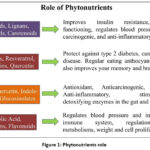 |
Figure 1: Phytonutrients role |
Significance of phytonutrients
Flavonoids, also known as phytonutrients, are produced by plants and provide them taste and color. With their anti-inflammatory, anti-cancer, and antioxidant activities, they are crucial to human health and the prevention of chronic diseases. Flavonoids are the most studied among over 10,000 flavonoids classified into numerous major groups.20 Carotenoids, such as lutein, zeaxanthin, lycopene, and β-carotene, are known for their potent antioxidant activities and are responsible for the bright color of carrots, tomatoes, and green leafy vegetables.21 The health benefits of high-phytonutrient diets are backed by epidemiology. As per the World Cancer Research Fund, consuming five or more servings of fruits and vegetables daily may reduce an individual’s risk of developing cancer by up to 20–30%.22 A reduced incidence of lung cancer in nonsmokers by 29% is also linked with high dietary intake of carotenoids. Phytonutrients are also necessary for eliminating inflammation, a risk factor for many chronic illnesses.23 In vitro and in vivo research have demonstrated that phytonutrients like curcumin, resveratrol, and epigallocatechin gallate (EGCG) are capable of significantly reducing pro-inflammatory cytokines like IL-6, IL-1β, and TNF-α. Antioxidant defense is aided by phytonutrients through the neutralization of reactive oxygen species (ROS), protecting cells from oxidative damage and mutagenesis.24,25 Resveratrol and quercetin have been found in preclinical studies to increase immune surveillance in tumor environments and enhance regulatory T-cell numbers.26 Aside from being essential components of public health nutrition policy, phytonutrients are also essential partners in the fight against diseases of modern living. The global burden of cancer, metabolic disorders, and chronic inflammation can be significantly reduced if their full potential is harnessed through diet or supplementation.27
Anti-inflammatory mechanism
Cancer and chronic inflammation
Chronic inflammation, a prolonged, dysregulated immune response, is the primary cause of non-communicable illnesses like cancer, accounting for over 20% of all human cancer cases and 60% of deaths worldwide.28 This condition promotes angiogenesis, genetic abnormalities, and a pro-tumorigenic environment, leading to angiogenesis and other health issues.29 Chronic inflammation encourages metastasis, suppresses apoptosis, and encourages cell growth by triggering key signaling pathways such as NF-κB, STAT3, and COX-2. Chronic inflammatory bowel disease such as Crohns disease and ulcerative colitis can increase the risk of cancer by five to tenfold.30 Because of liver inflammation, individuals with a chronic hepatitis B or C infection are 25–30% at risk of developing hepatocellular carcinoma. This link between cancer and inflammation is further evidenced by quantitative clinical evidence, which indicates that elevated CRP levels are associated with a 50–80% increased risk of mortality from malignancies such as colorectal, prostate, and lung cancer.31 Long-term exposure to inflammatory mediators can induce epithelial-to-mesenchymal transition (EMT), which enhances metastatic risk and reduces the success of treatment. Prevention and control of cancer can significantly be influenced by preventing or reducing chronic inflammation.32 Regular use of NSAIDs and anti-inflammatory drugs can reduce colorectal cancer incidence by 20-40%, while lifestyle changes like weight control, exercise, and increased consumption of anti-inflammatory phytonutrients can also lower cancer risk.33 Inflammation suppression by preventive diet including anti-inflammatory phytonutrients is a possible method to reduce the risk of cancer and improve patient outcomes.34 (Figure 2)
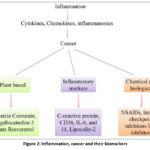 |
Figure 2: Inflammation, cancer and their biomarkers |
Cytokines proinflammatory modulation
Two pro-inflammatory cytokines that are responsible for chronic inflammation and are associated with various diseases are TNF-α and IL-6. Utilize phytonutrients to treat inflammatory diseases and control their manifestation.35 Leukocyte recruitment, endothelial activation, and upregulation of other inflammatory mediators such as IL-1, IL-6, and COX-2 are all mediated by TNF-α which is produced by activated macrophages.36 Levels of TNF-α are often significantly higher in chronic disease states; they have been found up to ten-fold higher in levels of circulating TNF-α in rheumatoid arthritis individuals compared to health individuals. Both TNF-α and IL-6 synthesis have been reported to be reduced by several Phytonutrients.37 Curcumin, a component of turmeric, is the most researched anti-inflammatory drug, and clinical trials have shown that supplementation can reduce blood TNF-α by 30-50% and IL-6 by 20-40% in patients with inflammatory diseases like arthritis and metabolic syndrome.38 Red wine and grapes have resveratrol, which possesses very strong cytokine-modulating effects and reduces IL-6 and TNF-α levels dramatically in type 2 diabetic individuals.39 In both in vitro and in vivo conditions, the flavonol quercetin found in apples, onions, and berries has been shown to inhibit TNF-α and IL-6 production and secretion.40 Green tea, parsley, celery, and chamomile also inhibit TNF-α and IL-6 by acting on upstream signaling molecules to downregulate them. Through their combination of antioxidant activity, blockage of signaling pathways, and transcriptional regulation, such natural compounds confer therapeutic significance towards prevention and cure of chronic inflammatory conditions.41, 42
Nuclear factor kappa-light-chain-enhancer of activated B cells (NF-KB), Mitogen-activated protein kinase (MAPK), inhibition pathways
Critical signaling cascades that regulate gene expression in inflammatory responses, immunological reactions, cell proliferation, and cell death are the NF-κB and MAPK pathways. Exacerbation of chronic diseases such as cancer, cardiovascular disease, neurodegenerative diseases, and autoimmune disease is caused by overactivation of these pathways.43 By inhibiting these critical biochemical pathways, phytonutrients, which are found in fruit, vegetables, teas, and herbs, have shown significant anti-inflammatory and chemo preventive activity. NF-κB is a transcription factor bound to its inhibitor, IκBα. Phosphorylation of IκBα by the IKK complex induces it to degrade and allows NF-κB to enter the nucleus. This leads to the synthesis of adhesion molecules, chemokines, pro-inflammatory cytokines, and enzymes like iNOS and COX-2.44 Curcumin, resveratrol, and quercetin are a few phytonutrients that inhibit NF-κB activation at various points in this signaling cascade.45 In patients with inflammatory diseases, curcumin treatment has been associated with a 50–60% reduction in NF-κB activity and significant reductions in TNF-α and IL-6 levels.46 The three principal families of kinases involved in mediating MAPK signaling ERK, JNK, and p38 MAPK are activated by both inflammatory and environmental stimuli. Disorders such as arthritis, atherosclerosis, and the progression of cancer are associated with the excessive activation of MAPK pathways.47 Several phytonutrients possess anti-inflammatory effects through action on the MAPK pathway. Resveratrol inhibits inflammatory cytokine production downstream by preventing ERK1/2 and p38 MAPK activation. Through the inhibition of JNK and p38 MAPK phosphorylation, the green tea catechin EGCG reduces COX-2 and iNOS production. Apigenin inhibits the expression of inflammatory genes and inhibits MAPK phosphorylation.48
Effect of antioxidant
Chronic inflammation, aging, and a variety of diseases, such as cancer, diabetes, cardiovascular disease, and neurological disorders, are all affected appreciably by oxidative stress, which is a result of an imbalance between the body’s antioxidant defensive mechanisms and the formation of ROS.49 Reactive oxygen species can trigger cellular dysfunction and inflammatory responses by damaging proteins, lipids, and DNA. Due to their ability to detoxify ROS, activate endogenous antioxidant systems, and regulate redox-sensitive signal pathways, phytonutrients such as flavonoids, carotenoids, stilbenes, and phenolic acids have garnered extensive attention.50 Direct scavenging of ROS and indirect upregulation of cellular antioxidant enzymes by phytonutrients exert antioxidant activities. Flavonoids, carotenoids, stilbenes, and phenolic acids are some of the compounds whose chemical makeup allows them to neutralize free radicals by donating electrons or hydrogen atoms. For example, quercetin has been shown to reduce the production of ROS in lipopolysaccharide-stimulated macrophages by over 70%.51 Further, nuclear factor erythroid 2-related factor 2 (Nrf2), a transcription factor regulating the expression of genes dependent on antioxidant response elements (ARE), is activated by phytonutrients. Nrf2 activation leads to enhanced detoxification and removal of ROS.52 Curcumin has been shown to increase nuclear translocation of Nrf2 in oxidative stress experimental models, leading to 40–60% elevation in SOD and GPx activity.53 Carotenoids like lycopene and β-carotene that are potent singlet oxygen quenchers have been associated with 30% lower levels of oxidative stress markers and lipid peroxidation on regular consumption. In addition to scavenging free radicals and inducing the synthesis of antioxidant enzymes, green tea provides potent antioxidant defense.54
Immune cell function and regulation
Using influencing the activity of T-cells, macrophages, and other immune system components, phytonutrients play a crucial role in controlling immune cell function. Through the regulation of cytokine production, gene expression, cell growth, and signal transduction pathways, these bioactive plant compounds can modulate immune responses, ensure immunological homeostasis and reduce pathological inflammation.55 The two main phenotypes of macrophages, the innate immune system’s front line of defense, are M1 (pro-inflammatory) and M2 (anti-inflammatory and tissue-repairing). By altering the polarization of macrophages from M1 to M2, phytonutrients can decrease inflammation. 56 It has been shown that curcumin, a curcumin-like chemical, decreases M1 macrophage infiltration in inflammatory tissues by 60% by suppressing M1 markers and inducing M2 markers in LPS-stimulated macrophages.57 Resveratrol, a polyphenol present in red grapes, suppresses macrophage activation and decreases TNF-α production in activated macrophages by up to 50% by inhibiting the NF-κB and MAPK pathways. In addition, it preserves immunological balance by stimulating phagocytic function and suppressing hyperactive inflammatory responses. T-cells are key elements of adaptive immunity, particularly CD4+ helper T-cells and CD8+ cytotoxic T-cells.58 Green tea’s phytonutrients, including epigallocatechin gallate (EGCG), reduce Th1 and Th17 cytokines and induce regulatory T-cells (Tregs), which secrete anti-inflammatory cytokines, aiding in the regulation of T-cell differentiation and cytokine production.59 Apples and onions are rich in quercetin, which suppresses intracellular calcium signaling and MAPK activation to modulate T-cell proliferation and cytokine production.60 Beta-glucans in oats and mushrooms possess immunomodulatory properties that enhance antigen presentation and adaptive immune responses by activating dendritic cells and macrophages through Dectin-1 and TLR2 receptors. They are promising adjuncts in immunotherapy and vaccine development due to these properties.61
Phytonutrient in anticancer potential
Due to their numerous bioactivities phytonutrients which occur in fruits, vegetables, cereals, and herbs, have been demonstrated to be effective in cancer prevention and complementary therapy. These compounds have anti-cancer activities through several mechanisms, including antioxidant activity, regulation of cell signaling pathways, inhibition of angiogenesis, induction of apoptosis, and suppression of metastasis.62 Increased intake of phytonutrient-rich foods has been linked to reduced incidence and development of cancer in research. Among the best-studied anti-cancer phytonutrients is curcumin, which is derived from turmeric and suppresses cancer cell growth by modulating numerous molecular targets.63 Oral curcumin is safe and can lower inflammatory markers by 30–50% in patients with colorectal cancer by inhibiting tumor-promoting inflammation, according to clinical studies.64 Red wine and grapes are rich in resveratrol, a stilbene that has shown potential to prevent the development, promotion, and progression of cancer. Green tea’s principal catechin, epigallocatechin gallate (EGCG) has shown anti-tumor angiogenesis and anti-metastasis activities.65 EGCG treatment greatly inhibited the potential for metastasis and decreased tumor neovascularization by 70% in mouse models. Due to its antioxidant properties and interference with androgen receptor signaling, lycopene, a carotenoid found abundantly in tomatoes is associated with reduced risk of prostate cancer.66 Broccoli and related cruciferous vegetables contain sulforaphane, which is a histone deacetylase inhibitory chemical and a phase II detoxifying enzyme inducer; this helps avoid the growth of breast and colon cancer cells. Their cancer treatment translational applicability will be enhanced through clinical confirmation and dosage standardization.67
Action mechanisms of phytonutrients
It has been shown that phytonutrients, which are bioactive compounds contained in plant foods possess anti-cancer activity through several interconnected mechanisms. These involve inhibition of angiogenesis and metastasis, induction of apoptosis, and cell cycle arrest.68 The mechanism of apoptosis, which kills damaged or potentially malignant cells is tightly regulated. Many cancer cell lines exhibit high rates of apoptosis due to induction of intrinsic apoptosis pathways by phytonutrients like curcumin, resveratrol, and EGCG. Another significant way phytonutrients exert their anti-cancer action is through cell cycle arrest.69 Cancer cells often bypass cell cycle regulatory checkpoints, and this leads to uncontrolled growth. By targeting significant regulatory proteins like cyclins, cyclin-dependent kinases (CDKs), and CDK inhibitors, phytonutrients can restore normal cell cycle regulation. EGCG has been shown to induce cell cycle arrest in several cancer cell lines, including prostate and breast cancer cells, at the G1 phase.70 Curcumin and lycopene inhibit G1 arrest by activating tumor suppressors p21 and p27 and blocking cyclin D1 production, which is crucial for inhibiting angiogenesis and metastasis to control tumor development.71 Sulforaphane, curcumin, and resveratrol are some of the phytonutrients that can inhibit angiogenesis by inhibiting the expression of matrix metalloproteinases (MMPs) and vascular endothelial growth factor (VEGF).72 Curcumin inhibits MMP-2 and MMP-9 enzyme activities, while resveratrol and EGCG inhibit the NF-κB pathway to downregulate VEGF expression. Through inhibition of cancer cell migration and formation of new blood vessels, EGCG has been found to inhibit metastasis by 60–70% in animal models.73 Since phytonutrients act on multiple pathways associated with cancer development, they have the potential to inhibit tumor growth, enhance the effectiveness of traditional treatments, and decrease side effects. These processes emphasize the promise of phytonutrients as therapeutic agents in cancer prevention and therapy.74
Gene expression and modulation epigenetics
The investigation of heritable differences in gene expression that do not arise from alterations to the fundamental DNA sequence is referred to as epigenetics. Mechanisms involve DNA methylation, histone modification, and non-coding RNA activity mediate such changes.75 The regulation of epigenetic processes, which may impact a variety of cellular processes ranging from growth, differentiation, and stress response, is an important role of phytonutrients. The mechanisms of how phytonutrients modulate the epigenetic environment help them retain anti-inflammatory, anti-tumor, and disease-protective qualities.76 One of the primary methods in which phytonutrients have an epigenetic influence involves DNA methylation which commonly reduces gene activity.77 A study showed that some phytonutrients such as sulforaphane, demethylate tumor-suppression-involved genes. DNA methyltransferases (DNMTs) which could reactivate latent tumor suppressor genes such as p16INK4A which plays a critical role in the control of the cell cycle are blocked by sulforaphane.78 Another significant epigenetic mechanism that regulates gene expression is histone modification.79 Several post-translational modifications such as acetylation, methylation, phosphorylation, and ubiquitination can take place in histones, which are protein molecules that surround DNA.80, 81 Curcumin of turmeric has been shown to modify histone acetylation, increasing gene expression for DNA repair, cell cycle regulation, and apoptosis. Studies show that in in vitro and in vivo models of cancer, curcumin-induced histone modifications lead to reduced tumor growth.82 Furthermore, phytonutrients modulate gene expression through the regulation of non-coding RNAs, particularly microRNAs (miRNAs). Green tea’s epigallocatechin gallate (EGCG) is one of the phytonutrients that can regulate miRNA expression, and in doing so, influence genes involved in cell division, proliferation, and death. These epigenetic alterations maintain cellular homeostasis, regulate inflammatory processes, and help cancer cells recover normal gene expression.83
Microenvironment impact on tumor
Tumor initiation, growth, metastasis, and drug resistance are all substantially controlled by the intricate ecology of the tumor microenvironment (TME). It is characterized by oxidative stress, hypoxia, acidity, and inflammation, all of which may impact cancer cell behavior. Phytonutrients, found in fruits, vegetables, and plant foods, alter various TME components, altering the interaction between tumor cells and their environment, thus enhancing anti-cancer efficacy.84 Chronic inflammation induces angiogenesis, immunological evasion, and metastasis, all of which play a role in tumor growth. The inhibiting the activation of pro-inflammatory mediators such as NF-κB, COX-2, and pro-inflammatory cytokines, phytonutrients such as curcumin, resveratrol, and sulforaphane have the ability to suppress inflammatory pathways.85 This reduces the release of inflammatory cytokines and chemokines, which renders the tissue environment less conducive to tumor growth. Angiogenesis is also vital for tumor growth and metastasis as well as inflammation. These have been shown to inhibit angiogenesis by targeting key elements like matrix metalloproteinases (MMPs) and vascular endothelial growth factor (VEGF).86 Phytonutrients inhibit tumor formation and metastasis by decreasing the blood supply to tumors. Through the promotion of the epithelial-to-mesenchymal transition (EMT), hypoxia causes tumors to become more aggressive by allowing cancer cells to migrate to other organs and invade surrounding tissues.87 Hypoxia-driven EMT can be reversed by phytonutrients such as resveratrol and quercetin, which inhibit the production of hypoxia-inducible factor-1α (HIF-1α), an essential controller of oxygen-dependent genes. Due to this inhibition, cancer cells cannot acquire the invasive properties required for metastasis.88 Yet another property of the TME is immune evasion. The enhancing the function of immune effector cells such as T-cells and natural killer (NK) cells and inhibiting immune suppressive cells such as T-regulatory cells and myeloid-derived suppressor cells (MDSCs), phytonutrients could alter immune cell function within the TME. Their potential as complementary medicines in cancer prevention and treatment are underscored by their ability to modulate multiple pathways within the TME.89
Radio-chemotherapy effects
While radiation and chemotherapy are essential treatments for most cancers, they often have severe side effects, such as drug resistance, destruction of normal tissues, and immunosuppression. The use of phytonutrients as a plant-derived bioactive compounds to conventional cancer therapy has become increasingly popular over the last few years.90 It has been shown that phytonutrients could enhance the effectiveness of radiation and chemotherapy and decrease their side effects. Their ability to enhance immune responses reduce toxicity and sensitize cancer cells offers an effective method to improve the efficiency of cancer treatment. By increasing the sensitivity of cancer cells to chemotherapeutic agents such as curcumin, resveratrol, and epigallocatechin gallate (EGCG) phytonutrients complement chemotherapy.91 These phytonutrients interact with a multitude of cellular pathways that are responsible for drug resistance, such as overexpression of anti-apoptotic proteins and activation of drug efflux pumps. The inhibiting P-glycoprotein, a cell membrane protein that exports chemotherapeutic drugs from cells, curcumin has been shown to sensitise resistant cancer cells to paclitaxel. This enhances the intracellular drug accumulation.92 Through the modulation of cell survival and death signaling pathways, resveratrol has also been shown to sensitise tumor cells to cisplatin.93 Phytonutrients also possess radioprotective activity, enhancing the therapeutic value of radiation treatment and minimizing its adverse effects on normal tissues.94 EGCG, a primary polyphenol in green tea, has shown promise in radiation therapy by radio-sensitizing tumor cells by inhibiting the Akt pathway which is responsible for DNA repair and cell survival.95 Curcumin sensitizes tumor cells to radiation by increasing DNA damage in cancer cells but preventing normal cells from oxidative stress.96 Through decreased oxidative stress, control of immune reaction, and protection of normal cells from damage due to radiation phytonutrients also contribute to reducing treatment toxicities. For example, through modulation of phase II detoxifying enzymes, sulforaphane, a compound found in cruciferous vegetables such as broccoli, has been shown to reduce chemotherapy-induced neutropenia and protect against organ injury.97, 98
Delivery challenges, bioavailability, metabolism
Curcumin, resveratrol, EGCG, and sulforaphane are a few phytonutrients that have shown promising promise in the treatment and prevention of a variety of diseases, including cancer. However, these compounds often find it difficult to reach therapeutic levels within the blood and tissues which limits their therapeutic potential.99 The proportion of a chemical that becomes available in the circulation after introduction into the body and reaches tissues and organs is termed bioavailability. Due to their very lipophilic nature, phytonutrients such as curcumin are not readily absorbed into the circulation upon intake.100 The liver’s rapid first-pass metabolism of resveratrol, a compound found in red wine and grapes, reduces its bioavailability. The principal catechin in green tea, EGCG, is rapidly broken down and mal absorbed in the intestine, reducing plasma levels.101 The brief half-lives of such phytonutrients in the bloodstream, which facilitate their rapid elimination from the body make these challenges even more challenging. The accessibility and biological effectiveness of phytonutrients are largely controlled by metabolism. Liver and intestinal enzymes metabolize phytonutrients upon ingestion, yielding metabolites that may be less physiologically active than the parent compounds.102, 103 Inconsistent response to supplementation can occur because of the influence of the gut microbiota on phytonutrient metabolism. One means of enhancing the bioavailability and therapeutic action of phytonutrients is through delivery forms. New delivery forms with enhanced solubility, stability, and absorption of such chemicals have been designed due to the improvement in nanotechnology and formulation technologies. These innovative delivery techniques can potentially circumvent the disadvantages of fast metabolism and poor bioavailability, ensuring that more concentrations of phytonutrients become available in the bloodstream and arrive at the targeted tissues for their therapeutic action.104
Regulatory perspectives dosage and safety
Curcumin, resveratrol, EGCG, and sulforaphane are just a few among the many phytonutrients that have shown promising therapeutic effects in preventing and treating disease. Their safety profiles, optimal doses, and regulatory oversight need to be well considered to ensure safe and effective use, particularly in a clinical context. Especially when taken in bulk form or over an extended period, highly concentrated supplements can be risky to safety.105 For example, EGCG prevents cancer but has been found to cause a rare instance of liver toxicity upon high-dose administration; sulforaphane is safe but can produce some mild gastrointestinal distress; curcumin causes gastrointestinal disturbances; and resveratrol enhances bleeding risk in subjects on anticoagulant therapy.106 Also, some drugs’ metabolism and action can be influenced by the interaction of phytonutrients with drugs metabolized by the liver’s cytochrome P450 enzyme system. For phytonutrients to exert optimal therapeutic benefits and minimum adverse side effects, the appropriate dose is necessary. Doses of 500 mg to 2,000 mg of curcumin, 150 mg to 500 mg of resveratrol, and 300 mg to 800 mg of EGCG are standard in clinical trials.107 There are varying regulatory frameworks for phytonutrient supplements across countries but the majority of them regulate them as dietary supplements, which are regulated less strictly than medicines. Whereas the European Food Safety Authority (EFSA) in Europe imposes stricter limitations on health claims by manufacturers of supplements, the FDA in the United States does not certify dietary supplements as safe or effective before they are marketed. Stricter regulatory steps, such as quality control guidelines, good manufacturing practices (GMP), and more extensive clinical research on phytonutrient safety and effectiveness, are necessary to solve these issues.108, 109
Research gaps and future directions
There are many gaps in research and future directions that need to be answered despite the increasing evidence that phytonutrients possess the potential to prevent and cure disease. Maximizing the metabolism and bioavailability of phytonutrients such as sulforaphane, EGCG, resveratrol, and curcumin is an urgent area for future research. Increasing the efficacy of these chemicals by advancing liposomal formulations, nanotechnology, and bio enhancement methods is essential.110 Understanding how the gut microbiota influences the metabolism of phytonutrients could possibly lead to personalized phytonutrient-based therapies through insights into the way that everyone responds differently to these chemicals. Another important research area is optimization of dosing strategies. While various doses of phytonutrient supplements have been investigated in clinical trials, standardized dosing recommendations are still not available. To determine the optimal dosage which maximizes therapeutic effects and reduces adverse effects, dose-response investigations are necessary.111, 112 To determine long-term implications of high-dose phytonutrient supplementation to human health, longitudinal studies of the consequences of chronic consumption will be important. Further studies will also be necessary to elucidate the molecular actions of phytonutrients. Though it has been indicated by studies that phytonutrients possess anti-inflammatory, antioxidant, and anti-cancer activity, it is yet to be determined which specific signaling pathways and gene expression modifications these compounds induce.113 Researching how phytonutrients impact epigenetics can reveal novel therapeutic avenues for the prevention and treatment of chronic diseases such as cancer, heart disease, and neurological disorders. Finally, additional work must be conducted to enhance the regulatory landscape for phytonutrient supplements.114, 115 Standardizing the phytonutrient composition of supplements and creating more specific guidelines for health benefit claims will improve the quality and consistency of products that consumers can buy. Creating firm standards that ensure the safety and efficacy of phytonutrient-based treatments necessitates collaboration among regulatory agencies, researchers, and the supplement industry.116, 117
Discussion
Phytonutrients, which are abundant in fruits, vegetables, and herbs, demonstrate significant anti-inflammatory and anti-cancer properties that are essential for health promotion. These bioactive compounds, including flavonoids, carotenoids, and polyphenols, exert their effects by modulating inflammatory pathways and oxidative stress, thereby mitigating chronic inflammation associated with various diseases. Furthermore, their capacity to regulate cellular processes, such as apoptosis and cell cycle arrest, highlights their potential in cancer prevention and treatment. Utilizing these benefits through dietary intake or supplementation offers a comprehensive approach to addressing inflammatory disorders and reducing cancer risk. Future research should aim to elucidate specific mechanisms of action, optimize bioavailability, and explore synergistic interactions among phytonutrients to enhance their therapeutic efficacy in clinical settings. Integrating phytonutrient-rich diets into public health strategies holds promise for improving overall well-being and preventing chronic diseases.
Conclusion
Fruits, vegetables, whole grains, and legumes are rich in bioactive compounds known as phytonutrients that have been shown to hold promise for preventing and treating chronic diseases such as cancer, heart disease, and inflammatory diseases. These compounds are attractive therapeutic agents due to their anti-inflammatory, antioxidant, and anti-cancer properties. Converting these findings into therapeutic applications remains challenging, however. Because most substances are not well absorbed, rapidly metabolized, and eliminated from the body, one of the key challenges is phytonutrient bioavailability and metabolism. Breakthroughs in drug delivery systems such as liposomes, nanoparticles, and bioenhancers offer means to increase absorption and ensure effective distribution to target areas. In consideration of the diverse range of currently available dosage guidelines and limited knowledge regarding the long-term safety of high-dose phytonutrient supplementation, dosing optimization remains a challenge. Another significant area in need of more exploration is the modes of action for the phytonutrients. The specific biochemical mechanisms and gene regulation processes through which phytonutrients exert their therapeutic effects are not understood, even though their antioxidant and anti-inflammatory effects are well known. To prevent the initiation of disease, the future research must focus on understanding the epigenetic changes induced by phytonutrients and the interactions of these compounds with genetic and environmental factors. To offer comprehensive guidelines for the approval and marketing of phytonutrient-based supplements, regulatory agencies such as the FDA and EFSA will be crucial. The advantages of having foods rich in phytonutrients in the diet to reduce the risk of chronic diseases are evidenced by epidemiological and clinical studies. There will be greater opportunities to integrate phytonutrient-based therapies into mainstream medical practice as we gain a better understanding of the complexities of phytonutrient metabolism, bioavailability, and interactions with other compounds.
Acknowledgement
The authors would like to thank Graphic Era (Deemed to be University), Dehradun, Uttarakhand, India; Siksha ‘O’ Anusandhan University, Bhubaneswar, Odisha, India; Baba Banda Singh Bahadur Engineering College, Fatehgarh Sahib India; Invertis University, Bareilly, Lucknow, Uttar Pradesh, India; Lovely Professional University, G.T Road, Jalandhar, Punjab, India; and PSGR Krishnammal College for Women, Coimbatore, Tamil Nadu, India for the support.
Funding Sources
The author(s) received no financial support for the research, authorship, and/or publication of this article.
Conflict of Interest
All authors declare no conflict of interest.
Data Availability Statement
This statement does not apply to this article.
Ethical Statement
This research did not involve human participants, animal subjects, or any material that requires ethical approval.
Informed consent statement
This study did not involve human participants, and therefore, informed consent was not required.
Clinical Trial registration
This research does not involve any clinical trials.
Permission to reproduce materials from other sources
Not applicable.
Author Contributions
- Rahul Kumar: Data collection, methodology, Writing – Original Draft.
- Neha Kamboj: Writing – Original Draft, Software- image.
- Divya Gunsola: Writing – Original Draft, writing – Review & Editing
- Rachan Karmakar: Writing – Original Draft, writing – Review & Editing,
- Sourav Chattaraj: Writing – Original Draft, writing – Review & Editing,
- Saurabh Gangola: Writing – Original Draft, writing – Review & Editing,
- Bhavya Mudgal: Writing – Original Draft, writing – Review & Editing,
- Devvret Verma: Writing – Original Draft, writing – Review & Editing,
- Prateek Gururani; Writing – Original Draft, writing – Review & Editing,
- Nitika Rathi: Writing – Original Draft, writing – Review & Editing,
- Rajat Singh: Writing – Original Draft, writing – Review & Editing,
- Anuprita Ray: Writing – Original Draft, writing – Review & Editing,
- Uma Eswaranpillai: Writing – Original Draft, writing – Review & Editing,
- Debasis Mitra: Conceptualization, analysis, writing – Review & Editing, Visualization, Supervision.
References
- Szalontai K., Gémes N., Furák J., Varga T., Neuperger P., Balog J. Á., Szebeni G. J. Chronic obstructive pulmonary disease: epidemiology, biomarkers, and paving the way to lung cancer. Clin. Med. 2021;10(13):2889. https://doi.org/10.3390/jcm10132889
CrossRef - Wang R. X., Zhou M., Ma H. L., Qiao Y. B., Li Q. S. The role of chronic inflammation in various diseases and anti‐inflammatory therapies containing natural products. ChemMedChem. 2021;16(10):1576-1592. https://doi.org/10.1002/cmdc.202000996
CrossRef - Okada F., Izutsu R., Goto K., Osaki M. Inflammation-related carcinogenesis: Lessons from animal models to clinical aspects. CA. 2021;13(4):921. https://doi.org/10.3390/cancers13040921
CrossRef - Kaur B., Singh, P. Inflammation: Biochemistry, cellular targets, anti-inflammatory agents and challenges with special emphasis on cyclooxygenase-2. Chem. 2022;121:105663. https://doi.org/10.1016/j.bioorg.2022.105663
CrossRef - Al-Khayri J. M., Sahana G. R., Nagella P., Joseph B. V., Alessa F. M., Al-Mssallem M. Q. Flavonoids as potential anti-inflammatory molecules:Mol. 2022;27(9):2901. https://doi.org/10.3390/molecules27092901
CrossRef - Kouris-Blazos A., Belski R.Health benefits of legumes and pulses with a focus on Australian sweet lupins. Asia Pac. J. Clin. Nutr2016;25(1):1–17. https://search.informit.org/doi/10.3316/ielapa.908100617189705
- Ubago-Guisado E., Rodriguez-Barranco M., Ching-Lopez A., Petrova D., Molina-Montes E., Amiano P., Sanchez M. J. Evidence update on the relationship between diet and the most common cancers from the European prospective investigation into cancer and nutrition (EPIC) study: a systematic review. Nutr. 2021;13(10):3582. 3390/nu13103582
CrossRef - Mahmu, A. R., Ema T. I., Siddiquee M. F. R., Shahriar A., Ahmed H., Mosfeq-Ul-Hasan M.,Mizan M. F. R. Natural flavonols: actions, mechanisms, and potential therapeutic utility for various diseases. Beni Suef Univ J Basic Appl Sci2023;12(1): 47. https://doi.org/10.1186/s43088-023-00387-4
CrossRef - Khan J., Deb P. K., Priya S., Medina K. D., Devi R., Walode S. G., Rudrapal M. Dietary flavonoids: Cardioprotective potential with antioxidant effects and their pharmacokinetic, toxicological and therapeutic concerns. . 2021;26(13): 4021. https://doi.org/10.3390/molecules26134021
CrossRef - Tufail T., Fatima, S., Bader Ul Ain H., Ikram A., Noreen S., Rebezov M., Shariati M. A. Role of phytonutrients in the prevention and treatment of chronic diseases: a concrete review. ACS Omega. 2025;10(13):12724-12755.1021/acsomega.4c02927
CrossRef - Ağagündüz D., Şahin T. Ö., Yılmaz B., Ekenci K. D., Duyar Özer Ş., Capasso R. Cruciferous vegetables and their bioactive metabolites: from prevention to novel therapies of colorectal cancer. Evidence‐based Complementary and Alternative Medicine. 2022;(1):1534083. 1155/2022/1534083
CrossRef - Pawase P. A., Goswami C., Shams R., Pandey V. K., Tripathi A., Rustagi S. A conceptual review on classification, extraction, bioactive potential and role of phytochemicals in human health. Future Foods. 2024;9: https://doi.org/10.1016/j.fufo.2024.100313
CrossRef - Thawabteh A., Juma S., Bader M., Karaman D., Scrano L., Bufo S. A., Karaman R. The biological activity of natural alkaloids against herbivores, cancerous cells and pathogens. 2019;(11):656. 10.3390/toxins11110656
CrossRef - Sun J., Luo S., Deng J., & Yang H. Phytochemicals in Chronic Disease Prevention. Nutr. 2023;15(23): 4933. 3390/nu15234933
CrossRef - Wallace T. C., Bailey R. L., Blumberg J. B., Burton-Freeman B., Chen C. O., Crowe-White K. M., Wang D. D. Fruits vegetables and health: A comprehensive narrative, umbrella review of the science and recommendations for enhanced public policy to improve intake. Rev. Food Sci. Nutr. 2020;60(13):2174-2211. https://doi.org/10.1080/10408398.2019.1632258
CrossRef - Muscolo A., Mariateresa O., Giulio T., Mariateresa R. Oxidative stress: the role of antioxidant phytochemicals in the prevention and treatment of diseases. J. Mol. Sci. 2024;25(6):3264. https://doi.org/10.3390/ijms25063264
CrossRef - Rudzińska A., Juchaniuk P., Oberda J., Wiśniewska J., Wojdan W., Szklener K., Mańdziuk S. Phytochemicals in cancer treatment and cancer prevention review on epidemiological data and clinical trials. Nutr. 2023;15(8):1896. https://doi.org/10.3390/nu15081896
CrossRef - Zhou F., Gu K., Zhou Y. Flavonoid intake is associated with lower all-cause and disease-specific mortality: The National Health and Nutrition Examination Survey 2007–2010 and 2017–2018. Nutr. 2023;10:1046998. 10.3390/nu15234933
CrossRef - Wang K., Lu T., Yang R., Zhou S. Associations of Flavonoid Intakes with Mortality among Populations with Hypertension: A Prospective Cohort Study. Nutr. 2024;16(10):1534. https://doi.org/10.3390/nu16101534
CrossRef - Mondal S., Rahaman S. T. Flavonoids: A vital resource in healthcare and medicine. Pharmacol. Int. J. 2020;8(2):91-104. https://doi.org/10.15406/ppij.2020.08.00285
CrossRef - Ullah A., Munir S., Badshah S. L., Khan N., Ghani L., Poulson B. G., Jaremko M.Important flavonoids and their role as a therapeutic agent. mol. 2020;25(22):5243. 3390/molecules25225243
CrossRef - Cohen J. H., Kristal A. R., Stanford J. L.Fruit and vegetable intakes and prostate cancer risk. Natl. Cancer Inst. 2000;92(1): 61-68.https://doi.org/10.1093/jnci/92.1.61
CrossRef - Chen S., Wang X., Cheng Y., Gao H., Chen, X. A review of classification, biosynthesis, biological activities and potential applications of flavonoids. mol. 2023;28(13):4982. https://doi.org/10.3390/molecules28134982
CrossRef - Alam, M., Gulzar, M., Akhtar, M. S., Rashid, S., Shamsi, A., Hassan, M. I.Epigallocatechin-3-gallate therapeutic potential in human diseases: molecular mechanisms and clinical studies. Biomed. 2024;5(1): 1-21. 10.1186/s43556-024-00240-9
CrossRef - Kamboj N., Sharma S., Kumar R. Neuroprotective insights into epigallocatechin gallate (EGCG) for neurodegenerative disorders. Explor Neurosci. 2025;4:100673. https://doi.org/10.37349/en.2025.100673
CrossRef - Lalani A. R., Fakhari F., Radgoudarzi S., Rastegar‐Pouyani N., Moloudi K., Khodamoradi E., Najafi M. Immunoregulation by resveratrol; implications for normal tissue protection and tumour
suppression. Exp. Pharmacol. Physiol. 2023;50(5):353-368. https://doi.org/10.1111/1440-1681.13760
CrossRef - Li C., Xu Y., Zhang J., Zhang Y., He W., Ju J., Wang Y. The effect of resveratrol, curcumin and quercetin combination on immuno-suppression of tumor microenvironment for breast tumor-bearing mice. Rep. 2023;13(1):13278. 10.1038/s41598-023-39279-z
CrossRef - Geto Z., Molla M. D., Challa F., Belay Y., & Getahun T. Mitochondrial Dynamic Dysfunction as a Main Triggering Factor for Inflammation Associated Chronic Non-Communicable Diseases. Inflamm. Res. 2020;13:97–107. https://doi.org/10.2147/JIR.S232009
CrossRef - Dash U. C., Bhol N. K., Swain S. K., Samal R. R., Nayak P. K., Raina V., Jena A. B.Oxidative stress and inflammation in the pathogenesis of neurological disorders: Mechanisms and implications. Acta Pharm. Sin. B. 2024.https://doi.org/10.1016/j.apsb.2024.10.004
CrossRef - Nigam M., Mishra A. P., Deb V. K., Dimri D. B., Tiwari V., Bungau S. G., Radu A. F. Evaluation of the association of chronic inflammation and cancer: Insights and implications. Pharmacother. 2023;164:115015. https://doi.org/ 10.1016/ j.biopha.2023.115015
CrossRef - Hart P. C., Rajab I. M., Alebraheem M., Potempa L. A.C-reactive protein and cancer diagnostic and therapeutic insights. Immunol. 2020;11:595835. https://doi.org/10.3389/fimmu.2020.595835
CrossRef - Rizzo G. E. M., Cabibbo G., Craxì A.Hepatitis B virus-associated hepatocellular carcinoma. 2022;14(5):986. 10.3390/v14050986
CrossRef - De S., Paul S., Manna A., Majumder C., Pal K., Casarcia N., Mondal A., Banerjee S., Nelson V.K., Ghosh S. Phenolic Phytochemicals for Prevention and Treatment of Colorectal Cancer: A Critical Evaluation of In Vivo Studies. CA. 2023;15(3):993. https://doi.org/10.3390/cancers15030993
CrossRef - Rashid G., Khan N. A., Elsori D., Rehman A., Tanzeelah, Ahmad H., Hafez W. Non-steroidal anti-inflammatory drugs and biomarkers: A new paradigm in colorectal cancer. Med.. 2023;10:1130710. https://doi.org/10.3389/ fmed.2023.1130710
CrossRef - Bhol N. K., Bhanjadeo M. M., Singh A. K., Dash U. C., Ojha R. R., Majhi S., Jena A. B. The interplay between cytokines, inflammation, and antioxidants: Mechanistic insights and therapeutic potentials of various antioxidants and anti-cytokine compounds. Pharmacother. 2024;178:117177. https://doi.org/10.1016/j.biopha.2024.117177
CrossRef - Adeyi O. E., Somade O. T., Ajayi B. O., James A. S., Adeboye T. R., Olufemi D. A., Mufutau I. O. The anti-inflammatory effect of ferulic acid is via the modulation of NFκB-TNF-α-IL-6 and STAT1-PIAS1 signaling pathways in 2-methoxyethanol-induced testicular inflammation in rats. Plus. 2023;3(3):100464. https://doi.org/10.1016/ j.phyplu.2023.100464
CrossRef - Gharamti A. A., Samara O., Monzon A., Montalbano G., Scherger S., DeSanto K., Shapiro L. Proinflammatory cytokines levels in sepsis and healthy volunteers, and tumor necrosis factor-alpha associated sepsis mortality: A systematic review and meta-analysis. cytokine. 2022;158: https://doi.org/10.1016/j.cyto.2022.156006
CrossRef - Hobbs K. J., Bayless R., Sheats M. K. A Comparative Review of Cytokines and Cytokine Targeting in Sepsis: From Humans to Horses. Cells. 2024;13(17):1489. https://doi.org/10.3390/cells13171489
CrossRef - Woon C. K., Hui W. K., Abas R., Haron M. H., Das S., Lin T. S. Natural product-based nanomedicine: Recent advances and issues for the treatment of Alzheimer’s disease. Current Neuropharmacology. 2022;20(8):1498-1518. https://doi.org/10.2174/1570159X20666211217163540
CrossRef - Kong M., Xie K., Lv M., Li J., Yao J., Yan K., Ye D. Anti-inflammatory phytochemicals for the treatment of diabetes and its complications: Lessons learned and future promise Pharmacother. 2021;133:110975. https://doi.org/10.1016/j.biopha.2020.110975
CrossRef - Hon K. W., Nag S., Stany B. K., Mishra S., Naidu R. Identification of SRC, AKT1 and MAPK3 as therapeutic targets of apigenin and luteolin in colorectal and colon carcinoma through network pharmacology. Food Biosci. 2025;67: https://doi.org/10.1016/j.fbio.2025.106313
CrossRef - Jain D., Singh K., Gupta P., Gupta J. K., Sahu P. K., Dwivedi S., Kumar S. Exploring Synergistic Benefits and Clinical Efficacy of Turmeric in Management of Inflammatory and Chronic Diseases: A Traditional Chinese Medicine Based Review. Res. – Modern Chinese Med. 2025:100572. https://doi.org/10.1016/j.prmcm.2025.100572
CrossRef - Wright B., King S., Suphioglu C.The Importance of Phosphoinositide 3-Kinase in Neuroinflammation. J. Mol. Sci. 2024;25(21):11638. https://doi.org/10.3390/ijms252111638
CrossRef - Huang S., Lu Y., Fang W., Huang Y., Li Q., Xu Z. Neurodegenerative diseases and neuroinflammation-induced apoptosis. Open Life Sci. 2025;20(1): 20221051. 1515/biol-2022-1051
CrossRef - Kannan G., Paul B. M., Thangaraj P. Stimulation, regulation, and inflammaging interventions of natural compounds on nuclear factor kappa B (NF-kB) pathway: a comprehensive review. Inflammopharmacology. 2025:1-18. https://doi.org/10.1007/s10787-024-01635-4
CrossRef - Sendani A. A., Farmani M., Kazemifard N., Ghavami S. B., Sadeghi A. Molecular Mechanisms and Therapeutic Effects of Natural Products in Inflammatory Bowel Disease. Clin Nutr Open Sci. 2024. https://doi.org/10.1016/ j.nutos.2024.09.004
CrossRef - Sahu R., Rawal R. K. Modulation of the c-JNK/p38-MAPK signaling pathway: Investigating the therapeutic potential of natural products in hypertension. Plus. 2024:100564. https://doi.org/10.1016/j.phyplu.2024.100564
CrossRef - Behl T., Rana T., Alotaibi G. H., Shamsuzzaman M., Naqvi M., Sehgal A., Bungau S. Polyphenols inhibiting MAPK signalling pathway mediated oxidative stress and inflammation in depression. Pharmacother. 2022;146:112545. https://doi.org/10.1016/j.biopha.2021.112545
CrossRef - Hussain F., Kayani H. U. R. Aging-Oxidative stress, antioxidants and computational modeling. Heliyon. 2020;6(5). https://doi.org/10.1016/j.heliyon.2020.e04107
CrossRef - Jena A. B., Samal R. R., Bhol N. K., Duttaroy A. K. Cellular Red-Ox system in health and disease: The latest update. Pharmacother. 2023;162:114606. https://doi.org/10.1016/j.biopha.2023.114606
CrossRef - Jomova K., Raptova R., Alomar S. Y., Alwasel S. H., Nepovimova E., Kuca K., Valko M. Reactive oxygen species, toxicity, oxidative stress, and antioxidants: Chronic diseases and aging. Toxicol. 2023;97(10):2499-2574. 10.1007/s00204-023-03562-9
CrossRef - Tripathi S., Kharkwal G., Mishra R., Singh G. Nuclear factor erythroid 2-related factor 2 (Nrf2) signaling in heavy metals-induced oxidative stress. Heliyon. 2024. https://doi.org/10.1016/j.heliyon.2024.e37545
CrossRef - Shahcheraghi S. H., Salemi F., Peirovi N., Ayatollahi J., Alam W., Khan H., Saso L.Nrf2 regulation by curcumin: molecular aspects for therapeutic prospects. Mol. 2021;27(1):167. https://doi.org/10.3390/molecules27010167
CrossRef - Swapnil P., Meena M., Singh S. K., Dhuldhaj U. P., Marwal A.Vital roles of carotenoids in plants and humans to deteriorate stress with its structure, biosynthesis, metabolic engineering and functional aspects. Plant Biol. 2021;26:100203. https://doi.org/10.1016/j.cpb.2021.100203
CrossRef - Wang X., Li Y., Pu X., Liu G., Qin H., Wan W., Yang J. Macrophage-related therapeutic strategies: Regulation of phenotypic switching and construction of drug delivery systems. Pharmacol Res. 2024;199:107022. https://doi.org/10.1016/j.phrs.2023.107022
CrossRef - Xia T., Fu S., Yang R., Yang K., Lei W., Yang Y., Zhang T. Advances in the study of macrophage polarization in inflammatory immune skin diseases. Inflamm. 2023;20(1):33. https://doi.org/10.1186/s12950-023-00360
CrossRef - Meng T., Xiao D., Muhammed A., Deng J., Chen L., He J. Anti-inflammatory action and mechanisms of resveratrol. Mol. 2021;26(1):229. https://doi.org/10.3390/molecules26010229
CrossRef - Xue J. C., Yuan S., Meng H., Hou X. T., Li J., Zhang H. M., Zhang Q. G. The role and mechanism of flavonoid herbal natural products in ulcerative colitis. Pharmacother. 2023;158: 114086. https://doi.org/10.1016/ j.biopha.2022. 114086
CrossRef - Wang S., Li Z., Ma Y., Liu Y., Lin C. C., Li S., & Ho C. T. Immunomodulatory effects of green tea polyphenols. Mol. 2021;26(12):3755. https://doi.org/10.3390/molecules26123755
CrossRef - Dytrych P., Kejík, Z., Hajduch J., Kaplánek R., Veselá K., Kučnirová K., Jakubek M.Therapeutic potential and limitations of curcumin as antimetastatic agent. Pharmacother. 2023;163:114758. https://doi.org/10.1016/ j.biopha.2023.114758
CrossRef - Alesci A., Nicosia N., Fumia A., Giorgianni F., Santini A., Cicero N. Resveratrol and immune cells: a link to improve human health. 2022;27(2):424. https://doi.org/10.3390/molecules27020424
CrossRef - de Arruda Nascimento E., de Lima Coutinho L., da Silva C. J., de Lima V. L. A. G., dos Santos Aguiar J. In vitro anticancer properties of anthocyanins: A systematic review. BBA – Reviews on Cancer 2022;1877(4):188748. https://doi.org/10.1016/j.bbcan.2022.188748
CrossRef - Sultana S., Munir N., Mahmood Z., Riaz M., Akram M., Rebezov M., Rengasamy K. R.Molecular targets for the management of cancer using Curcuma longa Linn. phytoconstituents: A Review. Pharmacother. 2021;135:111078. https://doi.org/10.1016/j.biopha.2020.111078
CrossRef - Zhao H., Ming T., Tang S., Ren S., Yang H., Liu M., Xu H. Wnt signaling in colorectal cancer: pathogenic role and therapeutic target. Cancer. 2022;21(1):144.17. 10.1186/s12943-022-01616-7
CrossRef - Okpoghono J., Isoje E. F., Igbuku U. A., Ekayoda O., Omoike G. O., Adonor T. O., Seigha A. A. Natural polyphenols: a protective approach to reduce colorectal cancer. Heliyon. 2024;10(11). https://doi.org/10.1016/ j.heliyon.2024. e32390
CrossRef - Kciuk M., Alam M., Ali N., Rashid S., Głowacka P., Sundaraj R., Kontek, R.Epigallocatechin-3-gallate therapeutic potential in cancer: Mechanism of action and clinical implications. Mol. 2023;28(13):5246. 3390/molecules 28135246
CrossRef - Thirumalaisamy R., Bhuvaneswari M., Haritha S., Jeevarathna S., Janani K. S., Suresh, K. Curcumin, naringenin and resveratrol from natural plant products hold promising solutions for modern world diseases–A recent review. Afr. J. Bot. 2022;151:567-580. https://doi.org/10.1016/j.sajb.2022.06.027
CrossRef - Hashem , Ali, T. A., Akhtar S., Nisar S., Sageena G., Ali S., Bhat A. A. Targeting cancer signaling pathways by natural products: Exploring promising anti-cancer agents. Biomed. Pharmacother. 2022;150:113054. https://doi.org/10.1016/j.biopha.2022.113054
CrossRef - Neophytou C. M., Trougakos I. P., Erin N., Papageorgis, P.Apoptosis deregulation and the development of cancer multi-drug resistance. CA. 2021;13(17):4363. 3390/cancers13174363
CrossRef - Almatroodi S. A., Almatroudi A., Khan A. A., Alhumaydhi F. A., Alsahli M. A., Rahmani A. H. Potential therapeutic targets of epigallocatechin gallate (EGCG), the most abundant catechin in green tea, and its role in the therapy of various types of cancer. Mol. 2020;25(14):3146. https://doi.org/10.3390/molecules25143146
CrossRef - Song G., Liu J., Tang X., Zhong J., Zeng Y., Zhang X., Li, Y. Cell cycle checkpoint revolution: targeted therapies in the fight against malignant tumors. Pharmacol. 2024;15:1459057. https://doi.org/10.3389/fphar.2024.1459057
CrossRef - Naujokat C., McKee, D. L. The “Big Five” phytochemicals targeting cancer stem cells: Curcumin, EGCG, sulforaphane, resveratrol and genistein. Med. Chem. 2021;28(22):4321-4342. https://doi.org/10.2174/ 0929867327666200228110738
CrossRef - Shoari A., Ashja Ardalan A., Dimesa A. M., Coban M. A. Targeting invasion: the role of MMP-2 and MMP-9 inhibition in colorectal cancer therapy. Biomolecules. 2024;15(1):35. https://doi.org/10.3390/biom15010035
CrossRef - Tufail T., Fatima S., Bader Ul Ain H., Ikram A., Noreen S., Rebezov M., Shariati M. A. Role of phytonutrients in the prevention and treatment of chronic diseases: a concrete review. ACS omega. 2025;10(13):12724-12755. https://doi.org/10.1021/acsomega.4c02927
CrossRef - Lorenzo P. M., Izquierdo A. G., Rodriguez-Carnero G., Fernández-Pombo A., Iglesias, A., Carreira, M. C., Crujeiras, A. B. Epigenetic effects of healthy foods and lifestyle habits from the Southern European Atlantic Diet pattern: a narrative review. Adv Nutr. 2022;13(5):1725-1747. https://doi.org/10.1093/advances/nmac038
CrossRef - Siddiqui S. S., Rahman S., Rupasinghe H. V., Vazhappilly C. G. Dietary flavonoids in p53mediated immune dysfunctions linking to cancer prevention. Biomed. 2020;8(8):286. https://doi.org/10.3390/biomedicines8080286
CrossRef - Jin B., Robertson, K. D. DNA methyltransferases, DNA damage repair, and cancer. epigenetic changes in cancer. 2012;3-29. 1007/978-1-4419-9967-2_1
CrossRef - Hudlikar R., Wang L., Wu R., Li S., Peter R., Shannar A., Kong, A. N. Epigenetics/epigenomics and prevention of early stages of cancer by isothiocyanates. CAPR. 2021;14(2):151-164. https://doi.org/10.1158/1940-6207.CAPR-20-0217
CrossRef - Kan R. L., Chen J., Sallam, T. Crosstalk between epitranscriptomic and epigenetic mechanisms in gene regulation. TiG. 2022;38(2):182-193. https://doi.org/10.1016/j.tig.2021.06.014
CrossRef - Aanniz T., Bouyahya A., Balahbib A., El Kadri K., Khalid A., Makeen H. A., Bakrim, S. Natural bioactive compounds targeting DNA methyltransferase enzymes in cancer: Mechanisms insights and efficiencies. Biol. Interact. 2024;392:110907. https://doi.org/10.1016/j.cbi.2024.110907
CrossRef - Marrero A. D., Quesada A. R., Martínez-Poveda B., Medina, M. Á. Antiangiogenic phytochemicals constituent of diet as promising candidates for chemoprevention of cancer. AOA. 2022;11(2):302. 3390/antiox11020302
CrossRef - Hassan F. U., Rehman M. S. U., Khan M. S., Ali M. A., Javed A., Nawaz A.,Yang, C. Curcumin as an alternative epigenetic modulator: mechanism of action and potential effects. Genet. 2019;10: 514. https://doi.org/10.3389/ fgene.2019.00514
CrossRef - Sousa-Filho C. P. B., Silva V., Bolin A. P., Rocha A. L. S., Otton, R. Green tea actions on miRNAs expression–An update. Biol. Interact. 2023;378:110465. https://doi.org/10.1016/j.cbi.2023.110465
CrossRef - Talib W. H., Abuawad A., Thiab S., Alshweiat A., Mahmod, A. I.Flavonoid-based nanomedicines to target tumor microenvironment. OpenNano. 2022;8:100081. 1007/s10555-022-10067-x
CrossRef - Rakoczy K., Kaczor J., Sołtyk A., Szymańska N., Stecko J., Sleziak J., Baczyńska D. Application of luteolin in neoplasms and nonneoplastic diseases. J. Mol. Sci. 2023;24(21):15995. https://doi.org/10.3390/ijms242115995
CrossRef - Yi , Li T., Niu M., Zhang H., Wu Y., Wu K., Dai Z.Targeting cytokine and chemokine signaling pathways for cancer therapy. Signal Transduct. Target. Ther. 2024;9(1):176. https://doi.org/10.1038/s41392-024-01868-3
CrossRef - De Visser K. E., Joyce J. A.The evolving tumor microenvironment: From cancer initiation to metastatic outgrowth. CC. 2023;41(3):374-403. https://doi.org/10.1016/j.ccell.2023.02.016
CrossRef - Pandey P., Lakhanpal S., Mahmood D., Baldaniya L., Kang H. N., Hwang S., Kim B. Recent Update of Natural Compounds as HIF-1α Inhibitors in Colorectal Carcinoma. Drug Design, Ther. 2025:2017-2034. 10.2147/DDDT.S511406
CrossRef - Chen S., Zhu H., Jounaidi Y. Comprehensive snapshots of natural killer cells functions, signaling, molecular mechanisms and clinical utilization. Signal Transduct. Target. Ther. 2024;9(1):302. https://doi.org/10.1038/ s41392-024-02005-w
CrossRef - Nisar S., Masoodi T., Prabhu K. S., Kuttikrishnan S., Zarif L., Khatoon S., Bhat, A. A. Natural products as chemo-radiation therapy sensitizers in cancers. Pharmacother. 2022;154:113610. https://doi.org/10.1016/ j.biopha.2022.113610
CrossRef - Hon K. W., Naidu R. Synergistic Mechanisms of Selected Polyphenols in Overcoming Chemoresistance and Enhancing Chemosensitivity in Colorectal Cancer. AOA. 2024;13(7):815. https://doi.org/10.3390/antiox13070815
CrossRef - Choudhari A. S., Mandave P. C., Deshpande M., Ranjekar P., Prakash O. Phytochemicals in cancer treatment: From preclinical studies to clinical practice. Pharmacol. 2020;10: 1614. 10.3389/fphar.2019.01614
CrossRef - Bostan M., Mihaila M., Petrica-Matei G. G., Radu N., Hainarosie R., Stefanescu C. D., Diaconu C. C.Resveratrol modulation of apoptosis and cell cycle response to cisplatin in head and neck cancer cell lines. J. Mol. Sci. 2021;22(12):6322. https://doi.org/10.3390/ijms22126322
CrossRef - Ashique S., Bhowmick M., Pal R., Khatoon H., Kumar P., Sharma H., Das, U. Multi drug resistance in Colorectal Cancer-approaches to overcome, advancements and future success. 2024;10:100114. https://doi.org/10.1016/ j.adcanc.2024.100114
CrossRef - Xie L. W., Cai S., Zhao T. S., Li M., Tian Y. Green tea derivative (−)-epigallocatechin-3-gallate (EGCG) confers protection against ionizing radiation-induced intestinal epithelial cell death both in vitro and in vivo. Free Radic. Biol. Med. 2020;161:175-186. https://doi.org/10.1016/j.freeradbiomed.2020.10.012
CrossRef - Sak K. Radiosensitizing potential of curcumin in different cancer models. Cancer. 2020;72(8):1276-1289. https://doi.org/10.1080/01635581.2019.1681480
CrossRef - Moga M. A., Dimienescu O. G., Arvatescu C. A., Mironescu A., Dracea L., Ples L. The role of natural polyphenols in the prevention and treatment of cervical cancer—An overview. Mol. 2016;21(8):1055. https://doi.org/10.3390/ molecules21081055
CrossRef - Chimento A., D’Amico M., De Luca A., Conforti F. L., Pezzi V., De Amicis F. Resveratrol, epigallocatechin gallate and curcumin for cancer therapy: challenges from their pro-apoptotic properties. Life. 2023;13(2):261. https://doi.org/10.3390/life13020261
CrossRef - Thiruvengadam R., Kondapavuluri B. K., Thangavelu L., Thiruvengadam M., Hatami M., Kim J. H. Nanoparticle-based strategies with bioactive compounds for targeting oxidative stress in therapeutic interventions: A comprehensive review. Crops Prod. 2025;227:120804. https://doi.org/10.1016/j.indcrop.2025.120804
CrossRef - El-Saadony M. T., Yang T., Korma S. A., Sitohy M., El-Mageed A., Taia A., Saad A. M. Impacts of turmeric and its principal bioactive curcumin on human health: Pharmaceutical, medicinal, and food applications: A comprehensive review. Nutr.2023;9:1040259. 10.3389/fnut.2022.1040259
CrossRef - Dissanayake I. H., Tabassum W., Alsherbiny M., Chang D., Li C. G., Bhuyan D. J. Lactic acid bacterial fermentation as a biotransformation strategy to enhance the bioavailability of phenolic antioxidants in fruits and vegetables: A comprehensive review. Food Res. Int. 2025;116283. https://doi.org/10.1016/j.foodres.2025.116283
CrossRef - Munteanu C., Schwartz B. Interactions between dietary antioxidants, dietary Fiber and the gut microbiome: their putative role in inflammation and Cancer. J. Mol. Sci. 2024;25(15):8250. https://doi.org/10.3390/ijms25158250
CrossRef - Siddiqui S. A., Azmy Harahap I., Suthar P., Wu Y. S., Ghosh N., Castro-Muñoz R. A comprehensive review of phytonutrients as a dietary therapy for obesity. 2023;12(19):3610. https://doi.org/10.3390/foods12193610
CrossRef - Shi M., Gu J., Wu H., Rauf A., Emran T. B., Khan Z., Suleria H. A. Phytochemicals, nutrition, metabolism, bioavailability, and health benefits in lettuce—A comprehensive review. AOA. 2022;11(6):1158. 3390/antiox11061158
CrossRef - Saleh H. A., Ramdan E., Elmazar M. M., Azzazy H. M., Abdelnaser A. Comparing the protective effects of resveratrol, curcumin and sulforaphane against LPS/IFN-γ-mediated inflammation in doxorubicin-treated macrophages. Rep. 2021;11(1):545. 10.1038/s41598-020-80804-1
CrossRef - Deep A., Kumar D., Bansal N., Narasimhan B., Marwaha R. K., Sharma P. C. Understanding mechanistic aspects and therapeutic potential of natural substances as anticancer agents. Plus. 2023;3(2):100418. https://doi.org/10.1016/j.phyplu.2023.100418
CrossRef - Iacopetta D., Ceramella J., Catalano A., Scali E., Scumaci D., Pellegrino M., Sinicropi M. S. Impact of cytochrome P450 enzymes on the phase i metabolism of drugs. Sci. 2023;13(10):6045. https://doi.org/10.3390/app13106045
CrossRef - Vettorazzi A., Lopez de Cerain A., Sanz-Serrano J., Gil A. G., Azqueta A. European regulatory framework and safety assessment of food-related bioactive compounds. Nutr. 2020;12(3):613. https://doi.org/10.3390/nu12030613
CrossRef - Kumar R., Kamboj N., Mitra D. Microbial innovations in agriculture: interdisciplinary approaches to leveraging microbes for food sustainability and security. IJMR. 2024;11(3):129-139 https://doi.org/10.18231/j.ijmr.2024.026
CrossRef - Kan J., Wu F., Wang F., Zheng J., Cheng J., Li, Y., Du, J. Phytonutrients: Sources, bioavailability, interaction with gut microbiota, and their impacts on human health. Nutr. 2022;9:960309. 10.3389/fnut.2022.960309
CrossRef - Santhiravel S., Bekhit A. E. D. A., Mendis E., Jacobs J. L., Dunshea F. R., Rajapakse N., Ponnampalam E. N. The impact of plant phytochemicals on the gut microbiota of humans for a balanced life. J. Mol. Sci. 2022;23(15): 8124. https://doi.org/10.3390/ijms23158124
CrossRef - Chandrasekaran P., Weiskirchen S., Weiskirchen R. Effects of probiotics on gut microbiota: an overview. J. Mol. Sci. 2024;25(11):6022. https://doi.org/10.3390/ijms25116022
CrossRef - Jang J. H., Lee T. J. Mechanisms of phytochemicals in anti-inflammatory and anti-cancer. J. Mol. Sci 2023;24(9):7863. https://doi.org/10.3390/ijms24097863
CrossRef - Thakkar S., Anklam E., Xu A., Ulberth F., Li J., Li B.,Tong W. Regulatory landscape of dietary supplements and herbal medicines from a global perspective. RTP. 2020;114:104647. https://doi.org/10.1016/j.yrtph.2020.104647
CrossRef - Kumar R., Pal O. P., Kamboj N., Jaiswal A. Phytonutrients in Neuroprotection and Neurodegenerative Disorders. Curr Res Nutr Food Sci.13(Special Issue Phytonutrients June 2025). 2025.https://bit.ly/4j2X0yh
- Bhattacharya T., Dutta S., Akter R., Rahman M. H., Karthika C., Nagaswarupa H. P., Bungau S. Role of phytonutrients in nutrigenetics and nutrigenomics perspective in curing breast cancer. Biomolecules. 2021;11(8):1176. https://doi.org/10.3390/biom11081176
CrossRef - Donovan S. M., Abrahams M., Anthony J. C., Bergia R., Blander G., Brisbois T. D., Wu T. Perspective: challenges for personalized nutrition in the current US regulatory framework and future opportunities. Adv Nutr. 2025;100382. https://doi.org/10.1016/j.advnut.2025.100382
CrossRef
Abbreviation List
ARE: Antioxidant response elements
AKT: A serine/threonine protein kinase
CRP: C- reactive protein
COX-2: Cyclooxygenase-2
CDKs: Cyclin-dependent kinases
DNA: Deoxyribonucleic Acid
DNMTs: DNA methyltransferases
EFSA: European Food Safety Authority
EPIC: European Prospective Investigation into Cancer and Nutrition
EGCG: Epigallocatechin gallate
EMT: Epithelial-to-mesenchymal transition
ERK: Extracellular Signal-Regulated Kinase
FDA: Food and Drug Administration
GPx: Glutathione Peroxidase activity
GMP: Good manufacturing practices
HDAC: Histone deacetylase
HIF-1α: Hypoxia-inducible factor-1α
iNOS: Inducible nitric oxide synthase
IL-6: Pro-inflammatory cytokines
JNK: Jun N-terminal kinases
LDL: Low-density lipoprotein cholesterol
miRNAs: MicroRNAs
MAPK: Mitogen-activated protein kinase
MMPs: Matrix metalloproteinases
MDSCs: Mycloid-derived suppressor cells
NSAIDs: Nosteroidal Anti-inflammatory Drugs
NF-κB: Nuclear Factor kappa-light-chain-enhancer of activated B cells
PI3K: Phosphoinositide 3-kinase
ROS: Reactive oxygen species
RNA: Ribonucleic Acid
STAT3: Signal Transducer and Activator of Transcription 3
SOD: Superoxide Dismutase
TNF-α: Cytokine Tumor Necrosis Factor-alpha
TLR2: Toll-like receptor 2
TME: Tumor microenvironment
VEGF: Vascular endothelial growth factor
 PlumX:
 Views: 5949
  PDF Downloads:
783
PDF Downloads:
783 
Accepted on: 25 Jun 2025
Second Review by: Niguse Hotessa Halake
Final Approval by: Dr. Chunpeng Wan





Web of Science Coverage
Emerging Sources Citation Index (ESCI)
2024 Journal Impact Factor: 1.1
Scopus Journal Metrics
CiteScore 2025: 2.6
CiteScore Details
Sustainable Nutrition: Food Systems, Nutrient Retention, and Public Health Impact

This journal is a member of, and subscribes to the principles of, the Committee on Publication Ethics (COPE)