
Postprandial Glycemic and Appetite Responses to Amorphophallus Konjac–Substituted Roasted Sticky Rice in Bamboo Joints (Khao Lam): A Randomized, Double-Blind, Controlled Crossover Trial in Healthy Adults
 , Rungsima Daroonpunt1and Tanu-udom Maneesing1, , *
 1Nutrition and Dietetics Division, Faculty of Allied Health Sciences, Burapha University, Chonburi, Thailand.
2Exercise and Nutrition Innovation and Sciences Research Unit, Burapha University, Chonburi, Thailand.
Corresponding Author Email: tanuudom.ma@go.buu.ac.th
Download this article as:
ABSTRACT:Background and objectives: Khao Lam is a traditional Thai dessert prepared from glutinous rice, sugar, coconut milk and salt and is typically roasted in bamboo joints. Unfortunately, this product contains high carbohydrates, fat and energy content, so frequent consumption may lead to more calories and sugar intake. To reduce energy and sugar content, konjac and isomaltulose were used to substitute sticky rice and sucrose in Khao Lam. However, the acute clinical effects of this reformulation Khao Lam on metabolic and appetite-related outcomes have not been investigated. Methods and study design: Accordingly, a randomized controlled trial (RCT) crossover was conducted in 45 healthy volunteers to investigate the outcomes of substituting konjac and isomaltulose in Khao Lam on postprandial glycemic responses, differences in blood glucose and hunger–satiety perception levels at 0, 30, 60, 90 and 120 minutes, incremental area under the curve (iAUC) and glycemic index (GI) prior to and following the ingestion of a standard reference (glucose solution, GLU), traditional Khao Lam (CO), Khao Lam with konjac (KS) and Khao Lam with konjac and isomaltulose (KI). Results: Blood glucose levels at 30 and 60 minutes following consumption of all Khao Lam formulas were significantly lower than those observed after GLU intake (p<0.05). Postprandial blood glucose differentiation of CO, KS and KI were significantly lower than GLU during the 0-0.5, 0-1.0 and 1-1.5 hours intervals (p<0.05). No significant differences in iAUC were observed among the Khao Lam groups; however, over the 0–2 hours period, KS exhibited the lowest iAUC compared with the other food samples. GI values for CO (GI=91), KS (GI=88), and KI (GI=88) were significantly reduced compared with GLU (p<0.05). However, all products were classified as high-GI foods. In addition, at 30 minutes post-consumption, all Khao Lam formulations elicited a significantly lower self-reported desire to eat compared with GLU (p<0.05), indicating an enhanced satiety response among participants. Conclusions: The incorporation of Amorphophalluskonjacand isomaltulosein Khao Lam provided better formulation than traditional dessert due to it being associated with improved postprandial blood glucose responses, lower GI, and enhanced satiety. However, exposure of isomaltulose to high cooking temperatures may cause caramelization, potentially increasing glycemic response; thus, its use warrants careful consideration.
KEYWORDS:Blood glucose response; Glycemic index; Hunger-satiety levels; Khao Lam; Roasted Sticky Rice in Bamboo Joints
Introduction
The prevention of chronic metabolic disorders, particularly type 2 diabetes mellitus (T2DM), in healthy populations has emerged as a major global health challenge, closely associated with excessive carbohydrate and sugar intake, as well as physical inactivity.1,2 Among Thai population, sugar in foods and beverages was consumed around 83 grams per day,3 which exceeds World Health Organization recommendations,4 contributing to sustained hyperglycemia and insulin resistance.5 Dietary strategies that reduce postprandial glycemic response are medical nutrition therapy for diabetes prevention and management.6 Moreover, promoting greater satiety after food intake may facilitate the effectiveness and sustainability of dietary interventions.7 Amorphophallus konjac is a source of glucomannan, a soluble dietary fiber known to delay gastric emptying8 and carbohydrate absorption9, thereby improving postprandial glycemic control and promoting satiety.10 Isomaltulose, a low glycemic index (GI) disaccharide (GI=32),11 is broken down and absorbed at a slower rate than sucrose, contributing to a more gradual elevation in blood glucose and insulin levels, without evident gastrointestinal side effects.12 Nevertheless, the thermal characteristics of isomaltulose should be considered, as exposure to high cooking temperatures may alleviate the glycemic response of the product.13 Khao Lam, a traditional Thai roasted sticky rice dessert, is typically high in refined carbohydrates, fat and added sugars, leading to a high GI and glycemic load.14 Substituting sticky rice and sugar with konjac and isomaltulose in Khao Lam may reduce energy density, carbohydrate content,15 improve glycemic impact and satiety level while preserving satisfaction and acceptance of consumers.16 Interest in low-calorie and low-carbohydrate snacks has been rising among healthy populations as a strategy for maintaining blood glucose control and preventing metabolic disorders.17 Glucomannan and isomaltulose are considered as functional alternative ingredients with a lower glycemic index.18,19 However, findings regarding their effects on blood glucose control are not entirely consistent. Although the clinical benefits of isomaltulose or konjac substitutions in foods have been individually explored, the potential synergistic effects of combining these components remain unclear. Therefore, clinical evaluation of postprandial glycemic responses and appetite–satiety effects of reformulated traditional Khao Lam, incorporating with konjac and isomaltulose, is warranted in healthy individuals to address the growing demand for nutritionally improved foods. This crossover RCT was designed to investigate the effects of Khao Lam with konjac (KS) and Khao Lam with konjac and isomaltulose (KI) on postprandial blood glucose dynamics, including iAUC and glycemic index (GI), along with self-reported hunger and satiety levels among healthy adult participants. We hypothesized that KS and KI would improve glycemic regulation by attenuating postprandial glucose excursions, reducing iAUC, and increasing satiety when compared to traditional Khao Lam (CO) and glucose solution (GLU). Therefore, this study aimed to evaluate the postprandial glycemic and subjective appetite responses following consumption of konjac and isomaltulose substituted Khao Lam compared with the conventional formulation in healthy adults using a randomized, double-blind, controlled crossover design. The conceptual novelty of this work lies in translating the established physiological properties of konjac and isomaltulose from isolated ingredient-based interventions into a culturally authentic whole-food matrix, allowing evaluation within a more realistic dietary setting. Unlike previous studies that primarily focused on purified konjac and isomaltulose preparations or simplified food systems.
Materials and Methods
Participants and Eligibility Criteria
Forty-five healthy participants aged 18–40 years, with a BMI ranging from 18.5 to 22.9 kg/m², were enrolled to the study. Exclusion criteria included 1) nuts, coconut milk, or konjac allergy; 2) metabolic health disease conditions including diabetes mellitus, hypertension, dyslipidemia, or cardiovascular disease 3) pregnant or lactating 4) taking medications, supplements, or herbal that alter blood glucose levels 5) regular smoking or alcohol drinking 6) participating in other clinical research.
Sample size calculation
Based on the Chusak et al.20 study, which investigated the effects of consuming three rice varieties including berry, white and jasmine in bread on postprandial blood glucose, GI, glucagon-like peptide-1 (GLP-1), antioxidant capacity and hunger-satiety levels in healthy individuals using a crossover design, significant differences in GI were observed among the test foods. When compared with 50 grams of glucose, the reported GI were 69.3 ± 4.4, 77.8 ± 4.6 and 130.6 ± 7.9 for rice berry rice, white rice and jasmine rice bread, respectively. These differences were statistically significant at a 95% confidence level, 90% statistical power and a compensation rate for participant dropout of 20%. The calculation of sample size was used to detect differences in mean outcomes of three or more food samples using analysis of variance (ANOVA). Specify: α=0.05; Zα/2=0.823, β=0.10; Zβ=1.282, σ=5.63, C=3 and Δ=8.5.
The sample size per food sample was calculated using the formula:21
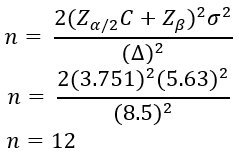
To account for potential participant withdrawal or intolerance, the participant number was increased to 15 per food sample and 45 participants were included in the study.
Khao Lam preparation
Khao Lam was formulated into three formulas, including traditional Khao Lam (CO), Khao Lam with konjac (KS) and Khao Lam with konjac and isomaltulose (KI). The formulation was derived from a traditional Khao Lam recipe, mainly glutinous rice, and the others were black beans, sugar, coconut milk, salt and water. The KS and KI incorporated with rice-shaped konjac and rice-shaped konjac with isomaltulose to replace glutinous rice and sugar, respectively with formulation ratios according to the Petty Patent applications number 2503004955. The rice-shaped konjac used in this study provided low energy content (approximately 15 Kcal per 100 g) and was composed of 89.8% konjac, water and calcium hydroxide. All components were mixed and filled into cleaned bamboo joints (size 8×10 cm). The Khao Lam was heated using a gas roasting stove with controlled upper and lower temperatures at 150°C for 3 hours. The net weight of cooked Khao Lam in each formula was standardized at 100 g and contained 50 g of carbohydrate. Preparation of all Khao Lam formulations was conducted by independent staff then directly served the participants and were blinded to participants and investigators. The nutritional composition of each Khao Lam was analyzed in triplicate (n=3), including protein (g), fat (g) and moisture content was performed by proximate analysis that complied with the Association of Official Analytical Chemists (AOAC, 2023) procedure. The carbohydrate content was estimated by subtracting the total of moisture, ash, protein, and fat from 100. Atwater factors were used to calculate energy content (Kcal) (4 Kcal/g for carbohydrate and protein, 9 Kcal/g for fat). Dietary fiber (g) was measured using the in-house method T995, which is based on AOAC (2023) methods. The Institute of Food Research and Product Development (IFRPD) at Kasetsart University in Bangkok, Thailand.
Blood Glucose Analysis
Five milliliters of venous blood samples after fasting for 8 hours prior to the day were collected by a registered nurse. Venous blood samples were received from a catheter in a forearm vein that was flushed with 0.9% normal saline. A blood sample was collected into sodium fluoride (NaF) tubes and the samples were centrifuged at 4°C with a speed of 3,000 rpm for 10 minutes to obtain plasma. Plasma glucose concentrations were subsequently quantified using the glucose oxidase–peroxidase (GOD–POD) enzymatic method.22 All blood samples were analyzed in triplicate (n=3). Blood glucose concentrations were measured in milligrams per deciliter (mg/dL).
Calculation of the GI of sample foods
The GI was calculated by assigning glucose as a standard reference (GI=100) for comparing postprandial glycemic responses.23 The iAUC of blood glucose following consumption of each Khao Lam was determined using the trapezoidal method.24The iAUC for each blood sampling interval after ingestion of glucose or the test foods was calculated by the equation.25

The iAUC from four consecutive time intervals (0–30, 30–60, 60–90 and 90–120 minutes) were summed to obtain the total iAUC. The GI was estimated by using the following formula.26
GI = (total iAUC of the experimental food / total iAUC of the glucose solution) × 100.
Hunger-Satiety Levels Assessment
Subjective sensations of hunger-satiety levels were evaluated by a 100-mm visual analogue scale (VAS). In terms of hunger, the left and right anchors represented “not hungry at all” and “extremely hungry”. For satiety, the left and right anchors represented “not full at all” and “extremely full”. Six questions were used to assess hunger-satiety levels that were adapted from earlier research by Hill and Blundell et al.27 as follows: 1. How hungry do you feel? 2. How full do you feel? 3. How invigorated do you feel? 4. How much do you think you could eat now? 5. How much do you feel the urge to eat? 6. How much are you preoccupied with thoughts of food? Assessments of VAS were performed at the baseline and after food consumption at 30, 60, 90 and 120 minutes.
Study design
The study utilized a double-blind, randomized controlled crossover design with a one-week washout period between CO, KS and KI consumptions. Three intervention types were randomized for participants to consume after GLU ingestion including CO, KS, or KI. Each participant received all interventions after first formula consumption in a crossover sequence according to the study protocol.
Study protocol
Potential participants were enrolled in the study when they complied with inclusion and exclusion criteria. All participants were instructed to avoid food and drink consumption for 8 hours and vigorous physical activity for 24 hours before the study. For the first visit, all participants received a comprehensive description of the study protocols and objectives. Written informed consent was performed before the study was initiated. Anthropometric assessment consisted of height measurement using a stadiometer whereas body composition values including body weight, skeletal muscle mass, fat mass, percent body fat, total body water, waist-to-hip ratio and basal metabolic rate were measured by using bioelectrical impedance analysis (BIA). At baseline, venous blood samples were drawn via catheterization to determine blood glucose responses and differentiation across time points, as well as GI and iAUC. Hunger–satiety perceptions were assessed prior to test food consumption using a visual analog scale (VAS). Participants then consumed 50 grams of GLU within 10 minutes. After that, postprandial venous blood samples and VAS assessments were collected at 30, 60, 90 and 120 minutes. Following completion of the GLU test, participants underwent a 1-week washout period before proceeding with the subsequent intervention phases.28 Participants were then assigned to receive either CO, KS, or KI. The order of food samples was randomized using a table of coded (AB) blocks that was prepared by a statistician from outside the study, and the allocation was kept concealed in the secret envelope and sent to the investigator on the first day of intervention. Participants were randomly assigned to one of three crossover sequences: CO followed by KS and KI; KS followed by KI and CO; or KI followed by CO and KS, with each intervention conducted in separate weeks.
Ethical considerations
The study protocol was reviewed and approved by the Human Research Ethics Committee of Burapha University (Approval No. IRB1-075/2567; Research Project Code HS033/2567). Prior to participation, all individuals were fully informed of the study objectives, protocols, possible risks, side effects and compensation and provided with written informed consent. The trial was registered with the Thai Clinical Trials Registry (TCTR20260209009). Participation was voluntary, and recruitment was conducted without coercion. Adverse events were prospectively monitored throughout the blood glucose assessment period. This study was funded by the Faculty of Allied Health Sciences, Burapha University (Grant No. AHS05/2567). All authors declare no conflicts of interest.
Statistical analysis
Descriptive data were compiled using Microsoft 365, and statistical analyses were performed using IBM SPSS Statistics version 27.0. Data distribution was examined using the Shapiro–Wilk test, while the assumption of sphericity was assessed using Mauchly’s test. The postprandial blood glucose response and hunger–satiety scores after consuming GLU, CO, KS, and KI, which were analyzed using repeated-measures analysis of variance (ANOVA), followed by Bonferroni-adjusted pairwise comparisons. Differences in blood glucose changes, iAUC and GI were assessed using one-way ANOVA with Bonferroni for post hoc analysis. All statistical tests were interpreted at a medium effect size (d=0.5), 95% confidence level, 90% statistical power and significance was established at p<0.05.
Results
Baseline characteristics
Among the 45 participants enrolled, 44 were retained for the data analysis. One participant withdrew from the study during the first week of GLU consumption due to an intolerance of repeated venous blood sampling after catheter insertion. A second participant withdrew during weeks 3 and 4, when consuming CO and KI, due to the same reason. A third participant withdrew during week 4, while consuming KI, due to blood clotting after waiting for the next venous blood sample collection. As a result, the number of participants who completed each test condition was as follows: GLU (n=44), CO (n=43), KS (n=44) and KI (n=42). Most of the participants were female (n=32, 73%), while the rest were male (n=12, 27%). Baseline characteristics are shown in Table 1 including age, body weight, height and body composition. The overall clinical trial procedure and participant flow are shown in accordance with the guideline of consolidated standards of reporting trials (CONSORT) (Figure 1).29
Table 1: Participant characteristics prior to the study related to demographic, anthropometric measurements and energy metabolism
| Baseline characteristics | Participants (n=44) |
| Age (years)
Sex: Male/Female (n (%)) Body weight (kg) Height (cm) Body mass index (kg/m2) Skeletal muscle mass (kg) Fat mass (kg) Percent body fat (%) Total body water (L) Visceral fat level Waist to hip ratio Basal metabolic rate (Kcal/day) |
21.30±2.23 12/32 (27/73) 55.60±10.60 164.48±8.67 20.42±2.48 21.99±5.57 15.14±4.81 27.35±7.11 29.62±6.64 6.20±3.01 0.85±0.05 1,243.82±195.32 |
GLU = Glucose solution, CO = Traditional Khao Lam, KS = Khao Lam with konjac, KI= Khao Lam with konjac and isomaltulose.
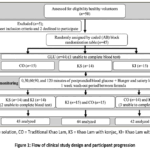 |
Figure 1: Flow of clinical study design and participant progression. |
Nutritional Composition of GLU, CO, KS and KI
Nutrient composition was analyzed using AOAC methods for proximate analysis and the in-house method T995 for total dietary fiber content in CO, KS and KI. Traditional Khao Lam (CO) exhibited higher energy, carbohydrate, protein and fat contents compared with KS and KI. In contrast, the KS and KI contained higher dietary fiber levels than the CO (Table 2).
Table 2: Nutrient composition analysis of food samples (n=3)
| Nutrient composition | Food samples (100 grams) | |||
| GLU | CO | KS | KI | |
| Energy (Kcal) | 400a | 226.63±0.43b | 196.41±1.24c | 186.08±0.69d |
| Carbohydrate (g) | 100a | 39.44±0.27b | 32.81±0.19c | 31.05±0.17d |
| Protein (g) | – | 3.31±0.21a | 2.74±0.08b | 2.90±0.15b |
| Fat (g) | – | 6.18±0.06a | 6.02±0.09b | 5.59±0.03c |
| Dietary fiber (g) | – | 1.03±0.02a | 1.26±0.06b | 1.08±0.05a |
| Moisture (%) | – | 50.12±0.17a | 57.12±0.22b | 59.49±0.14c |
Results are shown as mean ± SD. Distinct superscript letters (a–d) in the same row represent significant differences (p<0.05). GLU = Glucose solution, CO = Traditional Khao Lam, KS = Khao Lam with konjac, KI= Khao Lam with konjac and isomaltulose.
Effects of CO, KS and KI on Blood Glucose Response and GI
Baseline blood glucose levels did not differ significantly among participants before the consumption of GLU, CO, KS, and KI. Postprandial blood glucose levels after GLU, CO, KS and KI intake at 30 and 60 minutes were 125.80±19.28, 109.77±16.23, 107.48±16.29, 113.95±12.95 mg/dL and 135.84±31.49, 116.14±28.84, 114.07±27.26, 119.76±19.96 mg/dL, respectively. Accordingly, blood glucose after consumption of three Khao Lam formulas (CO, KS and KI) exhibited significantly lower levels compared with the GLU at 30 minutes (p<0.001, p<0.001 and p=0.007) and at 60 minutes (p=0.005, p=0.018 and p=0.034) (Figure 2).
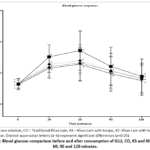 |
Figure 2: Blood glucose comparison before and after consumption of GLU, CO, KS and KI at 0, 30, 60, 90 and 120 minutes. |
Differentiation of blood glucose following the consumption of CO, KS and KI showed statistically significant differences at 0–0.5, 0–1.0 and 1–1.5 hours (p<0.001, p<0.001 and p<0.05) when compared with GLU. However, at 0-0.5 hour, a statistical significance was found between CO–KI (p=0.036) and CO–KS (p=0.028), and at 0–1.5 hours, between GLU–KS (p=0.018) (Table 3).
Table 3: Postprandial glycemic changes after GLU, CO, KS and KI consumption at 0–0.5, 0.5–1.0, 0–1.0, 1.0–1.5, 0–1.5, 1.5–2.0 and 0–2 hours
|
Time interval (Hours) |
Δ Blood Glucose (mg/dL) | |||
|
GLU (n=44) |
CO
(n=43) |
KS
(n=44) |
KI (n=42) |
|
| 0-0.5 | +42.77±15.80a | +25.73±14.39b | +26.05±15.08c | +30.63±13.51c |
| 0.5-1.0 | +10.05±23.63a | +6.23±22.83a | +6.59±26.21a | +5.55±17.20a |
| 0-1.0 | +52.82±29.81a | +31.95±26.23b | +32.64±26.25b | +36.16±20.59b |
| 1.0-1.5 | -25.39±19.42a | -14.00±19.76b | -15.27±16.15b | -15.73±13.96b |
| 0-1.5 | +27.43±30.06a | +17.95±27.60a,b | +17.36±26.79b | +20.43±20.44a,b |
| 1.5-2.0 | -16.05±21.53a | -10.61±14.89a | -11.14±14.97a | -11.39±14.38a |
| 0-2.0 | +11.39±26.11a | +7.34±22.94a | +6.23±21.82a | +9.05±19.43a |
GLU = Glucose solution, CO = Traditional Khao Lam, KS = Khao Lam with konjac, KI= Khao Lam with konjac and isomaltulose. Results are shown as mean ± SD. Distinct superscript letters (a–c) in the same row represent significant differences (p<0.05).
During the 0–0.5 hour, CO and KS produced significantly lower iAUC responses than GLU (p=0.016 and p=0.001). At 0–1.0 hour, the iAUC values following consumption of CO, KS and KI were significantly lower than the GLU (p=0.002, p<0.001 and p=0.008). However, there were no statistically significant differences in iAUC among the CO, KS, and KI groups (p>0.05). Similarly, at 0–1.5 hours, the iAUC values after consumption of CO, KS and KI remained significantly lower compared with GLU (p=0.021, p=0.003 and p=0.047). At 0–2.0 hours, a significant reduction in iAUC compared with GLU was evident only for KS (p=0.029) (Figure 3).
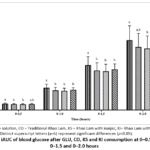 |
Figure 3: iAUC of blood glucose after GLU, CO, KS and KI consumption at 0–0.5, 0–1.0, 0–1.5 and 0–2.0 hours |
The GI of the GLU was 100, classifying it as a high–glycemic index (HGI) reference food.30 The CO exhibited a GI value of 91, while both KS and KI had a GI of 88. GI values for CO, KS, and KI were significantly reduced compared with GLU (p<0.05). Moreover, KS and KI exhibited significantly lower GI values than CO (p<0.05). These results indicated the reduction of GI values of CO, KS and KI from the GLU by approximately 9%, 12% and 12%. When comparing the three Khao Lam formulas, KS and KI demonstrated the lowest GI (Table 4). However, all products were classified as high-GI foods
Table 4: Glycemic index values and glycemic index classification of the GLU, CO, KS and KI
| Food samples | GI | GI classification |
| GLU | 100a | High |
| CO | 91b | High |
| KS | 88b,c | High |
| KI | 88b,c | High |
GLU = Glucose solution, CO = Traditional Khao Lam, KS = Khao Lam with konjac, KI= Khao Lam with konjac and isomaltulose. Distinct superscript letters (a–c) in the same column represent significant differences (p<0.05).
Hunger and Satiety Responses Before and After Consumption of GLU, CO, KS and KI
The effects of the GLU, CO, KS and KI on hunger and satiety levels were evaluated before and after consumption. At 0 minute, there were no significant difference in hunger and satiety scores in any question of the hunger–satiety among the four test foods. After 30 minutes of consumption, a significant difference was observed in question number 4, “How much food do you think you could eat right now?”. Participants who consumed CO, KS and KI reported a significantly lower perceived amount of food intake compared with the GLU (p=0.003, p=0.044 and p=0.003, respectively). At 60 minutes, a significant difference for question number 4 was observed between the GLU and CO. Participants who consumed CO indicated a significantly lower anticipated food intake compared with the GLU (p=0.025). At 90 minutes, significant differences for question number 4 were observed between the GLU and CO, as well as between the GLU and KI. Participants who consumed CO and KI reported a lower anticipated food intake compared with the GLU (p=0.034 and p=0.042, respectively). At 120 minutes, no significant differences were observed among the four test foods for any hunger–satiety questionnaire outcome. Nevertheless, the CO, KS and KI formulations showed a tendency to preserve subjective fullness for up to 120 minutes, although these differences did not reach statistical significance (Table 5).
Table 5: Comparison of hunger and satiety levels of participants before and after consumption of GLU, CO, KS and KI at 0, 30, 60, 90 and 120 minutes
| Questionnaire number | Hunger and satiety levels (0-100 mm) | ||||
| Time | GLU
(n=44) |
CO
(n=43) |
KS
(n=44) |
KI (n=42) |
|
| 1. How hungry do you feel? | 0 minute | 50.25±26.54a | 54.77±26.07a | 50.34±22.69a | 51.94±25.28a |
| 30 minutes | 43.75±21.38a | 34.65±22.40a | 35.18±21.02a | 36.31±21.07a | |
| 60 minutes | 40.95±24.02a | 35.26±20.29a | 36.18±19.82a | 36.07±21.85a | |
| 90 minutes | 42.68±22.58a | 36.98±22.55a | 37.95±22.37a | 39.64±21.79a | |
| 120 minutes | 47.84±27.27a | 38.95±25.32a | 42.86±23.23a | 41.67±23.23a | |
| 2. How full do you feel? | 0 minute | 29.32±24.98a | 31.63±22.25a | 34.55±24.13a | 35.24±22.47a |
| 30 minutes | 45.80±24.52a | 57.91±23.51a | 57.95±21.41a | 58.45±23.05a | |
| 60 minutes | 46.61±23.94a | 56.91±21.79a | 58.55±21.62a | 53.38±21.60a | |
| 90 minutes | 44.34±24.15a | 51.40±23.84a | 55.57±21.65a | 51.79±20.77a | |
| 120 minutes | 43.95±27.19a | 47.95±26.21a | 52.05±23.03a | 48.33±21.03a | |
| 3. How invigorated do you feel? | 0 minute | 71.48±23.69a | 58.02±24.52a | 60.00±27.39a | 56.90±28.99a |
| 30 minutes | 68.41±20.90a | 63.84±21.54a | 67.84±19.03a | 64.76±20.51a | |
| 60 minutes | 68.93±19.91a | 62.21±20.88a | 66.36±19.57a | 65.26±21.03a | |
| 90 minutes | 69.95±20.76a | 62.35±23.55a | 67.61±20.53a | 64.90±20.53a | |
| 120 minutes | 70.64±21.03a | 64.77±23.98a | 66.59±21.83a | 65.86±20.83a | |
| 4. How much do you think you could eat now? | 0 minute | 60.11±23.54a | 56.74±24.47a | 55.80±25.29a | 56.55±26.07a |
| 30 minutes | 57.68±22.99a | 38.95±25.11b | 43.98±23.93b | 39.29±23.85b | |
| 60 minutes | 54.63±24.76a | 38.98±24.89b | 54.00±72.80a,b | 41.45±24.79a,b | |
| 90 minutes | 57.95±25.00a | 42.49±25.90b | 44.77±23.25a | 43.57±23.33b | |
| 120 minutes | 58.86±24.54a | 48.49±26.60a | 51.39±24.27a | 50.02±27.62a | |
| 5. How much do you feel the urge to eat? | 0 minute | 48.07±29.38a | 51.05±27.27a | 49.09±27.37a | 51.19±26.59a |
| 30 minutes | 45.91±25.84a | 34.42±21.75a | 31.18±23.88a | 35.48±23.00a | |
| 60 minutes | 46.02±24.79a | 36.63±23.97a | 38.63±22.96a | 35.83±22.66a | |
| 90 minutes | 50.00±28.20a | 36.54±22.54a | 38.98±22.56a | 41.19±22.41a | |
| 120 minutes | 51.75±28.10a | 45.47±25.88a | 41.70±26.87a | 44.40±26.87a | |
| 6. How much are you preoccupied with thoughts of food? | 0 minute | 48.07±28.41a | 43.60±26.49a | 44.80±27.25a | 43.93±26.52a |
| 30 minutes | 47.34±26.67a | 37.09±22.18a | 38.41±22.82a | 37.62±22.96a | |
| 60 minutes | 44.89±24.03a | 36.40±21.72a | 37.95±23.73a | 37.38±22.67a | |
| 90 minutes | 44.66±24.79a | 35.84±22.17a | 38.64±24.34a | 39.40±22.31a | |
| 120 minutes | 48.16±25.56a | 43.19±25.35a | 41.70±24.28a | 42.73±24.75a | |
GLU = Glucose solution, CO = Traditional Khao Lam, KS = Khao Lam with konjac, KI = Khao Lam with konjac and isomaltulose. Distinct superscript letters (a–b) in the same row represent significant differences (p<0.05).
Discussion
To evaluate the potential of developed Khao Lam products with konjac and isomaltulose as a healthier dessert than the traditional formula, their impact on postprandial blood glucose response, iAUC of blood glucose, glycemic index (GI) and hunger and satiety levels in healthy adults were determined. Postprandial blood glucose levels of participants who consumed Khao lam products including CO, KS and KI were significantly lower than GLU consumption at 30 and 60 minutes. These results support earlier findings by Shah et al.31 indicating that konjac consumption attenuated postprandial blood glucose elevations from 30 minutes onward. Similarly, a literature review by Xie et al.12 demonstrated that the intake of isomaltulose delayed postprandial glucose excursions compared with sucrose at 30 and 60 minutes of consumption. Differentiation of blood glucose after the consumption of CO, KS and KI were significantly lower than GLU at 0–0.5, 0–1.0 and 1.0–1.5 hours. These effects of developed Khao Lam formulas may be attributed to the complex carbohydrate or fiber-containing ingredients from soluble hemicellulose in konjac.32 Both components require additional intestinal enzymes for digestion and absorption, thereby contributing to a moderated postprandial glycemic response compared with the GLU.33 However, a statistically significant difference between CO–KI and KS–KI was observed at 0–0.5 hours. This result may be linked to the caramelization of isomaltulose during high thermal processing,34 which could accelerate glucose release and result in a transient elevation in blood glucose. A significant difference during the 0–1.5 hours period was observed only for KS. This finding is consistent with previous evidence demonstrating delayed blood glucose level attenuation within 1.0–2.0 hours after consuming konjac compared to the control.35 The primary ingredients influencing postprandial glycemic responses in Khao Lam including glutinous rice, sucrose, konjac and isomaltulose. In contrast, coconut milk does not directly affect fasting or immediate postprandial blood glucose levels, as saturated fatty acid intake has minimal acute effects on glycemia.36 Glutinous rice, the main component of Khao Lam, is a complex carbohydrate rich in amylopectin and low in amylose.37 Amylopectin is rapidly digested by salivary and pancreatic amylase enzyme,38 leading to faster release of glucose compared with foods requiring prolonged digestion. In contrast, GLU does not require gastrointestinal digestion and is rapidly absorbed into blood circulation, leading to a sharp postprandial increase in blood glucose levels. GI is commonly used to evaluate postprandial glycemic responses. According to Ahmed et al.39 GI values are classified as low (<55), medium (56–69) and high (>70). Glucose has a GI of 100, while glutinous rice exhibits a wide GI range of 48–94 depending on the rice variety. The glutinous rice variety used in this study, Khao Niew Kiew Ngu (Oryza sativa var. glutinosa), has a reported GI of approximately 92–94, classifying it as a high-GI food.40 Consequently, traditional Khao Lam, which primarily consists of glutinous rice, demonstrates limited glycemic control. To reduce the GI of Khao Lam, konjac was used to partially replace glutinous rice. Several studies have shown that regular konjac consumption improves glycemic and lipid profiles in healthy individuals.41 Konjac glucomannan is a low-energy, soluble dietary fiber that forms a highly viscous gel in the gastrointestinal tract, thereby delaying gastric emptying and slowing carbohydrate digestion and intestinal glucose absorption, which contributes to a reduced postprandial glycemic response.42 Isomaltulose, derived from sucrose obtained from honey and sugarcane, is another ingredient investigated in this study. The lower postprandial glycemic response associated with isomaltulose may be attributed to its slow enzymatic cleavage of the α-1,6 glycosidic linkage in the small intestine. Owing to its substantially lower GI (32.8) compared with sucrose (68), isomaltulose enables a slower and more sustained release of glucose, thereby reducing both the speed and peak of the postprandial glucose rise.42,43 Therefore, KI which containing konjac and isomaltulose was expected to improve glycemic control. However, no statistically significant differences in overall glycemic responses were reported among CO, KS and KI within the 120-minute postprandial period. Trend analysis indicated that KS and KI exhibited the lowest GI. The partial substitution of glutinous rice with konjac resulted in a statistically significant but modest reduction in GI, from 91 in CO to 88 in KS and KI (3.3% reduction; p<0.05). Although these findings are aligned with previous study,44 the practical impact on postprandial glycemic modulation may be limited, as all formulations remained classified as high-GI foods. Lower GI diets have effective potential to improve the metabolic outcomes including HbA1c, fasting plasma glucose, BMI, and blood lipid profile.45 Conversely, KI exhibited a high GI, potentially due to overall ingredients and the high-temperature roasting process of Khao Lam. Isomaltulose was incorporated into starch-based foods; the overall GI may remain high depending on the proportion of rapidly digestible carbohydrates and the food matrix.46 Prolonged exposure to high temperatures above 150°C may promote the caramelization of isomaltulose which could consequently increase the GI.47 Remarkably, isomaltulose undergoes caramelization at temperatures above 124°C which is lower than that required for glucose (160–185°C).34 Although Khao Lam maintains a high moisture content of up to 59% in KI, which is significantly higher than KS (57%) and CO (50%), the production process with temperatures at 150°C for approximately 3 hours may facilitate the occurrence of caramelization in the KI. This process can increase sweetness intensity, darken product color and elevate glycemic responses.48,49 Thermal degradation of isomaltulose into glucose may further accelerate postprandial blood glucose increases. The present findings imply that further use of non-caloric sweeteners which are not influenced by high temperature during cooking process of Khao Lam may provide better glycemic control.
The iAUC analysis showed that KS was associated with significantly lower values than the GLU during 0–0.5, 0–1.0, 0–1.5 and 0–2.0 hours (p<0.05). These findings support previous work by Yoshida et al.,50 which showed that rice mixed with glucomannan significantly reduced postprandial glycemic iAUC. Among all the test foods, KS exhibited the lowest 0–2 hours iAUC (30,246.14 mg/dL·h), whereas the GLU exhibited the highest (34,356.48 mg/dL·h). Although KI demonstrated a slightly higher iAUC (31,664.64 mg/dL·h) than CO (31,049.30 mg/dL·h). KI showed better glycemic control during the early postprandial period (0–0.5, 0–1.0 and 0–1.5 hours). Blood glucose iAUC did not differ among the Khao Lam formulations over 0–2 hours, consistent with the study by Sridonpai et al.51 who observed that isomaltulose-based breakfasts did not significantly reduce iAUC compared with a control condition.
For the effects of Khao Lam products on hunger and satiety levels at baseline, no differences in hunger and satiety scores were observed among the test foods, as participants completed an 8–12 hour fast before each experimental session. The standardized fasting protocol ensured comparable physiological conditions across the treatments. One plausible mechanism to regulate hunger and satiety may involve gut–brain signaling mediated by GLP-1, whereby delayed gastric emptying and intestinal nutrient sensing stimulate GLP-1 release from enteroendocrine L-cells, subsequently activating vagal afferent pathways and hypothalamic satiety centers to suppress appetite and reduce subsequent food intake.52,53 At 30 minutes post-consumption, participants who consumed CO, KS and KI reported a significantly lower anticipated food intake, as assessed by question number 4 of the hunger–satiety questionnaire (“How much do you think you could eat now?”), compared with the GLU. This effect may attribute to more complex macronutrient composition of Khao Lam, which contains carbohydrates, proteins and fats whereas the GLU provides simple carbohydrate alone.54 At 60 minutes, only CO resulted in a significantly lower anticipated food intake compared with the GLU. In contrast, KS did not significantly affect hunger or satiety at the current point. These results support previous findings by Au-Yeung et al.,55 demonstrating the differences in hunger or satiety following the consumption of pasta containing 50% konjac while 100% konjac pasta increases hunger and reduces satiety. At 90 minutes, both CO and KI resulted in lower anticipated food intake compared with the GLU. This observation may be explained by the greater satiety induced by solid foods compared with liquid foods, such as GLU.56 At 120 minutes, no differences in hunger or satiety scores were observed among treatments. This time point likely corresponds to the completion of gastric emptying, as most solid foods transit from the stomach to the small intestine within 2–3 hours, thereby minimizing differences in subjective appetite sensations.57 This study has several notable strengths. A key strength lies in its conceptual innovation, the incorporation of konjac and isomaltulose established physiological functionality into an authentic traditional Thai whole-food matrix, Khao Lam, rather than examining konjac or isomaltulose in isolated, supplemental or simplified experimental food systems as commonly reported in previous studies. In addition, the use of Khao Lam as a representative carbohydrate-rich traditional food broadens the relevance of the findings beyond the local setting, highlighting the wider potential of functional reformulation strategies to improve the metabolic quality of culturally important staple and snack foods across diverse populations. Another important strength is this study extends current evidence by evaluating partial konjac and isomaltulose substitution within a complex real-world food matrix, composed of glutinous rice and coconut milk in bamboo-joint under thermal roasting. These matrix characteristics may differentially influence starch digestibility, viscosity and postprandial metabolic responses compared with purified konjac interventions, thereby providing more translationally relevant insight for practical dietary applications. There are some limitations that should be acknowledged including 1) dietary intake was not controlled during the intervention to preserve habitual eating behaviors, 2) blood samples were collected via catheter which increased adverse events, e.g., fainting or blood clotting, 3) acute glycemic responses were assessed and thus long-term effects remain to be determined, 4) lack of the assessment of hormonal responses (e.g., insulin, GLP-1, etc.) and other metabolic indicators that limits mechanistic interpretation. Therefore, further studies need to incorporate these measurements to better elucidate the underlying pathways. Furthermore, internal product temperature, moisture dynamics, high-performance liquid chromatography (HPLC) for confirming the caramelization of isomaltulose at high cooking temperature and direct indicators of Maillard reaction or caramelization should be assessed to investigate the quality of the product.
Conclusion
Konjac glucomannan and isomaltulose may serve as interesting substitute ingredients for decreasing calorie and sugar contents in foods. Although the postprandial blood glucose responses and changes in iAUC among healthy participants did not significantly different between Khao Lam formula, the replacement of konjac and isomaltulose could attenuate some GI and gain more fullness in some time point when compared to the glucose solution. Nevertheless, all Khao Lam formulations remained within the high-glycemic-index category, which may limit the clinical relevance of the observed differences. According to the limitations of this study, further study needs to warrant consideration of isomaltulose and konjac glucomannan usage under high temperature processing. In addition, long-term studies are required to evaluate the effects of habitual consumption of konjac and isomaltulose, especially among individuals with metabolic disorders, to further substantiate and extend the implications of these findings.
Acknowledgement
We also gratefully acknowledge the Khao Lam roasting facility at Mae Ni Yom and Mae Charoen, local Khao Lam producers, for their support and assistance with the production process. In addition, we thank the registered nurse for professional support with catheter insertion and blood sample collection. The authors are thankful to the Nutrition and Dietetics Division, Faculty of Allied Health Sciences, Burapha University, Thailand for supporting the facilities.
Funding Sources
This study was financially supported by the Faculty of Allied Health Sciences, Burapha University. (Grant no. AHS05/2567).
Conflict of Interest
The author(s) do not have any conflict of interest.
Data Availability Statement
This statement does not apply to this article.
Ethics Statement
This study was approved by the Human Research Ethics Committee of Burapha University (Approval No. IRB1-075/2567; Research Project Code HS033/2567).
Informed Consent Statement
Prior to the study, all participants were informed of the study objectives, procedures and the potential risks and benefits. Written informed consent was obtained from all participants before enrollment.
Clinical Trial Registration
This trial is registered at the Thai Clinical Trials Registry with the registration number TCTR20260209009.
Permission to Reproduce Material from Other Sources
Not Applicable
Author Contributions
- Phutthida Kongthitilerd: Investigation, Data Collection, Project Administration, Writing – Review & Editing.
- Rungsima Daroonpunt: Investigation, Data Collection, Resource, Writing – Review & Editing.
- Tanu-udom Maneesing: Funding Acquisition, Formal analysis, Visualization, Methodology, Validation, Conceptualization, Writing – Original Draft.
References
- He K-J., Wang H., Xu J., et al. Global Burden of Type 2 Diabetes Mellitus from 1990 to 2021, with Projections of Prevalence to 2044: A Systematic Analysis across SDI Levels for the Global Burden of Disease Study 2021. Endocrinol. 2024;15:1501690. DOI: https://doi.org/10.3389/fendo.2024.1501690
CrossRef - Liu J., Lu W., Lv Q., et al. Impact of Dietary Patterns on Metabolic Syndrome in Young Adults: A Cross-Sectional Study. Nutrients. 2024;16(17):16172890. DOI: https://doi.org/10.3390/nu16172890
CrossRef - Kriengsinyos W., Chan P., Amarra M.S.V. Consumption and Sources of Added Sugar in Thailand: A Review. Asia Pac J Clin Nutr. 2018;27(2):262-283. DOI: https://doi.org/10.6133/apjcn.042017.08
- Thiboonboon K., Lourenco R.D.A., Church J., et al. Sugar-Sweetened Beverage Consumption in Thailand: Determinants and Variation across Socioeconomic Status. Public Health. 2024;237:426-434. DOI: https://doi.org/10.1016/j.puhe.2024.10.037
CrossRef - DiNicolantonio J.J., O’Keefe J.H. Added Sugars Drive Insulin Resistance, Hyperinsulinemia, Hypertension, Type 2 Diabetes and Coronary Heart Disease. Mo Med. 2022;119(6):519-523.
- Care, D. 5. Facilitating Positive Health Behaviors and Well-being to Improve Health Outcomes: Standards of Care in Diabetes—2026. Diabetes Care. 2025;49(Supplement_1):S89-S131. DOI: https://doi.org/10.2337/dc26-s005
CrossRef - Xia P., Li B., Yu Y., et al. Dietary Strategies for Appetite Regulation: Satiety and Obesity Management. Food Funct. 2025;16(13):5202-5218. DOI: https://doi.org/10.1039/d5fo01349f
CrossRef - Jain A., Sarsaiya S., Gong Q., et al. Amorphophallus konjac: Traditional Uses, Bioactive Potential, and Emerging Health Applications. Plant Sci. 2025;16:1530814. DOI: https://doi.org/10.3389/fpls.2025.1530814
CrossRef - Guo L., Goff H.D., Chen M., et al. The Hydration Rate of Konjac Glucomannan after Consumption Affects Its in vivo Glycemic Response and Appetite Sensation and in vitro Digestion Characteristics. Food Hydrocolloids. 2022;122:107102. DOI: https://doi.org/10.1016/j.foodhyd.2021.107102
CrossRef - Wilianto Y.R., Tjahjono Y., Foe K., et al. A Novel Konjac Rice Formula with Glucomannan and Tapioca Starch Improve Postprandial Glycemic Response – A Randomized Single-Blind Clinical Trial. Food Sci. 2024;54(8):1437-1450. DOI: https://doi.org/10.1108/nfs-12-2023-0290
CrossRef - Maresch C.C., Petry S.F., Theis S., et al. Low Glycemic Index Prototype Isomaltulose-Update of Clinical Trials. Nutrients. 2017;9(4):9040381. DOI: https://doi.org/10.3390/nu9040381
CrossRef - Xie J., Li J., Qin Q., et al. Effect of Isomaltulose on Glycemic and Insulinemic Responses: A Systematic Review and Meta-analysis of Randomized Controlled Trials. Adv Nutr. 2022;13(5):1901-1913. DOI: https://doi.org/10.1093/advances/nmac057
CrossRef - Woo K.S., Kim H.Y., Hwang I.G., et al. Characteristics of the Thermal Degradation of Glucose and Maltose Solutions. Prev Nutr Food Sci. 2015;20(2):102-9. DOI: https://doi.org/10.3746/pnf.2015.20.2.102
CrossRef - Namjud N., Senaprom S., Ondee T., et al. Glycemic Index and Glycemic Load of Brief Sugary Sweets: Randomized Controlled Trials of Eight Thai Desserts. Front Nutr. 2024;11:1452602. DOI: https://doi.org/10.3389/fnut.2024.1452602
CrossRef - Laignier F., Akutsu R., Maldonade I.R., et al. Amorphophallus konjac: A Novel Alternative Flour on Gluten-Free Bread. Foods. 2021;10(6):1206. DOI: https://doi.org/10.3390/foods10061206
CrossRef - de Souza W.F.C., Almeida F.L.C., de Castro R.J.S., et al. Isomaltulose: From Origin to Application and Its Beneficial Properties – A Bibliometric Approach. Food Res Int. 2022;155:111061. DOI: https://doi.org/10.1016/j.foodres.2022.111061
CrossRef - Okpiaifo G.E., Dormoy-Smith B., Kassas B., et al. Perception and Demand for Healthy Snacks/Beverages Among US Consumers Vary By Product, Health Benefit, and Color. PLoS One. 2023;18(6):e0287232. DOI: https://doi.org/10.1371/journal.pone.0287232
CrossRef - Jian X., Jian S., Deng B. Konjac Glucomannan: A Functional Food Additive for Preventing Metabolic Syndrome. J Funct Foods. 2024;115:106108. DOI: https://doi.org/10.1016/j.jff.2024.106108
CrossRef - Shyam S., Ramadas A., Chang S.K. Isomaltulose: Recent Evidence for Health Benefits. J Funct Foods. 2018;48:173-178. DOI: https://doi.org/10.1016/j.jff.2018.07.002
CrossRef - Chusak C., Pasukamonset P., Chantarasinlapin P., et al. Postprandial Glycemia, Insulinemia, and Antioxidant Status in Healthy Subjects after Ingestion of Bread made from Anthocyanin-Rich Riceberry Rice. Nutrients. 2020;12(3):12030782. DOI: https://doi.org/10.3390/nu12030782
CrossRef - Sakpal T.V. Sample Size Estimation in Clinical Trial. Perspect Clin Res. 2010;1(2):67-9.
CrossRef - Nagaraja P., Honnur K., Shivakumar A., et al. Development of Quantitative Enzymatic Method and Its Validation for the Assay of Glucose in Human Serum. Biochem. 2012;45(1):139-143. DOI: https://doi.org/10.1016/j.clinbiochem.2011.11.007
CrossRef - Monro J.A., Shaw M. Glycemic Impact, Glycemic Glucose Equivalents, Glycemic Index, and Glycemic Load: Definitions, Distinctions, and Implications. Am J Clin Nutr. 2008;87(1):237S-243S. DOI: https://doi.org/10.1093/ajcn/87.1.237s
CrossRef - Bodinham C.L., Smith L., Thomas E.L., et al. Efficacy of Increased Resistant Starch Consumption in Human Type 2 Diabetes. Endocr Connect. 2014;3(2):75-84. DOI: https://doi.org/10.1530/ec-14-0036
CrossRef - Sakaguchi K., Takeda K., Maeda M., et al. Glucose Area Under the Curve During Oral Glucose Tolerance Test as An Index of Glucose Intolerance. Diabetol Int. 2016;7(1):53-58. DOI: https://doi.org/10.1007/s13340-015-0212-4
CrossRef - Dodd H., Williams S., Brown R., et al. Calculating Meal Glycemic Index by Using Measured and Published Food Values Compared with Directly Measured Meal Glycemic Index. Am J Clin Nutr. 2011;94(4):992-6. DOI: https://doi.org/10.3945/ajcn.111.012138
CrossRef - Almiron-Roig E., Green H., Virgili R., et al. Validation of A New Hand-Held Electronic Appetite Rating System Against the Pen and Paper Method. Appetite. 2009;53(3):465-468. DOI: https://doi.org/10.1016/j.appet.2009.09.014
CrossRef - Jung D.H., Han J.W., Shin H., et al. Tailored Meal-Type Food Provision for Diabetes Patients Can Improve Routine Blood Glucose Management in Patients with Type 2 Diabetes: A Crossover Study. Nutrients. 2024;16(8):16081190. DOI: https://doi.org/10.3390/nu16081190
CrossRef - Hopewell S., Chan A.W., Collins G.S., et al. CONSORT 2025 Statement: Updated Guideline for Reporting Randomized Trials. JAMA. 2025;333(22):1998-2005. DOI: https://doi.org/10.1001/jama.2025.4347
CrossRef - Vlachos D., Malisova S., Lindberg F.A., et al. Glycemic Index (GI) or Glycemic Load (GL) and Dietary Interventions for Optimizing Postprandial Hyperglycemia in Patients with T2 Diabetes: A Review. Nutrients. 2020;12(6): 12061561. DOI: https://doi.org/10.3390/nu12061561
CrossRef - Shah B., Li B., Wang L., et al. Health Benefits of Konjac Glucomannan with Special Focus on Diabetes. Bioact Carb Diet Fib. 2015;5:179-187. DOI: https://doi.org/10.1016/j.bcdf.2015.03.007
CrossRef - Zhang Z., Zhang Y., Tao X., et al. Effects of Glucomannan Supplementation on Type II Diabetes Mellitus in Humans: A Meta-Analysis. Nutrients. 2023;15(3):15030601. DOI: https://doi.org/10.3390/nu15030601
CrossRef - Clemente-Suárez V.J., Mielgo-Ayuso J., Martín-Rodríguez A., et al. The Burden of Carbohydrates in Health and Disease. Nutrients. 2022;14(18):3809. DOI: https://doi.org/10.3390/nu14183809
CrossRef - Kotańska M., Wojtaszek K., Kubacka M., et al. The Influence of Caramel Carbon Quantum Dots and Caramel on Platelet Aggregation, Protein Glycation and Lipid Peroxidation. Antioxidants. 2023;13(1):13010013. DOI: https://doi.org/10.3390/antiox13010013
CrossRef - Chearskul S., Sangurai S., Nitiyanant W., et al. Glycemic and Lipid Responses to Glucomannan in Thais with Type 2 Diabetes Mellitus. J Med Assoc Thai. 2007;90(10):2150-7.
- Dhanasekara C.S., Nelson A., Spradley M., et al. Effects of Consumption of Coconut Oil or Coconut on Glycemic Control and Insulin Sensitivity: A Systematic Review and Meta-Analysis of Interventional Trials. Nutr Metab Cardiovasc Dis. 2022;32(1):53-68. DOI: https://doi.org/10.1016/j.numecd.2021.09.014
CrossRef - Wang B., Xu J., Guo D., et al. Research on the Relationship between the Amylopectin Structure and the Physicochemical Properties of Starch Extracted from Glutinous Rice. Foods. 2023;12(3):460. DOI: https://doi.org/10.3390/foods12030460
CrossRef - Livesey G. Carbohydrate Digestion, Absorption, and Fiber. Ref Mod Biomed Sci. 2014; DOI: https://doi.org/10.1016/b978-0-12-801238-3.00043-x
CrossRef - Ahmed J., Riaz M., Imtiaz R. Glycemic Index and Glycemic Load Values. Pak J Med Sci. 2021;37(4):1246-1247. DOI: https://doi.org/10.12669/pjms.37.4.4555
CrossRef - Kaur B., Ranawana V., Henry J. The Glycemic Index of Rice and Rice Products: A Review, and Table of GI Values. Crit Rev Food Sci Nutr. 2016;56(2):215-36. DOI: https://doi.org/10.1080/10408398.2012.717976
CrossRef - Ueno H., Haraguchi N., Azuma M., et al. Active Consumption of Konjac and Konjac Products Improves Blood Glucose Control in Patients with Type 2 Diabetes Mellitus. J Am Nutr Assoc. 2023;42(2):123-129. DOI: https://doi.org/10.1080/07315724.2021.2002739
CrossRef - Fang Y., Ma J., Lei P., et al. Konjac Glucomannan: An Emerging Specialty Medical Food to Aid in the Treatment of Type 2 Diabetes Mellitus. Foods. 2023;12(2):12020363. DOI: https://doi.org/10.3390/foods12020363
CrossRef - Atkinson F.S., Foster-Powell K., Brand-Miller J.C. International Tables of Glycemic Index and Glycemic Load Values: 2008. Diabetes Care. 2008;31(12):2281-3. DOI: https://doi.org/10.2337/dc08-1239
CrossRef - Gerontiti E., Shalit A., Stefanaki K., et al. The Role of Low Glycemic Index and Load Diets in Medical Nutrition Therapy for Type 2 Diabetes: An Update. Hormones. 2024;23(4):655-665. DOI: https://doi.org/10.1007/s42000-024-00566-7
CrossRef - Zafar M.I., Mills K.E., Zheng J., et al. Low-Glycemic Index Diets as An Intervention for Diabetes: A Systematic Review and Meta-Analysis. Am J Clin Nutr. 2019;110(4):891-902. DOI: https://doi.org/10.1093/ajcn/nqz149
CrossRef - Guo Q., Xu S., Liu HM., et al. Effects of Roasting Temperature and Duration on Color and Flavor of A Sesame Oligosaccharide-Protein Complex in A Maillard Reaction Model. Food Chem X. 2022;16:100483. DOI: https://doi.org/10.1016/j.fochx.2022.100483
CrossRef - Luna M., Aguilera J. Kinetics of Colour Development of Molten Glucose, Fructose and Sucrose at High Temperatures. Food Biophysics. 2013;9:61-68. DOI: https://doi.org/10.1007/s11483-013-9317-0
CrossRef - Rahardjo M., Sihombing M., Anggraeni M. Color Development and Antioxidant Activity in Honey Caramel. IOP Conf Ser Earth Environ Sci. 2020;443:012041. DOI: https://doi.org/10.1088/1755-1315/443/1/012041
CrossRef - Chen Z., Gu F., Wu J. Impact of Isomaltulose on Glycemic Response in Diabetic and Healthy Populations: A Meta-Analysis. Nutrients. 2025;17(11):17111940. DOI: https://doi.org/10.3390/nu17111940
CrossRef - Yoshida A., Kimura T., Tsunekawa K, et al. Glucomannan Inhibits Rice Gruel-Induced Increases in Plasma Glucose and Insulin Levels. Ann Nutr Metab. 2020;76(4):259-267. DOI: https://doi.org/10.1159/000508674
CrossRef - Sridonpai P., Komindr S., Kriengsinyos W. Impact of Isomaltulose and Sucrose Based Breakfasts on Postprandial Substrate Oxidation and Glycemic/Insulinemic Changes in Type-2 Diabetes Mellitus Subjects. J Med Assoc Thai. 2016;99(3):282-9.
- Amin T., Mercer J.G. Hunger and Satiety Mechanisms and Their Potential Exploitation in the Regulation of Food Intake. Curr Obes Rep. 2016;5(1):106-12. DOI: https://doi.org/10.1007/s13679-015-0184-5
CrossRef - Trapp S., Brierley D.I. Brain GLP-1 and the Regulation of Food Intake: GLP-1 Action in the Brain and Its Implications for GLP-1 Receptor Agonists in Obesity Treatment. Br J Pharmacol. 2022;179(4):557-570. DOI: https://doi.org/10.1111/bph.15638
CrossRef - Zhang Z., Venn B.J., Monro J., et al. Subjective Satiety Following Meals Incorporating Rice, Pasta and Potato. Nutrients. 2018;10(11):1739. DOI: https://doi.org/10.3390/nu10111739
CrossRef - Au-Yeung F., Jovanovski E., Jenkins A.L., et al. The Effects of Gelled Konjac Glucomannan Fibre on Appetite and Energy Intake in Healthy Individuals: A Randomised Cross-Over Trial. Br J Nutr. 2018;119(1):109-116. DOI: https://doi.org/10.1017/s0007114517003233
CrossRef - Mills B.M., Keesing C.T., Haszard J.J., et al. The Effect on Satiety of Ingesting Isosweet and Isoenergetic Sucrose- and Isomaltulose-Sweetened Beverages: A Randomised Crossover Trial. Br J Nutr. 2020;124(2):225-231. DOI: https://doi.org/10.1017/s0007114520000884
CrossRef - Amarasiri L., de Silva M., de Silva H.J., et al. Comparison of Gastric Emptying of Solid and Semi-Solid Meals Using Real-Time Ultrasonography in Healthy Sri Lankan Adults. World J Gastrointest Pathophysiol. 2025;16(3):106482. DOI: https://doi.org/10.4291/wjgp.v16.i3.106482
CrossRef
Abbreviations
ANOVA analysis of variance
AOAC association of official analytical chemists
BIA bioelectrical impedance analysis
BMI body mass index
CO traditional Khao Lam
CONSORT consolidated standards of reporting trials
GI glycemic index
GLP-1 glucagon-like peptide-1
GLU glucose solution
GOD-POD glucose oxidase–peroxidase
iAU Cincremental area under the curve
IFRPD Institute of Food Research and Product Development
KI Khao Lam with konjac and isomaltulose
KS Khao Lam with konjac
NCDs Non-communicable diseases
T2DM Type 2 diabetes mellitus
VAS visual analogue scale

Accepted on: 23 Jun 2023
Second Review by: Hasan Abd Ali Khudhair and Bhimana Sasidhar
Final Approval by: Dr. Suhad Bahijri





Web of Science Coverage
Emerging Sources Citation Index (ESCI)
2024 Journal Impact Factor: 1.1
Scopus Journal Metrics
CiteScore 2025: 2.6
CiteScore Details
Sustainable Nutrition: Food Systems, Nutrient Retention, and Public Health Impact

This journal is a member of, and subscribes to the principles of, the Committee on Publication Ethics (COPE)