
Micronutrient Status and Psychosocial Risk Factors Associated with Depressive Symptoms among the Elderly in Zanzibar
 , Clara Justine Mollay1, Emmanuel Abraham Mpolya2and Elingarami Sauli2
 1Department of Human Nutrition and Dietetics, Nelson Mandela African Institution of Science and Technology, Arusha, Tanzania
2Department of Global Health and Bio-Medical Sciences, Nelson Mandela African Institution of Science and Technology, Arusha, Tanzania
Corresponding Author E-mail: mossikhalfan243@gmail.com
DOI : http://dx.doi.org/10.12944/CRNFSJ.14.Special-Issue-June.14
Download this article as:

Micronutrient deficiencies and depression are prevalent issues among older adults. The purpose of this study was to investigate the connection between depressive symptoms and micronutrient status in the Zanzibar population.A total of 245 respondents from Zanzibar’s urban municipality were randomly selected. The Geriatric Depression Scale Short Form was used to determine depression levels. In contrast, plasma levels of zinc and vitamin C were assessed via an Atomic Absorption Spectrophotometer and a UV/Vis/IR spectrophotometer, respectively. Data analysis included univariate, bivariate, and multivariate (using modified Poisson regression) methods. Depression prevalence was 32.65%, with zinc deficiency at 78.37% and vitamin C deficiency at 28.98%. A significant association was found between low zinc levels and depression (APR = 6.931, p = 0.0019), no association was noted for vitamin C. Additional factors linked to depression included low education, adverse life events, and moderate social support. This study highlights the importance of zinc in mental health among older adults in Zanzibar, underscoring the need for cohort and clinical trial research.
KEYWORDS:Elderly population; Geriatric Depression; Tanzania-Zanzibar; Vitamin C; Zinc
Introduction
Micronutrients play a vital role in maintaining normal physiological and psychological functions, particularly among older adults. The impact of nutritional status on psychological conditions such as depression is commonly observed in the elderly population. Several studies have demonstrated strong associations between depression and micronutrients, particularly zinc and vitamins.1,2Depression remains a major global public health issue, with reported prevalence among older adults ranging from 5.37% to 56%, reflecting wide regional and population differences.3In Tanzania, micronutrient deficiencies and depressive symptoms constitute significant public health challenges, especially among vulnerable populations such as the elderly. It is estimated that 21.2% of the aged population in Tanzania suffers from depression.4 Previous studies in the country have shown that inadequate nutritional status negatively affects the overall health of older adults.5However, these studies did not specifically examine the relationship between micronutrient deficiencies and depressive symptoms. Aging-related physiological changes, along with social and environmental factors, contribute to the increased prevalence of depression in older persons.6In addition, lifestyle factors, particularly nutritional status,are increasingly being recognized as crucial contributors to depression in the elderly.7
Undiagnosed and untreated depression among older adults can result in serious adverse health outcomes, including an increased risk of suicide, poor quality of life, reduced well-being, excessive healthcare utilization, and progressive medical conditions, cognitive, and functional decline.8,9 Globally, an estimated two billion people suffer from deficiencies of essential vitamins and minerals, a condition often described as “hidden hunger,” which disproportionately affects vulnerable populations such as the elderly.10,11Elderly individuals are more susceptible to zinc deficiency.12The World Health Organization estimates that zinc deficiency alone accounts for approximately 1.4% of deaths worldwide each year. Evidence from developed settings also shows micronutrient-related health risks.13
Zinc is a vital trace element that is involved in over 300 enzymatic processes and is crucial for immunologicl control, neurogenesis, and synaptic plasticity.14In the central nervous system, it controls N-methyl-D-aspartate (NMDA) receptors and glutamatergic and GABAergic neurotransmission. Additionally, zinc stimulates the G protein-coupled receptor 39 (GPR39), which has been linked to antidepressant mechanisms, and affects serotonergic signaling.15 Furthermore, the dysregulation of the hypothalamic-pituitary-adrenal (HPA) axis, increased oxidative stress, and neuroinflammatory processes which are closely associated with the pathophysiology of depression, may occur in the presence of zinc deficiency.15,16Ascorbic acid, also known as vitamin C, is a powerful water-soluble antioxidant that shields neuronal cells from oxidative stress.17 It influences mood control by acting as a cofactor in the manufacture of catecholamine, including the conversion of dopamine to norepinephrine. Furthermore, vitamin C helps with neuromodulation, neuronal development, and the reduction of inflammatory reactions related to depression.18 Increased psychological distress and depressive symptoms have been linked to lower vitamin C levels.19
Depression in older adults has also been associated with several sociodemographic and psychosocial factors, includinglow educational level,20 limited social support,21 and adverse life events such as divorce,22 financial strain,23 and stressful experiences.24 Despite thegrowing elderly population in sub-Saharan Africa, data on micronutrient deficiencies among older adults remain limited, particularly in Tanzania Mainland and Zanzibar. Most micronutrient studies have focused on pregnant women, children, and women of reproductive age, leaving a significant knowledge gap among the elderly.25 Furthermore, existing research on diet and depression has largely focused on single nutrients or foods,with particular emphasis on B vitamins, often neglecting zinc and vitamin C in relation to neurological and mental health outcomes.26 Therefore, this study aimed to examine the relationship between micronutrient status and depressive symptoms among elderly residents of Zanzibar Urban Municipality, in the context of rising elderly population and an increasing burden of depression.The primary research question of this study was: Is there an association between micronutrient status (plasma zinc and vitamin C levels) and depressive symptoms among elderly in the Zanzibar Urban District? The study further examined whether sociodemographic, psychosocial, and health-related factors modified or independently contributed to the prevalence of depressive symptoms among this population. Based on existing biological and epidemiological evidence, the study hypothesized that “Elderly individuals with low plasma zinc and vitamin C levels would have a significantly higher prevalence of depressive symptoms compared with those with normal micronutrient status, even after adjusting for potential confounding factors”.
Materials and Methods
Study design and population
Below figure is a flow chart that illustrates the sample selection process.
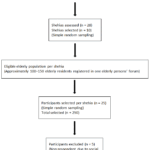 |
Figure 1: Flow chart of sample selection procedure |
Inclusion criteria
Participants who were 60 years or older gave their consent to participate in the study.
Exclusion criteria
A blood transfusion seven days prior to the data collection day, vitamin C and zinc supplementation, antidepressant medication, liver disease, severe cognitive dysfunction, acute illness or fever, and bleeding disorders were among the exclusion criteria for participants.
Sample size and sampling
Kish Leslie’s formula.27 for cross-sectional research was used to get the sample size.
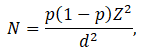
Where N is the number of respondents needed that is sample size, p is expected prevalence obtained from the relatively similar previous studies. Prevalence of depression among the elderly population was 21.2 %,4 Z is 1.96 (the Z-score corresponding to the 95% confidence interval), d is the maximum error the researcher was willing to allow = 0.05.
So,

Demographic and socioeconomic information
Participants completed a structured questionnaire collecting information on sociodemographic characteristics (age, sex, education, and marital status), lifestyle behaviors (cigarette and cannabis smoking, alcohol consumption), health status (hypertension, diabetes, other medical conditions, and medication use), sources of income, and living arrangements
Assessment of adverse life events
Elderly people’s bad life events over the previous 12 months were measured using the Geriatric adverse Life Events Scale (GALES), including interpersonal loss, living situation disruption, physical illness and financial difficulties, loss of family members, separation, retirement, and experiences of stress.28
Assessment of social support
12-1tem Multi-Dimensional Perceived Social Support Scale (MDPSS) was utilized. It has been validated in Uganda, East Africa, with a Cronbach’s of 0.83 for three subscales. A score below 2.9 indicates low social support, 3 to 5 moderate support, and above 5 higher support.29,30
Nutritional Biomarkers: Vitamin C and Zinc
Blood Sample Collection
Participants were taken to nearby designated places, such as shehia and the offices of school headmasters, to have their blood samples taken. A qualified laboratory worker obtained a single venous blood sample from the median cubital vein in a clean and safe way. A tourniquet was put on 7.5 to 10 cm above the puncture site and taken off within 60 seconds after the area was cleaned with isopropyl alcohol. An 8 ml blood sample was collected from each participant, with equal volumes allocated for vitamin C and zinc analyses using appropriate vacutainer tubes. The samples were carefully mixed by turning them upside down, put in an ice box, and taken to the lab for more work.31
Evaluation of Vitamin C
To obtain platelet-free plasma for vitamin C measurement, blood samples were collected into heparinized green-top vacutainers and centrifuged for 15 minutes at 2000 rpm. Before being analyzed at the Sokoine University of Agriculture laboratory, plasma samples were placed in cryovials and kept at -70 °C for four to eight weeks,32Dogar et al.’s colorimetric spectrophotometry approach was used to measure the plasma vitamin C levels, prior analysis, samples were thawed at room temperature. 6% metaphosphoric acid, sulfuric acid (4.5 M and 12 M), 2, 4-dinitrophenylhydrazine (DNPH), thiourea (5%), and cupric sulfate (0.6%) were all used in the assay. The DNPH–thiourea–copper sulfate (DTCS) reagent was made and kept in storage at 4 °C. Metaphosphoric acid was used to manufacture vitamin C standard solutions with a calibration range of 0.1–4.0 mg/100 ml.33Following treatment with metaphosphoric acid, centrifugation, and reaction with DTCS reagent, plasma and standard solutions were incubated for three hours at 37 °C. Using a UV-Vis spectrophotometer, absorbance was measured at 510 nm following the addition of sulfuric acid. The concentrations of vitamin C were determined using a standard calibration curve. Using predetermined cut-off values, vitamin C status was categorized as inadequate (<50 µmol/L), mild deficiency (11.9–27.82 µmol/L), and moderate to severe deficiency (<11.9 µmol/L).34
Zinc Evaluation
For zinc analysis, four milliliters of blood were drawn into vacutainers with a light blue cover that were filled with sodium citrate.35 After centrifuging the samples for five minutes at 5000 rpm, the plasma was separated into cryovials and kept at -80°C until analysis.36Concentrated nitric acid, 30% hydrogen peroxide, and certified zinc standard solutions (1000 ppm) were among the reagents. Before being used, all glass and plasticware were acid-washed with 2 mol/L nitric acid and rinsed with ultrapure water. With a few minor adjustments, the plasma zinc content was analyzed using the procedure outlined by Memon et al.37Nitric acid and hydrogen peroxide were used to digest the plasma samples, which were then heated until a clear solution was produced and diluted with 0.1 M nitric acid. An Atomic Absorption Spectrophotometer was used to test the absorbance of zinc at 219.9 nm. A standard calibration curve was used to determine zinc amounts. Zinc levels in plasma that were ≥11 µmol/L were deemed normal.38
Assessment of depression
The Geriatric Depression Scale (GDS) 15-short form was used to assess depressive symptoms among the elderly population in Zanzibar urban municipality. A score of 0-5 was considered the absence of depression, while a score of >5 was considered depression. With high Cronbach’s alpha value (r=0.964, p<0.001), the scale has been validated and used to measure depression in older adults in low- and middle-income nations.39
Statistical analysis
The study used Epi Info version 7.2 software tool for data management and statistical analysis. Univariate analysis was performed, with tables used for descriptive data. Bivariate analysis by using the chi- square test was used to show associations between depression and socioeconomic demographic factors like age, sex, marital status, education level, income source, physical chronic diseases, living arrangement, family member’s separation, social support, and micronutrient factors. Bivariate (modified Poisson regression model) was utilized to ascertain the relationship between exposures and outcomes of interest because the prevalence of the outcomes (depression) was greater than 10%. Robust standard errors were used in the modified Poisson regression model. This modified multiple logistic regression (modified Poisson regression) was used to control confounders, and the p-value of less than 0.05 was regarded as a significant factor, and the findings were presented as adjusted prevalence ratios (APR) with 95% confidence intervals.
Results
General characteristics of the participants
Of the 250 individuals who were initially selected, 245 (98.00%) fulfilled the eligibility criteria, accounting to 99.65% of the sample size. The average age of the participants was 67.90 years (SD = 6.50), with ages ranging from 60 to 105. Significant sex differences in marital status, education level, substance use, and various adverse life events are shown in Table 1. The majority of participants (66.53%) were female, married or widowed, and had secondary or primary education. In terms of nutritional markers, 78.37% of participants had a zinc deficiency, and 28.98% showed a vitamin C deficiency (figure 2 and 3 respectively).
Table 1: Participants Characteristics (n = 245)
|
Category |
Female n (%) | Male n (%) | Total n (%) | P-value |
|
Sociodemographic Characteristics |
||||
|
Age:60 – 64 |
59 (69.4) | 26 (30.6) | 85 (100) | 0.070 |
| Age: 65 – 74 | 86 (67.7) | 41 (32.3) |
127 (100) |
|
|
Age: 75+ |
18 (54.5) | 15 (45.5) | 33 (100) | |
|
Marital Status |
|
|||
| Married | 45 (39.1) | 70 (60.9) |
115 (100) |
|
|
Divorced |
24 (82.8) | 5 (17.2) | 29 (100) | 0.070 |
| Widowed/Single | 94 (95.9) | 7 (6.9) |
101 (100) |
|
|
Education |
||||
| No formal/Adult education/ Primary | 96(73.2) | 35(26.7) | 131 (100) |
0.005 |
|
Secondary/Higher education |
67 (58.8) | 47 (41.2) | 114 (100) | |
|
Lifestyle Characteristics |
||||
| Substance Use (Yes) | 24 (47.1) | 27 (52.9) | 51 (100) |
0.034 |
|
Adverse Life Events |
||||
| Financial Difficulties (Yes) | 121 (65.8) | 63 (34.2) | 184 (100) |
< 0.001 |
|
Individual moved into house hold (Victims of a violent crime) (Yes) |
29 (59.2) | 20 (40.8) | 49 (100.0) |
0.040 |
|
Very stressful |
15 (71.4) | 6 (28.6) | 21 (100.0) | < 0.001 |
| Moderate social support | 94(63.9) | 53 (36.1) | 147 (100) |
0.003 |
Note: Bold values indicate statistical significance (p < 0.05); n = frequency; % = percentage.
Respondents’ Depressive Symptom Distribution and Prevalence of the 245 study participants, 80 (32.65%) had Geriatric Depression Scale (GDS) scores between 6 and 13, showing the prevalence of depressive symptoms, and 165 (67.35%) had scores between 0 and 5, indicating the absence of depressive symptoms. Thus, overall, 32.65% of the study population suffered from depression. Among participants with depressive symptoms (n = 80), 26 participants (32.50%) reported a GDS score of 6, followed by 15 participants (18.75%) with a score of 7 and 14 participants (17.50%) with a score of 8. A smaller number (5) of participants obtained scores of 9 (10.00%), 10 (6.25%), 11 (6.25%), and 12 (6.25%), while the least common outcome had a score of 13 in 2 participants (2.50%).
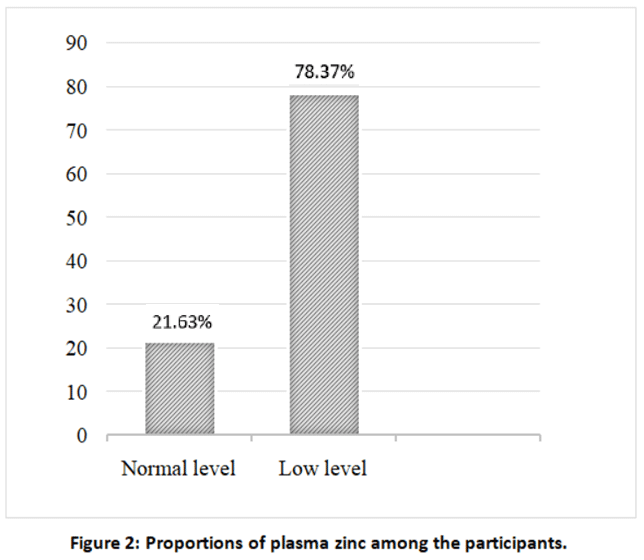 |
Figure 2: Proportions of plasma zinc among the participants. |
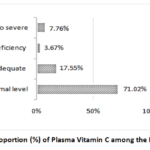 |
Figure 3: Proportion (%) of Plasma Vitamin C among the Participants. |
Factors Associated with Depression
Age, education level, substance usage, living situation, negative life events, social support, vitamin C, and zinc were factors linked to depressive symptoms in a bivariate/unadjusted analysis. To determine the main variables associated with geriatric depressive symptoms, we developed a number of adjusted regression analysis models. In the first model, a stepwise regression was used to investigate the association between depressive symptoms and factors such as age, education, substance use, adverse life experiences, and the availability of social support, as well as levels of zinc and vitamin C. A significance level of p ≤ 0.1 was utilized to determine which variables to include in further analysis. Variables with a p-value of ≤ 0.1 in the bivariate analysis were incorporated into the multiple logistic regression to evaluate their individual impact on depression while controlling for other factors.
In multivariate logistic regression analysis (Table 2), depression among elderly residents of Zanzibar urban municipality was independently associated with low plasma zinc levels (APR = 6.93; 95% CI: 2.04–23.51; p = 0.0019), moderate social support (APR = 3.03; 95% CI: 1.23–7.48; p = 0.0164), lower educational attainment (primary, adult learning, or no formal education), financial difficulties (APR = 5.15; 95% CI: 1.66–15.96; p = 0.0045), and high levels of stressful life events (APR = 11.61; 95% CI: 1.19–113.16; p=0.0348)
Table 2: Multivariate Analysis of Factors Linked with Depressive Symptoms.
|
Variables, |
Adjusted PR (APR) | (95% Cl) | P value. |
| Age: 60-64 years. | 1.00 |
|
|
|
Age: 65-69 years. |
0.76 | 0.2861,2.0220 | 0.5832 |
| Age 70-74 years | 0.38 | 0.1209,1.1774 |
0.0932 |
|
Age 75-79 years |
2.49 | 0.5208,11.8704 | 0.2535 |
| 80+ years | 3.11 | 0.6335,15.2556 |
0.1623 |
|
Primary education |
3.53 | 3.6366,429.6895 | 0.0025 |
| Adult learning education | 176.93 | 9.9659,3141.2240 |
0.0004 |
|
No formal education |
25.38 | 2.2261,289.3356 | 0.0092 |
| Financial difficulties | 5.15 | 1.6639,15.9598 |
0.0045 |
|
Individual moved into house hold(victims of a violent crime) |
3.04 | 1.1277,8.2091 |
0.0280 |
|
Very stressful |
11.61 | 1.1919,113.1630 | 0.0348 |
| Moderate social support | 3.03 | 1.2250,7.4780 |
0.0164 |
|
Zinc deficiency |
6.93 | 2.0435,23.5081 |
0.0019 |
Note: Bold values indicate statistical significance (p < 0.05). APR = Adjusted Prevalence Ratio; CI = Confidence Interval.
Discussion
In this study, the relationship between micronutrient status and depressive symptoms among the elderly population in the urban district of Zanzibar was determined. The prevalence of depression was 32.65%, having depression was associated with micronutrients (zinc), level of education (no formal education, adult learning education and primary education), adverse life events (financial difficulty, individual moved into household, and individual to be very stressful), and social support. The prevalence of depression in the current research is consistent with systematic review studies from Ethiopia (28.5%),20and global prevalence ( 35.1%).40 But the prevalence results of our current study were higher than the study done from the Berlin Aging Study II (15.7%),38and also from Hai district Kilimanjaro Moshi, Tanzania (21.2%).4Furthermore, our results were lower than the results obtained from Iran (42.2%),41 and systematic review and meta-analysis from Ethiopia (41.85%).42Those discrepancies in the results might be due to variations in measuring tools and geographical backgrounds. Zinc deficiency affected over half of the participants (78.37%) and vitamin C deficiency affected nearly a quarter of the participants (28.98%); these deficits may have resulted from a lack of awareness of micronutrient intake. Among elderly individuals in Zanzibar’s urban district, zinc deficiency was strongly associated with depression, however, vitamin C did not reveal a significant association on multivariate analysis. Zinc deficiency had shown a greater risk of almost seven times more likely than those who had normal zinc levels. Our findings outperform the German study (AOR: 1.490, 95% CI: 1.027, 2164; p=0.036),38 and from Iran by Anbari-Nogyni and colleagues, which showed a 49% protective association of zinc biomarkers to depressive symptoms.41Another study by Roozbeh and colleagues found that decreased plasma zinc levels were strongly linked with increased depressive symptoms.43The variation in results could be attributed to the participants’ cultural backgrounds, geographical location, or age. Vitamin C did not show a significant association with depression in our current study, even though there are a number of studies which have shown a significant association. For example, the systematic review by Plevin and Galletly.18and the study from New Zealand which showed a significant association.34 The results discrepancy might be due to differences in age, geographical area, and physical health of the participants.
The study revealed that older adults in Zanzibar’s urban district with moderate social support are three times more likely to develop depression compared to those with adequate social support. These results are supported by multiple studies, many of which showed the relevance of poor social support (no social support) with depression. For example, the study from Northern Tanzania, Moshi district,21from Ethiopia,22 and from Italy,44 the results discrepancy might be due to differences in cultural background. The management of depression in older adults in rural Tanzania was found to rely on key strategies such as love and comfort, advice, spiritual support, helping, and medical assistance,45 to that is social support can also help reduce depressive symptoms by offering emotional relief and acting as a protective barrier against distress. Elder adults with lower levels of education showed a higher likelihood of developing depression compared to those with higher levels of education, as evidenced by research conducted in Ethiopia,2 0and by global epidemiology of depression across culture.46 The majority of individuals with low educational attainment may exhibit insufficient coping methods, limited understanding of micronutrient utilization, and poor socioeconomic status, all of which contribute to the exacerbation of depressive symptoms. According to the current study, those who are having financial difficulties are five times more likely to experience depression than people who are fortunate, these findings are consistent with studies done inChina.23Long term financial difficulties can exacerbate psychological discomfort by increase stress levels, restrict access to healthcare and a healthy diet and lead to social exclusion. Older persons with high stress levels are almost twelve times more likely to develop depression than those without stress, these results are supported by Chou and Chi,24 and from Linn country lowa.47Unmanageable stress can activate the hypothalamic pituitary adrenal (HPA) axis and interfere with dopaminergic pathways by decrease its function (hinder dopamine release), leading to anhedonia, both of which are linked to depression.48According to Muhammad and colleagues,49elderly individuals who have experienced robberies or violent crimes, have a nearly twofold increased risk of suffering from depression compared to those who have not (AOR: 1.84, CI: 1.15 to 2.95). This finding is quite similar to the current study, which indicates a threefold higher likelihood of depression in such cases. Furthermore, this could lead to a number of depression risk factors, such as bodily harm and financial loss, which could increase stress levels.
The findings demonstrate that integrated psychological and socioeconomic factors, together with micronutrient deficiencies influence depressive symptoms in the elderly population of Zanzibar. Numerous studies have indicated a connection between age, gender, source of income, and substance with depression, however, this research found no notable association between the age, gender, and income sources of the participants with depression. This is the first research conducted in Zanzibar that investigated the relationship between micronutrients and depression among the elderly population. Additionally, several potential confounders (age, sex substance use, hypertension, diabetes, other illnesses and marital status) were evaluated. Furthermore, the plasma zinc and vitamin C concentrations were measured to evaluate their status.This study’s emphasis on a Zanzibar urban district is one of its main limitation. The results may not fully reflect rural regions, where inequalities in healthcare access, educational opportunities, infrastructure, and work conditions are more noticeable, even while they provide insight into urban populations. Moreover, rural populations often maintain distinct cultural practices, social structures, and household arrangements that could yield different outcomes from those observed in urban settings. Therefore, it would improve external validity and increase the findings’ generalizability to the entire isles if future studies were expanded to include both urban and rural districts as well as a wider cross-section of the Zanzibar population.
While this study provides important information, but it cannot answer causality-related questions. This is because the study’s cross-sectional nature limits causality, necessitating additional cohort and intervention trials to establish a causal link between micronutrients and depression, and further research on hidden hunger awareness. For future studies, there is a need to explore differences between the young and the elderly populations and between urban and rural areas. Stakeholders should develop strategies to reduce depression in the elderly population through health education on the role of micronutrients in combating depression as well as subsidizing the supply of nutrient-rich diets, regular zinc screenings, family interventions, health education programs, and raising awareness about risk factors of the lack of essential micronutrients.
Conclusion
This research identified a significant prevalence of depressive symptoms (32.65%) among elderly individuals residing in the Zanzibar Urban District. Zinc deficiency was found to be independently linked to depressive symptoms, even when controlling for psychosocial and socioeconomic variables. Moreover, factors such as lower educational attainment, financial hardships, high levels of stress, and moderate social support were found to significantly increase the risk of depression. These results indicate that the occurrence of depressive symptoms in older adults in Zanzibar is influenced by multiple factors, encompassing both biological and psychosocial elements. There is a need for integrated public health approaches that tackle nutritional deficiencies in conjunction with psychosocial support systems. Further longitudinal and interventional research is essential to elucidate the causal relationships involved.
Acknowledgement
The authors would like to thank the elderly participants from Zanzibar’s Urban District for their assistance and priceless time, the administrative support provided by the Office of the Second Vice President in Zanzibar, Nelson Mandela African Institution of Science and Technology’s institutional guidance and technical assistance are greatly appreciated, special thanks to Dr. Hussein Haji of the International Center for AIDS Care and Treatment Programs (ICAP) for his unwavering support with statistical analysis. Also extended thanks to Zanzibar’s Ministry of Health for its logistical support throughout the data collection procedure.
Funding Sources
The authors received no financial support for the research, authorship, and/or publication of this article.
Conflict of Interest
The authors do not have any conflict of interest.
Data Availability Statement
Data set will be available upon the request.
Ethics Statement
The Northern Zone Health Research Committee (KNCHREC) ethics committee (reference number KNCHREC00007/09/2023) and the Zanzibar Health Research Institute (ZAHRI) ethics committee (reference number ZAHREC/05/ST/OCT/2023/170) authorized this work. The Zanzibar Second Vice President Office approved the study.
Informed Consent Statement
Participants were briefed on the study procedures and objectives but were also asked to sign the informed consent and kept it confidential using unique identification numbers. Participants were made aware that their involvement in the study was entirely voluntary and that they might leave at any time without suffering any repercussions.
Clinical Trial Registration
This research does not involve any clinical trials.
Permission to Reproduce Material from Other Sources
Not Applicable.
Author Contributions
- Mosi Khalfan Machano: Conceptualization, Methodology, Data collection, Analysis, Writing-Original Draft
- Clara Justine Mollay: Visualization, Supervision, Review, Editing
- Emmanuel AbrahamMpolya: Visualization, Supervision, Review, Editing
- Elingarami Sauli: Visualization, Supervision, Review, Editing.
References
- Huskisson E, Maggini S, Ruf M. The influence of micronutrients on cognitive function and performance. J Int Med Res. 2007;35(1):1-19. doi:10.1177/147323000703500101
CrossRef - Mushtaq S, Mazhar H, Khalid S. Role of nutrition in depression. J Psychol Clin Psychiatry. 2020;11(5):127-135.
- Obuobi-Donkor G, Nkire N, Agyapong VIO. Prevalence of major depressive disorder and correlates of thoughts of death, suicidal behaviour, and death by suicide in the geriatric population: a general review of literature. Behav Sci (Basel). 2021;11(11):142. doi:10.3390/bs11110142
CrossRef - Mlaki DA, Asmal L, Paddick SM, Gray WK, Dotchin C, Walker R. Prevalence and associated factors of depression among older adults in rural Tanzania. Int J Geriatr Psychiatry. 2021;36(10):1559-1566. doi:10.1002/gps.5584
CrossRef - Nyaruhucha CNM, Msuya JM, Matrida E. Nutritional status, functional ability and food habits of institutionalised and non-institutionalised elderly people in Morogoro Region, Tanzania. East Afr Med J. 2004;81(5):248-253.
CrossRef - Kim JI, Choe MA, Chae YR. Prevalence and predictors of geriatric depression in community-dwelling elderly. Asian Nurs Res (Korean Soc Nurs Sci). 2009;3(3):121-129. doi:10.1016/S1976-1317(09)60023-2
CrossRef - Jacka FN, Pasco JA, Mykletun A, et al. Association of western and traditional diets with depression and anxiety in women. Am J Psychiatry. 2010;167(3):305-311. doi:10.1176/appi.ajp.2009.09060881
CrossRef - Reynolds CF, Alexopoulos GS, Katz IR. Geriatric depression: diagnosis and treatment. Generations. 2002;26(1):28-31.
- Lépine JP, Briley M. The increasing burden of depression. Neuropsychiatr Dis Treat. 2011;7(suppl 1):3-7. doi:10.2147/NDT.S19617
CrossRef - Bailey RL, West KP Jr, Black RE. The epidemiology of global micronutrient deficiencies. Ann Nutr Metab. 2015;66(suppl 2):22-33. doi:10.1159/000371618
CrossRef - Darnton-Hill I. Prevalence, causes, and consequences of micronutrient deficiencies. In: The Gap Between Need and Action. Elsevier; 2018. doi:10.1016/B978-0-12-802861-2.00002-X
CrossRef - Wong CP, Ho E. Zinc and its role in age-related inflammation and immune dysfunction. Mol Nutr Food Res. 2012;56(1):77-87. doi:10.1002/mnfr.201100511
CrossRef - Cahill L, Corey PN, El-Sohemy A. Vitamin C deficiency in a population of young Canadian adults. Am J Epidemiol. 2009;170(4):464-471. doi:10.1093/aje/kwp156
CrossRef - Cope EC, Levenson CW. Role of zinc in the development and treatment of mood disorders. Curr Opin Clin Nutr Metab Care. 2010;13(6):685-689. doi:10.1097/MCO.0b013e32833df61a
CrossRef - Gromova OA, Torshin IY, Pronin AV, et al. Synergistic application of zinc and vitamin C to support memory and attention. Neurosci Behav Physiol. 2019;49(3):357-364. doi:10.1007/s11055-019-00740-0
CrossRef - Młyniec K, Gaweł M, Doboszewska U, et al. The role of elements in anxiety. Vitam Horm. 2017;103:295-326. doi:10.1016/bs.vh.2016.09.002
CrossRef - Carr AC, Maggini S. Vitamin C and immune function. Nutrients. 2017;9(11):1211. doi:10.3390/nu9111211
CrossRef - Plevin D, Galletly C. The neuropsychiatric effects of vitamin C deficiency: a systematic review. BMC Psychiatry. 2020;20(1):315. doi:10.1186/s12888-020-02730-w
CrossRef - Bajpai A, Verma AK, Srivastava M, et al. Oxidative stress and major depression. J Clin Diagn Res. 2014;8(12):CC04-CC07. doi:10.7860/JCDR/2014/10258.5292
CrossRef - Girma M, Hailu M, Wakwoya DA, et al. Geriatric depression in Ethiopia: prevalence and associated factors. J Psychiatry. 2016;20(1):400. doi:10.4172/2378-5756.1000400
CrossRef - Adams DJ, Ndanzi T, Rweyunga AP, et al. Depression and associated factors among geriatric population in Tanzania. Aging Ment Health. 2021;25(6):1035-1041. doi:10.1080/13607863.2020.1745147
CrossRef - Amha H, Fente W, Sintayehu M, et al. Depression among old age population in Ethiopia: a cross-sectional study. J Affect Disord Rep. 2020;2:100034. doi:10.1016/j.jadr.2020.100034
CrossRef - Lee SY, Chou KL. Social exclusion and depressive symptoms among older people. Aging Ment Health. 2019;23(11):1487-1495. doi:10.1080/13607863.2018.1506740
CrossRef - Chou KL, Chi I. Stressful events and depressive symptoms among older adults. Int J Aging Hum Dev. 2000;51(4):275-293. doi:10.2190/VNJC-TQ4W-6T3R-6V9K
CrossRef - Chamba C, Nasser A, Mawalla WF, et al. Anaemia in hospitalized elderly in Tanzania. Anemia. 2021;2021:9523836. doi:10.1155/2021/9523836
CrossRef - Sugawara N, Yasui-Furukori N, Tsuchimine S, et al. No association between dietary patterns and depressive symptoms. Ann Gen Psychiatry. 2012;11(1):24. doi:10.1186/1744-859X-11-24
CrossRef - Kish L. Sampling organizations and groups of unequal sizes. Am Sociol Rev. 1965;30:564-572.
CrossRef - Devanand DP, Kim MK, Paykina N, et al. Adverse life events in elderly patients with depression. Am J Geriatr Psychiatry. 2002;10(3):265-274. doi:10.1097/00019442-200205000-00005
CrossRef - Nakigudde J, Musisi S, Ehnvall A, et al. Adaptation of perceived social support scale in Uganda. Afr Health Sci. 2009;9(1):35-41.
- Gautam R, Saito T, Kai I. Correlates of life satisfaction among older Nepalese adults. Biosci Trends. 2008;2(5):187-192.
- Neufeld L, García-Guerra A, Sánchez-Francia D, et al. Hemoglobin measurement validation study. Salud Publica Mex. 2002;44(3):219-227. doi:10.1590/S0036-36342002000300005
CrossRef - Karlsen A, Blomhoff R, Gundersen TE. Stability of ascorbic acid in blood. Eur J Clin Nutr. 2007;61(10):1233-1236. doi:10.1038/sj.ejcn.1602655
CrossRef - Dogar MZ ul H, Akhtar MS, Ansir SS, et al. Spectrophotometric determination of vitamin C. J Appl Pharm. 2010;3(2):67-71.
CrossRef - Pullar JM, Carr AC, Bozonet SM, et al. High vitamin C status and mood. Antioxidants (Basel). 2018;7(7):91. doi:10.3390/antiox7070091
CrossRef - Smith JC, Holbrook JT, Danford DE. Analysis of zinc and copper in plasma. J Am Coll Nutr. 1985;4(6):627-638. doi:10.1080/07315724.1985.10720105
CrossRef - Cornelis R, Heinzow B, Herber RF, et al. Sample collection guidelines for trace elements. J Trace Elem Med Biol. 1996;10(2):103-127. doi:10.1016/S0946-672X(96)80018-6
CrossRef - Memon AU, Kazi TG, Afridi HI, et al. Evaluation of zinc status in cancer patients. Clin Chim Acta. 2007;379(1-2):66-70. doi:10.1016/j.cca.2006.12.009
CrossRef - Jung A, Spira D, Steinhagen-Thiessen E, et al. Zinc deficiency and depressive symptoms. J Gerontol A Biol Sci Med Sci. 2017;72(8):1149-1154. doi:10.1093/gerona/glw218
CrossRef - Gautam R, Saito T, Houde SC, et al. Social interactions and depressive symptoms in Nepal. Arch Gerontol Geriatr. 2011;53(1):24-30. doi:10.1016/j.archger.2010.06.007
CrossRef - Cai H, Jin Y, Liu R, et al. Global prevalence of depression in older adults. Asian J Psychiatr. 2023;80:103417. doi:10.1016/j.ajp.2022.103417
CrossRef - Anbari-Nogyni Z, Bidaki R, Madadizadeh F, et al. Zinc status and depression among elderly. Clin Nutr ESPEN. 2020;37:233-239. doi:10.1016/j.clnesp.2020.02.008
CrossRef - Kasa AS, Lee SC, Chang HR. Depression among older adults in Ethiopia. BMC Psychiatry. 2022;22(1):675. doi:10.1186/s12888-022-04282-7
CrossRef - Roozbeh J, Sharifian M, Ghanizadeh A, et al. Zinc deficiency and depression in renal disease. J Ren Nutr. 2011;21(2):184-187. doi:10.1053/j.jrn.2010.05.015
CrossRef - Ricciardi E, Spano G, Tinella L, et al. Social support and geriatric depression. Int J Environ Res Public Health. 2023;20(8):5540. doi:10.3390/ijerph20085540
CrossRef - Howorth K, Paddick SM, Rogathi J, et al. Conceptualization of depression in rural Tanzania. Int Psychogeriatr. 2019;31(10):1473-1481. doi:10.1017/S1041610218002016
CrossRef - Kessler RC, Bromet EJ. Epidemiology of depression across cultures. Annu Rev Public Health. 2013;34:119-138. doi:10.1146/annurev-publhealth-031912-114409
CrossRef - Russell DW, Cutrona CE. Social support and depressive symptoms among elderly. Psychol Aging. 1991;6(2):190-201. doi:10.1037/0882-7974.6.2.190
CrossRef - Cabib S, Puglisi-Allegra S. Mesoaccumbens dopamine in coping with stress. Neurosci Biobehav Rev. 2012;36(1):79-89. doi:10.1016/j.neubiorev.2011.04.012
CrossRef - Muhammad T, Meher T, Sekher TV. Elder abuse and depression among older adults in India. BMJ Open. 2021;11(12):e055625. doi:10.1136/bmjopen-2021-055625
CrossRef
Abbreviations
APR – Adjusted Prevalence Ratio
GABA – Gamma-aminobutyric acid
Ml – Milliliters
Nm – Nanometer
P – P-value
PPM – Parts Per Million
RPM – Revolution Per Minute
SUA – Sokoine University of Agriculture
UV/Vis/IR spectrophotometer – Ultra Violet/Visible/Infra-Red spectrophotometer
 PlumX:
 Views: 1386
  PDF Downloads:
189
PDF Downloads:
189 
Accepted on: 21 Apr 2026
Second Review by: Yuli Hartati
Final Approval by: Dr. Lee Lai Kuan





Web of Science Coverage
Emerging Sources Citation Index (ESCI)
2024 Journal Impact Factor: 1.1
Scopus Journal Metrics
CiteScore 2025: 2.6
CiteScore Details
Sustainable Nutrition: Food Systems, Nutrient Retention, and Public Health Impact

This journal is a member of, and subscribes to the principles of, the Committee on Publication Ethics (COPE)