
Stability Studies on Developed Instant Chutney Tablets: A Step Toward Convenient Traditional Foods
 and Kamlesh Prasad*
 Department of Food Engineering and Technology, Sant Longowal Institute of Engineering and Technology, Longowal, India
Corresponding Author Email: profkprasad@gmail.com
DOI : http://dx.doi.org/10.12944/CRNFSJ.14.2.6
Download this article as:

Chutneys are traditional condiments known for their flavour, nutritional value, and therapeutic properties. Functional ingredients such as coriander, amla, and curry leaves add to their health benefits, providing antioxidants, vitamins, and bioactive compounds. However, the perishability of chutneys, due to their high moisture content, limits their shelf life and commercial viability. To overcome this challenge, this study focused on the development of shelf-stable instant chutney tablets as a convenient, portable alternative to traditional chutneys. The chutney tablets were prepared by utilizing coriander, amla, and curry leaves powder mixed with common salt, garlic powder, and green chilli powder. Physicochemical, optical, and sensory studies were conducted during three months in different storage conditions, such as 4°C, ambient temperature, and 40°C, packaged in Low-Density Polyethylene (LDPE) and aluminium laminates. Observations on the moisture content, water activity, and colour stability were made and compared with the sensory evaluation done to assess product quality. It was found that aluminium-laminated packaging significantly outperformed LDPE in terms of limiting moisture absorption and maintaining stability, especially under refrigerated conditions. Moisture content increased with storage time and temperature, but amla chutney tablets exhibited the greatest moisture gain. Water activity also followed this trend, whereby aluminium packaging maintained better control. Sensory evaluations showed that the tablets retained good flavour, aroma, and texture throughout the period of storage. This study shows the potential of chutney tablets as a new functional food product that can integrate traditional flavours with modern convenience.
KEYWORDS:Amla; Chutney Tablet; Coriander; Curry; Disintegration Phenomena; Storage Studies
Introduction
Chutneys are an important condiment in several cuisine regions due to their flavour, nutritional value, and therapeutic properties.This is particularly true for several South Asian countries. Chutney formulations are a fantastic way to enhance health benefits by using functional ingredients like curry leaves, amla, and coriander, which contain a variety of ascorbic acids, amino acids, minerals, and phytochemicals.1,2 Curry leaves are thought to have antioxidant activity as well as digestive benefits, amla is recognized for its high vitamin C content and immunity-boosting effects and coriander has anti-inflammatory and antibacterial characteristics.3,4Chutney is produced by combining fruits, vegetables, herbs, and spices and grinding them into a paste or sauce. Traditional chutneys have a limited shelf life due to their high moisture content, making them susceptible to microbial spoilage and enzymatic degradation.5 This limits their storage, transportation, and commercialization. To address this, preservation techniques have been explored to extend the shelf life of food products while retaining their nutritional and sensory qualities, including transforming semi-solid foods into convenient, shelf-stable tablets.Although various studies have explored the development of ready-to-use (RTU) or instant chutney tablets including amla pomace powder,2 peanut chutney tablets,6effervescent beverage tablets,7 mango tablets,8and pumpkin soup tablets,9 and black carrot pomace powder for the formulation of nutraceutical tablets.10These works primarily focus on product formulation rather than comprehensive stability evaluation. Most previous studies do not investigate how storage temperature, packaging material, and moisture dynamics influence the long-term quality, safety, and consumer acceptability of the tablets. Very few published works to date have systematically assessed the physico-chemical, optical, and sensory stability of chutney tablets under multiple storage environments over an extended period.
The present study focuses on developing an instant chutney tablet incorporating coriander, amla (Indian gooseberry), and curry leaves. Creating chutney tablets with components like curry leaves (Murraya koenigii), amla (Phyllanthus emblica), and coriander (Coriandrum sativum) provides an excellent opportunity to improve their nutritional value. Curry leaves are abundant in antioxidants, vitamins A and C, calcium, iron, and a variety of other important elements. They are traditionally thought to treat diabetes, indigestion, and hair health in Ayurvedic medicine.11Amla, or Indian gooseberry, is well known for its high vitamin C concentration and immune-boosting properties. It also contains polyphenols, which have been demonstrated to have anti-inflammatory and antioxidant properties.2Coriander is regarded not only as a spice, but also for its therapeutic characteristics, which include antibacterial, anti-inflammatory, and digestive benefits.12Storage factors such as moisture, light, temperature, and oxygen can cause degradation of vitamins and essential oils, which affects nutritional quality and flavour profiles. Understanding product stability is therefore essential.
Instant chutney tablets offer a convenient, quick-reconstitution product. Development typically involves drying, grinding, and blending ingredients in specific ratios. For powder preparation, the selected vegetables undergo blanchingfollowed by drying before being mixed with spices.13 For instance, pudina and gongura chutneys had a shelf life of 3 months when stored in High-Density Polyethylene (HDPE) pouches at temperatures between 28-37°C.14 Lower moisture levels generally correlate with longer shelf life. The critical moisture content (CMC) for bell pepper chutney was essential for preventing mould growth.15 Besides, sensory attributes (taste, aroma, texture, and appearance) of food products also influence consumer acceptance. Hence, the chutney tablets must maintain organoleptic qualities with long shelf-life. Research indicates that encapsulation of bioactive compounds protects them from degradation while delivering them within food matrices. This step helps maintain the flavour and nutritional integrity of the chutney tablets. The commercialisation and processing of traditional chutneys are essential to enhance their quality and ensure an extended shelf life for commercial use. Emerging food industries have opportunities to expand production and marketing of such products. However, India currently lacks specific guidelines, definitions, or standards for chutneys, and researchon their standardisation, large-scale processing, packaging, and storage is limited.With rising health awareness and demand for ready-to-eat (RTE) functional foods, chutney tabletscombining traditional flavours with modern conveniencehave strong potential in the growing marketplace.
To address these research gaps, the objective of the present studyis to assess the storage stability of chutney tablets formulated with curry leaves powder, amla pomace powder, and coriander leaves powder under different storage conditions, for a period of three months. Physiochemical characteristics, such as water activity, moisture content, ash value, colour change, and dispersibility are assessed to understandthe potential for developing these products as stable functional foods. Understanding how these attributes change during storage will guide future product development and help establish suitable storage guidelines. Overall, this study supports the development of chutney tablets as a functional, shelf-stable product that integrates traditional ingredients with modern food technology and offers scope for future commercialisation.
Materials and Methods
Sample Collection
For the preparation of chutney powder tablets, all raw ingredients-i.e., coriander leaves, curry leaves, and amla-were procured from local market, Longowal, Sangrur, Punjab and kept in refrigerated storage (4-5℃). Other ingredients, such as common salt, green chillies, garlic powder, etc., were sourced from a local supplier.
Preparation of Dried Powders
Fresh coriander leaves were washed properly with running tap water.16 The washed leaves were dried using a lab-scale cabinet dryer (Balaji enterprises-48T, Saharanpur, India) at 45±2°C for 6 h. Dried leaves were powdered to obtain a 60-mesh powder. Curry leaves underwent similar cleaning procedures and were dried at 50±2°C for 8 h.17 Fresh amla fruits were sliced (2-3mm thickness) using a mechanical slicer for 12 h at 55±2°C. The seeds were then removed, and the dried slices were ground to a fine powder (Fig. 1).18 However, different drying temperatures were selected because each raw material has unique physical characteristics, moisture content, and heat sensitivity.
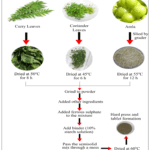 |
Figure 1: Process flow chart for the preparation of instant chutney tablet. |
Formulation of Chutney Tablet
The chutney was prepared following the general procedures described in earlier studies,1,6,19 with modifications introduced to accommodate local taste preferences and traditional preparation practices. The composition of each chutney powder formulationwas standardized by adjusting the proportion of the primary raw ingredient. For example, coriander chutney powder contains 65 g of coriander per 100 g, establishing it as the principal component, succeeded by 15 g of common salt, 5 g each of garlic powder and green chilli powder, and 10 g of amla powder added as a functional ingredient. Similarly, curry chutney powder comprises 65 g of curry, 15 g of common salt, 5 g each of garlic powder and green chilli powder, and 10 g of amla. In contrast, amla chutney powder consists of 70 g of amla per 100 g, supplemented by 15 g of curry, 5 g each of garlic powder and green chilli powder, and 5 g of common salt. A standardized formulation was developed for preparing the chutney powders, in which coriander, curry, and amla powders were combined with specific amounts of spices. The exact proportions of each ingredient are provided in Table 1.
All ingredients were weighed using a digital analytical balance(±0.001 g) and blended thoroughly using a mechanical blender to obtain a homogeneous powder mixture. The prepared chutney powders were then converted into tablets using a laboratory-scale single-punch tablet compression machine. A circular stainless-steel die and punch set with a diameter of 10 mm was used for tablet formation. Approximately equal quantities of powder were filled into the die cavity, and the tablets were compressed at a constant compression force of approximately 10kN to obtain uniform tablets. The tablets were ejected carefully and stored in airtight containers for further analysis. The modifications in components aim to produce unique flavour profiles and to enhance the nutritional and functional attributes specific to each variety of chutney powder.
Table 1: Formulation of chutney powders prepared using different primary ingredients
|
Ingredients (g/100g) |
Coriander chutney powder (g) | Curry chutney powder (g) |
Amla chutney powder (g) |
|
Coriander |
65 | – | – |
| Amla | 10 | 10 |
70 |
|
Curry |
– | 65 | 15 |
| Common salt | 15 | 15 |
5 |
|
Garlic powder |
5 | 5 | 5 |
| Green chilli powder | 5 | 5 |
5 |
StorageStudies
The storage stability of chutney tablets is a critical factor in determining their quality, palatability, and commercial viability. For stability studies, the prepared chutney tablets were stored under three different conditions: 4°C, ambient room temperature, and 40°C. Additionally, two types of packaging materials, LDPE and aluminium bags, were evaluated. Storage tests included both routine and accelerated conditions to simulate various environmental exposures, with a duration of six months. Observations on progressive changes were recorded at 15-day intervals. Evaluation parameters were grouped into three classes, as mentioned hereafter:
Physicochemical Characteristics
The physicochemical parameter of the chutney tablets are important attributes of their overall quality, stability, and consumer acceptability. These attributes directly influence the shelf life, nutritional integrity, and functional performance of the product during storage and consumption.
Moisture Content
Moisture content was checked periodically to ascertain microbial activity and product quality. Uptake of moisture will support microbial growth, causing a gain in the moisture content below a certain extent, which may prove dangerous to the safe quality and texture of tablets. Conversely, an excessive loss of moisture will cause brittleness, hence adversely affecting the dispersibility and usability of the tablets. These changes were monitored to facilitate the identification of optimum conditions for storage and packaging.
Water activity (aw)
Water activity (aw) represents the ratio of the vapor pressure of water in a food sample to the vapor pressure of pure water at the same temperature and therefore reflects the availability of free water that can support chemical reactions and microbial growth. Lower aw values indicate reduced availability of free water, which enhances product stability by inhibiting bacteria, yeast, and mold proliferation. Because awis temperature-dependent, all measurements were conducted under controlled conditions to ensure accuracy. The awof the three chutney powder formulations was determined using a calibrated CX-2 water activity meter.20Samples were placed in airtight sample cups, equilibrated within the instrument chamber, and readings were recorded once stable equilibrium conditions were achieved. Measurements were carried out for powders stored under six different conditions: two packaging materials (LDPE and aluminium laminate) at three storage temperatures (4°C, 20°C, and 40°C). All samples were analyzed in triplicate, and mean values were used for further statistical evaluation.
Optical Characteristics
The visual appearance of chutney tablets is animportantquality attribute influencing consumer acceptance; therefore, the colour stability of the formulations was monitored during storage.The colour variations of the three chutney powder samples (coriander, curry, and amla) stored over a period of 0 to 3 monthswere quantified using a Hunter lab colorimeter (Hunter Associates Laboratory Inc., Reston, VA, USA).
Prior to analysis, the instrument was calibrated using standard white and black calibration tiles supplied by the manufacturer. Measurements were performed under a D65 standard illuminant with a 10° observer angle, employing diffuse/8° (d/8) optical geometry. The reflectance aperture of the instrument was used for all measurements, ensuring direct contact between the sample and the measurement port, thereby maintaining a zero distance between the sample surface and the colorimeter. During measurement, samples were placed horizontally over the reflectance aperture to completely cover the measurement area, ensuring uniform exposure to the incident light.21 Colour measurements were recorded based on L* (lightness), a* (green to red), and b* (blue to yellow) coordinates.22,23 All parameters were measured at different points on each powder sample, and the mean values of these measurements were calculated and reported.
Disintegration Time
The disintegration time of the chutney tablets was determined using a standardized water-based dispersion method.7A 100 ml beaker filled with distilled water was placed on a magnetic stirrer and maintained at a constant stirring speed to simulate gentle agitation during consumption. A fixed wire mesh was positioned inside the beaker to prevent the tablet from floating and to allow uniform contact with the water. Each tablet was carefully placed on the mesh, and a stopwatch was started immediately. The time required for the tablet to break apart and completely disperse in the water, leaving no visible solid residue on the mesh or in the beaker, was recorded as the disintegration time. All measurements were performed in triplicate, and the average values were reported.
Sensory Evaluation
For sensory evaluation of developed chutney tablets (coriander, curry, and amla), a total of 10 semi-trained panellists participated, out of which 7 numbers of participants were males and 3 were females, with aged ranging from 22 to 63 years. All were either students or the faculty and staff members of Food Engineering and Technology Department, SLIET, Longowal, Punjab. The selection of participantswas undertaken based on randomization that reduce the potential biasness and ensure a more representative sample. Prior to the sensory evaluation, the panellists underwent a brief training and familiarization session. The training included an orientation on the objectives of the study, explanation of the sensory attributes to be evaluated (appearance, aroma, flavour, mouthfeel, and overall acceptability), and detailed instruction on the use of the 9-point hedonic scale. Reference samples and verbal descriptors were used during the training to help panellists understand and consistently differentiate between varying intensities of sensory attributes and hedonic responses. Panellists were also instructed on proper tasting procedures, including palate cleansing between samples, to reduce carry-over effects.Sensory evaluation of the samples was carried out using a 9-point hedonic scale, in which panellists rated their degree of liking for each attribute. The scale ranged from 1 to 9, with lower scores indicating strong dislike and higher scores indicating strong preference. Specifically, the categories were interpreted as follows: 1 = dislike extremely, 2 = dislike very much, 3 = dislike moderately, 4 = dislike slightly, 5 = neither like nor dislike, 6 = like slightly, 7 = like moderately, 8 = like very much, and 9 = like extremely. Scores from all panelists were compiled, and the average values were used for analysis.
Microbial Load
The microbial load in the sample was evaluated using standard methods outlined in the US Pharmacopoeia. This assessment included determining the total bacterial plate count, yeast, and mould counts, as well as identifying specific microorganisms such as Staphylococcus aureus, Escherichia coli, and Salmonella spp. The microbial quality of the chutney tablet powder was evaluated for total bacterial count (TBC) and yeast and mould load following standard Indian methods. The total bacterial count was determined using the pour plate technique in accordance with IS 5402 (Part 1): 2021, wherein 10 g of sample was homogenized in 90 mL of sterile 0.1% peptone water, serially diluted, plated on Plate Count Agar, and incubated at 37 ± 1 °C for 48 h. Yeast and mould counts were assessed by the spread plate method as per IS 5403: 1999 (Reaffirmed 2018) using Potato Dextrose Agar, followed by incubation at 25 ± 1 °C for 3–5 days. Microbial counts were expressed as colony-forming units per gram (CFU/g) of sample. The results were cross-checked to ensure compliance with the 2022 regulations of the Food Safety and Standards Authority of India (FSSAI) for Nutraceuticals and Food Supplements. This process was essential to verify that the product adhered to the required microbial safety and quality standards, ensuring its safety for consumption.
Statistical Analysis
The data were analysed statistically to find out how different quantities, storage periods, and packing materials are likely to influence the quality of chutney throughout storage. All analyses were performed in triplicate, and results were recorded as mean ± standard deviation (SD). The effect of storage period on quality attributes in terms of disintegration time and color values of chutney tablets was analyzed using one-way ANOVA in SPSS software.Duncan’s multiple range test was applied to determine whether the variations observed among the treatments were statistically meaningful. A threshold of p < 0.05 was used to establish significance, enabling reliable comparison of the data across different experimental conditions.
Results
Moisture Content
The changes in moisture content of coriander, curry, and amla chutney tablets during storage were studied under different packaging (LDPE and aluminium-laminated pouches) and temperature conditions (4℃, 20℃, and 40℃) for three months (Fig. 2). The data revealed that the moisture content increased gradually over time across all formulations, with the magnitude of increase depending on both packaging type and storage temperature. These results were in reasonable agreement with previously reported findings.8This rise in moisture content may be attributed to gradual water absorption during storage, which is influenced by the surrounding environmental conditions, particularly the relative humidity.10Tablets stored in aluminium-laminated pouches exhibited the lowest increase in moisture content, maintaining levels below 5.5% throughout the storage period at 4℃. In contrast, LDPE-packaged samples showed more pronounced moisture uptake, particularly at elevated temperatures. At room temperature, LDPE-packaged tablets reached moisture contents of approximately 8.5%, whereas aluminium-packaged tablets showed a moderate increase to 7%. At 40°C, LDPE-packaged samples exhibited the highest moisture levels, exceeding 11%, compared to about 9.5% in aluminium-laminated pouches. Among the three chutney formulations, amla chutney tablets demonstrated the highest moisture gain, followed by coriander chutney tablets, while curry chutney tablets absorbed the least moisture.
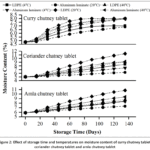 |
Figure 2: Effect of storage time and temperatures on moisture content of curry chutney tablet, coriander chutney tablet and amla chutney tablet. |
Water Activity (aw)
The effect of storage time and temperature on water activity (aw) was assessed for all chutney tablet variants. As shown in Fig. 3, a gradual increase in aw was observed in all samples throughout the threemonths of storage period, indicating slow moisture migration and equilibration within the tablets. For coriander chutney tablets, aw values increased from an initial 0.38-0.40 to 0.42-0.45 after three months. Curry chutney tablets exhibited a similar upward trend, with final aw values ranging from 0.44-0.48, indicating higher sensitivity to environmental changes. Conversely, amla chutney tablets displayed the most stable aw profile, with only a slight increase from 0.38-0.40 to 0.42-0.45. Samples stored under refrigerated conditions (4°C) maintained the lowest aw values, confirming that cooler storage effectively limits water mobility and absorption. In contrast, storage at 40°C led to more rapid increases in aw, indicating greater moisture sensitivity at elevated temperatures.
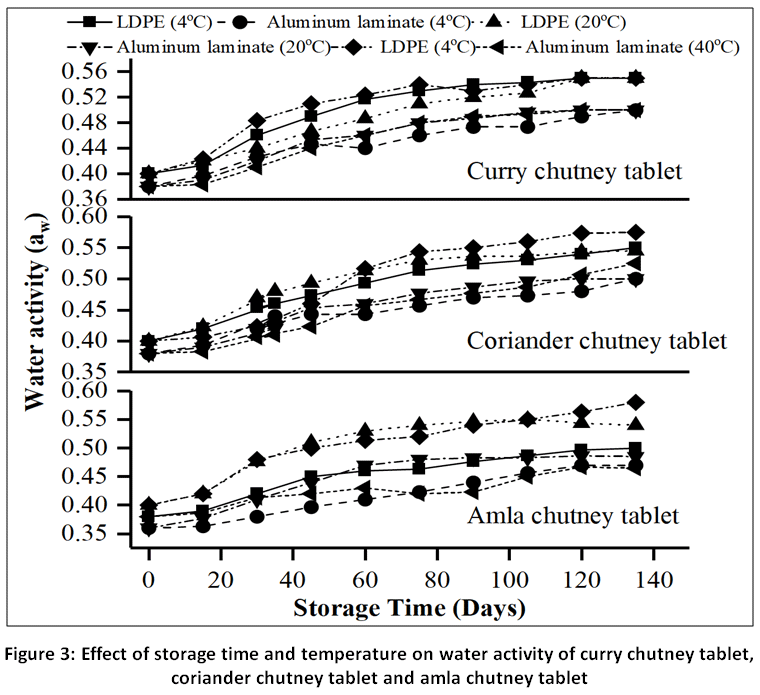 |
Figure 3: Effect of storage time and temperature on water activity of curry chutney tablet, coriander chutney tablet and amla chutney tablet |
Disintegration Time
The disintegration time of the chutney tablets was evaluated over three months to assess any changes in structural integrity (Table 2). All chutney tablets demonstrated a significant(p < 0.05) decrease in disintegration time with prolonged storage conditions. For coriander chutney tablets, disintegration time was significantly (p < 0.05) decreased from 125 s at the start to 107 s after three months. A similar pattern was observed in curry chutney tablets, which decreased from 128 to 109 s, and amla chutney tablets, which reduced from 121 to 104 s.
Table 2: Disintegration timeof chutney tablets
|
Test Parameter |
Sample | 0 Months | 1 Month | 2 Months | 3 Months |
| Disintegration Time (s) | Coriander | 125.00±1.80a | 118.75±1.71b | 112.81±1.63c |
107.17±1.54d |
|
Curry |
128.00±1.50a | 121.60±1.43b | 115.52±1.35c | 109.74±1.27d | |
| Amla | 121.00±1.20a | 114.95±1.14b | 109.20±1.08c |
103.74±1.03d |
*Different letters (a, b, c, and d) in the same row varied significantly at p < 0.05.
Sensory Evaluation
The sensory properties of the chutney tablets were evaluated for appearance, aroma, flavour, mouthfeel, and overall acceptability (Fig. 4). It is an important aspect of food product development because it reduces the risk of product deterioration and reflects how consumers perceive food quality.24Among the three variants, the coriander chutney tablet (CCT1) received the highest overall acceptability scores, with superior aroma and flavour characteristics. The curry chutney tablet (CCT2) scored slightly lower, while the amla chutney tablet (ACT) though appreciated for its fruity and tangy aroma, was less favoured. Nevertheless, all formulations maintained satisfactory sensory quality during the three-month storage period, showing only minimal decline in consumer acceptability.
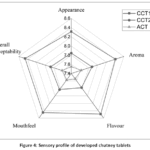 |
Figure 4: Sensory profile of developed chutney tablets |
Colour Changes
The colour of the chutney tablets was measured in terms of L* (lightness), a* (redness), and b* (yellowness) to evaluate pigment stability during storage (Table 3). All three formulations showed a significant (p < 0.05) decrease in L* values, indicating a darkening effect over time. Coriander tablets decreased from 44.23 ± 1.94 to 33.39 ± 0.75, curry tablets from 27.12 ± 1.90 to 15.51 ± 1.22, and amla tablets from 34.67 ± 2.30 to 22.34 ± 0.86 after three months. The a* value became more negative for coriander and amla tablets, reflecting an increase in greenness, while the curry chutney tablets, a* value declined from 6.71 ± 0.68 to 0.95 ± 1.74, showing a loss of reddish hues. The b* value also decreased in all samples, indicating fading of yellow pigments.
Table 3: Colour parameter changes in coriander, curry, and amla tablet over time
|
Parameters |
Sample | 0 Months | 1 Month | 2 Months |
3 Months |
|
L* |
Coriander | 44.23 ± 1.94a | 41.71 ± 1.50b | 36.56 ± 1.12c | 33.39 ± 0.75d |
| Curry | 27.12 ± 1.90a | 23.40 ± 1.53b | 19.28 ± 1.17c |
15.51 ± 1.22d |
|
|
Amla |
34.67 ± 2.30a | 30.39 ± 0.86b | 26.01 ± 1.37c | 22.34 ± 0.86d | |
| a* | Coriander | -11.00 ± 1.00a | -12.67 ± 0.90b | -15.32 ± 0.63c |
-17.54 ± 0.63d |
|
Curry |
6.71 ± 0.68a | 4.25 ± 0.61b | 2.60 ± 1.49c | 0.95 ± 1.74d | |
| Amla | 3.26 ± 0.74a | 1.86 ± 0.38b | -0.32 ± 1.18c |
-3.88 ± 1.25d |
|
|
b* |
Coriander | 24.00 ± 1.00a | 22.36 ± 0.94b | 17.37 ± 0.79c | 14.19 ± 0.69d |
|
Curry |
12.38 ± 2.17a | 12.06 ± 0.74a | 9.84 ± 1.20b |
7.91 ± 1.08bc |
|
|
Amla |
19.00 ± 0.40a | 14.86 ± 0.32b | 12.27 ± 0.65bc |
10.54 ± 0.40c |
*Different letters (a, b, c, and d) in the same row varied significantly at p < 0.05.
Microbial Load
Microbiological analysis was conducted to assess the safety and stability of the chutney tablets over three months (Table 4). The total plate count (TPC) showed a modest increase in all samples. In coriander chutney tablets, TPC increased from 1.3 × 10³ CFU/g to 2.0 × 10³ CFU/g; in curry chutney tablets, from 1.4 × 10³ CFU/g to 2.2 × 10³ CFU/g; and in amla chutney tablets, from 1.8 × 10³ CFU/g to 2.6 × 10³ CFU/g. Yeast and mould counts also increased gradually, with coriander tablets showing the highest values (from 8.6 × 10² to 1.24 × 10³ CFU/g), followed by curry tablets (7.0 × 10² to 1.02 × 10³ CFU/g). Amla chutney tablets showed the lowest fungal counts (0.32 × 10² to 0.55 × 10² CFU/g).
Table 4: Total Plate Count (CFU/g) of chutney tablets during 3-month storage
|
Samples |
0 Month | 1 Month | 2 Months | 3 Months |
| Total Plate Count (CFU/g) |
|
|||
|
Coriander |
1.3 × 10³ | 1.5 × 10³ | 1.8 × 10³ | 2.0 × 10³ |
| Curry | 1.4 × 10³ | 1.6 × 10³ | 1.9 × 10³ |
2.2 × 10³ |
|
Amla |
1.8 × 10³ | 2.0 × 10³ | 2.3 × 10³ | 2.6 × 10³ |
| Yeast and Moulds (CFU/g) |
|
|||
|
Coriander |
8.6 × 10² | 9.5 × 10² | 11.1 × 10² | 12.4 × 10² |
| Curry | 7.0 × 10² | 8.0 × 10² | 9.0 × 10² |
10.2 × 10² |
|
Amla |
0.32 ×10² | 0.40×10² | 0.48 ×10² | 0.55 ×10² |
| Staphylococcus (per g) |
|
|||
|
Coriander |
Absent | Absent | Absent | Absent |
| Curry | Absent | Absent | Absent |
Absent |
|
Amla |
Absent | Absent | Absent | Absent |
| E. coli (per g) |
|
|||
|
Coriander |
Absent | Absent | Absent | Absent |
| Curry | Absent | Absent | Absent |
Absent |
|
Amla |
Absent | Absent | Absent | Absent |
| Salmonella (per 25 g) |
|
|||
|
Coriander |
Absent | Absent | Absent | Absent |
| Curry | Absent | Absent | Absent |
Absent |
|
Amla |
Absent | Absent | Absent |
Absent |
Discussion
The findings of the present research work demonstrate that the variation of storage temperature, types of packaging material, and formulation composition significantly affect the physicochemical, sensory, and microbiological stability of chutney tablets over time.
Influence of Packaging and Temperature on Moisture and Water Activity
Moisture content and water activity are key determinants of product stability and shelf life. The present results clearly show that aluminium-laminated pouches were more effective in minimizing moisture absorption than LDPE packaging, owing to their low water vapour transmission rate and superior barrier properties. This observation is consistent with the findings of Rasheed et al.,25who reported that aluminium-based laminates significantly restrict moisture migration during refrigerated storage of high-moisture foods. The advantages of aluminium-based packaging in preserving high-moisture foods by limiting water vapor permeability.26Aluminium packaging provides superior moisture resistance and better aw control due to its low permeability.27The levels of moisture content during storage of tablets at pharmaceutical dosage were recommended to 2 to 10%, respectively. The results were consistent with previously reported article.10In the cited study on black carrot pomace tablets, moisture increased only slightly from 3.98% to 4.51% during four months of storage, remaining within the recommended pharmaceutical range of 2-10%.28Similarly, aluminium-laminated samples of this study maintained moisture levels within acceptable limits under most conditions. The reported study on mango tablets further supports the influence of packaging and temperature.8 Mango tablets stored in polyethylene bags showed moisture uptake beyond permissible limits at 25°C and 35°C, which could increase the risk of microbial growth-similar to the behaviour of LDPE-packed chutney tablets at elevated temperatures in the present study. Conversely, laminated packaging effectively restricted moisture absorption in both studies. In mango tablets, moisture levels under laminated packaging only increased slightly (e.g., 1.66 to 2.7% at 25°C), and no deterioration was observed. This parallels our findings, where aluminium-laminated pouches consistently minimized moisture uptake, even at 40°C.
The results also highlight the temperature dependency of moisture gain. Elevated temperatures (especially 40℃) accelerated moisture migration through packaging materials, leading to higher aw values and faster deterioration. This aligns with the conclusions of Ogwu et al.,29and Sakaldaş et al.,30who demonstrated that higher temperatures increase the permeability of polymer films, enhancing moisture transfer and promoting product degradation. Among the formulations, amla chutney tablets absorbed the most moisture, likely due to the hygroscopic nature of amla powder, which readily attracts water molecules. In contrast, curry chutney tablets exhibited the least moisture uptake, possibly due to the hydrophobic nature of certain curry leaf components. Compared with previous findings, powdered products generally maintain stability when aw remains below 0.60, as values above this threshold are associated with increased degradation and reduced shelf life.31The reported study also noted significant differences among samples, with freeze-dried (FD) powder exhibiting the lowest aw value of 0.32, indicating superior moisture stability.10In contrast, the chutney tablets in the present work displayed slightly higher aw values (0.38-0.48), likely due to their compressed tablet structure and the hygroscopic nature of certain ingredients, which may promote gradual moisture uptake during storage. Nonetheless, all formulations remained well below the critical 0.60 limit, suggesting that the chutney tablets retain acceptable stability throughout the storage period, especially under refrigerated conditions (4°C).
Effect on Disintegration Behaviour
The progressive reduction in disintegration time observed across all samples suggests that minor moisture absorption and plasticization of the tablet matrix may have occurred during storage. Moisture can soften the matrix structure and reduce inter-particle bonding, facilitating faster disintegration. Similar trends were reported in compressed herbal tablets by other researchers,32indicating that environmental moisture influences disintegration behaviour by altering the mechanical properties of the tablet. Compared with findings from previous studies, Ain et al.,33have reported that the pineapple effervescent tablet formulated with 49.59% pineapple powder, 20.00% citric acid, 11.96 % sodium carbonate and 18.45 % stevia exhibited a disintegration time of 73 s. In contrast, effervescent coffee tablets showed a considerably longer disintegration time of 252 s.34The larger time observed in coffee matrix might be attributed to their higher density and lower solubility, which resists rapid water absorption and slow the breakdown process. Similarly, the longer disintegration time of the chutney tablets compared with the pineapple effervescent tablets can be explained by the higher proportion of fibrous plant powders in the formulation. These fibrous components hinder rapid water uptake and lack effervescent agents, resulting in a slower disintegration rate.
Sensory Quality and Product Acceptability
The sensory evaluation revealed that coriander chutney tablets were the most acceptable formulation, characterized by their appealing colour, aroma, and balanced flavour profile. The curry and amla tablets were slightly less favoured due to strong herbal or acidic notes, respectively. A similar trend was reported by Soujanya et al.,24who evaluated instant chutney powders prepared with varying levels of Aerva lanata leaf powder. Their findings showed that sensory scores for colour, appearance, flavour, taste, texture, and overall acceptability ranged from 6.6 to 8.10, 6.80 to 8.00, 6.70 to 8.00, 6.80 to 8.10, 7.20 to 8.20, and 6.40 to 8.20, respectively. The control sample consistently received the highest scores, while formulations with increased leaf-powder incorporation showed significantly lower acceptability (p < 0.05), indicating that stronger leafy or herbal notes can reduce consumer preference. Another study by Devi et al.,35investigatedinstant chutney powders enriched withmicrogreens and observed that the control formulation obtained the highest sensory scores. As increasing thelevel of microgreens incorporation, the mean sensory score value for each attribute decreased.In the present study, despite minor sensory changes over time, all samples retained acceptable organoleptic quality after three months, confirming good flavour stability. The results suggest that flavour optimization, particularly in curry and amla formulations, could enhance their sensory appeal and consumer acceptance in future development.
Colour Degradation During Storage
The reduction in L*, a*, and b* values across all formulations indicates darkening and pigment degradation over storage period. In contrast to earlier findings,8where longer storage time resulted in decreased L* and b* values, while a* value increased. Although the decreasing trend in L* and b* matches with the present study, the rise in a* differs from the pattern observed here. Such colour changes are primarily due to oxidation of chlorophyll, carotenoids, and polyphenolic compounds, which are sensitive to light and oxygen. The observed degradation patterns are consistent with the findings on stored herbal and plant-based powders, where prolonged exposure to environmental conditions leads to pigment oxidation and loss of brightness. However, the colour degradation (browning) may be attributed to non-enzymatic browning caused by Maillard reactions between amino acids and reducing sugars during extended storage.36The extent of degradation varied depending on formulation composition, indicating that the type and concentration of natural pigments strongly influence colour stability.
Microbial Stability
Microbial analysis confirmed that all chutney tablets remained microbiologically safe during the three-month storage period. The modest increase in total viable counts and fungal load can be attributed to residual moisture and natural microbial flora. However, the absence of Staphylococcus aureus, E. coli, and Salmonella indicates that hygienic processing and proper packaging effectively maintained product safety. Notably, amla chutney tablets exhibited the lowest microbial counts, which may be due to the antimicrobial properties of amla, derived from its high acidity, polyphenols, and ascorbic acid content. This natural antimicrobial effect contributed to the superior microbial stability of amla-based formulations. This trend reflects prior findings in compressed herb tablets,32 where similar growth rates were found under comparable storage conditions.
Future Directions
Future research should focus on optimizing the formulation of chutney tablets by exploring encapsulation and Nano encapsulation techniques to enhance the stability of sensitive bioactive compounds and regulate their release during storage and reconstitution. Further comparative studies on advanced high-barrier packaging materials and multilayer laminates are recommended to better understand moisture and oxygen protection under diverse storage environments. Shelf-life prediction can be strengthened through accelerated stability testing combined with kinetic modelling to quantify degradation and moisture-driven changes more accurately. Evaluating release behaviour, antioxidant/antimicrobial activity, and sensory performance in real food matrices will help determine practical applicability beyond laboratory conditions. Comprehensive migration and safety assessments using validated analytical tools such as HPLC or GC-MS are essential to ensure compliance with regulatory limits. Additionally, future work should investigate scale-up feasibility, compression behaviour, and techno-economic aspects to support commercial production. Incorporating consumer studies and nutritional retention analyses, particularly for heat- and oxidation-sensitive compounds such as vitamin C and polyphenols, will further validate product acceptance and functional value. Overall, integrating material optimization, safety evaluation, and industrial-scale assessment will support the development of chutney tablets as a commercially viable, functional, and culturally relevant convenience food.
Conclusion
The study successfully demonstrated the feasibility of developing shelf-stable chutney tablets incorporating traditional ingredients like coriander, curry leaves, and amla while preserving their functional and sensory properties. Storage conditions and packaging materials significantly influenced product stability, with aluminium-laminated pouches providing the most effective protection against moisture uptake and maintaining optimal water activity.Each formulation showed distinct moisture absorption and disintegration behaviours, confirming that ingredient composition plays a crucial role in final product performance. Sensory evaluation results indicated good acceptability throughout the storage period, supporting the potential of these ready-to-use (RTU) tablets as functional food products enriched with natural bioactive compounds. This work highlights the importance of selecting appropriate packaging and storage conditions in the development of stable, ready-to-use traditional food products.
Acknowledgement
The authors thankfully acknowledge Dr Rahul Das and Mr Priyabrata Kapri from ICAR-Central Institute of Post-Harvest Engineering and Technology, Ludhiana, Punjab 141004, India, for their assistance.
Funding Sources
The authors received no financial support for the research, authorship, and/or publication of this article.
Conflict of Interest
The authors do not have any conflict of interest.
Data Availability Statement
The data supporting the findings of this study are available from the corresponding author upon reasonable request.
Ethics Statement
This research did not involve human participants, animal subjects, or any material that requires ethical approval.
Informed Consent Statement
This study did not involve human participants, and therefore, informed consent was not required.
Clinical Trial Registration
This research does not involve any clinical trials.
Permission to Reproduce Material from Other Sources
Not applicable.
Author Contributions
- Ram Krishna: Writing original draft, Conceptualization, Data Collection, Analysis.
- Kamlesh Prasad: Writing – Conceptualization,Review and Editing, Visualization, Supervision, Validation.
References
- KC Y, Rayamajhi S, Dangal A, et al. Phytochemical, nutritional, antioxidant activity and sensorial characteristics of amala (Phyllanthus emblica L.) chutney. Asian Food Sci J. 2020;18(1):43-52.
CrossRef - Raju CA, Begum SS. Effect of amla (Phyllanthus emblica) pomace powder incorporation on nutritional and organoleptic attributes of chutney powder. Mysore J Agric Sci. 2023;57(3):227-237.
- Shivanna VB, Subban N. Effect of various drying methods on flavor characteristics and physicochemical properties of dried curry leaves (Murrayakoenigii L. Spreng). Dry Technol. 2014;32(8):882-890. doi:10.1080/07373937.2013.871727
CrossRef - Mohite D, Waghmare R. Fortification of biscuits with coriander leaf powder and its effect on physicochemical, antioxidant, nutritional, and organoleptic characteristics. Int J Food Stud. 2020;9(1):225-237. doi:10.7455/IJFS/9.1.2020.A8
CrossRef - Garande VK, Garande PV. Traditionally used techniques for low-cost processing of fruits and vegetables. In: Traditional Foods: The Reinvented Superfoods. Springer; 2024:185-205.
CrossRef - Govindaraj K, Kavinkumar D. Development of ready-to-serve peanut chutney tablet. J Raw Mater Process Foods. 2024;5(1):27-42.
- Bisht S. Standardization of Technology for Enzymatic Extraction of Tamarind Pulp and Its Drying to Prepare Effervescent Beverage Tablet. G B Pant University of Agriculture & Technology; 2022.
- Pranil T, Moongngarm A, Manwiwattanagul G, et al. Effect of storage and packaging conditions on physical properties and carotenoid content of mango tablets. J Sustain Sci Manag. 2021;16(2):138-151.
CrossRef - Kurian AE, Pamidighantam PR, Allani N, et al. Development of instant pumpkin soup tablets and evaluation of storage stability. Indian J TraditKnowl. 2021;20(2):486-491.
CrossRef - Kaur N, Aggarwal P, Kaur S. Phytochemical profile and techno-functional properties of black carrot (Daucus carota) pomace powder for nutraceutical tablet formulation: impact of drying methods. Biomass Convers Biorefin. 2024;14(19):23473-23483. doi:10.1007/s13399-023-04511-3
CrossRef - Lal M, Kaur N. Effect of processing on nutritional and antinutritional composition of curry leaves (Murrayakoenigii). Int J Home Sci. 2019;5(3):186-190.
- Scandar S, Zadra C, Marcotullio MC. Coriander (Coriandrum sativum) polyphenols and their nutraceutical value against obesity and metabolic syndrome. Molecules. 2023;28(10):4187. doi:10.3390/molecules28104187
CrossRef - Prasoona J, Kumari BA, Sarkar S, et al. Development of instant chutney powder incorporating blanched carrot and green leafy vegetable powders. Int Res J Pure Appl Chem. 2020;21(13):1-9. doi:10.9734/irjpac/2020/v21i1330235
CrossRef - Akula S, Giridhar N, Balaswamy K, et al. Development of instant chutneys from pudina (Mentha spicata) and gongura (Hibiscus sp.). J Food Sci Technol. 2001;38:512-514.
- Sharma R, Joshi VK. Development and evaluation of bell pepper (Capsicum annuum L.)–based instant chutney powder. Indian J Nat Prod Resour. 2014;5(3):262-267.
- Singh SK, Singh BR, Sengar RS, et al. Development and effectiveness of greenhouse-type solar dryer for coriander leaves. J Environ Biol. 2022;43(1):85-96.
CrossRef - Kenghe RN, Jadhav MS, Nimbalkar CA, et al. Effect of drying methods on quality characteristics of curry (Murrayakoenigii) leaves. Int J Environ Agric Res. 2015;1(5):8-12.
- Sonkar N, Rajoriya D, Chetana R, et al. Effect of cultivars, pretreatment, and drying on physicochemical properties of amla (Emblica officinalis) gratings. J Food Sci Technol. 2020;57(3):980-992. doi:10.1007/s13197-019-04131-8
CrossRef - Kumar V, Devi MK. Impact of different drying methods on sensory and physicochemical characteristics of instant green bell pepper chutney mix. Meas Food. 2023;9:100077. doi:10.1016/j.meafoo.2023.100077
CrossRef - Ramírez Damián M, Meza-Márquez OG, Osorio-Revilla G, et al. Microencapsulation of red banana peel extract and bioaccessibility assessment by in vitro digestion. Processes. 2022;10(4):768. doi:10.3390/pr10040768
CrossRef - Das R, Prasad K. Finite element modeling of bell pepper slice dehydration and product characterization of opto-physicochemical, nutritional, and functional properties. J Food Chem Nanotechnol. 2023;9(2):63-77. doi:10.17756/jfcn.2023-152
CrossRef - Das R, Niranjan T, Prakash P, et al. Optimization of process variables on structural and quality attributes of vacuum-fried gulab jamun. Asian J Dairy Food Res. 2024;43(1):130-135. doi:10.18805/ajdfr.DR-1908
CrossRef - Paick S, Das R, Alam M, et al. Effect of corn silk powder on baking performance and quality attributes of muffins. Food Sci Technol Int. 2024;30(5):10820132241265948. doi:10.1177/10820132241265948
- Soujanya K, Kumari BA, Jyothsna E. Standardization and nutritional quality evaluation of Aerva lanata incorporated instant chutney powders. Agric Assoc Text Chem Crit Rev J. 2023;11(4):297-303.
- Rasheed M, Parveez B. Coating on packaging products to enhance shelf life. In: Saba N, Jawaid M, Thariq M, eds. Biopolymers and Biocomposites from Agro-Waste for Packaging Applications. 1st ed. Woodhead Publishing; 2021:1-33. doi:10.1016/B978-0-12-819953-4.00012-4
CrossRef - Lacivita V, Del Nobile MA, Conte A. Active packaging systems to preserve quality of fresh fruits, vegetables, juices, and seafood. In: Selvamuthukumaran M, ed. Active Packaging for Various Food Applications. 1st ed. CRC Press; 2021:59-80.
CrossRef - Sarkar S, Aparna K. Food packaging and storage. In: Research Trends in Home Science and Extension. 1st ed. AkiNik Publishers; 2020;3:27-51.
- Cundell T. Role of water activity in the microbial stability of nonsterile drug products. Eur Pharm Rev. 2015;20(1):58-63.
- Ogwu MC, Ogunsola OA. Physicochemical methods of food preservation to ensure food safety and quality. In: Ogwu MC, Izah SC, Ntuli NR, eds. Food Safety and Quality in the Global South. 1st ed. Springer; 2024:263-298.
CrossRef - Sakaldaş M, Aslim AŞ, Kuzucu CÖ, et al. Effects of modified atmosphere packaging and storage temperature on quality and biochemical properties of dill (Anethum graveolens) leaves. J Food Agric Environ. 2010;8(3-4):21-25.
- Kha TC, Nguyen MH, Roach PD. Effects of spray drying conditions on physicochemical and antioxidant properties of gac (Momordica cochinchinensis) fruit aril powder. J Food Eng. 2010;98:385-392.
CrossRef - Irudaya CDA, Venkatesan U, Srinivasan R, et al. Stability and shelf-life studies of Ayurvedic formulation Triphala. J PharmacognPhytochem. 2024;13(1):306-313. doi:10.22271/phyto.2024.v13.i1d.14844.
CrossRef - Ain MRF, Yusof YA, Chin NL, et al. Optimisation of an effervescent pineapple tablet. CABI Digit Libr. 2016.
CrossRef - Widyotomo S, Firmanto H, Abdurizal BS. Formulation of decaffeinated instant coffee effervescent tablet. Pelita Perkeb. 2016;32(3):206-222.
CrossRef - Devi R, Devi TS, Kuna A, et al. Organoleptic and consumer evaluation of microgreens-enriched instant chutney mixes. Environ Ecol. 2023;41(1C):557-564.
- Zhang J, Zhang J, Zhang L, et al. Mechanistic insights into vegetable color stability: discoloration pathways and emerging protective strategies. Foods. 2025;14(13):2222. doi:10.3390/foods14132222
CrossRef
 PlumX:
 Views: 2341
  PDF Downloads:
164
PDF Downloads:
164 
Accepted on: 01 Jan 2026
Second Review by: Prasoona Jogipet
Final Approval by: Dr. Cheng Lai Hoong





Web of Science Coverage
Emerging Sources Citation Index (ESCI)
2024 Journal Impact Factor: 1.1
Scopus Journal Metrics
CiteScore 2025: 2.6
CiteScore Details
Sustainable Nutrition: Food Systems, Nutrient Retention, and Public Health Impact

This journal is a member of, and subscribes to the principles of, the Committee on Publication Ethics (COPE)