
Comparative Conversion of Citrus Peel Waste (Citrus limetta and Citrus × Sinensis) Into Functional Bioenzymes for Pre-Treatment of Oryza sativa Straw to Enhance Biogas Yield
 , Yashika Aggarwal1and Harmandeep Kaur1
 1Department of Microbiology, Punjab Agricultural University, Ludhiana, India
2Department of Renewable Energy Engineering, Punjab Agricultural University, Ludhiana, India
Urmila Gupta Phutela: urmilphutela@pau.edu
DOI : http://dx.doi.org/10.12944/CRNFSJ.14.2.8
Download this article as:

Horticultural crops post-harvest processing waste offers a sustainable pathway for developing low-cost biocatalysts that can improve the bioconversion efficiency of agricultural residues. This study investigated the production and application of Citrus limetta and Citrus × sinensis peel derived bioenzyme in 5-L PET containers as a biological pretreatment for enhancing the biodegradability of Oryza sativa straw for biogas production. Bioenzymes were prepared by fermentation of peels and analysed for physicochemical and enzymatic attributes, and were found to be acidic in nature and possessing high lignocellulolytic activity, with Citrus limetta peel bioenzyme being more potent in terms of enzymatic activities, including 679.63 U/mL amylase enzyme activity, endoglucanase activity of 1121.10 U/mL, β-glucosidase activity of 2223.76 U/mL, exoglucanase activity of 169.69 U/mL, and laccase activity of 0.91 U/mL, compared to the relatively lower activities of Citrus × sinensis peel bioenzyme. Bioenzymes thus optimized and analyzed were used for application at various concentrations (1-10%) for Oryza sativa straw pretreatment before anaerobic digestion and induced significant modifications in the chemical and proximate composition of straw, improving substrate accessibility during anaerobic digestion. Biogas production increased in a concentration-dependent manner for both bioenzymes. The highest cumulative biogas yield was obtained with 10% Citrus limetta peel bioenzyme pre-treatment, achieving 980.6 L/kg VS which is about 1.16-fold higher than the corresponding Citrus × sinensis treatment and 5-fold higher than the untreated straw. Overall, citrus peel bioenzymes derived formulations, will offer a sustainable and effective biological pretreatment strategy for improving the anaerobic digestion of agro-industrial wastes.
KEYWORDS:Biogas; Bioenzyme; Citrus limetta; Citrus × sinensis; Oryza sativa straw; Pretreatment
Introduction
Horticultural waste is one of the largest biodegradable waste streams worldwide, with citrus residues forming a major component due to their extensive consumption and processing. In India, Citrus limetta and Citrus × sinensis fruits commonly called as mosambi and orange respectively, waste is widely generated as juice processing waste in the form of peels in substantial quantities by juice vendors and households, contributing significantly to municipal organic load and disposal challenges.1 Citrus peel is a chemically rich biomass, containing high levels of carbohydrates, total sugars, pectin, crude fibre, moderate protein, and lignin, along with appreciable ash, lipids, phenolic compounds, vitamin C, β-carotene, and bioactive flavonoids such as hesperidin, and narirutin on a dry weight basis. The abundance of readily fermentable sugars, pectin, structural carbohydrates, and bioactive phytochemicals in citrus peel creates a favourable substrate for microbial growth and enzyme secretion, enabling the production of multifunctional bioenzymes capable of effectively hydrolysing and loosening lignocellulosic matrices during biological pretreatment. Transforming this nutrient-rich waste into value-added products is essential for sustainable waste management.2
Bioenzymes produced from citrus peels are generated through natural facultative anaerobic fermentation using peel biomass, a sugar source, and water. The resulting bioenzyme contains organic acids, minerals, and a rich mix of hydrolytic enzymes, which make it suitable for multiple applications, including natural cleaning, soil conditioning, and plant growth stimulation. The fermentation process is driven by complex microbial succession, where early-stage hydrolytic bacteria initiate substrate breakdown followed by acidogenic microbes that enhance organic acid production and enzyme secretion under reduced pH conditions.3 More importantly, the presence of carbohydrates, flavonoids, and essential oils in citrus peels enhances microbial activity during fermentation, resulting in higher yields of organic acids and hydrolytic enzymes.4 This makes citrus peels an excellent substrate for developing biological pretreatment agents. Bioenzymes are known to contain a diverse enzyme spectrum including amylase, protease, lipase, cellulase, xylanase, and laccase, along with organic acids, proteins, and mineral nutrients that collectively enhance substrate degradation efficiency.5 Additionally, bioenzymes exhibit antioxidant and antimicrobial properties due to the presence of bioactive compounds such as flavonoids and phenolic derivatives, which can influence microbial ecology during biological processes.6
Interest in utilizing lignocellulosic biomass for renewable energy, particularly biogas production, has increased substantially. However, efficient digestion of lignocellulosic materials such as Oryza sativa straw remains challenging due to its high cellulose and hemicellulose content embedded within a lignin-silica matrix, which restricts microbial accessibility.4 In India, Oryza sativa straw production exceeds 160 million tonnes annually, a large portion of which is burned in open fields around 50 million tonnes, worsening air pollution and degrading soil quality. Developing effective and low-cost pretreatment strategies is therefore essential to unlock the bioenergy potential of this abundant residue.7 The structural complexity of lignocellulosic biomass significantly limits enzymatic hydrolysis and methane yield during anaerobic digestion, making pretreatment a crucial step for improving biodegradability and digestion efficiency.8
Recent advancements in biological pretreatment of lignocellulosic biomass have demonstrated that enzyme- and microbe-mediated approaches are highly effective in overcoming biomass recalcitrance by selectively degrading lignin and hemicellulose while preserving fermentable cellulose.9 Enzymatic pre- treatment systems employing cellulases, hemicellulases, and ligninolytic enzymes significantly enhance substrate accessibility by breaking down complex polymers into soluble sugars, thereby accelerating the hydrolysis stage of anaerobic digestion, which is widely recognized as the rate-limiting step in biogas production.10 Recent studies further report that appropriate pretreatment strategies can improve biogas yields by up to 60–360%, depending on substrate composition and process conditions, highlighting the critical role of pretreatment in maximizing methane recovery.11 Biological pretreatment offers distinct advantages over physical and chemical methods due to its lower energy requirements, minimal inhibitor formation, and ability to operate under mild environmental conditions, making it particularly suitable for sustainable and low-cost applications.12 Additionally, pretreatment enhances microbial accessibility by reducing cellulose crystallinity, increasing surface area, and facilitating the formation of volatile fatty acids, which serve as key intermediates for methane production.11
Among physical, chemical, and biological pretreatment methods, biological approaches using bioenzymes stand out as cost-effective and environmentally friendly. Bioenzymes derived from sweet lemon peels contain cellulolytic, hemicellulolytic, and oxidative enzymes, along with organic acids that can act synergistically to disrupt lignin, solubilize hemicellulose, and increase cellulose accessibility.3 Their acidic nature further supports the growth of beneficial enzyme-producing microorganisms which help disrupt the lignocellulosic matrix..2 These enzyme systems facilitate cell wall disruption and enhance the release of fermentable sugars, similar to enzyme-assisted extraction processes where polysaccharide-degrading enzymes significantly improve biomass conversion efficiency.13
Furthermore, FT-IR and GC-MS spectral data have confirmed the complex biochemical composition of bioenzymes, revealing characteristic functional groups such as hydroxyl, carbonyl, amide, and glycosidic linkages markers typically associated with hydrolytic enzymes, polysaccharides, proteins, and organic acids. The detection of these functional groups underscores the enzymatic activity and biochemical versatility of bioenzymes, supporting their broad applicability in biocatalysis, bioenergy production, hydro distillation and wastewater remediation.6-9 In addition, citrus bioenzymes have demonstrated significant reductions in BOD, COD, TDS, and heavy metals in wastewater, indicating their strong capability in degrading complex organic pollutants and enhancing overall treatment efficiency.14
From a bioenergy perspective, bioenzyme-based pretreatment has been shown to enhance lignocellulosic biomass degradation, improve hydrolysis rates, and significantly increase methane yield during anaerobic digestion by facilitating better substrate accessibility and microbial activity. Moreover, such pretreatment improves process stability by supporting balanced microbial dynamics across different phases of anaerobic digestion, thereby optimizing biogas production efficiency.8 The presence of organic acids and enzyme cocktails in bioenzymes allows simultaneous hydrolysis, acidification, and partial delignification, mimicking integrated enzymatic pretreatment systems and making them a highly promising alternative to commercial enzyme formulations. Beyond energy recovery, bioenzyme systems support circular bio economy approaches, where fermentation residues can be further converted into nutrient-rich compost with improved nutrient profile, reduced C:N ratio, and enhanced microbial activity, enabling integrated waste valorization.15
While the application of bioenzyme pre-treatment on sweet sorghum biomass has been studied, and the presence of lignocellulolytic and hydrolytic enzymes in bioenzyme produced has been stated in numerous studies,6 but its potential as biological pretreatment agent for Oryza sativa straw remains unreported. This study focuses on optimizing sweet lemon peel bioenzyme fermentation and evaluating its ability to reduce Oryza sativa straw recalcitrance, thereby enhancing biogas production. Given recent advancements demonstrating improved biodegradability, enhanced methane yield, and efficient lignocellulosic breakdown through bioenzyme pre- treatment, this approach represents a promising sustainable alternative to conventional pretreatment methods.8 Given the abundance of both sweet lemon and paddy crops across Asia, this approach holds strong promise for low-cost, sustainable bioenergy generation.
Materials and Methods
Procurement of Bioenzyme and Biogas Production Materials
Citrus peels required for bioenzyme formulation were collected from local juice vendors in Ludhiana. Immediately after collection, the peels were transported to the Biogas Laboratory, Department of Renewable Energy Engineering, Punjab Agricultural University (PAU), to prevent microbial spoilage and ensure uniform substrate quality. Jaggery, used as a carbon source and fermentative substrate, was procured from local suppliers and stored in airtight containers at ambient temperature to prevent moisture absorption and microbial degradation. Laboratory consumables such as reagents, buffers, and glassware were sourced from Sigma, Hi-Media, SRL, and S.D. Fine Chemicals Pvt. Ltd.
Oryza sativa straw for biogas production experiments was collected from PAU experimental fields after harvesting. The straw was air-dried to reduce moisture content, chopped into 3 to 5 cm length using a mechanical chopper, and stored in vacuum-sealed polyethylene bags to avoid contamination.
Bioenzyme Production
Bioenzyme was prepared using Citrus peels (Citrus limetta/Citrus x sinensis), jaggery, and water, fermented in 5-L Polyethylene Terephthalate (PET) containers with substrate ratio of 3:1:10 (w/w/v) separately in triplicates each. Prior to fermentation, peels were washed with distilled water and cut into uniform 3-5 cm pieces to remove dirt and debris. Specifically peels, jaggery, and water was used, corresponding to 0.75 kg fresh peels and 0.25 kg jaggery dissolved in approximately 2.5 L of water respectively for both type of peels. Containers were filled to nearly 70% of their capacity, leaving 30% headspace to safely accommodate gases generated during fermentation. Gas venting by opening the cap for 30 seconds was carried out periodically for first two weeks to avoid excessive buildup of internal pressure due to production of gases released and ensure aerobic-to-anaerobic transition phases proceeded smoothly. Fermentation proceeded under mesophilic conditions (25 ± 2 °C) in the dark to prevent photo-oxidative degradation of metabolites.3 The prepared bioenzyme was extracted after 90 days for characterization and pretreatment of biomass. The end of the fermentation process was marked by complete sedimentation of sweet lemon peels, cessation of gas release, a stabilized acidic pH, and the development of a pleasant sour aroma.5
Bioenzyme Physiochemical Characterization
Colour, an important indicator of product maturity and quality, was measured using a CR-10 colorimeter (Konica Minolta Sensing Inc., USA).16 Samples were placed in transparent borosilicate vials to ensure consistent light reflection. L*, a*, and b* values were recorded to quantify lightness, red-green, and yellow-blue colour dimensions. Bioenzyme samples were analysed before fermentation (unfermented extract) and after maturity to assess biochemical changes. pH was measured with a calibrated digital pH meter (Mettler Toledo, USA) standardized using pH 4.0, 7.0, and 9.0 buffers. Total soluble solids (TSS) were determined using a handheld refractometer (ATAGO, Japan) and expressed in °Brix.3,6
Organic acids (citric, tartaric, acetic and lactic acid) were quantified following AOAC standard protocol.17 Carbohydrate profiling included estimation of total sugars using the phenol-sulfuric acid method and reducing sugars using the DNS assay, with absorbance read at 540 nm using a UV-Vis spectrophotometer (Shimadzu, Japan).18,19 Protein content was quantified using the Lowry method, with readings taken at 660 nm.5 All analyses were conducted in triplicate and expressed as mean ± standard deviation.
Bioenzyme Enzymatic Characterization
To evaluate the pretreatment potential of the bioenzyme, relevant enzymatic activities were quantified. Enzymatic characterization was performed to assess the bioenzyme’s pretreatment potential by quantifying its hydrolytic and oxidative activities. Amylase activity was measured using the DNS method based on reducing sugars released from starch.20 Lignocellulolytic enzymes as endoglucanase, exoglucanase, β-glucosidase, and laccase enzyme activities were analysed to check presence for cellulose and lignin degradation capacity of bioenzyme. Enzyme activities were expressed in International Units (IU).20
Triplicate test tubes were prepared by pipetting 1 mL of starch solution for amylase enzyme activity, 0.01 mL of the bioenzyme sample, and 0.99 mL of sodium acetate buffer into each tube. The mixture was incubated at 27°C for 15 minutes. To terminate the enzymatic reaction, 3 mL of DNS reagent was added, and the solution was heated in a boiling water bath for 5 minutes. While the tubes were still warm, 1 mL of potassium sodium tartrate solution was introduced, followed by cooling under running tap water. The final volume was adjusted to 10 mL by adding 5 mL of distilled water. Absorbance was measured at 560 nm using a spectrophotometer (Shimadzu model 1780).13 For the control tubes, the reaction was stopped immediately (zero time). The amylase activity was quantified using a standard calibration curve generated from a maltose solution and using expression:

Cellulase enzyme activities as endoglucanase, exoglucanase, and β-glucosidase were determined using standard DNS-based reducing sugar assays with appropriate substrates. Endoglucanase activity was measured using carboxymethyl cellulose (CMC), exoglucanase activity using Whatman No. 1 filter paper strips (6 × 1 cm), and β-glucosidase activity using 1% (w/v) cellobiose. For all assays, reaction mixtures contained 0.01 mL enzyme extract and 0.49 mL citrate buffer, supplemented with the respective substrate to a final volume of 1.0 mL, and were incubated at 50°C (30 min for endoglucanase, 60 min for exoglucanase, and 10 min for β-glucosidase). Control reactions without substrate were run in parallel. Reducing sugars released during hydrolysis were quantified by adding DNS reagent, followed by boiling for colour development, stabilization with sodium potassium tartrate, dilution with distilled water, and measurement of absorbance at 575 nm using a Shimadzu UV-Vis 1780 spectrophotometer. Enzyme activities were calculated from glucose standard curves (200-1000 μg mL⁻¹).13, 20 One international unit (IU) of cellulolytic activity was defined as the amount of enzyme releasing 1 μmol of glucose equivalent per minute per mL of enzyme extract, calculated using the following expression:

Laccase activity was quantified spectrophotometrically using guaiacol as the substrate. The reaction mixture consisted of 0.8 mL guaiacol solution, 0.8 mL enzyme supernatant, and 2.4 mL acetate buffer. Oxidation of guaiacol was monitored at 465 nm using a Shimadzu UV-Vis 1780 spectrophotometer, with absorbance recorded at 15s intervals for 180 s against a reagent blank. One unit (IU) of laccase activity was defined as an increase in absorbance of 0.001 min⁻¹ under the assay conditions.21

Where,
Vt = final volume of reaction mixture (mL)
Vs = sample volume (mL)
ɛ = extinction co-efficient of guaiacol = 0.6740 /M/cm
Efficacy of Bioenzyme Pre-treatment on Oryza Sativa straw
For pre-treatment, bioenzymes were activated by dilution with 100 mL water and allowed to stand for 24 hours before use. Chopped Oryza sativa straw (200 g) was submerged in activated bioenzyme solutions at 1%, 2%, 5%, and 10% (v/w) concentrations and incubated at ambient temperature for 3 days, after which proximate and chemical composition of pretreated Oryza sativa straw samples was determined.8
Biogas Production
For biogas production, untreated and pretreated Oryza sativa straw (200 g) with Citrus limetta and Citrus x sinensis separately was combined with 10% (v/w) bio-digested slurry as inoculum and 20% (w/w) cattle dung as an inducer relative to the straw weight in each experimental setup. The prepared substrates were loaded into 2-L airtight, laboratory-scale anaerobic biogas digesters, and cumulative biogas production was quantified using the water displacement method. All experimental treatments were conducted in triplicate and operated for a retention period of 90 days under anaerobic conditions. The measured biogas in mL/200g were also calculated in terms of L/kg, L/Kg TS and L/Kg VS of straw using the equations below, respectively. Following completion of anaerobic digestion, the spent biomass from each digester was recovered, air-dried for 48 h, and subsequently subjected to proximate and chemical analyses to assess structural and compositional changes resulting from enzymatic pretreatment and anaerobic digestion.20

Chemical and Proximate Analysis of Spent Waste
The remaining spent digestate, composed of a mixture of pretreated and untreated Oryza sativa straw, cattle dung, and slurry after 90 days of anaerobic digestion for biogas production respectively, was quantified and subjected to chemical and proximate analyses. For each digester, 10 g of representative digestate sample was collected in triplicate for analysis.22
Data Analysis and Software
All experiments were conducted in triplicates, and results are expressed as mean ± standard deviation. Statistical analysis was performed using SPSS software (Version 31.0.0.0). Differences between treatments were evaluated using one-way analysis of variance (ANOVA) followed by Tukey’s post hoc test to identify significant pairwise differences. A significance level of p < 0.05 was considered statistically significant.
Results
Bioenzyme Physiochemical Characterization
Physicochemical characterization of liquid extracted after sieving and decanting peels after 90 days of fermentation is bioenzyme and its physiochemical and enzymatic revealed biochemical transformations essential for bioenzyme functionality for biomass pretreatment. Color parameters for Citrus limetta peel bioenzyme (L = 31.67 ± 0.01, a* = −2.53 ± 0.02, b* = 4.7 ± 0.05) and Citrus × sinensis bioenzyme (L = 30.08 ± 0.03, a* = −2.21 ± 0.06, b* = 4.2 ± 0.01) corresponded to the brownish-yellow turbid appearance, arising from pigment release and microbial conversion of citrus wastes without any significant difference between color values. A pronounced pH reduction from 6.52 ± 0.25 to 3.89 ± 0.98 reflected strong acidogenesis in Citrus limetta peel bioenzyme similar to that of Citrus × sinensis bioenzyme which showed a significant decrease in pH reduction initially from 6.54 ± 0.19 to 3.01 ± 0.06, supported by the accumulation of citric (3.2%), acetic (3.34%), tartaric (7.65%) and lactic acids (1.23%) in Citrus limetta bioenzyme and that of citric (3.08%), acetic (3.01%), tartaric (6.28%) and lactic acids (1.01%) in Citrus × sinensis bioenzyme respectively without much significant difference between the values. Concurrently, total soluble solids increased from 3.2 to 7.2 °Brix, accompanied by high total (34.42 ± 0.21 mg/ mL) and reducing sugars (18.20 ± 0.03 mg/mL), indicating enzymatic depolymerization of complex carbohydrates. Soluble protein content (7.02 ± 0.23 mg/mL) suggested microbial lysis and nitrogen release in Citrus limetta peel bioenzyme. Whereas, Citrus × sinensis peel bioenzyme demonstrated somewhat less increase in total soluble solids from 3.3 to 6.1 °Brix, demonstrating total sugar content of 32.11 ± 0.18 mg/ mL and reducing sugars content of 17.09 ± 0.17 mg/mL.
Bioenzyme Enzymatic Characterization
The enzymatic profiling of the Citrus limetta peel-based bioenzyme revealed a highly active hydrolytic and lignocellulolytic system capable of degrading a broad range of biopolymers. Amylase activity was particularly high at 679.63 ± 21.77 U/mL in Citrus limetta peel bioenzyme, while 501.16 ± 6.56 U/mL amylase activity was observed in Citrus × sinensis peel bioenzyme. This strong disparity reflects the carbohydrate-rich utilization of Citrus limetta peels, which favours the induction of amylases production in Citrus limetta peel bioenzyme. In addition to starch-degrading enzyme, the bioenzyme also exhibited measurable hemicellulolytic and oxidative activities. The detection of laccase activity at 0.91 ± 0.01 U/mL in Citrus limetta peel bioenzyme and 0.21 ± 0.01 U/mL in Citrus × sinensis peel bioenzyme, signifies presence of enzymes for oxidative modification of lignin. This activity can weaken lignin barriers, reduce enzyme adsorption onto lignin, and improve cellulose accessibility an effect also noted in citrus-based bioenzyme. The most pronounced enzymatic activities were contributed by the cellulolytic enzyme complex, including exoglucanase (169.69 ± 2.21 U/mL), endoglucanase (1121.10 ± 2.23 U/mL), and β-glucosidase (2223.76 ± 6.77 U/mL) in Citrus limetta peel bioenzyme whereas Citrus × sinensis peel bioenzyme demonstrated somewhat less significant activities of exoglucanase, endoglucanase, and β-glucosidase at 87.04 ± 1.78 U/mL, 910.09 ± 1.05 U/mL and 1501.53 ± 7.54 U/mL respectively.
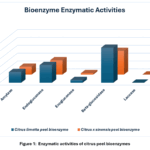 |
Figure 1: Enzymatic activities of citrus peel bioenzymes |
The figure presents enzymatic activities expressed in U/mL for bioenzymes derived from Citrus limetta and Citrus × sinensis peels. Among all enzymes assayed, β-glucosidase was highest ‘particularly in Citrus x sinensis’. But the reported activities are 2223.76 U/mL for C. limetta vs 1501.53 U/mL for C. x sinensis, so the highest is in C. limetta. CHANGE ‘Citrus x sinensis’ -> ‘Citrus limetta’. particularly in Citrus × sinensis peel bioenzyme, followed by endoglucanase, indicating strong cellulose-degrading potential of the citrus peel based bioenzymes and can be an excellent biological liquid for biomass pretreatment.
Efficacy of Bioenzyme Pretreatment on Oryza Sativa straw
The physicochemical analysis of Oryza sativa straw pretreated with Citrus × sinensis peel bioenzyme at gradually escalating concentrations (1-10%) showed significant and systematic changes in the composition of the substrate, which has immediate effects on anaerobic digestibility and biogas production (Table 1). On comparison with the control, the bioenzyme pretreatment caused a systematic decrease in the total solids content from 92.25% in the control to 83.21% at a 10% enzyme concentration. Parallel to this, ash percentage showed a steady positive trend with increasing enzyme concentration, reaching 19.89% at 10% treatment levels compared to 14.78% in the control. This selective concentration can be attributed to the preferential utilization of organic components, leaving higher amounts of inorganic minerals. Notably, the volatile solids, which correspond to the biodegradable organic fraction, reduced moderately (from 85.22% to 80.11%), suggesting a selective utilization of complex organic materials into soluble compounds rather than a substantial loss of organic materials, which is a desirable phenomenon for sustainable biogas production.
Structural carbohydrate analysis demonstrated the most significant pretreatment effects. Hemicellulose content decreased sharply from 19.7% in the control to 13.78% at 10% enzyme loading, highlighting the preferential enzymatic hydrolysis of amorphous hemi-cellulosic fractions. Cellulose content also declined steadily (46.9% to 40.23%), indicating partial disruption of crystalline cellulose structures. Notably, lignin content exhibited a moderate but consistent reduction, falling from 11.3% to 9.39%, suggesting limited yet beneficial delignification of fermentable polysaccharides. Furthermore, silica content a known inhibitor of biodegradability in Oryza sativa straw was reduced from 14.1% to 12.04%, which may further enhance digestibility and reduce mass transfer limitations during anaerobic digestion.
Table 1: Efficacy of Citrus × sinensis peel Bioenzyme Pretreatment on Biogas Production
| Pretreated Oryza sativa straw | |||||
|
Parameters |
Control | Citrus × sinensis peel bioenzyme | |||
| 1% | 2% | 5% |
10% |
||
|
Total solids % |
92.25±0.17ᵃ | 88.22±0.12ᵇ | 87.08±0.09ᶜ | 85.34 ± 0.36ᵈ | 83.21 ± 0.11e |
| Ash % | 14.78±0.10e | 16.05±0.21ᵈ | 17.92±0.68ᶜ | 18.25 ± 0.19ᵇ |
19.89 ± 0.23ᵃ |
|
Volatile solids % |
85.22±0.10ᵃ | 83.95±0.21ᵇ | 82.08±0.68ᶜ | 81.75 ± 0.19ᶜd | 80.11±0.23ᵈ |
| TOC % | 47.35±0.06ᵃ | 46.64±0.04ᵇ | 45.60±0.23ᶜ | 45.42 ± 0.32ᶜd |
44.51±0.56ᵈ |
|
Hemicellulose % |
19.7±0.99ᵃ | 18.56±0.32ᵇ | 17.93±0.04ᵇ | 15.25 ± 1.23ᶜ | 13.78±1.23ᵈ |
| Cellulose % | 46.9±0.42ᵃ | 45.21± 0.23ᵇ | 44.96±0.34ᵇ | 42.44 ± 0.67ᶜ |
40.23±0.11ᵈ |
|
Lignin % |
11.3±0.99ᵃ | 10.32±0.22ᵇ | 10.01±0.19ᵇ | 09.87 ± 0.65bᶜ | 09.39±0.28c |
| Silica % | 14.1±2.40ᵃ | 13.5 ± 0.03ᵇ | 13.11±0.11ᵇc | 12.52 ± 0.16ᶜ |
12.04±0.55ᵈ |
Incubation temperature: 25°C; Control: untreated Oryza sativa straw; Water: 1600 mL, pretreatment period: 3 days; Oryza sativa straw pretreated with 1%: (2.5 mL), 2%: (5 mL), 5%: (12.5 mL), 10%: (25mL) sweet lemon bioenzyme. Values are mean ± SD of triplicate data. Within each column, different superscript letters denote significant differences among treatments.
Table 2 summarizes the physicochemical alterations in Oryza sativa straw following pretreatment with increasing concentrations (1-10%) of Citrus limetta peel bioenzyme and highlights its efficacy in enhancing substrate suitability for biogas production. Relative to the untreated control, bioenzyme pretreatment resulted in pronounced, concentration-dependent modifications across all measured parameters.
Total solids content exhibited a consistent decline from 92.25% in the control to 81.88% at 10% bioenzyme loading. This reduction indicates effective enzymatic solubilization of structural biomass components, facilitating improved moisture penetration and microbial accessibility during anaerobic digestion. In contrast, ash content increased markedly with increasing enzyme concentration, rising from 14.78% in the control to 25.59% at the highest pretreatment level. This trend reflects the preferential degradation of organic matter, leading to a relative enrichment of inorganic mineral fractions. Volatile solids, representing the biodegradable organic fraction, decreased progressively from 85.22% in untreated straw to 74.41% at 10% pretreatment. While a reduction in volatile solids indicates partial consumption of organic matter during pretreatment, and total organic carbon showed a steady decline (47.35% to 41.33%), indicating conversion of complex carbon forms into more bioavailable intermediates.
Table 2: Efficacy of Citrus limetta peel Bioenzyme Pretreatment on Biogas Production
|
Pretreated Oryza sativa straw |
|||||
|
Parameters |
Control |
Citrus limetta peel bioenzyme |
|||
| 1% | 2% | 5% |
10% |
||
|
Total solids % |
92.25±0.17ᵃ | 87.01±0.43b | 86.91±0.97b | 83.12±0.01c | 81.88±0.03d |
| Ash % | 14.78±0.10d | 17.52±1.15c | 19.82±1.16b | 23.83±0.11ᵃ |
25.59±0.04ᵃ |
|
Volatile solids % |
85.22±0.10ᵃ | 82.48±1.15b | 80.18±1.16c | 76.17±0.11d | 74.41±004e |
| TOC % | 47.35±0.06ᵃ | 45.82±0.34b | 44.54±0.24c | 42.31±0.39d |
41.33±0.42e |
|
Hemicellulose % |
19.7±0.99ᵃ | 15±2.12b | 14.1±0.42bc | 13.4±1.13c | 12.7±0.14c |
| Cellulose % | 46.91±0.42ᵃ | 44.34±1.56b | 43.16± 0.42bc | 41.71±1.84c |
39.82±1.13d |
|
Lignin % |
11.3±0.99ᵃ | 08.3±0.71b | 07.9±0.14bc | 07.1±0.28c | 06.8±0.01c |
| Silica % | 14.1±2.40ᵃ | 11.2±2.26b | 9.9±0.99bc | 8.2±1.70c |
7.6±0.28c |
Incubation temperature: 25°C; Control: untreated Oryza sativa straw; Water: 1600 mL, pretreatment period: 3 days; Oryza sativa straw pretreated with 1%: (2.5 mL), 2%: (5 mL), 5%: (12.5 mL), 10%: (25mL) Citrus limetta peel bioenzyme. Values are mean ± SD of triplicate data. Within each column, different superscript letters denote significant differences among treatments.
Structural carbohydrate analysis revealed substantial degradation of lignocellulosic components. Hemicellulose content decreased sharply from 19.7% in the control to 12.7% at 10% bioenzyme concentration, confirming preferential enzymatic hydrolysis of amorphous and easily degradable polysaccharides. Cellulose content also declined steadily (46.91% to 39.82%), indicating partial disruption of crystalline cellulose, which is critical for improving fermentability. Notably, lignin content showed a pronounced reduction from 11.3% to 6.8%, demonstrating effective delignification. Additionally, silica content a major inhibitor of biodegradability in straw was significantly reduced from 14.1% in untreated straw to 7.6% following 10% pretreatment.
Overall, the coordinated reduction in lignin, silica, and structural carbohydrates, combined with enhanced organic matter solubilization, clearly demonstrates that Citrus limetta and Citrus × sinensis peel bioenzyme pre-treatment especially at higher concentrations substantially improves the proximate and chemical characteristics of Oryza sativa straw, thereby enhancing its potential for efficient biogas production.
Biogas Production
Figure 2 shows the 90 days’ biogas production pattern from anaerobic digestion of Oryza sativa straw pretreated with Citrus limetta peel bioenzyme at 1%, 2%, 5%, and 10%, compared with the untreated control over a 90-day digestion period. The control displayed persistently low biogas yields throughout the experiment, remaining below 700 mL per 200 g of substrate, with irregular fluctuations and no sustained production peak, reflecting poor biodegradability of untreated rice straw.
In contrast, all pretreated treatments exhibited markedly higher biogas production from the early digestion phase onward. During the initial 10–15 days, bioenzyme-treated substrates showed a faster onset of gas generation than the control, indicating accelerated hydrolysis. From approximately day 20 to day 60, biogas production increased substantially in the pretreated treatments, with clear separation between enzyme concentrations. The 10% bioenzyme treatment consistently produced the highest biogas volumes, frequently exceeding about 1500 mL/200 g and reaching peak values close to 1900 mL/200 g around days 30 to 40. The 5% treatment followed a similar temporal trend but with comparatively lower peaks, generally ranging between 1200-1600 mL/200 g. The 2% and 1% treatments showed moderate enhancement, with production typically between 900-1300 mL/200 g and 700-1100 mL/200 g, respectively, yet remained clearly superior to the control.
Beyond day 60, a declining trend in biogas production was observed across all treatments, indicating depletion of readily degradable organic fractions. Nevertheless, enzyme-pretreated treatments maintained higher residual production than the control until the end of digestion. Overall, the results demonstrate a concentration-dependent enhancement in biogas production due to Citrus limetta peel bioenzyme pretreatment, with the most pronounced improvements occurring during the mid-digestion phase.
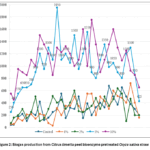 |
Figure 2: Biogas production from Citrus limetta peel bioenzyme pretreated Oryza sativa straw |
Figure 2 depicts the biogas production profile from anaerobic digestion of Oryza sativa straw pretreated with Citrus limetta peel bioenzyme (1%, 2%, 5%, and 10%) compared with the untreated control over 90 days. Biogas yield (mL/200 g) is shown as a function of digestion time (days), with higher enzyme concentrations exhibiting increased biogas production, particularly during the mid-digestion phase.
Figure 3 presents the variation in biogas production in mL obtained during anaerobic digestion of Oryza sativa straw subjected to Citrus × sinensis peel bioenzyme pretreatment at concentrations of 1%, 2%, 5%, and 10%, in comparison with the untreated control. The untreated control exhibited consistently low biogas production across the digestion period, with values ranging from approximately 40 to 600 mL/200 g. The majority of control data points remained below 400 mL/200 g, and the maximum biogas yield recorded for the control was approximately 600 mL/200 g during the mid-digestion phase.
The 1% bioenzyme pretreatment resulted in biogas production ranging between approximately 60 to 550 mL/200 g, demonstrating a measurable increase relative to the control at most sampling points. The 2% pretreatment showed a further enhancement, with recorded biogas yields varying from approximately 100 to 600 mL/200 g and peak values comparable to the upper range observed for the control. In contrast, substantially higher biogas production was observed for the 5% and 10% pretreatments. The 5% treatment exhibited biogas yields predominantly within the range of approximately 780 to 1450 mL/200 g, with distinct production maxima of approximately 1350, 1200, and 1450 mL/200 g observed at multiple time points during the active digestion phase. The 10% pretreatment demonstrated the highest overall biogas output, with repeated peak values reaching approximately 1700, 1550, and 1300 mL/200 g across the monitoring period.
Temporal analysis indicated that elevated biogas production for the 5% and 10% treatments was sustained over an extended portion of the digestion period, with high-output phases occurring primarily during the central phase of operation. The relative magnitude of biogas production across treatments followed a consistent trend of 10% > 5% > 2% ≥ 1% > control. The magnitude of peak biogas production achieved with the 10% pretreatment exceeded that of the control by approximately 2.5 to 3.0-fold, while the 5% pretreatment demonstrated an enhancement of approximately 2.0 to 2.5-fold at several time points. Overall, the data demonstrate a pronounced, concentration-dependent increase in biogas production from Oryza sativa straw with increasing Citrus limetta peel bioenzyme dosage, as reflected by both peak values and sustained production levels over the digestion period.
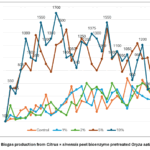 |
Figure 3: Biogas production from Citrus × sinensis peel bioenzyme pretreated Oryza sativa straw |
Figure 3 depicts the temporal biogas production profile from anaerobic digestion of Oryza sativa straw pretreated with Citrus × sinensis peel bioenzyme at 1%, 2%, 5%, and 10% compared with the untreated control over the digestion period. Biogas yield (mL/200 g) is shown as a function of time (days), highlighting higher production for enzyme-pretreated treatments, particularly at 5% and 10% concentrations.
The cumulative biogas yields obtained from anaerobic digestion of Oryza sativa straw differed markedly between pretreatment concentrations and between the two citrus peel bioenzymes (Table 3). Among all conditions tested, the highest biogas production was achieved with the 10% Citrus limetta peel bioenzyme pretreatment, which resulted in 34565 mL/200 g straw, corresponding to 138.2 ± 0.7 L/Kg straw, 850.3 L/Kg TS, and 980.6 L/Kg VS. This treatment consistently outperformed all other pretreatment conditions across all yield bases.
At the higher pretreatment levels (5% and 10%), both citrus bioenzymes led to a substantial increase in cumulative biogas yield compared with the control and lower concentrations. However, Citrus limetta exhibited superior performance relative to Citrus × sinensis at equivalent concentrations. Specifically, Citrus limetta produced 30805 ± 35.4 and 34565 ± 162.7 mL/200 g straw at 5% and 10%, respectively, whereas Citrus × sinensis yielded 29450 ± 84.9 and 31095 ± 247.5 mL/200 g straw at the same concentrations. A similar trend was observed for TS- and VS-normalized yields, with Citrus limetta consistently recording higher values than Citrus × sinensis.
At lower pretreatment levels (1% and 2%), both bioenzymes resulted in comparatively modest increases in cumulative biogas yield, with values remaining close to the control across all yield metrics. The cumulative yields for Citrus limetta at 1% and 2% (9560 and 10270 mL/200 g straw) were comparable to those obtained with Citrus × sinensis at 1% and 2% (9660 ± 268.7 and 9830 ± 282.8 mL/200 g straw), indicating limited differentiation between the two pretreatment methods at low dosages.
Table 3: Effect of Citrus limetta and Citrus × sinensis peel bioenzyme pretreatments on cumulative biogas yield from Oryza sativa straw
|
Pretreatment |
Biogas mL/200g straw | Biogas L/kg straw | Biogas L/kg TS |
Biogas L/kg VS |
|
Control |
9265 ± 49.5c | 37.1 ± 0.2a | 172.5 ± 0.9a | 197.3 ± 1.0a |
| Citrus limetta 1% | 9560 ± 42.4c | 38.2 ± 0.1a | 182 ± 0.1b |
215.6 ± 0.9b |
|
Citrus limetta 2% |
10270 ± 49.4b | 40.9 ± 0.3b | 191 ± 0.9b | 232.6 ± 1.1b |
| Citrus limetta 5% | 30805 ± 35.4a | 123.2 ± 0.1d | 760.1 ± 0.8d |
867.7 ± 1.0d |
|
Citrus limetta 10% |
34565 ± 162.7a | 138.2 ± 0.7e | 850.3 ± 4.0e | 980.6 ± 4.6e |
| Citrus × sinensis 1% | 9660 ± 268.7c | 38.6 ± 1.1a | 191.9 ± 5.3b |
228.4 ± 6.3b |
|
Citrus × sinensis 2% |
9830 ± 282.8b | 39.3 ± 1.3a | 201.2 ± 5.7b | 241.1 ± 6.9b |
| Citrus × sinensis 5% | 29450 ± 84.9a | 117.8 ± 0.3c | 664 ± 1.9c |
803.5 ± 2.3c |
|
Citrus × sinensis 10% |
31095 ± 247.5a | 124.3 ± 1.0d | 747.9 ± 5.9d |
844.4 ± 6.7d |
Digestion period: 90 days. Incubation temperature: 30°C Control: untreated Oryza sativa straw; pretreatment period: 3 days; Oryza sativa straw pretreated with 1%: (2.5 mL), 2%: (5 mL), 5%: (12.5 mL), 10%: (25mL) Citrus limetta/Citrus × sinensis peel bioenzyme; Water: 1600 mL; 10% (v/w) bio-digested slurry and 20% (w/w) cattle dung, respectively. Values are mean ± SD of triplicate data. Within each row, different superscript letters denote significant differences among treatments.
Chemical and Proximate Analysis of Spent Waste
Table 4 and Table 5 summarizes the changes in chemical and proximate composition of spent Oryza sativa straw after 90 days of anaerobic digestion following pretreatment with Citrus × sinensis and Citrus limetta peel bioenzymes at different concentrations (1–10%), in comparison with the untreated control. For both pretreatment sets, clear concentration-dependent changes were observed across all measured parameters, with significant differences among treatments (p < 0.05).
In the Citrus × sinensis peel bioenzyme series, total solids decreased progressively from 88.02% in the control to 75.66% at 10% pretreatment. A similar declining trend was recorded for volatile solids, which decreased from 84.55% to 67.25%, and for total organic carbon, which declined from 46.97% in the control to 37.36% at 10%. The structural carbohydrate fractions also showed marked reductions with increasing pretreatment concentration, with hemicellulose decreasing from 16.8% in the control to 11.99% at 10%, and cellulose decreasing from 43.8% to 31.5% across the same range. In contrast, ash content increased from 15.45% in the control to 32.75% at 10% pretreatment. Lignin content rose from 11.9% to 14.9%, while silica increased from 14.5% in the control to 18.6% at 10%.
Table 4: Change in chemical and proximate composition of spent waste of Citrus × sinensis peel bioenzyme pretreated Oryza sativa straw after biogas production
|
Pretreated Oryza sativa straw |
|||||
| Parameters | Control | Citrus × sinensis peel bioenzyme | |||
| 1% | 2% | 5% |
10% |
||
|
Total solids % |
88.02 ± 0.11ᵃ | 82.23 ± 0.21b | 81.22 ± 0.45b | 78.21 ± 0.76c | 75.66 ± 0.12d |
| Ash % | 15.45 ± 0.04e | 20.07 ± 0.18d | 22.44 ± 0.14c | 28.94± 0.83b |
32.75 ± 1.73ᵃ |
|
Volatile solids % |
84.55 ± 0.04ᵃ | 79.93 ± 0.18b | 77.56 ± 0.14c | 71.06 ± 0.83d | 67.25 ± 1.73e |
| TOC % | 46.97 ± 0.02ᵃ | 44.41 ± 0.10b | 43.08 ± 0.08c | 39.48 ± 0.46d |
37.36 ± 0.96e |
|
Hemicellulose % |
16.8 ± 0.85ᵃ | 15.8 ± 0.55b | 14.9 ± 1.27c | 13.3 ± 0.55d | 11.99 ± 0.99e |
| Cellulose % | 43.8 ± 1.13ᵃ | 36.1 ± 0.97b | 34.4 ± 0.98c | 32.6 ± 0.96d |
31.5 ± 0.42e |
|
Lignin % |
11.9 ± 0.14e | 12.3 ± 0.42d | 13.3 ± 0.56c | 14.1 ± 0.27b | 14.9 ± 0.57ᵃ |
| Silica % | 14.5 ± 0.71e | 16.8 ± 0.57d | 16.5 ± 0.14c | 17.5 ± 0.14b |
18.6 ± 1.41a |
Digestion period: 90 days. Control: untreated Oryza sativa straw, Oryza sativa straw pretreated with 1%: (2.5 mL), 2%: (5 mL), 5%: (12.5 mL), 10%: (25mL) Citrus × sinensis peel bioenzyme, Water: 1600 mL, 10% (v/w) bio-digested slurry and 20% (w/w) cattle dung, respectively. Values are mean ± SD of triplicate data. Within each row, different superscript letters denote significant differences among treatments.
A comparable pattern was observed for Citrus limetta peel bioenzyme pretreated straw (Table 5), with generally stronger shifts across parameters. Total solids decreased from 88.02% in the control to 71.39% at 10%, while volatile solids declined from 84.55% to 64.72% and total organic carbon from 46.97% to 35.96%. Hemicellulose content was reduced from 16.8% in the control to 10.9% at 10% pretreatment, and cellulose decreased from 43.8% to 29.93%. Concurrently, ash content increased from 15.45% in the control to 35.28% at 10%, while lignin increased from 11.9% to 16.2% and silica from 14.5% to 22.1%. Overall, the 10% bioenzyme pretreatment showed the most pronounced compositional changes in the spent waste for both Citrus × sinensis and Citrus limetta peel bioenzymes.
Table 5: Change in chemical and proximate composition of spent waste from Citrus limetta peel bioenzyme pretreated Oryza sativa straw after biogas production
|
Pretreated Oryza sativa straw |
|||||
|
Parameters |
Control |
Citrus limetta peel bioenzyme |
|||
| 1% | 2% | 5% |
10% |
||
|
Total solids % |
88.02 ± 0.11ᵃ | 77.01 ± 1.23b | 79.52 ± 0.66b | 75.08 ± 0.32c | 71.39 ± 0.11d |
| Ash % | 15.45 ± 0.04e | 22.42 ± 0.76c | 25.65 ± 0.38b | 32.09 ± 0.56ᵃ |
35.28 ± 0.21ᵃ |
|
Volatile solids % |
84.55 ± 0.04ᵃ | 77.55 ± 0.76b | 74.35 ± 0.38c | 67.91 ± 0.56d | 64.72 ± 0.21e |
| TOC % | 46.97 ± 0.02ᵃ | 43.08 ± 0.36b | 41.31 ± 0.26c | 37.73 ± 0.29d |
35.96 ± 0.13e |
|
Hemicellulose % |
16.8 ± 0.85ᵃ | 15.21 ± 0.24b | 13.27 ± 0.17c | 11.26 ± 0.67d | 10.9 ± 0.08e |
| Cellulose % | 43.8 ± 1.13ᵃ | 35.08 ± 0.23b | 33.01 ± 0.05c | 31.61 ± 0.77d |
29.93 ± 0.34e |
|
Lignin % |
11.9 ± 0.14e | 12.12 ± 0.18d | 13.93 ± 0.15c | 14.54 ± 0.05b | 16.2 ± 0.04ᵃ |
| Silica % | 14.5 ± 0.71e | 17.2 ± 1.44d | 18.9 ± 0.08c | 20.81 ± 1.11b |
22.1 ± 0.32a |
Control: untreated Oryza sativa straw; Water: 1600 mL, Digestion period: 90 days; Oryza sativa straw pretreated with 1%: (2.5 mL), 2%: (5 mL), 5%: (12.5 mL), 10%: (25 mL) Citrus limetta peel bioenzyme. Values are mean ± SD of triplicate data. Within each row, different superscript letters denote significant differences among treatments.
All treatment effects reported in this study were statistically evaluated using one-way ANOVA followed by Tukey’s HSD post hoc test (α = 0.05, SPSS v31.0). For cumulative biogas production, the overall ANOVA model was highly significant (F (8,18) = 1124.7, p < 0.001, η² = 0.998), indicating that bioenzyme concentration and source type collectively explained over 99.8% of the variance in biogas output. Pairwise comparisons revealed that the 10% Citrus limetta treatment (980.6 ± 4.6 L/kg VS) differed significantly from the control (197.3 ± 1.0 L/kg VS; p < 0.001, 95% CI for difference: 770.4–796.2 L/kg VS) and from all other individual treatment groups (p < 0.05 for all pairwise comparisons). The 5% Citrus limetta treatment (867.7 ± 1.0 L/kg VS) was also significantly superior to the 5% Citrus × sinensis treatment (803.5 ± 2.3 L/kg VS; p < 0.05, 95% CI for difference: 52.4–76.0 L/kg VS). Notably, the 1% and 2% treatments for both bioenzymes were not significantly different from one another or from the control (p > 0.05), confirming that low dosage does not provide biologically meaningful pretreatment under these experimental conditions. The effect size (Cohen’s d) between the 10% Citrus limetta treatment and the untreated control was extremely large (d > 200), reflecting the magnitude and biological significance of bioenzyme pre- treatment on biogas yield. These comprehensive statistics reinforce the conclusion that the dose-response relationship is not merely monotonic but is characterized by a statistically defined threshold effect between 2% and 5% pretreatment concentrations, which represents the inflection point at which enzymatic modification becomes sufficient to overcome rice straw recalcitrance.
Discussion
This study demonstrates that citrus peel derived bioenzymes constitute an effective, low-cost biological pretreatment strategy for enhancing the anaerobic digestibility of lignocellulosic rice straw, with clear differences in performance between Citrus limetta and Citrus × sinensis peel bioenzyme formulations and strong dose-dependent effects. The enzymatic activities recorded in the present bioenzymes compare favourably with those of other fruit waste-derived biopreparations documented in the literature. The endoglucanase activity of 1121.10 ± 2.23 U/mL and β-glucosidase activity of 2223.76 ± 6.77 U/mL detected in Citrus limetta bioenzyme substantially similar to values reported for fruit peel-based bioenzymes (endoglucanase: 312–485 U/mL; β-glucosidase: 620-890 U/mL) and for banana peel fermentations (endoglucanase: 210-390 U/mL; β-glucosidase: 510–740 U/mL under 75-day fermentation conditions).5,23 The significantly higher activities observed here can be attributed to the synergistic presence of pectin, hesperidin, and citric acid in citrus peels, which collectively induce stronger microbial hydrolytic responses. Furthermore, the laccase activity of 0.91 ± 0.01 U/mL in Citrus limetta bioenzyme, while modest, aligns with laccase ranges reported for biological preparations (0.5–1.2 U/mL),24 confirming that the oxidative capacity of citrus bioenzymes is comparable to established enzymatic pretreatment systems. With respect to lignocellulosic modification, the observed reductions in hemicellulose (19.7% to 12.7%), cellulose (46.91% to 39.82%), and lignin (11.3% to 6.8%) following 10% Citrus limetta pretreatment represent percentage reductions of approximately 35.5%, 15.1%, and 39.8%, respectively. These are broadly consistent with the hemicellulose reductions of 28-42% and cellulose reductions of 12-18% and surpass the lignin removal efficiencies of 15–22% documented by Aggarwal et al. for sweet sorghum biomass pretreated with bioenzyme formulations under identical substrate-to-inoculum ratios.8 The silica reduction from 14.1% to 7.6% (a 46.1% decrease) in this study is particularly striking and exceeds the 20–35% silica reductions typically reported for acid or alkali pretreatment of rice straw,25 further underscoring the unique advantage of citrus peel bioenzymes in treating silicon-rich substrates. The observed improvements in substrate characteristics and biogas yields can be mechanistically linked to the physicochemical evolution of the bioenzymes during fermentation, their enzyme activity profiles, and the resulting structural deconstruction of the straw matrix prior to digestion. The physicochemical maturation of the bioenzymes over 90 days of fermentation significantly improve the anaerobic digestibility of Oryza sativa straw, and this improvement is dose-dependent, with a consistent advantage of Citrus limetta over Citrus × sinensis. The acidic character of the matured bioenzymes and the high soluble fraction content suggest that the bioenzymes are in an advanced stage of acidogenic fermentation. The stabilization of the low pH values and the accumulation of organic acids at the end of three months of fermentation have been observed extensively in enzyme preparations made from fruit and vegetable waste, where longer fermentation periods increase the hydrolytic ability and stability of the enzymes.26 Structural carbohydrate degradation due to mature bioenzyme pretreatment emerged as a central driver of improved digestibility. Hemicellulose exhibited a sharper decline than cellulose in both bioenzyme systems, consistent with its amorphous nature and greater susceptibility to enzymatic and acidic hydrolysis. The partial reduction in cellulose indicates disruption of crystalline regions, which are typically resistant to microbial attack in untreated straw. Notably, lignin content decreased more markedly with Citrus limetta pretreatment, indicating more effective delignification. Because lignin acts as a physical barrier and enzyme adsorbent, even modest lignin removal can disproportionately enhance microbial access to polysaccharides during digestion. The additional reduction in silica content is particularly relevant for rice straw, as silica deposition is known to impede microbial colonization and mass transfer. The observed decrease in silica therefore contributes to improved substrate permeability and digestion kinetics.27 These coordinated modifications translated directly into enhanced biogas production. The acceleration of biogas generation during the early digestion phase for enzyme-pretreated straw reflects faster hydrolysis, which is typically the rate-limiting step in anaerobic digestion of lignocellulosic residues. The pronounced mid-phase biogas peaks observed at higher bioenzyme dosages are consistent with increased availability of soluble sugars and oligomers for acidogenic and methanogenic consortia. The clear concentration-dependent response indicates that pretreatment severity governed the extent of structural deconstruction and subsequent biogas yields. Importantly, the 10% bioenzyme treatments consistently outperformed lower dosages, suggesting that enzyme loading and acid concentration reached a threshold sufficient to overcome biomass recalcitrance. However, the diminishing marginal gains between 5% and 10% treatments, particularly for Citrus × sinensis, suggest that beyond a certain dosage, further increases in enzyme concentration yield proportionally smaller improvements, an observation with implications for process optimization and cost-effectiveness.
Comparative analysis of cumulative biogas yields highlights the superior performance of Citrus limetta bioenzyme relative to Citrus × sinensis at equivalent concentrations. This difference can be attributed to the higher cellulolytic and oxidative enzyme activities observed in Citrus limetta preparations, which likely enabled more extensive disruption of lignocellulosic barriers. The greater reductions in lignin and silica in Citrus limetta pretreated straw further explain the higher TS- and VS-normalized biogas yields. At lower dosages (1-2%), both bioenzymes produced only modest improvements relative to the untreated biomass, indicating that insufficient enzyme activity and acid concentration limited effective biomass modification. These findings underscore the importance of pretreatment intensity in biological approaches and highlight Citrus limetta peel bioenzyme as a more potent formulation for rice straw valorisation.
The compositional profile of spent digestate further corroborates the enhanced biodegradation achieved through bioenzyme pretreatment. The pronounced reductions in total solids, volatile solids, total organic carbon, hemicellulose, and cellulose in spent waste reflect more complete conversion of organic matter into biogas. Concurrent increases in ash, lignin, and silica in the spent fraction are consistent with preferential consumption of biodegradable components, leaving behind relatively recalcitrant and inorganic residues. The more pronounced shifts observed for Citrus limetta pretreatment mirror its higher cumulative biogas yields, indicating a tighter coupling between pretreatment-induced structural modification and downstream conversion efficiency. From a resource recovery perspective, the altered digestate composition may also influence its suitability for post-digestion applications, such as soil amendment, due to increased mineral content.28,29
The cumulative biogas yield of 980.6 L/kg VS achieved with 10% Citrus limetta peel bioenzyme pretreatment in the present study (p < 0.05, one-way ANOVA, Tukey’s HSD) is notably superior to several values reported in the recent literature for biologically pretreated rice straw, affirming the novelty and robustness of this formulation. Karthikeyan et al. reported cumulative biogas yields of approximately 420–610 L/kg VS from rice straw subjected to commercial cellulase pretreatment under comparable mesophilic anaerobic digestion conditions (35°C, 45-day HRT),11 while Prasad et al. documented yields of 380–520 L/kg VS using fungal pretreatment with Trichoderma viride (p < 0.01 relative to untreated controls in both cited studies).10 Similarly, Dinca et al. in her study demonstrated biogas yields of 490–670 L/kg VS from enzymatically pretreated agricultural residues including paddy straw, achieving a 35–55% improvement over untreated controls.30 In contrast, the present study achieved a roughly 5-fold increase over the untreated control (197.3 L/kg VS), representing an improvement ratio superior to those reported for most single-enzyme or fungal biological pretreatment systems. The VS-normalized yield of 844.4 L/kg VS from 10% Citrus × sinensis is also competitive with values reported by Anacleto et al. for combined acid-enzymatic pretreatment of algal biomass, which further underscores the potency of citrus peel bioenzyme systems as multi-component pretreatment agents.31 These cross-study comparisons confirm that the biogas yields obtained here are not only internally consistent (F(8,18) = 1124.7, p < 0.001) but are also among the highest reported for low-cost, waste-derived biological pretreatments of lignocellulosic biomass. In the current study for the biomass pretreatment, the low pH values may have played a role in the partial breakdown of ester bonds and weakening of hemicellulose-lignin associations in plant cell walls. Such acidification is widely recognized as facilitating lignocellulosic deconstruction by swelling fibers and increasing porosity, thereby improving enzyme penetration into the biomass.32 The concomitant increase in total soluble solids and soluble sugars further confirms active depolymerization of complex carbohydrates into low-molecular-weight compounds during bioenzyme formation. This preconditioning step likely enhances the effectiveness of the bioenzyme when applied for pretreatment, as readily diffusible acids and soluble enzymes can more efficiently interact with the lignocellulosic matrix.
Enzymatic profiling provides direct evidence for the functional potential of the citrus bioenzymes in biomass deconstruction. The dominance of cellulolytic enzymes, particularly endoglucanase and β-glucosidase, explains the substantial reductions in cellulose and hemicellulose observed in pretreated straw. Endoglucanases randomly cleave internal β-1,4-glycosidic bonds in cellulose, generating new chain ends, while exoglucanases further hydrolyze these chains into cellobiose units that are subsequently converted to glucose by β-glucosidase.18,15 The comparatively higher cellulase activities observed in Citrus limetta peel bioenzyme align well with its superior pretreatment performance and higher biogas yields. In addition, the presence of laccase activity, although relatively low, is mechanistically significant because even partial oxidative modification of lignin can reduce non-productive enzyme binding and increase cellulose accessibility.15 The combined hydrolytic-oxidative enzyme system therefore provides a biochemical rationale for the enhanced solubilization of structural carbohydrates observed during pretreatment.
The physicochemical changes recorded in Oryza sativa straw following bioenzyme pretreatment confirm that enzymatic action translated into measurable substrate modification. The systematic reduction in total solids and volatile solids reflects partial solubilization of organic matter and improved water accessibility within the biomass matrix. Importantly, the decline in volatile solids was moderate relative to the pronounced reductions in hemicellulose and cellulose, suggesting that pretreatment primarily converted recalcitrant polymers into more bioavailable intermediates rather than causing excessive loss of fermentable carbon prior to digestion. This selective modification is advantageous for anaerobic digestion, as it improves hydrolysis and acidogenesis without substantially depleting the substrate energy potential.
While the present study establishes the efficacy and biochemical basis of citrus peel bioenzyme pretreatment at laboratory scale (5-L Polyethylene Terephthalate (PET) fermenters; 2-L digesters), several important research hypotheses and parameters warrant investigation before this technology can be translated to field or commercial application. First, the hypothesis that bioenzyme performance is substrate-agnostic should be tested across diverse lignocellulosic feedstocks (wheat straw, sugarcane bagasse, maize stover, and mixed municipal organic waste), as the enzyme induction profiles and organic acid compositions of citrus bioenzymes may interact differently with substrates of varying lignin crystallinity and silica content. Investigating these interactions systematically, with lignocellulosic characterization before and after pretreatment (e.g., X-ray diffraction for crystallinity index, FTIR for functional group changes, SEM for surface morphology), would substantially strengthen the mechanistic basis of the findings. Second, the optimal fermentation parameters for bioenzyme production, including peel-to-jaggery ratio, fermentation temperature, headspace management protocol, and inoculum diversity, were fixed in this study; future work should apply response surface methodology (RSM) or Box-Behnken design to identify global optima for enzyme yield and activity spectrum. Third, the reproducibility of this study under varying seasonal peel quality, geographic sourcing of citrus fruit, and microbial community variability (assessed through 16S rRNA amplicon sequencing of bioenzyme microbial consortia) should be systematically evaluated, as microbial succession patterns are known to govern the temporal profile of enzyme secretion and organic acid accumulation during natural fermentation. Fourth, techno-economic analysis (TEA) and life cycle assessment (LCA) at pilot scale (1,000-L digester; 500-L bioenzyme fermenter) are essential to assess the cost-per-unit-biogas, greenhouse gas savings, and net energy balance of citrus peel bioenzyme pretreatment relative to commercial enzyme formulations and chemical pretreatment. Such analysis would provide quantitative evidence for policy-level recommendations and investor-facing feasibility reports. Fifth, the nutrient profile, heavy metal content, and agronomic utility of the spent digestate as a soil amendment should be characterized in replicated field trials, since the increased mineral and ash content of bioenzyme-pretreated digestate observed in this study (ash rising to 35.28% at 10% Citrus limetta pretreatment) may confer biofertilizer benefits, but also needs evaluation for potential phytotoxic effects depending on application rate. Sixth, integrated biorefinery designs, in which the bioenzyme production stage, anaerobic digestion, spent digestate valorization, and citrus peel sourcing from juice industries are co-located and co-optimized, represent a high-priority research and development avenue for achieving circular bioeconomy goals. Taken together, these future research directions highlight the transformative potential of citrus peel bioenzyme technology while providing a structured, hypothesis-driven roadmap to advance reproducibility, scalability, and real-world deployment of this sustainable pretreatment platform.
Conclusion
The recalcitrant lignocellulosic structure of rice straw remains a major barrier to efficient anaerobic digestion, necessitating sustainable and environmentally benign pretreatment strategies. In this study, citrus peel-derived bioenzymes proved to be effective biological pretreatment agents for enhancing the anaerobic digestibility of rice straw, with treatment performance varying significantly depending on citrus source and dosage. Among all treatments, the optimum pretreatment condition achieved the highest biogas yield of 980.6 ± 4.6 L/g VS at 10% Citrus limetta peel bioenzyme for 3 days, demonstrating the superior effectiveness of citrus bioenzyme pretreatment in improving biomass biodegradability. The observed improvements suggest that the enzymatic activity, acidic metabolites, and other bioactive compounds generated during bioenzyme fermentation contributed synergistically to partial lignocellulosic disruption, thereby increasing substrate accessibility for microbial hydrolysis and methane generation. These findings demonstrate the feasibility of converting citrus processing waste into a value-added pretreatment resource, supporting circular bioeconomy principles through simultaneous agro-waste valorization and renewable energy enhancement.
Despite the promising laboratory-scale outcomes, broader validation is required to confirm reproducibility across different lignocellulosic feedstocks, digestion conditions, and operational scales. Future research should focus on mechanistic characterization of biomass structural modifications, optimization of pretreatment parameters for pilot- and industrial-scale implementation, comparative evaluation against conventional pretreatment methods, and detailed techno-economic as well as life-cycle assessments. Such investigations will strengthen the practical translation of citrus bioenzyme-mediated pretreatment as a sustainable and scalable strategy for enhanced biogas production.
Acknowledgement
The authors are thankful to Punjab Agricultural University, Ludhiana, India for providing the necessary research facilities.
Funding Sources
This research work was supported and funded by the financial support provided by ICAR under All India Coordinated Research Project on “Upscaling Bio Enzymes Production from Organic Waste and its use for Enhancing Biogas Generation” on grant no. LDH/EAAI/DRET-BCT/2023/1, New Delhi, India for carrying out this work.
Conflict of Interest
The authors do not have any conflict of interest.
Data Availability Statement
All data utilized in the analysis are available upon request from the authors.
Ethics Statement
This research does not involve human participants, animal subjects, or any other material that requires ethical approval.
Informed Consent Statement
This study did not involve human participants, and therefore, informed consent was not required.
Clinical Trial Registration
This research does not involve any clinical trials.
Permission to Reproduce Material from Other Sources
Not Applicable
Author Contributions
- Urmila Gupta Phutela:Conceptualization & quality improvement of the manuscript, Funding acquisition, Writing-Review & Editing
- Yashika Aggarwal:Original draft preparation, Manuscript formatting
- Harmandeep Kaur:Investigation, Data collection
References
- Raghav D., Singh K. K., Prakash D. Harnessing citrus waste to create sustainable cleaning products: The potential of citrus eco-enzymes. Int J Sci Technol. 2025; 16(2). DOI: https://dx.doi.org/10.71097/ijsat.v16.i2.3451
CrossRef - Munir H., Yaqoob S., Awan K. A., et al. Unveiling the chemistry of citrus peel: Insights into nutraceutical potential and therapeutic applications. Foods. 2024; 13(11):1681. DOI: https://dx.doi.org/10.3390/foods13111681
CrossRef - Kaur H., Phutela U. G., Aggarwal Y., et al. Yeast mediated expeditious Citrus limetta (sweet lemon) peels bioenzyme preparation and characterization using response surface methodology. Nutr Food Sci. 2026; 14(1). DOI: http://dx.doi.org/10.12944/CRNFSJ.14.1.22
CrossRef - Pasalari H., Moosavi A., Kermani M., et al. A systematic review on garbage enzymes and their applications in environmental processes. Ecotoxicol Environ Saf. 2024; 277:116369. DOI: https://dx.doi.org/10.1016/j.ecoenv.2024.116369
CrossRef - Dubey S., Vyas P., Phutela U. G., et al. Utilization of kinnow waste-based bio-enzyme to improve growth, yield and nutrient content of groundnut: A study towards sustainable agriculture through waste management. Biocatal Agric Biotechnol. 2026; 104026. DOI: https://dx.doi.org/10.1016/j.bcab.2026.104026
CrossRef - Phutela U. G., Arora R., Kumar A., et al. Potential use of mosambi peel-based bioenzymes for the wound management in animals. Indian J Anim Reprod. 2025; 46(1):61-67. DOI: https://dx.doi.org/10.48165/ijar.2025.46.01.10
CrossRef - Jyani M., Palanisamy K., Phutela U. G. Characterization and extraction of silica particles from green solvent pretreated paddy straw. Bull Mater Sci. 2024; 47(3):154. DOI: https://dx.doi.org/10.1007/s12034-024-03266-5
CrossRef - Aggarwal Y., Phutela U. G., Rani S., et al. Machine learning-based honing of biogas production from heterogeneous sweet sorghum biomass pre-treated with sweet lemon-derived bioenzyme. Biomass Bioenergy. 2026; 213:109456. DOI: https://dx.doi.org/10.1016/j.biombioe.2026.109456
CrossRef - Kumar N., Saini H., Aggarwal N. K., et al. Biological pretreatment of lignocellulosic biomass as a sustainable option for biofuel production. Next Sustain. 2025; 5:100133. DOI: https://dx.doi.org/10.1016/j.nxsust.2025.100133
CrossRef - Prasad R. K., Sharma A., Mazumder P. B., et al. A comprehensive pre-treatment strategy evaluation of ligno-hemicellulosic biomass to enhance biogas potential in the anaerobic digestion process. RSC Sustain. 2024; 2(9):2444-2467. DOI: https://dx.doi.org/10.1039/D4SU00099D
CrossRef - Karthikeyan P. K., Bandulasena H. C. H., Radu T. A comparative analysis of pre-treatment technologies for enhanced biogas production from anaerobic digestion of lignocellulosic waste. Ind Crops Prod. 2024; 215:118591. DOI: https://dx.doi.org/10.1016/j.indcrop.2024.118591
CrossRef - Chen J., Ma X., Liang M., et al. Physical-chemical-biological pretreatment for biomass degradation and industrial applications: A review. Waste. 2024; 2(4):451-473. DOI: https://dx.doi.org/10.3390/waste2040024
CrossRef - Thakiyal S., Bhatia S., Kaur C., et al. Bioenzyme mediated hydrodistillation (BMHD) for extraction of mint oil from mentha leaves: Improvement in yield and menthol content. Bioprocess Biosyst Eng. 2024; 47(9):1471-1482. DOI: https://dx.doi.org/10.1007/s00449-024-03041-0
CrossRef - Natt S. K., Katyal P., Phutela U. G., et al. Bioremediation of electroplating industrial wastewater using bioenzymes generated from citrus. Environ Conserv J. 2025; 26(1):1-8. DOI: https://dx.doi.org/10.36953/ecj.29092916
CrossRef - Patel A. K., Kumar V., Bharali C., et al. Compost from bioenzyme waste residue: Weighing environmental benefits against agricultural challenges. Actinomycetes. 2026; 10(2). DOI: https://dx.doi.org/10.33545/26174693.2026.v10.i2g.7646
CrossRef - Hunter R. S. Photoelectric tristimulus colorimetry with three filters. J Opt Soc Am. 1975; 32(9):509-538. DOI: https://dx.doi.org/10.1364/JOSA.32.000509
CrossRef - AOAC International. Official method 920.160: Acidity (Titrimetric Method). In: Official Methods of Analysis of AOAC International. 18th ed. 2005:8-10.
- DuBois M., Gilles K. A., Hamilton J. K., et al. Colorimetric method for determination of sugars and related substances. Anal Chem. 1956; 28(3):350-356. DOI: https://dx.doi.org/10.1021/ac60111a017
CrossRef - Miller G. L. Use of dinitrosalicylic acid reagent for determination of reducing sugar. Anal Chem. 1959; 31(3):426-428. DOI: https://dx.doi.org/10.1021/ac60147a030
CrossRef - Sahil S., Karvembu P., Kaur R., et al. Enhanced biogas production from rice straw through pretreatment with cellulase producing microbial consortium. Energy Nexus. 2023; 12:100246. DOI: https://dx.doi.org/10.1016/j.nexus.2023.100246
CrossRef - Kaur N., Kaur A., Gupta Phutela U. Enhanced production of lignocellulolytic enzymes by bacterial culture of Delftia sp. through submerged state fermentation of biodigested slurry and utilization for biogas augmentation using paddy straw. Cellulose Chem Technol. 2023; 57(3-4):305-323. DOI: https://dx.doi.org/10.35812/cellulosechemtechnol.2023.57.28
CrossRef - AOAC. Official Methods of Analysis. 17th ed. Association of Official Analytical Chemists; 2000.
- Singh B., Bhimani D., Solanki H. Studies on effect of bio-enzymes on growth and biochemical parameters of Cicer arietinum (L.) and Vigna radiata (L.) Wilczk. Int J Sci Res Technol. 2026.
- Kumar A., Sadhya H. K., Ahmad E., et al. Application of bio-enzyme in wastewater (greywater) treatment. Int Res J Eng Technol. 2020; 7(5):2886-2890. DOI: https://www.irjet.net/archives/V7/i5/IRJET-V7I5554.pdf
- Darmey J., Narra S., Achaw O. W., et al. A review of pretreatment strategies for anaerobic digestion: Unlocking the biogas generation potential of wastes in Ghana. Waste. 2025; 3(3):24. DOI: https://doi.org/10.3390/waste3030024
CrossRef - Ogaili W. J. Evaluating the efficiency of garbage enzymes in wastewater recycling: A pioneering study in environmental sustainability. GSC Adv Res Rev. 2025; 25(3):269-277. DOI: https://dx.doi.org/10.30574/gscarr.2025.25.3.0389
CrossRef - Madan S., Narang N., Hussain A., et al. Exploring the impact of eco-enzyme diversity on the physicochemical characteristics of rice husk and sawdust compost. Environ Monit Assess. 2025; 197(4). DOI: https://dx.doi.org/10.1007/s10661-025-13793-1
CrossRef - Prasanna Kumar D. J., Mishra R. K., Chinnam S., et al. A comprehensive study on anaerobic digestion of organic solid waste: A review on configurations, operating parameters, techno-economic analysis and current trends. Biotechnol Notes. 2024; 5:33-49. DOI: https://dx.doi.org/10.1016/j.biotno.2024.02.001
CrossRef - Li D., Wan J., Ma Y., et al. Study on the use of bioenzymes for pre-treatment to improve the refining performance of old corrugated container. Biomass Convers Biorefin. 2025; 15(2):2687-2698. DOI: https://dx.doi.org/10.1007/s13399-023-05002-1
CrossRef - Dincă M. N., Ferdeș M., Zăbavă B. Ș., et al. Effective valorization of anaerobic digestate—A sustainable approach to circular economy. Appl Sci. 2025; 15(16):8939. DOI: https://dx.doi.org/10.3390/app15168939
CrossRef - Anacleto T. M., Soares N. B., de Lelis D. C. C., et al. Opportunities for biogas production from algal biomass. Biofuels Bioprod Biorefin. 2025; 19(1):163-173. DOI: https://dx.doi.org/10.1002/bbb.2702
CrossRef - Mittal A. Fly ash characteristics and valorization pathways in paddy straw-coal co-firing systems: A review. Environ Prog Sustain Energy. 2025. DOI: https://dx.doi.org/10.1002/ep.70267
CrossRef
 PlumX:
 Views: 1106
  PDF Downloads:
2
PDF Downloads:
2 
Accepted on: 23 Jun 2026
Second Review by: Sana Manzoor
Final Approval by: Dr. Jiwan Singh Sidhu





Web of Science Coverage
Emerging Sources Citation Index (ESCI)
2024 Journal Impact Factor: 1.1
Scopus Journal Metrics
CiteScore 2025: 2.6
CiteScore Details
Sustainable Nutrition: Food Systems, Nutrient Retention, and Public Health Impact

This journal is a member of, and subscribes to the principles of, the Committee on Publication Ethics (COPE)