
Assessment of Heavy Metals and Antibiotics Contamination in Economically Important Mariculture Species from Penang Malaysia, with Human Health Risk Evaluation
 and Lai Kuan Lee*
 Food Technology Division, School of Industrial Technology, Universiti Sains Malaysia, Gelugor, Malaysia.
Corresponding Author Email: l.k.lee@usm.my
DOI : http://dx.doi.org/10.12944/CRNFSJ.14.Special-Issue-June.10
Download this article as:

Aquaculture is one of the most rapidly expanding agroindustry, and the bioaccumulation of contaminants in maricultural farms raises safety concerns, as contaminants can occur at any point in the value chain. This study aimed to quantify the presence of antibiotic and hazard contaminants in mariculture species in Penang, Malaysia. Six commercially important mariculture species, namely Caranx sexfaciatus, Epinephelus coioides, Lates calcarifer, Lutjanus argentimaculatus, Lutjanus johnii and Trachinotus blochii, have been shortlisted. The results revealed that ampicillin, streptomycin, and tetracycline were below than MDL () in the studied species.The estimated daily intake (EDI) of arsenic (As, 0.002–0.003 mg kg⁻¹ day⁻¹), cadmium (Cd, 0.0001–0.0002 mg kg⁻¹ day⁻¹), lead (Pb, 0.0003–0.0004 mg kg⁻¹ day⁻¹), and nickel (Ni, 0.0001 mg kg⁻¹ day⁻¹) remained below the Provisional Tolerable Daily Intake (PTDI) thresholds, suggesting negligible non-carcinogenic health risks from dietary exposure. However, long-term exposure assessment indicated a moderate carcinogenic risk associated with Cd,ranging from 1.1 × 10⁻³ to 9.2 × 10⁻³ over a 30-year period. Overall, while both antibiotic residues and heavy metals posed minimal immediate health concerns, Cd may present a potential long-term carcinogenic risk, warranting continuous monitoring and risk management.
KEYWORDS:AMR; Contaminant; Food Safety; Food Security; Heavy Metal; Mariculture; Risk Assessment
Introduction
Aquaculture is one of the essential sectors that contributes to fishery products as the primary source of protein for human consumption.1 This sector has been the fastest-growing food production sector in the past three decades, with an annual growth rate of 6.9%. With the rapid increase in mass production, the aquaculture industry is now close to overtaking fisheries as the leading source of aquatic foods and a sustainable option for attaining food security.1 Indeed, aquaculture is frequently promoted as an economic enhancement, substantially expanding world trade, increasing household income, and growing urbanization.2 In the present state, Asia is by far the largest aquaculture producer, accounting for 92% of the global live-weight production in 2020, with China alone contributing 57% of the total aquaculture volume and 59% of the global value, respectively.1
Malaysia possesses extensive coastal resources, with approximately 4,675 km of coastline and access to major marine ecosystems such as the South China Sea and the Straits of Malacca, providing significant potential for aquaculture development.3 In recent decades, while wild-caught fisheries have stagnated due to overfishing and environmental pressures, the aquaculture sector has expanded rapidly and now plays an increasingly important role in national fish production and food security.3 In 2024, Malaysia’s total fishery production reached approximately 1.9 million tonnes, with aquaculture contributing about 25% of total output.4 This rapid expansion has been driven by technological advancements and national development policies, transforming the sector from traditional small-scale practices to more intensive and commercialized systems.3 The industry currently engages approximately 16,873 culturists, with a total production of 511,860 tonnes and an estimated value of RM 4.53 billion, underscoring its importance in ensuring a stable and sustainable protein supply.4Penang State, located in the northwest region of Peninsular Malaysia, is one of the largest marine aquaculture producers.4 The main cultivated species including seabass (Lates calcarifer), snapper (Lutjanusargentimaculatus), golden pompano (Trachinotus blochi), grouper (Epinephelus coiodes), and bigeye trevally (Caranx sexfaciatus).
Despite the well-recognized nutritional benefits of aquaculture products, increasing concern has been directed toward the potential adverse health effects associated with long-term dietary exposure to contaminants. These contaminants may originate from environmental pollution, regional practices, or improper aquaculture management. In particular, the extensive use and misuse of antimicrobial agents in aquaculture have been linked to the presence of drug residues in cultivated species. In particular, two studies reported the detection of malachite green (an antifungal dye) in locally produced red tilapia, African catfish, hybrid grouper, and barramundi,5 and tetracycline in aquaculture farms.6 Even if the detected compound is reported to be relatively low, the consumer might be at risk in the long run of consumption, as the substances are high in thermal stability and not reduced during the cooking process. In addition, the ability of these compounds to be degraded at the intestinal level increases the degree of toxicity to human during the ingestion process.7
Furthermore, the widespread application of antibiotics in aquaculture has contributed to the emergence of antimicrobial resistance (AMR), particularly in intensive farming systems where disease pressure is elevated.8 In Malaysia, antibiotic-resistant bacteria have been identified in various aquaculture species and environments, including pathogenic isolates from golden pompano in Pahang9 and shrimp in Selangor.9,10 Evidence across multiple regions indicates resistance to commonly used antibiotics such as ampicillin, tetracycline, and streptomycin in bacterial genera including Vibrio, Salmonella, Streptococcus, and Aeromonas.9-12 These findings highlight the growing challenge of AMR in aquaculture and underscore the need for stricter regulation, improved surveillance, and sustainable management practices to mitigate risks to food safety and human health.
In addition to antimicrobial residues and resistant microorganisms, heavy metals such as arsenic (As), cadmium (Cd), lead (Pb), and nickel (Ni) represent another major class of contaminants in aquaculture systems due to their persistence, bioaccumulative nature, and potential to induce both toxic and carcinogenic effects, even at trace levels.13These metals may be introduced into aquatic environments through both natural processes and anthropogenic activities, including industrial discharge, urban runoff, and coastal development, with their toxicity varying depending on concentration, chemical form, and biological exposure. Long-term dietary intake of contaminated seafood may therefore pose significant health risks.
Heavy metal contamination in seafood has been extensively reported in Peninsular Malaysia over the past decades, indicating that this is a long-standing environmental concern rather than a recent phenomenon.13-16 Earlier and recent studies consistently demonstrate that, although metal concentrations in seafood are often within permissible limits, spatial variability and localized contamination persist, particularly in areas subjected to anthropogenic pressure. A more localized perspective can be observed in Penang, where both historical and recent studies have demonstrated the persistence and variability of heavy metals across multiple environmental compartments. Sediment assessments in the Bayan Lepas Free Industrial Zone revealed significant spatial heterogeneity in metals such as Cd, Cr, Cu, Pb, and Zn, ranging from unpolluted to strongly polluted conditions based on geoaccumulation index and enrichment factor analyses, reflecting localized anthropogenic inputs from industrial activities.17 Similarly, biomonitoring studies using cockles (Anadara granosa) from the Juru and Jejawi showed significant spatial differences in As and heavy metal concentrations, with Zn and Cd identified as key discriminating contaminants, highlighting the influence of site-specific pollution sources.18
Therefore, the present study aims to (i) quantify the concentrations of antibiotic residues and heavy metals, and (ii) evaluate the associated human health risks of these contaminants in mariculture species from Penang. The overall objective is to provide a comprehensive assessment of contamination levels and potential health risks within the aquaculture sector, thereby offering scientific evidence to support risk management strategies and the sustainable development of mariculture.
Materials and Methods
Sampling Location
The two largest marine aquaculture farms located in Pulau Jerejak, Penang (5.338722 N, 100.325833 E), (5.340079 N, 100.326320 E), and Sungai Udang, Penang (5.154748 N, 100.379574 E), were selected as the sampling locations (Fig. 1). Pulau Jerejak is located off the southeastern coast of Penang Island, in close proximity to the Bayan Lepas Free Industrial Zone, a major electronics and semiconductor manufacturing hub. In contrast, Sungai Udang, situated along the northern coast of Penang Island, is an active mariculture area characterised by aquaculture operations and nearby coastal settlements. Both sampling locations are well known for marine fishing and aquaculture activities, with approximately 72 mariculture farms distributed across these coastal areas. These sectors play a significant role in the production of fish and seafood for domestic consumption and international trade, thereby contributing to regional economic development.19
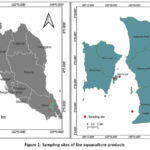 |
Figure 1: Sampling sites of the aquaculture products |
Sample Collection and Preparation
Six high commodity value aquaculture species, namely Caranx sexfaciatus(bigeye trevally, Nyok nyok), Trachinotus blochii(golden pompano, Bawal emas), Lutjanus johnii(golden snapper, Jenahak), Epinephelus coioides(grouper, Kerapu), Lutjanus argentimaculatus(red snapper, Merah), and Lates calcarifer(seabass, Siakap)were sorted and collected based on their commercial live weights following common catch-and-sell procedures. The collected samples were kept in an ice slurry prior to being transported to the experimental laboratory for subsequent analysis. Individual species’ total length (in cm) and weight (in g) were recorded prior to the filleting process. The length was measured from the tip of the snout to the tip of the tail (Table 1). The edible portions were prepared by homogenising the deboned fillets, vacuum sealing, and stored at -20 °C before chemical analysis. Prior to analysis, the samples were thawed overnight in a chiller at 5 °C.
Table 1: Morphological Evaluation, Feeding Behaviour and Cultivation Technique of the Culture Species
|
Sample name |
Scientific name | Local name | Sampling location | Cultivation technique | Feeding behavior | Length (cm) | Weight (kg) | N (values) |
| Bigeye trevally | Caranx sexfaciatus | Nyok-Nyok | Pulau Jerejak | Open sea cage culture | Trash fish and pellets
|
33.0 ± 1.0 b | 1.4 ± 0.2 c |
10 |
|
Golden pompano |
Trachinotus blochii | Bawal Emas | Sungai Udang | Open sea cage culture | Trash fish and algae supplementation | 25.0 ± 2.9 a | 0.6 ± 0.1a | 10 |
| Golden snapper | Lutjanus johnii | Jenahak | Sungai Udang | Open sea cage culture | Trash fish and pellets | 25.5 ± 1.5 a | 0.7 ± 0.1a |
10 |
|
Grouper |
Epinephelinae coiodes | Kerapu | Pulau Jerejak | Open sea cage culture | Trash fish | 41.0 ± 2.0c | 1.1 ± 0.2 b | 10 |
| Red snapper | Lutjanus argentimaculatus | Merah | Pulau Jerejak | Open sea cage culture | Trash fish | 44.5 ± 0.5 cd | 1.1 ± 0.1 b |
10 |
|
Seabass |
Lates calcarifer | Siakap | Pulau Jerejak | Open sea cage culture | Trash fish | 46.0 ± 2.0d | 1.7 ± 0.2 d |
10 |
Antibiotic Residue Analysis
Ampicillin, tetracycline, and streptomycin were selected as representative antibiotics spanning major antimicrobial classes, enabling a comprehensive assessment of bacterial susceptibility across distinct mechanisms of action. These agents are extensively utilized in Malaysian aquaculture due to their broad-spectrum efficacy, cost-effectiveness, and proven activity against prevalent pathogens, including Aeromonas, Vibrio, and Pseudomonas, while also serving as standard indicators in susceptibility testing frameworks. Moreover, their clinical relevance, widespread laboratory adoption, and well-characterized resistance profiles underpin their frequent inclusion in antimicrobial resistance surveillance, supporting their suitability for systematic screening of aquaculture-associated bacterial isolates.8
The extraction of ampicillin, streptomycin, and tetracycline from aquaculture samples was performed based on previously reported methods20-22 with minor modifications. Briefly, 5 g of homogenised sample was subjected to extraction using solvent systems specific to each antibiotic class. For ampicillin, samples were extracted using a mixture of ultrapure water and acetonitrile, followed by dilution with phosphate buffer. Streptomycin extraction was carried out using 5% trichloroacetic acid in the presence of EDTA, whereas tetracycline was extracted using Na₂EDTA–McIlvaine buffer assisted by ultrasonic treatment in an ice bath. Following extraction, all samples were centrifuged at 3000 rpm for 5 min, and the supernatants were collected for further purification. Solid-phase extraction (SPE) was employed for sample cleanup using Strata-X-CW (C18) cartridges, with conditioning and operational procedures optimised according to the target analyte, as summarised in Table 2.
Table 2: Solid Phase Extraction (Spe) Clean Up Condition for Target Antibiotic
|
Antibiotic |
Preconditioning Solvent | Elution Solvent | Post-treatment |
| Ampicillin | MeOH, H₂O and phosphate buffer | 3 mL ACN:H₂O (1:1, v/v) |
Evaporated under N₂, reconstituted in 2 mL H₂O |
|
Streptomycin |
H₂O | 5 mL 0.1 M ammonium formate (pH 9.5) | Derivatised with HFBA, neutralised, adjusted to 10 mL |
| Tetracycline | MeOH and TFA | 10 mL 10 mM oxalic acid in MeOH |
Evaporated (<40 °C), reconstituted in 0.5 mL TFA/MeOH |
The identification and quantification of the target antibiotics were performed using a triple quadrupole LC–MS/MS system equipped with a Poroshell 120-C18 column (2.7 μm, 4.6 × 50 mm) (Agilent, USA). All extracted samples were filtered through 0.45 µm membrane filters prior to injection into the system via an autosampler. The detailed chromatographic and mass spectrometric conditions are summarised in Table 3.
Table 3: Lc–Ms/Ms Conditions for Determination of Antibiotics
|
Antibiotic |
Flow rate (mL min⁻¹) | Mobile phase A | Mobile phase B | Gradient programme | Ionisation mode | Ionisation voltage (kV) | Capillary temperature (°C) | Collision energy (eV) |
MRM transition (m/z) |
|
Ampicillin |
1.0 | H₂O + 0.1% formic acid | ACN + 0.1% formic acid | 0–5 min (20–50% B); 5–10 min (50–70% B); 10–10.5 min (70% B); 10.5–11 min (70–20% B) | Positive ESI | 3.5 | 325 | 30 |
217.06, 189.07 |
|
Streptomycin |
0.3 | H₂O + 0.05% ACN + 0.13% HFBA | ACN + 0.13% HFBA | 0–2 min (20% B); 2–5 min (20–30% B); 5–7 min (30–60% B); 7–7.1 min (60–100% B); 7.1–8 min (100% B); 8–9.1 min (100–20% B); 9.1–10 min (20% B) | Positive ESI | 3.0 | 250 | 31 | 5820 ,
263.0 |
| Tetracycline | 0.5 | H₂O + 0.1% formic acid | MeOH | 0–1.5 min (15–95% B); 1.5–5 min (95% B); 5–7 min (95–15% B) | Positive ESI | 3.0 | 250 | 20 |
445.10, 427.25 |
Validation Method
The linearity of the method was evaluated by establishing calibration curves generated by spiking the blank fish sample. The peak area ratios of ampicillin, streptomycin, and tetracycline were plotted against concentrations between 1 and200 ppb. Repeatability (intraday precision) was conducted via 6 replicates of spiked blank samples at concentrations of 50 and 100 ppb over 1 day. Moreover, the blank samples were spiked with analytes at 2 concentrations (50 and 200 ppb) and analysed for 6 consecutive days to evaluate the interday precision (reproducibility). The limits of detection (LODs) and limits of quantification (LOQs) of the samples were calculated usingEq. 1 and Eq. 2.
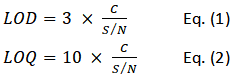
where LOD = limit of detection; C = concentration; S/N = ratio of the signal and noise; and LOQ = limit of quantification
Heavy Metal Determination
The contents of As, Cd, Pb and Ni were determined according to the methods of Skałecki et al.23 The minced fish muscle tissues were first digested with 69% nitric acid via a microwave oven at 1000 W for 20 min. The digested samples were then transferred into a 25 mL volumetric vessel and brought to the top with deionised water. A membrane filter (0.45 μm) was used to filter the samples prior to analysis via induced-couple plasma mass spectrometry (ICP‒MS) (Perkin Elmer, USA). Calibration standards were prepared with multielement standard solutions 1000 mg L−1 at the following concentrations: 0.1, 1, 5, 10, 20 and 100.0 μg L−1. The heavy metal concentrations in the fish muscle tissues were expressed as mg/kg (wet basis).
Risk Assessment
Estimated daily intake (EDI), hazard quotient (HQ), hazard index (HI), and carcinogenic risk (CR) evaluations were conducted to predict the risk associated with the consumption of mariculture species by the population (adults and children) in Malaysia.The EDI was calculated via Eq. (3):
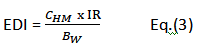
where CHM = concentration of heavy metals (As, Cd, Pb and Ni) in mg kg-1; IR = fish ingestion rate (0.169 kg day-1 for adults; 0.085 kg day-1 for children);24 and Bw = body weight of the population (adults: 70 kg; children: 35 kg).
Permissible intake evaluation (PIE) was conducted to compare the EDI values to the provisional permissible tolerable daily intake (PTDI) values established by the Joint WHO/FAO Expert Committee on Food Additive.25 PIE represents the amount of metals accumulated in human bodyEq. (4).

where EDI = estimated daily intake of As, Cd, Pb and Ni; PTDI= permissible tolerable daily intake values in mg kg-1 day-1 (As = 0.02; Cd = 0.001; Ni = 0.013; Pb = 0.04).25
HQ was calculated following Eq. (5), in accordance with the USEPA.26

where IR = the fish ingestion rate (0.169 kg day-1 for adults; 0.085 kg day-1 for children);24 EF = the exposure frequency (365 days year-1); ED = the exposure duration (30 years) for noncancer risk used by the USEPA;26 RfD = the reference dose of an individual metal (As = 0.003, Cd = 0.0001, Ni = 0.02, Pb = 0.003);26 BW = the average BW Malaysian body weight (70 kg for adults; 35 kg for children);24 and TA = the average exposure time for noncarcinogens (10950 days).
HI was calculated as the total sum of all metal HQs, as suggested by Mahat et al.27

where HI = Accumulation of HQ for all the investigated metal contaminants: As, Cd, Pb, and Ni, with an n value of 4.
Carcinogenic risk (CR) was estimated as the probability of an individual developing cancer during their lifetime exposure to a potential carcinogen. Metals such as As, Cd, Pb and Ni are known for their carcinogenic risk, and the carcinogenic risk can be predicted through the multiplication of the cancer slope (CSF), which is derived from the response dose curve of ingested poison, as calculated with Eq. 7.

where CSF = cancer slope factor in mg kg-1 day-1 (As = 1.5, Cd = 6.3, Pb = 8.5 × 10⁻³, Ni = 0.84).
The HQ and CR risk calculations for As were performed under the assumption that the toxic inorganic As constituted 3% of the total As.28
Statistical Analysis
All measurements are expressed as the mean ± standard deviation from triplicate runs and analysed using SPSS version 19.0. One-way ANOVA with the Duncan comparison test was employed to determine the significant difference at a significance level of p <0.05.
Results
Validation Method
Linearity, recoveries, precision, LODs, and LOQs are shown in Table 3. The linear regression (R2) ranged from 0.9994 to 0.9997, which indicated good linearity for all the analysed antibiotics. The LODs of the fish samples were 0.82 μg kg-1 for ampicillin, 0.74 μg kg-1 for streptomycin, and 1.03 μg kg-1 for tetracycline. On the basis of the signal ratio at 10, the LOQ was calculated for the antibiotic in the fish samples. The results revealed that the LOQs of the fish samples ranged from 2.45 μg kg-1 (streptomycin) to 4.03 μg kg-1 (tetracycline). Intra- and interday analyses were performed to determine the precision and recovery of the method. The analytical recoveries (AR) ranged from 87.12% to 102.65%, which is comparable to the values reported in a previous study (Sun et al., 2016). The RSDs ranged between 5.33% and 18.00%, demonstrating that the methods were in accordance with the European Union requirements.29
Antibiotic Residues ofthe Mariculture Species
Analysis of the edible portion of the mariculture samples revealed that the concentrations of ampicillin, tetracycline and streptomycin were below the detection limit (MDL) (<1 μg kg-1). The findings were consistent with a study in Brazil, where these antibiotics were undetected in the muscle of the culture Nile Tilapia.30Notably, the MDL achieved in this study is substantially lower than the established maximum residue limits (MRLs) set by international regulatory bodies, including 50 μg kg⁻¹ for amoxicillin and ampicillin, 500–600 μg kg⁻¹ for streptomycin, and 100–200 μg kg⁻¹ for tetracycline as defined by the European Commission29and FAO/WHO.31
Heavy Metal Determination
Table 4 presents the concentrations of As, Pb, Cd, and Ni detected in mariculture species from Penang. Arsenic is a recognized carcinogen; however, the majority of arsenic present in fish occurs in organic forms that are considered virtually non-toxic and therefore pose minimal risk to human health.32 In the present study, As concentrations ranged from 0.0805 to 0.1153 mg kg⁻¹, which are substantially lower than the permissible limits established by WHO25at 2 mg kg⁻¹ and the Malaysian Food Regulations33 at 1 mg kg⁻¹. These values are lower than those reported in marine species from the Straits of Malacca,34 Pulau Ketam,35 Terengganu,36 and Kuala Selangor.37
Table 4: Linearity, Precision, LOD and LOQ of The Antibiotic Analysis
| Analyte | MRLa | Range | Linearity R2 | LOD | LOQ | Repeatability | |||||||
| Intraday (n=6) | Interday (n=18) | ||||||||||||
| 50 | 100 | 50 | 100 | ||||||||||
| AR | RSD | AR | RSD | AR | RSD | AR | RSD | ||||||
| Ampicillin | 50 | 1-200 | 0.9997 | 0.82 | 2.61 | 92.10 ± 0.89 |
14.83 | 87.37 ± 1.08 |
18.00 | 93.98 ± 1.78 | 9.89 | 89.21 ± 1.28 |
7.11 |
| Streptomycin | 500 | 1-200 | 0.9994 | 0.74 | 2.45 | 87.12 ± 0.71 |
11.83 | 94.65 ± 0.57 |
9.50 | 95.21 ± 1.09 |
6.06 | 102.65 ± 1.34 |
7.44 |
| Tetracycline | 100 | 1-200 | 0.9999 | 1.03 | 4.03 | 101.23 ± 0.32 |
5.33 | 92.13 ± 0.62 |
10.33 | 92.13 ± 1.16 |
6.44 | 95.29 ± 1.98 |
11.00 |
aEuropean Commision (2010). MRL = maximum residue limits in μg/kg; LOD = limit of detection in μg/kg; LOQ = limit of quantification in μg/kg; AR = analytical recoveries; RSD = relative standard deviation in percentage
Within the studied species, C. sexfasciatus exhibited a significantly higher (p< 0.05) As concentration (0.1153 mg kg⁻¹), whereas E. coioides showed the lowest level (0.0805 mg kg⁻¹). Similarly, C. sexfasciatus and L. johnii demonstrated significantly higher (p< 0.05) Cd concentrations compared to other species, whereasE. coioides exhibited a significantly higher (p< 0.05) Ni concentration. For Pb, a significant difference (p< 0.05) was observed among species, except between C. sexfasciatus and L. johnii, which showed comparably higher concentrations.
Risk Assessment of Contaminants in Mariculture Species
Estimated Daily Intake (EDI)
The estimated daily intake (EDI) of heavy metals through consumption of mariculture species is summarised in Table 5. The EDI for As ranged from 0.0002 to 0.0003 mg kg⁻¹ day⁻¹, markedly below the provisional tolerable daily intake (PTDI) of 0.002 mg kg⁻¹ day⁻¹ established by the WHO/FOA.38 Similarly, EDIs for Cd (0.0001–0.0002 mg kg⁻¹ day⁻¹), Pb (0.0003–0.0004 mg kg⁻¹ day⁻¹), and Ni (0.0001 mg kg⁻¹ day⁻¹) remained well below their respective PTDI values of 0.001, 0.004, and 0.013 mg kg⁻¹ day⁻¹.39 These findings indicate that current dietary exposure to heavy metals from the studied mariculture species falls within internationally accepted safety thresholds.These findings suggest that current consumption levels of mariculture fish do not pose immediate health concerns related to heavy metal intake. Among the analysed metals, Cd and Pb exhibited relatively higher EDI values in comparison to As and Ni, reflecting their greater prevalence and bioaccumulative tendencies in marine environments. Nevertheless, the EDIs for these metals accounted for only a small fraction of their corresponding PTDI values, highlighting a substantial margin of safety for daily consumption.
Table 5: Heavy Metal Determination
| C. sexfacitus | E. coiodes | L. calcarifer | L. johnii | L. argentimaculatus | T. blochii | |
| As | 0.1153 ± 0.004d |
0.0805 ± 0.008a | 0.1023 ± 0.006c |
0.0949 ± 0.004bc |
0.0926 ± 0.006bc |
0.0863 ± 0.005ab |
| Cd | 0.0916 ± 0.001e |
0.0633 ± 0.002 b |
0.0822 ± 0.001d | 0.0917 ± 0.002 e |
0.0595 ± 0.001a |
0.0683 ± 0.001 c |
| Ni | 0.0320 ± 0.005ab |
0.0403 ± 0.003d | 0.0323 ± 0.004b | 0.0290 ± 0.000a |
0.0360 ± 0.001c |
0.0320 ± 0.010ab |
| Pb | 0.1833 ± 0.004 e |
0.1280 ± 0.003b | 0.1630 ± 0.000d | 0.1834 ± 0.009 e |
0.1190 ± 0.003 a |
0.1370 ± 0.007 c |
Mean values in the same row followed by superscript letters are significantly different (p<0.05).
The values are expressed in mg/kg and are presented as the mean ± SD.
As = arsenic; Cd = cadmium; Ni = nickel; Pb = lead
To further contextualise exposure risk, the percentage intake of the estimated daily intake (PIE) relative to PTDI was evaluated. Cd contributed the highest PIE values, ranging from 10% to 20%, followed by As (10%–15%) and Pb (7.5%–10%), whereas Ni contributed less than 5% of its PTDI. Although these PIE values remain below critical concern levels, the comparatively higher contribution of Cd underscores its greater toxicological relevance and supports its identification as a priority contaminant in mariculture environments.
Hazard Quotient and Hazard Index
Hazard quotient (HQ) and hazard index (HI) are widely applied indicators for evaluating potential non-carcinogenic health risks associated with long-term dietary exposure to contaminants. As presented in Table 6, the estimated HQ values for individual heavy metals followed the descending order of Cd > Pb > As > Ni for both adults and children, reflecting differences in metal toxicity, bioaccumulation behaviour, and exposure levels. Cadmium consistently exhibited the highest HQ values, which aligns with its known propensity for bioaccumulation and prolonged biological persistence in human tissues.A similar kind of investigation was also done by Salam et al,24 and Azmi et al.14
Table 6: Estimated Daily Intake (EDI) And Permissible Intake Evaluation (PIE) Of Heavy Metals In Mariculture Species
| Species | As | Cd | Ni | Pb | ||||
| Adult | Child | Adult | Child | Adult | Child | Adult | Child | |
| C. sexfacitus | 0.0003 | 0.0003 | 0.0002 | 0.0002 | 0.0001 | 0.0001 | 0.0004 | 0.0004 |
| (15%) | (15%) | (20%) | (20%) | (0.8%) | (0.8%) | (10%) | (10%) | |
| E. coiodes | 0.0002 | 0.0002 | 0.0001 | 0.0001 | 0.0001 | 0.0001 | 0.0003 | 0.0003 |
| (10%) | (10%) | (10%) | (10%) | (0.8%) | (0.8%) | (7.5%) | (7.5%) | |
| L. calcarifer | 0.0002 | 0.0002 | 0.0002 | 0.0002 | 0.0001 | 0.0001 | 0.0004 | 0.0004 |
| (10%) | (10%) | (20%) | (20%) | (0.8%) | (0.8%) | (10%) | (10%) | |
| L. argentimaculatus | 0.0002 | 0.0002 | 0.0001 | 0.0001 | 0.0001 | 0.0001 | 0.0003 | 0.0003 |
| (10%) | (10%) | (10%) | (10%) | (0.8%) | (0.8%) | (7.5%) | (7.5%) | |
|
L. johnii
|
0.0002 | 0.0002 | 0.0002 | 0.0002 | 0.0001 | 0.0001 | 0.0004 | 0.0004 |
| (10%) | (10%) | (20%) | (20%) | (0.8%) | (0.8%) | (10%) | (10%) | |
| T. blochii | 0.0002 | 0.0002 | 0.0002 | 0.0002 | 0.0001 | 0.0001 | 0.0003 | 0.0003 |
| (10%) | (10%) | (20%) | (20%) | (0.8%) | (0.8%) | (7.5%) | (7.5%) | |
| PTDI | 0.002 | 0.001 | 0.013 | 0.004 | ||||
The values are expressed in mg/kg/day, and the percentage values refer to permissible intake evaluation.
PTDI = Provision tolerable daily limit WHO/FAO17
Table 7: Hazard Quotient and Hazard Index
| C. sexfacitus | E. coiodes | L. calcarifer | L. argentimaculatus | L. johnii | T. blochii | |||||||
| Adult | Child | Adult | Child | Adult | Child | Adult | Child | Adult | Child | Adult | Child | |
| HQAs | 0.03 | 0.03 | 0.02 | 0.02 | 0.02 | 0.02 | 0.02 | 0.02 | 0.02 | 0.02 | 0.02 | 0.02 |
| HQCd | 0.22 | 0.22 | 0.14 | 0.15 | 0.19 | 0.19 | 0.14 | 0.15 | 0.22 | 0.22 | 0.17 | 0.17 |
| HQNi | 0.00 | 0.00 | 0.00 | 0.00 | 0.00 | 0.00 | 0.00 | 0.00 | 0.00 | 0.00 | 0.00 | 0.00 |
| HQPb | 0.12 | 0.12 | 0.09 | 0.09 | 0.11 | 0.11 | 0.08 | 0.08 | 0.12 | 0.12 | 0.10 | 0.10 |
| HI | 0.37 | 0.37 | 0.25 | 0.26 | 0.32 | 0.32 | 0.24 | 0.25 | 0.36 | 0.36 | 0.29 | 0.29 |
HQ = hazard quotient; HI = hazard index
Table 8: Carcinogenic Risk (CR) Assessment
| As | Cd | Pb | Ni | |||||
| Adult | Child | Adult | Child | Adult | Child | Adult | Child | |
| C. sexfacitus | 1.3 x 10⁻⁵ | 1.3 x 10⁻⁵ | 1.4 x 10⁻³ | 1.4 x 10⁻³ | 3.7 x 10⁻⁶ | 3.7 x 10⁻⁶ | 6.5 x 10⁻⁵ | 6.5 x 10⁻⁵ |
| E. coiodes | 8.3 x 10⁻⁶ | 8.3 x 10⁻⁶ | 9.2 x 10⁻³ | 9.2 x 10⁻³ | 2.7 x 10⁻⁶ | 2.7 x 10⁻⁶ | 5.9 x 10⁻⁵ | 5.9 x 10⁻⁵ |
| L. calcarifer | 1.0 x 10⁻⁵ | 1.0 x 10⁻⁵ | 1.2 x 10⁻³ | 1.2 x 10⁻³ | 3.3 x 10⁻⁶ | 3.3 x 10⁻⁶ | 6.6 x 10⁻⁵ | 6.6 x 10⁻⁵ |
| L. argentimaculatus | 9.4 x 10⁻⁶ | 9.4 x 10⁻⁶ | 9.2 x 10⁻³ | 9.2 x 10⁻³ | 2.5 x 10⁻⁶ | 2.5 x 10⁻⁶ | 7.3 x 10⁻⁵ | 7.3 x 10⁻⁵ |
| L. johnii | 9.4 x 10⁻⁶ | 9.4 x 10⁻⁶ | 1.4 x 10⁻³ | 1.4 x 10⁻³ | 3.7 x 10⁻⁶ | 3.7 x 10⁻⁶ | 8.2 x 10⁻⁵ | 8.2 x 10⁻⁵ |
| T. blochii | 9.4 x 10⁻⁶ | 9.4 x 10⁻⁶ | 1.1 x 10⁻³ | 1.1 x 10⁻³ | 2.9 x 10⁻⁶ | 2.9 x 10⁻⁶ | 6.5 x 10⁻⁵ | 6.5 x 10⁻⁵ |
Despite these variations, all HQ values remained below the critical threshold of 1, indicating that chronic exposure to individual heavy metals through the consumption of the studied mariculture species is unlikely to induce adverse non-carcinogenic health effects over a long-term exposure period of up to 30 years. This suggests that, when considered independently, the levels of heavy metals detected in these species are within acceptable safety margins for human consumption.However, humans are typically exposed to multiple contaminants simultaneously, and interactive or additive effects may occur as a result of combined exposure. As highlighted by Chang et al.,13 prolonged co-exposure to multiple heavy metals can lead to synergistic or cumulative toxic effects. Therefore, the hazard index (HI), which integrates the combined contribution of all analysed metals, was employed to provide a more realistic estimation of overall non-carcinogenic risk.
In this study, the calculated HI values for both adults and children were below 0.5, substantially lower than the established safety threshold (HI = 1). These findings indicate that the cumulative exposure to As, Pb, Cd, and Ni through consumption of the analysed mariculture species does not pose significant non-carcinogenic health risks. Although children exhibited slightly higher HQ and HI values due to lower body weight and higher intake-to-body-weight ratios, the overall risk levels remained within safe limits.
Carcinogenic Evaluation Risk
In the adult population, the carcinogenic risk (CR) values varied across metals and species, reflecting differences in bioaccumulation behaviour and dietary exposure. As exhibited CR values ranging from 8.3 × 10⁻⁶ to 1.3 × 10⁻⁵, while Pb and Ni showed similarly low CR ranges, indicating negligible carcinogenic risk associated with individual exposure to these metals through mariculture fish consumption. These values fall well below the thresholds defined by the US EPA26 ( insignificant (CR < 10–6), tolerable (10–6 ≤ CR < 10–4), or significant (CR ≥ 10–4)), suggesting that long-term intake of these species is unlikely to pose significant cancer risks from As, Pb, or Ni, respectively.
In contrast, Cd demonstrated markedly higher CR values, ranging from 1.1 × 10⁻³ to 9.2 × 10⁻³, corresponding to a moderate carcinogenic risk category. This elevated risk is consistent with the known toxicological profile of Cd, which is characterised by high bioaccumulation potential, long biological half-life, and limited excretion in humans.39
A similar carcinogenic risk pattern was observed for children, with generally higher CR values than adults due to lower body weight and higher intake-to-body-weight ratios. This finding highlights children as a potentially more vulnerable population group, despite overall CR values remaining within acceptable or moderate risk ranges. Although the combined carcinogenic risk from individual metals was not assessed in this study, prolonged exposure to Cd through dietary intake warrants particular attention, as cumulative exposure from multiple food sources may further elevate lifetime cancer risk.
Discussion
Factors Influencing Antibiotic Residue Occurrence in Mariculture Species
The absence of detectable residues in cultured species does not necessarily indicate the complete absence of antibiotics, but rather suggests concentrations below the MDL and potentially limited transfer from the environment to edible tissues. Nevertheless, evidence of tetracycline detected in mariculture waters in Penang (4.65–6.66 μg kg⁻¹) confirms that antibiotic inputs into aquaculture environments can occur.6 This interpretation is supported by previous studies demonstrating that antibiotic accumulation in fish is primarily governed by exposure intensity and usage practices. For example, oxytetracycline (OTC) residues detected in fish (5.42%) and water (8.33%), with muscle concentrations ranging from 10.80 to 77.55 μg kg⁻¹, were closely associated with increased application during the summer season, highlighting the role of temporal usage patterns in driving residue occurrence.40
Furthermore, even under detectable environmental exposure, the partitioning of antibiotics into muscle tissue remains constrained. Low tissue–plasma partition coefficients (Kp) reported for many antibiotics indicate limited transport and retention in muscle relative to metabolically active organs such as the liver and bile. This, combined with species-specific pharmacokinetic processes including metabolism and excretion, likely contributes to the consistently low residue levels observed in edible tissues.41 Therefore, the absence of detectable residues in the present study most plausibly reflects a combination of low environmental exposure and inherently limited bioaccumulation potential, rather than complete absence of antibiotic inputs.42
Despite these encouraging findings, the lack of transparent and standardised data on antimicrobial usage in Malaysian aquaculture restricts the ability to establish robust linkages between farm practices, environmental concentrations, and tissue accumulation. As highlighted in the Malaysian Action Plan on Antimicrobial Resistance (MyAP-AMR, 2007–2021), the absence of a national registry or approved antibiotic framework for aquaculture represents a significant gap in surveillance and risk assessment. Collectively, these findings indicate that while antibiotic residues in the studied mariculture species are unlikely to pose immediate food safety concerns, the combined uncertainties related to sub-MDL exposure, undocumented usage practices, and environmental variability underscore the need for integrated monitoring strategies that couple residue analysis with usage data and environmental surveillance to better evaluate long-term risks, including antimicrobial resistance development.
Factors Influencing Heavy Metal Accumulation in Mariculture Species
Arsenic distribution in marine systems is influenced by both abiotic and biotic factors,43 and it has been estimated that at least ten percent of total arsenic may occur as the inorganic fraction, which is associated with long term carcinogenic risk.44
Lead is a non-essential and toxic metal associated with multiple adverse health effects, including disruption of haem synthesis leading to anaemia, as well as neurotoxicity, nephrotoxicity, and developmental impairments.45 The concentrations of Pb detected in the cultured species ranged from 0.1190 to 0.1834 mg kg⁻¹, remaining well below the maximum permissible limit of 2.0 mg kg⁻¹ established by the Malaysian Food Act (1983) and Regulations (1985).33
Cadmium is a highly toxic and carcinogenic heavy metal characterized by a prolonged biological half-life of approximately 16 to 30 years, which facilitates its accumulation in human tissues. Chronic exposure primarily affects renal function and has also been associated with carcinogenesis, neurodegeneration, respiratory dysfunction, and bone demineralization.46 In this study, Cd concentrations ranged from 0.0595 to 0.0917 mg kg⁻¹. Although Cd exhibited relatively higher levels compared to the other metals assessed, all values remained within the permissible limits set by the Malaysian Food Regulations33 at 1 mg kg⁻¹ and WHO25 at 0.2 mg kg⁻¹. The concentrations reported here exceed those observed in stingray fillets from Johor15 at 0.036 to 0.045 mg kg⁻¹,and cultured seabass from Selangor35 at 0.016 mg kg⁻¹ yet remain lower than levels reported in golden snapper from Kedah,47 at 0.3 mg kg⁻¹. These variations highlight the influence of local environmental conditions and species dependent bioaccumulation dynamics.
Nickel is widely distributed in the environment and, although it plays a limited biological role in higher organisms, elevated exposure can result in toxicity. Excessive Ni intake has been linked to respiratory disorders such as emphysema, pulmonary fibrosis, and inflammation.48 In the present study, Ni concentrations ranged from 0.0290 to 0.0403 mg kg⁻¹, representing the lowest levels among the metals analysed. These values are consistent with previous findings indicating minimal Ni accumulation in marine fish muscle49 and are well below the WHO permissible limit of 0.5 mg kg⁻¹.25
The observed interspecies variability is likely driven by differences in feeding behaviour, trophic position, and habitat preference, which influence metal uptake through both dietary and waterborne exposure pathways.50 Additionally, species-specific physiological traits, including metabolic rate, detoxification capacity, and metal-binding mechanisms, play a crucial role in regulating accumulation efficiency across different metals.51
The presence of heavy metals in marine environments arises from both natural processes and anthropogenic activities.52 In Penang, rapid urbanisation, land reclamation, and industrial activities, particularly those associated with electronics manufacturing, are likely contributors to metal inputs into coastal ecosystems. Areas such as Batu Uban, located near the Jerejak aquaculture site, are undergoing active reclamation and construction, which may exacerbate metal release into adjacent waters.53 In addition, effluents from wastewater treatment plants have been identified as a potential source of contamination. A recent study in Penang reported detectable concentrations of metals including Cd and Ni in both influent and effluent streams, with Cd levels (0.13 ppm) exceeding permissible thresholds.54 The discharge of such effluents into aquatic systems ultimately contributes to metal accumulation in the marine environment and subsequent uptake by cultured species.
Health Risk Implications and Monitoring Considerations
The EDI and PIE assessments indicate that the consumption of the analysed mariculture species is associated with limited daily health risk for consumers. However, it should be noted that EDIs are influenced by consumption rate, body weight, and cumulative exposure from other dietary sources. Therefore, while the present results indicate a favourable safety profile, continued monitoring should prioritise Cd and Pb due to their comparatively higher contribution to overall exposure and greater toxicological significance. Future surveillance efforts should focus on identifying spatial hotspots of contamination, evaluating temporal variations, and tracing potential anthropogenic sources such as coastal development, industrial discharge, and land reclamation activities. In addition, integrating routine monitoring with risk-based assessment approaches would enable more targeted management strategies, ensuring early detection of changes in contamination levels and supporting long-term consumer protection and sustainable mariculture practices.
Similarly, the HQ and HI assessments demonstrate that the consumption of these mariculture fish species is generally safe from a non-carcinogenic risk perspective. Nonetheless, the relatively higher contribution of Cd to the total HI underscores the importance of continued monitoring and source control, particularly in mariculture environments influenced by anthropogenic activities, to ensure sustained consumer safety.
The CR findings further emphasise the importance of continuous monitoring of Cd levels in mariculture systems, especially in regions influenced by intensive human activities. The relatively higher CR values observed for Cd may be attributed to its preferential accumulation in aquatic organisms and its strong association with anthropogenic sources, including industrial effluents, urban runoff, and agricultural inputs in coastal environments.Accordingly, targeted strategies such as strengthening wastewater treatment and discharge control, implementing routine environmental monitoring, optimising site selection, and ensuring quality control of aquaculture inputs are recommended. Integrating environmental surveillance with human health risk assessment frameworks would further strengthen risk management and support long-term consumer protection.55 In this context, increasing awareness and adoption of sustainable practices are essential to minimise the ecological footprint of aquaculture, which has become a growing concern alongside the sector’s rapid expansion.
Strengths, Challenges and Limitations
This study constitutes a pioneering and comprehensive investigation into the presence of antibiotic residues and heavy metal contamination in commercially important mariculture species in Malaysia, coupled with a quantitative human health risk assessment. One of the principal strengths of this work is the implementation of a robust and well-validated analytical methodology, demonstrating excellent linearity, acceptable limits of detection and quantification, satisfactory recoveries, and precision that complied with international and European Union performance criteria. This methodological rigor enhances confidence in the accuracy and reproducibility of the results, particularly when analysing complex biological matrices such as fish muscle, which are often characterised by high lipid and protein contents.
Another notable strength lies in the integrated assessment framework adopted in this study. By combining contaminant quantification with dietary exposure estimation (EDI), pollution index evaluation (PIE), non-carcinogenic risk assessment (HQ and HI), and carcinogenic risk estimation (CR), this research provides a holistic evaluation of potential human health impacts arising from mariculture fish consumption. Such a comprehensive approach remains limited in the Malaysian context, particularly for mariculture systems, and thus offers valuable baseline data for future monitoring programmes, regulatory benchmarking, and risk communication to stakeholders and consumers. Moreover, the focus on high-commodity and widely consumed mariculture species enhances the practical relevance of the findings to public health and food safety management.
Nevertheless, several challenges were encountered during the course of this study. The limited availability of transparent and standardised data on antibiotic usage in Malaysian aquaculture poses a significant challenge. The absence of a formal register or list of approved antimicrobial agents restricts the ability to establish direct linkages between detected residues and specific farming practices, treatment histories, or compliance with recommended withdrawal periods.
Environmental and operational variability across mariculture farms further complicates data interpretation. Differences in feed formulation, stocking density, water exchange rates, farm location, and proximity to anthropogenic activities may influence contaminant accumulation patterns. Consequently, direct comparisons across species or with other regional and international studies should be interpreted with caution, as these contextual factors are often highly site-specific and temporally dynamic.
Several limitations of the present study should also be acknowledged. Sampling was conducted within a restricted temporal window and limited geographic coverage, which may not fully reflect seasonal fluctuations, episodic pollution events, or long-term trends in contaminant bioaccumulation. Furthermore, the analysis targeted a selected subset of commonly used antibiotics and heavy metals, and thus does not encompass the full spectrum of potential contaminants, including other veterinary pharmaceuticals, organic pollutants, or emerging contaminants such as microplastics-associated metals.
In addition, the human health risk assessment was based on standardised exposure assumptions, including average body weight and fish consumption rates. While these assumptions are widely used and facilitate comparison with other studies, they may not adequately represent high-risk groups such as children, coastal communities with elevated seafood intake, or occupationally exposed populations. Uncertainties related to bioavailability, cooking effects, and cumulative exposure from multiple dietary sources were also not explicitly addressed and warrant further investigation.
Overall, while this study provides important baseline information and evidence of generally low health risks associated with the consumption of selected mariculture species in Penang, it also highlights the need for long-term, large-scale, and multi-contaminant monitoring programmes. Future studies should incorporate seasonal sampling, expanded contaminant panels, farm-level antibiotic usage data, and probabilistic risk assessment models to capture variability and uncertainty better. Such advancements would substantially enhance the scientific basis for regulatory decision-making, support the development of targeted management strategies, and contribute to the sustainable growth of mariculture and food safety assurance in Malaysia.
Conclusion
This study provides a comprehensive evaluation of antibiotic residues and heavy metal contamination in commercially important mariculture species from Penang, Malaysia, together with an assessment of associated human health risks. The targeted antibiotics, including ampicillin, streptomycin, and tetracycline, were not detected in any analysed samples, indicating a favourable status with respect to antibiotic contamination.The concentrations of heavy metals such as Arsenic (0.0805–0.1153 mg kg⁻¹), Lead (0.1190–0.1834 mg kg⁻¹), Cadmium (0.0595–0.0917 mg kg⁻¹), and Nickel (0.0290–0.0403 mg kg⁻¹), all remaining below established regulatory limits by Malaysia Food Regulation and WHO. Correspondingly, estimated daily intakes (EDI) were low, ranging from 0.0002–0.0003 (As), 0.0001–0.0002 (Cd), 0.0003–0.0004 (Pb), and 0.0001 mg kg⁻¹ day⁻¹ (Ni), and were well within provisional tolerable daily intake thresholds. Non-carcinogenic risk indicators (HQ and HI) were below unity, suggesting no significant health risk under current consumption patterns.However, carcinogenic risk (CR) assessment identified Cd (1.1 × 10⁻³ to 9.2 × 10⁻³) as the primary contributor, with values indicating a moderate lifetime risk over a 30-year exposure period. Although not indicative of immediate health concern, this finding highlights Cd as a priority contaminant due to its bioaccumulative nature and association with anthropogenic inputs. Nevertheless, the risk assessment is subject to several limitations. The estimates are based on standard assumptions of body weight and fish consumption rates, which may not accurately reflect variability among individuals or local dietary habits. In addition, potential cumulative exposure from multiple dietary sources and other environmental pathways was not considered, which may underestimate total exposure. Sensitive populations, particularly high-frequency seafood consumers, may therefore experience greater risk than estimated. Overall, while the findings indicate a favourable safety profile for the studied mariculture species, continuous monitoring, refined exposure assessment, and the adoption of sustainable aquaculture practices are essential to ensure long-term consumer protection and environmental sustainability.
Acknowledgement
This work was supported by the Universiti Sains Malaysia Bridging Research Grant Scheme (Grant code: R501-LR-RND003-0000002258-0000). The authors acknowledge the support from the marine aquaculture farms for their active participation in this study.
Funding Sources
This work was supported by the Universiti Sains Malaysia Bridging Research Grant Scheme (Grant code: R501-LR-RND003-0000002258-0000).
Conflict of Interest
The author(s) declare no conflict of interest.
Data Availability Statement
This statement does not apply to this article.
Ethics Statement
This research did not involve human participants, animal subjects, or any material that requires ethical approval.
Informed Consent Statement
This study did not involve human participants, and therefore, informed consent was not required.
Clinical Trial Registration
This research does not involve any clinical trials.
Permission to Reproduce Material from Other Sources
Not Applicable
Author Contributions
- Naufal Arshad: Conceptualisation, Methodology, Investigation, Data Curation, Formal Analysis, Writing, and Original Draft Preparation.
- Lai Kuan Lee: Conceptualisation, Methodology, Validation, Resources, Supervision, Writing-Reviewing and Editing.
References
- Food and Agriculture Organization of the United Nations. International Markets for Fisheries and Aquaculture Products, Second Issue 2022, With January–December 2022 Statistics. GLOBEFISH Highlights No. 2. Available from: https://www.fao.org/documents/card/en?details=cc7781en
- Troell M., Costa-Pierce B., Stead S., et al. Perspectives on Aquaculture’s Contribution to the Sustainable Development Goals for Improved Human and Planetary Health. J. World Aquac. Soc. 2023;54(2):251–342. https://doi.org/10.1111/jwas.12946
CrossRef - Obi C., Dompreh E. B., Manyise T., et al. Overview of the Fishery and Aquaculture Sectors in Malaysia. Front. Sustain. Food Syst. 2025;9:1545263. https://doi.org/10.3389/fsufs.2025.1545263
CrossRef - Department of Fisheries Malaysia. Annual Statistics of Fisheries Malaysia 2023. Putrajaya: Department of Fisheries Malaysia; 2024.
- Henderson A. L., Schmitt T. C., Heinze T. M., et al. Reduction of Malachite Green to Leucomalachite Green by Intestinal Bacteria. Environ. Microbiol. 1997;63(10):4099–4101. https://doi.org/10.1128/aem.63.10.4099-4101.1997
CrossRef - Thiang E. L., Lee C. W., Takada H., et al. Antibiotic Residues from Aquaculture Farms and Their Ecological Risks in Southeast Asia: A Case Study from Malaysia. Health Sustain. 2021;7(1):1926337. https://doi.org/10.1080/20964129.2021.1926337
CrossRef - Polianciuc S. I., Gurzau A. E., Kiss B., et al. Antibiotics in the Environment: Causes and Consequences. Pharm. Rep. 2020;93(3):231–240. https://doi.org/10.15386/mpr-1742
CrossRef - Md Noordin W. N., Johari R., Lokman E. Re-evaluation of Antimicrobial Use in the Fisheries Sector in Malaysia. Asian Fish. Sci. 2025;38:207–222. https://doi.org/10.33997/j.afs.2025.38.4.001
- Devadas S., Zakaria Z., Shariff M., et al. Antimicrobial Resistance of Zoonotic Bacteria Isolated from Shrimp Aquaculture Environments in Selangor, Malaysia. Aquaculture 2025;604:742480. https://doi.org/10.1016/j.aquaculture.2025.742480
CrossRef - Lee S. W., Najiah M., Wendy W. B. Bacteria Associated with Golden Pompano (Trachinotus blochii) Broodstock from Commercial Hatchery in Malaysia with Emphasis on Their Antibiotic and Heavy Metal Resistances. Agric. China 2010;4(2):251–256. https://doi.org/10.1007/s11703-010-0106-y
CrossRef - Lau T. T. V., Puah S. M., Hon C. K. K., et al. Isolation, Molecular Characterization and Antimicrobial Susceptibility of Aeromonas Obtained from Fish in Sabah, Malaysia. Aquac. Res. 2020;51(10):3972–3982. https://doi.org/10.1111/are.14739
CrossRef - M. A. A.-S., Muthukrishnan S., Omar W., et al. Vibrio spp. Associated with Acute Hepatopancreatic Necrosis Disease in Penaeid Shrimp Pond. J. Environ. Biol. 2020;41:1160–1170
CrossRef - Chang Z., Qiu J., Wang K., et al. Relationship Between Co-Exposure to Multiple Heavy Metals and Liver Damage. Trace Elem. Med. Biol. 2023;77:127128. https://doi.org/10.1016/j.jtemb.2023.127128
CrossRef - Azmi W. N. F. W., Ahmad N. I., Mahiyuddin W. R. W. Heavy Metal Levels and Risk Assessment from Consumption of Marine Fish in Peninsular Malaysia. Environ. Prot. 2019;10(11):1450–1471. https://doi.org/10.4236/jep.2019.1011086
CrossRef - Chong W. N., Adiana G., Baharom I. N., et al. Levels of Heavy Metals in Marine Stingrays (Chondrichthyes: Dasyatidae) Landed from Johor Waters, Malaysia. Pollut. Bull. 2024;209:117281. https://doi.org/10.1016/j.marpolbul.2024.117281
CrossRef - Francis L. G., Aming M. F., Mohd Idris S. I., et al. Comparison of Nutritional Compositions and Heavy Metals Between Wild and Farmed Fish in Sabah, Malaysia. Food Compos. Anal. 2024;133:106467. https://doi.org/10.1016/j.jfca.2024.106467
CrossRef - Khodami S., Surif M., W. O. W., et al. Assessment of Heavy Metal Pollution in Surface Sediments of Bayan Lepas, Penang, Malaysia. Pollut. Bull. 2017;114(1):615–622. https://doi.org/10.1016/j.marpolbul.2016.09.038
CrossRef - Abbas Alkarkhi F. M., Ismail N., Easa A. M. Assessment of Arsenic and Heavy Metal Contents in Cockles Using Multivariate Statistical Techniques. Hazard. Mater. 2008;150(3):783–789. https://doi.org/10.1016/j.jhazmat.2007.05.035
CrossRef - Mat Zain N. S., Lee L. K. Health Complaints, Mental Status and Quality of Life Among Aquaculture Workers in Malaysia. J. Environ. Res. Public Health 2022;19:16371.
CrossRef - Gonçalves T. M., Bedor D. C. G., Abreu L. R. P., et al. Determination of Ampicillin in Human Plasma by SPE-LC-MS/MS. Arzneimittelforschung 2008;58(2):91–96. https://doi.org/10.1055/s-0031-1296474
CrossRef - Grande-Martínez Á., Moreno-González D., Arrebola-Liébanas F. J., et al. Optimization of QuEChERS Method for Tetracyclines in Fish Muscle. Pharm. Biomed. Anal. 2018;155:27–32. https://doi.org/10.1016/j.jpba.2018.03.029
CrossRef - Savoy M. C., Woo P. M., Ulrich P., et al. Determination of Aminoglycosides by LC-MS/MS. Food Addit. Contam. A 2018;35(4):675–686. https://doi.org/10.1080/19440049.2018.1433332
CrossRef - Skałecki P., Florek M., Pyć A., et al. Physicochemical Properties and Mineral Content in Carp. J. Food Nutr. Sci. 2016;66(4):311–319. https://doi.org/10.1515/pjfns-2015-0058
CrossRef - Salam M. A., Dayal S. R., Siddiqua S. A., et al. Risk Assessment of Heavy Metals in Marine Fish from Malaysia. Sci. Pollut. Res. 2021;28(39):55166–55175. https://doi.org/10.1007/s11356-021-14701-z
CrossRef - World Health Organization; Food and Agriculture Organization of the United Nations. List of Maximum Levels Recommended for Contaminants by the Joint FAO/WHO Codex Alimentarius Commission. 2nd ed. Rome: FAO/WHO; 1984. p. 1–8.
- United States Environmental Protection Agency. Integrated Risk Information System (IRIS) Assessment Database. IRIS.. Available from: https://iris.epa.gov. Accessed 30 December 2024.
- Mahat N. A., Muktar N. K., Ismail R., et al. Toxic Metals in Mussels and Seawater in Malaysia. Environ. Sci. Pollut. Res. 2018;25(30):30224–30235. https://doi.org/10.1007/s11356-018-3033-8
CrossRef - Nyarko E., Boateng C. M., Asamoah O., et al. Health Risks of Heavy Metals Through Fish Consumption. Toxicol. Rep. 2023;10:117–123. https://doi.org/10.1016/j.toxrep.2023.01.005
CrossRef - European Commission. Commission Regulation (EU) No 37/2010 on pharmacologically active substances and their classification regarding maximum residue limits in foodstuffs of animal origin. Luxembourg: Publications Office of the European Union; 2010.
- Guidi L. R., Santos F. A., Ribeiro A. C. S. R., et al. Screening of Antibiotics in Fish by LCMS/MS. Talanta 2017;163:85–93. https://doi.org/10.1016/j.talanta.2016.10.089
CrossRef - World Health Organization; Food and Agriculture Organization of the United Nations. Maximum Residue Limits (MRLs) and Risk Management Recommendations (RMRs) for Residues of Veterinary Drugs in Foods. Codex Alimentarius Commission. Rome: FAO/WHO; 2024.
- Cordeli A. N., Oprea L., Crețu M., et al. Bioaccumulation of Metals in Fish Species from the Danube River: A Review. Fishes 2023;8(8):387.
CrossRef - Government of Malaysia. Food Regulations 1985. Kuala Lumpur: Government of Malaysia; 1985. P.U. (A) 209/2020
CrossRef - Alina M., Azlan A., Shukor Y., et al. Heavy Metals in Marine Fish and Shellfish Along the Straits of Malacca. Int. Food Res. J. 2012;19:135–140.
- Alia T. K. A., Hing L. S., Sim S. F., et al. Metal Content and Health Risk in Farmed Seabass. Mar. Pollut. Bull. 2020;153:111009. https://doi.org/10.1016/j.marpolbul.2020.111009
CrossRef - Abd Aziz N., Ghazali A., Ahmad N., et al. Determination of Arsenic and Mercury in Tuna from Terengganu Waters. Fish. Aquat. Sci. 2022;25:167–174. https://doi.org/10.47853/FAS.2022.e15
CrossRef - Nurlemsha B. I., Nurulnadia M. Y., Muhammad A. Y., et al. Heavy Metal Concentrations in Marine Fishes of Peninsular Malaysia. J. Fish. Environ. 2022;46(1):80–94.
- FAO/WHO. Summary of Evaluations Performed by the Joint FAO/WHO Expert Committee on Food Additives (JECFA 1956–2003). ILSI Press; 2004.
- Genchi G., Sinicropi M. S., Lauria G., et al. The Effects of Cadmium Toxicity. Int. J. Environ. Res. Public Health 2020;17(11). https://doi.org/10.3390/ijerph17113782
CrossRef - Hasan M. M., Rafiq K., Ferdous M. R. A., et al. Screening of Antibiotic Residues in Live Fish and Water from Fish Markets in Bangladesh. J. Adv. Vet. Anim. Res. 2022;9(1):104–112. https://doi.org/10.5455/javar.2022.i574
CrossRef - Holt K., Ye M., Nagar S., et al. Prediction of Tissue-Plasma Partition Coefficients Using Microsomal Partitioning. Drug Metab. Dispos. 2019;47(10):1050–1060. https://doi.org/10.1124/dmd.119.087973
CrossRef - Dandi S. O., Evensen Ø., Addo S., et al. Antibiotic Residues in Farmed Fish and Sediments from Cage Aquaculture. J. Hazard. Mater. Adv. 2026;21:100961. https://doi.org/10.1016/j.hazadv.2025.100961
CrossRef - Perera P., Kodithuwakku S., Sundarabarathy T., et al. Bioaccumulation of Cadmium in Freshwater Fish: An Environmental Perspective. Insight Ecol. 2015;4:1–12. https://doi.org/10.5567/ECOLOGY-IK.2015.1.12
CrossRef - Ahmed I., Reshi Q. M., Fazio F. Influence of Endogenous and Exogenous Factors on Hematological Parameters in Fish Species. Aquac. Int. 2020;28(3):869–899. https://doi.org/10.1007/s10499-019-00501-3
CrossRef - Collin M. S., Venkatraman S. K., Vijayakumar N., et al. Bioaccumulation of Lead (Pb) and Its Effects on Humans: A Review. J. Hazard. Mater. Adv. 2022;7:100094. https://doi.org/10.1016/j.hazadv.2022.100094
CrossRef - Charkiewicz A. E., Omeljaniuk W. J., Nowak K., et al. Cadmium Toxicity and Health Effects: A Brief Summary. Molecules 2023;28(18). https://doi.org/10.3390/molecules28186620
CrossRef - lrwandi J., Farida M. Mineral and Heavy Metal Contents of Marine Fin Fish in Langkawi Island, Malaysia. Int. Food Res. J. 2009;16.
- Lee H. W., Jose C. C., Cuddapah S. Epithelial-Mesenchymal Transition: Insights into Nickel-Induced Lung Diseases. Semin. Cancer Biol. 2021;76:99–109. https://doi.org/10.1016/j.semcancer.2021.05.020
CrossRef - Yap C. K., Al-Mutairi K. A. Comparative Study of Nickel in Seafood and Associated Health Risks in Malaysia. Biology (Basel) 2022;11(3). https://doi.org/10.3390/biology11030376
CrossRef - Oros A. Bioaccumulation and Trophic Transfer of Heavy Metals in Marine Fish. J. Xenobiot. 2025;15(2). https://doi.org/10.3390/jox15020059
CrossRef - Hernández-Domínguez C., Bjedov D., Buelvas-Soto J., et al. Factors Affecting Arsenic and Mercury Accumulation in Fish: A Machine Learning Approach. Environ. Res. 2025;268:120761. https://doi.org/10.1016/j.envres.2025.120761
CrossRef - Oziegbe O., Oziegbe E. J., Ojo-Omoniyi O. Bioremediation of Heavy Metals in Aquatic Environments: A Review. Cleaner Chem. Eng. 2025;11:100193. https://doi.org/10.1016/j.clce.2025.100193
CrossRef - Abd Hamid M., Md Sah A. S. R., Idris I., et al. Diversity and Distribution of Fish in Urbanized Areas of Pulau Pinang Strait, Malaysia. Sains Malays. 2023;52(4):1047–1058. https://doi.org/10.17576/jsm-2023-5204-02
CrossRef - Ruzi I., Ishak A. R., Abdullah M., et al. Assessment of Heavy Metal Concentrations in Wastewater Treatment Plants in Penang, Malaysia. Trends Sci. 2023;20:6523. https://doi.org/10.48048/tis.2023.6523
CrossRef - Arshad S., Arshad S., Afzal S., et al. Environmental Impact and Sustainable Practices in Aquaculture: A Review. Haya Saudi J. Life Sci. 2024;9:447–454. https://doi.org/10.36348/sjls.2024.v09i11.005
CrossRef
 PlumX:
 Views: 2106
  PDF Downloads:
407
PDF Downloads:
407 
Accepted on: 22 Apr 2026
Second Review by: Wan Norhana
Final Approval by: Dr. Angelo Maria Giuffrè





Web of Science Coverage
Emerging Sources Citation Index (ESCI)
2024 Journal Impact Factor: 1.1
Scopus Journal Metrics
CiteScore 2025: 2.6
CiteScore Details
Sustainable Nutrition: Food Systems, Nutrient Retention, and Public Health Impact
This journal is a member of, and subscribes to the principles of, the Committee on Publication Ethics (COPE)